The world often feels too fast, too loud, a place drained of its everyday magic. But then you remember a feeling—the gentle hum of a Catbus, the soaring flight over a sun-drenched sea, the quiet strength of a forest spirit. For millions around the globe, the films of Studio Ghibli, and particularly the works of master director Hayao Miyazaki, are not just animated stories; they are destinations for the soul. They remind us of the wonder hidden in the rustle of leaves, the warmth of a freshly baked pastry, and the courage found in a child’s heart. To step into this world, to physically walk through the corridors of imagination, is a pilgrimage many dream of. In a quiet, leafy suburb of western Tokyo, that dream takes tangible form. The Ghibli Museum in Mitaka is not merely a collection of artifacts; it is a living, breathing extension of the Ghibli universe, a place built on the philosophy that the journey, full of discovery and delightful confusion, is the destination itself. This isn’t just a museum—it’s an invitation to get lost, to reconnect with the part of yourself that still believes in magic, and to see the world through the vibrant, hopeful eyes of its creators.
For those eager to extend their journey through imaginative realms, another Ghibli museum experience offers a further glimpse into the boundless magic of Tokyo.
The Heart of Imagination: Stepping into the Ghibli Museum
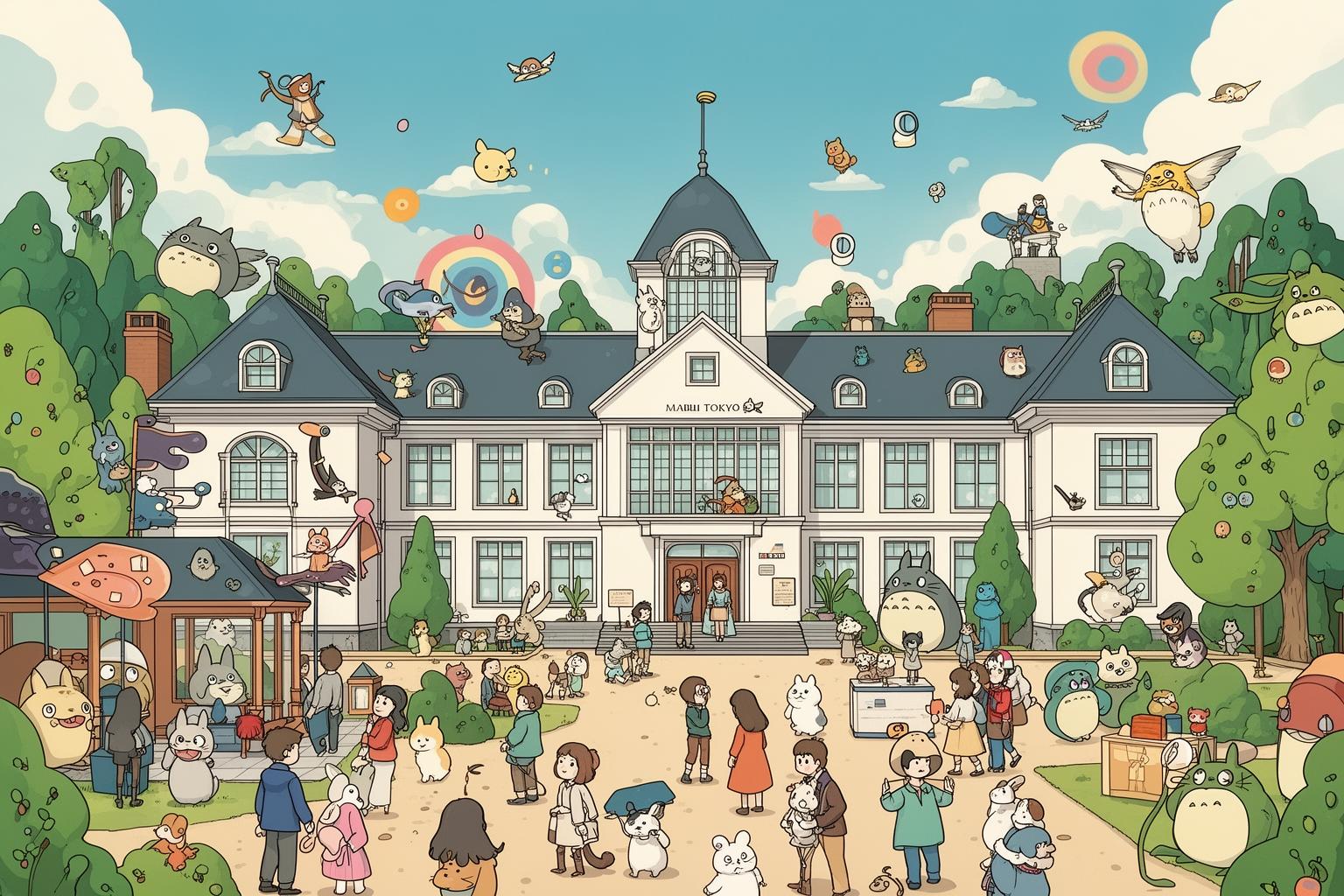
From the moment you arrive, it’s clear you’ve left ordinary Tokyo behind. The building itself, nestled among the trees of Inokashira Park, appears to have grown naturally from the earth. Draped in ivy and painted in soft, earthy hues, with whimsical curves and a total absence of sharp, modern lines, it feels like a forgotten villa from a Miyazaki film set in the Italian countryside. There are no grand arches or imposing signs. Instead, a very large, very fluffy Totoro welcomes you from a faux ticket booth, gazing out with a gentle, knowing smile. He doesn’t sell tickets—that essential task must be arranged months ahead—but he perfectly sets the tone. This is a place of play, not pomp. The museum’s motto is “Let’s Get Lost Together” (Maigo ni narō yo, issho ni), and they truly mean it. You receive a ticket made from an authentic 35mm film strip from one of the studio’s features, a unique key that grants access to one viewing at the museum’s theater, and then you are free to explore. There is no set route, no map to guide you. The building invites you to wander, to peek around corners, to climb winding staircases, and cross tiny bridges linking different levels.
The central hall is a stunning space—a multi-storied atrium crowned with a magnificent glass dome that floods the area with natural light. A complex network of spiral staircases, balconies, and elevated walkways crisscross the open air, creating a feeling of dynamic, joyful chaos. It resembles the engine room of an extraordinary flying machine, a place where ideas and dreams are constantly in motion. Your eyes are drawn everywhere simultaneously: to the beautiful, hand-cranked zoetropes that bring beloved characters to life in remarkably fluid animation, to the intricate stained-glass windows depicting scenes and characters from the films, and to the soft whirring of a giant ceiling fan that seems plucked from Porco Rosso’s hangar. The architecture itself tells a story—one of craftsmanship, curiosity, and the limitless potential of human imagination. It’s here you realize that the ban on interior photography, while initially disappointing, is a gift. It encourages you to put down your phone and simply be present, to absorb the details with your own eyes and commit the feeling of the place to memory, just as you would a treasured dream.
Beyond the Main Hall: Uncovering Hidden Treasures
Exploring the museum is a journey of constant discovery. Each room reveals a unique aspect of the Ghibli universe. On the ground floor, you’ll find the Saturn Theater, a cozy cinema with a sky-blue ceiling adorned with clouds and a smiling sun. Here, your film-strip ticket grants access to an exclusive screening of an original animated short film unique to the museum. These films, often wordless, embody pure Ghibli—charming, heartfelt, and beautifully crafted stories that resonate with audiences of all ages and backgrounds. They serve as a powerful reminder of the studio’s storytelling brilliance, a special gift for those who have made the trip.
Climb the narrow staircases, and you’ll discover rooms devoted to the art and science of animation. One permanent exhibit, “Where a Film is Born,” is a treasure trove for anyone intrigued by the creative process. The rooms are designed to resemble a whimsical artist’s studio, filled with books, sketches, and inspiring trinkets. The walls are covered with concept art and storyboards, illustrating the progression of an idea from a simple pencil sketch to a fully developed cinematic scene. You see the pigments, brushes, and sheets of paper—it provides an intimate and humanizing glimpse into the meticulous work and boundless passion behind every frame of a Ghibli film. It reveals just enough of the magic’s secrets to deepen your appreciation, showcasing the extraordinary dedication of the artists behind the scenes.
For many, the pilgrimage reaches its peak on the museum’s rooftop. After climbing a narrow, caged spiral staircase, you step into the open air of a peaceful rooftop garden. Standing watch over the museum and the park beyond is a life-sized, five-meter-tall Robot Soldier from Castle in the Sky. Weathered and gentle, with moss beginning to cover its metal limbs, it feels more like an ancient guardian than a statue. There’s a deep sense of tranquility here. Standing beside this iconic figure, you can gaze out over the lush canopy of Mitaka, the sounds of the city softened by the trees. It’s a moment of quiet reflection, offering a chance to connect with the film’s themes of nature, technology, and a forgotten past. Elsewhere in the museum, younger visitors (and the young at heart) discover their own slice of bliss in the Catbus Room. A plush, life-sized Catbus from My Neighbor Totoro invites children to climb in, on, and around it. The pure, infectious joy on their faces perfectly captures the film’s celebration of childhood wonder.
The Practical Magic: Planning Your Pilgrimage to Mitaka
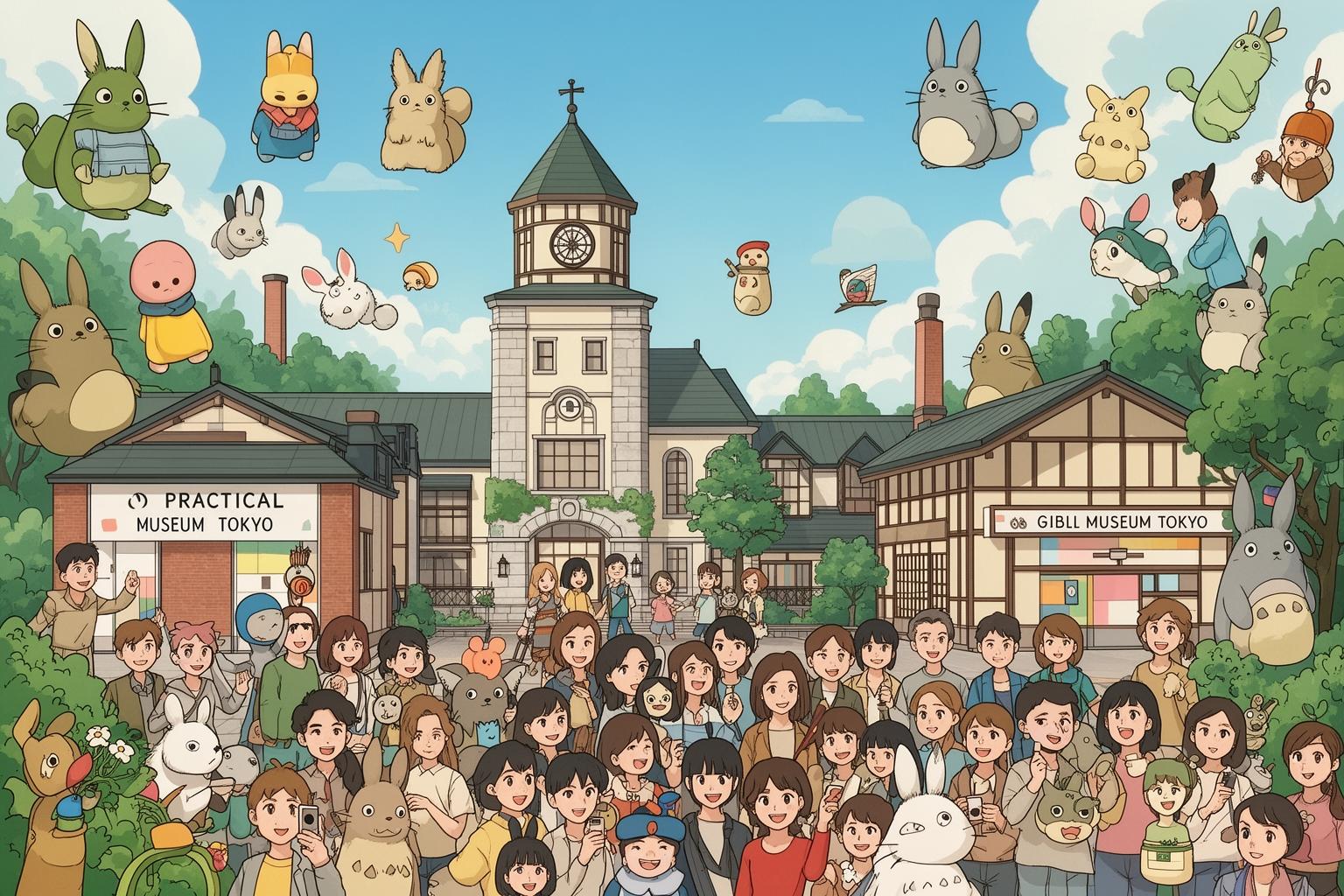
As enchanting as the Ghibli Museum is, visiting it requires a very practical and essential step: planning. Tickets are notoriously hard to secure and absolutely cannot be bought at the museum itself. They become available online through the Lawson ticket website on the 10th of each month for entry the following month. For international visitors, this means being online the moment tickets are released, competing with heavy traffic, and hoping for success. Each ticket is for a specific date and entry time, and they sell out within minutes or even seconds. This scarcity is intentional; the museum strictly limits the number of visitors to ensure the experience remains uncrowded and unrushed, maintaining the intimate, leisurely atmosphere that is key to its charm. Securing a ticket feels like finding a golden ticket to Willy Wonka’s factory—it’s the first step of the adventure.
Once you have your prized ticket, getting to Mitaka is a pleasant trip from central Tokyo. The easiest way is to take the JR Chuo Line from a major station like Shinjuku or Tokyo Station to Mitaka Station. From the south exit of Mitaka Station, a community bus adorned with Ghibli characters will quickly transport you to the museum in about five minutes. It’s both a charming and convenient option. However, for those with a bit more time, I highly suggest an alternative route. Travel one stop further to Kichijoji Station. From there, the museum is a scenic fifteen-to-twenty-minute walk through the peaceful and expansive Inokashira Park. This walk offers the perfect prelude to your visit. Walking beneath a canopy of ancient trees and past the serene Inokashira Pond, you gradually leave behind the city’s noise and enter a calmer, more reflective state. It’s as though the park itself is preparing you for the gentle wonders ahead, harmonizing your spirit with the Ghibli philosophy before you even enter the museum.
The Ghibli Spirit in the Wild: Exploring Kichijoji and Inokashira Park
Your Ghibli pilgrimage shouldn’t conclude the moment you leave the museum. The surrounding area is imbued with a similar creative and relaxed charm. Inokashira Park stands out as a destination in its own right. Its large central pond is dotted with swan-shaped paddle boats, and a quaint, picturesque shrine dedicated to Benzaiten, the goddess of art and fortune, rests on an island connected by a bridge. The park is a beloved retreat for Tokyo residents, where families picnic, couples take leisurely strolls, and artists capture the scenery on paper. In spring, it ranks among Tokyo’s most breathtaking cherry blossom spots, with pale pink flowers arching gently over the water. In autumn, the vibrant hues of the maple trees create a scene of stunning beauty. The park’s intimate connection to nature and the shifting seasons feels inherently Ghibli; it’s easy to picture Totoro napping beneath the roots of the towering camphor trees or the forest spirits from Princess Mononoke wandering the woods after dark.
The town of Kichijoji, bordering the park, is frequently ranked as one of Tokyo’s most desirable neighborhoods, and the reasons are clear. It strikes a perfect balance between trendy and traditional, commercial and cozy. While stylish department stores and boutiques are present, the true soul of Kichijoji lies in its smaller streets and arcades. Sunroad, a covered shopping street, hums with energy, and nearby Harmonica Yokocho is a maze of tiny, lantern-lit alleys filled with standing bars, ramen shops, and yakitori stalls that come alive after sunset. It’s the kind of place to explore without a plan, discovering quiet coffee shops, quirky vintage stores, or small galleries along the way. This blend of urban vitality and natural calm, of modern life coexisting with moments of simple beauty, embodies the heart of Miyazaki’s worlds. Spending an afternoon here, simply watching the rhythm of daily life, is a delightful way to extend the Ghibli experience.
Echoes of Inspiration: Finding Ghibli in Greater Tokyo
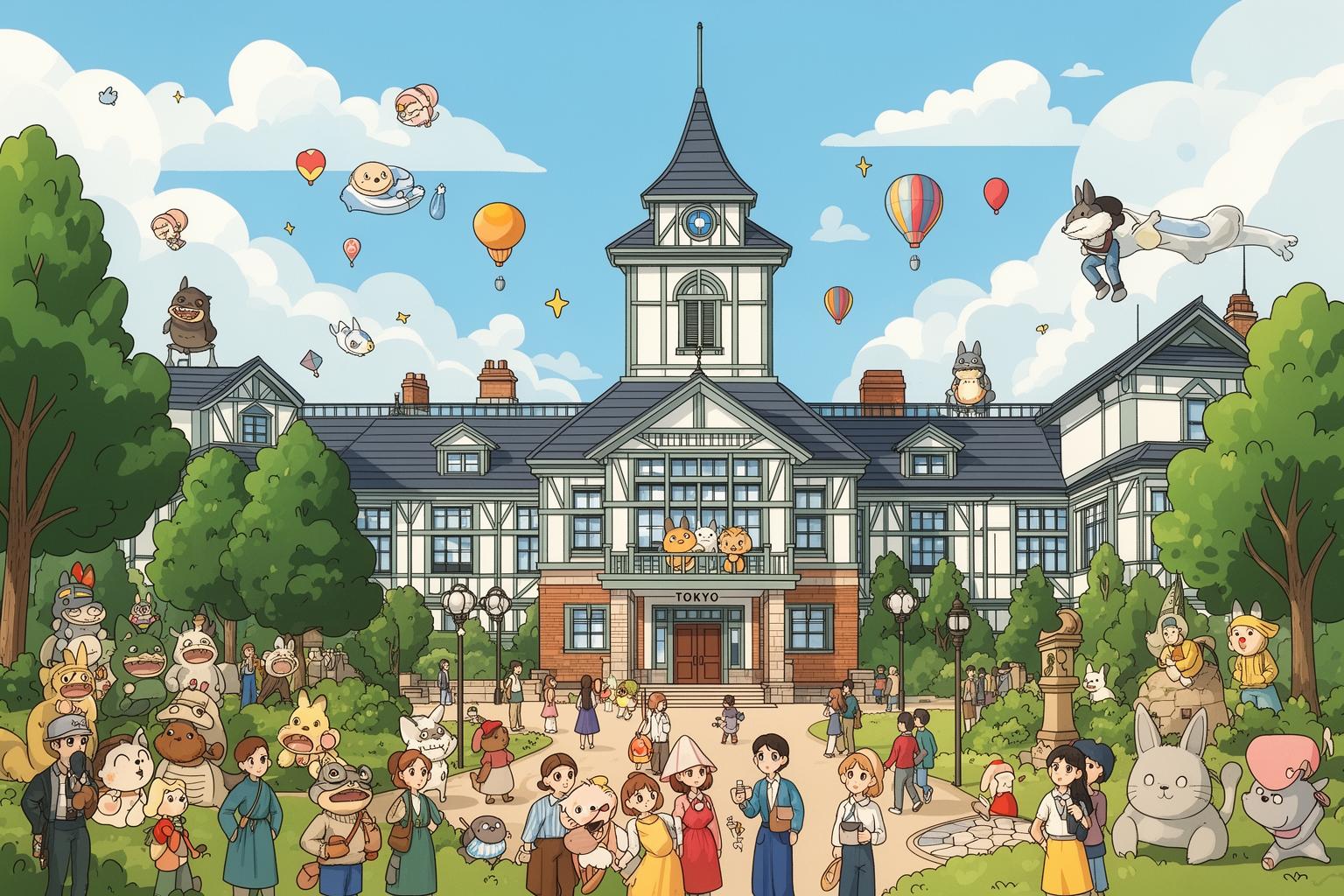
For the truly devoted pilgrim, the Ghibli trail stretches even further into the vast expanse of Tokyo. One charming side adventure is a visit to Shiro-Hige’s Cream Puff Factory. Nestled in the quiet residential neighborhood of Setagaya, this is the only bakery in the world officially licensed by Studio Ghibli. Their specialty is cream puffs shaped adorably like Totoro, complete with leafy hats and wide, curious eyes. The flavors vary with the seasons, ranging from classic custard and chocolate to strawberry and chestnut. The bakery itself is as delightful as its treats, housed in a quaint, ivy-covered building resembling a cottage from Kiki’s Delivery Service. Savoring one of these edible Totoros is a whimsical and delicious way to connect with the Ghibli spirit.
For a deeper exploration of the historical and architectural inspirations behind the films, a visit to the Edo-Tokyo Open Air Architectural Museum is a must. Situated in Koganei Park, not far from Mitaka, this extensive museum showcases dozens of historical buildings from various eras that have been relocated and preserved. Hayao Miyazaki was a frequent visitor here, drawing inspiration for the nostalgic and intricately detailed settings in his films. As you stroll through old-fashioned pharmacies, public bathhouses (sento), and Meiji-era mansions, you’ll experience a strong sense of déjà vu. The grand facade and luxurious interior of the Kodera-yu bathhouse are widely believed to have directly inspired the otherworldly bathhouse of the gods in Spirited Away. Walking through these preserved spaces feels like stepping into Miyazaki’s sketchbook, witnessing the real-world history he transformed into timeless fantasy. It offers a profound context for his work, rooting his fantastical worlds in the tangible beauty and craftsmanship of Japan’s past.
A Parting Whisper from the Wind
A visit to the Ghibli Museum and its nearby inspirational sites offers more than just a sightseeing trip for anime enthusiasts. It’s a journey into a more thoughtful, gentle, and observant way of experiencing the world. You leave not only with a souvenir from the Mamma Aiuto gift shop or a memory of a beloved character, but with a renewed appreciation for the little details—the play of light through a stained-glass window, the texture of a hand-drawn line, the flavor of a simple meal prepared with care, the quiet majesty of an ancient tree. The experience serves as a reminder that the magic celebrated in Studio Ghibli’s films isn’t limited to the screen. It lives in the real world, in acts of kindness, the beauty of nature, the dedication of an artist, and the courage to get a little lost along the way. As you continue your journey, whether through the bustling streets of Tokyo or back home across the sea, you carry a piece of that wonder with you—a quiet whisper on the wind urging you to look closer, live more slowly, and never stop believing in the magic of everyday life.