
Deep within the remote mountains of Gifu Prefecture, nestled in a quiet river valley, lies a place that feels unstuck from time. Here, the world slows to the rhythm of the seasons, and the landscape is dominated by architectural marvels found nowhere else on earth. This is Shirakawa-go, a UNESCO World Heritage site renowned for its traditional Gassho-zukuri farmhouses. With their steep, thatched roofs resembling hands pressed together in prayer, these structures create a scene of profound peace and enduring history. For some, it’s a breathtaking window into a bygone era of rural Japan. For others, it’s a pilgrimage to a place they know by another name: Hinamizawa, the haunting and unforgettable setting of the acclaimed anime series Higurashi: When They Cry. Whether you’re drawn by the whispers of ancient tradition or the echoes of a modern cult classic, Shirakawa-go offers an experience that is both deeply serene and subtly mysterious, a place where reality feels just as magical as fiction. Before we step across the threshold into this living fairytale, let’s get our bearings.
Exploring Shirakawa-go’s enchanting blend of history and modern allure, visitors often discover a cinematic charm reminiscent of the filming-induced tourism boom energizing other iconic locales.
The Soul of Gassho-zukuri
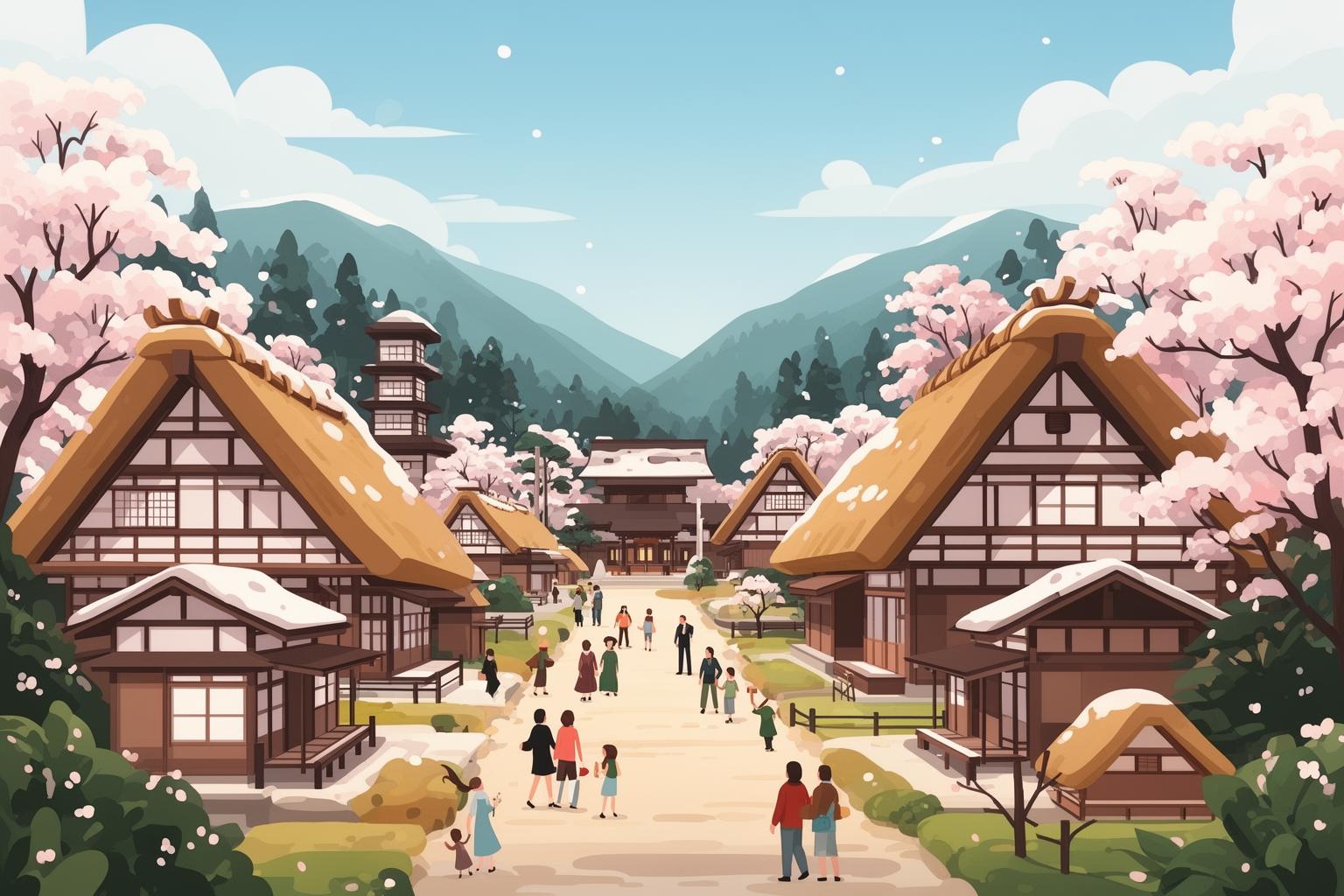
The heart and soul of Shirakawa-go lie in its houses. The term Gassho-zukuri, meaning “constructed like praying hands,” perfectly captures the essence of these majestic structures. Their sharply sloped roofs, pitched at a steep sixty-degree angle, represent a brilliant feat of folk engineering designed to endure the immense weight of the region’s heavy winter snows. Seeing them for the first time is a striking experience. They don’t merely look built; they seem to have grown from the very soil of the valley. The roofs are thatched with enormous amounts of susuki grass, forming a thick, textured blanket that can be over a meter deep. This natural insulation keeps the homes cool in humid summers and surprisingly warm during frigid winters. What’s truly remarkable is that these massive buildings are constructed without a single nail. Instead, a complex system of wooden beams is ingeniously joined and secured with ropes made from straw and hardy Neso vines. This flexibility allows the houses to sway and settle with the earth, a vital feature in earthquake-prone Japan.
The history of these farmhouses is closely linked to the sericulture industry—the cultivation of silkworms. The large, open attics, warmed by rising heat from the living quarters below, provided an ideal environment for raising these precious creatures. As you walk through the village, you can almost hear echoes of this past life. The entire village of Ogimachi, the largest and most famous settlement in Shirakawa-go, is a living museum. But it’s not a sterile exhibit; families have lived in these homes for generations, preserving a way of life that has disappeared from much of the country. This sense of continuity is tangible. It’s found in the dark, polished wood of the floors, worn smooth by centuries of footsteps, and in the faint, pleasant scent of woodsmoke that lingers from the central irori, or sunken hearth, which serves as the heart of the home for cooking, heating, and gathering.
A Village Painted by the Seasons
Shirakawa-go is never just a single snapshot; it is a living canvas that shifts dramatically with each passing season. Choosing when to visit is less about pinpointing the “best” time and more about deciding which version of this fairytale setting you want to experience. Each season brings its own unique ambiance, a distinct color palette, and a different rhythm to village life.
Winter’s Silent Embrace
Arguably the most iconic sight of Shirakawa-go is its winter blanket. From late December through February, the valley is covered in meters of pristine white snow. The Gassho-zukuri houses, capped with thick layers of powder, resemble gingerbread cottages from a fairy tale. The world grows hushed as the snow soaks up sound, leaving only the soft crunch of your boots and the gentle murmur of the Shokawa River to pierce the silence. This is the season of the renowned winter light-up events. On selected Sunday evenings in January and February, many farmhouses in the village are illuminated, casting a warm golden glow against the deep blue of the winter dusk. The view from the Ogimachi Castle Observation Deck during these occasions is utterly enchanting, a scene so perfect it feels almost unreal. A practical note for winter travelers: this breathtaking spectacle is very popular, so accommodations and bus tickets need to be reserved months, sometimes even a year, in advance. With icy roads, waterproof boots with a solid grip are essential, and dressing warmly in layered clothing is a must.
Spring’s Gentle Awakening
As the snow melts away, usually in late March and April, the valley comes alive with vibrant greens. The starkness of winter fades into a gentle, hopeful palette. This is when you can see the bare framework of the landscape, the dark, fertile soil of the rice paddies waiting to be filled. By late April and early May, cherry blossoms appear, adding delicate splashes of pink and white against the dark wooden farmhouses and fresh green mountains. It’s a subtler beauty than winter’s grandeur, a season of quiet renewal. You can observe the agricultural cycle beginning as villagers flood the paddies and plant this year’s rice crop. The air is crisp and clean, perfect for leisurely strolls. Crowds tend to be fewer than in peak winter or autumn, allowing a more intimate and reflective experience of the village.
Summer’s Verdant Life
Summer in Shirakawa-go bursts into a symphony of deep, lush greens. The rice paddies stretch out like a vibrant emerald sea, swaying in the warm breeze. Surrounding mountains are cloaked in thick, impenetrable foliage. The soundscape changes, too—the silence of winter gives way to the constant chorus of cicadas, a quintessentially Japanese summer sound familiar to fans of Higurashi. Although the weather can be hot and humid, the beauty is striking. Brightly colored flowers bloom in gardens, and the Shokawa River flows clear and cool, offering a refreshing sight. This season also marks the beginning of preparations for the unique Doburoku Festival. While the festival itself occurs in autumn, the community spirit is alive throughout the summer. It’s a time to appreciate the valley’s vibrant life force, seeing the Gassho-zukuri farmhouses not as static relics, but as lived-in homes within a thriving, productive environment.
Autumn’s Fiery Palette
In October, the valley erupts in a blaze of color. The mountainsides burst into fiery reds, brilliant oranges, and golden yellows. The changing leaves form a stunning backdrop to the dark, imposing farmhouses. The rice, now golden and heavy, is harvested, and the air carries a crisp, earthy scent of fall. This is arguably one of the most beautiful times to visit—a photographer’s dream. The weather is often clear and pleasant, perfect for exploring the village and hiking to various viewpoints. The season culminates with the Doburoku Festival in mid-October, a lively event where visitors can sample the potent, unfiltered home-brewed sake for which the festival is named. It celebrates the harvest and offers a wonderful opportunity to see the community united in a tradition that spans centuries. The stunning natural beauty combined with vibrant local culture makes autumn a truly special time to be in Shirakawa-go.
Echoes of Hinamizawa: A Pilgrim’s Path
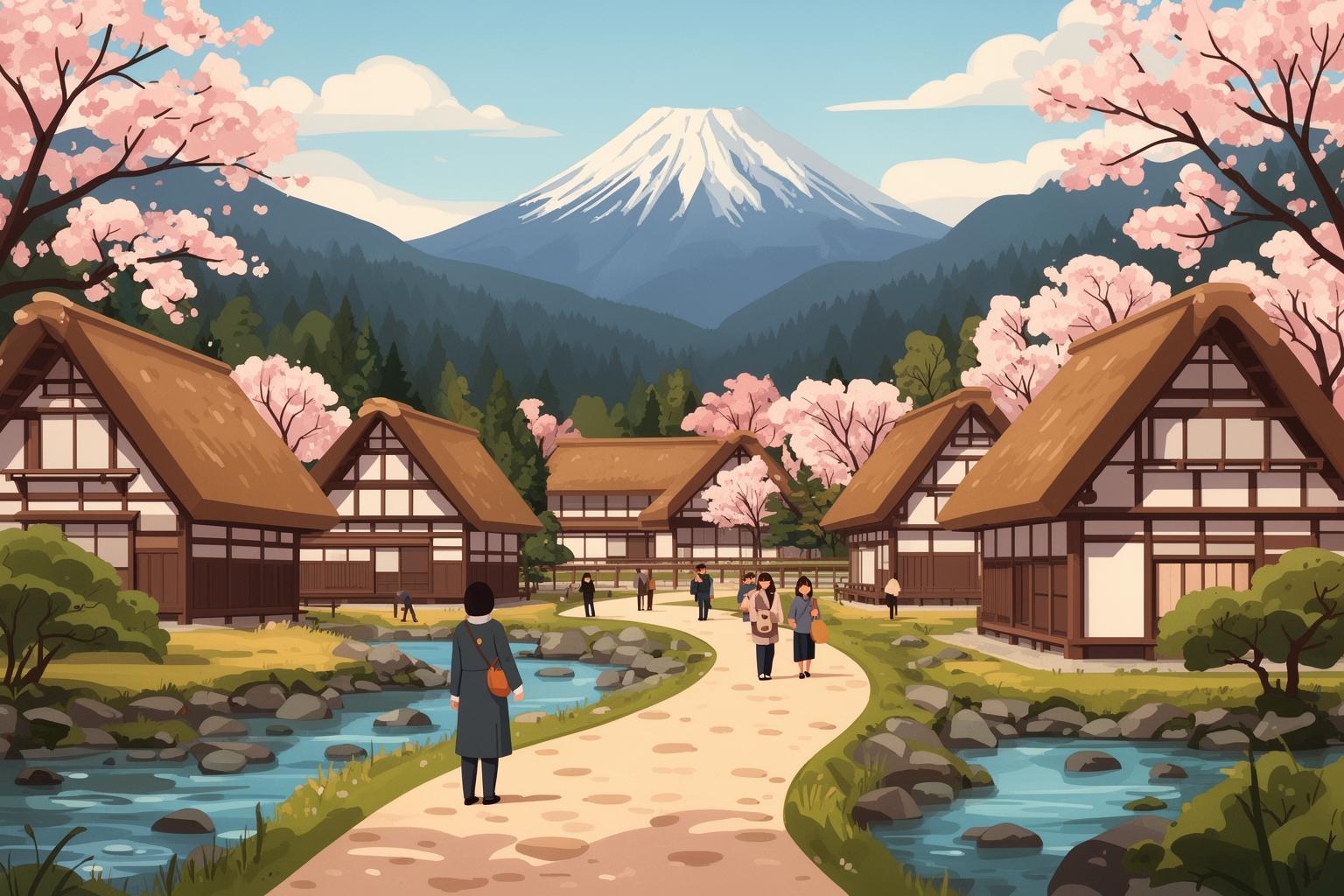
For a generation of anime fans, Shirakawa-go is deeply intertwined with the fictional village of Hinamizawa, the eerie and intricate mystery setting of Higurashi: When They Cry. Strolling through the village feels like stepping straight into the anime’s world, a surreal experience where familiar scenes come to life. The pilgrimage is not merely about identifying locations; it’s about immersing yourself in the atmosphere that so vividly inspired the series.
Finding Familiar Sights
The most notable landmark for any pilgrim is the Shirakawa Hachiman Shrine, the real-life counterpart to the Furu-de Shrine. As you ascend the stone steps, surrounded by towering, ancient cedar trees, the sensation is strikingly familiar. The main hall and Ema-den, where visitors hang wooden prayer plaques, closely resemble their depiction in the anime. You can almost envision Rika and her friends tidying the grounds. Many fans leave their own custom Higurashi-themed ema plaques, a heartfelt tribute blending fiction with real-world tradition.
Nearby, you’ll see the iconic slopes and paths the characters took to school. Ogimachi’s main street, with its waterways and traditional houses, evokes countless scenes. A walk to the Ogimachi Castle Observation Deck offers a panoramic view of the village often used to establish Hinamizawa’s setting, closely mirroring the location of the Irie Institution. The Wada House, one of the largest and best-preserved Gassho-zukuri farmhouses, inspired the Sonozaki family estate; its grand scale and imposing presence are instantly recognizable. Even the simple Deai-bashi suspension bridge, the village’s main entrance, feels like a gateway into that other world.
More Than Just a Replica
While the anime pilgrimage is a strong attraction, it’s vital to remember Shirakawa-go is not a film set. It is a living, breathing community with a rich history that far predates its anime fame. The charm of the pilgrimage lies in witnessing how the creators of Higurashi skillfully infused the village’s real atmosphere—its isolation, enduring traditions, tight-knit community bonds, and the slightly eerie sensation of being in a place so removed from the modern world—into their story. The genuine Shirakawa-go is peaceful, not sinister. The locals are hospitable, and the history they uphold is one of resilience and cooperation, not horror. The experience is deepened by appreciating both facets of the village: the authentic, historical one and the fictional one it inspired. This duality adds a distinctive layer of meaning to the visit, creating a compelling dialogue between ancient culture and contemporary pop culture.
Living History: Inside the Farmhouses
To truly appreciate Shirakawa-go, you need to step inside one of the Gassho-zukuri farmhouses. Several have been transformed into museums, providing insight into the daily lives of the families who have inhabited this valley for centuries. The most notable among them are the Wada House, the Kanda House, and the Nagase House. Visiting these homes offers a rich, multi-sensory experience.
As soon as you cross the threshold, the atmosphere shifts. The air feels cooler and carries the distinctive, comforting aroma of aged wood and smoke from the central irori hearth. This hearth was the heart of family life, and looking upward, you can see the enormous, cross-hatched wooden beams of the ceiling, darkened by generations of smoke. This smoke was more than a byproduct of cooking and heating; it played a crucial role in preserving the wood and thatch, protecting them from insects and decay. The ground floor served as the family’s living area, with tatami mat rooms divided by delicate paper shoji screens. The spaces are often simple and practical, reflecting a lifestyle grounded in hard work and functionality.
Climbing the steep, ladder-like stairs to the upper floors feels like entering another realm. This area was dedicated to sericulture. The floors consist of wide wooden slats that allow heat and smoke from the irori to rise and circulate, maintaining the steady, warm environment necessary for the silkworms. You’ll find tools of the trade here: racks for the silkworms, spinning wheels, and looms used to weave the precious fabric. The attic windows, which resemble eyes from the outside, were specifically designed to provide ventilation and light. From these upper floors, you gain a unique vantage point, looking out over the village from above. It’s a poignant reminder that these beautiful houses were not only homes but also self-contained factories—engines of a thriving local economy sustained by the delicate partnership between humans and insects.
Practical Paths: Navigating Your Journey
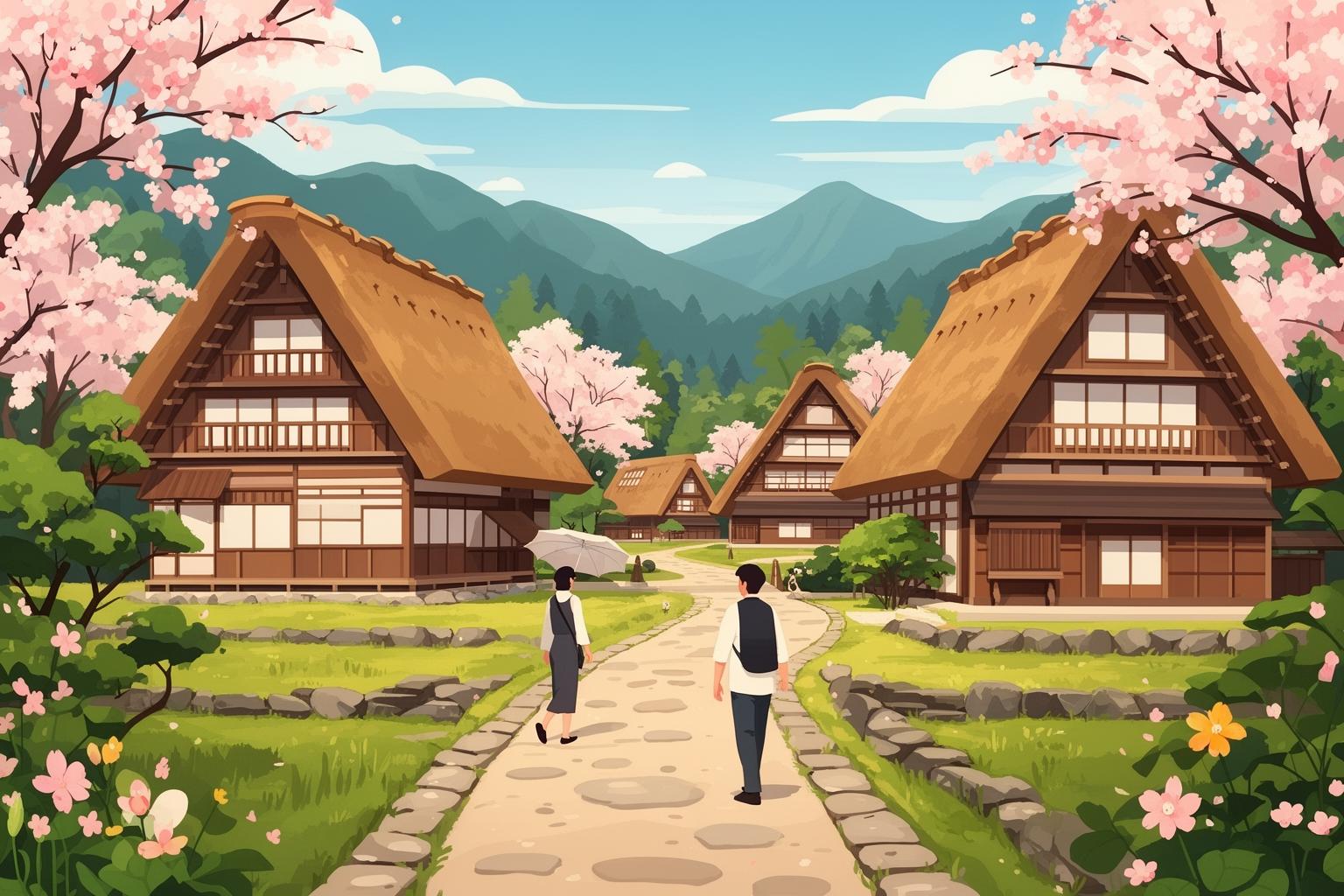
Shirakawa-go’s remote setting is a major part of its appeal, but it also means reaching the village requires some careful planning. The trip itself is part of the experience, taking you through the breathtaking landscapes of the Japanese Alps.
Getting to the Hidden Valley
Shirakawa-go does not have a train station. The only public transport option to reach the village is by highway bus. The main departure points for these buses are Takayama to the east, Kanazawa to the northwest, and Nagoya further south. Nohi Bus operates regular routes from Takayama and Kanazawa, both easily accessible via the Shinkansen bullet train network. The bus ride from Takayama takes about an hour, while the journey from Kanazawa lasts around an hour and a half. These trips are exceptionally scenic, winding through mountains and tunnels before the valley finally comes into view. It’s highly recommended to book your bus tickets in advance, especially during busy seasons like winter and autumn, as they often sell out. For those driving, the Tokai-Hokuriku Expressway provides direct access, but be mindful that winter driving demands snow tires and experience with icy roads.
Staying in the Fairytale
Although a day trip is possible, spending the night in Shirakawa-go offers a truly unforgettable experience. Once the day visitors and tour buses leave, a profound calm descends on the village. The streets clear, lanterns begin to glow, and you feel genuinely transported back in time. The most authentic accommodation choice is a minshuku, a family-run guesthouse, many of which are housed within genuine Gassho-zukuri farmhouses. This provides a rare opportunity to sleep beneath a traditional thatched roof and enjoy home-cooked local meals around the irori hearth with your hosts. These minshuku are small and in high demand, so booking months ahead is essential. If staying in a farmhouse isn’t feasible, there are also some small hotels and ryokans nearby, though these tend to fill up quickly as well.
A Taste of the Mountains
No visit to the region is complete without sampling the local cuisine. The food is hearty and rustic, deeply rooted in the mountain environment. A must-try is Hida beef, a type of wagyu from Gifu Prefecture renowned for its exceptional marbling and flavor. It is served in various ways, from grilled skewers to simmered sukiyaki. Another local specialty is goheimochi, skewered pounded rice coated in a sweet and savory sauce made from miso, soy, and walnuts, then grilled over an open flame. It’s the ideal snack for wandering the village. Also, try dishes featuring sansai (wild mountain vegetables) and fresh river fish. Soba noodles are popular too, served hot in broth or cold with a dipping sauce. Eating here is a way to connect with the landscape, tasting the very spirit of the mountains.
Beyond the Main Street
While the cluster of houses at the heart of Ogimachi is the main attraction, there is much more to discover for those willing to explore a bit further. Taking time to wander the outskirts of the village provides a deeper appreciation of the community and its surroundings.
The Ogimachi Castle Observation Deck
This classic, postcard-perfect viewpoint is popular for good reason. A short but steep walk or a quick shuttle bus ride leads you to this hillside spot overlooking the entire village. From here, you can fully appreciate the scale and layout of the settlement, with the Gassho-zukuri farmhouses nestled together on the valley floor, surrounded by rice paddies and the winding Shokawa River. It is the ideal place to understand the harmonious relationship between the village and its natural environment. Visit at different times of day to see how the changing light transforms the scene.
Crossing the Deai-bashi Bridge
The Deai-bashi, or “Encounter Bridge,” is a long pedestrian suspension bridge serving as the main entrance to Ogimachi from the bus terminal and parking area. Crossing it is a symbolic moment of leaving the modern world behind and entering a historical sanctuary. The bridge gently sways as you walk, and the views along the clear, wide river are stunning. Pause midway to soak in the 360-degree panorama of the mountains enclosing the valley, appreciating just how isolated and protected this community once was.
A Quieter Pace
Ogimachi’s main street can become very crowded, especially around midday. To find the village’s quieter side, take a turn onto one of the smaller paths weaving between houses and alongside rice fields. Here, you’ll notice the details of everyday life: vegetable gardens, neatly stacked firewood, and the intricate, crystal-clear irrigation channels running through the village, their water so pristine it is used for everything from washing vegetables to feeding the koi fish in small ponds. In these peaceful corners, away from souvenir shops and cafes, you can most deeply feel the enduring spirit of Shirakawa-go.
A Gentle Farewell from the Valley
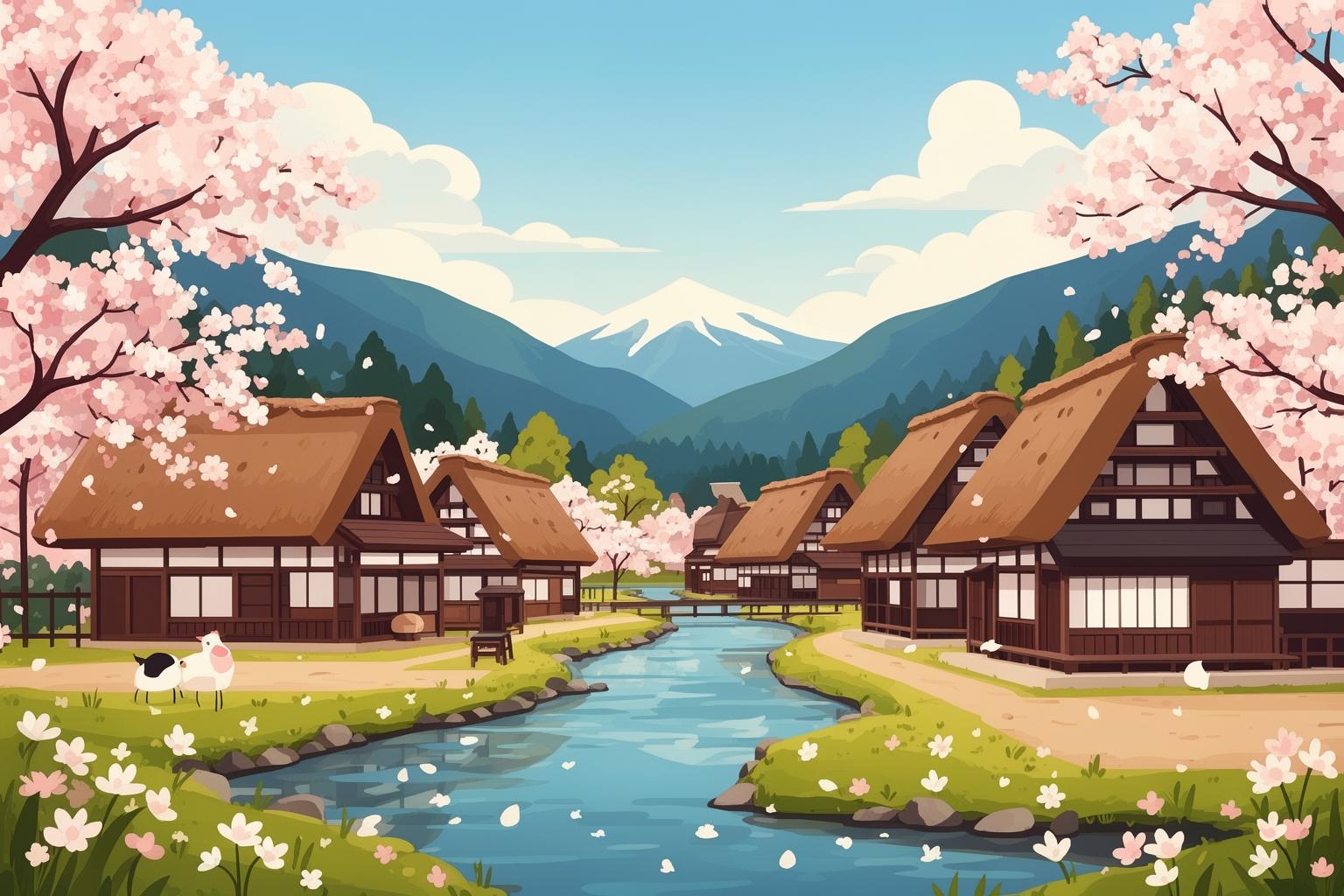
Leaving Shirakawa-go feels like emerging from a dream. As you cross back over the Deai-bashi bridge, the modern world gradually comes into view again. Yet, the sensation of the village remains. It’s the image of those striking, prayerful roofs set against the mountains, the scent of woodsmoke lingering in the air, and the deep quiet that envelops the valley after dusk. The village stands as both a carefully preserved historical treasure and a vibrant, living community. It serves as a testament to human creativity, resilience, and the profound bond between people and their surroundings. Whether you arrived seeking a glimpse of old Japan, a breathtaking natural landscape, or the real-life setting of a beloved story, Shirakawa-go offers something beyond expectations. It leaves you with a feeling of peace and quiet wonder, a memory of a place where time flows differently, and where every thatch, beam, and stone holds a story centuries old.