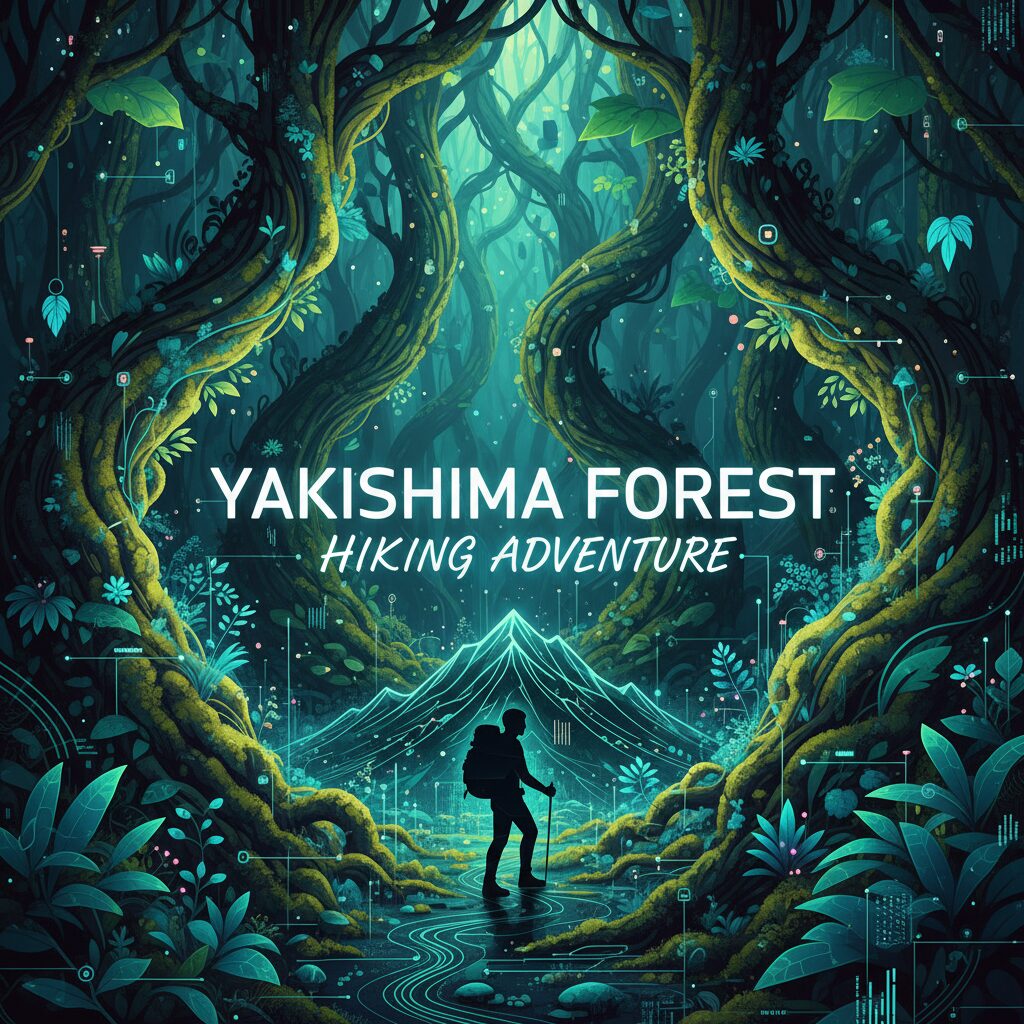
Deep within the heart of southern Japan, floating in the East China Sea, lies an island that feels like a secret whispered from the ancient world. This is Yakushima, a place where the rain falls in shimmering curtains, the trees are old enough to have witnessed dynasties rise and fall, and the very air hums with a primal energy. For many, this island isn’t just a destination; it’s a pilgrimage. It’s the living, breathing soul of one of the most beloved animated films of all time, Studio Ghibli’s Princess Mononoke. When you step off the ferry and onto its shores, you’re not just arriving at a UNESCO World Heritage site—you’re stepping through a portal into the deep, mystical forests that Hayao Miyazaki so brilliantly brought to life on screen. This is where the barrier between animation and reality dissolves, where you can walk in the footsteps of Ashitaka and feel the presence of the Forest Spirit in the dappled light and the ancient, moss-covered stones.
For those entranced by Yakushima’s ancient mystique, the white lotus allure of the French Riviera offers a compelling complementary journey into timeless landscapes.
The Soul of Ghibli’s Masterpiece
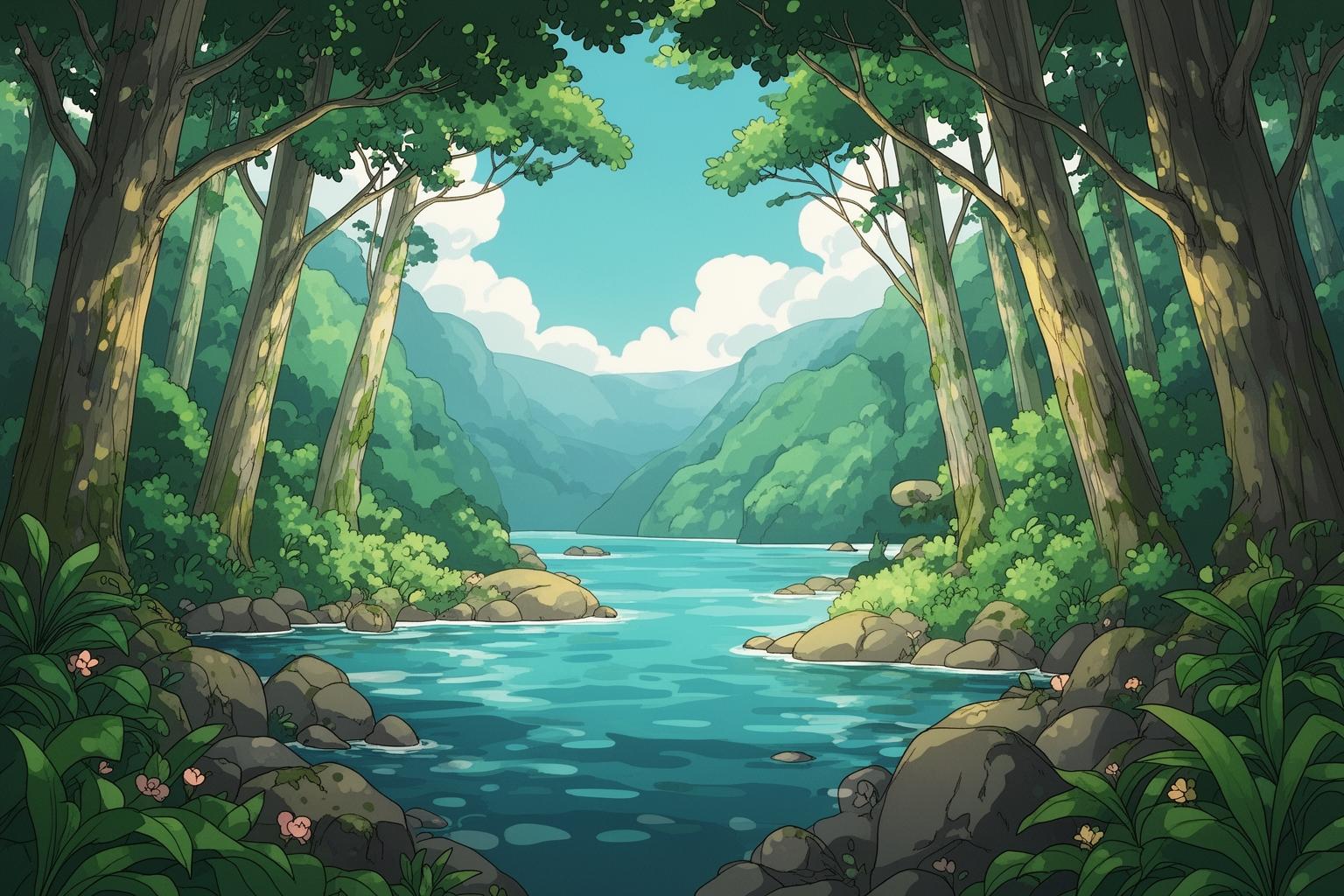
The link between Yakushima and Princess Mononoke is not a matter of subtle hints or fan speculation; it is a profound and well-documented source of inspiration. Hayao Miyazaki and his team of artists from Studio Ghibli made numerous trips to the island in the 1990s, immersing themselves in its otherworldly scenery. They sketched the twisted roots of the yakusugi cedar trees, photographed the velvety green moss carpets, and breathed in the misty air of its ravines. This extensive research is embedded in every frame of the film. The swirling mists that enshroud the Deer God’s domain, the crystal-clear rivers flowing over granite boulders, and the towering trees forming a cathedral-like canopy—all directly reflect Yakushima’s untamed beauty. The film’s central conflict, the clash between industrial humanity and the sanctity of nature, feels vividly real here. On Yakushima, standing in the quiet stillness of the woods, you can truly grasp what the characters were fighting to protect. It’s an environment that commands respect, a living testament to the power and fragility of the natural world that Miyazaki so passionately champions in his work. Walking here is like reading a visual storyboard for the film, where every turn in the path reveals a scene you feel you’ve known all your life.
Journey to the Island of the Gods
Reaching an island that seems to exist in another era is, fittingly, an adventure in itself. Yakushima is part of Kagoshima Prefecture, situated about 60 kilometers south of the Kyushu mainland. Your journey to this ancient realm will most likely start from the city of Kagoshima, the main gateway. You have two primary options for crossing the sea, each offering a distinct rhythm and experience.
Reaching the Shores
The quickest and most popular choice is the high-speed jetfoil ferry. Gliding over the waves, these vessels can complete the journey from Kagoshima Port to one of Yakushima’s two main ports, Miyanoura or Anbo, in roughly two to three hours. It’s efficient, comfortable, and offers exhilarating views as you watch the mainland fade behind and the striking, mountainous outline of Yakushima emerge on the horizon. For those with more time or a tighter budget, the slower car ferry is an excellent alternative. This voyage lasts about four hours but provides a more relaxed experience. You can stand on deck, feel the sea breeze on your face, and observe the ocean life, fully embracing the feeling of traveling to a remote land. Alternatively, flying is an option. Yakushima Airport is small but receives multiple flights daily from Kagoshima, with direct flights also available from larger cities like Fukuoka and Osaka. Flying presents a stunning aerial view of the island’s rugged interior, a jagged mountain ridge covered in an unbroken stretch of dense green forest. Ultimately, the choice depends on your travel preferences—the swift efficiency of flying, the rapid sea crossing by jetfoil, or the slow, reflective pace of the traditional ferry.
Navigating the Verdant Realm
Upon arrival, you’ll quickly notice that Yakushima is larger and more rugged than it appears on maps. While a single main road circles most of the island, public transportation can be infrequent. Local buses run on fixed schedules that may limit your freedom to explore or reach trailheads at dawn. For maximum flexibility, renting a car is by far the best option. It lets you travel at your own pace, stopping to admire a roadside waterfall or a family of monkeys foraging nearby. Car rental agencies are located near the ports and airport, but booking in advance, especially during peak seasons, is crucial. Driving here is an experience in itself—the coastal roads are scenic, but the narrow, winding mountain roads demand caution. If driving isn’t your preference, taxis and guided tours are available, relieving logistical concerns and offering valuable local insights.
The Hiker’s Pilgrimage: Trails into the Ancient World
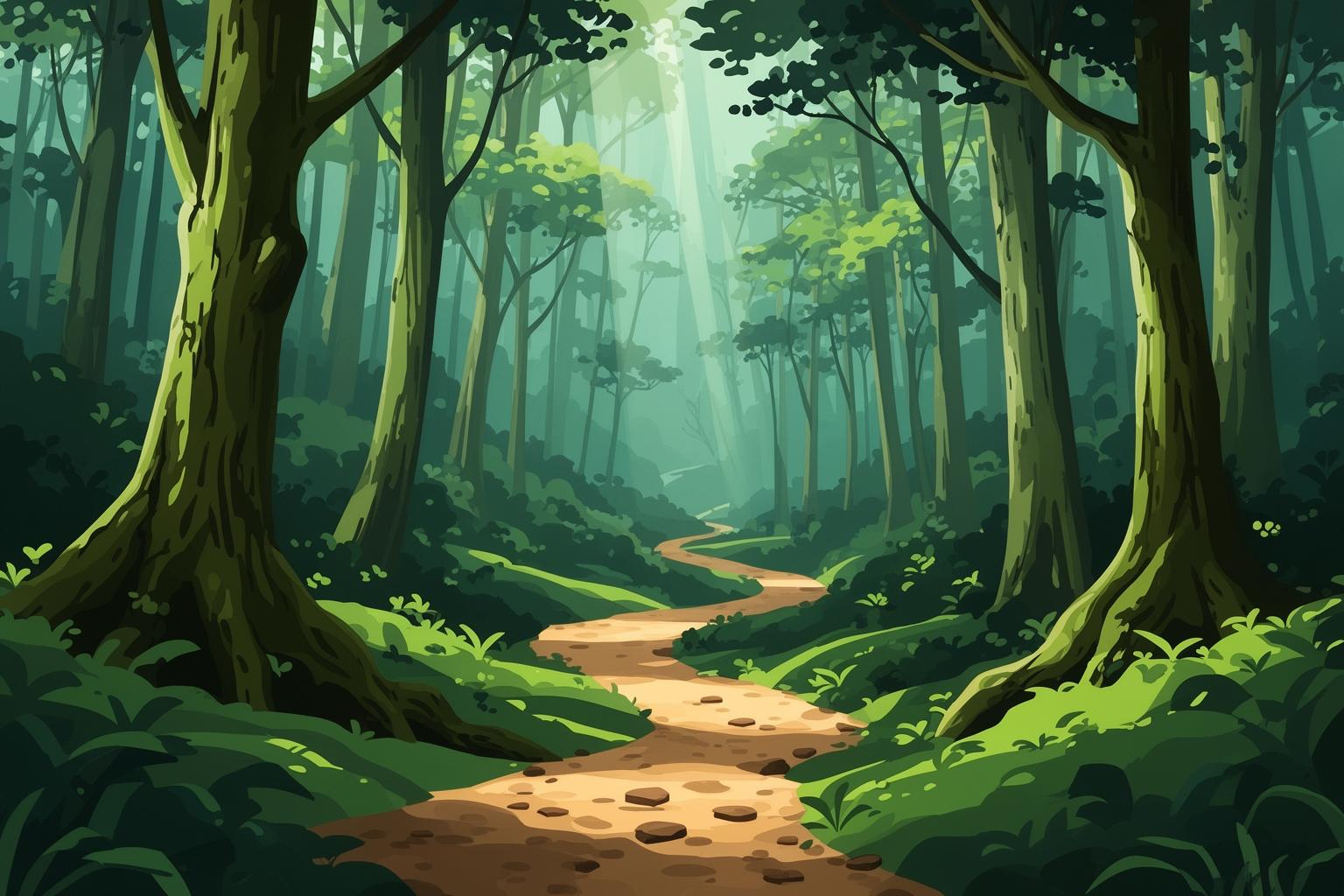
For outdoor enthusiasts, Yakushima is nothing short of paradise. This is where you lace up your boots and heed the call of the wild. The island’s interior is woven with hiking trails that guide you through some of the most breathtaking forests on Earth. This is the heart of the pilgrimage, where you genuinely connect with the spirit of the island and the film that brought it fame.
Shiratani Unsuikyo Ravine: The Moss-Covered Forest
If there is one spot on Yakushima that stands as the undeniable epicenter for Princess Mononoke fans, it is Shiratani Unsuikyo. This ravine is a moss-covered labyrinth. It’s far more than just a hint of moss on a tree trunk; it’s a vast, immersive green universe. Hundreds of moss varieties blanket every surface imaginable—the forest floor, the twisted roots of ancient trees, the enormous granite boulders, and even the branches high above. The air is cool, damp, and rich with the scent of earth and rain. The only sounds are the soft dripping of water, the melodic flow of the ravine’s streams, and the whisper of wind through the canopy.
Echoes of the Forest Spirit
Walking through Shiratani Unsuikyo is a deeply atmospheric experience. Sunlight filters through dense foliage in ethereal rays, illuminating the vibrant greens and creating an atmosphere of profound peace. There is a particular area deep within the ravine, officially called ‘Mononoke Hime no Mori’ (Princess Mononoke’s Forest), believed to be the direct inspiration for the Forest Spirit’s realm. Standing there, surrounded by the gnarled, moss-drenched landscape, it’s impossible not to feel awe and reverence. You almost expect to see the little white kodama, the tree spirits from the film, bobbing their heads on a nearby branch. It’s a place that quiets the mind and sparks the imagination—a truly magical corner of the world where fantasy and reality blend seamlessly.
Choosing Your Path
The ravine features several well-marked trails catering to varying fitness levels and time availability. There are short, gentle loops that take about an hour, ideal for a leisurely stroll to absorb the atmosphere. For those after a more strenuous adventure, the trail to Taikoiwa Rock is a must. This more challenging hike, lasting around four to five hours round-trip, includes some steep climbs. The reward is one of the most stunning views on the island. You emerge from the dense forest onto a massive granite boulder, gazing out at a breathtaking panoramic vista of Yakushima’s mountainous core. Looking down on the endless sea of green, you truly grasp the island’s scale and untamed spirit. It’s a view that makes you feel as if you’re on top of the world.
The Quest for Jomon Sugi: A Walk with Giants
For the dedicated hiker, the ultimate pilgrimage on Yakushima is the trek to see Jomon Sugi. This is far from a casual stroll; it is an all-day, epic journey to encounter one of the oldest living organisms on Earth. Jomon Sugi is a colossal yakusugi cedar, with age estimates ranging from 2,000 to over 7,200 years. Standing in its presence means confronting a timescale almost unfathomable to the human mind.
An Epic Undertaking
The hike to Jomon Sugi covers about 22 kilometers round-trip and typically takes 10 to 12 hours. This means setting out well before sunrise, using a headlamp to navigate the pre-dawn darkness. The trail initially follows the tracks of the Anbo Forest Railway, an old logging line now repurposed as a trail for hikers. Walking along these tracks through the silent, dark forest is a uniquely meditative experience. After several hours, the path leaves the tracks and ascends steeply through demanding forest terrain. Along the way, you’ll pass other magnificent ancient cedars like Meoto Sugi (Husband-and-Wife Cedars) and Daiosugi (Great King Cedar), each a natural monument in its own right. Though long and physically taxing, the hike offers a deeply rewarding immersion into the island’s primeval wilderness.
Meeting the Ancient One
After hours of trekking, you finally arrive. Due to its significance and age, visitors cannot approach Jomon Sugi directly, but a viewing platform provides a respectful vantage point to admire its grandeur. The tree is immense, twisted, and commanding, radiating an aura of deep wisdom and endurance. Its bark is a textured tapestry of time, and its branches stretch skyward like weathered arms. It’s a humbling sight. You realize this tree was a sapling when the pyramids of Egypt were being constructed. It has weathered countless typhoons, lightning strikes, and the passage of millennia. Standing before Jomon Sugi is more than seeing a giant tree; it is a profound moment of connection with deep time and the remarkable resilience of nature.
Beyond the Forest: Yakushima’s Other Wonders
While the ancient forests are the primary attraction, Yakushima’s charm also reaches its coastline and unique wildlife. The island boasts a diverse ecosystem with marvels to explore beyond the hiking paths.
Coastal Charms and Ocean Breezes
After a long day of hiking, the island’s shoreline reveals another kind of beauty. Nagata Inakahama, a breathtaking stretch of golden sand, serves as one of the most vital nesting sites for loggerhead sea turtles in the North Pacific. From May to August, guided nighttime tours allow visitors to quietly observe the mother turtles coming ashore to lay their eggs—a deeply moving and unforgettable experience. For a different coastal enchantment, visit one of the island’s natural seaside onsen (hot springs). Hirauchi Kaichu Onsen consists of pools carved into ocean rock, accessible only for a few hours each day at low tide. Bathing in the volcanically heated water while the Pacific waves gently crash nearby is an ideal way to relax tired muscles and connect with the island’s potent geothermal energy.
Encounters with the Locals: Yakushika and Yakuzaru
You won’t be alone in Yakushima’s forests. The island is inhabited by a large population of native wildlife, most notably the Yakushima macaque, or Yakuzaru, and the Yakushima deer, or Yakushika. These animals are smaller subspecies compared to their mainland relatives and show remarkable lack of fear toward humans. You’ll find them everywhere—monkeys grooming each other along the roadside, and deer carefully navigating the mossy undergrowth. The Seibu Rindo forest path, a narrow road on the island’s western side, is a designated World Heritage area where vehicle access is occasionally restricted, making it an excellent spot to observe the animals in their natural environment. It’s a profound reminder that this island rightfully belongs to them; we are merely temporary visitors in their ancient domain.
Preparing for Your Adventure: Practical Wisdom
A trip to Yakushima demands a bit more planning than your typical vacation. The island’s weather is famously unpredictable and wild, and its environment requires both respect and preparation. A little advance planning will help ensure your journey is safe, comfortable, and truly unforgettable.
When to Visit: A Tale of Four Seasons
An old local saying claims it rains on Yakushima “35 days a month,” a charming exaggeration that carries a kernel of truth. Rain is frequent year-round, sustaining the island’s lush, moss-covered forests, so it’s something to be welcomed rather than avoided. That said, some seasons are more appealing than others. Spring (March to May) brings pleasant temperatures and blossoming flowers. Summer (June to August) is hot and humid, coinciding with the rainy season (tsuyu) early on and typhoon season later, but it also offers the best chance to see sea turtles. Autumn (September to November) is often regarded as the ideal season, with steadier weather, mild temperatures, and stunning fall colors in the mountains. Winter (December to February) features fewer visitors and often snow-capped peaks, creating a serene and breathtaking landscape. Regardless of when you visit, be prepared for rain.
Gearing Up for the Elements
Proper gear is essential for Yakushima. The most crucial items in your pack should be high-quality waterproof clothing, including a dependable rain jacket, waterproof pants, and, importantly, waterproof hiking boots with good traction. The trails are often wet, slippery, and muddy. Layering your clothing is also important, as temperatures can fluctuate quickly with elevation gain. A backpack with a waterproof cover is vital to protect your camera and other gear. Be sure to bring plenty of water and high-energy snacks for your hikes. If you prefer to travel light, several rental shops in Miyanoura and Anbo can equip you with everything you need, from boots and rain gear to backpacks and trekking poles. Using these services is a smart way to lighten your load while ensuring you have appropriate gear for local conditions.
A Note on Respect and Preservation
Yakushima is a rare and delicate ecosystem. As a designated UNESCO World Heritage site, it’s our shared responsibility to protect its beauty. This requires adhering to some simple but important guidelines. Always remain on marked trails to protect the fragile moss and root systems. Follow ‘Leave No Trace’ principles by carrying out everything you bring in, including all food wrappers and trash. Never feed the wildlife; though monkeys and deer may appear tame, feeding them can alter their natural behaviors and lead to aggression. To enrich your experience and support the local community, consider hiring a licensed local guide. They offer invaluable insight into the island’s ecology, history, and folklore, are intimately familiar with the trails and weather, and add a layer of safety and depth to your adventure that can’t be found in any guidebook.
As my boots finally carried me back down the trail from Jomon Sugi, muddy and utterly spent, a profound sense of peace washed over me. Yakushima does that to you. It’s more than just a stunning place; it’s a powerful one. This island reminds you of the world’s enduring magic, the deep, quiet wisdom held within an ancient forest. It’s a place where the line between a cinematic dream and reality blurs into a beautiful, mossy green haze. Whether you come seeking the spirit of Princess Mononoke or simply a refuge from the modern world, Yakushima will deliver. It will challenge you, inspire you, and leave an enduring imprint on your soul. It’s a journey into nature’s heart, and in doing so, a journey back to a vital part of yourself. Go, and let the ancient forest whisper its secrets to you.