The air itself feels different here. It’s thick with the mineral-rich scent of the earth’s own warmth, a gentle haze of steam that clings to the dark wood of ancient buildings and softens the glow of paper lanterns. You hear it before you see it—the soft, rhythmic clatter of wooden geta sandals on stone-paved streets, a sound that has echoed through these alleyways for centuries. This is Dogo Onsen, nestled in the city of Matsuyama in Ehime Prefecture. It is a place that feels less like a destination and more like a passage through time. Holding the prestigious title of Japan’s oldest hot spring, with a history stretching back over a thousand years, Dogo Onsen is more than just a place to bathe. It is a living museum, a cultural touchstone that has healed warriors, inspired authors, and, in more recent times, captured the imagination of animators and storytellers known the world over. It’s a destination where the line between myth and reality blurs, where you can literally soak in the same waters that have fueled legends. For many international visitors, it’s a pilgrimage to a place that feels hauntingly familiar, the architectural soul of Hayao Miyazaki’s masterpiece, Spirited Away. Here, you don’t just visit history; you become a part of its continuous, flowing narrative.
Immerse yourself further in the rich cultural heritage of these venerable springs by exploring a Dogo Onsen pilgrimage guide.
The Heart of History: The Dogo Onsen Honkan
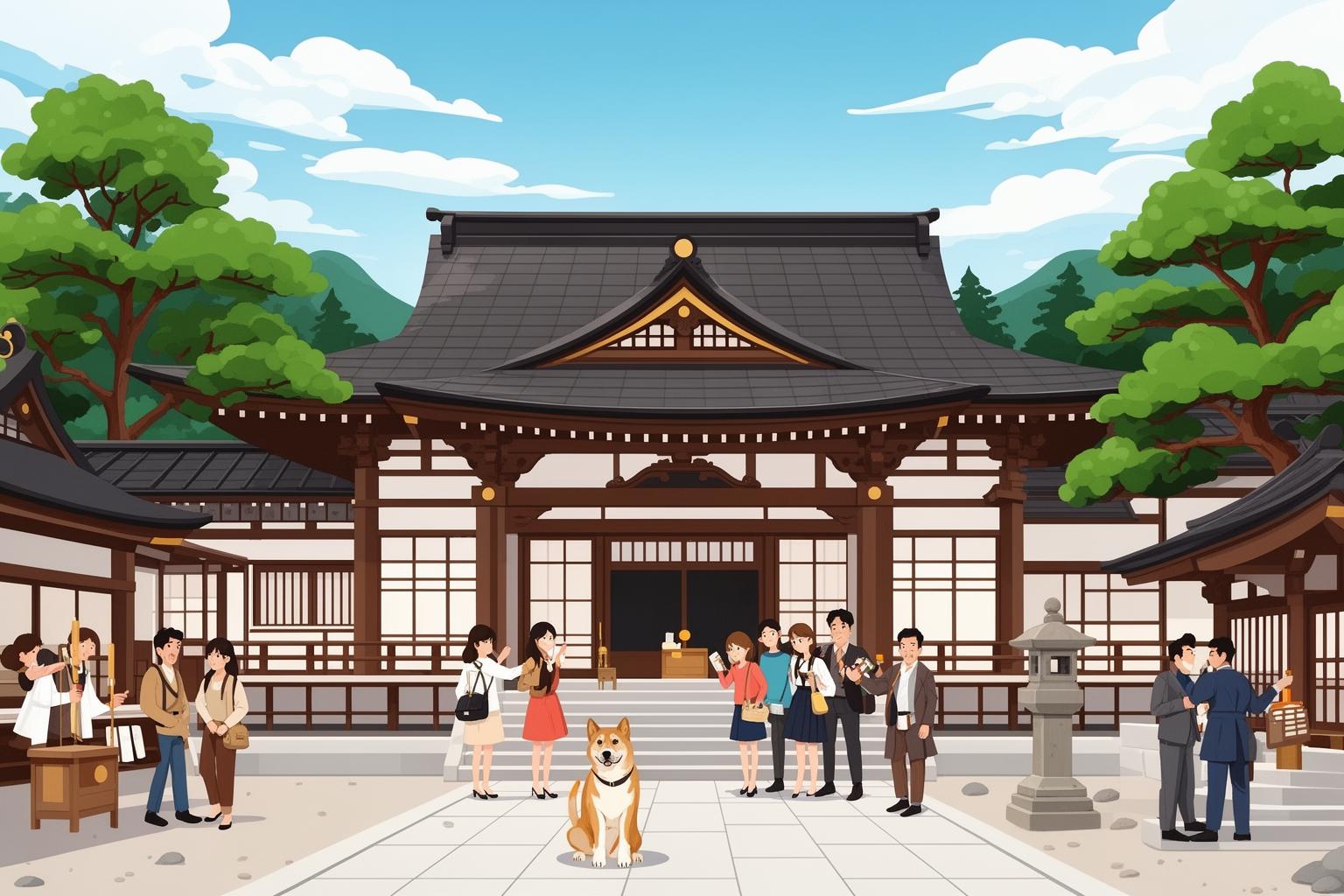
At the very heart of this steamy world stands the Dogo Onsen Honkan, the main bathhouse. It’s an architectural wonder, a splendid, chaotic blend of Meiji-era design. The building is not a single, monolithic structure; rather, it is a multi-tiered maze of wings, corridors, and annexes added over the decades, forming a castle-like silhouette topped by a white heron, the legendary symbol of Dogo. The dark timber, intricate latticework, and sliding shoji screens create a striking presence that feels both imposing and welcoming. A deep, resonant rhythm comes from the Shinrokaku, a tower at its summit, where a taiko drum sounds three times daily, its vibrations rolling through the town like a heartbeat. Stepping inside is like leaving the 21st century behind. The air grows warmer, filled with the chatter of bathers and the scent of damp wood. You weave through a labyrinth of narrow staircases and winding hallways, the wooden floors polished smooth by the footsteps of millions. The entire place creaks and sighs like a living entity, each sound a whisper from the past. Though the Honkan is currently undergoing a magnificent, years-long preservation and renovation project—a testament to its cultural significance—its spirit remains vividly present. Certain sections and bathing areas remain open, and the restoration itself, adorned with beautiful artistic coverings by contemporary artists, has become a spectacle to admire. This process is not a closure but a transformation, allowing a new generation to witness the careful preservation of this national treasure.
Through the Animator’s Eye: Echoes of Spirited Away
For countless fans of Studio Ghibli, the first sight of the Dogo Onsen Honkan evokes a strong sense of déjà vu. The soaring, multi-tiered roofline, the intricate network of external stairways, the red railings, and the lively, almost frantic energy of the building at night—it’s impossible not to see the Aburaya, the grand bathhouse for the gods in Spirited Away. Hayao Miyazaki has never officially acknowledged a specific source of inspiration, but the visual and atmospheric similarities are unmistakable. Crossing the small red bridge toward the Honkan, especially as dusk falls and lanterns begin to glow, feels like stepping into Chihiro’s world, on the brink of entering the spirit realm. The building seems to pulse with a secret life. You can almost envision the kami and spirits arriving to cleanse themselves after a long journey. It’s the complexity that truly links the two. The Honkan is far from a simple, symmetrical structure; it’s a stunning, sprawling creation filled with hidden rooms and unexpected turns, much like the fantastical setting of the film. This connection adds a layer of modern mythology to a place already rich in ancient lore. It serves as a pilgrimage site not only for history enthusiasts but also for those who believe in the power of stories—a place where the magic of animation feels vividly real, rooted in the steam and timber of this remarkable building.
The Ritual of Rejuvenation
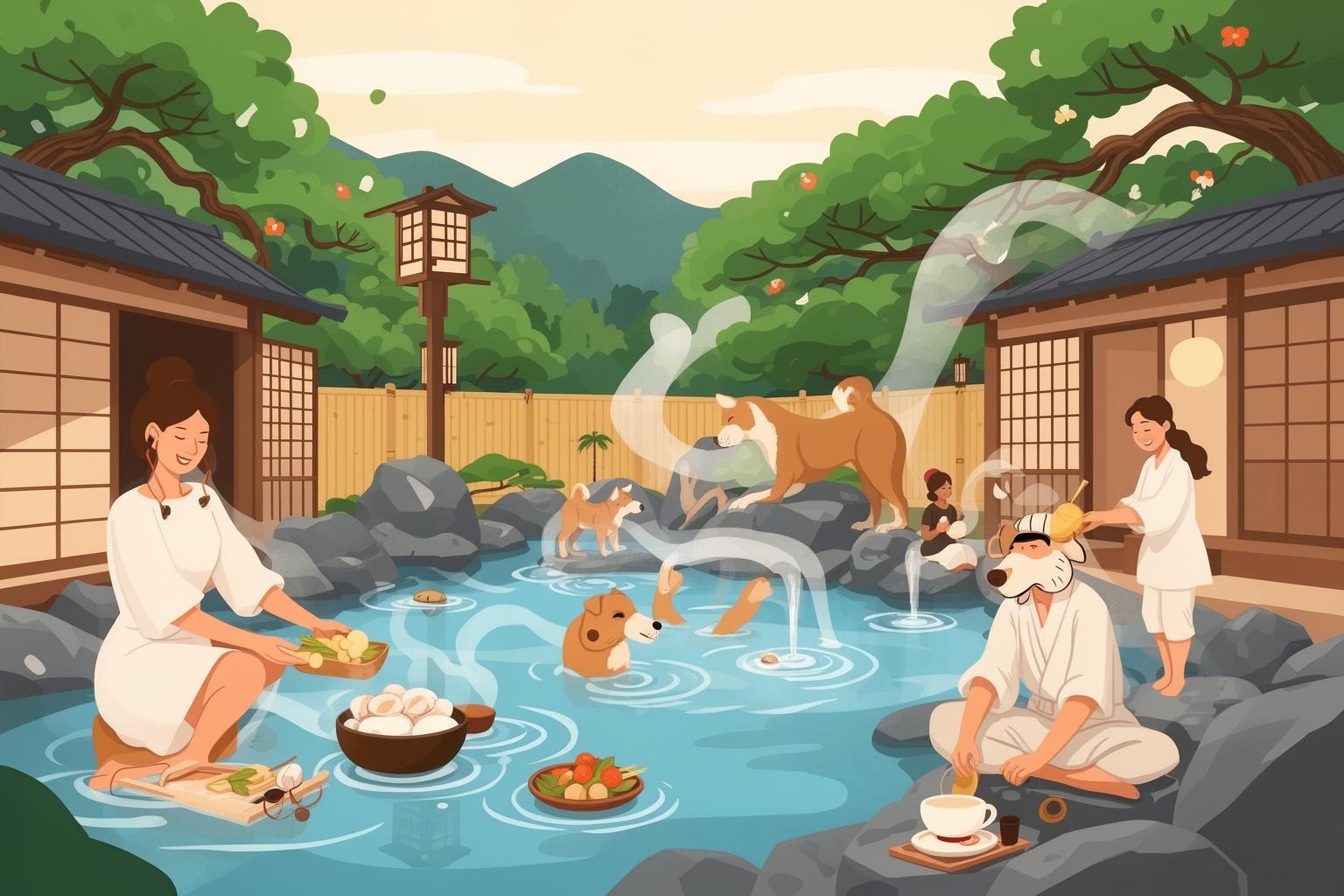
Experiencing Dogo Onsen means taking part in a ritual honed over centuries. While the Honkan is carefully being restored, two other splendid bathhouses, Asuka-no-Yu and Tsubaki-no-Yu, keep the tradition alive, providing the same legendary waters in their own distinctive environments. Asuka-no-Yu is a newer, beautifully designed facility inspired by the Asuka period of Japanese history, showcasing intricate crafts and art from Ehime. Tsubaki-no-Yu is a simpler, more locally loved spot, offering a straightforward, authentic bathing experience. The ritual itself remains timeless. You begin by purchasing a ticket, often available in different service tiers. Basic admission grants access to the main baths, while premium options include renting a colorful yukata, a cotton robe, and entry to a shared tatami lounge for post-bath relaxation. Inside the changing rooms, you leave behind modern life and your clothes in a locker. Equipped with a small towel for modesty and washing, you proceed to the bathing area. The golden rule of onsen is clear: you must wash thoroughly before entering the baths. Sitting on a small wooden stool in front of a row of faucets, you scrub away the dirt of your journey. Only then are you ready. Immersing yourself in the hot, silky water of the Kami-no-Yu (Bath of the Gods) is a moment of pure bliss. The water is a simple alkaline type, gentle on the skin and lacking a strong sulfurous odor, yet it feels deeply restorative. The stone basins and lofty ceilings resonate with the gentle sounds of splashing water, creating a meditative ambience that invites quiet reflection. It is a communal act of purification and relaxation that links you to everyone who has bathed here before.
Taste and Tradition in the Tatami Lounge
One of the most treasured parts of the Dogo Onsen experience happens after you leave the water. For those with a package that includes lounge access, you will be escorted upstairs to a spacious tatami mat room. The windows are wide open, letting in a cool breeze that feels refreshing on your warm skin. Dressed in your yukata, you choose a spot as an attendant brings you a small cup of hot tea along with a local delicacy: Botchan Dango. This sweet treat, consisting of three small, colored mochi balls on a skewer, was popularized by Natsume Soseki’s novel Botchan and is now emblematic of Matsuyama. Sitting in the communal hall, sipping tea and gazing out over the lively streets below is a moment of perfect calm. The conversation is a gentle murmur, the atmosphere relaxed and welcoming. It’s a place to let the restorative qualities of the onsen sink in, to cool down gradually and savor the tranquility. This social aspect is as important as the bath itself, embodying a tradition of community and shared comfort that defines onsen culture.
Beyond the Bath: The Charms of Dogo Town
While the bathhouses are the main attraction, the town of Dogo stands as a destination in its own right—an enchanting area to explore on foot, ideally while wearing your rented yukata and geta. The district is a compact network of sights, sounds, and flavors that extends the magic of the onsen experience into the streets.
A Clockwork Novel and a Merchant’s Path
Just steps from the Honkan is the Botchan Karakuri Clock, a whimsical, multi-tiered clock tower that springs to life every hour. As the music plays, panels slide open and miniature figures from Natsume Soseki’s novel Botchan appear to reenact scenes. It’s a delightful spectacle that draws crowds and adds a playful theatrical element to the town square. Beside the clock is a free public footbath, an ideal spot to rest tired feet and watch the world pass by. From there, you can explore the Dogo Haikara Dori, a covered shopping arcade serving as the commercial core of the district. The name “Haikara” is an endearing Meiji-era term meaning “high collar,” referring to something stylish or modern with Western influence. The street offers a vibrant blend of old and new, with shops selling traditional crafts and local souvenirs alongside contemporary cafes. The air is filled with the sweet scent of grilling dango and the citrus aroma of products made from Ehime’s famed mikan oranges. This is the perfect place to try local delicacies, from tart mikan ice cream to savory jakoten, a fried fish paste patty. It’s lively, somewhat touristy, but utterly charming.
A Moment of Peace at Isaniwa Shrine
For a change of pace and a touch of spiritual tranquility, a short walk from the onsen district brings you to the base of a steep stone staircase. These 135 steps ascend sharply to Isaniwa Shrine, an impressive structure built in the rare Hachiman-zukuri style, reminiscent of Kyoto’s Iwashimizu Hachimangu Shrine. The climb is refreshing, and the reward is well worth it. The shrine itself is a striking display of vermilion lacquer and detailed carvings, a powerful and photogenic sacred site. Equally wonderful is the view from the top, overlooking the rooftops of Dogo and the city of Matsuyama beyond. It’s a serene, breezy sanctuary offering a peaceful contrast to the bustling energy of the onsen town below. It gives you perspective, a moment to pause and appreciate the landscape embracing this historic place.
Your Journey to the Land of Gods and Poets
Planning a trip to Dogo Onsen is easier than you might expect, as Matsuyama is a well-connected and visitor-friendly city. With a bit of preparation, your pilgrimage will be as smooth and relaxing as the waters themselves.
Navigating Matsuyama’s Path
The primary gateway to the area is Matsuyama Airport, offering regular flights from Tokyo’s Haneda Airport and other major cities in Japan. Alternatively, travelers using a Japan Rail Pass can take the Shinkansen bullet train to Okayama and transfer to the JR Shiokaze Limited Express train for a scenic ride across the Great Seto Bridge to Matsuyama. Once you reach JR Matsuyama Station, the city’s delightful tram system is your ideal companion. A streetcar will bring you directly to the Dogo Onsen stop in about 25 minutes, placing you right at the entrance to the district. For a truly memorable touch, consider boarding the “Botchan Train,” a diesel-powered replica of the old steam locomotives that once ran here during the Meiji era. It’s a charming, nostalgic way to complete your journey.
Tips for the Timeless Traveler
To get the best experience, timing matters. Weekdays are usually less crowded than weekends and national holidays. The onsen offers pleasure in any season—cozy and warming in the cold winter, and a refreshing tradition on humid summer evenings. Don’t be daunted by onsen etiquette. The basic rules are simple: wash before entering, keep your towel out of the water, and move quietly and respectfully. Most establishments provide signs with instructions in English. If you don’t have a towel, you can rent or purchase a small one for a modest fee. Embrace the local habit of strolling around town in a yukata. It’s not only for tourists; locals wear them as well, making it the most comfortable way to travel between the bathhouse, your hotel, and nearby shops. Lastly, remember to stay hydrated. Soaking in hot water, especially followed by a cup of hot tea, can cause dehydration. Drink plenty of water or sample the local mikan juice to keep refreshed.
Where Water Holds Memory
Departing from Dogo Onsen feels like awakening from a pleasant dream. The scent of steam fades away, the sound of clattering geta becomes distant, yet the warmth lingers on. This place offers more than mere cleansing of the body; it calms the soul. It is a rare destination where history, literature, and pop culture don’t clash but blend into one captivating story. You might arrive searching for the phantom architecture of an animated classic, or to trace the path of a famous novelist, or simply to experience one of Japan’s most esteemed hot springs. You will discover all these things, but you will leave with something greater: a personal connection to the flow of time, a memory of waters that have welcomed travelers for a thousand years, and the quiet promise of renewal. It’s a story written in steam, one that you will carry with you long after your skin has dried.