
There are stories that stay with you, that weave themselves into the very fabric of your memory like a brightly colored thread. Makoto Shinkai’s masterpiece, ‘Your Name.’ (Kimi no Na wa.), is one of those stories. It’s a breathtaking tale of two souls, Taki in bustling Tokyo and Mitsuha in the serene countryside, bound together by fate, dreams, and the dazzling arc of a comet across the sky. The film captured hearts worldwide not just for its emotional depth but for its stunningly realistic animation, a world so vivid you feel you could step right into it. And the most magical part? You can. The world of ‘Your Name.’ is not entirely a fantasy; its most iconic settings are real places, waiting to be discovered across Japan. This journey, a ‘seichi junrei’ or holy site pilgrimage, is more than just sightseeing. It’s a chance to walk in the footsteps of Taki and Mitsuha, to feel the electric pulse of their city and the quiet whisper of their town, and to find that shimmering connection, that ‘musubi,’ between fiction and reality. From the neon-drenched avenues of Shinjuku to the timeless charm of a mountain town in Gifu, this is your guide to chasing the ghost of a comet and finding the heart of a story that continues to resonate long after the credits roll.
Immerse yourself further in Japan’s rich animated heritage, as a visit to the Ghibli Museum offers an alternative lens through which to experience the magic of anime in real life.
The Heartbeat of Tokyo: Taki’s World
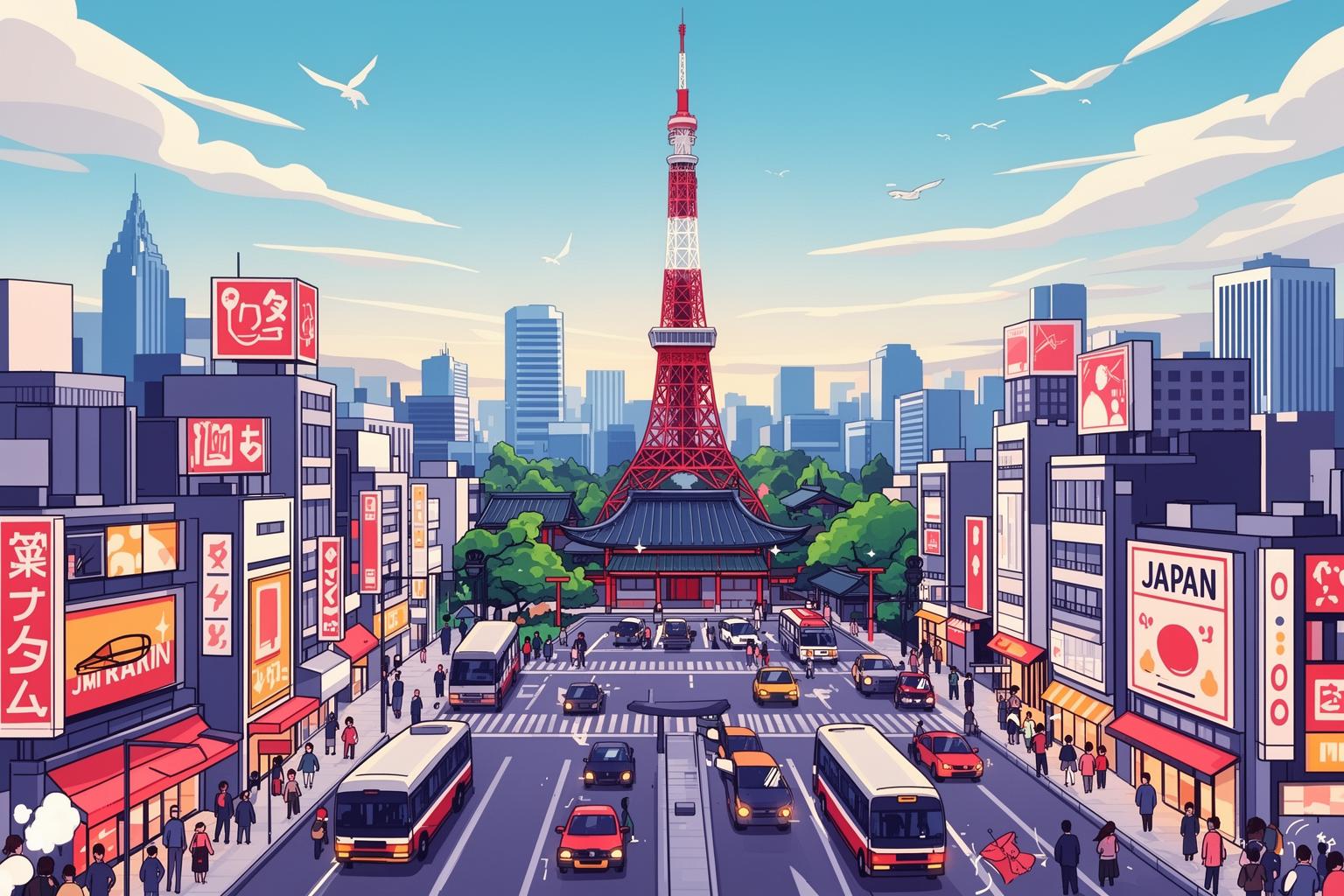
Our journey begins where Taki’s story takes place, in the vast, vibrant, and endlessly dynamic metropolis of Tokyo. Shinkai skillfully captures the city’s dual essence: its immense scale alongside its unexpected pockets of quiet intimacy. This is a city of towering skyscrapers that pierce the clouds, as well as serene backstreets where time seems to slow down. Walking here allows you to feel the rhythm Taki experienced—a symphony of train announcements, distant sirens, and the collective hum of millions of lives briefly intersecting.
The Iconic Red Staircase: Suga Shrine in Yotsuya
No image is more closely associated with Your Name. than the film’s final, poignant, and ultimately hopeful scene on a striking red-railed staircase. This is where Taki and Mitsuha, years later, finally reunite. The actual location is the staircase leading to Suga Shrine in a quiet residential area of Yotsuya, just a short walk from Yotsuya Station. Discovering it feels like uncovering a secret—you turn a corner, and there it stands. The view looking down, with Tokyo’s distinctive buildings perfectly framed between the parallel handrails, instantly transports you into the movie. The sensation is surreal. You half expect to see them standing there, about to ask that fateful question. The atmosphere is mostly tranquil, a sharp contrast to the bustling energy of nearby Shinjuku. To capture the perfect photo reminiscent of the film’s poster, visit during daylight hours, ideally on a weekday morning to avoid crowds. The soft light of late afternoon also casts a beautiful, cinematic glow over the scene, evoking the magic of kataware-doki—twilight—a theme central to the film. As you stand there, take a moment. It’s more than just a photo opportunity; it is the emotional climax of the story brought vividly to life.
A Skyline of Longing: The Shinjuku Scenery
Shinjuku is Taki’s playground, workplace, and the backdrop to his daily existence. The film features sweeping panoramic shots of this iconic district, capturing its dazzling complexity. The skyline itself becomes a character, symbolizing both the loneliness one can feel amidst a crowd and the limitless possibilities the city offers.
The NTT Docomo Yoyogi Building View
One of the most recognizable landmarks in the film’s cityscapes is the NTT Docomo Yoyogi Building, with its distinctive clock-tower-like spire. It frequently appears in the background, silently observing Taki’s journey. Though it’s visible from many spots, one of the best views is from the pedestrian bridge at Shinanomachi Station. From there, you can see train tracks weaving through the urban canyon with the tower standing majestically in the distance. It’s a shot that perfectly captures the sense of movement and scale defining Tokyo. Another excellent viewpoint is inside Shinjuku Gyoen National Garden, where the tranquil nature contrasts strikingly with the towering man-made structure on the horizon. This scene visually represents the film’s core theme: the beautiful tension between urban life and rural serenity.
The Intersecting Paths of Shinjuku
The complex, layered pedestrian bridges around Shinjuku Station form another key visual from the film. The circular bridge near the Shinjuku Police Station, in particular, acts as a powerful symbol of the intersecting but separate paths of the protagonists. Standing on this bridge amid the swirling flow of people and traffic, you truly feel immersed in Taki’s world. It’s a symphony of organized chaos—countless stories unfolding simultaneously. For first-time visitors, navigating the labyrinth that is Shinjuku Station can be an adventure itself, but locating these film landmarks helps ground the experience, turning a potentially overwhelming environment into a scavenger hunt for cinematic moments.
Taki’s Part-Time Job: Cafe La Bohème Shinjuku Gyoen
Do you remember the stylish Italian restaurant where Taki worked part-time, balancing trays of pasta and nursing a crush on his coworker, Okudera-senpai? The inspiration for this spot is a real restaurant, Cafe La Bohème, situated right next to Shinjuku Gyoen National Garden. Stepping inside is a pleasant surprise. The luxurious, high-ceilinged interior with chandeliers and large windows closely mirrors its anime counterpart. The ambiance is elegant yet inviting, making it an ideal place to rest your feet after a long day of pilgrimage. You can sit down, order a plate of pasta or a coffee, and imagine Taki bustling around. It’s a wonderfully immersive experience that engages more than just your eyes. The restaurant fully embraces its connection to the film, and you’ll often spot fellow fans quietly savoring the atmosphere. It’s a delicious way to connect with the everyday, mundane aspects of Taki’s life, perfectly rounding out the Tokyo portion of your pilgrimage.
Into the Soul of Itomori: Exploring Hida-Furukawa
After soaking in the electric energy of Tokyo, our journey shifts dramatically, much like in the film. We head to the mountainous region of Gifu Prefecture to discover the essence of Mitsuha’s fictional hometown, Itomori. Though Itomori is a creation of Shinkai’s imagination, its spirit and many significant locations were directly inspired by the charming, well-preserved town of Hida-Furukawa. Arriving here feels like stepping through a portal. The hectic pace of the city fades away, replaced by the gentle murmur of a river, the scent of woodsmoke, and the profound stillness of the mountains embracing the town.
A Station of Fateful Encounters: Hida-Furukawa Station
Your first stop in Mitsuha’s world is aptly the train station. Hida-Furukawa Station is where Taki and his friends arrive on their quest to find Mitsuha. The moment you step onto the platform, the likeness is striking. The wooden benches, the overhead signs, the pedestrian footbridge crossing the tracks—it’s all been meticulously recreated. The station even features a life-sized panel of the characters for photos. One of the most iconic sights is the Hida beef mascot character, ‘Hidakuro,’ a small statue that Taki notices at the station. Fans eagerly recreate this shot. The station is not merely a backdrop; it serves as the gateway to this part of the story. The town has warmly welcomed visitors, offering maps and guides highlighting the key anime spots, demonstrating the strong connection between the community and the film’s fandom.
Whispers of Tradition: The Hida City Library
The Hida City Library is another must-visit location and one of the most unique stops on any anime pilgrimage. This is the very library where Taki fervently searches for records of the Itomori disaster. What makes this place special is that the library staff fully embrace their role in the story. Visitors are not only permitted inside but are also allowed to take photos at a designated spot, provided they obtain permission at the front desk first. The interior is stunning, with warm wooden architecture and soft, natural light streaming through large windows. Sitting in the exact spot where Taki made his world-changing discovery is a moving experience. It feels less like a tourist attraction and more like a living part of the narrative. The library’s welcoming approach beautifully illustrates how a fictional story can foster real-world connections and infuse new energy into a community.
The Taste of the Town: Local Flavors and Crafts
Beyond the specific film locations, the true magic of Hida-Furukawa lies in its atmosphere. Take time to explore the old town. You’ll find the picturesque Setogawa Canal, where thousands of colorful koi fish swim in the clear water flowing alongside traditional storehouses with white-plastered walls. This scenery perfectly captures the timeless, idyllic beauty of Itomori before the comet. You can also visit a ‘kumihimo’ (braided cord) shop to see the craft that played a central role in the film’s plot and Mitsuha’s family traditions. Sampling local delicacies is also a must. Look for shops selling ‘goheimochi,’ the toasted rice cake on a stick that Taki and his friends enjoy. It’s a simple, delicious snack providing another tangible link to the story. Exploring Hida-Furukawa is about soaking in the details that make this place feel so authentic and special—the details that Shinkai himself clearly fell in love with.
The Lake That Vanished: The Inspiration for Itomori
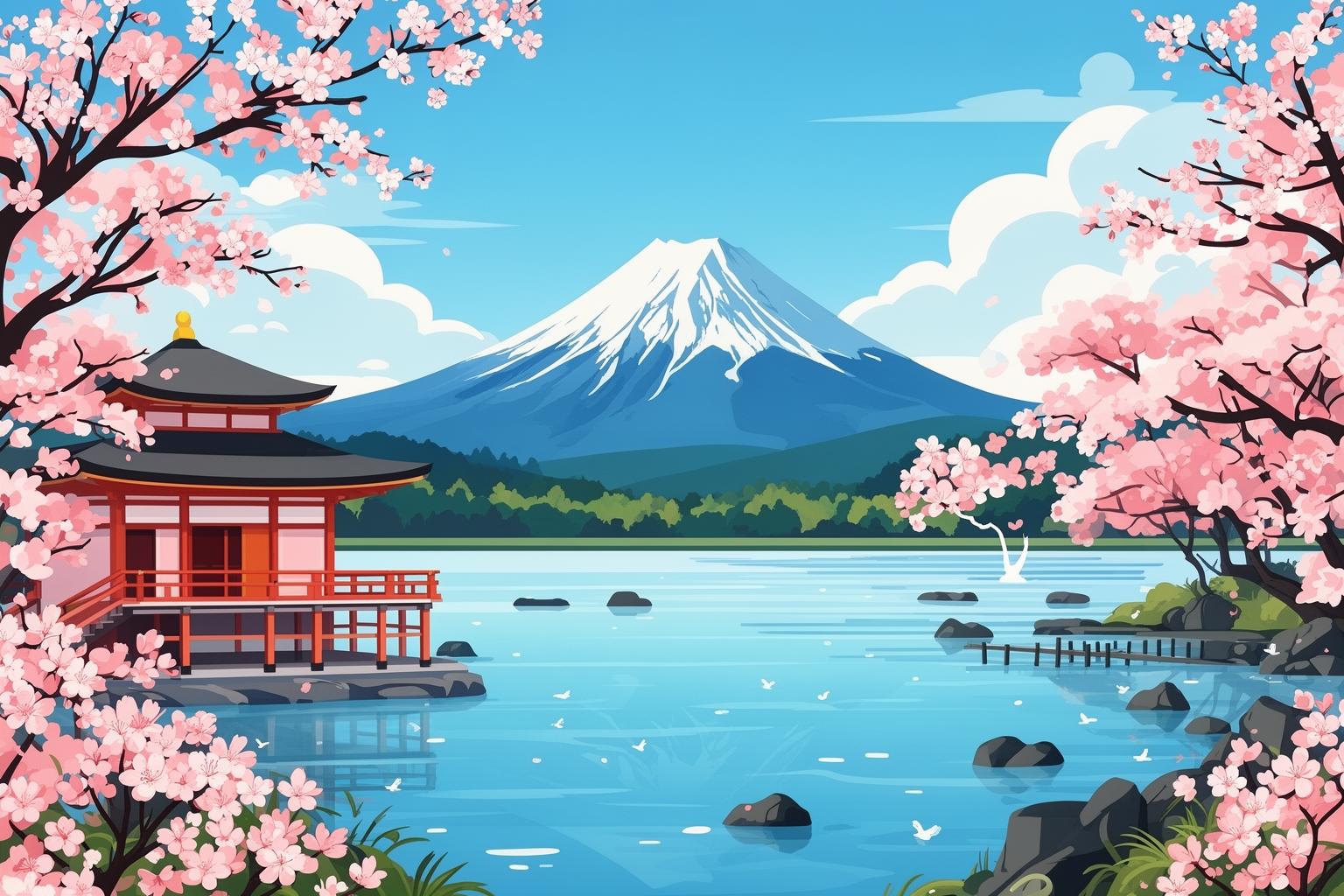
One of the most stunning and poignant images in Your Name. is the celestial view of Itomori’s lake, a caldera lake divided in two by the comet’s impact. This mythical lake is, of course, fictional. Yet, its main inspiration is not found in Gifu but in the neighboring Nagano Prefecture. This final pilgrimage site demands a bit more travel, but the breathtaking view you’ll be rewarded with is well worth the journey.
Finding Lake Itomori in Lake Suwa, Nagano
The landscape that most closely resembles the fictional Lake Itomori is Lake Suwa. To experience the god’s-eye view depicted in the film, you’ll need to head up to the Tateishi Park observation deck, which overlooks the lake and the nearby city. The moment you step onto the platform and take in the scenery below, the connection feels immediate and profound. The shape of the lake, the way the city lights curve along the shore, the surrounding mountains—it’s as if a frame from the anime has come to life in breathtaking reality. Visiting at dusk, or ‘kataware-doki,’ is essential. As the sun sets, the sky bursts into color, the city lights begin to sparkle, and day and night blur together. In that magical twilight, it’s easy to imagine the comet streaking overhead. It’s a profoundly moving experience that captures the epic, cosmic scale of the film’s story. This view is the very soul of Itomori, a place of great beauty and heartfelt memory.
Your Pilgrimage Blueprint: Tips for the Journey
Embarking on this ‘seichi junrei’ is an amazing adventure, but a bit of planning goes a long way. Traveling between these locations covers a large part of central Japan, so organizing the logistics will make your journey much smoother and more enjoyable.
Navigating Between Worlds: Tokyo to Hida
The trip from Taki’s world to Mitsuha’s is beautiful in itself. The most efficient way to travel from Tokyo to Hida-Furukawa is by Shinkansen (bullet train). Typically, you would take the Tokaido Shinkansen from Tokyo to Nagoya for a quick and comfortable ride. From Nagoya, transfer to the JR Hida Wide View Express train. This second part is spectacular, winding through deep river valleys and misty mountains, with wide windows designed to offer the best views of the stunning Japanese countryside. The shift in scenery perfectly reflects the transition between the film’s two settings.
What to Pack and When to Go
Comfortable walking shoes are essential. Both Tokyo and Hida-Furukawa are best explored on foot. In Tokyo, you’ll navigate train stations and city streets, while in Hida, you’ll wander through quiet neighborhoods. A good camera is a must to capture your own versions of the film’s iconic scenes. Regarding the best time to visit, each season has its own distinct charm. Spring offers delicate cherry blossoms in Tokyo and lush new growth in Hida’s mountains. Summer is vibrant and green, though it can be hot and humid. Autumn is perhaps the most breathtaking, with fiery foliage providing a stunning backdrop in city parks and countryside alike. Winter covers Hida with a peaceful blanket of snow, creating a serene, quiet beauty.
A Pilgrim’s Etiquette
When visiting these locations, remember they are not film sets but real places where people live, work, and worship. Suga Shrine remains an active place of worship, so maintain quiet and respect those praying. While exploring Yotsuya’s residential streets or the town of Hida-Furukawa, be considerate not to disturb locals. At the Hida City Library, always ask before taking photos and keep your voice low. The best way to show appreciation is by being a respectful visitor and supporting the local economy—buy a drink at a local café, purchase a souvenir from a small shop, and enjoy a meal at a local restaurant. This pilgrimage is a bridge between story and reality, and thoughtful travel enhances that connection for everyone.
Beyond the Screen: Finding Your Own Connection

Completing a pilgrimage for ‘Your Name.’ goes beyond simply ticking off locations on a list. It’s an experience that deepens your appreciation for the film’s artistry and the stunning beauty of Japan itself. Standing on that staircase in Yotsuya, you feel the weight of a story about searching and discovering. Gazing over Lake Suwa at twilight, you sense the cosmic magnitude of a love that transcends time and space. And as you walk through the quiet streets of Hida-Furukawa, you feel the lasting strength of community and tradition. This journey is about ‘musubi’—the intricate, unseen threads that connect people, places, and stories. As you travel, you weave your own thread, linking your experiences to those of Taki and Mitsuha. You’ll leave not just with beautiful photos, but with a feeling, a memory of having stepped into a world you cherish, and in doing so, uncovered a new part of yourself.