Some cities are just backdrops. Others are characters in their own right, their streets breathing life into the stories they hold. Yokohama is one of the latter. Just a quick train ride south of Tokyo, this port city is a whirlwind of sea breeze, historic architecture, and neon-drenched nights. For fans of the smash-hit anime Bungo Stray Dogs, Yokohama isn’t just the setting; it’s the very soul of the series. It’s where gifted individuals, named after real-life literary legends, clash in a spectacular battle of wits and supernatural abilities. To walk through Yokohama is to step directly into the world of the Armed Detective Agency and the Port Mafia, to feel the tension and the poetry that pulses through every alleyway and waterfront promenade. This journey, this pilgrimage or seichi junrei as we call it in Japan, is more than just sightseeing. It’s about discovering the real-world magic that inspired a beloved story, finding the echoes of Osamu Dazai, Chuuya Nakahara, and Ryunosuke Akutagawa in the very air you breathe. It’s a city of dualities—of elegant Western-style mansions and gritty docklands, of sun-drenched parks and shadowy backstreets—a perfect stage for a tale of light and darkness. Prepare to see this city not just with your eyes, but through the lens of its most famous fictional residents.
As you continue your immersive exploration of Yokohama’s storied streets, you might also appreciate a journey through ancient forests where nature and legend intertwine.
The Port City’s Double Life: Where Fiction Meets Reality
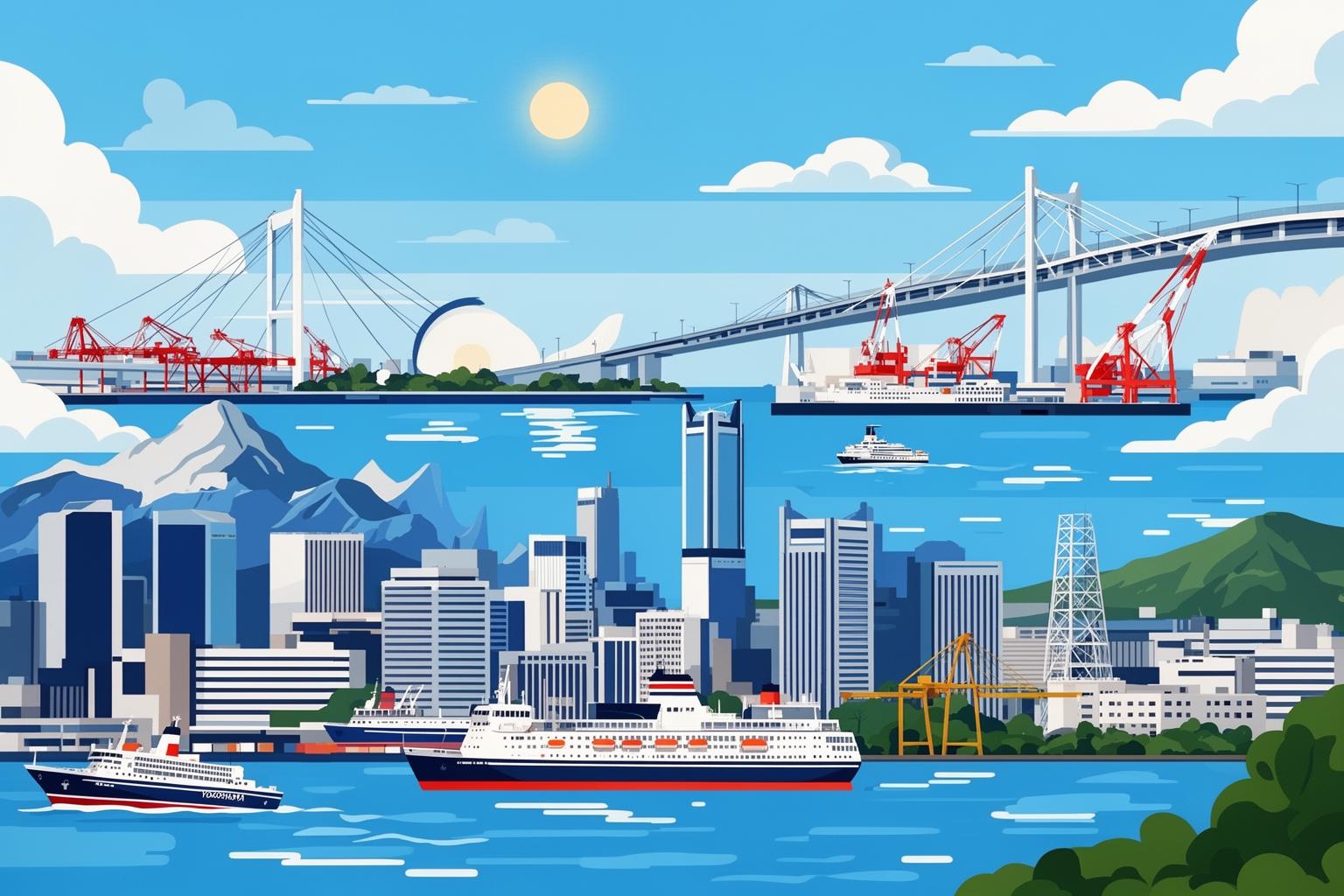
The charm of Yokohama in Bungo Stray Dogs lies in its ongoing, simmering conflict—a dance between lawfulness and lawlessness. The city itself mirrors this contrast beautifully, with distinct districts that seem tailor-made for the series’ opposing factions. You can sense a change in atmosphere simply by crossing a few streets, shifting from the bright, open areas of the Armed Detective Agency’s world to the mysterious, concentrated energy of the Port Mafia’s territory.
The Armed Detective Agency’s Stomping Grounds
The Agency embodies order—somewhat chaotic, yet ultimately a force for good. Their influence is most apparent in the bright, hopeful expanse of Minato Mirai 21. This futuristic waterfront district, featuring the iconic Landmark Tower and Cosmo Clock 21 Ferris wheel, serves as the heart of modern Yokohama. Strolling along the Kishamichi Promenade, a boardwalk constructed on old railway tracks, it’s easy to imagine Atsushi Nakajima gazing at the water, reflecting on his place in the world. The area is characterized by wide-open spaces, clean architectural lines, and the refreshing sea breeze. While the exact building housing the Agency (and the Uzumaki Cafe beneath it) sparks fan debate, most agree its inspiration comes from the historic districts near Bashamichi and Kannai. The stately red-brick buildings and vintage gas lamps in this area perfectly capture the nostalgic yet grounded feel of the Agency. Picture Kunikida Doppo striding purposefully through these streets, notebook in hand, or Ranpo Edogawa solving a case with a single, sweeping glance. The atmosphere here blends established history with hopeful modernity, making it an ideal base for our heroes.
Port Mafia’s Shadowy Domain
Crossing the Ooka River, the city’s tone shifts noticeably. The Port Mafia’s realm is one of shadows, secrets, and concentrated influence. This vibe is especially strong in the world-famous Yokohama Chinatown, or Chukagai. By day, it bursts with vibrant colors, sounds, and flavors. But when evening comes, the district undergoes a transformation. Crimson lanterns throw a dramatic glow on the narrow, winding streets. Steam rises from food stalls, carrying scents of spices and mystery. It’s a maze where one wrong turn could lead anywhere. This is the domain of Ryunosuke Akutagawa and the formidable Black Lizard unit. Their presence seems to lurk in the alleys, dark coats blending seamlessly into the deep shadows between neon signs. The Kanteibyo Temple, a lavishly decorated shrine in the heart of Chinatown, feels like the perfect setting for a covert meeting beneath the watchful gaze of ancient gods. The energy here is intense—an unmistakable contrast to the airy feel of Minato Mirai. This place is steeped in history, tradition, and unspoken codes—the ideal territory for an organization that operates just beneath the city’s surface.
Walking in the Footsteps of Literary Giants
What makes the Bungo Stray Dogs pilgrimage uniquely fulfilling is its profound connection to Japanese literary history. The characters are more than just names; they serve as gateways to the lives and works of some of the nation’s most celebrated authors. Exploring Yokohama turns into a treasure hunt, linking the fictional abilities and personalities of the characters to the real locations that inspired their namesakes.
Dazai Osamu and Harbor View Park
The character Osamu Dazai is a complex blend of brilliant intellect, flamboyant charm, and deep melancholy. This persona is closely tied to the real author’s troubled life and powerful, introspective novels. A perfect spot to reflect on this connection is Harbor View Park, or Minato no Mieru Oka Koen. Situated atop the Yamate Bluff, the park offers stunning panoramic views of the Yokohama Bay Bridge and the expansive port below. It is a place of beauty and contemplation. Wandering through the pristine English Rose Garden, one might imagine Dazai finding a fleeting moment of peace or perhaps plotting one of his elaborate schemes with a wry smile. The park neighbors the Yokohama Foreign General Cemetery, a quiet, historic resting place for many foreign residents who helped shape the city. This touch of mortality and history adds a depth that feels distinctly Dazai. Visiting the historic Western homes within the park, like the British House Yokohama, gives a sense of the international influence that defined Meiji-era Japan—a period of major transformation many of these authors documented.
Nakahara Chuuya’s Poetic Spirit
Nakahara Chuuya, Dazai’s fiery rival in the series, was a real-life poet renowned for his raw, passionate verses heavily influenced by French symbolism. His spirit is most at home in the elegant, European-inspired Yamate neighborhood. A walk from Harbor View Park along the Yamate Bluff feels like stepping into another era. The streets are lined with historic Western residences, former homes of foreign diplomats and traders, such as Berrick Hall and the Bluff No. 18 House. These beautifully preserved buildings, with their verandas, bay windows, and manicured gardens, evoke a refined nostalgia. You can almost hear Chuuya’s powerful, rhythmic poetry in the rustling leaves of the ginkgo trees. The area is quiet, sophisticated, and tinged with a beautiful sadness—a perfect reflection of the poet’s work. From this bluff, the view of the modern city beneath, surrounded by history, captures the essence of a man who was both a modernist and a romantic.
Akutagawa Ryunosuke and the Mystery of Chinatown
Ryunosuke Akutagawa, the grim reaper of the Port Mafia, wields the fearsome ability “Rashomon,” named after one of the real author’s most famous short stories. Akutagawa was a master of psychological tales that delve into the darkest aspects of human nature. There is no better place in Yokohama to sense this complex, intense energy than Chinatown. As noted, it is a labyrinth, and this physical maze reflects the psychological complexities found in Akutagawa’s stories. Exploring the market streets away from the main avenues reveals a world of hidden temples, traditional medicine shops, and quiet courtyards. The dense layers of life and history here are powerful in the best sense. It’s a place that feels both ancient and modern simultaneously, where countless stories unfold at once. This vibrant, sometimes chaotic atmosphere perfectly embodies Akutagawa’s character—a force of nature that is both destructive and oddly beautiful, driven by its own internal logic.
A Pilgrim’s Practical Guide to Yokohama
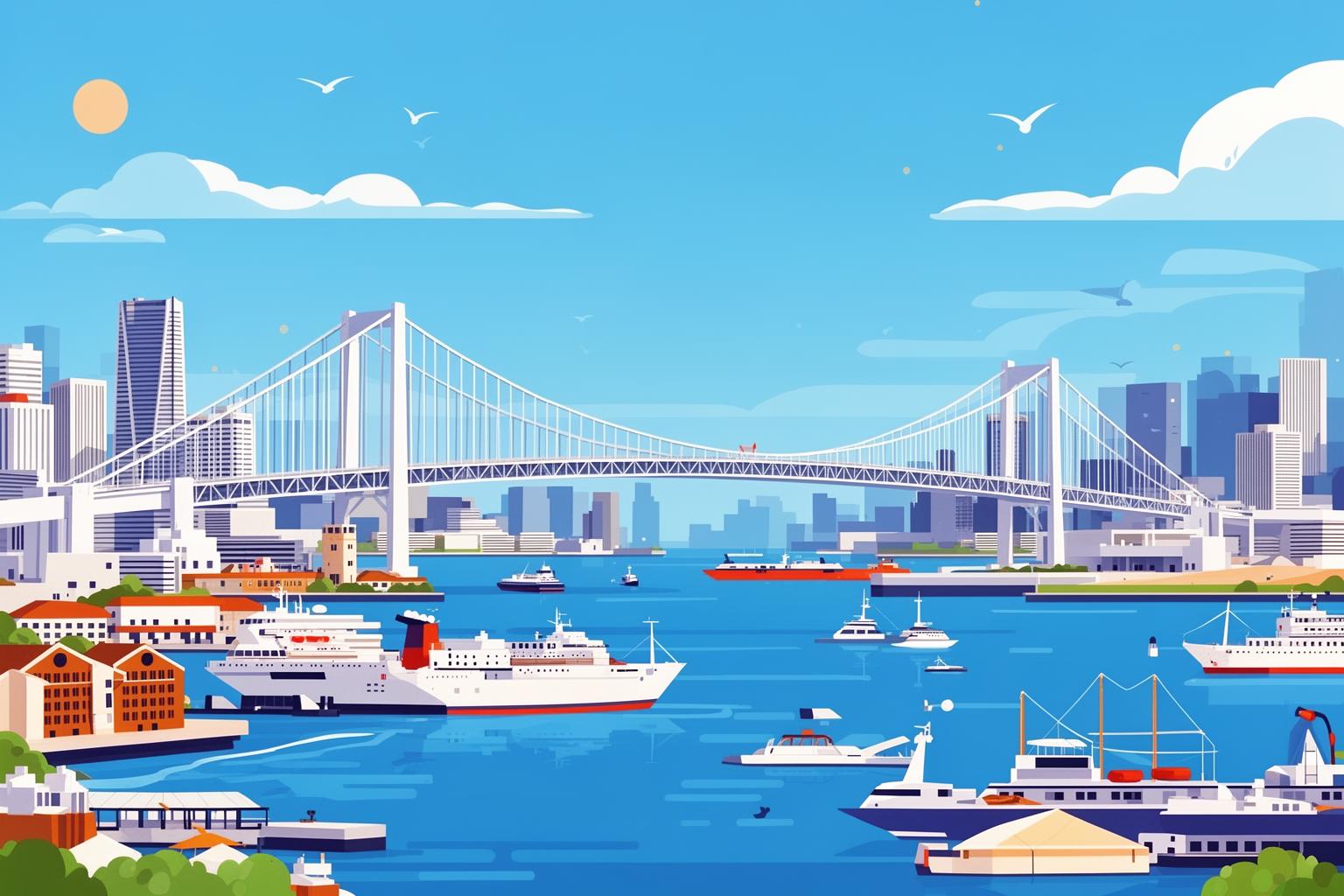
Embarking on your own Bungo Stray Dogs tour is an adventure, and like any skilled detective, you’ll want to be well-prepared. Yokohama is an incredibly welcoming and easy-to-navigate city, but a few insider tips can make your pilgrimage even more enjoyable and smooth.
Navigating the City
Getting to Yokohama from Tokyo is straightforward. Several train lines, including the JR Tokaido Line, Yokosuka Line, and the private Tokyu Toyoko Line, will bring you from major stations like Tokyo, Shinagawa, or Shibuya to Yokohama Station in about 30 minutes. Once in the city, your best ally will be the Minato Mirai Line. This subway line conveniently connects Yokohama Station to all the main pilgrimage spots, such as Minato Mirai, Bashamichi, and Motomachi-Chukagai Station, where you’ll arrive right at the entrance to Chinatown and a short walk from Yamate Bluff. For a more scenic option, consider the “Akaikutsu” Loop Bus. These charming retro red buses are designed for sightseeing and cover all the major locations at a leisurely pace. However, the real secret to experiencing Yokohama is to explore on foot. The distances between Minato Mirai, Kannai, and Chinatown are very manageable, and walking lets you discover small details and atmospheric streets that might otherwise go unnoticed.
Timing Your Investigation
Yokohama is beautiful year-round, but spring and autumn are especially enchanting. In spring, the cherry blossoms in places like Kamonyama Park and Sankeien Garden provide a breathtaking backdrop for your journey. Autumn offers clear, crisp air, pleasant walking weather, and stunning fall colors. The time of day also greatly transforms the city’s atmosphere. Spend your afternoon exploring the sunlit hills of Yamate and the historic buildings near the port. As dusk falls, head to Minato Mirai to see the city skyline light up in a dazzling display. Then, dive into Chinatown for dinner, where glowing lanterns and lively streets create a vibrant ambiance. To fully appreciate the city, plan for at least two full days. This allows enough time to visit the key anime locations without rushing, along with a chance to explore some of Yokohama’s other incredible attractions.
First-Timer’s Field Notes
A few last tips for your mission. First, wear comfortable shoes—this cannot be emphasized enough. You’ll be walking a lot, including some gentle hills in the Yamate area. Second, bring your appetite. Yokohama is a food lover’s paradise. Beyond the endless delights of Chinatown, be sure to try local specialties like Sanma-men, a hearty noodle soup, and the famous shiumai dumplings from Kiyoken. Finally, keep your eyes peeled. The city is filled with details that capture the spirit of the anime. Look out for anchor motifs on railings and manhole covers, listen for the lonely sound of a ship’s horn in the harbor, and take a moment to sit on a bench in Harbor View Park and watch the clouds drift over the bay. It’s in these small moments that the fictional world and the real city truly intertwine.
Beyond the Anime: Yokohama’s Enduring Charm
While the Bungo Stray Dogs pilgrimage may be your primary reason for visiting, you’ll quickly discover that Yokohama’s own story is equally captivating. The city offers a rich array of experiences that go far beyond the anime’s settings, providing deeper context and fresh adventures for any traveler.
The Sankei-en Garden Sanctuary
For a moment of pure tranquility, be sure to visit the Sankei-en Garden. This expansive traditional Japanese garden is a masterpiece of landscape design. What makes it truly unique is its collection of historic buildings, carefully rescued from sites across Japan—including Kyoto and Kamakura—and meticulously reconstructed within the garden. You can stroll from a feudal lord’s residence to a delicate tea house, then to an imposing three-story pagoda, all surrounded by peaceful ponds, winding paths, and seasonal flora. It feels like a place suspended in time, offering a serene escape from the city’s hustle. It’s easy to imagine the real-life authors spending an afternoon here, drawing inspiration from its quiet beauty. The garden provides a wonderful contrast to the urban scenes of the anime and deepens appreciation for the traditional aesthetics that shape Japanese culture.
The CupNoodles Museum and Cosmoworld
Yokohama also showcases a whimsically modern side. Two attractions in Minato Mirai capture this vibe perfectly. The CupNoodles Museum is an unexpectedly fun and hands-on museum dedicated to the history of instant ramen, where you can even create your own custom cup of noodles to take home. It’s a colorful, quirky homage to a modern Japanese icon. Right next door stands Cosmo World amusement park, an urban funfair dominated by the colossal Cosmo Clock 21 Ferris wheel. The park is divided into distinct zones, offering everything from thrilling roller coasters to classic carnival games. A nighttime ride on the Ferris wheel reveals a breathtaking, panoramic view of the illuminated city—a perfect way to see the entire world of Bungo Stray Dogs spread out before you.
Jazz Bars and Hidden Alleys
As one of Japan’s first ports opened to foreign trade, Yokohama has a long tradition of embracing international culture, particularly music. The city boasts a vibrant jazz scene dating back to the 1920s. To experience this, venture into the Noge district, a labyrinth of narrow streets filled with cozy, atmospheric izakayas (Japanese pubs), yakitori spots, and renowned jazz clubs. This area has a gritty, authentic vibe that stands in stark contrast to the sleek shine of Minato Mirai. It feels like a glimpse into a bygone era, a place where you can discover genuine, unfiltered Yokohama. Spending an evening here feels like uncovering a city secret—a perfect conclusion to a day of detective work and literary adventure.
The Final Chapter: Capturing Yokohama’s Spirit
Leaving Yokohama, you carry more than just photographs and souvenirs. You take with you the essence of the city—the salty breeze at the Red Brick Warehouse, the warm glow of lanterns in a Chinatown alley, the quiet dignity of the old homes on Yamate Bluff. For a fan of Bungo Stray Dogs, this pilgrimage bridges the gap between fiction and reality. The characters feel nearer, their struggles and victories resonating in the very streets you’ve walked. You’ve seen their city, and in doing so, you gain a deeper understanding of their story. Yet you also depart with a profound appreciation for Yokohama’s own tale. It is a city of resilience and renewal, a place that has skillfully intertwined its past with its present. It is a port that has welcomed the world, shaping a unique culture that is both Japanese and international. Your journey may have begun with a quest for the Armed Detective Agency, but it concludes with the discovery of a world-class city, one that inspires stories all its own. Go and find your own chapter in the endless, captivating story of Yokohama.