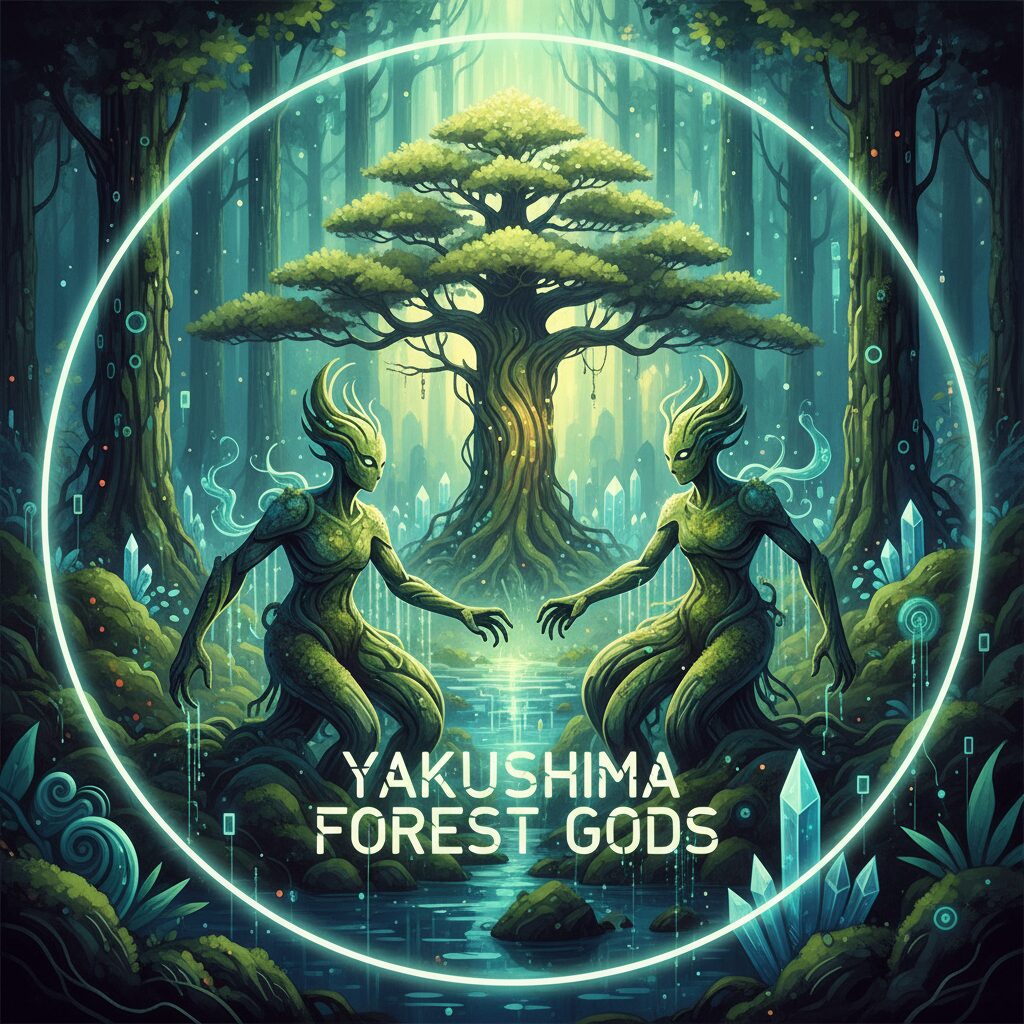
There are places on this earth that feel older than time itself, where the air hums with a forgotten energy and every stone seems to hold a story. Yakushima is one such place. Floating in the turbulent waters south of Kyushu, this small, round island is a bastion of primeval nature, a world of ancient cedar, emerald moss, and relentless rain. For many, its name is whispered with a sense of reverence, not just for its status as a UNESCO World Heritage site, but for its profound connection to one of the greatest animated films ever created. This is the island that breathed life into Hayao Miyazaki’s epic, Princess Mononoke. The deep, untamed forests that served as the backdrop for Ashitaka’s journey and San’s wild existence are not fantasy; their soul resides here, in the damp, green heart of Yakushima. As a photographer, I came chasing a vision, a feeling captured on celluloid, hoping to find if the spirit of the Shishigami, the Forest Spirit, still walks among these woods. I came to see if a camera could capture not just a place, but a living, breathing mythology.
Immersing myself in the ethereal landscapes of Yakushima, I uncovered subtle signs of its storied legacy that invite a closer look at its connection with ancient gods.
The Soul of the Island: Where Nature is a Deity
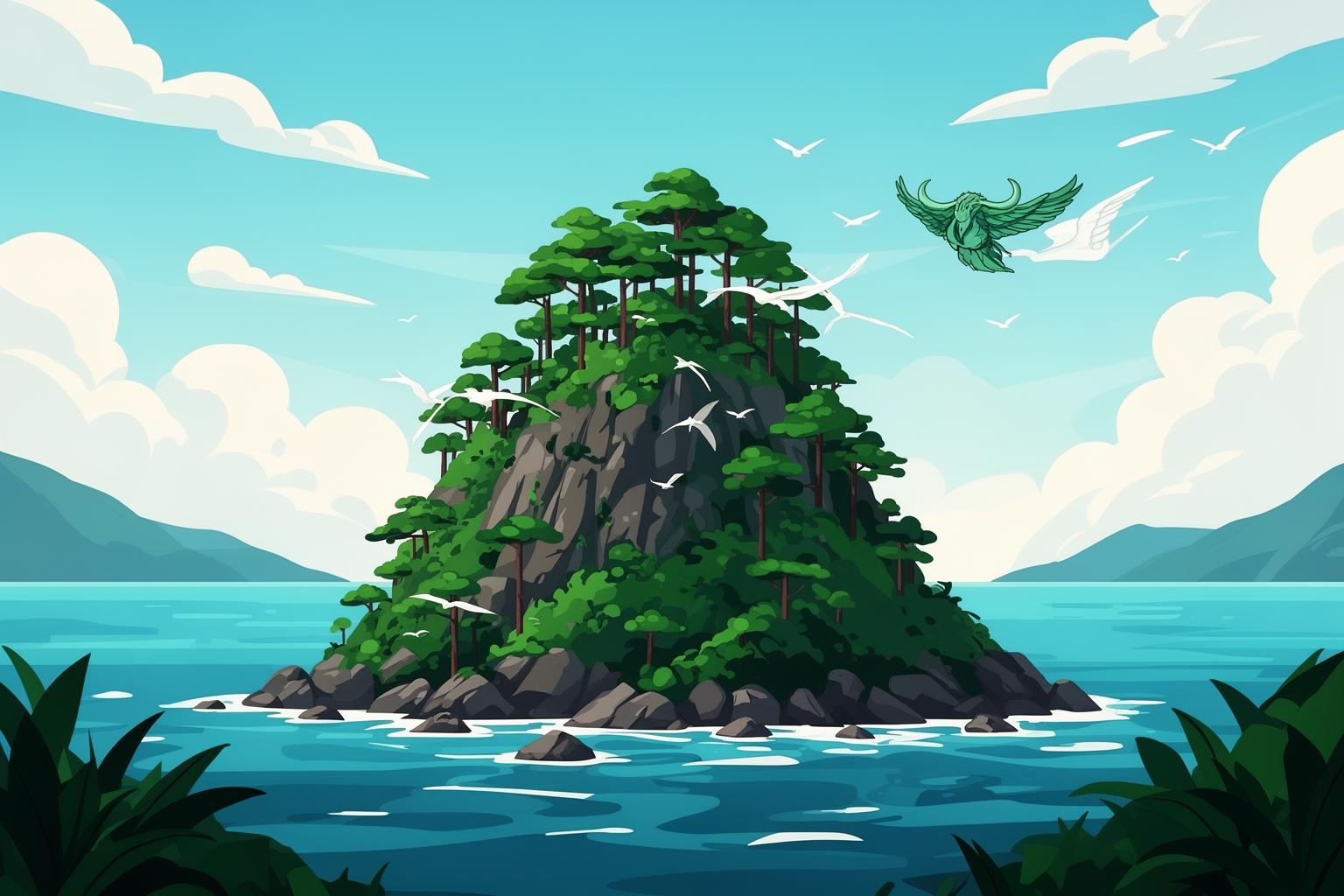
To step onto Yakushima is to enter another world. The separation from the mainland extends beyond geography; it is spiritual. The island’s towering granite peaks capture moisture from the sea, creating a distinctive climate famously described as “raining 35 days a month.” This constant moisture is the island’s lifeblood, sustaining a landscape so lush it seems to pulse with life. The air is dense, pure, and thick with the scent of damp earth and decaying wood—a fragrance of endless life and renewal. This atmosphere instantly transports you into the realm of Princess Mononoke. You begin to grasp why Miyazaki chose this place as his inspiration. In the film, the forest acts as a character itself—a mighty, sentient force, and here, that presence is tangible. The twisted roots of the ancient cedars, known as yakusugi, spread across the ground like the sinews of a resting giant. Every surface is cloaked in a thick, velvety moss carpet that softens sound and fosters deep serenity. It’s easy to picture the little white kodama, the tree spirits from the film, shaking their heads behind a veil of ferns. The Shinto belief that gods, or kami, dwell within natural objects feels not like an ancient myth but a living truth. The rivers, trees, and mountains all hold a commanding presence, a silent authority that demands reverence. You find yourself treading lightly, speaking softly, unwilling to disturb the slumber of the forest gods.
Tracing Miyazaki’s Footsteps: The Shiratani Unsuikyo Ravine
For any pilgrim seeking the core of Miyazaki’s inspiration, the journey inevitably leads to the Shiratani Unsuikyo Ravine. This protected nature park is precisely where the animators from Studio Ghibli spent countless hours sketching, absorbing the forest’s unique light and textures. It truly feels like stepping directly into a scene from the film. The moment you enter the woods, the modern world fades away, replaced by a maze of green and gray.
The Moss Forest
Deep within the ravine lies an area so stunning it has been nicknamed Kokemusu-no-Mori, the Moss Forest. This is the spiritual heart of the Princess Mononoke pilgrimage. No words or photographs can fully prepare you for the overwhelming verdancy of this place. It’s a painter’s palette of every green imaginable: lime, emerald, olive, jade, forest green, all layered atop one another. Moss blankets everything—the forest floor, fallen logs, granite boulders, and the trunks and branches of the trees themselves. It drapes in delicate veils and grows in thick, spongy cushions. The constant drip of water from the canopy above catches the filtered light, causing the entire forest to sparkle as if strewn with diamonds. It feels primordial, a landscape unchanged for thousands of years. As I set up my tripod, I realized the challenge wasn’t finding a beautiful composition, but selecting just one. Every inch of the forest is a masterpiece of natural design. You half expect to see San, riding on the back of a wolf god, appear on the ridge above, her gaze a silent warning to respect her sacred realm.
Hiking the Trails of the Shishigami
Shiratani Unsuikyo offers several trails with varying difficulty, allowing visitors to choose their depth of immersion. The paths are well-maintained but still retain a wild feel, often featuring natural stone steps and wooden walkways designed to protect the delicate moss. As you hike further, you pass groves of towering cedars, cross crystal-clear streams on small bridges, and navigate around moss-covered boulders the size of small cars. For those with time and stamina, the trail ascends to a spectacular reward: Taiko-iwa Rock. This massive granite monolith offers a breathtaking panoramic view over the island’s mountainous interior. Standing on that rock, gazing out over the endless sea of green treetops, feels like standing where Ashitaka first surveyed the vast, untamed wilderness. It’s a moment of pure, cinematic wonder. A key tip for visitors is to be ready for rain, regardless of the forecast. High-quality waterproof gear isn’t just recommended; it’s essential. The rain defines the forest, and embracing it lets you experience the moss at its most vibrant and the atmosphere at its most magical.
Beyond the Anime: The Majesty of the Yakusugi
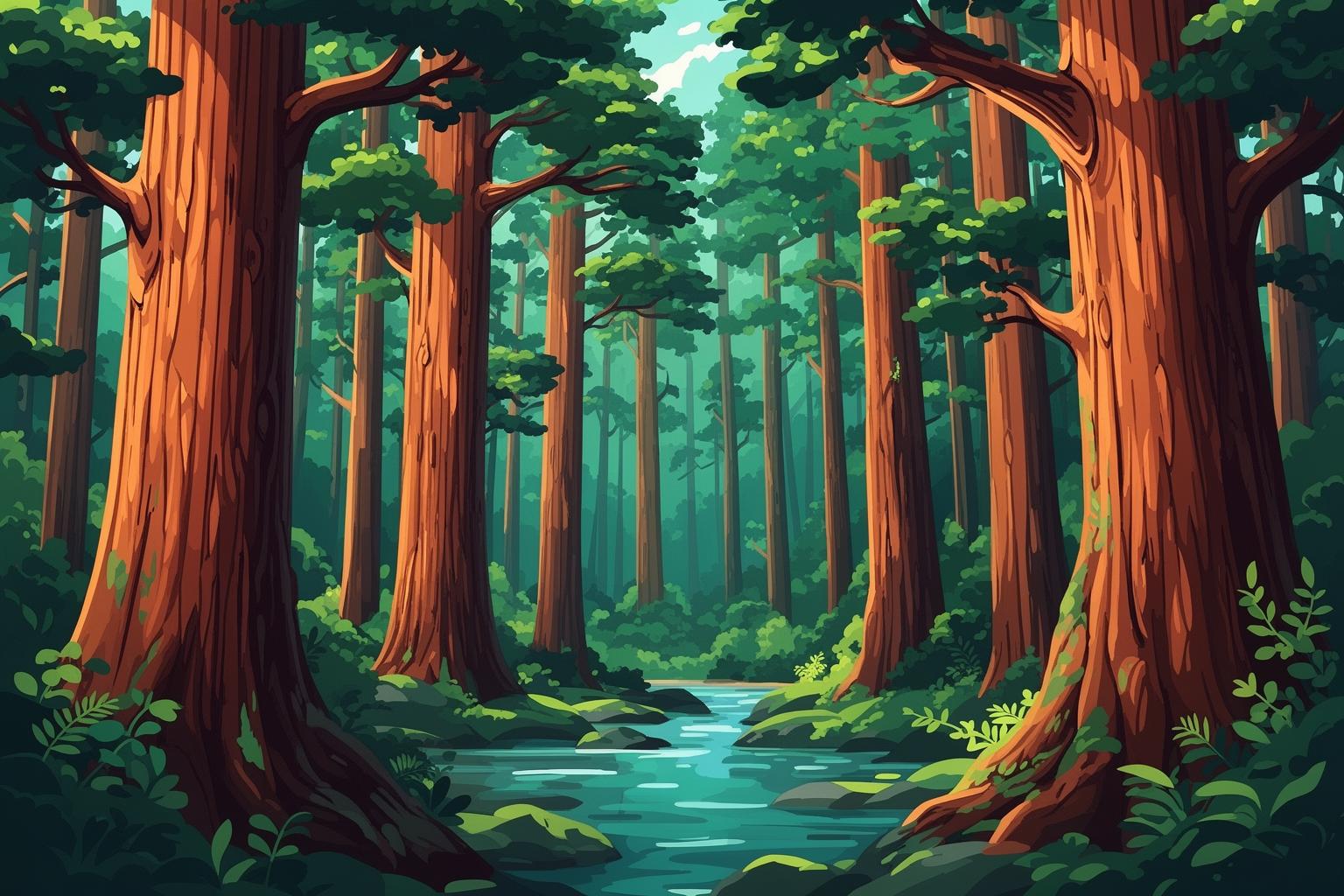
While Princess Mononoke offers a compelling perspective on the island, Yakushima’s enchantment reaches far beyond its cinematic acclaim. The true rulers of this land are the yakusugi—Japanese cedars that have endured for over a thousand years. These ancient trees are resilient survivors, having withstood countless typhoons and centuries of transformation. Their wood is richly resinous, granting them resistance to decay and allowing them to attain extraordinary ages and unique, otherworldly forms.
The Jomon Sugi: A Witness to Millennia
The most renowned of these silent giants is the Jomon Sugi. Named after the prehistoric Jomon period in Japanese history, its age is estimated to range from 2,170 to 7,200 years. Reaching it is a pilgrimage itself, involving a demanding ten to twelve-hour round-trip hike that begins before dawn. The path starts along an abandoned logging railroad track before climbing steeply into the mountains. The journey is challenging both physically and mentally, yet it clears away distractions and sharpens the mind. Anticipation grows with every step. Upon arriving at the viewing platform, all exhaustion fades, replaced by a deep sense of awe. The Jomon Sugi is more than a tree; it is a living monument to life’s endurance. Its trunk is immense, gnarled, and hollowed, marked by the passage of millennia. Its branches stretch skyward like ancient, twisted arms. Standing before it is a humbling experience, one that makes you keenly aware of your fleeting place within the vast tapestry of time. Reflecting on all the history this single living being has witnessed, you feel a profound connection to the Earth.
The Wilson Stump
Along the same trail to Jomon Sugi lies another remarkable site: Wilson’s Stump, or Wirson-kabu. This massive remnant is from a cedar felled centuries ago. What makes it extraordinary is that the stump is so large and hollowed that you can actually walk inside it. A small stream flows through its interior, nurturing the mosses and ferns now thriving within. Looking up from the center, the opening at the top creates a perfect natural heart shape against the sky. It’s a magical, unexpected moment of beauty and a beloved spot for photographers. This stump stands as a powerful symbol of nature’s ability to reclaim and generate new life even from what has been lost.
The Island’s Rhythms: Practical Guidance for Your Pilgrimage
Exploring a wild place like Yakushima demands some preparation. The journey itself forms part of the adventure, marking a shift from the hectic modern world to the island’s slower, more natural rhythm.
Getting to Yakushima
The primary entry point to the island is Kagoshima, the southernmost major city on Japan’s main island, Kyushu. From there, you have two main options. The quickest is the high-speed jetfoil ferry, which crosses the water in about two to three hours. It’s efficient and provides a smooth ride, docking at either Miyanoura or Anbo, the island’s main ports. The more relaxed and budget-friendly option is the slower car ferry, taking around four hours, allowing passengers to stand on deck, feel the sea spray, and watch the island slowly appear on the horizon like a mythical creature. Alternatively, for those pressed for time, Yakushima has a small airport with daily flights from Kagoshima, Fukuoka, and Osaka, offering spectacular aerial views of the island’s dramatic peaks during the descent.
Navigating the Verdant Labyrinth
Once on the island, transportation becomes your next consideration. Although a local bus service links the main towns and some trailheads, its schedule is infrequent and limiting. To truly experience Yakushima at your own pace and explore its hidden spots, renting a car is by far the best choice. The single main road encircling the island provides a scenic drive, especially the western section known as the Seibu Rindo Forest Path, where the road narrows and you’re almost guaranteed to spot the island’s native wildlife—the Yakushika deer and Yakuzaru macaques. Having a vehicle allows you to reach trailheads early to avoid crowds or linger at scenic locations to catch the perfect evening light.
When to Visit: A Calendar of Moss and Rain
There isn’t one definitive “best” time to visit Yakushima, as each season showcases a distinct character. Spring (March to May) offers mild weather and blooming rhododendrons along the mountain slopes. Summer (June to August) is hot, humid, and overlaps with the rainy season, which, despite its intensity, makes the forests lush and vibrant. Autumn (September to November) is often regarded as the best time, with more stable weather, comfortable temperatures, and fewer visitors. Winter (December to February) sees coastal areas staying mild, while the mountain peaks are frequently covered in snow, crafting a stunning, serene landscape for experienced hikers. The one constant is rain. Never rely on a clear sky. Always be prepared for wet weather and embrace it as an integral part of the Yakushima experience. The island is at its most enchanting when wrapped in mist and rain.
Living with the Forest: A Gentle Coexistence
Beyond the epic landscapes and ancient trees, Yakushima also holds a quiet, resilient human spirit. The small towns of Miyanoura and Anbo serve as the island’s main centers, featuring cozy inns, delicious local eateries, and shops selling beautiful crafts made from fallen yakusugi wood. The islanders possess a deep, enduring respect for their natural surroundings, shaped by generations of living in its powerful embrace. This philosophy of coexistence lies at the heart of the island’s identity and reflects the central theme of Princess Mononoke: the struggle to balance humanity and nature. Visiting Yakushima is also an opportunity to savor its unique offerings. Be sure to try local specialties such as tobiuo (flying fish), often served fried whole, and dishes highlighting tankan and ponkan, sweet local citrus fruits. You can also enjoy shochu distilled with the island’s famously soft, pure water. By supporting local businesses and honoring the regulations of the national park, visitors become part of this delicate balance, helping to preserve the very magic they came to discover.
Capturing the Spirit: A Photographer’s Epilogue
I left Yakushima with memory cards brimming with images, yet the deepest impression was not something a camera could capture. It was a feeling—the silence of the moss forest, pierced only by the sound of flowing water. It was the awe-inspiring scale of a tree that was already ancient when the Roman Empire was just beginning. It was the sudden appearance of a small, delicate deer on the trail, its dark eyes watching you with quiet curiosity. As a photographer, I often aim to capture the decisive moment, but on Yakushima, every moment feels decisive, eternal, and interconnected. The island encourages you to slow down, observe more closely, and listen more intently. The spirit of Princess Mononoke lives here—not as wolf gods or forest spirits rattling their heads, but in the powerful, unspoken message of the land itself. It’s a message of resilience, the enduring strength of nature, and the vital importance of preserving these last wild places. My advice to anyone drawn to this mystical island is simple: go. Walk the trails, breathe the clean, damp air, and let the forest share its stories. You may arrive as a tourist or an anime fan, but you will leave as a pilgrim, forever changed by the echoes of the forest gods.