There’s a particular magic that happens when you step off the train at Kamakura Station. The air changes, carrying the faint, salty tang of the nearby Sagami Bay, mingling with the sweet, woody scent of incense drifting from ancient temples. You’ve left the relentless pulse of Tokyo behind, and in its place is a city that breathes with the rhythm of the tides and the weight of history. For centuries, this coastal haven was the de facto capital of Japan, the seat of the first shogunate, a place where samurai philosophy and Zen aesthetics carved their forms into the very landscape. Yet, Kamakura is no relic trapped in the amber of the past. It is vibrantly, thrillingly alive, a canvas where modern storytellers paint their own legends. This is the sacred ground not only for students of history but for a new generation of pilgrims: anime fans from across the globe who come seeking the real-world settings of their favorite stories, from the iconic coastal railroad crossing in Slam Dunk to the serene backdrops of countless other tales. It’s a city of dualities, where the stoic gaze of a giant bronze Buddha can be found just a short train ride from a sun-drenched beach, and where a quiet bamboo grove offers solace moments away from a bustling shopping street. This is a journey into the heart of a place that honors its powerful legacy while inspiring the dreams of today.
For those enamored with the blend of ancient tradition and modern anime culture in Kamakura, a Bungo Stray Dogs pilgrimage in Yokohama provides an enticing urban complement to this journey.
The Soul of a Samurai Capital
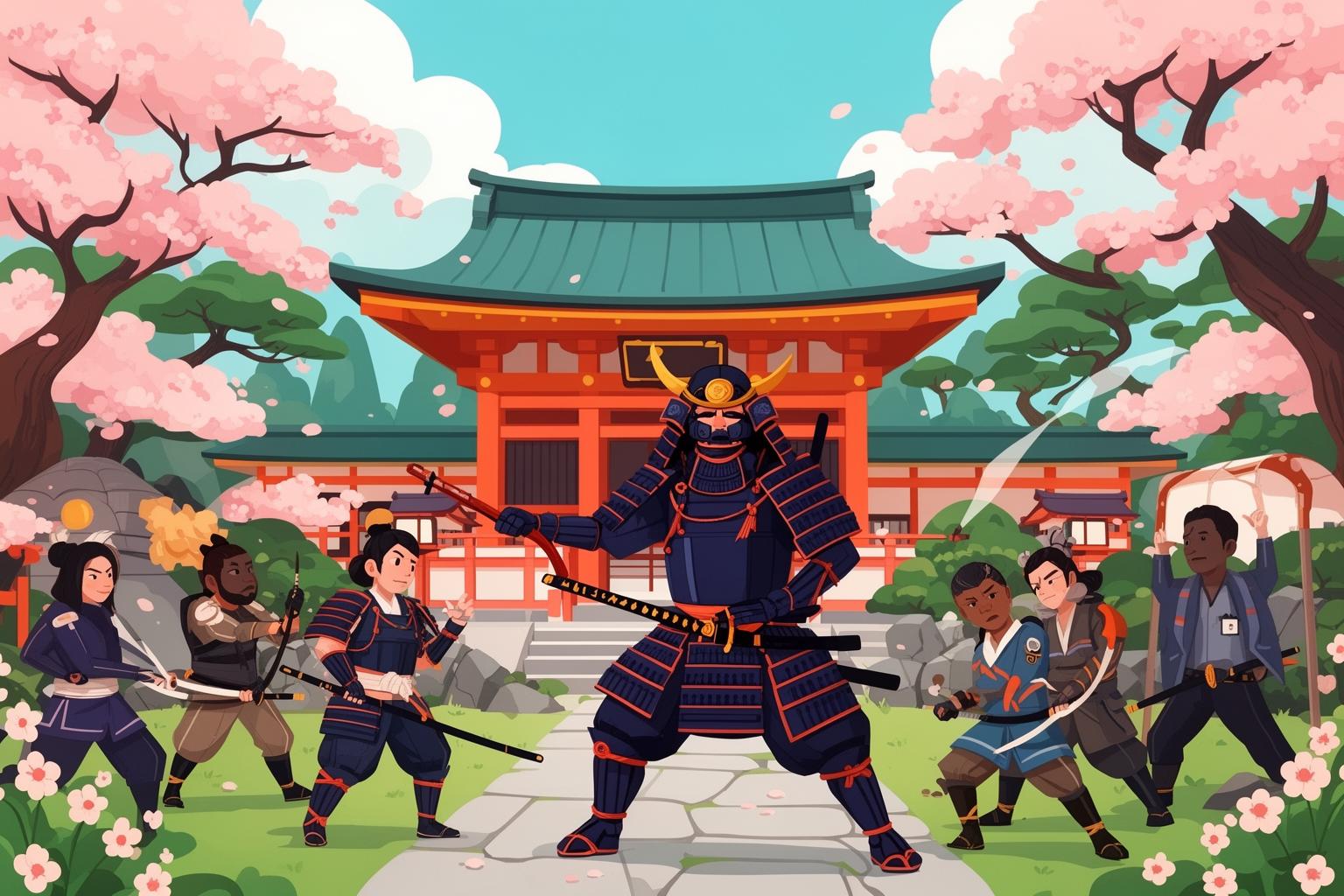
To truly understand Kamakura, you must first follow the footsteps of its founders. The city’s essence is deeply intertwined with the Kamakura period, a pivotal era that established warrior rule in Japan. This spirit extends beyond museums; it echoes through the grand shrines and stoic statues that have endured centuries of transformation. It’s a powerful, grounding force that underpins every experience here.
Tsurugaoka Hachimangu Shrine: A Journey Through Power and Tranquility
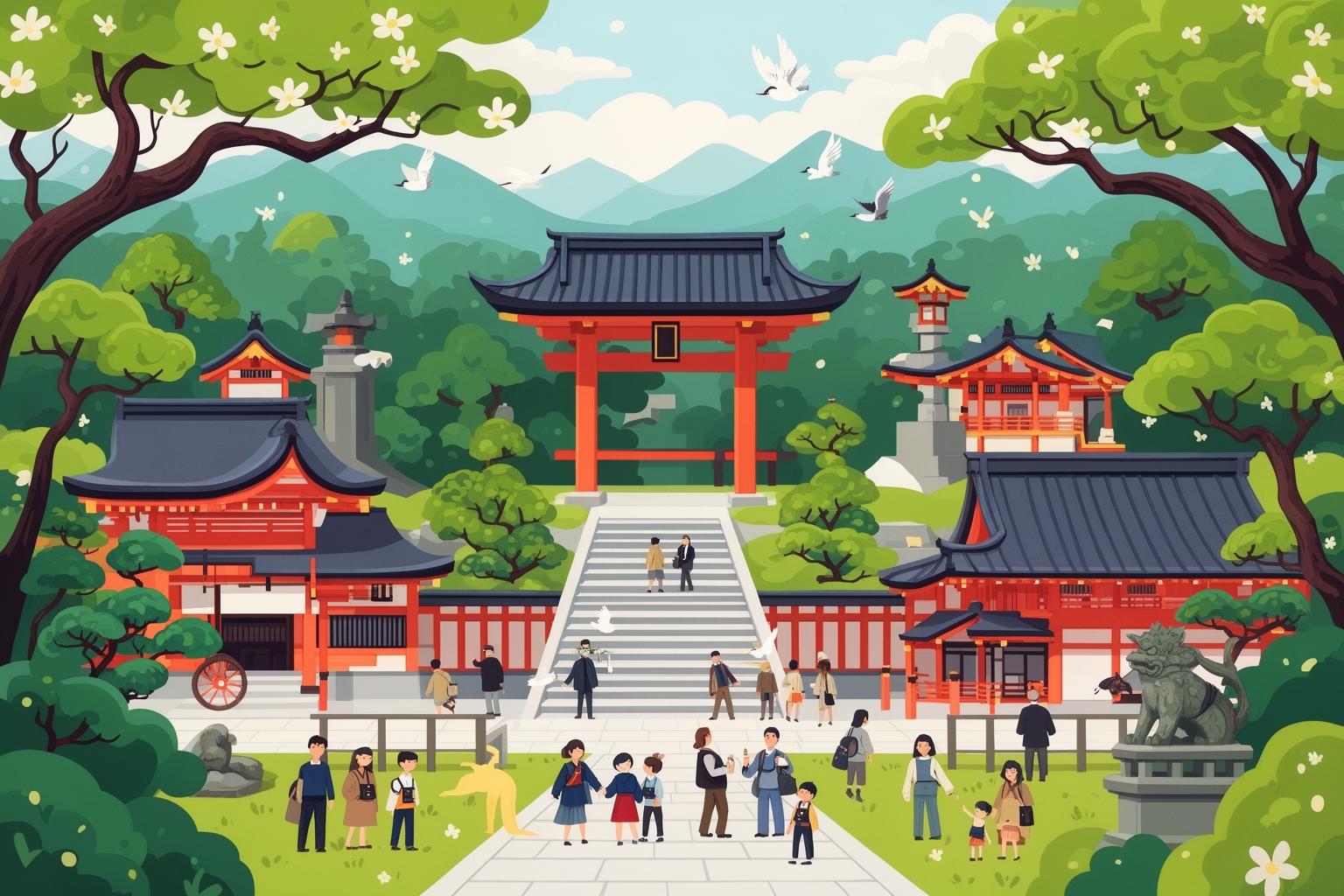
The spiritual core of Kamakura is undoubtedly Tsurugaoka Hachimangu. It is more than just a shrine; it is a statement. Founded by Minamoto no Yoritomo, the first shogun of the Kamakura Shogunate, it was established as the center of his government and a place to honor Hachiman, the god of war and patron of his clan. The approach itself is meant to awe. A wide, elevated path called the Dankazura extends from the sea toward the shrine, once a grand ceremonial route for the shogun. As you climb the great stone staircase to the main hall, the city spreads out beneath you. The view serves as a vivid reminder of the shrine’s strategic and spiritual significance. The atmosphere is a rich blend of solemnity and lively celebration. On one side, priests in crisp white and black robes perform ancient rituals, their movements deliberate and full of meaning. On the other, families mark special occasions, children chase pigeons across the vast courtyard, and vendors offer fortunes and protective charms. The grounds are extensive, featuring stunning gardens and two large ponds, the Genji Pond and the Heike Pond, named after the two rival clans of the time. These ponds fill with lotus flowers that bloom in vibrant pinks and whites throughout the summer, creating a serene scene that contrasts with the shrine’s martial roots. Visiting during a festival like the Yabusame in September—where horseback archers display remarkable skill—is to witness the warrior spirit of Kamakura brought to vivid, thunderous life.
The Great Buddha of Kotoku-in: A Symbol of Endurance
Few sights in Japan are as instantly recognizable or deeply moving as the Great Buddha of Kamakura, known as the Daibutsu. No photograph can fully prepare you for the experience of standing before this monumental bronze statue of Amida Buddha. Rising over thirteen meters tall, its size is awe-inspiring, yet it is the Buddha’s expression that leaves the deepest impression. It carries a look of perfect, unshakable calm, a serene presence seemingly absorbing the worries of all who come to visit. The statue’s history is a testament to the resilience it represents. Originally cast in the 13th century, the Daibutsu was once sheltered inside a massive wooden hall. However, nature—through typhoons and a great tsunami—persistently challenged it. The hall was repeatedly destroyed and ultimately swept away in the late 15th century. Since then, the Great Buddha has stood in the open air, exposed to sun, rain, and snow, an enduring emblem of peace amid the world’s impermanence. For a small fee, visitors can enter the hollow interior of the statue. Inside, the outside world fades, replaced by a cool, dark, cavernous space. You can observe the seams where the great bronze plates were joined to form this masterpiece, a reminder of the incredible human effort and artistry behind its creation. It offers a moment of quiet reflection, a chance to connect with centuries of devotion.
A Pilgrimage for Pop Culture Fans
While Kamakura’s historical significance remains its foundation, its presence in modern media has transformed it into a destination for a new type of admirer. The city’s distinctive combination of traditional Japanese scenery, coastal light, and vintage charm has made it a favorite backdrop for manga artists and anime directors. For fans, visiting these spots is more than just sightseeing; it’s about stepping into the frame of a story they cherish, blurring the boundary between fiction and reality.
Chasing Slam Dunk’s Opening Scene
There is one location, above all others, that has become a global landmark for anime enthusiasts: the railroad crossing near Kamakurakōkōmae Station on the Enoden line. This is the exact spot featured in the iconic opening sequence of the basketball anime Slam Dunk. Here, against the brilliant blue Pacific Ocean sparkling in the background, the charming green and cream Enoden train trundles by, creating a scene of pure, nostalgic beauty. Visiting this site is a surreal experience. You stand on the pavement and wait, and when the crossing gates lower and the little train glides into view, the familiar melody of the opening theme might as well be playing in the air. It is a moment of perfect harmony between animation and the real world. You won’t be alone. On any given day, a crowd gathers here, cameras and smartphones at the ready, all hoping to capture that one perfect shot. The atmosphere is one of shared enthusiasm. People from different countries, speaking various languages, are united by their love for this story. A practical tip for your own pilgrimage: be patient and respectful. This remains a functioning road and railway crossing, situated in a quiet residential neighborhood. The best light often occurs during the golden hour before sunset, when the sun dips low over the water, bathing the entire scene in a warm, cinematic glow.
Echoes in Elfen Lied and Beyond
Kamakura’s cinematic allure extends well beyond a single anime. The atmospheric steps of Sasuke Inari Shrine, with their endless rows of red torii gates winding through a shadowy wooded hillside, feel as if they were lifted directly from a fantasy world and have been cited as inspiration for scenes in series like Elfen Lied. The series also makes extensive use of the nearby island of Enoshima and its distinctive Sea Candle lighthouse. The popular show Rascal Does Not Dream of Bunny Girl Senpai is another tribute to this coastline, with key events set on the beaches of Shichirigahama and around the Enoshima area. Exploring Kamakura with these stories in mind adds another dimension to the experience. Every quiet temple corner, every sea view from a hilltop, every charming backstreet can feel like a potential scene, a place where a story might begin. It invites you to look more closely, to appreciate the narrative possibilities of the landscape around you.
The Whispering Trails and Hidden Gems
Beyond the well-known landmarks and anime hotspots lies a quieter, more reflective Kamakura. This city is home to hidden groves, sacred springs, and forested trails that encourage you to slow down and simply be present. By venturing off the main roads, you often discover the city’s most profound and beautiful moments.
A Forest Bath at Hokoku-ji Temple’s Bamboo Grove
While Kyoto’s Arashiyama Bamboo Grove is internationally famous, Kamakura boasts its own, more intimate version at Hokoku-ji Temple. Nestled in the eastern hills, this temple is celebrated for its stunning grove of over 2,000 moso bamboo stalks. Strolling along the narrow stone path through the grove offers an immersive experience. The thick green canopy filters sunlight, casting dappled shadows on the ground and creating a feeling akin to being inside a natural cathedral. The air is cool and still, with only the rustling leaves and gentle creaking of bamboo swaying in the breeze breaking the silence. The true charm of Hokoku-ji, however, lies in the small teahouse within the grove. For a modest fee, you can sit on a red-clothed bench, sip a bowl of freshly whisked, slightly bitter matcha green tea, and gaze up at the towering bamboo. It is a moment of pure, undiluted Zen—a sensory experience that calms the mind and soothes the soul. It’s the perfect escape from the crowds at more popular sites and a reminder of the deep bond between Zen Buddhism and the natural world in Kamakura.
Washing Your Fortune at Zeniarai Benten Shrine
One of Kamakura’s most unique and engaging shrines is Zeniarai Benten Ugafuku Jinja, tucked away in the city’s western hills. The approach to this shrine sets a mysterious tone, as you must pass through a rough-hewn tunnel carved directly into the rock face. Stepping out on the other side is like entering a secret grotto. The shrine is dedicated to Benten, the goddess of fortune, and Ugafukujin, a harvest spirit. Local legend holds that if you wash your money in the sacred spring water flowing from the shrine’s cave, your wealth will multiply. Visitors bring wicker baskets, placing their coins and bills inside to rinse in the clear, cool water. Whether or not you believe the legend, participating in the ritual is a tangible and memorable experience. The sound of trickling water, the cave’s damp coolness, and the shared hopefulness of those around create a truly special atmosphere. It’s a playful, optimistic approach to spirituality and a charming detour from more solemn temples.
The Path Less Traveled: Hiking Trails of Kamakura
Kamakura is encircled by wooded hills, intersected by ancient hiking trails that once served as the primary routes into the secluded capital. Exploring these paths offers a completely different perspective of the region. The Daibutsu Hiking Trail, one of the most popular, connects Kita-Kamakura’s Jochi-ji Temple with the Great Buddha. The trail is moderately easy and takes you through lush forests, past small forgotten shrines, and beside yagura—cave tombs carved into hillsides for samurai families. Along the way, you will encounter clearings with breathtaking panoramic views of the city and sea. It’s a wonderful way to engage with the natural landscape that shaped Kamakura’s history, serving both as a natural fortress and a wellspring of profound spiritual inspiration.
Savoring the Coastal Vibe
Kamakura’s identity is as much defined by the sea as by its temples. The salty breeze, the sound of waves, and the relaxed beach culture offer a refreshing contrast to the historical gravity of the city’s interior. This is the place to unwind, enjoy a meal, and watch the sky paint itself in breathtaking colors at day’s end.
The Charm of the Enoden Line
The Enoshima Electric Railway, known as Enoden, is much more than just transportation; it is an attraction itself. This beloved little train has been chugging along the coast for over a century. Its route is a cinematic experience. In some stretches, it passes through impossibly narrow spaces between houses, with gardens of residents brushing the windows. Then, suddenly, it opens up to the coastline, offering spectacular, uninterrupted views of the Pacific Ocean. Riding the Enoden is an essential part of the Kamakura experience. Buying a one-day pass gives you the freedom to hop on and off at will, exploring the charming stations and neighborhoods along the way—from the famous Kamakurakōkōmae to the surf town of Shichirigahama.
Komachi-dori: A Feast for the Senses
Stretching from Kamakura Station toward Tsurugaoka Hachimangu, Komachi-dori is a long, narrow, and perpetually lively shopping street. It is the vibrant commercial heart of the city and a paradise for food lovers and souvenir seekers alike. The street bursts with sights, sounds, and aromas. Here, you can find everything from traditional crafts and handmade pottery to trendy boutiques. Yet, the real highlight is the food. Vendors line the street offering a remarkable variety of snacks. You can try purple sweet potato soft-serve ice cream, freshly grilled dango rice dumplings brushed with sweet soy sauce, or senbei rice crackers hot off the grill. A local specialty is shirasu—tiny young whitebait—served on rice bowls, pizza, or even croquettes. Exploring Komachi-dori is a delicious adventure, a place to satisfy both curiosity and appetite.
Sunset over Sagami Bay
There is no better way to end a day in Kamakura than by watching the sunset over the water. Yuigahama and Inamuragasaki beaches are prime spots for viewing. Find your place on the sand, listen to the soothing rhythm of the waves, and watch the sky transform into a canvas of orange, pink, and purple. On a clear day, the experience becomes even more magical: the distinct and majestic silhouette of Mount Fuji appears on the horizon, perfectly framed by the setting sun. It is a moment of profound beauty and serenity, a perfect final memory of a day spent in a city where nature, history, and art exist in harmonious balance.
Practical Guidance for Your Kamakura Journey
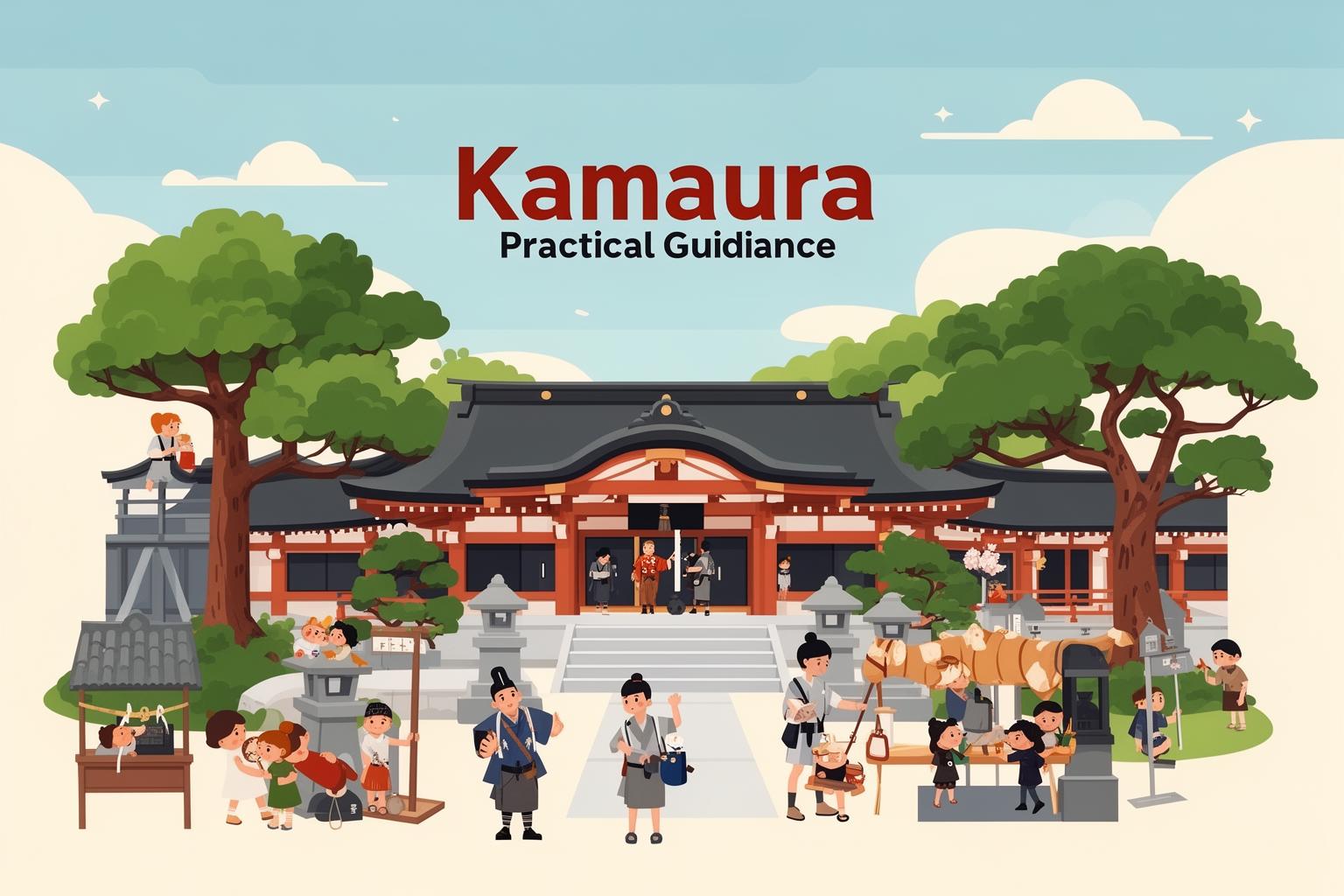
A little planning can greatly enhance your visit to Kamakura, making it smooth and enjoyable. Although Kamakura is an easy day trip from Tokyo, knowing the logistics will help you maximize your time in this captivating city.
Getting There and Getting Around
Access from Tokyo is very straightforward. The most direct options are the JR Yokosuka Line and the JR Shonan-Shinjuku Line, both linking major stations like Tokyo, Shinagawa, and Shinjuku directly to Kamakura Station in about an hour. Upon arrival, many main attractions in central Kamakura, such as Tsurugaoka Hachimangu and Komachi-dori, are easily reachable on foot. For sites farther away, like the Great Buddha and Hasedera Temple, a short bus ride or a pleasant walk will get you there. To explore coastal areas and anime pilgrimage sites, the Enoden line is your best option. Rental bicycles are also popular and enjoyable, especially on sunny days, allowing you to explore at your own pace.
When to Visit
Kamakura is inviting in all seasons, each with its unique appeal. Spring is enchanting, with cherry blossoms painting temples and shrines in soft pink hues. Early summer, especially June and July, showcases hydrangeas in full bloom. Temples like Meigetsu-in (the “Hydrangea Temple”) and Hasedera turn into seas of blue, purple, and white flowers, creating a stunning scene even on rainy days. Autumn brings crisp air and vibrant fall foliage, with maple trees in temple gardens glowing in brilliant reds and golds. Winter offers a quieter atmosphere with fewer crowds, clear crisp days ideal for views of Mount Fuji, and a peaceful, reflective ambiance throughout the city.
A Note for First-Time Visitors
To ensure the best experience, keep a few tips in mind. First, wear comfortable walking shoes—Kamakura is best explored on foot, covering a lot of ground including stone steps and unpaved paths. While credit cards are becoming more accepted, Japan remains largely cash-based, especially at small shops, food stalls, and temple entrance booths, so it’s wise to carry enough yen. When visiting temples and shrines, be respectful and follow proper etiquette, such as bowing at entrance gates and avoiding loud conversations. Finally, don’t overload your schedule. Kamakura’s charm lies in its leisurely pace. It’s better to deeply explore two or three areas than to rush through many sights. Take time to wander, linger in gardens, or simply sit and watch the world go by.
The Enduring Allure of Kamakura
Kamakura is a city that stays with you long after you’ve boarded the train back to the bustling modern metropolis. It is a place of striking contrasts that somehow blend into a seamless whole. Here, the strict discipline of the samurai exists alongside the gentle compassion of the Buddha. The crashing ocean waves give way to the hushed tranquility of a bamboo forest. The weight of eight hundred years of history sets the perfect stage for the playful fantasies of animation. Visiting Kamakura is more than just touring famous sites; it is an invitation to explore the many layers of Japanese culture. You can follow the footsteps of a shogun, stand where an anime hero once stood, or simply discover your own quiet corner for reflection. It is a city that rewards curiosity and fosters a slower, more mindful way of seeing. Whether you come in search of history, art, nature, or a connection to a cherished story, you will depart with something deeper: a sense of the timeless spirit that makes Kamakura a truly sacred place for pilgrims of every kind.