
There are places on this earth that seem to drift outside the relentless current of time, existing in a pocket of perpetual twilight and tradition. Deep within the soaring mountains of Gifu Prefecture, cradled in a remote valley carved by the Shokawa River, lies a village that feels less like a destination and more like a memory you’ve always had. This is Shirakawa-go. Its name, whispered among travelers and dreamers, evokes images of steep-roofed farmhouses huddled together against the snow, their windows glowing like embers in the winter dusk. It’s a landscape pulled from the pages of a forgotten storybook, a UNESCO World Heritage site that has preserved its unique character against all odds. But for a generation of anime fans, this village is more than just a historical marvel; it is the living, breathing incarnation of Hinamizawa, the deceptively peaceful setting of the iconic series, “Higurashi: When They Cry.” To walk these paths is to trace the footsteps of Rika, Keiichi, and their friends, to feel the unsettling quiet between the cicada’s cries, and to discover that the soul of this place is a story woven from both history and imagination. Here, reality and fiction blur, creating an experience that is profoundly moving, a pilgrimage for the heart that seeks the magic hidden in the folds of the Japanese countryside.
For those captivated by the interplay of heritage and modern storytelling, exploring Hinamizawa village offers a deeper dive into the magic of this unique locale.
The Echoes of Hinamizawa: A Pilgrim’s Path
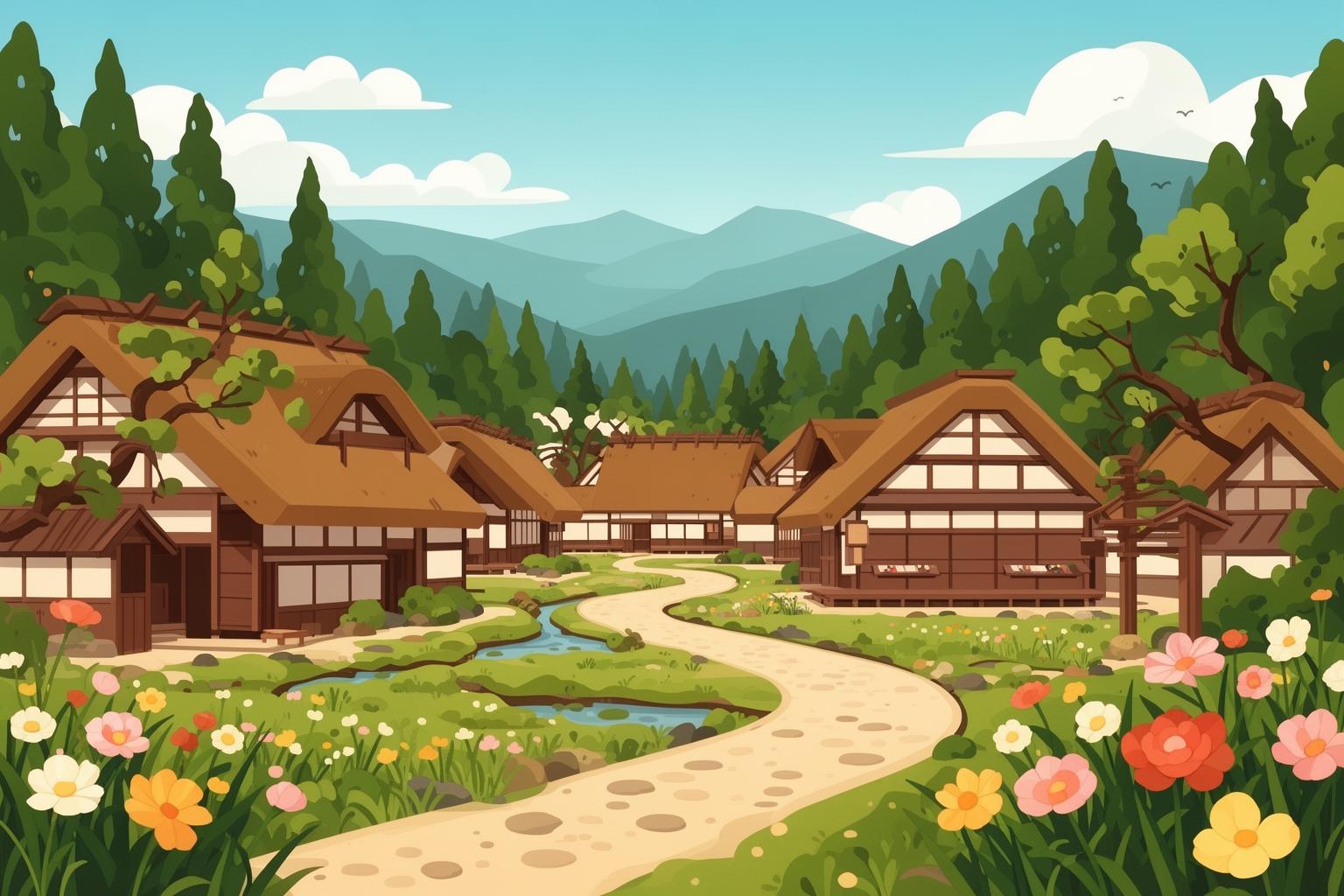
For many who travel to Shirakawa-go, the initial steps feel oddly familiar. This place isn’t just known from photographs, but from the vivid, haunting scenes of animation. Ogimachi village, the largest and most famous hamlet in Shirakawa-go, was the direct inspiration for the fictional Hinamizawa. The link is unmistakable; it’s an almost exact one-to-one correspondence that makes visiting here feel like stepping right into the screen. The very air seems to vibrate with a unique energy, blending serene mountain tranquility with the faint, exciting echo of the story’s mystery.
Your pilgrimage appropriately begins with a climb. The trail to the Shiroyama Viewpoint, winding upward from the village’s edge, is a path filled with anticipation. Each step fades the world of modern travel, replaced by the rustling leaves and the scent of moist earth. Upon reaching the summit, the view unfolds as a stunning revelation. There it lies: Hinamizawa, spread out before you in perfect, miniature detail. The cluster of thatched roofs, the lush green rice paddies, the silver thread of the river—it’s the iconic vista from the anime, brought vividly to life. Standing there, you can almost catch the opening notes of the soundtrack, sense the lazy warmth of a June afternoon, and feel the secrets sleeping beneath those peaceful roofs. This marks the moment of arrival, where the fiction you cherish and the reality you stand in merge as one.
Heading back down into the village, you’ll be drawn to the tranquil sanctity of the Shirakawa Hachiman Shrine. Hidden among towering cedar trees with ancient, wise trunks, this is the real-world Furude Shrine, the spiritual heart of Hinamizawa. The air cools here, hushed and respectful. Moss clings to stone lanterns, and the wooden shrine seems steeped in centuries of prayers. For fans, this site is sacred ground. Look closely at the racks of ema—small wooden plaques where visitors leave their wishes. You’ll find not only hopes for health and happiness but also detailed, loving drawings of Rika Furude, Rena Ryugu, and the whole cast, left as offerings by fellow pilgrims worldwide. It’s a beautiful, tangible tribute to the story’s impact, a shared secret among those who have made this journey. Spending a quiet moment here, beneath the cedar shade, is to experience the true blend of culture, both ancient and modern.
As you explore, certain buildings will beckon. The Wada House, one of the largest and best-preserved gassho-zukuri farmhouses in the village, is an Important Cultural Property. Stepping inside feels like entering a time capsule. The air is rich with the sweet, smoky scent of the irori, a sunken hearth that has warmed generations. Massive, dark wooden beams cross overhead, supporting a world of history. It’s easy to picture this as the grand home of the Sonozaki family or the sacred abode of the Furude shrine caretakers. You can explore its multiple floors, climbing narrow, steep staircases up to the spacious attics where silkworms were once raised. Light filters softly through small windows, illuminating dancing dust motes and creating a scene so atmospheric it seems drawn straight from the anime’s quieter moments. And no pilgrimage is complete without crossing the Deai-bashi, the long pedestrian suspension bridge that serves as Ogimachi’s main entrance. It sways gently with each step, a thrilling and slightly unsettling feeling, offering a spectacular view of the pristine Shokawa River below. This is the very bridge the characters crossed countless times, a threshold between the ordinary world and the mysteries of Hinamizawa.
Beyond the Anime: The Soul of a Mountain Village
While the echoes of Hinamizawa offer a striking and engaging perspective on Shirakawa-go, restricting your visit to just that would overlook the village’s deeper, richer narrative. This community has been shaped by isolation, climate, and a remarkable spirit of cooperation. Its essence lies not only in its fictional parallel but also in the very architecture and customs that have enabled it to endure for centuries in this challenging mountainous environment. The story of Shirakawa-go stands as a tribute to human creativity and the enduring power of communal bonds, a tale as captivating as any anime.
The Wisdom of Gassho-zukuri
The hallmark of Shirakawa-go is undoubtedly its extraordinary farmhouses. This architectural style is called gassho-zukuri, which beautifully means “like hands in prayer.” Observing the steep, triangular pitch of the thatched roofs, you immediately understand why. These are not just charming design choices; they are ingenious engineering solutions born out of necessity. The area experiences some of the heaviest snowfall on the planet, and the sharply angled roofs allow the heavy snow to slide off easily, preventing structural collapse. The roofs themselves are enormous, made from thick layers of kaya grass and assembled without a single metal nail, relying instead on traditional joinery and ropes.
What is truly impressive is the communal labor involved in maintaining them. Re-thatching a roof is a massive job that must be undertaken every few decades, demanding significant manpower and resources. This is achieved through a system called yui, a spirit of mutual aid. When one house requires a new roof, the entire village unites to complete the task within a day or two. It is a celebration of cooperation, a vibrant, living tradition that strengthens community bonds. This spirit of yui is the real heart of Shirakawa-go, the unseen framework that has kept the village thriving and intact. Inside the houses, you can see how the multi-level layout was utilized. The ground floor served the family’s living space, while the spacious upper floors, warmed by heat rising from the hearth below, were ideal for raising silkworms, once the village’s economic backbone.
A Year in Shirakawa-go: The Rhythm of the Seasons
The village reveals a different face with each season, each possessing its own unique and profound beauty. Visiting in just one season means experiencing only a part of its charm. The landscape is in constant, dramatic transformation, offering a fresh experience with every turn of the calendar.
Winter is Shirakawa-go’s most iconic season, the one featured on postcards and in travelogues. This is when the village becomes a true winter wonderland. Snow falls thickly and silently, covering everything in a flawless white blanket. It piles on the thatched roofs until they resemble scoops of cream, and the entire scenery softens into a gentle, monochromatic dream. On certain weekends in January and February, the village hosts its famous winter light-up events. As dusk falls, spotlights illuminate the farmhouses, making them glow warmly from within against the deep blue evening sky. The scene is utterly magical, almost unbelievably beautiful. However, be warned: this spectacle is well-known. Visiting during the light-up requires booking accommodation and transportation many months, sometimes even a year, in advance. The cold is intense, so dressing in warm, waterproof layers is absolutely essential.
As winter’s snow melts away, spring brings new life to the valley. The world shifts from white to vibrant, tender green. Cherry blossoms appear late in these high altitudes, typically around late April, creating a stunning contrast of delicate pink flowers against the rustic dark wood of the farmhouses. The rice paddies, dormant through the winter, fill with water, their surfaces reflecting the sky like mirrors. It’s a season of awakening, freshness, and hope, with fewer crowds than winter, offering a more peaceful and intimate experience of the village.
Summer brings a rich, lush vibrancy. The greens of the mountains and rice fields deepen into myriad shades. The air hums with the sound of the rushing river and the incessant, nostalgic drone of cicadas—a sound familiar to any fan of Higurashi. The days are warm and long, perfect for leisurely walks along the village’s winding paths. Though it can be hot and humid, nature is at its most alive, and the village feels verdant and energetic. It’s an excellent time to appreciate the agricultural heart of the community.
Then comes autumn, when the mountains surrounding the village burst into a symphony of colors. Maples turn brilliant crimson and ginkgo trees shine a dazzling gold, framing the gassho houses in fiery tones. The air grows crisp and clear, and the sky turns a deep, cloudless blue. This is harvest season, filled with a feeling of contentment and abundance. In mid-October, the village celebrates the Doburoku Festival, a lively occasion where unfiltered home-brewed sake (doburoku) is offered to the mountain god and generously shared with visitors. It’s a wonderful chance to witness a local tradition and taste a distinct, rustic flavor of the region.
Experiencing Shirakawa-go: A Practical Guide
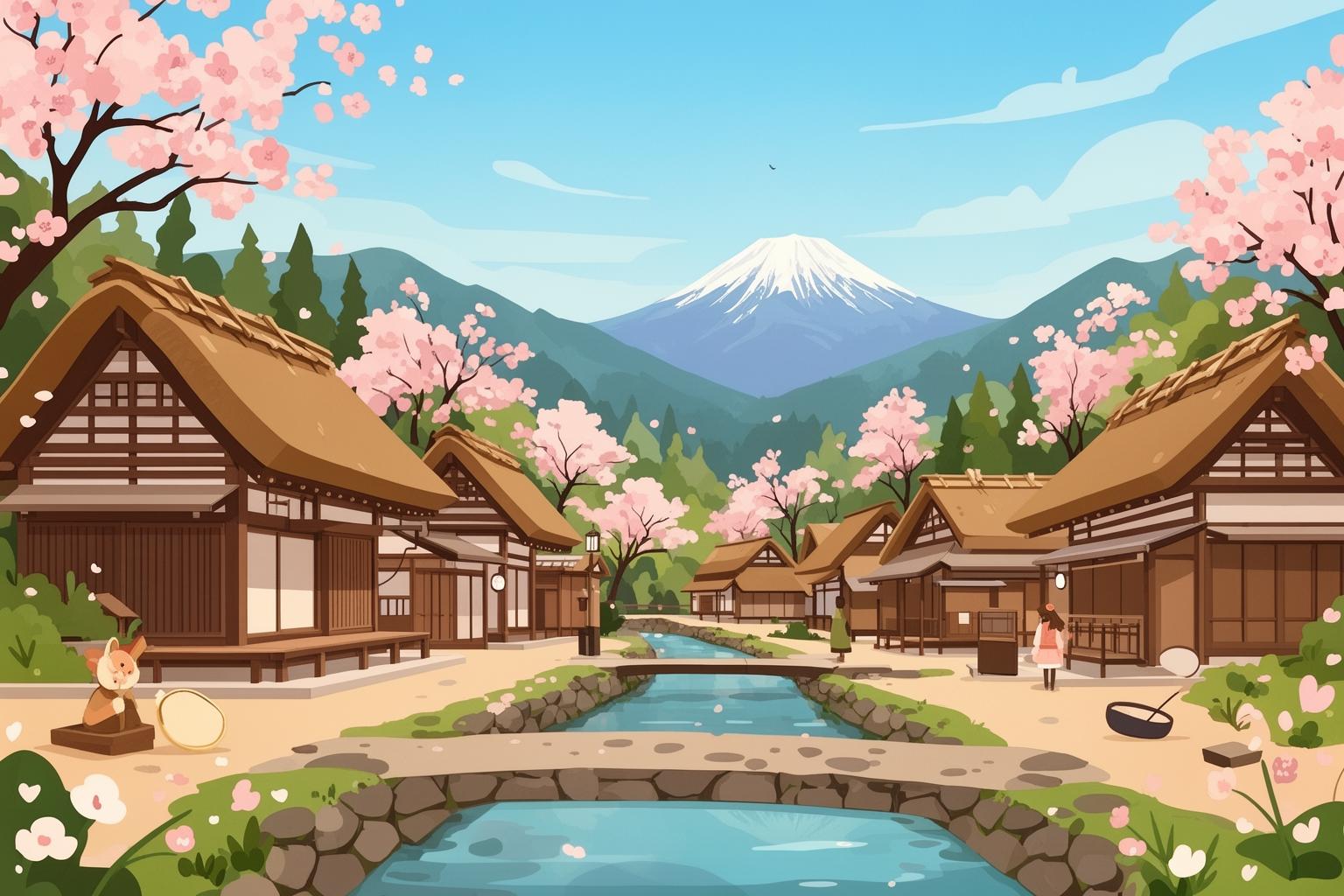
While Shirakawa-go feels like a world apart, reaching it and enjoying your stay is simple with some careful planning. The journey itself—winding through the roads and tunnels of the Japanese Alps—is a beautiful part of the experience, preparing you for the peaceful atmosphere that awaits.
Getting There: The Journey is Part of the Adventure
Due to Shirakawa-go’s remote location, there are no train services available. The primary and most efficient way to get there is by highway bus. Major bus hubs offering direct routes include Takayama, Kanazawa, and Nagoya. The trip from Takayama is the shortest, taking around 50 minutes, making it a popular base for exploring the area. The ride from Kanazawa runs about an hour and a half, while from Nagoya, it’s closer to three hours. These are not ordinary commuter buses; they are comfortable coaches that provide spectacular mountain views. It is essential to book your bus tickets ahead of time, especially during peak seasons like the winter light-up, autumn foliage, or national holidays such as Golden Week. Seats fill up quickly, and without a reservation, you might miss out on the trip.
Where to Stay: Sleeping in a Fairytale
While a day trip to Shirakawa-go is lovely, spending the night truly lets you experience its spirit. After the last tour buses leave, the village transforms. A serene calm sets in, the cobblestone paths clear, and it feels as if you have the entire fairytale to yourself. The most magical way to experience this is by staying in a minshuku, a family-run guesthouse within one of the historic gassho-zukuri farmhouses. This is not a luxury hotel—it offers an intimate, rustic, and deeply authentic experience. You’ll sleep on a comfortable futon on tatami floors, share bathrooms, and join the host family and other guests around the warm irori hearth for dinner. The meals are a highlight, featuring local seasonal dishes such as Hida beef cooked on a magnolia leaf with miso, grilled river fish, and assorted mountain vegetables (sansai). Listening to the stories of your hosts, whose families have lived here for generations, is truly unforgettable. Reservations for these gassho-style inns are highly sought after and must be made months ahead, often via the local tourist association’s website or by phone.
A Taste of the Mountains
Even if you’re not staying overnight, you can still enjoy the local flavors. Ogimachi’s main street is dotted with small eateries and food stalls. Be sure to try gohei mochi, a skewered, flattened rice cake coated with a sweet and savory miso, sesame, and walnut paste, then grilled over charcoal—perfect for snacking while walking. For a heartier meal, look for restaurants serving Hida beef, a premium regional wagyu known for its exquisite marbling and melt-in-your-mouth texture. In colder months, a warm bowl of soba noodles in rich broth is especially comforting. Don’t miss the local soft-serve ice cream, often available in unique flavors like buckwheat or sake.
Tips for the Thoughtful Traveler
Visiting a unique place like Shirakawa-go comes with the responsibility of being a considerate and respectful guest. The key point to remember is that this is neither a theme park nor a museum display; it is a living, working village where people reside and go about their daily lives. Your visit will be more meaningful, and you will help preserve this treasure, by keeping a few important guidelines in mind.
First and foremost, respect private property. While several of the larger farmhouses are open to the public as museums or guesthouses, most remain private homes. Stay on the designated paths and roads, and never stray onto private land, look through windows, or open doors not clearly marked as open to visitors. The village’s charm relies on this mutual respect.
The village becomes very crowded, especially from mid-morning to mid-afternoon when large tour buses arrive. To enjoy a quieter, more atmospheric experience, plan to arrive early before the crowds build or stay until late afternoon after they depart. The golden hours of sunrise and sunset bathe the village in magical light, offering the best opportunities for photography. If you are staying overnight, an early morning walk is essential—you’ll have the streets nearly to yourself, accompanied only by the sound of the river and the rising sun.
Wear comfortable footwear, as the village is surprisingly spread out and involves a lot of walking, often on uneven gravel paths or steep inclines such as the walk to the viewpoint. Be ready for sudden weather changes typical of mountainous areas. Bring layers even in summer, since evenings can be cool. In winter, waterproof boots with good traction, a warm hat, gloves, and a heavy coat are indispensable for comfort and safety.
Finally, take your time. Don’t rush from one photo location to another. Find a bench by the river, sit quietly, and soak in the atmosphere. Listen to the village’s sounds and watch the light shift on the thatched roofs. Let yourself drift into the gentle, unhurried pace of this extraordinary place. It is in these quiet moments of observation that the true magic of Shirakawa-go is revealed.
Shirakawa-go embodies a dual nature. It is a tangible piece of Japanese history, commemorating a way of life founded on resilience and community. Simultaneously, it is a dreamscape, a sacred space for fans connected to its fictional essence. Whether you visit as a history enthusiast, an architecture lover, or a follower of the Hinamizawa legend, you will discover something that resonates with you. It is a place that reminds us that some traditions deserve preservation, that beauty lies in simplicity, and that beloved stories can bridge our world and the realm of imagination. As you leave, crossing the swaying Deai-bashi bridge, you don’t simply leave a village behind; you carry a piece of its timeless spirit with you, a silent memory of a fairytale made real.