
There’s a curious magic that happens when a place you’ve only ever seen on screen materializes before your eyes. The animated lines become brick and timber, the painted sky becomes a vast, breathing atmosphere, and a story’s fictional world suddenly shares your own dimension. For millions around the globe, that sensation is inextricably tied to Makoto Shinkai’s breathtaking masterpiece, Your Name (Kimi no Na wa). The film wasn’t just a blockbuster; it was a cultural phenomenon that wove a tale of love, loss, and cosmic connection against a backdrop so beautifully rendered it felt real. That’s because, in many ways, it is. The fictional town of Itomori, with its serene lake and deep-rooted traditions, might be a product of Shinkai’s imagination, but its soul was borrowed from a very real, and very enchanting, corner of Japan: the Hida region in Gifu Prefecture. This is a journey into that world, a pilgrimage not just to check off locations from a film, but to feel the quiet, profound spirit of the place that inspired it all. We’ll walk the same streets as Taki on his desperate search, feel the weight of tradition that shaped Mitsuha’s life, and discover the invisible threads—the musubi—that connect a cinematic dream to a living, breathing landscape. Welcome to Hida, the heart of Itomori.
As you wander through Hida’s timeless landscapes, a visit to the Ghibli museum offers a complementary journey into the art that transforms animated dreams into real-life enchantment.
The Soul of Itomori: Discovering Hida-Furukawa
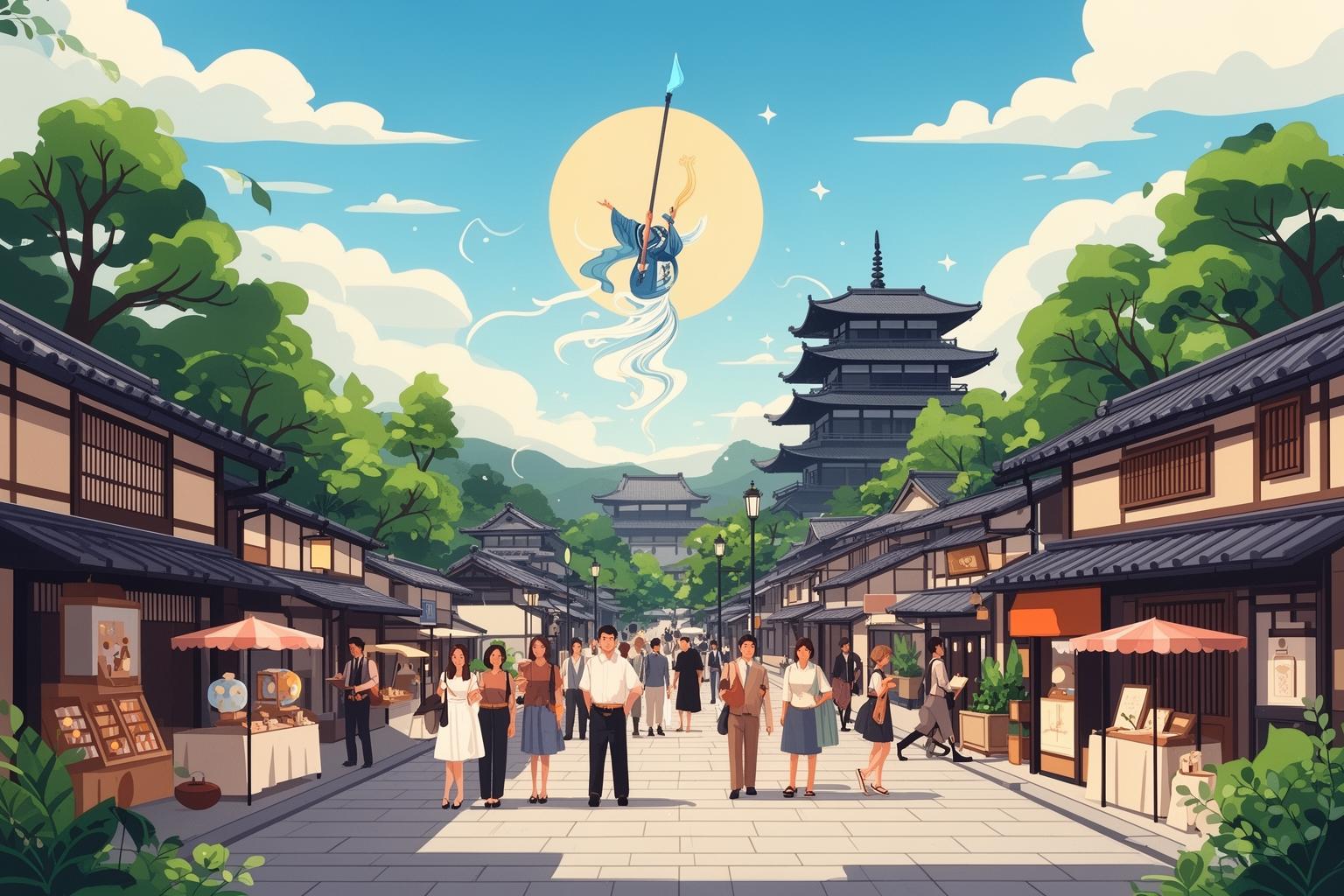
While the movie’s Itomori combines elements of several places, the town of Hida-Furukawa undoubtedly serves as its chief spiritual and architectural inspiration. Stepping off the train here feels less like entering a new town and more like returning to a cherished memory. The air itself feels different—crisp, clean, and infused with the faint scent of cedar from the nearby mountains. This isn’t a bustling tourist destination; it’s a peaceful, working town where the pace of daily life is slower and more deliberate. It is this genuine atmosphere that creates such a powerful connection to the film. You’re not merely seeing the sights—you’re immersing yourself in the environment Mitsuha would have known all her life.
The Iconic Station and the Echoes of Taki’s Search
For most fans, the pilgrimage begins exactly where Taki’s search started: at Hida-Furukawa Station. It feels strikingly familiar. The modest rural station, with its wooden details and straightforward layout, is faithfully preserved in the animation. The definitive cinematic moment, however, is found on the pedestrian overpass spanning the tracks. From here, you can look down on the very spot where Taki and his friends compared sketches with the real landscape. You’ll notice the tracks curving away into the distance, the line of waiting taxis, and the charming local Hida-gyu mascot—an animated cow—which also appears briefly in the film. Pause here for a moment and await the arrival of the distinctive orange-and-white local train. The sound of its approach, the subtle hiss of the doors, and the handful of passengers stepping off all combine to evoke a strong sense of déjà vu. For the ideal photo, time your visit to coincide with the Limited Express Hida train, the very same model Taki rode. The station staff are wonderfully accustomed to fans visiting and are often happy to assist in capturing that perfect, frame-by-frame shot. Though simple, this place is charged with the emotional weight of Taki’s quest, making it a deeply resonant first stop.
Whispers Along the Seto River
A short walk from the station brings you to another of Hida-Furukawa’s gems, the Shirakabe Dozogai district. Here, the Seto River, more of a gentle, stone-lined canal, flows serenely past striking white-walled storehouses with dark latticed bases. This is the historic heart of old Hida-Furukawa, a well-preserved merchant quarter reflecting the town’s prosperous past. From April to November, the canal is home to more than a thousand large, brightly colored koi fish. Watching them glide lazily through the crystal-clear water is captivating. The scene looks lifted straight from a Ghibli film, yet it is completely real. Small bags of fish food can be purchased at unmanned stalls along the canal, operating on an honor system. Feeding the koi, engaging in this simple daily ritual, creates a tangible connection to the town. In winter, the koi are relocated to warmer ponds to protect them from snow and ice, and the town takes on a quieter, more austere beauty. The contrast between the dark timber buildings and the pristine white snow is stunning. It’s a tranquil, reflective stroll that perfectly captures the serene, almost timeless character of life in Itomori.
The Library of Faded Memories
One of the most crucial scenes in Taki’s search occurs in a library where he finally uncovers the truth about Itomori. That library really exists: it is the Hida City Library. Unlike many film locations that serve only as facades, this is a genuine, functioning public library that has embraced its connection to the movie with warm hospitality. Upon entering, the soaring wooden beams and the soft natural light filtering through large windows—designed by a renowned local architect—will feel instantly familiar. The staff warmly welcome visitors on pilgrimage. Though an active study space for locals, they have created a small Your Name corner featuring memorabilia and a guestbook filled with messages from fans worldwide. Photography is allowed, provided visitors request permission at the front desk and remain quiet and respectful of other patrons. Sitting at one of the tables, gazing out at the town, you can almost sense the frantic energy and dawning realization that Taki experienced in this very space. It’s a testament to the community’s kindness that such a public area is shared so openly, enabling fans to connect with a key part of the story while still serving the local residents.
A Taste of Tradition: The Culinary Heart of Hida
A journey to Hida is an immersion not only in its sights but also in the flavors deeply embedded in the region’s culture. The local cuisine directly reflects the mountainous terrain and the pristine water flowing from it. Experiencing the food here offers another way to appreciate the culture that shaped Mitsuha’s world, where tradition and ritual are infused with profound meaning, even in food and drink.
Hida Beef: More Than Just a Meal
The undisputed jewel of local gastronomy is Hida beef. Often mentioned alongside Kobe and Matsusaka beef, it ranks among Japan’s top wagyu brands. The cattle are raised in Gifu Prefecture’s pristine natural environment for a minimum of fourteen months, producing meat known for its rich, intricate marbling and melt-in-your-mouth tenderness. Its fat melts at a low temperature, dissolving on the tongue to unleash a wave of rich, savory, and subtly sweet flavors. Enjoying it doesn’t require spending a fortune. While you can certainly indulge in an upscale yakiniku or sukiyaki meal at a traditional restaurant in Takayama or Furukawa, one of the best ways to sample it is through casual street food. In Takayama’s historic streets, vendors grill Hida beef skewers right before your eyes, their enticing aroma filling the air. Another local favorite is the Hida beef nikuman, a fluffy steamed bun stuffed with savory minced beef. For a truly unique treat, try the Hida beef nigiri sushi, featuring a thin slice of lightly seared beef atop a small block of vinegared rice, often served on a crisp senbei rice cracker instead of a plate. Every bite showcases the quality of the local ingredients and the pride the region takes in its culinary traditions.
The Ritual of Kuchikamizake and Local Sake
The film highlights a deeply meaningful Shinto ritual involving kuchikamizake, a traditional sake made by Miko shrine maidens, which plays a key role in connecting Taki and Mitsuha across time. Though this ancient technique is no longer practiced, the spirit of sake brewing remains vibrant in Hida. The region’s cold winters and abundant pure mountain water create ideal conditions for crafting high-quality sake. Historic breweries, many family-run for centuries, can be found throughout Hida-Furukawa and Takayama. They are often identified by large cedar balls, or sugidama, hanging over their entrances. When a new batch of sake is ready, a fresh green sugidama is displayed; as it slowly browns over time, it signals the sake’s maturation. Many breweries, such as the Watanabe Sake Brewery in Hida-Furukawa, welcome visitors for tours and tastings. Inside, you are greeted by the sweet, fruity scent of fermenting rice. Learning about the detailed process—polishing the rice, cultivating the koji mold, precise temperature management—deepens your appreciation for the craft. Tastings reveal a range of flavors, from crisp and dry to rich and fragrant, connecting you directly to the film’s themes of tradition and the sacred, powerful role sake holds in Japanese culture.
Beyond the Frame: Exploring Greater Hida and Takayama
While Hida-Furukawa offers the most direct one-to-one locations, the wider Hida region, particularly the nearby city of Takayama, provides the cultural and atmospheric backdrop of Itomori. To truly appreciate the world of Your Name, it’s essential to go beyond the specific filming sites and immerse yourself in the broader landscape and its living history.
Takayama’s Old Town: A Glimpse into the Past
Just a fifteen-minute train ride from Hida-Furukawa, Takayama is a larger, more vibrant city often referred to as “Little Kyoto.” Its highlight is the Sanmachi Suji district, a cluster of three streets in the old town that have been impeccably preserved since the Edo Period. Walking through this area feels like stepping onto a film set. Low, dark-timbered merchant houses flank the narrow streets, their latticed windows and overhanging eaves forming a beautifully rhythmic streetscape. Many of these buildings now contain sake breweries, artisan shops selling local crafts such as Sarubobo dolls and Shunkei lacquerware, and cafes offering traditional sweets. Unlike the tranquil quiet of Hida-Furukawa, Sanmachi Suji buzzes with life. The air is filled with the aroma of grilling dango and freshly brewed soy sauce. Although not a direct filming location, the atmosphere of Takayama’s old town—with its rich connection to craftsmanship, preserved architecture, and respect for tradition—embodies the traditional Japan that shaped Mitsuha’s life and her responsibilities at the family shrine. It offers the cultural context for Itomori, depicting a world where ancient customs are not merely relics but are woven into the fabric of daily commerce and community.
The Enigmatic Quest for Itomori Lake
The dramatic centerpiece of Itomori is the glistening, crescent-shaped lake formed by a comet fragment a thousand years ago. This iconic setting, however, is the one part of the story not located within the Hida region. Through extensive fan research and confirmations from the production team, Lake Suwa in the neighboring Nagano Prefecture has been identified as the visual inspiration for Itomori Lake. This is valuable information to help fans manage their expectations. While the lake isn’t found in Hida, the journey to Lake Suwa makes a rewarding side trip for devoted fans. Yet, even within Hida, the lake’s spirit lingers. The area is encircled by the towering peaks of the Japanese Alps, and from perspectives such as the Shinhotaka Ropeway, you can gaze out across a sea of mountains and deep valleys. This vast, powerful natural environment is a constant presence, just as the lake was for Itomori’s inhabitants. It serves as a reminder of the film’s deeper themes—the awe-inspiring, and sometimes destructive, force of nature, and humanity’s small but resilient place within it.
Practical Pilgrim’s Guide: Navigating Your Journey
Embarking on a pilgrimage to Hida is a simple yet profoundly rewarding experience, though a bit of planning can help ensure the journey is as smooth and enchanting as possible. The region is well-connected while maintaining its remote charm, striking an ideal balance for the curious traveler.
Getting There and Getting Around
The most scenic and efficient way to reach the Hida region is by train. From major cities such as Tokyo or Osaka, you first take a Shinkansen (bullet train) to Nagoya. From Nagoya, the JR Limited Express Hida Wide View train takes you directly to Takayama and Hida-Furukawa. This part of the trip is an experience in itself. True to its name, the train features large panoramic windows that offer breathtaking views as it winds through deep river gorges and lush mountain valleys. For international travelers, the Japan Rail Pass covers this whole route, providing great value. After arriving, Hida-Furukawa is compact and easily explored on foot, and Takayama’s main attractions are also within a comfortable walking distance from the station. For destinations a bit farther away, such as the Hida Folk Village or the Shinhotaka Ropeway, an extensive local bus network operates from the Takayama bus terminal, located right next to the JR station.
When to Weave Your Own Story
Hida is a year-round destination, with each season showcasing a distinct character. Spring is enchanting, as cherry blossoms frame the historic streets and canals, though it can be crowded, especially during the famous Takayama Spring Festival in April. Summer brings vibrant green landscapes and energetic festivals, making it an ideal time to see the region bursting with life. Autumn is arguably the most breathtaking season. From mid-October, the surrounding mountains ignite in a fiery array of red, orange, and yellow leaves, creating a stunning backdrop reminiscent of an anime scene. Winter turns the region into a tranquil wonderland. Heavy snowfall covers the traditional gassho-zukuri farmhouses and old towns with a thick white blanket, fostering a quiet, peaceful atmosphere. While some attractions might have shorter hours, experiencing Hida in the snow is truly unforgettable. Your choice of season will shape your journey, each providing a unique way to connect with the area’s cinematic landscape.
A Place to Rest Your Head
For an authentic cultural experience, consider staying in a traditional Japanese inn, or ryokan. These offer much more than just accommodation. You’ll sleep on comfortable futons laid out on tatami mat floors, savor exquisite multi-course kaiseki dinners made with local and seasonal ingredients, and have the opportunity to relax in a soothing onsen (hot spring bath). It’s the perfect way to unwind after a day of sightseeing. Takayama offers a wide range of ryokans and modern hotels to fit various budgets, while Hida-Furukawa has a smaller, more intimate selection of inns, allowing you to stay right in the heart of the film’s main setting. Booking well in advance is highly recommended, especially if your visit falls on a weekend, national holiday, or during one of the major seasonal festivals.
The Unseen Thread: Musubi and the Spirit of Place

At its heart, Your Name centers on musubi—the Shinto idea of the invisible, intertwined threads of fate, time, and relationships. It is the force that binds together the lives of Taki and Mitsuha, the past and the present, the celestial and the earthly. A journey to Hida is, in its own right, an experience of musubi. It’s more than a mere sightseeing trip; it’s a process of weaving your own story into a place rich with history, culture, and cinematic magic. You sense it in the quiet dignity of the old merchant houses, in the flavor of sake made from pure mountain water, in the warm greeting of a local shopkeeper, and in the shared, silent understanding with another fan you encounter on the station platform. The comet in the film was a spectacle of light and destruction, but the true light of the story lies in these quiet, human connections. As you depart Hida, you carry a piece of it with you—not just photographs and souvenirs, but the feeling of having touched something timeless. You came searching for the world of a movie, and you found a place that will forever be a part of your own story, a thread beautifully woven into the tapestry of your travels.