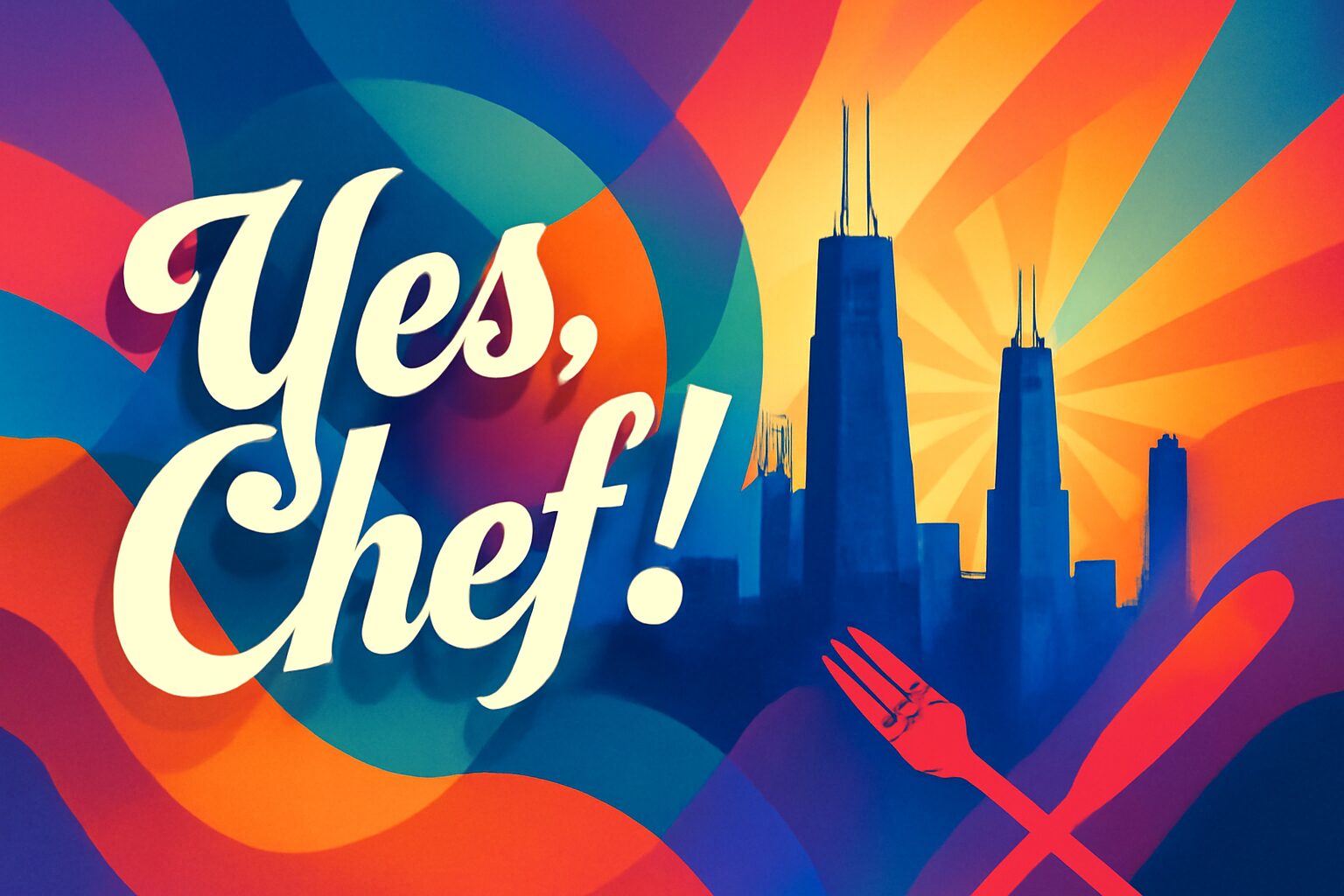
The sizzling sounds and high-stakes drama of the kitchen are back, and so is the world’s fascination with Chicago’s food scene. With the return of the critically acclaimed FX/Hulu series ‘The Bear’, the Windy City is experiencing a culinary renaissance, drawing in a new wave of travelers eager to taste the authenticity portrayed on screen. This phenomenon, dubbed “The Bear Effect,” is reshaping food tourism in Chicago, turning local eateries into global destinations.
Behind the Sensation: The Rise of Culinary Tourism
‘The Bear’ follows Carmen “Carmy” Berzatto, a fine-dining chef who returns home to Chicago to run his family’s chaotic Italian beef sandwich shop. The show has been praised for its raw, authentic depiction of kitchen culture and its loving portrayal of Chicago itself. This authenticity has resonated with audiences worldwide, creating a powerful desire to experience the city’s iconic dishes firsthand.
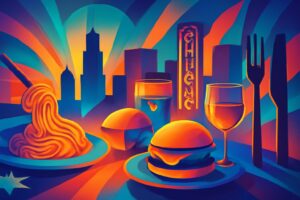
This is a prime example of modern film tourism, where a popular show or movie directly influences travel decisions. But ‘The Bear’ takes it a step further by focusing intensely on the city’s culinary identity. Before the show, the Italian beef sandwich was a beloved local staple; now, it’s an international icon. The series has effectively created a global marketing campaign for Chicago’s neighborhood restaurants, a feat that would typically cost millions in advertising.
A Measurable Impact on Local Businesses
The impact on the ground is not just anecdotal; it’s backed by significant figures. Mr. Beef on Orleans, the real-life inspiration for the show’s “The Original Beef of Chicagoland,” has seen its business skyrocket. The owner has reported a staggering increase in foot traffic, with some estimates suggesting a sales jump of over 300% since the show first aired. Lines of fans, both local and international, now regularly snake around the block.
This trend extends beyond just one location. Data from platforms like Yelp shows that searches for “Italian beef” in the Chicago area saw a dramatic spike following the show’s premiere. Other establishments mentioned or featured in the series, from high-end restaurants to local bakeries, have also reported a noticeable uptick in customers who mention ‘The Bear’ as their reason for visiting. In response to this demand, several local tour companies have launched dedicated ‘The Bear’ food tours, which often sell out weeks in advance.
What’s Next on the Menu for Chicago?
As the new season captivates audiences, the culinary tourism boom is expected to intensify. We can anticipate several long-term effects:
A More Diverse Culinary Map
While the Italian beef sandwich is the star, the show also highlights other facets of Chicago’s diverse food scene. Viewers are being introduced to everything from deep-dish pizza joints to Filipino fine dining. This will likely encourage tourists to explore beyond the usual downtown hotspots and venture into different neighborhoods, spreading the economic benefits more widely across the city.
Solidifying Chicago’s Global Reputation
For years, Chicago has been a world-class food city, but it has sometimes been overshadowed by coastal counterparts like New York and Los Angeles. ‘The Bear’ is changing that narrative on a global scale. The show is cementing Chicago’s reputation not just for fine dining, but for its gritty, authentic, and passionate neighborhood food culture.
Challenges and Opportunities
The sudden surge in popularity presents both opportunities and challenges. While the increased revenue is a blessing for many small businesses, it also brings pressure to manage crowds, maintain quality, and serve their regular local customers. Successful establishments will be those that can balance the demands of newfound fame with the neighborhood spirit that made them special in the first place.
For travelers looking to experience the taste of ‘The Bear’, the message is clear: come hungry and be prepared to wait. But the reward is a chance to participate in a unique cultural moment and taste the authentic flavors of a city that has truly captured the world’s imagination.