
There are places where stories live, breathed into existence not just by their creators, but by the people who love them. These are locations where the veil between fiction and reality feels beautifully thin, where you can walk in the footsteps of characters and feel a tangible connection to their world. Deep in the quiet, suburban landscape of Saitama Prefecture, just a short journey from the electric hum of Tokyo, lies one such place: Washinomiya Shrine. To the casual observer, it’s an ancient and venerable Shinto shrine, steeped in centuries of history and tradition. But for a global community of anime fans, it’s something more. It is the real-world home of the Hiiragi sisters, Kagami and Tsukasa, a cornerstone of the beloved slice-of-life anime, Lucky Star. This isn’t just a filming location; it’s a living testament to the power of pop culture to forge new traditions and bring people together from all corners of the globe. The journey to Washinomiya is a pilgrimage in the truest sense, a trip to a place made sacred by both ancient deities and modern fandom. It’s where the serene rustle of ancient trees meets the excited chatter of fans discovering a piece of their favorite story made real, creating an atmosphere that is truly, uniquely Japanese and utterly unforgettable. Prepare to step across the threshold, not just of a shrine, but of a phenomenon.
This journey of cultural discovery extends further as fans can also explore real-life Your Name locations to uncover Japan’s unique blend of tradition and modern anime influence.
The Spark That Ignited a Pilgrimage
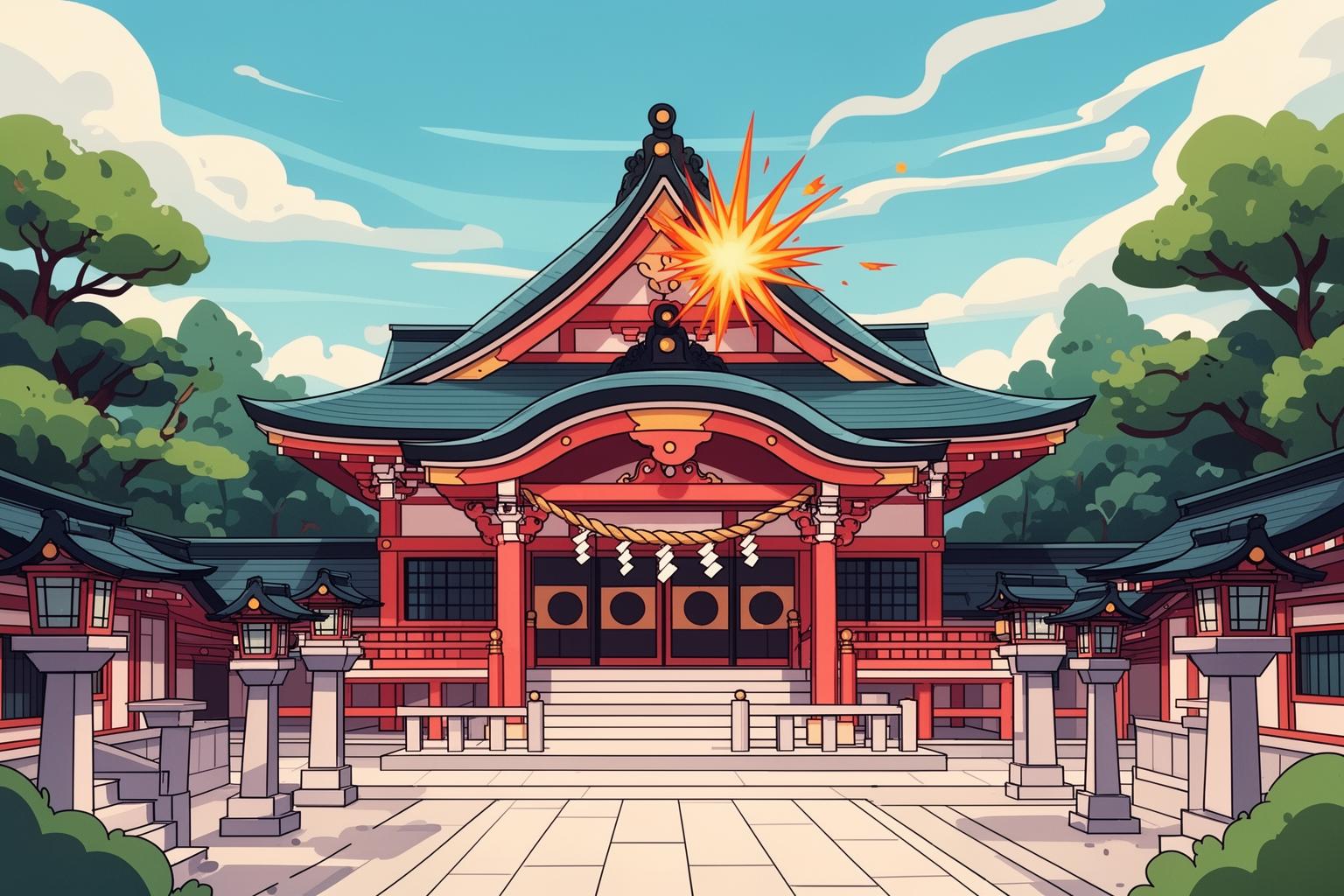
It all began with just a few seconds of animation. In 2007, the anime studio Kyoto Animation released Lucky Star, a series celebrated for its delightfully ordinary conversations, sharp dialogue, and lovable characters. Its opening sequence, an irresistibly catchy song and dance number, included a brief shot of the main entrance of a Shinto shrine. Fans, with their remarkable detective skills, quickly identified it as Washinomiya Shrine. The portrayal was so accurate and detailed that it felt like an invitation—and fans responded. What started as a trickle of curious visitors soon turned into a flood. This phenomenon, known in Japan as seichi junrei or “sacred place pilgrimage,” was not new, but Lucky Star and Washinomiya Shrine propelled it onto the international stage. The shrine, once primarily a place for local worshipers, suddenly became the focal point of a global cultural movement. The town of Washinomiya (now part of the city of Kuki) didn’t merely tolerate this influx of visitors; it welcomed them. The combination of the ancient place of worship and the passionate modern fandom created something entirely novel: a beautiful and unexpected fusion of culture that continues to flourish today. This is the essence of the Washinomiya experience—witnessing how a quiet, historic shrine became an international icon, all thanks to a simple, beautifully crafted drawing.
Feeling the Vibe: Where Ancient Tradition Meets Otaku Passion
Stepping onto the grounds of Washinomiya Shrine is a captivating sensory experience. The moment you walk beneath the iconic wooden torii gate—the very one featured in the anime—you sense a shift. The air becomes still, permeated with the earthy aroma of damp soil and towering, centuries-old cedar trees whose canopies diffuse the sunlight into a gentle, ethereal glow. The crunch of gravel beneath your feet provides a soothing rhythm, a sound that has resonated here through the generations. This is the essence of a classic Shinto shrine: peaceful, reverent, and deeply intertwined with nature. Yet, as you explore further, you begin to notice the unique details that set this place apart. Nestled among the traditional prayer plaques are messages of a different kind. These ema are small wooden plaques on which worshippers inscribe their wishes. Here, however, they serve as a canvas for an alternative form of devotion. Hundreds are adorned with intricate, professional-quality illustrations of the Lucky Star cast, forming a continually evolving outdoor art gallery. It’s a breathtaking scene. One moment, you admire the finely crafted, ancient woodwork of the main hall, the haiden; the next, you find yourself drawn to a lovingly rendered portrait of Konata Izumi. This contrast doesn’t feel discordant; rather, it feels harmonious. It’s as if the shrine has embraced this new mode of prayer, this new reason for visitors to come. The overall impression is one of welcome—a place where history is not frozen in time but a living entity that grows, weaving new stories into its fabric.
The Ancient Roots of the Eagle Shrine
To truly grasp the modern phenomenon, it’s vital to recognize the shrine’s profound history. Washinomiya Shrine is regarded as one of the oldest shrines in the entire Kanto region. Its name, which translates to “Eagle Shrine,” is linked to ancient myths and legends about deities arriving in the form of eagles. Its history is believed to span well over a millennium, having served as an important worship center for samurai and commoners alike throughout the ages. The enshrined deities are connected with prosperity, fortune, and industry, making the shrine’s own recent change of fortune seem wonderfully fitting. Understanding this adds a deep layer of meaning to your visit. The very ground beneath your feet has been sanctified by countless prayers over many generations. The modern pop culture pilgrimage is merely the latest chapter in an incredibly long and rich history. It demonstrates that a place can embody many truths simultaneously: it can be a solemn site for traditional Shinto worship while also serving as a joyful celebration of a quirky high school comedy. Here, the old and the new do not contradict but rather enhance each other.
The Ema Gallery: A Canvas of Dreams and Dedication
Let’s delve further into those ema plaques, for they truly are the heart and soul of the Lucky Star experience at Washinomiya. Hanging in thick, colorful clusters, they create a vibrant spectacle. You don’t have to be an anime fan to appreciate the exceptional artistry on display. You’ll find everything from quick, charming sketches to exquisitely detailed illustrations that could easily pass as official art. Fans from Japan and around the world leave their marks here—writing messages of gratitude to the creators, wishing the characters well, or simply expressing their love for the series. Some plaques mark specific dates, such as anniversaries of the show’s debut, while others are collaborative works with multiple artists contributing to a single, larger piece. Spending time here, browsing the wooden wishes, is like reading a guestbook for the soul of a fandom. It’s a powerful visual testament to a shared passion. It also serves as a reminder that this pilgrimage is deeply personal for many. For some, Lucky Star was a source of comfort during hard times; for others, it was their gateway into a new culture. These plaques are their offerings—their way of giving back to a story that gave them so much. Be sure to bring some cash, as you can purchase your own blank ema at the shrine office and add your voice to this extraordinary chorus.
Your Pilgrimage Blueprint: Navigating to Washinomiya
A trip to Washinomiya is remarkably convenient, making it an ideal day excursion for anyone staying in Tokyo. The key is to reach the Tobu Isesaki Line, a private railway running from central Tokyo into the northern suburbs and prefectures. From stations such as Asakusa or Kita-Senju in Tokyo, you can board a train bound for Kuki. The journey itself is part of the charm. As the train leaves the dense urban area behind, the scenery gradually shifts into a quieter, more residential setting with houses featuring tiled roofs, small vegetable gardens, and local shopping streets. Your stop is Washinomiya Station. Upon arrival, you’ll step into the calm atmosphere of a typical Japanese suburb. The shrine is a pleasant and easy ten-minute walk from the station. The route is clearly marked, and the town’s embrace of its anime fame is immediately evident. You might notice Lucky Star characters on shop signs or even on manhole covers—little easter eggs that turn the walk into a treasure hunt. This gentle shift from the bustling city to the tranquil shrine grounds sets the perfect tone for your visit.
When to Visit: Seasons and Celebrations
Washinomiya Shrine is an excellent destination year-round, but the timing of your visit can influence your experience. For a peaceful, reflective visit, a weekday in spring or autumn is best. The weather tends to be pleasant, crowds are small, and you can leisurely explore the grounds and admire the ema without feeling rushed. Spring showcases the delicate charm of cherry blossoms, framing the shrine in soft pinks and whites and creating picturesque scenes. Autumn, on the other hand, offers a spectacular display of foliage that turns into a vibrant tapestry of fiery reds and golds. However, if you want to see the shrine at its liveliest, plan your visit for a festival day. The most notable event is Hatsumode, the first shrine visit of the New Year. Traditionally a major event for any shrine, Washinomiya’s Hatsumode became especially famous after Lucky Star. News outlets showed fans lining the streets, with visitors increasing from tens of thousands to nearly half a million. It’s a crowded, lively, and joyful occasion. The shrine also participates in the local Hajisai festival in early September, which features Lucky Star elements, including a special mikoshi (portable shrine) adorned with characters from the series. Visiting during a festival offers a heartwarming glimpse of the community and fandom celebrating together.
A Special Note on New Year’s
Experiencing Hatsumode at Washinomiya is unlike anywhere else in Japan. While the core traditions remain—praying for good fortune, purchasing protective charms (omamori), and drawing a fortune slip (omikuji)—the atmosphere is charged with fan enthusiasm. You’ll find people in cosplay, carrying merchandise, and sharing collective excitement. It perfectly captures the shrine’s dual identity: a deeply spiritual event that also feels like a huge fan gathering on sacred grounds. If you plan to attend, prepare for large crowds and long waits. Dress warmly, bring snacks, and be ready to immerse yourself in a cultural event that is both ancient and strikingly modern. It’s a testament to how traditions evolve and how a place of worship can find renewed relevance and vitality through the most unexpected connections.
Beyond the Torii Gate: Exploring the Neighborhood
While the shrine is the primary attraction, the pilgrimage extends beyond its gates. The surrounding neighborhood has become an integral part of the seichi junrei experience. The local community’s reaction to the influx of fans has been overwhelmingly positive, integrating the anime into the town’s character in charming and delightful ways. As you explore the streets, be sure to stay observant. Small nods to the series can be found everywhere. A local restaurant might offer a Lucky Star themed menu item, while a souvenir shop could sell exclusive merchandise unavailable elsewhere. The local chamber of commerce has even created official town maps and goods featuring the characters. One of the most popular spots for fans is the Ootori Chaya, a rest stop and souvenir shop located right next to the shrine’s parking lot. It has become an unofficial hub for pilgrims, a place to relax, enjoy a snack, and connect with fellow fans. The staff are friendly and familiar with visitors from around the world. Visiting these local spots is essential to fully grasp the phenomenon’s impact. It’s not just about an anime being set in a real location; it’s about how that place and its people embraced the series, creating a lasting and mutually enriching relationship between the fictional world and its followers.
A First-Timer’s Field Guide
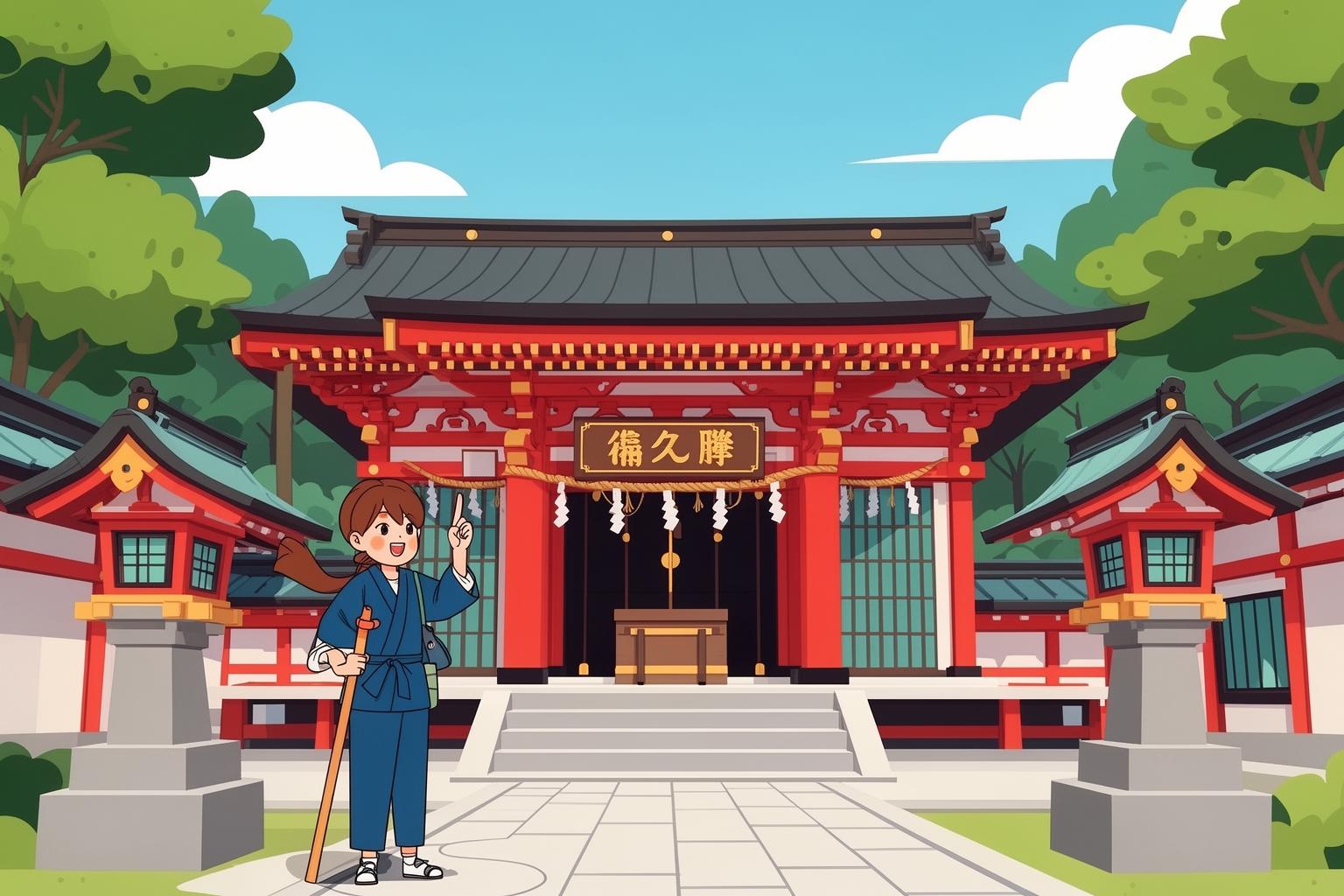
Visiting a Shinto shrine for the first time can feel somewhat intimidating, but the customs are straightforward and centered on showing respect. Following them will enhance your experience and express your appreciation for the local culture. Here are a few helpful tips to make you feel at ease at Washinomiya.
Shrine Etiquette Essentials
First, as you approach the main torii gate, it is customary to pause and bow briefly before passing through. This gesture shows respect and acknowledges that you are entering a sacred space. When walking along the main path, try to stay to the sides, as the center is traditionally reserved for the deities. Before reaching the main prayer hall, you will find a water pavilion called a chozuya. This is used for symbolic purification. Hold one of the ladles with your right hand, fill it with water, and pour some over your left hand. Then switch hands and pour water over your right hand. Finally, pour a little water into your cupped left hand to rinse your mouth, spitting the water discreetly onto the ground beside the basin. Never drink directly from the ladle. Once you reach the prayer hall, the process is simple. If there is a rope with a bell, you may give it a gentle shake. Toss a coin into the offering box (a five-yen coin is considered lucky). Then, perform the prayer: bow deeply twice, clap your hands twice, hold your hands together in prayer for a moment, and bow deeply once more. It’s a quiet, personal moment of reflection. No one will be judging your manner; the key is the respectful intention behind your actions.
What to Bring for a Smooth Visit
To make your day trip as comfortable as possible, a little preparation can go a long way. Wear comfortable shoes, as you’ll be walking quite a bit around the shrine grounds and from the station. While Japan is becoming more card-friendly, shrines and smaller local shops often still operate mainly on cash. Make sure to bring enough yen for offerings, ema plaques, protective charms, and any local treats or souvenirs you may want to purchase. A camera is, of course, essential. The shrine is highly photogenic, from its grand architecture to the delicate details on the fan-drawn ema. Finally, consider bringing a small bag to carry your purchases and perhaps a bottle of water, especially if you’re visiting during the warmer months. With these basics in place, you’ll be free to fully enjoy the wonderful atmosphere of Washinomiya.
The Enduring Legacy of a Lucky Encounter
Visiting Washinomiya Shrine is more than just checking off a spot on an anime pilgrimage list. It is a journey into the heart of a modern cultural phenomenon. The shrine defies simple categorization, existing at the intersection of ancient spirituality and global pop culture. Here, the story of the everyday lives of four high school girls revitalized a local community, created a new tradition, and built a lasting connection between Japan and the wider world. The shrine stands as a powerful symbol of how stories can shape reality, sanctifying the ordinary and providing new reasons for people to gather. It is a vibrant community where the distinctions between worshiper and fan, pilgrim and tourist, beautifully blur. Whether you come as a devoted fan of Lucky Star or just a curious traveler, you will leave with a deep appreciation for this unique and remarkable place, sanctified by gods, history, and the enduring power of a truly great story.