
Tokyo isn’t just a city; it’s a battleground of loyalty, a tapestry of neon-drenched dreams, and the very soul of the Tokyo Manji Gang. In the world of Tokyo Revengers, the sprawling urban landscape is more than a backdrop—it’s a character, a silent witness to every fistfight, every heartfelt promise, and every desperate leap through time. For those of us captivated by Takemichi Hanagaki’s relentless quest to rewrite a tragic future, the streets of Shibuya, Shinjuku, and the quiet riverbanks where destinies are forged hold a magnetic pull. This isn’t just about finding a real-world filming location; it’s about walking the same pavement as Mikey, Draken, and the entire Toman crew. It’s about feeling the electric hum of the city that shaped them, a pilgrimage, or seichi junrei as we call it in Japan, that plugs you directly into the heart of the story. You’ll stand in the chaotic center of the Scramble Crossing and understand the overwhelming odds Takemichi faced. You’ll find a quiet moment at a shrine and feel the solemn gravity of a Toman meeting. This journey is your own time leap, a chance to step out of the everyday and into a world where friendship is the ultimate power. Prepare to explore the real Tokyo, the Tokyo of the Revengers, where every corner holds an echo of their fight.
If you’re inspired to explore more anime locations after this journey, consider a similar pilgrimage to the real-life courts of Haikyuu!!.
The Heartbeat of the Story: Shibuya’s Electric Pulse
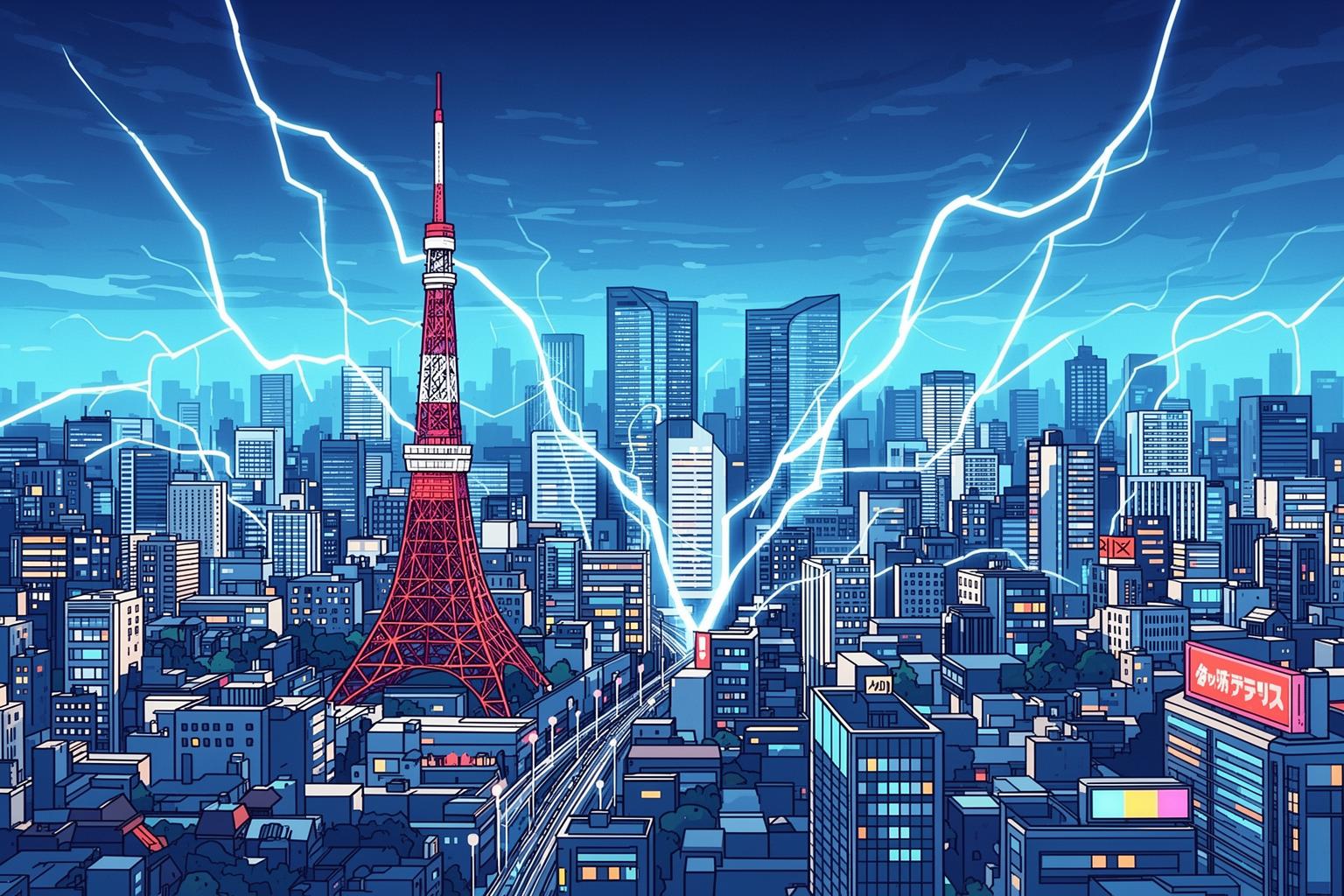
Shibuya stands as the unquestioned epicenter of Tokyo Revengers. It’s Toman’s home ground, the backdrop for their victories and their most heart-wrenching defeats. This district is like a living entity, constantly alive with a youthful, rebellious energy that pulses through every part of the story. To truly grasp Toman, you need to understand Shibuya’s rhythm—a place where trends begin and legends come to life beneath the glow of a thousand neon lights. It’s an exhilarating sensory overload, a concrete jungle that feels both vast and intimately familiar once you explore its winding side streets and alleys, just as Toman’s members have.
Scramble Crossing: The Crossroads of Destiny
The Shibuya Scramble Crossing is the world’s most famous intersection, and in Tokyo Revengers, it serves as a powerful symbol. It embodies the chaos Takemichi is thrust into—a swirling confluence of countless lives crossing paths for just a moment. Standing at the edge, waiting for the pedestrian light to turn green, you sense the anticipation and immense scale of humanity. When the lights change, a flood of people surges forth from every direction, a perfectly synchronized performance of organized chaos. This is the overwhelming world that threatens to engulf Takemichi, a world he feels powerless to control. Yet, it’s also a place of connection, where a single chance encounter can alter everything. For the best vantage point, head to the second floor of the Starbucks in the Tsutaya building. From there, you can observe the scene unfold from the same god’s-eye view often used in the anime to highlight the city’s vastness. The giant video screens that tower over the crossing blast advertisements and music videos, their light washing over the crowd, creating a cinematic atmosphere as if pulled directly from the screen. Here, you truly feel what it means to be one individual in a massive, indifferent city—a central theme in Takemichi’s early struggles.
The Toman Stronghold: Shibuya Station and Its Maze
Shibuya Station is more than a transportation hub; it’s a sprawling, multi-layered maze at the strategic center of Toman’s territory. In the series, it’s a common meeting place before major fights or casual hangouts. The station is a city beneath a city, filled with a complex maze of underground passages, numerous exits, and busy platforms. Navigating it feels like a mission itself, reflecting the intricate social and gang hierarchies the characters must navigate. The area around the iconic Hachiko Statue exit is legendary. The statue symbolizes loyalty—a key theme for Toman—while the open plaza naturally draws crowds. Picture Draken and Mikey standing here, calmly watching the flow of people, the undisputed rulers of their domain. Nearby, the distinctive cylindrical Shibuya 109 building often appears in the background, cementing the location. It’s a beacon of Shibuya’s youth fashion culture—a world seemingly distant from the gangs’ life-or-death struggles, yet sharing the same space, creating a fascinating contrast. Exploring the station, you’ll find coin lockers used for secretive purposes and winding corridors that seem like they could lead to clandestine meetings. The station is constantly evolving, with new constructions like Shibuya Scramble Square and Shibuya Stream adding futuristic layers to the old concrete complex, but its core energy endures—a crossroads of paths, a place of departures and arrivals, both literal and symbolic.
Center Gai’s Gritty Alleys: The Birthplace of Toman
Beyond the Scramble Crossing lies the heart of Shibuya’s youth scene: Center Gai, which a few years back was officially renamed Basketball Street. Despite the new name, the spirit of the original Center Gai—the stomping ground for a fledgling Toman—remains strong. This narrow pedestrian street is lined with fast-food joints, karaoke bars, game centers, and clothing shops. It’s noisy, bustling, and a bit rough around the edges. It’s the ideal setting for a youth gang to emerge—a place where teenagers can claim a sense of ownership, away from adults’ watchful eyes. The anime and manga capture this atmosphere perfectly: the enclosed feeling created by towering buildings, the clash of competing music and ads, and the scent of street food lingering in the air. Walking down this street, venture into the even narrower side alleys. These are Shibuya’s veins—hidden spaces where secrets are traded and plans hatched. In these forgotten corners, covered in graffiti and strewn with delivery crates, the true spirit of Tokyo Revengers’ Shibuya lives on. It feels genuine and lived-in, in stark contrast to the polished storefronts of the main department stores just a block away. This is where Toman’s raw energy was forged, born of the restless, rebellious spirit that pulses through these streets.
The Sacred Ground: Musashi Shrine’s Echoes
One of the most memorable and atmospheric settings in Tokyo Revengers is the Musashi Shrine. It serves as the sacred meeting place for the Tokyo Manji Gang—a revered location where their most crucial decisions take shape. The stark contrast between the gang’s violent deeds and the shrine’s peaceful, traditional environment is both visually striking and thematically rich. This elevates Toman beyond a simple street gang to a group bound by a code, rituals, and a profound sense of purpose. In reality, there is no single, definitive “Musashi Shrine” that exactly matches the anime’s depiction. Instead, it is thought to be a blend of several real shrines, allowing fans to experience its spirit in multiple locations.
The Search for a Real-World Sanctuary
Among fans, the most popular theory identifies the Hanazono Inari Shrine, quietly tucked within Ueno Park. This spot’s appeal lies in its striking visual resemblance, particularly the long rows of vivid red torii gates forming a tunnel-like path. Walking through this corridor feels incredibly cinematic, instantly recalling scenes where Toman members gather on the steps. The way light streams through the spaces between the gates, casting long shadows on the stone path, mirrors the anime’s art style beautifully. The shrine is smaller and more intimate than Tokyo’s larger religious sites, fitting the idea of it being Toman’s personal sanctuary. Another candidate, based on its name, is the Musashi Mitake Shrine, located on Mount Mitake in western Tokyo. Although a longer journey from the city center, this ancient shrine offers a distinct atmosphere. Positioned high in the mountains, it conveys a sense of grandeur and isolation that aligns with Toman’s exalted status. The steep, lengthy staircase leading to the main hall closely resembles the one Mikey stands on when addressing his crew. Making a pilgrimage here becomes a true adventure, rewarding devoted fans with a powerful spiritual ambiance and breathtaking natural scenery.
Capturing the Atmosphere of Toman’s Meetings
Whichever shrine you decide to visit, the essential experience lies in absorbing its unique atmosphere. These are places for quiet reflection. Upon arrival, observe proper etiquette: bow once before passing under the first torii gate, and cleanse your hands and mouth at the temizuya (water basin) before approaching the main hall. The air within a shrine complex feels different—cooler, quieter, and fragrant with the scent of aged wood and incense. Listen to the soft rustling of leaves and the gentle clink of coins tossed into the offering box. The stone steps, worn smooth by centuries of visitors, feel cool beneath your touch. This is the environment where Toman’s hierarchy and rituals come to life. Mikey, standing at the summit, is elevated not only physically but also symbolically. The other members, positioned below him on the steps, display their respect and loyalty. As dusk falls, the flickering light of stone lanterns creates a dramatic, almost theatrical atmosphere for their gatherings. Visiting one of these shrines in the late afternoon, as the sun starts to dip, allows you to sense that same solemnity. You can easily imagine the scene: the low murmur of voices, serious expressions, and the unwavering allegiance of boys bound by a shared, sacred vow in a place that feels removed from the modern chaos just beyond its gates.
Crossing the Border: Shinjuku and Valhalla’s Domain
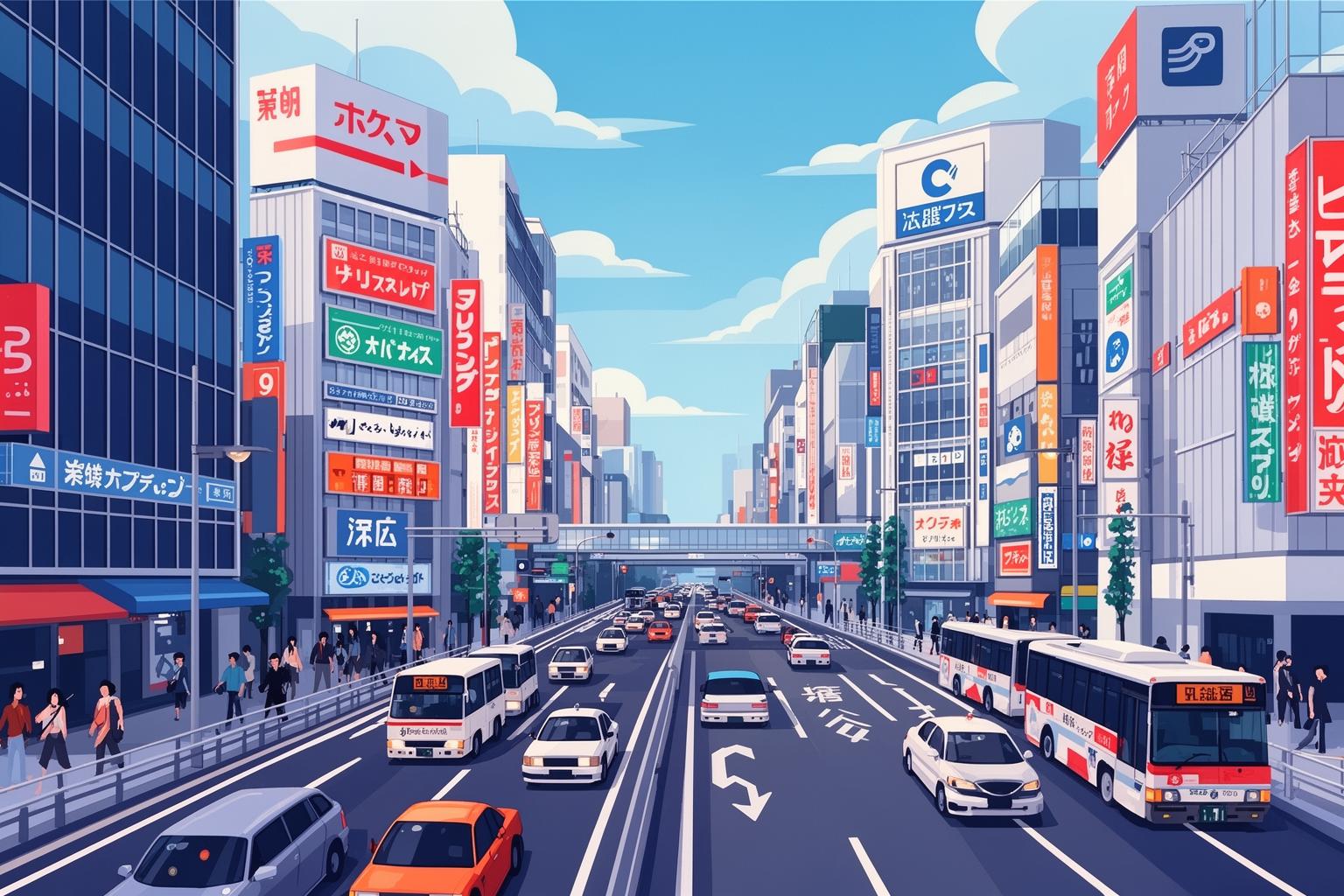
If Shibuya is Toman’s stronghold, then Shinjuku stands as the chaotic, unpredictable domain of its rivals, most notably the headless angel, Valhalla. Shinjuku is a district defined by sharp contrasts. By day, it thrives as a bustling commercial center anchored by the world’s busiest train station, featuring gleaming skyscrapers and tranquil gardens. However, by night, especially in the notorious Kabukicho area, it shifts into a neon-lit maze of pleasure and danger. This dual nature makes it the ideal territory for a rival gang—a place governed by an entirely different set of rules.
Kabukicho: The Neon Jungle
Kabukicho serves as the primary model for Valhalla’s territory. Stepping under the iconic red archway transports you to a different world. The streets narrow, and the buildings are covered from top to bottom with dazzling, sometimes gaudy, signs advertising bars, restaurants, host and hostess clubs, and pachinko parlors. The overwhelming density of light and sound creates a vibrant, almost breathing atmosphere, underscored by an ever-present sense of danger absent from Shibuya’s polished streets. This is Valhalla’s visual identity—chaotic, seductive, and untamed. The anime captures this essence perfectly, showing characters meeting in narrow back alleys lit only by the harsh glow of nearby signs. Explore the area around the Godzilla head looming over the Toho Cinema, a modern landmark symbolic of the district. Wander through Golden Gai, a preserved enclave of post-war Tokyo with tiny, ramshackle bars squeezed into narrow alleys. This intimate, somewhat secretive spot feels like a hub where information is exchanged and alliances quietly formed. The electric, nervous energy of Kabukicho makes it entirely believable as the headquarters of a gang as deadly and unpredictable as Valhalla.
Echoes of the “Shinjuku Swan” Era
To fully grasp Shinjuku’s role in Tokyo Revengers, it helps to understand the real-life backdrop that inspired creator Ken Wakui, who also penned the well-known manga Shinjuku Swan. That series explored the world of street scouts recruiting women for the nightlife industry and the gang conflicts controlling these territories. The turf wars and power struggles for Shinjuku’s lucrative entertainment districts form the foundation from which Tokyo Revengers’ fictional gangs emerged. While the story emphasizes friendship and delinquent honor, the underlying menace of real-world crime and exploitation lends the narrative its gravity. Walking through Kabukicho today, you can still spot scouts—young men in sharp suits—seeking customers. This real-world detail adds authenticity to the setting, reminding us that beneath the fantasy of time travel and invincible heroes lies a recognizable, often harsh, urban reality.
Finding Your Way Through the Maze
For first-time visitors, Kabukicho might seem intimidating, but it is largely safe for tourists who remain vigilant. The best way to experience it is simply to dive in and explore. If you’re cautious, stick to the main, well-lit streets, but don’t hesitate to glance down side alleys to soak up the atmosphere. The prime time to visit is after dark, when neon signs blaze to life, transforming the district into the spectacle it’s known for. A relaxed way to enjoy the area is to grab a meal at one of the many ramen shops or izakayas or spend some time in a lively, flashy game center. From a safe vantage point, you can watch the dizzying flow of people and imagine the district as Valhalla’s hunting ground—a stark, thrilling contrast to Toman’s familiar Shibuya.
The Quiet Moments: Riverbanks and Residential Streets
Not every key moment in Tokyo Revengers takes place under the bright city lights. Some of the most emotional and character-defining scenes happen in the quiet, in-between spaces of Tokyo—the expansive riverbanks, the nostalgic apartment complexes, and the unassuming underpasses. These settings offer a vital break from the turmoil, fostering introspection, heartfelt confessions, and solemn promises. They reveal the characters’ personal lives, a world separate from the gang conflicts.
The Tama River: A Stage for Emotion
The kawara, or dry riverbed, is a classic backdrop in Japanese anime and drama. It’s an open, spacious area that contrasts sharply with the cramped city environment. In Tokyo Revengers, the riverbank is where characters come to reflect, converse, and engage in one-on-one fights without distractions. It’s where Takemichi finds his resolve and where deep bonds are tested and reaffirmed. The Tama River, flowing along Tokyo’s southern edge, serves as a perfect real-world counterpart. Strolling its grassy banks offers a vastly different view of the city. You see wide-open skies, hear the wind, and encounter locals jogging, walking dogs, or practicing baseball. It’s a place of everyday normality. This setting intensifies the dramatic confrontations that take place there. Find a spot on the grassy slope, sit down, and watch the water flow past—you can easily imagine the heartfelt conversations between Takemichi and Hinata, or the tense standoffs between former friends. The long, straight bridges crossing the river are iconic visual elements, often framing shots and symbolizing connection or distance between characters. Visiting the Tama River provides a sense of the series’ emotional landscape, the quiet places where the characters’ true feelings are revealed.
The Nostalgia of the Danchi
Many characters in Tokyo Revengers live in or near danchi, large-scale public housing complexes built during Japan’s post-war economic boom. These buildings have a distinct and somewhat dated architectural style that perfectly fits the story’s early 2000s past timeline. These complexes form communities of their own, complete with small parks, playgrounds, and local shops. They evoke a strong sense of nostalgia for many Japanese people. Walking through a real danchi area, you sense the atmosphere of a slightly bygone era. The uniform concrete buildings, neatly arranged bicycle racks, and small playgrounds with simple swings and slides all feel like a snapshot of a simpler time. These are the places where the characters’ childhoods were shaped, where initial friendships were forged long before gangs and violence entered their lives. The quiet, residential nature of these areas starkly contrasts with the high-stakes world they inhabit as delinquents. It serves as a reminder that these powerful gang members are also just kids from ordinary neighborhoods, adding a layer of relatability and tragedy to their stories.
The Decisive Battleground: Beyond Tokyo’s Borders
While Tokyo serves as the primary setting, one of the series’ most iconic and brutal battles, the Bloody Halloween, unfolds in a location that feels worlds apart: a vast, desolate car graveyard. This industrial wasteland becomes the battleground for the epic clash between Toman and Valhalla. To discover its real-world counterpart, fans need to venture just beyond Tokyo to the nearby city of Yokohama.
Daikoku Futo PA: The Real Car Graveyard
The battleground is widely believed to be inspired by the Daikoku Futo Parking Area in Yokohama. This enormous parking facility, situated on an artificial island in Tokyo Bay, is a legendary venue in Japan’s car and motorcycle scene. On weekend nights, it transforms into an impromptu motor show, attracting custom cars, souped-up bikes, and enthusiasts eager to showcase their rides and socialize. The vastness of the location, combined with the industrial backdrop—shipping cranes, warehouses, and towering highway ramps—creates an atmosphere both impressive and isolating. Although not an actual junkyard, the sight of hundreds of vehicles clustered beneath the eerie orange glow of highway lights strongly recalls the piles of derelict cars where Mikey, Draken, and Kazutora fought their fateful battle. The circular ramps descending into the parking area are especially iconic. At night, standing there, you can sense the immense, raw potential of the space as an arena. The roar of engines and the distant port hum form a soundscape charged with energy, making it a perfect setting for a legendary gang war.
A Trip to Yokohama
For the truly committed fan, a visit to Daikoku Futo is essential. It’s about a 30-40 minute train ride from Shibuya to Yokohama, followed by a bus or taxi to the island. The journey itself feels like leaving the familiar world of Tokyo behind and entering a secret, special location. The best time to visit is Friday or Saturday night to experience the car culture at its peak, though visitors should be aware that police may sometimes restrict access. Even on quieter nights, the sheer industrial grandeur of the site is worth witnessing. It resembles a modern-day coliseum, a concrete expanse where legends might be made or broken. It stands as a powerful final stop on the pilgrimage, embodying the story’s most epic and destructive moments—a place where friendships were shattered and the future irrevocably changed.
Living the Revengers Vibe: Sento, Arcades, and Local Eats
To fully immerse yourself in the world of Tokyo Revengers, the pilgrimage involves more than just visiting locations. It’s about embracing the culture that the characters inhabit. This includes soaking in a public bathhouse, visiting a retro game center, and enjoying the kind of food that fuels a teenage delinquent’s life.
Soaking in Tradition: The Public Bathhouse (Sento)
The sento, or public bathhouse, frequently appears as a spot where Takemichi and his friends unwind, joke, and plan. More than a place to wash, the sento is a vital part of Japanese community life. It’s a space where social barriers dissolve, allowing people to converse freely. Visiting a traditional sento is an excellent way to connect with this cultural element. Look for older bathhouses in areas like Ueno or Asakusa, which often feature beautiful Mount Fuji murals and a nostalgically steamy atmosphere. The experience of soaking in hot water, surrounded by the gentle sounds of splashing and quiet talk, is deeply relaxing and offers a unique glimpse into the simple, everyday moments of camaraderie that bond the Toman members.
Old-School Entertainment: The Game Center
Game centers, or arcades, serve as another key hangout that perfectly captures the early 2000s vibe. While modern arcades boast advanced rhythm games and VR experiences, you can still find older, classic sections featuring fighting games and crane machines. The loud, vibrant atmosphere of a game center buzzes with youthful energy. It’s a place to show off skills, engage in friendly rivalry, and pass time with friends. Spending an hour and a few hundred yen in an arcade in Shibuya or Shinjuku is a simple, fun way to connect with the characters’ lifestyle.
Fueling Up Like a Delinquent
Lastly, there’s the food. The Tokyo Revengers characters don’t eat at upscale restaurants. They opt for quick, affordable, and filling meals. Picture steaming ramen from a no-frills shop, beef-on-rice bowls (gyudon) from chains like Yoshinoya or Sukiya, or snacks and drinks from a local convenience store (konbini). These are the everyday flavors of Japanese youth. Grabbing a katsudon (pork cutlet bowl) or a simple onigiri rice ball and eating it in a neighborhood park offers an authentic way to experience life as the characters do. It’s these small, simple pleasures that root the epic story in a relatable reality.
A Traveler’s Guide to Time-Leaping Through Tokyo
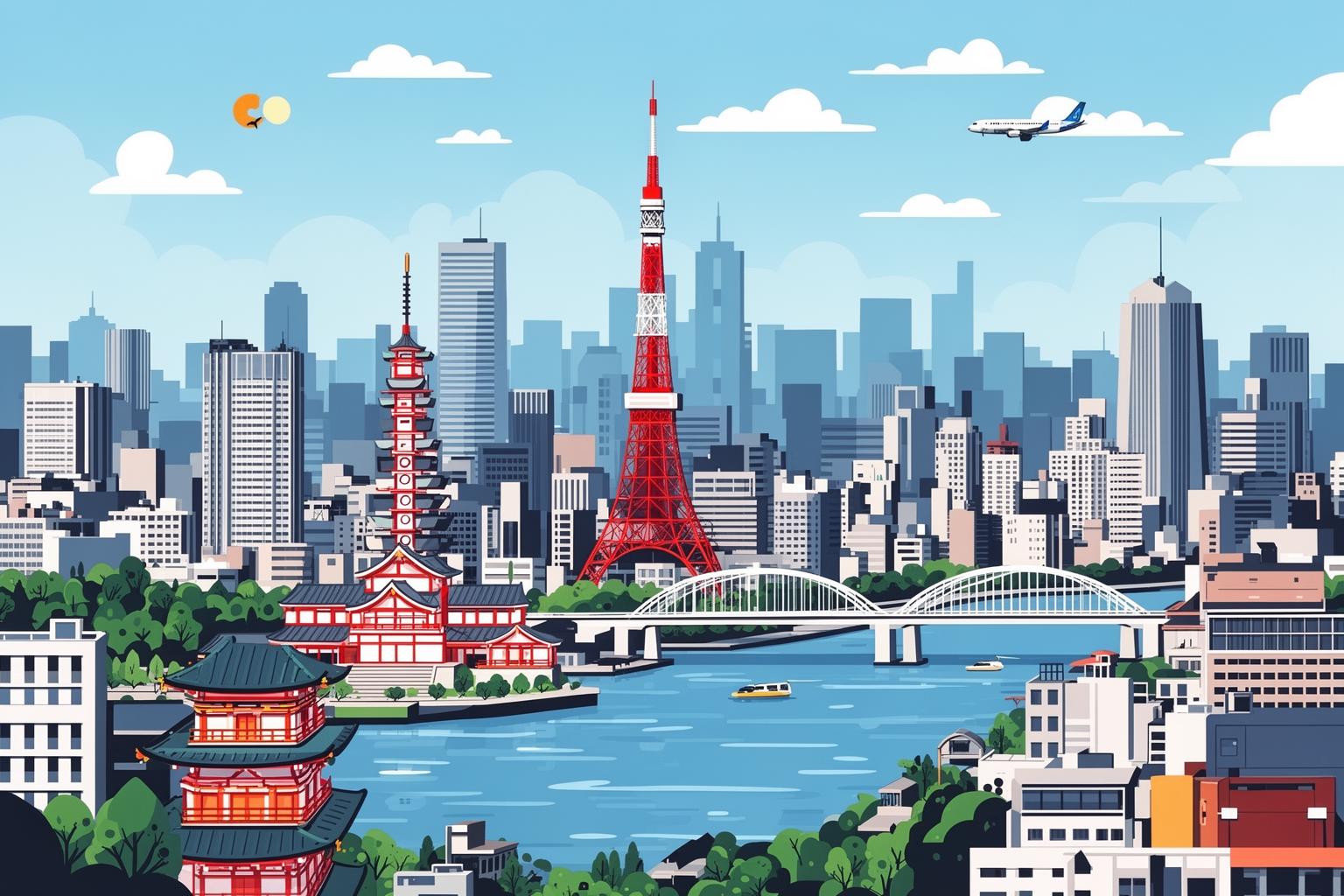
Tracing Toman’s footsteps through Tokyo is an adventure in itself. The city’s public transit system is remarkably efficient, making your personal time-leap journey between these iconic spots surprisingly easy.
Getting Around
The JR Yamanote Line, a loop connecting Tokyo’s major hubs like Shibuya and Shinjuku, is key to your pilgrimage. For places such as Ueno Park (home to Hanazono Inari Shrine), the Tokyo Metro Ginza and Hibiya lines are invaluable. Be sure to purchase a Suica or Pasmo IC card—you just tap it at the ticket gates and reload as needed, avoiding the hassle of buying individual tickets for every trip. Thanks to the extensive train and subway network, you can comfortably visit Shibuya, Shinjuku, and Ueno all in one action-packed day. To get to Yokohama, take the Tokyu Toyoko Line directly from Shibuya for a scenic ride.
The Best Time to Visit
Tokyo shines year-round, but certain seasons enhance your Tokyo Revengers pilgrimage. Spring (March-April) offers cherry blossoms framing riverbanks and shrines, adding a poignant beauty to the sites. Autumn (October-November) brings crisp, clear air perfect for walking, with stunning fall colors as your backdrop. Timing during the day also matters; experience Shibuya’s Scramble Crossing both during the daytime rush and at night when neon lights turn it into a dazzling galaxy. Meanwhile, Shinjuku’s Kabukicho truly awakens after dark. Shrines are best visited in the morning or late afternoon to avoid crowds and to catch the serene, angular light that defines their atmosphere.
Essential Tips for the Modern-Day Time-Leaper
When visiting shrines, remember they are active places of worship. Be respectful—speak quietly, stay on designated paths, and avoid eating or drinking in sacred areas. In busy districts like Shibuya and Shinjuku, stay alert just as any Toman member would on rival turf. Though Japan is very safe, crowded areas mean you should keep a close eye on your belongings. Also, wear comfortable shoes. This pilgrimage involves a lot of walking, and you’ll want to freely explore every alley and side street. Embrace the journey; often, the most rewarding moments come from getting slightly lost and discovering a hidden corner of the city that feels uniquely tied to the story, just for you.
Walking the streets that inspired Tokyo Revengers is deeply rewarding. It closes the gap between fiction and reality, letting you breathe the same air and feel the same urban energy that shaped these unforgettable characters. Tokyo is not just a backdrop, but the silent, persistent heart of the entire saga. Standing in the midst of the Shibuya Scramble, you won’t just see a crowd—you’ll see a world of infinite possibilities, a place where one person’s refusal to give up can truly change the future. The spirit of Toman—their loyalty, pain, and unbreakable will to fight for those they love—is etched into the very pavement of this city. Go and find it for yourself. Let the rhythm of Tokyo’s streets guide you on your own epic journey.