There’s a certain magic to the splash of water, a rhythm in the perfect stroke, a story in the shimmering blue. For fans of the sensational anime series Free!, this isn’t just about the thrill of competitive swimming; it’s about the unbreakable bonds of friendship forged in the chlorine-scented pools and sun-drenched coastal towns of their youth. The story of Haruka Nanase, Makoto Tachibana, Nagisa Hazuki, Rei Ryugazaki, and their fiery rival Rin Matsuoka captured hearts worldwide with its stunning animation, emotional depth, and, most captivatingly, its idyllic setting. The fictional town of Iwatobi, with its sleepy fishing harbors, dramatic coastlines, and nostalgic, summery atmosphere, felt so real you could almost smell the salty air. Well, I’m here to tell you that feeling is absolutely real. The world of Iwatobi exists, nestled on the scenic coast of the Sea of Japan. Welcome to Iwami, a charming town in Tottori Prefecture, the living, breathing heart of Free!. This journey is more than just sightseeing; it’s a full-body dive into the world you’ve only seen on screen. It’s about walking the same paths, feeling the same sea breeze, and seeing the same sunsets that shaped our beloved swimmers. It’s a chance to connect with the series on a profoundly personal level, to find pieces of their story etched into the landscape, and to create your own memories in a place where anime and reality beautifully blur. Get ready to sync your heart with the rhythm of the waves, because we’re about to explore every corner of this sacred ground.
If you’re inspired to explore more real-world anime locations, you can also walk the real streets of Tokyo Revengers.
Welcome to Iwatobi! The Real-World Charm of Iwami Town
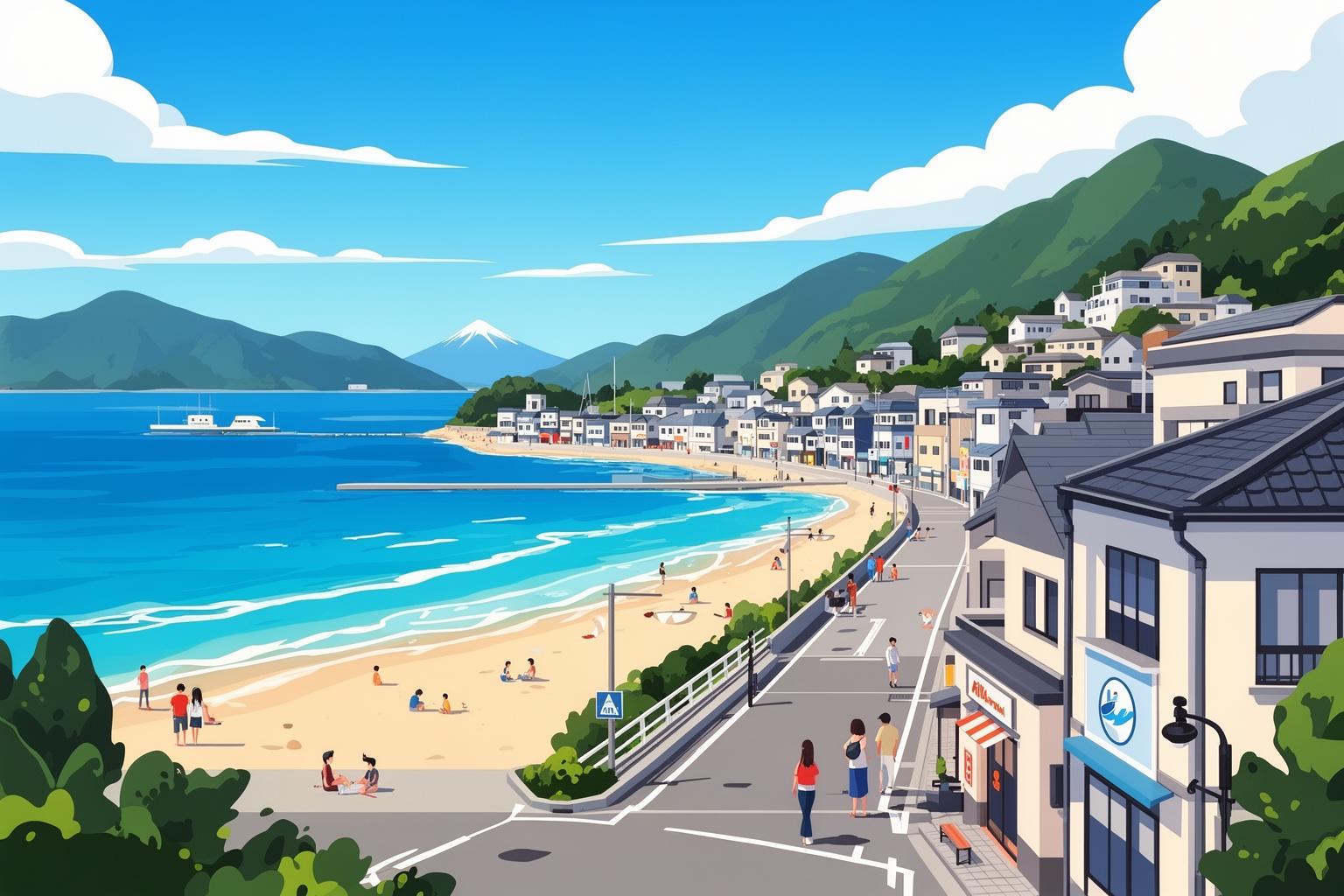
The moment you step off the train at Iwami Station, the transformation begins. The hustle of urban Japan fades away, replaced by a gentle, soothing rhythm. The air here tastes different—fresh, with a distinct, briny hint that speaks of the sea’s nearness. This is the essence of Iwami, a town that moves with the pace of the tides. It’s a place rooted in tradition, where fishing isn’t merely a job but a way of life that has shaped the community for generations. You’ll notice this in the weathered faces of fishermen mending their nets at the port, the lines of squid drying in the sun, and the deep respect for the ocean that permeates every part of local culture. This atmosphere is the very soul of Iwatobi. The creators of Free! didn’t just borrow the scenery; they skillfully captured the town’s spirit. The feeling of an endless golden-hour summer, the strong sense of community, the quiet nostalgia hanging in the air—it’s all here, waiting for you. Walking through Iwami feels like stepping right into the screen. The familiar landscapes unfold not as a static backdrop but as a vibrant, living world. It’s an immersive experience that brings new meaning to the series. Suddenly, the characters’ daily commutes, their seaside training sessions, and their moments of quiet reflection gain a deeper authenticity. You’re no longer a passive viewer; you become an active part of their world. The town seems to hold its breath under the midday sun, the silence broken only by the distant calls of gulls and the gentle waves lapping against the seawall. It’s a calmness that invites you to slow down, to notice small details—the intricate patterns of roof tiles, colorful buoys piled high at the harbor, wildflowers pushing through cracks in a stone staircase. This is the magic of Iwami: it invites you to live within its frame, to feel the story rather than simply watch it.
Tracing Their Footsteps: Iconic Locations from Free!
A pilgrimage to Iwami is a journey of discovery, a charming treasure hunt where every corner reveals a scene lifted straight from the anime. The town is a patchwork of iconic locations, each infused with the energy and emotions of the characters who once inhabited them. Preparing for this adventure feels like studying a map to a hidden realm, and the reward comes with the breathtaking moment when a familiar anime scene unfolds right before your eyes. It’s a powerful, almost surreal experience that deeply connects you to the narrative fabric of Free!.
Tajiri Port and the Road to the Iwatobi Swim Club
Among all the places in Iwami, none captures the essence of Free! quite like the area around Tajiri Port. This quaint, picturesque fishing harbor is the real-life model for the neighborhood where Haruka, Makoto, and Rin reside. Upon arrival, you’ll be amazed by the anime’s astonishing accuracy. The cluster of houses with their distinctive dark wood panels and deep red roof tiles cascading down the hillside to the water is instantly recognizable. The narrow, winding paths weaving between the homes, the fishing boats gently bobbing in the emerald water, and the intricate network of nets and ropes—it’s all here. Exploring these streets means literally walking in the characters’ footsteps, almost hearing their cheerful morning greetings echo through the alleys. The feeling is one of profound nostalgia, as if you’ve returned to a place you’ve known all your life. The port remains a working harbor, and its authentic, unpolished charm is a major part of its appeal. It’s not a tourist trap; rather, it’s a living community where daily life flows uninterrupted. This authenticity is what makes the pilgrimage so special. You’re not merely visiting a film set—you’re experiencing the genuine culture that inspired the world of Iwatobi.
Arasuna Shrine: Rin’s Uphill Trial
Rising above the port is a challenge familiar to any Rin Matsuoka fan: the long, steep staircase leading up to Arasuna Shrine. In the anime, this is the route Rin frequently runs as part of his intense training, a physical symbol of his drive and determination. Climbing it yourself becomes a powerful act of solidarity. With every step, you gain a greater appreciation for his relentless focus. The stone steps, worn and uneven in places, are shaded by a canopy of ancient trees, creating a tranquil, almost sacred atmosphere. As you ascend, the sounds of the port below fade away, replaced by the rustling of leaves and the chirping of birds. The air grows cooler and stiller. When you finally reach the top, breathless and triumphant, you’re rewarded with two treasures: first, the serene beauty of the shrine itself, a quiet sanctuary tucked away from the world; and second, the breathtaking panoramic view of Tajiri Port and the endless Sea of Japan. From this vantage, you see the entire landscape that shaped Rin’s youth. It’s a deeply moving moment, a chance to reflect on his journey, his rivalry with Haruka, and his profound love for his hometown. You understand why this spot holds such significance—a place of grueling effort and quiet solace.
The Panorama from Tajiri Observatory
For an even broader view, a short walk from the shrine leads to the Tajiri Observatory. This vantage offers the sweeping, postcard-perfect harbor view often seen as an establishing shot in the anime. It sets the scene, captures the mood, and immediately grounds you in Iwatobi’s world. Seeing it firsthand is truly remarkable. The brilliant blue sea contrasts vividly with the lush green hills and warm terracotta rooftops. From here, you can retrace the paths the characters walked, locate their homes, and imagine their lives unfolding below. It’s an ideal spot for photography but also for quiet reflection. The view is grand yet intimate, showcasing the majestic coastline alongside the tightly knit community nestled within. It visually encapsulates everything that makes this place—and the anime it inspired—so special. Spending time here, simply soaking in the scene, feels like sharing a moment with the characters, appreciating the beauty of their home just as they did.
Uradome Coast: The Majestic Landscape of Their Youth
The striking, rugged beauty of the Uradome Coast forms the stunning natural backdrop for much of Free!. This stretch of coastline, part of the San’in Kaigan National Geopark, is renowned for its crystal-clear turquoise waters, pristine white-sand beaches, and dramatic sea-eroded rock formations. More than just scenery, it acts as a character itself, with shifting moods that mirror the story’s emotional highs and lows. The anime frequently uses shots of crashing waves and weathered sea stacks to symbolize freedom, power, and the formidable challenges the swimmers face. Experiencing this landscape firsthand is awe-inspiring. The raw, untamed coastline is breathtaking. The water’s clarity is astounding—you can see to the sandy bottom even in deeper areas. The air is alive with the sound of waves and the invigorating scent of the sea. This is the playground of the Iwatobi Swim Club, the place where they trained, bonded, and dreamed. It’s easy to imagine them running along Shirohara Beach, whose fine white sand inspired the beach where they practiced and shared heartfelt conversations. Walking this shore, feeling the cool water lap at your ankles, evokes a powerful sense of presence. You can almost picture their silhouettes against the setting sun, their laughter carried on the wind. For a closer look at the incredible geology, consider taking an island tour boat from the main harbor. These tours navigate a maze of coves, sea caves, and pine-covered islands, providing views unreachable from land. It’s an exhilarating way to see the famous Sengan Matsushima rocks and other landmarks featured in the anime’s most scenic moments.
The Heart of Town: Iwami Station and Surroundings
Your pilgrimage will likely begin and end at Iwami Station, the real-world counterpart of Iwatobi Station. Though small and understated, this station is the gateway to your adventure and has fully embraced its anime fame. Upon arrival, you’ll be warmly welcomed. The station itself often displays Free! posters, banners, and sometimes character standees, depending on when you visit. It’s a clear signal that you have come to a place that shares your love for the anime. The station’s exterior, with its classic rural Japanese design, is faithfully preserved in the anime, offering a perfect first photo opportunity. Beyond the station, the town unfolds. A short walk leads to the main commercial street, a quiet area featuring recognizable storefronts and buildings used as background art in the series. It’s a charming and unhurried part of town where you can feel the local rhythm of life. Every corner holds potential discoveries—small details linking back to specific scenes or moments.
Iwatobi-chan’s Home: The Iwami Tourist Information Center
Just steps from the station is an essential stop for any pilgrim: the Iwami Town Tourist Information Center. This is no ordinary tourist office. It serves as the official hub for the Free! pilgrimage, where the boundary between fiction and reality joyfully blurs. The staff are exceedingly friendly and welcoming, fully aware of why so many international visitors flock to their small town. Here, you can pick up special pilgrimage maps marking every key anime location, complete with screenshots for easy comparison. The center is also something of a mini-museum, often showcasing fan art, messages from visitors worldwide, and exclusive merchandise unavailable elsewhere. And of course, it is home to Iwatobi-chan, the town’s quirky rock oyster mascot cherished by Nagisa in the series. Seeing real Iwatobi-chan mascot goods and displays is delightfully surreal. This center is more than an information source; it’s a celebration of the special bond between Iwami and the Free! fandom. It’s the perfect place to orient yourself, prepare for your exploration, and feel the genuine warmth and hospitality of the local community.
Everyday Life in Iwatobi: Schools and Shops
To fully immerse yourself in the world of Free!, it’s essential to see the places that formed the backdrop of the characters’ daily lives. Paramount among these is their school. The exterior of Iwatobi High School was modeled on the real Tottori Prefectural Iwami High School, located a short walk or bike ride from the town center. Viewing the familiar school gate, building layout, and athletic fields is another spine-tingling moment of recognition. However, it is critically important to remember this is a functioning school. Visitors must be exceptionally respectful: do not enter the grounds, do not disturb classes or activities, and take photos only from public streets at a respectful distance. Maintaining goodwill between the town and the fans depends on everyone following these rules. Beyond the school, as you explore Iwami, watch for other familiar locations. The local supermarket, small shops, and residential streets have been faithfully recreated in the anime. Discovering these subtle spots feels like uncovering hidden Easter eggs, deepening your appreciation for the painstaking attention to detail that went into the anime’s world. These everyday places make Iwatobi feel grounded and believable, and seeing them in person amplifies that sense tenfold.
Diving Deeper: The Culture and Flavors of Iwami

A pilgrimage to Iwami offers more than just visual connections to the anime; it provides an opportunity to fully immerse yourself in the vibrant local culture that forms the town’s core. This is a community deeply intertwined with the sea, influencing every aspect from its cuisine to its festivals. To genuinely grasp the world Haruka and his friends grew up in, you need to taste it, listen to it, and experience its rhythm. This deeper engagement with the local way of life will enrich your visit, turning it from a mere location hunt into an authentic cultural journey.
A Taste of the Sea: Local Cuisine
Given its coastal position, it’s no surprise that Iwami boasts some of the freshest, most delectable seafood in Japan. The town’s culinary identity revolves around the daily catch from the Sea of Japan. For any visitor, trying the local delicacies is essential. The most famous specialty is the white squid, or shiroika. In summer, the glowing lights of squid fishing boats illuminate the night horizon, creating a stunning spectacle. The squid is served in various ways, with the most popular being fresh sashimi, where its sweet flavor and firm texture truly shine. One can easily imagine the Iwatobi Swim Club boys replenishing their energy with a hearty seafood meal after a long training session. Another must-try is the iwagaki, or rock oyster. These large, juicy oysters harvested along the rocky shore inspired the town’s mascot, Iwatobi-chan. Best enjoyed fresh in summer, often grilled or served raw with a squeeze of citrus, they deliver a deep, briny taste that epitomizes the Uradome Coast. Dining in Iwami’s small, family-run eateries is an experience in itself. Menus tend to be simple, spotlighting the freshest ingredients of the day. Here, you can feel the true spirit of the town through meals prepared with pride and a profound love for the local harvest. It offers a direct, tangible connection to both the environment and the community.
The Spirit of the Community: How Iwami Embraced Free!
One of the most heartening aspects of visiting Iwami is witnessing the remarkable harmony between the town and the anime’s worldwide fanbase. Many towns that become anime pilgrimage spots face challenges with a sudden surge of visitors. Iwami, however, has welcomed its role with open arms and genuine enthusiasm. The town understands that the fans are not merely tourists; they share a deep emotional bond with a story closely tied to their home. This mutual respect has fostered a beautiful, symbiotic relationship. Evidence of this can be found throughout the town. Local shops display small Free! exhibits, restaurants offer guestbooks for fans to sign, and official collaboration posters appear in unexpected places. The town often organizes special events to celebrate new seasons or movie releases, creating a festive atmosphere for visiting pilgrims. Locals are typically warm and welcoming to fans. Although a language barrier may exist, a simple smile and respectful demeanor go a long way. By supporting local businesses—purchasing souvenirs, dining at family-owned restaurants, staying in local inns—you become part of this positive exchange. You show your appreciation not only for the anime but also for the real community that brought it to life. This spirit of collaboration is what makes a trip to Iwami truly special. It demonstrates the power of storytelling to unite people worldwide, fostering a shared sense of place and belonging.
Planning Your Perfect Iwatobi Pilgrimage
Setting out on a trip to Iwami takes a bit of planning, as it is situated in a more rural area of Japan. However, the effort is well worth it, and with some preparation, your journey can be as smooth and invigorating as one of Haruka’s swims. Planning the logistics ahead of time will help you fully relax and immerse yourself in the experience once you arrive.
Getting to Iwami
Iwami is located in Tottori Prefecture, within the Chugoku region of western Japan. The most common way to reach it is by train. The town is served by the JR San’in Main Line, which runs along the scenic coastline of the Sea of Japan. If you’re traveling from major cities like Tokyo, Kyoto, or Osaka, you will likely take a Shinkansen (bullet train) to a key hub such as Himeji or Okayama, and then transfer to a Limited Express train headed for Tottori. From Tottori Station, it’s a brief, picturesque local train ride to Iwami Station. The train ride itself is part of the charm, offering stunning views of the countryside and sea, building excitement as you approach your destination. For travelers holding a Japan Rail Pass, most of this trip will be covered. Alternatively, you can fly into Tottori Sand Dunes Conan Airport. From there, buses or trains connect to Tottori Station, followed by a transfer to Iwami. Though the journey may take several hours, the beautiful landscapes along the way make it a memorable portion of your adventure.
Getting Around Town
Upon arriving in Iwami, you’ll notice that the main pilgrimage sites are fairly close together, although some are spread out enough that a plan for transportation is necessary. The most popular and fitting way to explore the town is by bicycle. The Iwami Tourist Information Center offers bike rentals at very reasonable rates. Cycling lets you travel at your own pace, enjoy the sea breeze, and easily navigate the narrow streets of the port area. It feels like the ideal way to experience the world of Free!, allowing you to cover more ground than walking while still stopping to appreciate every detail. For locations further away, or if you prefer not to cycle, a local bus service connects the main areas. Since the schedules can be infrequent, it’s wise to pick up a timetable at the tourist information center. Naturally, walking is also an excellent way to explore the areas immediately around the station and port, providing the most intimate experience of the town’s atmosphere and revealing hidden lanes and charming corners you might otherwise miss.
When to Visit: Capturing the Free! Vibe
To truly capture the sunlit, vibrant spirit of the anime, the best time to visit Iwami is in summer, from July to early September. The weather is warm, the sea a brilliant blue, and the whole landscape is alive with summer sounds like the persistent hum of cicadas. This is when you can enjoy the beaches, see the squid boats at night, and experience the town at its most iconic. However, since summer is peak season, expect more fellow fans and book your accommodations well in advance. For a different but equally beautiful experience, consider visiting in spring (April-May) or autumn (October-November). In these seasons, the weather is milder and more comfortable for walking or cycling, and the crowds are smaller. The landscape takes on new colors—the soft hues of spring blossoms or the rich tones of autumn leaves add an extra layer of beauty to familiar scenes. Winter in Iwami can be cold, sometimes snowy, turning the coastline into a dramatic monochromatic scene. Though not the classic Free! experience, winter offers a starkly beautiful and peaceful view of the town.
A Note on Etiquette
As both a visitor and a fan, it’s vital to act as a respectful ambassador for the anime community. The ongoing positive relationship between Iwami and Free! fans relies on this. Always remember that you are a guest in a living community where people reside and work. Do not trespass on private property, especially residents’ homes and school grounds. Be quiet and considerate, especially in residential areas like Tajiri Port. Support the local economy by buying from local shops and dining at local restaurants. Dispose of your trash properly and leave every site as beautiful as you found it. A little respect and thoughtfulness will help ensure that Iwami remains a welcoming destination for fans for many years to come.
Beyond the Anime: Exploring Tottori Prefecture
While your primary objective might be the Free! pilgrimage in Iwami, Tottori Prefecture is a region brimming with unique and captivating attractions that are definitely worth exploring. Extending your visit by a day or two will give you the chance to enjoy the diverse beauty and culture of this often-overlooked part of Japan.
The Tottori Sand Dunes: A Desert by the Sea
Just a brief train or bus ride from Iwami is Tottori’s most iconic landmark: the Tottori Sand Dunes. This expansive, surreal landscape is the largest sand dune system in Japan, stretching for kilometers along the Sea of Japan coast. The view of these rolling, desert-like hills meeting the blue ocean is truly unforgettable. You can hike to the summit of the tallest dune for a breathtaking panoramic view, try sandboarding down the slopes, or take a leisurely camel ride for a distinctive photo opportunity. Nearby, the Sand Museum features remarkable, large-scale sculptures made entirely from sand by artists worldwide. The exhibits change yearly, offering a fresh experience with every visit.
Mizuki Shigeru Road in Sakaiminato
For anime and manga enthusiasts, Tottori provides another key pilgrimage spot. The port town of Sakaiminato is the birthplace of Mizuki Shigeru, the creator of the beloved manga GeGeGe no Kitaro, known for its cast of yokai (Japanese spirits and monsters). The main street from the station to the harbor, Mizuki Shigeru Road, is lined with over 170 bronze statues of the series’ quirky and charming characters. The entire town embraces the manga theme, featuring yokai-themed streetlights, manhole covers, and even a shrine. It’s a whimsical and enchanting place that offers a fascinating glimpse into Japanese folklore.
Kurayoshi’s White Wall Warehouses
For a taste of historical Japan, a visit to the city of Kurayoshi is highly recommended. The city’s historic district is famed for its beautifully preserved white-walled storehouses (shirakabe dozogun) with red-tiled roofs, situated along a peaceful canal. These traditional buildings, dating back to the Edo and Meiji periods, now host artisanal shops, sake breweries, and cozy cafes. Walking along the canal, adorned with stone bridges and weeping willows, feels like stepping back in time. It’s a serene and picturesque area that provides a lovely contrast to the coastal scenery of Iwami.
For the Future, For the Team
A journey to Iwami is more than just ticking off places on a list. It’s an emotional experience, a tangible link to a story that honors the power of water, the intensity of competition, and the steadfast support of friendship. Standing on the shore of the Uradome Coast, feeling the same wind in your hair and the same sun on your face as Haruka and his friends, the boundary between their world and yours fades away. You sense his deep connection to the water, feel Rin’s passionate drive as you gaze from Arasuna Shrine, and recognize Makoto’s quiet strength in the enduring presence of the sea. This pilgrimage leaves a lasting impression, deepening your appreciation for the anime and shaping a personal narrative uniquely your own. You arrive as a fan but depart as part of the landscape, carrying the spirit of Iwatobi with you. So, when you’re ready to explore a different kind of scenery, to immerse yourself in a world where every scene is a real place, Iwami awaits. It’s a promise of summer, an invitation to the water, and a journey you will cherish, like the best of friendships, forever.