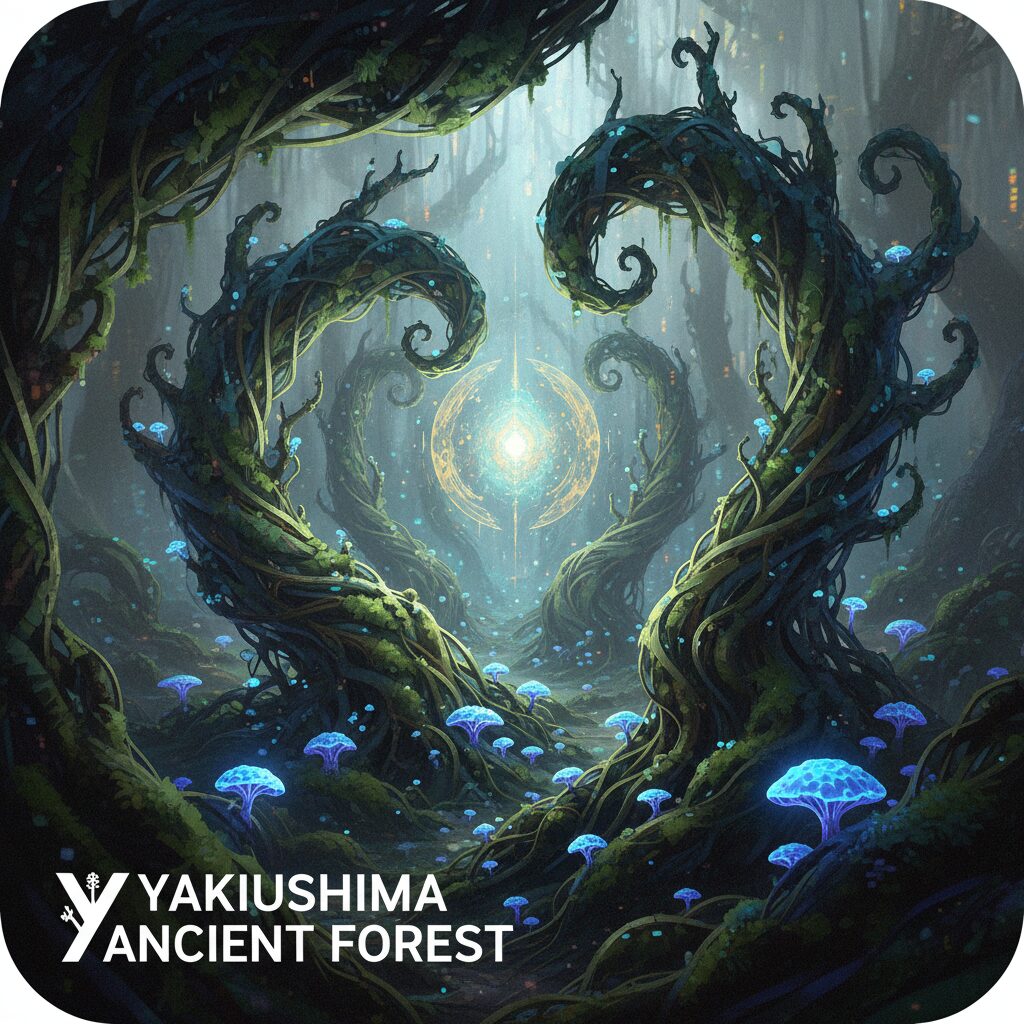
There are places on this earth that feel older than memory, where the air itself seems to hum with a forgotten frequency. Step beneath the canopy of a certain forest, and you’ll find the world outside fades into a muted dream. The light filters down in emerald shafts, illuminating a universe of moss that carpets every surface—stone, root, and fallen branch. The silence is profound, broken only by the rhythmic drip of water from leaves and the whisper of a breeze through colossal trees that were ancient when the pyramids were young. This is not a fantasy realm, but it is the place that gave one its soul. This is Yakushima Island, the primal, beating heart that inspired Hayao Miyazaki’s cinematic masterpiece, Princess Mononoke. To visit Yakushima is to do more than simply see a filming location; it is to step into the very ethos of the film, to walk through the sacred, breathing world of the Deer God, and to understand the profound, often fraught, relationship between humanity and nature that Miyazaki so brilliantly portrayed. This journey is a pilgrimage to the core of an idea, a deep dive into an ecosystem that shaped one of the most powerful animated films of all time.
Delve even deeper into the island’s ancient mystique and its sacred narratives by exploring forest gods lore.
The Echo of Ancient Footfalls: The Spirit of Mononoke’s Forest
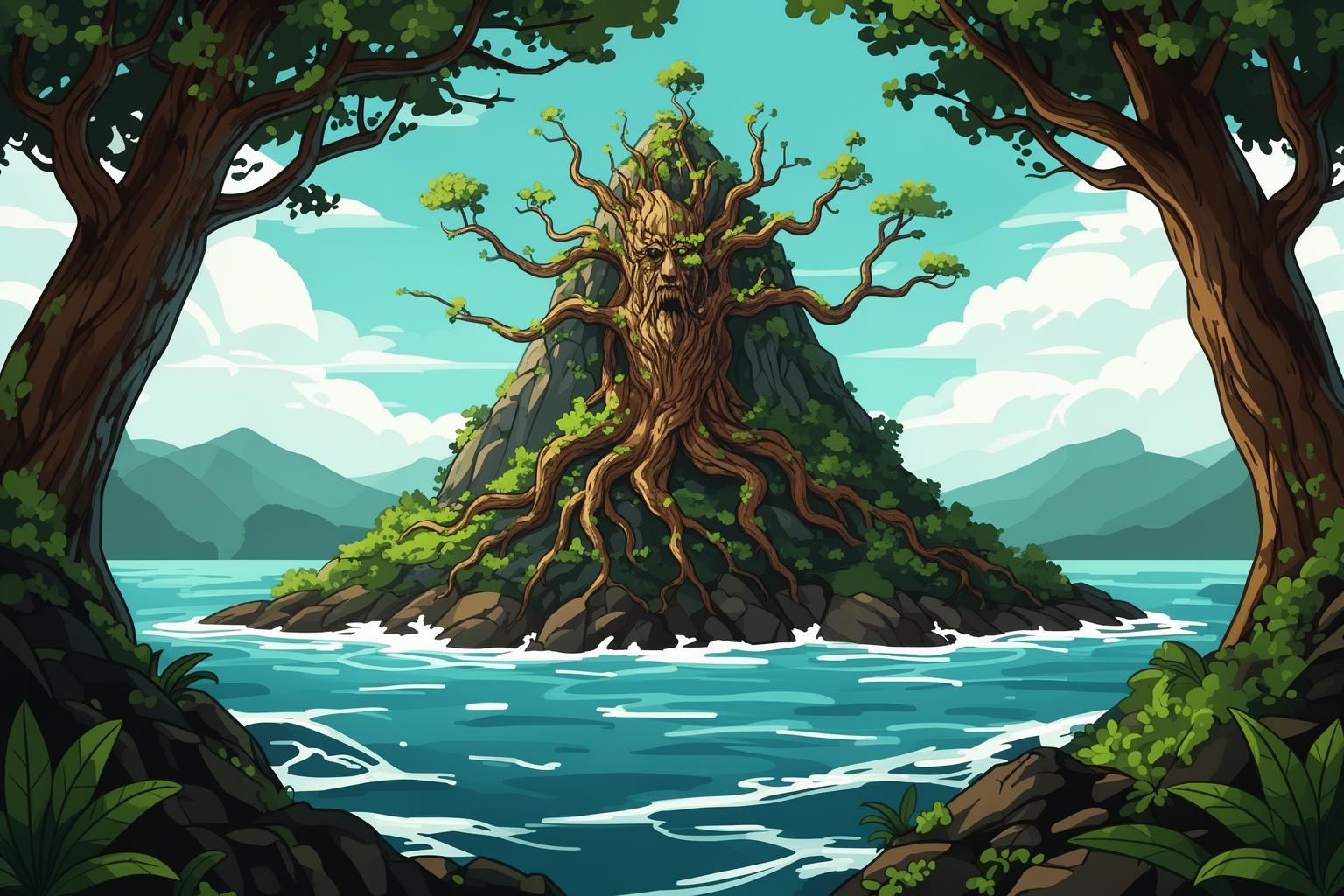
The moment you step into the deep woods of Yakushima, the film’s atmosphere becomes almost tangible. It’s a full sensory immersion. The air, thick with humidity and the scent of damp earth and rotting cedar, feels heavy and alive. This is the world San, the wolf princess, fought to protect—a realm pulsing with raw, untamable life. The forests here are no manicured parks; they are chaotic, sprawling cathedrals of green, ruled by the slow, relentless cycles of growth and decay. Fallen giants, centuries old, serve as fertile ground for the next generation, their decaying trunks cloaked in a thick velvet of moss and sprouting new ferns and saplings. This is the visual language of Princess Mononoke: the ongoing, visible process of life emerging from death, the central philosophy of the Shishigami, the Deer God. You don’t just notice the resemblance; you sense the spirit of the place that taught Miyazaki about nature’s ferocity and fragility. The tiny, glowing Kodama, the tree spirits from the film, feel completely plausible here. In the dappled light and deep quiet, you might find yourself glancing at the shadows, half-expecting their heads to rattle in silent greeting. The forest’s power lies in its ability to make you feel small, a fleeting visitor in a kingdom operating on a timescale far beyond human understanding.
A Living Tapestry: Where Nature and Myth Intertwine
The island is a web of trails and natural marvels, each providing a unique glimpse into the world that so deeply inspired Studio Ghibli’s artists. While the entire island exudes the spirit of the film, certain spots are so iconic that they feel like stepping right onto a painted animation cel.
Shiratani Unsuikyo: The Moss-Covered Kingdom
This is arguably the most renowned and accessible of Yakushima’s ancient forests, and with good reason. The name itself, Shiratani Unsuikyo, means “White Valley Cloud Water Ravine,” an evocative description of a place that seems perpetually enveloped in mist and moisture. A network of hiking trails, varying from one-hour walks to more strenuous five-hour treks, weaves through this otherworldly landscape. The true centerpiece of the Ghibli pilgrimage is an area officially named “Mononoke Hime no Mori,” or “Princess Mononoke’s Forest.” Here, the scenery is almost surreal. Ancient Yakusugi cedars’ twisted roots climb over granite boulders, every inch adorned with a dazzling array of over 600 moss varieties. The greens are not uniform but a boundless palette of emerald, lime, and jade. When sunlight breaks through the dense canopy, it lights up water droplets clinging to the moss, making the forest floor sparkle. It’s here that the film’s aesthetic is felt deeply and physically. For first-time visitors, proper footwear is essential. The rocks and wooden pathways are constantly slick from moisture, making sturdy, waterproof hiking boots absolutely necessary. Walking these trails offers a meditative experience, a slow passage through a world that feels both ancient and delicately beautiful.
Jomon Sugi: A Patriarch Older Than History
For those seeking adventure, a genuine pilgrimage awaits. Deep in the island’s interior stands the Jomon Sugi, a singular, colossal cedar tree and the island’s oldest inhabitant. Its age is debated, with estimates ranging between 2,170 and a staggering 7,200 years old. To stand before it is to encounter a living being that has witnessed millennia of history. The trek to reach it is not for the faint-hearted. It demands a grueling ten-hour round-trip hike along the Okabu Trail, including a walk on an old logging railway before ascending a steep mountain path. This journey is both a physical and mental test, echoing Ashitaka’s quest in the film to venture into the deep, relentless forest in search of answers. Arriving at the clearing and seeing the Jomon Sugi for the first time is a moment of profound reverence. Its massive, twisted trunk, marked by typhoons and the passage of time, exudes a powerful aura of endurance and strength. It stands as a living symbol of the film’s themes, a silent forest deity that has withstood the trials of time. This is more than a tree; it is a monument to life itself, a potent reminder of nature’s lasting power.
Beyond the Forest: The Island’s Wider Soul
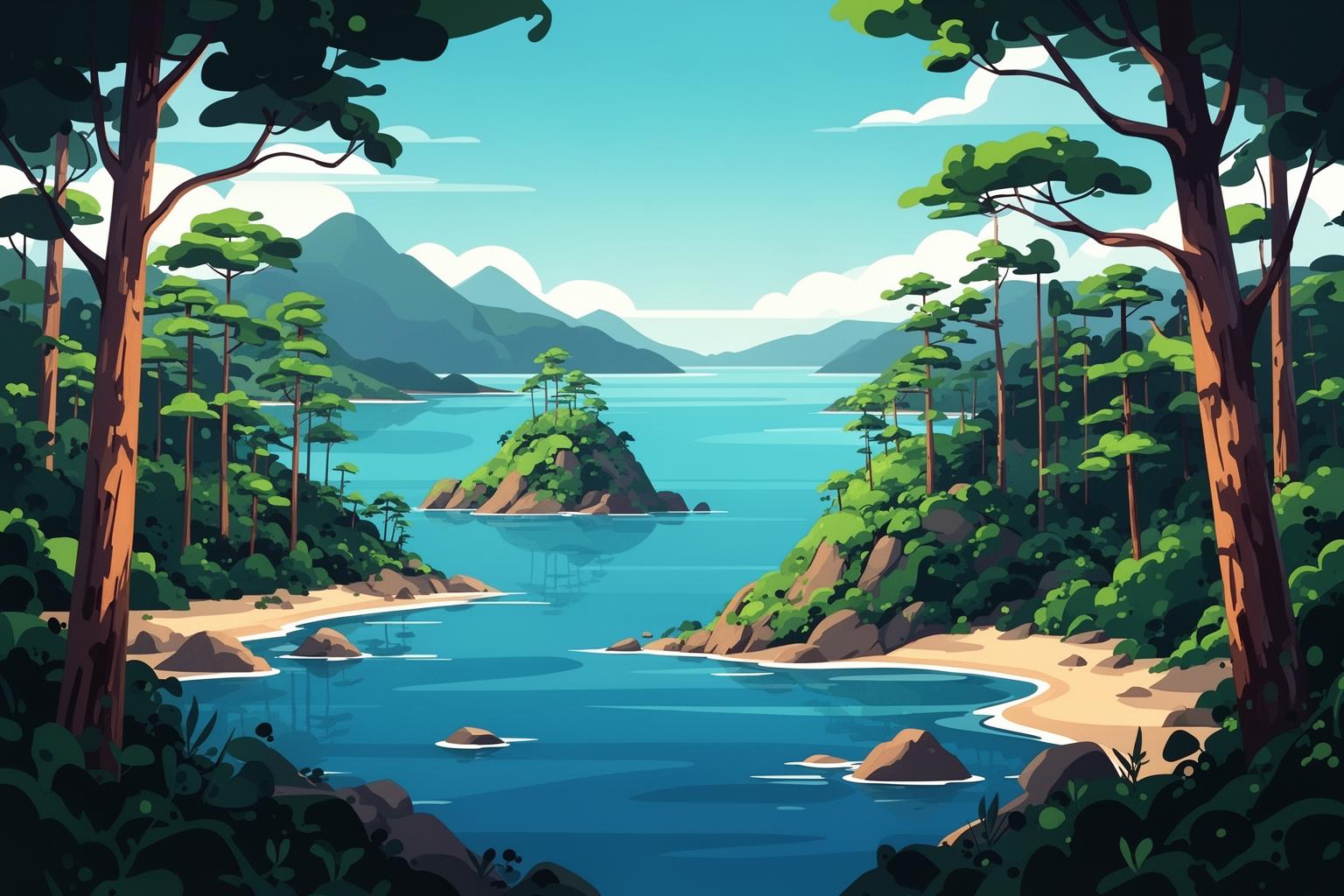
While the ancient cedar forests attract many anime pilgrims, Yakushima’s essence also lies in its dramatic coastline and towering peaks. To truly appreciate the island, one must explore its varied ecosystems, each contributing to the feeling of a complete, living world.
The Roaring Waters of Oko-no-taki Falls
Yakushima receives incredible rainfall, which shapes its granite mountains into spectacular rivers and waterfalls. Oko-no-taki, one of Japan’s most striking waterfalls, is a must-visit. It crashes down an 88-meter cliff with immense force, sending a misty spray into the air. You can approach the base of the falls and experience its raw power firsthand, a natural force both cleansing and awe-inspiring. The ever-present flow of pure water echoes the themes of life and purification found throughout Princess Mononoke.
Coastal Whispers and Sea Turtle Sanctuaries
The island’s edges are lined with beautiful, often secluded beaches. Nagata Inakahama Beach stands out, with its coarse golden granite sand serving as the largest nesting site for loggerhead sea turtles in the North Pacific. From May to July, female turtles come ashore under the cover of night to lay their eggs. Witnessing this ancient ritual is profoundly moving, but it demands great respect and is best experienced with a local conservation group to avoid disturbing the turtles. This powerful reminder shows that the island’s magic extends beyond its forests, serving as a holistic sanctuary for all forms of life.
The Mountain’s Embrace: A Hiker’s Paradise
Yakushima’s interior is dominated by soaring mountains, including Mount Miyanoura, the highest peak in southern Japan. These alpine zones create a stark contrast to the moss-covered forests below. Above the treeline, the landscape is scattered with windswept granite boulders and patches of alpine bamboo. Hiking to these heights rewards you with breathtaking panoramic views of the island and surrounding ocean, revealing Yakushima as a self-contained, isolated world—a floating microcosm of Japan’s remarkable natural diversity.
The Practical Path: Planning Your Pilgrimage to Yakushima
Setting off for this mystical island requires some logistical preparation. Its isolation is part of its allure, but it also means you need to be ready.
Reaching the Enchanted Isle
Access to Yakushima is mainly through the nearby city of Kagoshima on Kyushu’s mainland. From there, you have two primary options. The quickest is a short flight directly to Yakushima Airport (KUM), with several daily flights making it a convenient choice. Alternatively, for a more scenic and cost-effective option, you can take a ferry. The high-speed jetfoil, called the “Toppy” or “Rocket,” completes the trip in about two to three hours. For those with a car or more time, the slower car ferry takes around four hours and offers open decks where you can watch flying fish and enjoy the sea breeze. It’s highly recommended to book these in advance, particularly during busy seasons like Golden Week or summer.
Navigating the Wilds
Once on the island, public transportation is limited. The local bus runs along the main coastal road, but its schedule is infrequent and may not match hiking trail start times. For true freedom and flexibility to explore the island’s secluded spots, renting a car is by far the best option. The roads are narrow and winding, especially those leading up to trailheads, so drivers should exercise caution. For those who prefer not to drive or want expert guidance, hiring a local guide is a great choice. A guide can manage transportation and enrich your experience with in-depth knowledge of the island’s flora, fauna, and history, highlighting details you would likely miss on your own.
When the Heavens Open: Yakushima’s Weather
There’s a local saying that it rains “35 days a month” in Yakushima, and that’s no exaggeration. The island experiences some of the highest rainfall levels worldwide. This sustains its lush, mossy forests but means you must come prepared. High-quality, full-body rain gear is essential year-round. The best times to visit are generally spring (March-May) and autumn (October-November), when temperatures are mild and weather relatively stable. Summer is hot, humid, and can bring typhoons, but it’s also turtle nesting season. Winter can be cold, with snow blanketing the high peaks, offering a stunning but more challenging hiking environment.
A Traveler’s Etiquette: Respecting the Sacred Ground
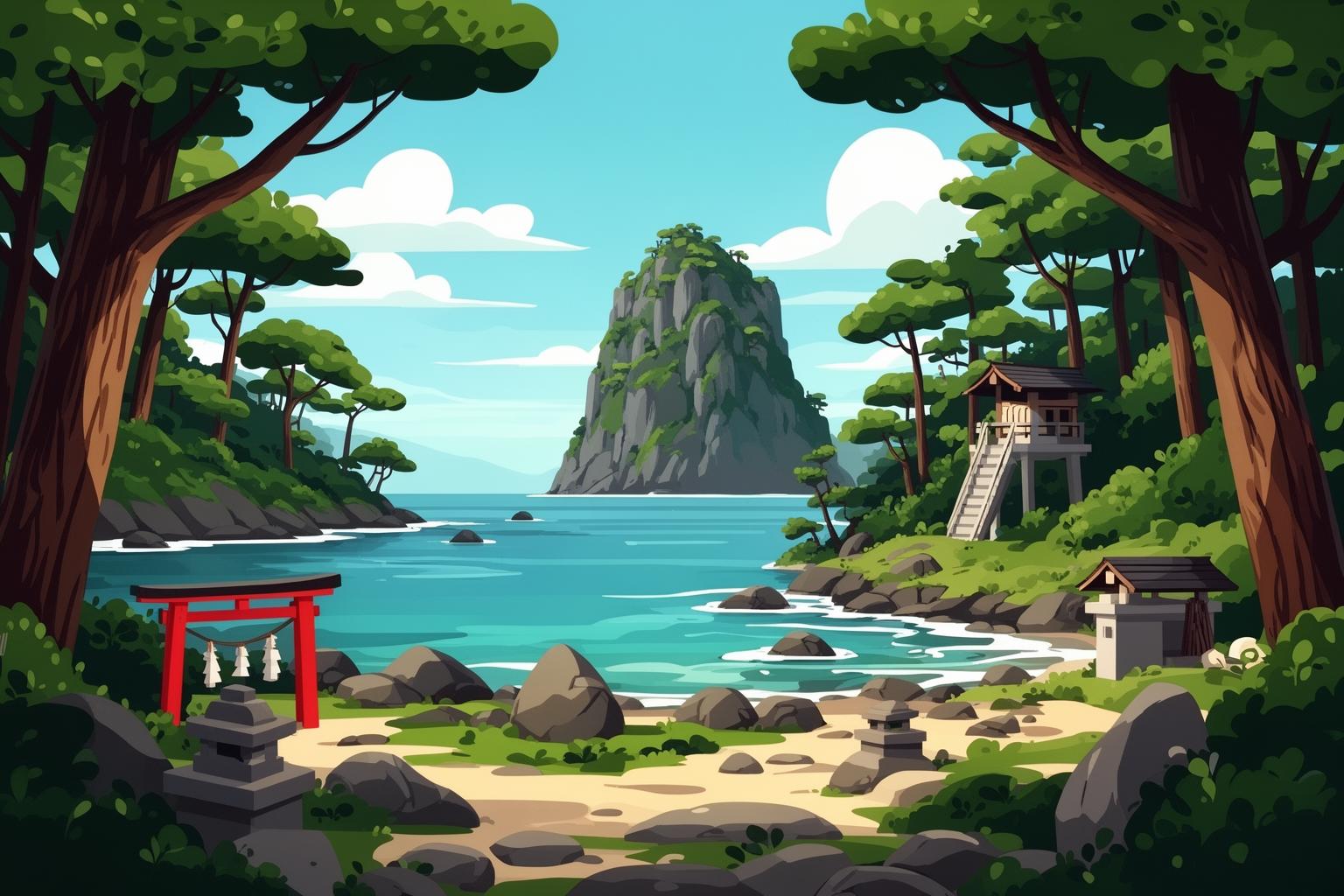
Yakushima is more than just a tourist spot; it is a UNESCO World Natural Heritage site, a fragile ecosystem, and a place revered by many. Approaching it with respect is essential to preserving its enchantment. Responsible tourism principles are crucial here. Always remain on the designated paths; the moss covering the forest floor is extremely delicate and may take decades to regenerate if damaged. Follow the “leave no trace” philosophy by carrying out every piece of trash you bring in. For longer hikes, such as the route to Jomon Sugi, this includes using portable toilet bags available at local stores. Avoid touching the ancient cedars, as oils from human skin can harm their bark, and the pressure from numerous visitors can compact the soil around their sensitive roots. This etiquette is more than just a set of rules; it reflects the film’s central message: to live in harmony with nature, one must respect it, not treat it as a resource to exploit but as a living being to honor.
An Echo in Your Heart: Carrying the Forest Home
A trip to Yakushima stays with you long after you’ve boarded the ferry back to the mainland. It’s more than just a box to tick off on a Ghibli fan’s bucket list. It’s an encounter with a world that follows a different rhythm, a place that captures the powerful message of Princess Mononoke. As you walk through those ancient, moss-covered forests, you begin to understand what San was fighting for. You sense the life force of the Deer God in the strength of the Jomon Sugi and the purity of the island’s rivers. You depart with a deep appreciation for the intricate, fragile balance that sustains life. The forest’s echo—the stillness, the moist air, the overwhelming greenery—remains with you, a quiet reminder of the wild, magical world that endures, patiently waiting for us to pay attention.