
There are stories that feel like a dream you once had, a memory just beyond the grasp of consciousness. Makoto Shinkai’s masterpiece, “Your Name.”, or “Kimi no Na wa.”, is one such story. It’s a breathtaking tapestry of fate, time, and connection, weaving the lives of two teenagers—Taki in bustling Tokyo and Mitsuha in the serene countryside—into a single, unforgettable narrative. The film captured the world’s imagination not just with its stunning animation and heart-wrenching plot, but with a profound sense of place. It whispers of a feeling the Japanese call “natsukashii,” a gentle, nostalgic longing for something you may not have even experienced. A huge part of this magic stems from the fact that the world Taki and Mitsuha inhabit is our own. The soaring skyscrapers, the quiet mountain shrines, the unassuming train stations—they exist. They are real, tangible places you can visit, walk through, and feel. This practice of visiting locations featured in anime, manga, or films is known as “seichi junrei,” or a sacred site pilgrimage. It’s a journey to bridge the gap between fiction and reality, to stand where your favorite characters stood and breathe the same air. This is not just a tour; it’s an immersion. It’s a quest to find the threads of “musubi”—the knot of connection that binds us all—in the quiet corners of a Tokyo neighborhood and the sweeping vistas of rural Japan. We will trace the phantom steps of Taki and Mitsuha, embarking on a pilgrimage that spans the electric heart of the world’s largest metropolis to the tranquil soul of its mountainous countryside. Prepare to see the world of “Your Name.” come alive, to feel the rhythm of the city and the whisper of the wind, and perhaps, to find a piece of a story that feels like your very own forgotten memory.
Embrace a deeper connection to the film’s enchanting locales by exploring the real-world magic that brings everyday places to life with the same mystery and allure as Taki and Mitsuha’s story.
Tokyo’s Urban Heartbeat: Tracing Taki’s Steps
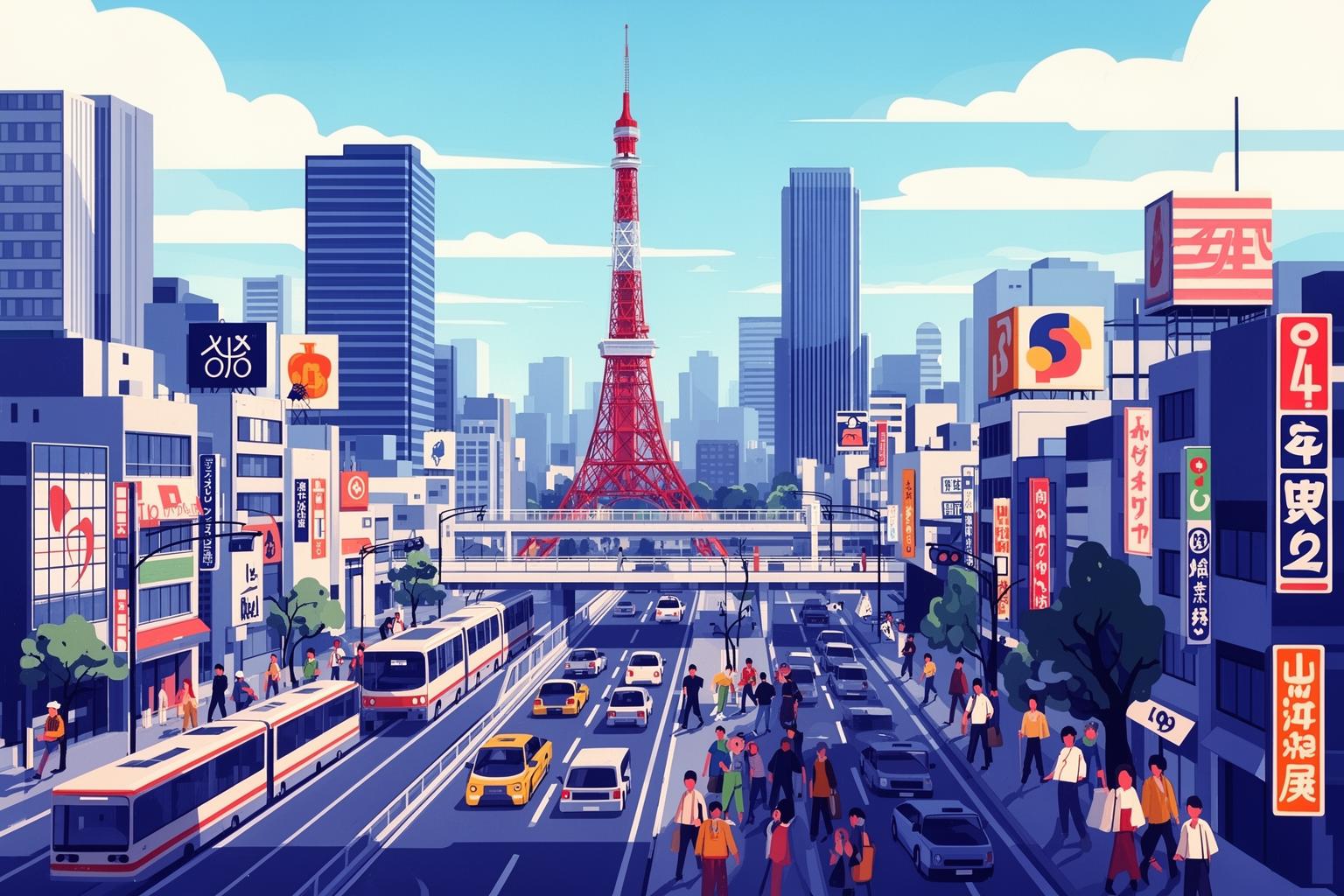
Our pilgrimage begins where Taki’s story unfolds—in the vibrant, expansive, and endlessly captivating city of Tokyo. Shinkai’s portrayal of the metropolis goes beyond mere setting; it acts as a living, breathing character. It is a place of grand scale and intimate moments, of countless anonymous faces and deeply personal journeys. To follow Taki’s steps is to experience this duality, seeing the city not as a casual tourist, but as someone living out their own story within its towering concrete canyons. Tokyo’s pulse beats with the relentless rhythm of trains arriving and departing, footsteps echoing on pedestrian bridges, and lights painting the sky between colossal buildings. It stands in stark contrast to Mitsuha’s peaceful village, and stepping into these locations is like entering the film’s opening sequences, where the difference between their two worlds is vividly and beautifully drawn. This leg of the journey is about uncovering the quiet poetry nestled in the urban rush—the same poetry Taki discovers as he navigates his life, his part-time job, and his enigmatic connection to a girl he has never met.
The Iconic Staircase: A Fateful Encounter in Yotsuya
No image is more synonymous with Your Name. than the final, heart-stopping scene on the picturesque, red-railed staircase. This moment marks the emotional climax of the film, where two souls, separated by time and memory, finally reunite. For fans, this sacred spot is the staircase leading to Suga Shrine, nestled in a quiet, unassuming residential neighborhood of Yotsuya, a district within Shinjuku. Discovering it feels like uncovering a hidden secret. You step out from the relative bustle of Yotsuya Station, stroll through tranquil streets lined with homes and small shops, and then, as you round a corner, there it is. The view is instantly recognizable—a flawless recreation of the movie poster. The red handrails, the angle of the stairs, the buildings framing the sky beyond—it’s all perfectly intact. Whether standing at the top looking down or at the bottom looking up, you can almost hear the characters’ anxious heartbeats and feel the weight of their long search. Surprisingly serene, the area retains a peaceful, local charm despite its fame. You might spot residents going about their day, hear the wind rustling through the trees, and see late afternoon light casting patterns across the stone steps. It feels sacred, not due to the shrine itself, but because of the powerful story that has enshrined it in the hearts of millions. For first-time visitors, a helpful tip is to come on a weekday morning or afternoon to avoid weekend crowds, allowing for a more reflective experience. Take your time; walk the stairs up and down, find the exact perspectives from the film. But remember, this is a residential neighborhood—the place’s magic is tied to its quiet authenticity, so being a respectful visitor by keeping voices low and avoiding disruption is essential to preserving that magic for all.
Shinjuku’s Concrete Canvas
Shinjuku is the bustling heart of Taki’s world. Shinjuku Station, the busiest train station on earth, is a whirlwind of humanity—a point where millions of stories converge daily. Shinkai expertly captures its organized chaos: the blur of passing trains, the sea of faces, the complex tangle of lines and platforms. Experiencing it helps one grasp the scale of Taki’s life and what it feels like to be a small part of an enormous interconnected web. Just outside the station, the pedestrian bridges and vast intersections featured heavily in the film’s montages await. The Shinjuku Police Station intersection, notable for its unique circular design, stands out. From these vantage points, the iconic NTT Docomo Yoyogi Building is visible—a skyscraper topped with a distinctive clock tower that frequently punctuates the skyline in the movie, serving as a constant beacon in Taki’s Tokyo. While not a destination itself, its presence is an integral part of the city’s visual identity in the film. Alongside the towering buildings and crowded streets that define one side of Taki’s existence lies a softer setting: Shinjuku Gyoen National Garden. This is where Taki is often depicted sketching—a serene oasis amid the urban chaos. The contrast is striking and beautiful. Inside the garden gates, city noise fades away, replaced by the soothing sounds of nature. It is a place for reflection, easy to imagine Taki sitting on a bench here, trying to capture the landscapes of a town that exists only in his dreams. Visiting the garden offers a welcome respite and a deeper insight into Taki’s artistic and introspective nature. The greenhouse, in particular, with its lush tropical plants, feels like a separate world—a warm, vibrant pocket that is wonderfully cinematic.
A Date with Destiny: The National Art Center, Tokyo
The setting of Taki’s bittersweet date with his coworker, Okudera-senpai, is another architectural marvel open to visitors: The National Art Center, Tokyo, located in the stylish Roppongi district. The building itself is a masterpiece, renowned for its sweeping, curved glass facade that bathes the interior in natural light. The moment you step inside, you are transported into the movie. The spacious, airy atrium and sleek modern design reflect Shinkai’s signature photorealism perfectly. The crucial spot for pilgrims is the Salon de Thé ROND, the cafe where Taki and Okudera share lunch. Positioned atop a massive concrete cone, it appears to float within the vast exhibition space. Securing a table here offers a fully immersive experience—you can order coffee and cake, just as they did, and gaze through the glass walls, soaking in the sophisticated, slightly melancholic mood of their date. This scene signifies a turning point for Taki, whose thoughts increasingly drift to Mitsuha and the fading landscapes of her home. Visiting the center is easy; while special exhibition tickets require admission, the main atrium, cafes, and gift shop are generally free to enter—inviting anyone to enjoy the architecture and ambiance. It exemplifies how the film weaves real, culturally significant locations into its narrative, enhancing both story and our experience of the city. It’s an opportunity not only to follow the characters’ footsteps but also to appreciate world-class architecture and art.
Into the Mystical Countryside: Discovering Mitsuha’s Itomori
Leaving behind the dazzling energy of Tokyo, our journey takes a dramatic turn as we venture into the heart of Japan’s mountainous interior in search of Itomori, Mitsuha’s fictional hometown. Although Itomori itself is a creation of imagination, its spirit is deeply rooted in a real place: the Hida region of Gifu Prefecture. This land is defined by timeless traditions, pristine nature, and a slower, more deliberate pace of life. Traveling from Tokyo to Hida shifts you from the vertical world of skyscrapers to the expansive horizontal terrain of mountains and valleys. It’s a noticeable change in atmosphere, reflecting the body-swapping experience of Taki and Mitsuha. As the bullet train gives way to a local line winding through forested gorges and sparkling rivers, you feel closer to the essence of Mitsuha’s world—a place where community bonds are strong, ancient rituals endure, and nature’s presence remains a powerful force. Exploring Hida means understanding the deep cultural heritage that shaped Mitsuha, her family, and the profound Shinto beliefs central to the film.
The Soul of Itomori: Hida-Furukawa
Hida-Furukawa, a beautifully preserved town steeped in rustic charm, is the primary inspiration for Itomori’s landscapes. Upon arrival, an uncanny sense of familiarity greets you. Hida-Furukawa Station is exactly where Taki and his friends arrive during their quest to find Mitsuha. Standing on the platform, you can watch the limited express train pull in, recreating a scene directly from the animation. The pedestrian overpass provides the same vantage point for the iconic shot looking down at the tracks. But the town’s magic extends well beyond the station. A short walk leads to the Setogawa River, where picturesque canals filled with thousands of vibrant koi fish swim gracefully through clear water. Traditional white-walled storehouses (“kura”) line the canals, creating a scene quintessentially Japanese and evocative of Itomori’s peaceful atmosphere. Another key location is the Hida City Library, where Taki desperately searches for records about the comet strike in a scene filled with tension and mounting horror. The real library embraces its role in the film, welcoming visitors to explore its familiar interior, complete with beautiful wooden beams and bookshelves. A guestbook dedicated to “Your Name.” fans adds to the experience. However, it remains a functioning public library, so visitors are asked to be quiet and respectful, and photography typically requires permission from the front desk. This respectful engagement is part of the pilgrimage, honoring the real community that inspired the fictional one we cherish.
The Taste of Tradition: Goheimochi and Local Flavors
To truly connect with a place, you must savor its flavors, and the Hida region offers an authentic taste of rural Japanese life. Mitsuha’s world is rich in tradition, extending to its cuisine. One notable local snack is “goheimochi,” a grilled rice cake that is pounded, skewered, and coated with a sweet and savory sauce often made from miso, soy sauce, and walnuts. Small stalls and shops throughout Hida-Furukawa and nearby Takayama sell freshly grilled goheimochi. Its slightly charred, smoky flavor and chewy texture offer a comforting and genuine taste of the region, evoking an image of Mitsuha sharing one with friends after school. Beyond this snack, the area is renowned for Hida beef, a premium wagyu known for its intense marbling and melt-in-your-mouth texture, served as steak, on skewers, or in savory buns—a true culinary delight. Engaging with local food culture is a sensory way to deepen your connection to Mitsuha’s life, reminding you that her world, while touched by celestial magic, is grounded in the simple, everyday pleasures of her hometown—the taste of local rice, the warmth of a freshly cooked snack, and traditions passed down through generations.
The Ritual of Kuchikamizake: A Glimpse into Shinto Traditions
At the spiritual core of “Your Name.” lies the Miyamizu Shrine, Mitsuha’s family shrine where she performs ancient rituals as a “miko,” or shrine maiden. Though fictional, the shrine’s design and traditions are inspired by real Shinto shrines in the Hida region, chiefly the Hie Shrine in Takayama and the Ketawakamiya Shrine in Hida-Furukawa. Visiting these shrines provides profound insight into the film’s cultural context. Nestled among towering cedar trees, Hie Shrine exudes a powerful, ancient atmosphere. Its stone steps and wooden structures evoke a deep connection to nature, much like the Miyamizu Shrine. This embodies the world of “musubi,” where gods, nature, and humanity are intertwined. The film’s most mystical element—the ritual of creating “kuchikamizake” (saliva-fermented rice wine) as an offering to the gods—draws on ancient Shinto practices. While this specific ritual is no longer performed, the shrines convey a profound reverence for tradition and the divine. Experiencing a local festival is an excellent way to connect with this spiritual energy. The Hida region is famous for the Takayama Festival in spring and autumn and the Furukawa Festival in spring. These vibrant festivals feature massive, intricately decorated floats (“yatai”) paraded through the streets, accompanied by music and traditional performances. Witnessing one feels like seeing Itomori’s festival come alive—a lively celebration of community, history, and faith that forms the very foundation of Mitsuha’s identity.
The Journey’s Spiritual Peak: The Caldera and Lake Itomori

The most stunning and poignant location in “Your Name.” is the mystical crater that contains Lake Itomori, home to the Miyamizu Shrine’s “goshintai” (the sacred body of the god) and the site where the comet fragment ultimately lands. This otherworldly scene, with its moss-covered caldera and tranquil lake, is where Taki and Mitsuha share their miraculous, fleeting encounter during “kataware-doki,” or twilight. This place is not located in the Hida region; instead, our pilgrimage must lead us to a different area of the Chubu region, specifically Nagano Prefecture. The breathtaking vista of Lake Itomori nestled within its crater was directly inspired by the real Lake Suwa, viewed from a very precise vantage point. Finding this spot is the ultimate aim for many pilgrims, as it’s where the film’s magical realism feels most tangible.
A View from Above: Lake Suwa from Tateishi Park
To see the view that sparked Makoto Shinkai’s imagination, you need to visit Tateishi Park, a lookout perched on a hill overlooking Lake Suwa. The journey can be a small adventure, often requiring a short bus or taxi ride from Kami-Suwa Station, but the reward is well worth it. As you arrive at the observation deck, the view unfolds before you, and the resemblance to the film’s imagery is unmistakable. The shape of the lake, the way the town curves around its shores, the mountains embracing the scene—it’s Lake Itomori brought to life. The feeling is one of awe. The view is spectacular any time of day, but to truly capture the magic of “Your Name.”, you should be there at twilight. As the sun sets, the sky and lake are painted in shades of orange, purple, and blue. This is “kataware-doki,” the moment when the boundary between worlds thins. Standing there, watching the town’s lights begin to twinkle, it’s impossible not to think of Taki and Mitsuha’s reunion. It’s a deeply moving and almost spiritual experience, a moment of quiet reflection where the line between film and reality blurs completely. For those visiting in summer, the Lake Suwa Fireworks Festival, held in August, is one of Japan’s most famous and offers another spectacular way to experience the magic of this unique place. It’s the crowning moment of the pilgrimage, a panoramic scene that captures the beauty, melancholy, and enduring hope of the entire story.
Practical Pilgrim’s Almanac: Planning Your ‘Your Name.’ Journey
Embarking on a “seichi junrei” for “Your Name.” is an exceptionally rewarding experience, though it requires some planning to ensure the journey is smooth and meaningful. The trip spans considerable distances, from central Tokyo to the mountains of central Japan, so a well-organized approach will help you maximize your time. This journey is more than just checking off locations; it’s about crafting a travel story that flows naturally, allowing you to immerse yourself in the contrasting worlds of Taki and Mitsuha. Proper preparation lets you fully enjoy the magic of each moment, whether you’re standing on a bustling Tokyo street corner or a tranquil mountainside overlook.
Crafting Your Itinerary: Tokyo and Hida Combined
A sensible way to organize your pilgrimage is to reflect the film’s geographical division. Begin in Tokyo, spending two to three days exploring key sites in Shinjuku, Yotsuya, and Roppongi. This gives you time to acclimate and dive into Taki’s vibrant world. From there, head to the Hida region via the most efficient route, the Shinkansen (bullet train). Take the Hokuriku Shinkansen to Toyama and then transfer to the JR Takayama Main Line, a scenic route leading to Hida-Furukawa and Takayama. Alternatively, you can take the Tokaido Shinkansen to Nagoya and transfer there. For international travelers visiting multiple areas in Japan, a Japan Rail Pass can be highly cost-effective, covering the Shinkansen ride and local trains. Allocate at least two days in the Hida region to explore Hida-Furukawa, visit major sites in Takayama, and soak in the peaceful rural ambiance. If you plan to visit Lake Suwa, it’s best to make it a separate stop, ideally between Tokyo and the Hida region, as it lies in a different direction. Staying in a traditional “ryokan” (Japanese inn) in Takayama or Suwa can enhance your cultural experience.
When to Weave Your Own Story
“Your Name.” beautifully captures Japan’s distinct seasons, and your experience will vary depending on when you visit. Autumn, especially from late October to November, is arguably the most atmospheric time to be in the Hida region. The mountains blaze with fiery red, orange, and gold hues, mirroring the stunning autumn landscapes shown when Mitsuha inhabits Taki’s body. The crisp air and breathtaking scenery create an unforgettable atmosphere. Spring (late March to April) is perfect for experiencing Tokyo, as cherry blossoms paint the city in pale pink, adding ephemeral beauty to sites like Shinjuku Gyoen. Summer (July and August) brings lush greenery to the countryside and hosts many local festivals, including the Lake Suwa Fireworks Festival. Though it can be hot and humid, the lively festival atmosphere is infectious. Winter transforms the Hida region into a serene snow-covered wonderland, offering a peaceful and unique perspective. Each season possesses its own charm, allowing you to step into a different version of the film’s world. Consider which ambiance appeals most and plan your pilgrimage accordingly.
A Traveler’s Etiquette: Respectful Pilgrimage
Lastly, an essential part of any “seichi junrei” is being a considerate and respectful visitor. Many “Your Name.” locations aren’t tourist spots but everyday places for local residents. The Suga Shrine staircase is in a quiet residential area, the Hida City Library is for study and reading, and Hida-Furukawa is a living community. The beauty of these sites lies in their authenticity, and it’s our duty to help preserve that. This means speaking quietly in tranquil areas, avoiding blocking paths for locals, and never leaving litter behind. When visiting shrines, observe proper etiquette by bowing before the torii gate and cleansing your hands at the water basin if you wish. At the library, ask permission before taking photos. A little courtesy goes a long way and ensures fans remain welcome in these special places. Learning simple Japanese phrases like “Sumimasen” (Excuse me), “Arigato gozaimasu” (Thank you very much), and “Konnichiwa” (Hello) will be warmly appreciated by locals. Being a respectful pilgrim means leaving a place just as beautiful as you found it, taking only memories and photographs with you.
This journey—from the heart of Shinjuku to the spirit of the Japanese Alps—is more than sightseeing. It’s a quest to find the tangible threads of a story that touched the world. It’s about feeling the pulse of Taki’s city and the ancient rhythms of Mitsuha’s heritage. Standing on that staircase in Yotsuya or gazing over Lake Suwa at twilight makes you realize the magic of “Your Name.” extends beyond its stunning animation and story. It lies in the real places that inspired it. It’s in the shared sense that, despite vast distances and different lives, we are all connected by invisible threads. This pilgrimage reminds us that somewhere out there, we may be searching for someone—or someplace—we have yet to discover. And that is a journey worth making.