
There are films that you watch, and then there are films that you feel. Makoto Shinkai’s 2016 masterpiece, Kimi no Na wa or Your Name., is unequivocally the latter. It’s a cinematic torrent of emotion, a story of star-crossed lovers bound by fate, memory, and the shimmering, invisible threads of time itself. The film captivated audiences worldwide not just with its heart-wrenching narrative of Taki and Mitsuha, but with its breathtakingly beautiful and painstakingly realistic animation. Every frame is a painting, saturated with light and detail. But what if I told you that you could step directly into those paintings? That the world of Taki’s bustling Tokyo and Mitsuha’s tranquil, ancient town of Itomori is not merely a product of imagination, but a mosaic of real, tangible places scattered across Japan? This is the magic of seichi junrei, or anime pilgrimage, a journey where fiction and reality blur, allowing fans to walk the same streets, stand on the same staircases, and breathe the same air as their beloved characters. This is not just a travel guide; it’s an invitation to chase the echoes of a story that touched millions, to find the tangible soul of an animated world. From the electric pulse of Shinjuku’s urban canyons to the serene whispers of the Hida mountains, we will retrace the steps of Taki and Mitsuha, exploring the real-life locations that gave Your Name. its unforgettable sense of place. It’s a journey to understand musubi—the mysterious, tying force of connection—not just between people, but between a story and the world it inhabits. Prepare to see Japan through a new lens, where every street corner and every countryside vista holds the potential for cinematic magic.
Dive deeper into Japan’s cinematic essence by exploring the Sayama Hills forest, where nature’s quiet majesty mirrors the film’s ethereal landscapes.
Tokyo: Taki’s Electric Urban Dreamscape
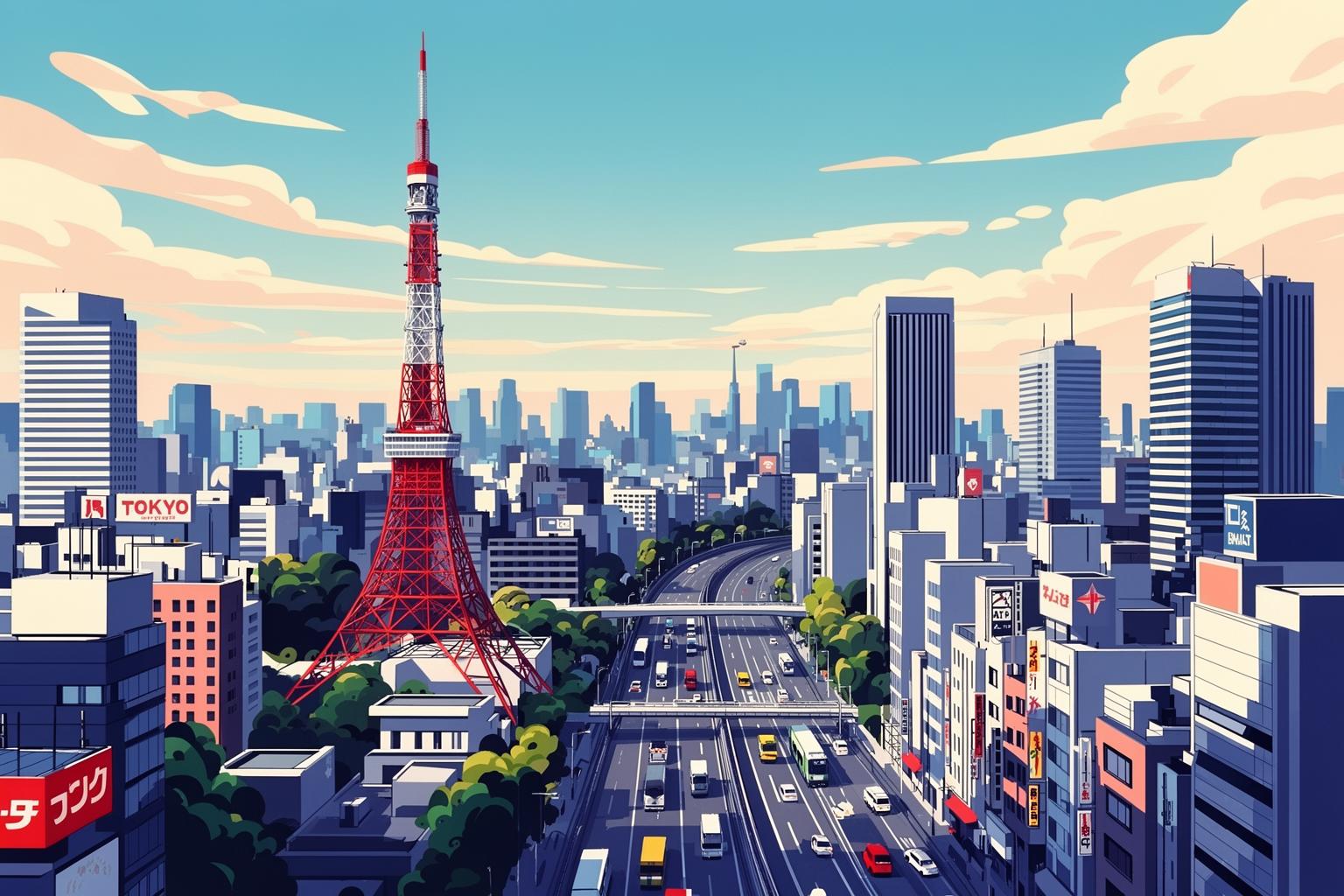
Tokyo, as seen through Taki Tachibana’s eyes, is a dazzling, expansive universe of glass, steel, and light. It’s a city that moves at the speed of a bullet train—a vibrant symphony of sounds, sights, and endless possibilities. For Mitsuha, experiencing it through Taki’s perspective, it embodies everything her sleepy, tradition-bound town lacks: excitement, opportunity, and a future beyond her imagination. The film skillfully portrays this duality—the loneliness that can linger amid millions, and the exhilarating freedom anonymity brings. Visiting Taki’s Tokyo means immersing yourself in this high-energy world, feeling the city’s pulse beneath your feet as you navigate intricate train stations and gaze up at skyscrapers piercing the clouds. The very air hums with a distinct frequency—a constant, low thrum of human activity, commerce, and ambition. It’s a landscape of sharp angles, reflective surfaces, and neon lights bleeding into the night sky in shades of magenta, blue, and electric green. Yet within this futuristic metropolis, there are serene pockets—quiet neighborhoods and traditional shrines—just as Taki’s life holds moments of calm amid his fast-paced part-time job and school routine. Exploring these spots offers insight into the rhythm of his daily existence and the compelling allure this world held for a girl from the mountains.
The Sacred Steps: Suga Shrine, Yotsuya
No location is more closely tied to the emotional weight of Your Name. than this unassuming staircase. It serves as the film’s poignant, heart-stopping climax—the place where two souls, separated by time and memory, finally and miraculously reunite. The journey to the Suga Shrine staircase is a pilgrimage in itself. After arriving at Yotsuya Station, as you leave the main streets behind, the city’s roar fades. Narrow streets lined with residential homes, small shops, and the occasional softly humming vending machine invite a sense of peace—a stark contrast to the emotional intensity of the film’s scene. Anticipation builds with each step, guided by your phone’s map and an instinctive feeling that you’re nearing your destination. Then, there it is—the red railing, the gentle curve of stone steps, the canopy of trees filtering sunlight above. It feels instantly and breathtakingly familiar. Whether standing at the top looking down or at the bottom looking up, you can almost hear their voices, sense the desperate hope and dawning recognition. It’s a surprisingly powerful experience. This spot isn’t a major tourist attraction; it’s simply part of a quiet Tokyo neighborhood. That is its charm. Locals might be walking their dogs, children returning from school, or residents carrying groceries. Life goes on, beautifully and mundanely, around this nexus of fictional fate. For the perfect photo, visit late afternoon when golden hour light filters through the trees, echoing the film’s magic hour, or kataware-doki. The warm light casts long shadows and beautifully illuminates the scene. Remember to be respectful—this is a residential area and a path to a sacred shrine. Keep voices low, avoid lingering on the stairs, and soak in the quiet magic of a place where the question “Your name is…?” changed everything.
A Date with Modern Art: The National Art Center, Roppongi
Recall Taki’s slightly awkward but charming date with his sophisticated coworker, Okudera-senpai? Their lunch took place in the bright, sunlit café of The National Art Center, Tokyo. Situated in the stylish district of Roppongi, this architectural masterpiece, designed by the famed Kisho Kurokawa, is a destination on its own. Its flowing glass façade is a work of art, creating a dynamic interplay of light and shadow within the spacious interiors. You don’t have to be an art expert to appreciate the beauty of the space. Upon entering, your gaze is drawn to two enormous concrete cones housing the café and restaurant. Taki and Okudera-senpai sat in the Salon de Thé ROND, the café atop the second-floor cone, with panoramic views of the museum’s grand atrium. Finding their exact spot is popular among fans—you can sit there, order coffee and cake, and enjoy the same view, imagining their conversation. The atmosphere is one of serene elegance. The soft clink of cutlery, murmured conversations, and the vast open space create a calming urban oasis. Beyond the café, the center hosts a rotating selection of world-class exhibitions without a permanent collection, so every visit offers something new. Plan to spend a few hours here: start with the café to experience your Your Name. moment, then explore the current exhibition. It’s a wonderful way to touch a part of Taki’s life while engaging with Japan’s vibrant contemporary art scene. Access is easy via Nogizaka or Roppongi Stations. It’s a perfect blend of anime pilgrimage and cultural enrichment, showcasing the modern, refined side of Taki’s Tokyo.
The Shinjuku Symphony: Urban Vistas and Neon Dreams
Shinjuku is the pulsating heart of Taki’s Tokyo. It forms the backdrop for many breathtaking urban montages in the film—a visual shorthand for the city’s overwhelming, energetic, and sometimes isolating scale. Shinjuku Station, the world’s busiest train station, is a vast subterranean city on its own, and emerging from its exits feels like entering a giant’s realm. The film captures this sensation perfectly. Several iconic landmarks from these sequences can be easily explored on foot.
The Center of the Universe: Shinjuku Station and Surroundings
The area surrounding Shinjuku Station is a chaotic dance of humanity. The film highlights many of its crosswalks, platforms, and towering electronic billboards. One of the most distinctive sights is the NTT Docomo Yoyogi Building. Although technically in the neighboring Shibuya district, its clock-tower-topped silhouette dominates the Shinjuku skyline and features prominently in the film as a key urban landmark. You won’t miss it. Another vital spot is the Shinjuku Police Station intersection, a massive crossing encircled by uniquely shaped buildings that Shinkai carefully recreated. Standing here as streams of people flow past in every direction offers a quintessential Tokyo experience, making you feel like an extra in your own movie. The sensory onslaught—the flashing lights, the cacophony of advertisements and announcements, the sheer crowd—is exactly the overwhelming environment that bewildered Mitsuha during her body-swapping adventures.
A Message of LOVE
A short walk from the main station, in front of the Shinjuku i-Land Tower, stands Robert Indiana’s iconic “LOVE” sculpture. This vibrant red-and-blue pop art piece is a famous landmark and popular meeting spot, making a brief but memorable appearance in the film. It’s a favorite photo opportunity for tourists and couples alike. Within Your Name., its presence feels intentional—a bold symbol of the film’s core theme planted amid the impersonal urban jungle. Discovering it offers a playful connection to the story. Legend says that if you can pass between the ‘V’ and the ‘E’ without your bodies touching, your romantic wishes will come true—a fitting bit of folklore for a tale about destined love.
Hida: Mitsuha’s Whispering Mountain Home
Leaving behind the electric hum of Tokyo, our journey leads us deep into the heart of Gifu Prefecture, to the mountainous region of Hida. This area embodies the spirit of Itomori, Mitsuha Miyamizu’s fictional hometown. Although Itomori is a blend of several locations, its essence, architecture, and peaceful ambiance are inspired directly by the real city of Hida-Furukawa. Stepping off the train here feels like stepping back in time. The frantic pace of the city fades away, replaced by the crisp mountain air, the soft sound of flowing water in carp-filled canals along the streets, and an overwhelming sense of tranquility. The town is a beautiful mosaic of traditional wooden merchant houses with white-plastered walls, historic sake breweries, and streets seemingly untouched by time. This is a world ruled by the seasons, ancient customs, and the close bonds of a small community. You instantly grasp Mitsuha’s deep love for her home’s beauty alongside her longing for the world beyond the mountains. Exploring Hida engages all the senses: the scent of cedar wood, the taste of pristine mountain water, the sight of traditional latticework, and the sensation of walking in a place where history and everyday life are inseparably woven together—a perfect real-world embodiment of musubi.
The Arrival: Hida-Furukawa Station
When Taki and his friends arrive searching for Mitsuha, their first real connection to her world is Hida-Furukawa Station. This modest train station has become a beloved landmark for fans. Standing on the platform, you’ll immediately recognize the scene from the film: the pedestrian footbridge spanning the tracks, the siding where a train often waits, and the majestic mountains towering in the background. The station has embraced its fame wholeheartedly. Inside the waiting room, you’ll find memorabilia and a guestbook filled with messages from fans worldwide. The station’s most famous resident is Hida-gyu, the local cow mascot that Taki sketches. A figure of it proudly stands inside the station for photo opportunities. The nearby tourist information center is well-stocked with pilgrimage maps highlighting key film locations, and the staff warmly welcome visitors. The real magic unfolds when a local train pulls into the station—often the same model seen in the film—set against the mountainous backdrop, perfectly recreating the scene. This is the moment Taki’s quest feels real, and for pilgrims, the moment you truly enter Mitsuha’s world. Life here moves at a slower pace; trains are infrequent compared to Tokyo. Take your time, soak in the view from the footbridge, and share the anticipation Taki must have felt, standing on the brink of a profound discovery.
In Search of History: Hida City Library
One of the most emotionally significant moments in Taki’s search occurs during his intense research into Itomori’s history, set in a beautifully designed library, which is actually the Hida City Library. Just a ten-minute walk from the station, this modern building showcases stunning Japanese architecture, incorporating local wood to create a welcoming, bright, and warm environment. The interior is breathtaking: soaring ceilings with exposed wooden beams, large windows overlooking the town, and rows upon rows of books foster an atmosphere of quiet study and respect for knowledge. The space smells of wood and old paper. The staff are well aware of the library’s importance to Your Name. fans. Though it functions as a public library, they accommodate pilgrims. A small display dedicated to the film is on site, and with a polite request at the front desk, visitors can receive permission to take photographs inside—a crucial etiquette point, as photos are not allowed without approval. Finding the corner where Taki sat, poring over records of the comet strike, is a moving experience. You can sense the weight of his discovery, the dawning horror, and the desperate race against time that begins here. The library is more than just a filming spot; it is a tribute to local culture and a beautifully serene place to spend time reflecting on the story’s deeper themes of memory, history, and loss.
The Spiritual Heart: Ketawakamiya Shrine and Hie Shrine
Mitsuha’s life is deeply connected to her family’s role as the caretakers of the Miyamizu Shrine, central to the film’s narrative with its ancient rituals and strong ties to the town’s history. While the Miyamizu Shrine itself is fictional, its inspiration stems from two real shrines in the Hida region. The small wayside shrine Taki sketches is based on Ketawakamiya Shrine in Hida-Furukawa, a peaceful and easily accessible site while exploring the town. The grander and more atmospheric inspiration for the Miyamizu Shrine, with its long staircase and towering cedar trees, is widely believed to be Hie Shrine in nearby Takayama. A visit to Hie Shrine is essential for any pilgrim. Approaching it, you pass beneath rows of tall torii gates and ascend a steep stone staircase flanked by enormous, ancient cedars. The air cools and quiets, filled with the scent of moss and damp earth. The atmosphere is profoundly spiritual and timeless. It’s easy to imagine Mitsuha and her sister Yotsuha sweeping the steps or performing ritual dances here. This shrine is where Mitsuha creates the kuchikamizake (rice wine), a vital vessel for her memories and half-life—a tangible expression of musubi. Standing quietly in the shrine precincts, listening to leaves rustling and crows cawing, you feel a deep connection to the mystical traditions that shape Mitsuha’s story. This is a place that feels ancient, sacred, and very much alive.
The Lake of Memories: Lake Suwa, Nagano
One of the most lasting images from Your Name. is the breathtaking panoramic view of Itomori, nestled within a crater around a gourd-shaped lake, with the comet’s glowing tail splitting the sky above. This stunning landscape is not actually in Hida. For inspiration behind Itomori’s lake, director Makoto Shinkai looked to his home prefecture, Nagano, and the magnificent Lake Suwa. Though it’s a slight deviation from the Hida region, it is absolutely worth the trip for devoted fans. Lake Suwa is a large, beautiful lake surrounded by mountains and several towns. To capture the iconic view, you need to go to Tateishi Park, situated on a hillside overlooking the water. The climb or short taxi ride up to the park is an adventure in itself, but the reward is one of the most spectacular views in all of Japan. From the observation deck, the entire lake and the surrounding city unfold below you. It closely matches the landscapes seen in the film. You can see how the city lights curve along the shoreline, bridges spanning the water, and majestic mountains framing the scene. The best time to visit is undoubtedly at dusk. As the sun sets, the sky ignites with hues of orange, pink, and purple, while the city lights begin to twinkle. This is kataware-doki, the magical hour, the twilight when the boundary between worlds grows thin. It’s the time central to the film’s plot, when Taki and Mitsuha are able to meet. Watching the sunset from Tateishi Park and seeing the world transform in the fading light is an incredibly moving experience. You feel the deep beauty and underlying melancholy of the film. It’s a moment of pure cinematic magic, a perfect culmination of the search for Itomori—a place that feels both real and dreamlike at once.
A Pilgrim’s Practical Itinerary
Embarking on a Your Name. pilgrimage requires some planning, as it stretches from the vibrant heart of Japan’s largest city to its peaceful mountainous interior. A smooth journey is a joyful journey, so here are a few tips to help you explore Taki and Mitsuha’s worlds with ease.
Weaving Your Path: Transportation
Traveling between these diverse locations presents an interesting contrast. In Tokyo, a Suica or Pasmo card along with the city’s highly efficient public transit system will be your best allies. The JR Yamanote Line, which loops around the city, and the extensive subway network can get you within walking distance of key spots in Shinjuku, Yotsuya, and Roppongi. For longer trips from Tokyo to the Hida region, the Shinkansen (bullet train) is your ideal option. If you plan to travel frequently by train over a set period, a Japan Rail Pass can save you money. Typically, you’ll take a Shinkansen to Nagoya or Toyama before transferring to the scenic JR Takayama Main Line, which meanders through stunning mountain valleys to Hida-Furukawa and Takayama. This segment of the route offers breathtaking views, providing a perfect transition between Taki’s world and Mitsuha’s. Hida-Furukawa itself is a quaint, easily walkable town. To reach Lake Suwa, take a train from the Hida area to Matsumoto, then board a local line to Kami-Suwa Station. From there, a short taxi ride is the best way to get to Tateishi Park, as the walk is quite steep.
The Rhythm of the Seasons: When to Visit
Your Name. beautifully portrays the changing seasons, and your experience of these locations will vary greatly depending on when you visit. Spring (late March to April) brings iconic cherry blossoms that adorn Tokyo’s parks and Hida’s riverbanks in soft pink hues. The weather is mild and perfect for walking. Summer (June to August) is hot and humid, but the Japanese Alps provide a lush, green refuge from the heat, and the season is marked by vibrant local festivals. Autumn (October to November) is arguably the most cinematic time to visit, with the mountains around Hida and Lake Suwa bursting into fiery reds, oranges, and yellows, reflecting the film’s vivid color palette. The crisp, cool air is refreshing. Winter (December to February) covers the Hida region in a serene, magical blanket of snow, just as Taki experienced on his journey. Hida-Furukawa looks especially picturesque under fresh snow, though you’ll want to pack warm clothes and prepare for colder temperatures. Each season offers a unique perspective on these sites, enriching your pilgrimage with its own special beauty.
A Pilgrim’s Code: Etiquette and Respect
As you set out on your seichi junrei, it’s important to remember that these are not film sets, but real places where people live, work, and worship. The kindness and hospitality shown to fans by locals in places like Hida is a treasured gift, so it’s our duty to be respectful visitors. In residential areas such as the neighborhood around Suga Shrine, keep your voices down and avoid causing disturbances. When visiting shrines like Hie Shrine or Ketawakamiya Shrine, follow proper etiquette: bow at the torii gate upon entering and leaving, and be considerate of those worshiping. Inside the Hida City Library, maintain a quiet atmosphere suitable for study. Always ask permission before taking photos. Supporting the local economy is one of the best ways to show your appreciation—enjoy a meal at a local restaurant in Hida-Furukawa, purchase souvenirs from small shops, or try the regional sake. By being a thoughtful and considerate traveler, you help keep these places welcoming for future fans and deepen your own connection to the culture in a meaningful way.
More Than Just a Location

A journey tracing the footsteps of Taki and Mitsuha is far more than a simple checklist of photo spots. It is a deeply immersive experience that strengthens your bond to a story that has touched hearts worldwide. Standing on the fateful staircase in Yotsuya brings a shiver of recognition, a ghostly memory of a tale that feels as vivid as the bustling city surrounding you. Strolling through the quiet, traditional streets of Hida-Furukawa allows you to grasp the beautiful yet sometimes confining embrace of the hometown Mitsuha yearned to leave, and that Taki sought with equal urgency. Gazing over the shimmering Lake Suwa at twilight lets you feel the weight of kataware-doki, that magical, bittersweet moment between light and shadow, between dream and reality. These places serve as anchors, rooting a fantastical story firmly in our world. They stand as a testament to art’s power to transform our perception of a place, to endow an ordinary staircase or a silent library with profound emotional meaning. This journey reminds us that the threads of connection—the musubi that links Taki and Mitsuha—also tie us to the stories we cherish and the real, beautiful world that inspires them. You may come as a fan of a film, but you will leave as a pilgrim who has walked through a dream and found it wonderfully, breathtakingly real.