
There are films that you watch, and then there are films that you feel. Makoto Shinkai’s 2016 masterpiece, Your Name (Kimi no Na wa), is unequivocally the latter. It’s a swirling, vibrant dream of a movie that swept the globe, a celestial romance that tied two souls together across time, space, and memory. It painted a world so breathtakingly beautiful, so meticulously detailed, that it felt real, tangible, like a place you could step right into. The magic of this film isn’t just in its star-crossed story or its heart-wrenching score; it’s in the profound sense of place that grounds its most fantastical elements. And here’s the secret, the beautiful truth that pulls travelers and dreamers from every corner of the world to Japan: it is real. The bustling Tokyo streets that Taki Tachibana navigated and the serene, traditional landscapes of Mitsuha Miyamizu’s life are not just masterful animation. They are real locations, woven into the fabric of Japan, waiting to be discovered. This is the heart of seichi junrei, the anime pilgrimage, a journey to connect with a story by walking through its world. It’s a quest to find the echoes of a beloved narrative in the real world, to stand on the same ground as its characters, and to feel that fictional universe bleed into our own reality. Our journey will trace the threads of fate, from the electric heart of Tokyo to the tranquil mountains of Gifu Prefecture, seeking out the iconic settings that gave Your Name its soul. This is more than a sightseeing tour; it’s an emotional map, a chance to chase the ghost of a comet and find the magic of musubi—the mysterious, binding force of connection—for ourselves.
Immerse yourself further in Japan’s cinematic allure by venturing on a Hida-Takayama pilgrimage to explore the real-life settings that inspired this beloved narrative.
The Tokyo Chapter: In Taki’s Footsteps
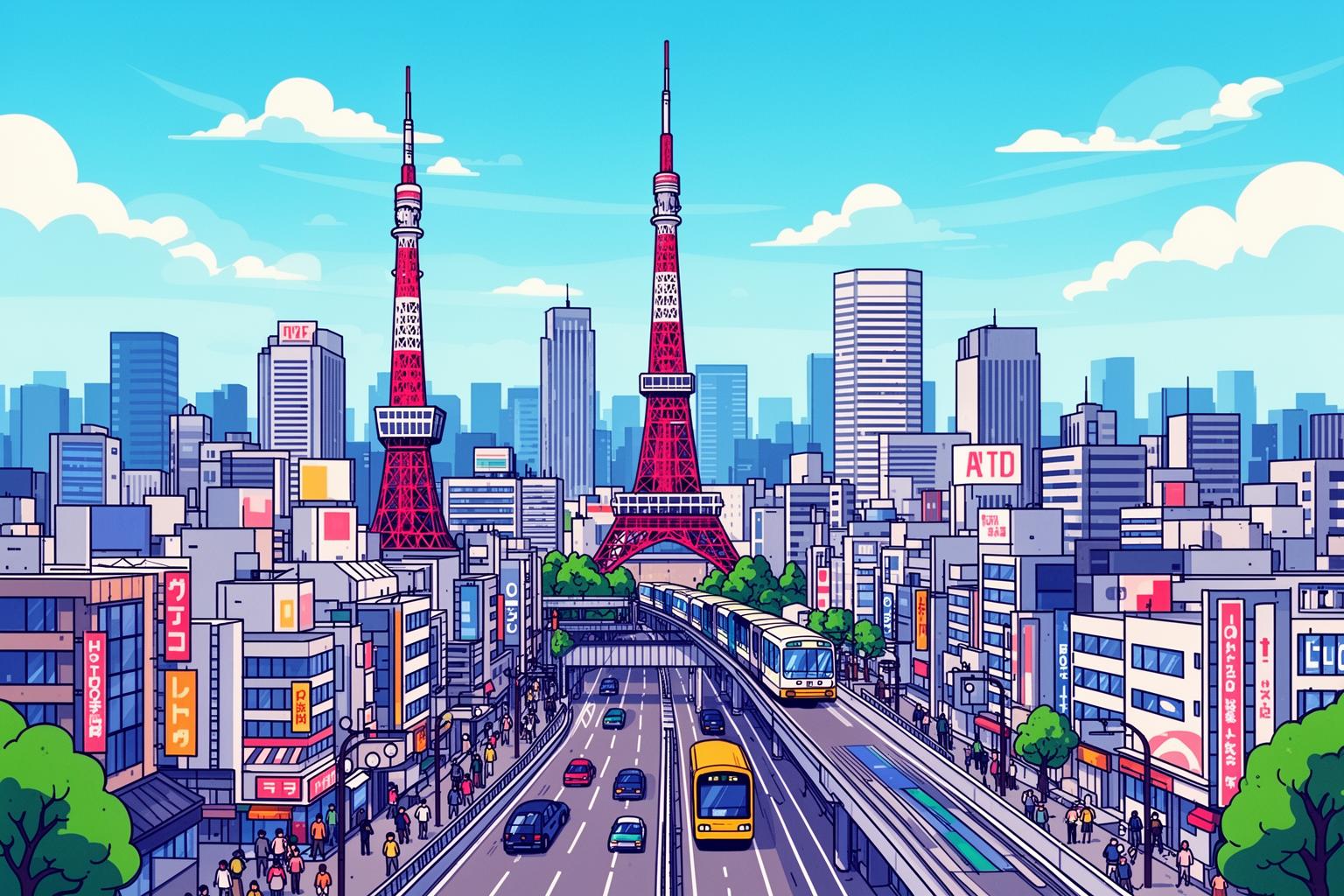
Tokyo is a city of currents, flowing with relentless, rhythmic energy—a symphony of hurried footsteps, humming trains, and dazzling neon lights that illuminate the sky long after sunset. This is Taki Tachibana’s world: a sprawling, vertical metropolis that stands as much a character in the film as he does. To grasp his perspective, you must immerse yourself in this vibrant chaos and feel the pulse of the city that shaped him. Our Tokyo pilgrimage isn’t about rushing from one site to another, but about capturing moments of quiet beauty and surprising familiarity amidst the urban sprawl, just as the film so masterfully portrays. It’s about seeing the city through his eyes: a place full of opportunities, part-time jobs, architectural marvels, and a deep, unspoken yearning for a connection he can’t quite remember.
The Iconic Red Staircase: Suga Shrine
No image is more iconic of the emotional climax in Your Name than Taki and Mitsuha, years after their memories have blurred, passing each other on a striking red-railed staircase. That heart-stopping moment of tension and tearful recognition is forever etched in fans’ memories. Finding this staircase is the ultimate goal of many pilgrimages. The journey leads you to Yotsuya, a surprisingly peaceful residential district that feels worlds away from the neon glare of nearby Shinjuku. You walk through quiet streets, past small apartments and local shops, anticipation growing with each step. Then, you turn a corner—and there it is: the Suga Shrine staircase. The feeling is electric. It’s a surreal moment of déjà vu, where animation and reality perfectly converge. The perspective, the slope, the vibrant red handrails against gray stone and green trees—it’s exactly as Shinkai depicted it. Standing at the top, looking down as Taki did, or at the bottom, looking up as Mitsuha did, lets you feel the full weight of their story. You can almost hear the soundtrack swelling and the desperate urgency in their voices as they finally ask, “Kimi no namae wa?” Photographers will find the golden hour of late afternoon ideal, when soft light casts long shadows reminiscent of the film’s beautiful lighting. Alternatively, early mornings offer a nearly private moment for quiet reflection. Keep in mind this is a residential area and the entrance to a sacred shrine—be respectful of locals and visitors. Take your photos, soak in the magic, but honor the peace of this place that houses such an iconic piece of cinema history.
A View from the Top: The National Art Center, Tokyo
One of the most visually stunning scenes in Taki’s Tokyo life is his date with his stylish coworker, Okudera-senpai. They visit a magnificent, modern building with a sweeping, undulating glass facade and dine at a café perched atop a massive concrete cone. This architectural marvel is The National Art Center, Tokyo, located in the sophisticated Roppongi district. Entering feels like stepping right into the film’s frames. The vast atrium, designed by legendary architect Kisho Kurokawa, is breathtaking. Sunlight floods through the wavy glass walls, illuminating the wooden floors and striking concrete structures within. You can take the escalator up to find the exact spot where Taki and Okudera sat at Salon de Thé ROND, the café on the second-floor cone. While you might not secure the same table, sipping coffee or enjoying a pastry while overlooking the grand exhibition space is a refined and memorable part of any Your Name pilgrimage. Admission to the atrium and common areas is free, though special exhibitions require tickets. The center offers a striking contrast to traditional shrines and bustling streets, showcasing the modern, sophisticated side of Tokyo that Taki inhabits. It’s a place where art, architecture, and anime intersect, and spending an hour here reveals the incredible detail and realism the filmmakers poured into their work. This stylish and photogenic spot serves as a mature, elegant nod to the film’s world—a perfect place to relax and recharge before diving back into the city’s energy.
Navigating the Urban Maze: Shinjuku and Beyond
Shinjuku is the vibrant, chaotic heart of Taki’s Tokyo. The film brims with sweeping panoramic views of its glittering skyline and dizzying shots of its crowded streets and intersections. To truly follow Taki’s footsteps is to embrace the wonderful madness of Shinjuku. Shinjuku Station itself is a labyrinth—the busiest train station in the world and a recurring visual motif. Emerging from its exits, you are immediately engulfed by the sensory overload that defines the area. Look for the distinctive cocoon-shaped Mode Gakuen Cocoon Tower, frequently featured in the cityscapes. Another notable spot is the large, ring-like intersection in front of the Shinjuku Police Station, a unique structure instantly recognizable from the film and emblematic of the vast, impersonal city Taki calls home. Yet, perhaps the most charming and accessible of Taki’s haunts is the restaurant where he works part-time. The real-life inspiration is Café La Bohème Shinjuku Gyoen, an elegant Italian restaurant situated on the edge of the serene Shinjuku Gyoen National Garden. Its opulent, vaguely European interior—with high ceilings, grand chandeliers, and expansive windows—is a perfect match for the film’s “Il Giardino delle Parole.” The restaurant is extremely popular, so reservations are highly recommended, especially if you want a window seat. Sitting there, watching staff moving gracefully through the elegant dining space, it’s easy to picture Taki rushing about with plates of pasta. This delicious, immersive experience offers a quiet, culinary pause amidst a packed pilgrimage itinerary. These grounded, everyday places make the extraordinary events of the film feel all the more impactful.
The Gifu Journey: Finding Mitsuha’s Itomori
After immersing ourselves in the high-frequency energy of Tokyo, the next stage of the pilgrimage calls for a striking change in pace and scenery. We leave behind the concrete canyons and neon-lit streets to board a train that takes us deep into Japan’s mountainous Chubu region. This journey leads us to Itomori, the fictional hometown of Mitsuha Miyamizu. Although Itomori is a creation of Shinkai’s imagination, its essence, traditions, and stunning landscapes are rooted in reality. They draw inspiration from the Hida region in Gifu Prefecture, known for its breathtaking natural beauty, well-preserved historic towns, and a profound sense of tradition that contrasts sharply with Taki’s Tokyo. The journey itself—watching the urban sprawl give way to rolling hills, dense forests, and quaint rural villages through the train window—is integral to the experience. It reflects Taki’s own urgent quest, embodying the sensation of venturing into the unknown, guided by fragmented memories and a fragile thread of hope. This is where Mitsuha’s spirit is found.
The Heart of Tradition: Hida-Furukawa Station
The instant you step off at Hida-Furukawa Station, the connection to the film is clear and immediate. This modest station serves as the gateway to Mitsuha’s world and has been meticulously recreated. It is the very station where Taki and his friends arrive in search of her. Fans will instantly recognize the wooden benches, the platform layout, and the pedestrian overpass offering a perfect vantage point for capturing the tracks and waiting train. You might even spot Hida-Kuro, the cartoonish cow mascot that humorously appears in the movie. The town warmly embraces its ties to Your Name, with small displays and posters often found inside the station. The true enchantment, however, is in the atmosphere: the air feels crisper here, the pace of life slower. You can hear birdsong and the distant murmur of the river. This transition is powerful, a tangible sign that you have entered a different Japan—one deeply connected to nature and tradition. Standing on that platform, you sense the weight of Taki’s journey, the blend of anxiety and resolve as he steps into a world known only through another’s memories. It serves as the perfect starting point to explore the real-life Itomori.
Echoes of Itomori: Exploring the Town
Hida-Furukawa is a beautifully preserved town that feels as if it has been lifted from the pages of a history book. It invites slow, contemplative strolls. The town’s most iconic feature is Shirakabe Dozogai, a street lined with traditional white-walled storehouses alongside a picturesque canal filled with hundreds of vibrant koi fish. While not a direct film location, this area perfectly captures the traditional aesthetic and tranquil ambiance of Itomori. As you wander, you’ll discover several key pilgrimage sites. The Keta Wakamiya Shrine, a short walk from the town center, is widely believed to be the primary inspiration for the Miyamizu family shrine. Though smaller than its cinematic counterpart, its serene atmosphere, stone lanterns, and wooden architecture nestled among tall cedar trees will feel instantly familiar. It is here that Mitsuha fulfilled her duties as a shrine maiden, and the place radiates ancient spiritual energy. Another must-visit spot is the Hida City Library—the very library where Taki and his friends researched Itomori’s history, desperately seeking information about the comet strike. The interior showcases exquisite local timber craftsmanship, creating a warm, inviting, and peaceful atmosphere. The library staff, accustomed to visitors on this pilgrimage, have set up a small film section and welcome photos, provided silence and respect for others are maintained. Seeing the exact desks and shelves featured in the movie is one of those surreal, magical moments that make the journey so special. Finally, a visit wouldn’t be complete without sampling local delicacies. Ajidokoro Furukawa is a small eatery said to have inspired the ramen shop visited by Taki’s group. And be sure to try goheimochi, a grilled rice cake coated with sweet miso and walnut sauce—a snack that Taki enjoys in the film and a delicious taste of Hida’s local culture.
The Search for the Lake: Lake Suwa
The most breathtaking and pivotal location in Mitsuha’s world is the mystical lake that embraces Itomori, formed by a past comet impact. While Hida-Furukawa offers the cultural heart of Itomori, the visual inspiration for this iconic lake lies a bit farther away, in neighboring Nagano Prefecture. This is Lake Suwa, a large, beautiful lake surrounded by mountains. For the quintessential Your Name view, head up to Tateishi Park. The overlook there provides a panoramic vista remarkably similar to the sweeping aerial shots of Itomori Lake in the film. From this vantage point, the town clusters around the water’s edge, framed by mountains stretching into the horizon. The view is stunning at any time, but it becomes truly magical at dusk. As the sun sets and city lights begin to shimmer, the scene transforms into the film’s unforgettable kataware-doki (twilight) moment. Standing there, watching the sky shift from orange to purple while imagining the two comets splitting above, is a deeply moving experience. Though it requires a separate trip from Hida-Furukawa, the pilgrimage to Lake Suwa is essential for devoted fans. It represents the visual climax of the search for Itomori—a place of immense beauty and emotional depth that connects you directly to the film’s most powerful and otherworldly scenes. The view from Tateishi Park is a reward in itself, a breathtaking slice of real Japan as magical as any animation.
Weaving Your Own Story: Practical Tips for a Seamless Pilgrimage

Embarking on a seichi junrei for a film as beloved as Your Name is an incredibly fulfilling experience, though a bit of planning can greatly enhance the smoothness and memorability of the journey. The pilgrimage covers two distinctly different regions of Japan, making logistics crucial. Careful consideration of your itinerary, transportation, and local etiquette will allow you to fully immerse yourself in the enchantment of the locations without unnecessary stress. This journey is about crafting your own narrative and personal connection to the story, and these practical tips will help you seamlessly thread that connection through the beautiful landscapes of Tokyo and Gifu.
Planning Your Itinerary: Tokyo and Gifu
To truly honor this pilgrimage, allocate enough time to explore both the urban and rural settings. For the Tokyo leg, plan at least two full days. This gives you ample time to visit key spots in Yotsuya, Roppongi, and Shinjuku at a relaxed pace without feeling pressured. Tokyo’s public transit system is incredibly efficient, so having a Suica or Pasmo card will be invaluable for navigating the complex network of trains and subways. For the Gifu segment, plan on one to two days. Hida-Furukawa is a compact town that can be explored on foot in a day, but staying overnight lets you enjoy the town’s tranquility during the evening and early morning, after day visitors have left. The easiest access to Hida-Furukawa is via the JR Takayama Main Line. Traveling from Tokyo, you’ll likely take the Shinkansen (bullet train) to Nagoya or Toyama, then transfer to the Hida Wide View limited express train. This scenic ride through mountains and river gorges is an experience in itself. If including Lake Suwa in Nagano on your itinerary, plan additional travel time since it is not on the same train line as Hida-Furukawa and is often best visited as a separate trip from Tokyo or Nagoya. For extensive train travel, a Japan Rail Pass may offer good value. Accommodation options in Hida-Furukawa are more limited than in Tokyo, so it’s wise to book your hotel or traditional ryokan well ahead, especially during peak seasons like spring or autumn.
The Pilgrim’s Etiquette
A key aspect of any seichi junrei is remembering that you are a guest in these locations. These iconic spots aren’t film sets but real places where people live, work, and worship. Approaching your pilgrimage with respect and mindfulness is essential. When visiting Suga Shrine and Keta Wakamiya Shrine, behave as you would at any religious site: keep quiet, follow posted guidelines, and be considerate of worshippers. While photography is generally allowed, avoid causing disruptions. In residential areas near the Suga Shrine staircase, keep noise levels down and be careful not to block pathways or driveways for locals. The Hida City Library warmly welcomes fans, but as a functioning library, silence is imperative. Do not disturb patrons who are reading or studying. Showing appreciation extends beyond respect; support the local communities by purchasing charms at the shrine, dining in local restaurants, buying souvenirs in Hida-Furukawa, or sampling local sake. This mutual respect helps keep anime tourism a positive influence, fostering a meaningful bond between fans and the communities that host these treasured sites. Your respectful presence helps preserve the magic for future pilgrims following in your footsteps.
Capturing the Perfect Shot
For many, a pilgrimage is also a photographic adventure, a way to capture the magic and recreate iconic film scenes. From an influencer’s perspective, these locations are a dream, blending modern architecture, traditional beauty, and stunning natural scenery. To get the perfect shot of the Suga Shrine staircase, try capturing views both from the top and bottom to reflect the perspectives of Taki and Mitsuha. A slightly low angle from below can accentuate the height and drama of the stairs. Late afternoon light produces a warm, cinematic glow. At The National Art Center, a wide-angle lens helps showcase the vast scale and flowing curves of the interior. In Hida-Furukawa, focus on details that give the town its charm: the weathered wooden buildings, the vivid colors of koi swimming in the canals, and the dappled sunlight filtering through trees at the shrine. When photographing the library, use natural light from the large windows and emphasize the elegant lines of the wooden architecture. For the sweeping view of Lake Suwa from Tateishi Park, a tripod is essential to capture sharp, clear images, especially in low light during twilight. The aim is not merely to replicate a frame from the anime but to capture the atmosphere of the place. Find your own angles and compositions, weaving a visual story that honors the film while being uniquely yours.
Beyond the Film: Embracing the Spirit of Musubi
A journey through the world of Your Name is more than just ticking off locations. It’s a deeply moving experience that goes beyond mere fandom. As you stroll the same streets as Taki and embrace the quiet calm of Mitsuha’s hometown, the story settles within you in a fresh way. It becomes part of your travel memories, your personal history. This journey is an embodiment of musubi, the film’s core theme of connection. It represents the link between urban and rural, past and present, fiction and reality. It’s the thread that binds the bustling energy of a Shinjuku crosswalk to the gentle ripple of a canal in Hida. You sense it in the kindness of a local shopkeeper guiding you, in the silent bond shared with another fan atop the Suga Shrine stairs, and in the stunning view over Lake Suwa that connects everyone touched by the film’s beauty. This pilgrimage invites you to see the world with a bit more wonder. It reminds us that magic is woven into everyday places, that stories can infuse new meaning into a simple staircase or a quiet library, and that connections often appear unexpectedly. You came chasing a comet, following a story you loved, yet you leave with something greater: a deeper appreciation for Japan’s beauty, a collection of treasured moments, and a renewed faith in the invisible threads that link us all. So go, carve your own path, and let the journey weave itself into the beautiful, intricate braid of your life story.