
There are stories that stay with you, not just as narratives, but as feelings. They leave an imprint on your soul, a faint but persistent echo of longing, of beauty, of a connection you can’t quite name. Makoto Shinkai’s masterpiece, Your Name., or Kimi no Na wa., is one such story. It’s a film that captured the world with its breathtaking animation, its heart-wrenching story of two teenagers separated by distance and time, and its profound exploration of memory and fate. The magic of the film, however, isn’t confined to the screen. It spills out into the real world, into the bustling streets of Tokyo and the tranquil countryside of Gifu, inviting us to walk the same paths as Taki and Mitsuha. This journey, a pilgrimage to the sacred sites or seichi junrei, is more than just sightseeing. It’s an act of stepping into the frame, of blurring the line between animation and reality, and of finding the tangible heart of a story that moved millions. It’s a search for that feeling, that faint echo, in the hopes of making it resonate a little louder. We’ll trace the frantic energy of Taki Tachibana’s life in the world’s largest metropolis and then journey to the serene, timeless landscapes that inspired Mitsuha Miyamizu’s hometown of Itomori. This is a guide to chasing comets, to finding your own connections in the real, breathing locations of Your Name.
Embark on a journey of urban discovery by exploring Tokyo pilgrimage insights that reveal the vibrant landmarks echoing the film’s delicate interplay between city life and soulful nostalgia.
Tokyo’s Urban Dreamscape: Following Taki’s Footsteps
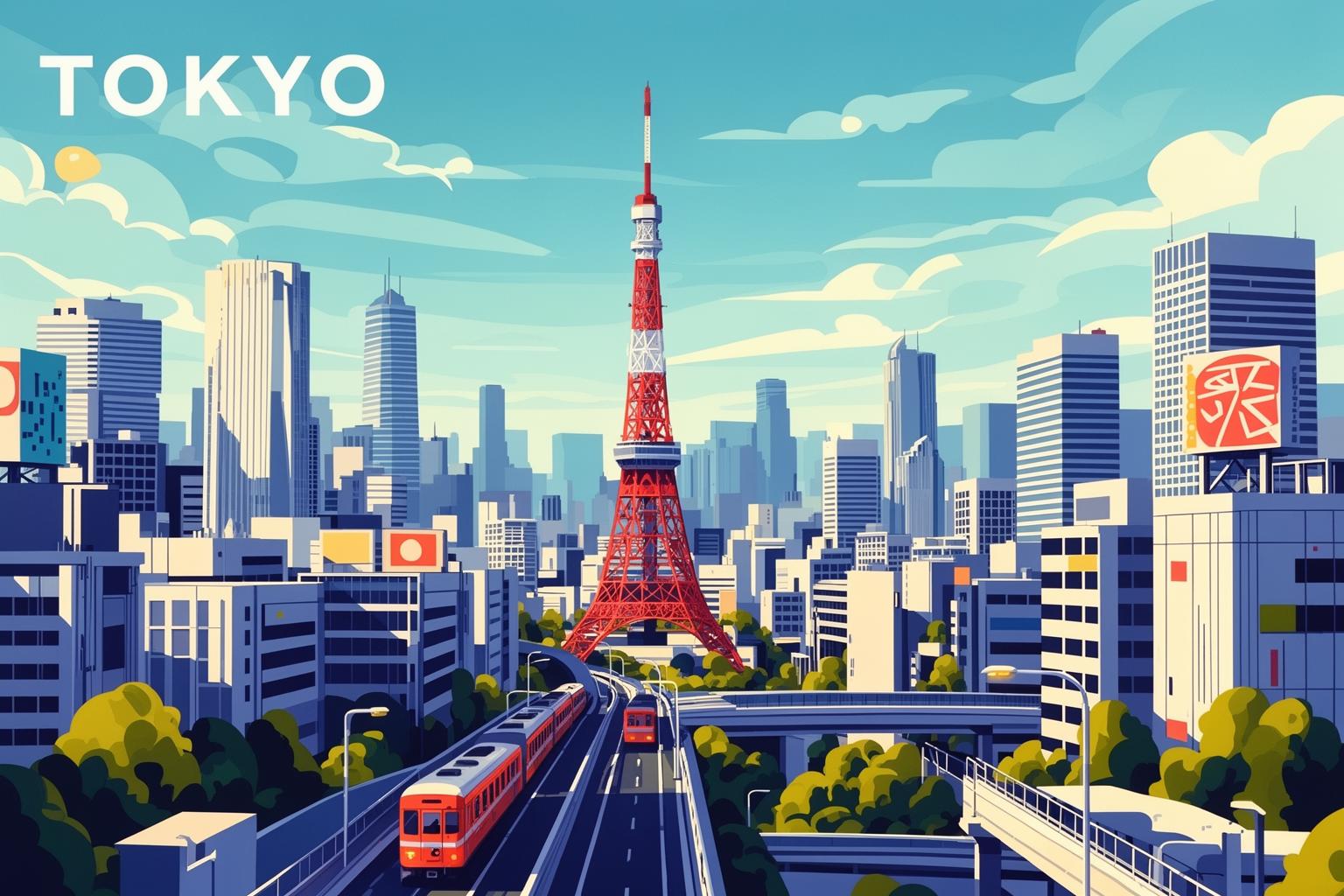
Tokyo, in Makoto Shinkai’s world, becomes a character itself. It is an expansive, dazzling realm of steel and glass—an immense city where millions of lives intersect yet rarely truly connect. This is Taki’s universe: one of constant movement, crowded trains, part-time jobs, and dreams scribbled in notebooks set against a luminous urban backdrop. The film captures both the city’s vibrant energy and its underlying solitude, evoking the feeling of being a single, anonymous soul amidst the bustling masses. Exploring Tokyo in search of Your Name. means encountering this duality firsthand. You sense the city’s pulse, the rush within its veins, but also find quiet corners—hidden spaces where moments of reflection and connection arise. Our journey begins here, amidst the concrete canyons and neon-lit nights that shape half of this unforgettable tale.
The Heart of Shinjuku: Where Worlds Converge
Shinjuku embodies the quintessential Tokyo portrayed in the film. It is a dizzying, electrifying hub of commerce, culture, and transportation. Home to the world’s busiest train station, it functions as a labyrinth guiding millions daily through its complex pathways. For Taki, it serves as the familiar backdrop to his daily routine, a terrain he navigates with local ease. For the pilgrim, it’s the ideal starting point—a sensory immersion into the speed and scale of Taki’s life.
The National Art Center, Tokyo (Roppongi)
One of the film’s most touching and memorable scenes is Taki’s date with his coworker and crush, Okudera-senpai, set at The National Art Center in Roppongi. This remarkable structure, designed by the renowned Kisho Kurokawa, boasts a futuristic yet organic appearance. Its flowing glass facade undulates like waves, casting dynamic patterns of light and shadow. Inside, visitors are welcomed by a vast, light-filled atrium with cool, fresh air—a stark contrast to the city’s humid exterior. The gentle murmur of footsteps and subdued conversations creates a reverent silence conducive to contemplation. This is where Taki—or rather Mitsuha inhabiting Taki’s body—nervously attempts to impress Okudera, their tentative glances nearly tangible. Pilgrims chiefly flock here for the café, Salon de Thé ROND, perched atop a massive concrete cone in the atrium. From this vantage point, one can sip coffee and enjoy cake while gazing across the exhibition space flooded with natural light through the glass walls. The atmosphere matches the film perfectly: stylish, slightly intimidating, and undeniably beautiful. The center is easily accessible via a direct link from Nogizaka Station on the Tokyo Metro Chiyoda Line. It’s wise to check the website for the latest exhibitions and opening hours, as these change frequently. This location encapsulates the refined essence of a cultured Tokyo outing—a brief oasis of artistic calm amid the city’s relentless pace.
Shinjuku Station: The Maze of Connections
If the art center embodies a carefully curated moment of beauty, Shinjuku Station illustrates the beautiful chaos of everyday life. The film often features montages of Taki weaving through its sprawling corridors—a succinct visual metaphor for his urban existence. In reality, the station is just as overwhelming, if not more so. It isn’t a single station but a complex cluster of interconnected stations, a subterranean city of tunnels, platforms, and department stores. First-time visitors may find it daunting but also fascinating. Its ceaseless flow of people moves like a river, forming currents around ticket gates and stairwells. The symphony of sounds—the train announcements, ticket gate beeps, and chatter of thousands—forms the city’s heartbeat. Getting lost here is nearly a rite of passage. The trick is to watch the signage carefully; it’s color-coded and includes English. Know your exit ahead: the South Exit leads toward Shinjuku Gyoen and the Takashimaya department store, while the West Exit takes you to the Tokyo Metropolitan Government Building with its free observation decks. This place exudes constant, purposeful movement. It’s a hub of arrivals and departures, fleeting encounters and hurried farewells, perfectly capturing the film’s themes of connection and separation.
The Shinjuku Scramble and Iconic Views
Although Shibuya boasts the more famous scramble crossing, Shinjuku has its own dynamic intersections showcased in the film’s cityscape montages. Just west of the station lies the Shinjuku O-Guard Nishi intersection—a multi-level crossing beneath elevated train tracks with a constant flow of traffic and pedestrians below. By night, this area bursts into life, bathed in the glow of countless neon signs and video billboards reflected in passing bus windows. It creates a sensory feast that feels quintessentially cyberpunk and profoundly cinematic. Nearby, the iconic “LOVE” sculpture by Robert Indiana serves as a popular meeting spot that Taki and his friends would likely know. The sculpture appears in one of the film’s time-lapse sequences, a fixed point of affection within an ever-changing world. Another key location for capturing the film’s visual spirit is the pedestrian bridge at the Shinjuku Police Station intersection. From this spot, you can replicate one of the film’s famous promotional images—a wide shot looking down the street toward the distinctive cocoon-shaped Mode Gakuen Cocoon Tower. This perspective powerfully conveys the city’s vastness while keeping it intimately familiar, just as Shinkai envisioned.
Yotsuya’s Quiet Nooks: Resonances of a Fateful Meeting
A few train stops from Shinjuku’s electric frenzy lies Yotsuya, a neighborhood that sharply contrasts with the city’s core. Towering skyscrapers give way to mid-rise apartments and quiet, narrow streets. The city’s frantic energy softens here into a gentler, more residential rhythm. This is where the film’s emotional climax takes root physically—not in grand spectacle but in deep, personal meaning. Walking through Yotsuya feels like entering the film’s final act, where the noise subsides and the search for a half-remembered feeling begins.
The Suga Shrine Stairs: An Unforgettable Ending
This is the spot. The place that sends a thrill through any Your Name. fan—the red railings of the staircase where Taki and Mitsuha, years after their entwined experiences, finally reunite. Finding these stairs is a pilgrimage itself. After leaving Yotsuya Station, you stroll through a peaceful residential area as anticipation builds. Then, around a corner, there they are. In reality, the stairs are surprisingly ordinary—a simple flight of stone steps linking two residential streets, leading up to the modest Suga Shrine. Yet their emotional significance is immense. Standing at their base looking up, or from the top looking down, you can’t help but overlay the film’s heart-stopping final scene onto the real place. You almost hear their tentative question: “What’s your name?” The best time to visit is late afternoon during the “magic hour” Shinkai so famously cherishes. The setting sun casts long shadows, bathing the stairs in warm, golden light that perfectly replicates the film’s aesthetic. The neighborhood is very quiet—the only sounds are distant Tokyo traffic, chirping birds, and possibly the rustle of leaves. Because this is a residential area, respectful behavior is essential: speak softly, avoid blocking the stairs, and remember you are a guest. It’s a place for quiet reflection and to feel the profound culmination of a story that transcended time and space to arrive at this simple, beautiful moment.
The Pedestrian Bridge at Shinanomachi Station
Before their final reunion, moments of separation unfold poignantly at the pedestrian bridge just outside Shinanomachi Station, one stop from Yotsuya. This is where Taki, phone pressed to his ear, tries to call Mitsuha after his date with Okudera-senpai, only to experience failure. The bridge offers a classic Shinkai composition: a view over the JR Chuo-Sobu Line train tracks as they curve into the distance, framed by the city skyline. Standing here, one feels the urban melancholy that runs through much of the director’s work. The steady rumble of trains rushing beneath creates a rhythmic backdrop. It’s a place of transition, symbolizing Taki’s life moving forward even as his connection to Mitsuha begins to fade. Visiting at dusk is especially effective—the city lights start to sparkle as the sky darkens to indigo. It’s an ideal spot for photography and reflection on the film’s themes of distance and fate’s invisible threads that connect us, even worlds apart.
Hida’s Timeless Landscape: In Search of Mitsuha’s Home
Leaving behind Tokyo’s concrete and neon, our pilgrimage leads us westward into the mountainous core of Gifu Prefecture. This region inspired Itomori, Mitsuha’s fictional hometown. Although Itomori itself does not exist, its essence is crafted from the real towns and landscapes of the Hida area, with the charming town of Hida-Furukawa serving as the primary model. The change is striking: the air turns crisp and fresh, carrying scents of pine and damp earth. The city’s frantic pace gives way to a calm, unhurried rhythm. Life here follows the seasons rather than train timetables. This world is shaped by traditional wooden architecture, canals filled with colorful koi, and a profound connection to nature and heritage. Arriving in Hida-Furukawa helps one grasp Mitsuha’s yearning for the city, while also appreciating the profound beauty and tranquility she sought to leave behind.
Exploring Hida-Furukawa: The Heart of Itomori
Strolling through Hida-Furukawa, the similarities to Itomori are unmistakable. The town lies in a valley embraced by lush green mountains. The serene Miyagawa River runs through its center. Its historic district features distinctive white-walled storehouses (shirakabe dozō) and dark, latticed wooden buildings. The town feels suspended in time—a living museum of traditional Japanese craftsmanship. The atmosphere is deeply peaceful, with city sounds replaced by the gentle murmur of canal waters and distant birdcalls. The locals are warm and accustomed to anime pilgrims seeking to connect with Mitsuha’s world.
Hida-Furukawa Station: The Gateway
Your initial encounter with Mitsuha’s world is at Hida-Furukawa Station. This modest station is a key setting where Taki and his friends arrive on their quest. The film meticulously replicates the station, from the platform waiting area to the taxi stand outside. Stepping off the Hida Wide View express train, you might feel a strong sense of déjà vu, almost seeing Taki comparing his sketches to the scenery. Inside, look for the small film exhibit, often featuring life-sized character cutouts for photos. You may also encounter Hidakuro, the cheerful black cow mascot. The tourist center here provides a valuable seichi junrei map marking key film locations. The atmosphere is filled with hopeful anticipation—the beginning of a deeply personal journey, just as it was for Taki.
The Hida City Library: A Place of Revelation
Perhaps the most impressively accurate location in Hida-Furukawa is the Hida City Library, where Taki examines town records to uncover truths about Itomori and the comet. Externally a modern and elegant building, its interior is breathtaking. Designed by architect Hiroshi Naito, it features an intricate grid of exposed wooden beams supporting the ceiling, evoking the feeling of being inside a peaceful, sun-dappled forest. Soft light streams through expansive windows, illuminating rows of books. The atmosphere invites quiet study and reverence for knowledge. Visitors can experience this space as Taki did, but must respect its function as a public library. Photographs require advance permission from the front desk, after which a lanyard is issued to signify approval. Silence is mandatory, as is no flash and mindfulness toward local patrons. Sitting at a reading table amid the scent of paper and polished wood, one can sense the gravity of Taki’s desperate search—a pivotal moment where hope and despair intertwine.
Local Flavors and Crafts
A notable charm of Your Name. lies in its attention to cultural details. Taki and his friends enjoy a local snack called goheimochi, a must-try for any pilgrim. This treat is made from pounded rice skewered and coated with a sweet-savory miso-walnut sauce, then grilled over an open flame. It’s warm, slightly crispy outside, and chewy inside—a perfect hearty snack. Various shops and eateries around town sell it, including Ajidokoro Furukawa, often cited as the inspiration for the film’s restaurant. Sampling local cuisine offers a chance to connect with the region’s culture. Hida is also renowned for its sake breweries and traditional crafts. Visitors can tour centuries-old breweries and explore shops offering intricate wooden carvings and Hida Shunkei lacquerware. These experiences deepen the connection between the fictional Itomori and the rich, tangible culture of Hida.
Beyond the Town Center: Going Deeper into Itomori’s Inspirations
While Hida-Furukawa provides the town setting, the spiritual and natural elements of Itomori draw on other locations within the region and beyond, requiring some additional travel for the dedicated pilgrim.
Ketawakamiya Shrine: The Miyamizu Family Shrine
In the film, the Miyamizu family serves as hereditary guardians of the local shrine. Mitsuha’s role as a miko (shrine maiden), including the ritual making of kuchikamizake, is central to the story. Although there is no single shrine exactly matching the film’s, Ketawakamiya Shrine—a small hilltop shrine in Hida-Furukawa—is considered a key inspiration. The ascent involves climbing a long stone staircase through woodland, resembling the path taken by Mitsuha and her sister. At the summit, a quiet, moss-covered sanctuary awaits in still, cool air. The atmosphere is ancient and sacred, evoking visions of the Miyamizu sisters performing ceremonial dances. Another notable candidate is Hie Shrine in nearby Takayama, featuring a prominent red torii gate reminiscent of scenes in the film. Visiting either shrine offers a profound sense of the Shinto traditions at the heart of the story.
Lake Suwa: The Real-Life Itomori Lake?
For the most devoted pilgrims, this is the ultimate destination. The breathtaking caldera lake depicted as Itomori, tragically destroyed by the comet, is not located in Gifu. Its visual inspiration is widely believed to be Lake Suwa in Nagano Prefecture. The resemblance is most striking from the Tateishi Park observation deck, where the lake’s shape and the town curving along its shores closely match the film’s aerial views. Though a bit of a journey from Hida, the vista is truly worth the trip. Standing there, gazing over the tranquil water, it’s impossible not to imagine the comet streaking across the sky. The serene beauty of the landscape contrasts sharply with the film’s tragic memory, creating a powerful and unforgettable emotional impact. It is a testament to how Shinkai and his team brilliantly wove real locations to craft a fictional world that feels deeply, heartbreakingly real.
A Pilgrim’s Practical Guide: Making the Journey Real

Embarking on a seichi junrei dedicated to Your Name. is an immensely rewarding journey, though it does require some thoughtful planning to ensure it goes smoothly and is enjoyable. Combining the urban exploration of Tokyo with the rural adventure to Hida demands time and careful logistics. Below is some practical advice to help you design your ideal pilgrimage.
Planning Your Itinerary
To fully appreciate this pilgrimage, you need to allocate ample time. Rushing through the locations would mean missing the atmosphere, which is the essence of the experience. For the Tokyo segment, dedicating at least a full day is essential. This gives you enough time to comfortably visit Shinjuku, Yotsuya, and Roppongi, with moments to absorb the vibe of each place. Two days would be even better, allowing a more relaxed pace and possibly a trip up to the Tokyo Metropolitan Government Building for stunning panoramic views. The journey to the Hida area requires a larger time investment. Traveling from Tokyo to Hida-Furukawa takes around four to five hours. You’ll take the Tokaido Shinkansen (bullet train) to Nagoya, then transfer to the JR Hida Wide View limited express. This scenic train ride is an experience in itself, winding through mountainous landscapes and along rivers. Plan to spend at least one night in the region, either in Hida-Furukawa or in the nearby city of Takayama, which has a wider range of accommodations. This will give you a full day to explore Hida-Furukawa and possibly visit Takayama’s historic old town as well. If Lake Suwa in Nagano is also on your itinerary, be sure to add an extra day for travel. The Japan Rail Pass can be a cost-effective choice if you’re undertaking the entire journey, as it covers both the Shinkansen and JR trains to Hida.
Seichi Junrei Etiquette: A Guide for Respectful Fans
Anime pilgrimage has grown into a popular form of tourism in Japan, with most communities welcoming fans warmly. However, it is essential to remember that these are real locations where people live, work, and worship—not theme parks. Being a respectful pilgrim helps ensure these sites remain accessible and hospitable to future visitors. The key rule is to be considerate and mindful. In residential areas, such as the neighborhood around the Suga Shrine stairs, keep your voices down and avoid forming large, disruptive groups. Do not trespass on private property for better photos. When visiting the Hida City Library, strictly follow their guidelines—ask permission before taking photos and keep noise to a minimum. At shrines, behave with respect. If you choose, observe the purification ritual at the temizuya (water basin) and offer quiet prayers. Perhaps most importantly, support the local economy: buy a drink from a vending machine, eat at local restaurants, or purchase souvenirs from small shops. This demonstrates appreciation for the community not only as a film setting but as a living, breathing place.
When to Visit: Capturing the Shinkai Aesthetic
The world of Your Name. is stunning in every season, but your experience will vary depending on when you visit. Spring (late March to April) offers the iconic cherry blossoms, adding ephemeral beauty to both Tokyo and Hida, though it’s a peak tourist season and can be crowded. Summer (June to August) showcases the lush, vibrant greens seen throughout the film, especially in the Hida countryside, but be prepared for hot and humid weather. Autumn (October to November) is arguably the best season, with spectacular fall foliage painting the Hida mountains in brilliant reds, oranges, and yellows, paired with generally mild and pleasant weather. Winter (December to February) turns Hida-Furukawa into a quiet, snow-covered wonderland, giving the town a magical atmosphere, though warm clothing is essential. Regardless of when you visit, try to time some visits for late afternoon. Makoto Shinkai is a master of light, and the “magic hour” just before sunset is when his cinematic worlds truly come alive. Witnessing the Suga Shrine stairs bathed in golden light or the Hida mountains silhouetted against the twilight sky creates a perfect fusion between reality and animation.
Beyond the Frame: Finding Your Own Story
A journey to the locations featured in Your Name. is more than just a checklist of photo spots. It offers a chance to connect with a beloved story on a deeper, more tangible level. You begin by seeking the familiar—the curve of a staircase, the design of a train station, the view from a bridge. But soon, you start to notice other details. You observe how light filters through the leaves onto a quiet Tokyo street. You sense the smell of woodsmoke in the crisp Hida air. You experience the kindness of a shop owner who directs you in the right direction. In these moments, the pilgrimage goes beyond its source material. It becomes your own narrative, your personal journey of discovery. The power of seichi junrei lies in this beautiful duality. It allows you to honor a work of art you cherish while simultaneously crafting a unique and intimate travel experience. You came seeking Taki and Mitsuha, but find a piece of yourself along the way. Standing on that final staircase or gazing over a tranquil lake, you may realize you’re not merely searching for a film location. Perhaps you’re seeking a feeling, a memory, a connection that defies explanation—a name you can’t quite recall, yet are on the brink of knowing.