
There are moments in cinema that transcend the screen, weaving themselves into the fabric of our own memories. They create a pull, an invisible thread connecting our world to the one we only witnessed in the dark. Makoto Shinkai’s masterpiece, Your Name., or Kimi no Na wa., is a universe built of such moments. It’s a story of cosmic connection, of intertwined fates, and of landscapes so breathtakingly real they feel like a memory you haven’t made yet. And the most magical part? You can. You can walk the same streets as Taki, breathe the same mountain air as Mitsuha, and stand in the very places where their two souls reached for each other across time and space. This is not just a tour; it is a pilgrimage, a seichi junrei, to the heart of one of the most beloved animated films of all time. We’ll journey from the electric, rain-slicked heart of Tokyo to the tranquil, timeless soul of rural Gifu, tracing the steps of a story that captured the world. It’s a journey that proves that sometimes, the most beautiful fictions are simply reflections of a reality waiting to be discovered. Get ready to find your own connection, to search for a face you don’t know, in places you’re about to fall in love with.
Enhance your journey by exploring this pilgrim’s guide that reveals even more of the evocative real-world locales behind the film.
Tokyo’s Heartbeat: Where Taki’s Story Unfolds
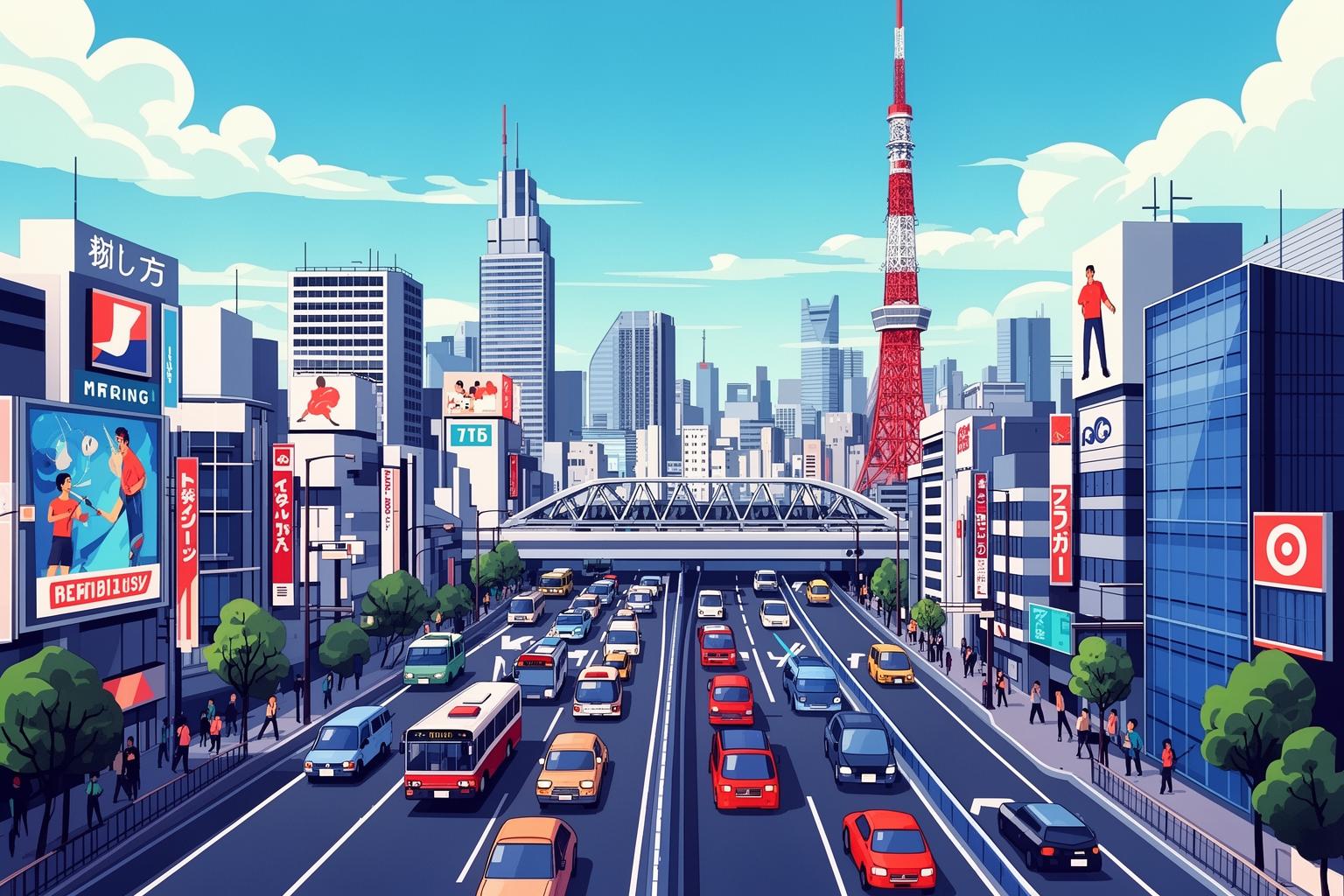
Tokyo is a city of striking contrasts, where the future rushes to meet you at every corner while ancient traditions stand firm with quiet, unwavering grace. This is the world of Taki Tachibana—a vast, vertical metropolis of glass, steel, and endless light. Walking through his Tokyo means feeling the pulse of modern Japan, losing yourself in the symphony of train announcements, echoing footsteps, and the collective murmur of millions of lives unfolding simultaneously. Our journey begins here, amidst the concrete canyons and gleaming towers that form the backdrop to Taki’s urban existence—a landscape as much a character in the film as its protagonists.
The Iconic Red Staircase: Suga Shrine in Yotsuya
The path to the film’s emotional climax starts not with a sweeping view, but a quiet stroll. Disembarking at Yotsuya Station, you leave behind the city’s frenetic energy and step into a serene, residential neighborhood. Yotsuya’s streets are clean, calm, and charming in an unexpected way. You’ll pass small houses, local stores, and the occasional vending machine softly humming in the afternoon sunlight. A palpable sense of anticipation builds as you follow gentle inclines guided by your phone’s map, feeling almost as if fate is leading you. And then you spot it. Just around a corner, framed by trees and apartment blocks, is the iconic red handrail of the staircase to Suga Shrine. Your heart skips. It’s real. The sensation is surreal—like a cinematic dream merging with daylight. The climb is brief, yet every step feels meaningful. You can almost hear the film’s hauntingly beautiful score rising in your mind. As you ascend, glimpses of the city peeking through the buildings grow more striking. At the top, turning around reveals the scene perfectly preserved, an exact recreation of the film’s final, breathtaking moment. You see the path Taki came from, the one where Mitsuha approached. It’s an intensely moving, goosebump-inducing experience. This isn’t merely a photo opportunity; it’s a place rich with emotional energy. Visitors often linger, some re-creating the shot, others quietly reflecting. I recommend visiting late afternoon, when the “golden hour” light bathes the scene in a warm, nostalgic glow reminiscent of the film’s palette. Remember to be respectful, as this is both a residential area and a sacred site. The shrine itself, just beyond the stairs, is a tranquil, beautiful Shinto sanctuary worthy of a quiet visit to offer a small prayer of gratitude for the journey.
A Metropolis of Glass and Steel: Shinjuku’s Vistas
If Yotsuya is the heart, then Shinjuku is the film’s vibrant, pulsating circulatory system. This is Tokyo of dazzling neon, crowds flowing like rivers, and skyscrapers reaching into the clouds. Many of the iconic cityscape shots representing Taki’s surroundings are centered here. One of the most recognizable landmarks is the NTT Docomo Yoyogi Building, with its distinctive clock tower appearing in numerous frames. For a truly cinematic perspective, head to the pedestrian bridge near Shinanomachi Station. From this spot, you can watch trains glide past with the Docomo tower standing sentinel in the background, perfectly echoing the film’s transitional scenes. It captures the sheer scale, the sensation of being a tiny individual within a vast, interconnected metropolis. Another key location is the expansive Shinjuku Gyoen National Garden, home to Cafe La Bohème. In the film, this is where Taki holds his part-time job, and the actual restaurant is equally stylish and inviting. Although the interior differs, the ambiance is ideal for a relaxing meal after exploring. It feels sophisticated and distinctly Tokyo. For the quintessential Shinjuku experience, visit the area around the Shinjuku police station, where the ring-shaped pedestrian intersection featured in the movie’s mesmerizing time-lapse sequences is located. Standing there as traffic and people flow around you is hypnotic. The best time to experience Shinjuku is at dusk, when the city lights begin to glow, transforming the concrete jungle into a galaxy of neon stars. It’s loud, chaotic, and exhilarating—the perfect reflection of Taki’s fast-paced life.
A Date with Art and Architecture: The National Art Center
The setting for Taki’s memorable, somewhat awkward date with his coworker Okudera-senpai is the National Art Center in Roppongi. This location reveals much about Taki’s character—his appreciation of art and emerging maturity. The building itself is a contemporary architectural masterpiece, designed by the renowned Kisho Kurokawa. Its flowing glass facade is breathtaking, creating a striking interplay of light and shadow throughout the day. Entering feels like stepping into another realm. The space is airy, tranquil, and infused with a quiet creative energy. You don’t need to be an art expert to admire the beauty of the architecture itself. The film captures the atmosphere of the third-floor salon and café perfectly, where Taki and Okudera-senpai share a conversation. You can visit the very same spot—the Brasserie Paul Bocuse Le Musée—which sits atop a massive concrete cone within the atrium. While a full meal might be indulgent, simply enjoying the view around the area is rewarding. Being there evokes feelings of elegance and inspiration. It provides a wonderful contrast to the bustle of Shinjuku and offers a perfect place for a refined afternoon. This spot reveals a cultured, calm, and incredibly photogenic side of Tokyo, making it a must-see for any design or art enthusiast on this pilgrimage.
Into the Nostalgic Scenery of Itomori
Leaving Tokyo’s dazzling glow behind, our journey takes a dramatic shift, following the thread of fate into the heart of Japan’s mountainous Gifu Prefecture. This is Mitsuha’s world. While the fictional town of Itomori may not appear on any map, its spirit thrives in the charming, traditional town of Hida-Furukawa. The change is striking. The rumble of the subway fades, replaced by the gentle chirping of cicadas and the murmur of a crystal-clear river. The vertical skyline yields to tiled roofs, wooden latticework, and mist-shrouded mountains. Stepping off the train here feels like stepping back in time—and more importantly, stepping directly into the frames of the anime.
The Gateway to Tradition: Hida-Furukawa Station
The moment you arrive at Hida-Furukawa Station, you’ll feel an immediate sense of recognition. This small, unassuming station perfectly mirrors its cinematic counterpart. The platform design, the footbridge, and even the waiting area are recreated with remarkable faithfulness in the film. You’ll spot where Taki and his friends stood, gazing out over the tracks as they began their search for Mitsuha. Often, a friendly cutout of the Hida-gyu mascot, Hidakuro, welcomes visitors—a charming nod to the region’s famed beef. Life here moves slower, more deliberately. Take a moment on the platform to fully absorb the atmosphere. The air feels cleaner, the sounds softer. From the station, the mountains cradling the town are a constant and beautiful presence. This is your gateway to Mitsuha’s reality. For fellow pilgrims, a practical tip: the train ride here—especially the final stretch on the JR Takayama Main Line—is among the most scenic in Japan, winding through deep valleys and alongside rushing rivers. Be sure to secure a window seat and savor the breathtaking journey into the heart of the Japan Alps.
Whispers of the Past: Exploring Hida City
Hida-Furukawa is the living, breathing heart of Itomori. As you wander its streets, you’ll find yourself often pausing, struck by how perfectly Shinkai and his team captured its essence. The Hida City Library is a key stop—an actual library that Taki visited to research Itomori’s history. Welcoming to fans of the film, the library nonetheless remains a working institution; out of respect, visitors are asked to seek permission at the front desk before taking photographs, after which they receive a pass. Inside, warm wood and rows of books create a beautiful setting, and the atmosphere of quiet discovery is exactly as depicted. Another must-see is the town itself. Stroll along the Seto River, where hundreds of enormous, colorful koi carp swim in the channels. The old town is lined with preserved merchant houses featuring distinctive white walls and dark wooden lattices. You’ll find sake breweries offering tastings and small shops selling local crafts. Don’t miss the chance to sample local delicacies. Taki and his friends enjoyed gohei mochi—a skewered, grilled rice cake brushed with a sweet and savory miso-walnut sauce. It’s a delicious, authentic taste of the region. Exploring Hida isn’t about rushing from one photo spot to the next; it’s about slowing down, embracing the peaceful atmosphere, and allowing the spirit of the place to reveal itself.
The Sacred Mountain Shrine: Hie Shrine
While the Miyamizu Shrine in the film is fictional, its primary inspiration is widely believed to be the Hie Shrine in nearby Takayama (with some elements drawn from other shrines). Visiting Hie Shrine, especially after immersing yourself in Hida-Furukawa, feels like completing a vital part of the spiritual pilgrimage. The shrine rests on a hillside, approached by a long, steep stone staircase shaded by towering ancient cedar trees. The walk itself is solemn and atmospheric. As you ascend, city sounds fade away, replaced by rustling leaves and crow calls. It feels ancient, sacred, and deeply connected to nature—just like the Miyamizu Shrine. You can easily picture Mitsuha and her sister performing their shrine maiden duties here. At the top, the shrine complex is serene and beautiful, featuring classic wooden architecture. This place carries palpable history and spirituality. Here, you truly appreciate the Shinto beliefs woven deeply into the fabric of Your Name.—the reverence for nature, the bond to ancestors, and the concept of musubi, the invisible threads that connect all things. It’s a profoundly moving experience that adds rich cultural depth to the pilgrimage.
The View from Above: Lake Suwa’s Cosmic Connection

There is one image from Your Name. that remains etched in the memory of everyone who has seen it: the breathtaking, panoramic view of Itomori and its crater lake, shimmering under the stars as the comet splits the sky. This stunning, almost otherworldly landscape has a real-life counterpart, and discovering it is the grand finale of our pilgrimage. We head to Nagano Prefecture, to the expansive and beautiful Lake Suwa. Although the lake itself is not set within a crater, the view from a particular vantage point reveals the remarkable inspiration for Itomori’s setting.
A Panoramic Echo of Itomori
To experience the view that inspires countless gasps, you must ascend the winding roads to Tateishi Park. Situated high on a hillside overlooking the lake and the surrounding city, this park offers a breathtaking panoramic vista. When you reach the overlook, the resemblance is striking and immediate. The way the city lights curve around the water, the shape of the lake itself, and the surrounding mountains—it’s Itomori, laid out before you in stunning reality. The feeling is one of awe. You can see how Shinkai transformed this incredible natural landscape with his distinctive blend of fantasy and wonder. The ideal time to visit is undoubtedly at twilight, the “magic hour” that plays such a crucial role in the film. As the sun sets, the sky bursts into shades of orange, pink, and purple, and one by one, the city lights begin to sparkle below, reflecting the stars above. It is an exquisitely beautiful and romantic sight. Watching the day fade to night from this spot, you can’t help but sense the film’s central themes of time, distance, and cosmic events. It feels like a place where different worlds could genuinely meet. It’s the perfect, awe-inspiring conclusion to a journey through the heart of the film, a final, powerful reminder of the profound connection between the story and the real, breathtaking beauty of Japan.
Weaving Your Own Journey: A Pilgrim’s Guide
Embarking on this pilgrimage is an adventure that takes you through both bustling urban centers and tranquil countryside. Navigating it smoothly allows you to fully embrace its magic. Here are some thoughts on how to seamlessly weave the threads of your own journey.
Navigating the Threads of Japan
Japan’s public transportation system is a marvel of efficiency, and it will be your greatest ally on this quest. In Tokyo, a Suica or Pasmo prepaid IC card is your key to the city’s transit network. You can easily tap your way through the complex web of JR lines and subways. For long-distance travel between Tokyo and the Gifu/Nagano regions, the Japan Rail Pass can be a great value if you plan to take additional trips. The ride on the Shinkansen (bullet train) to Nagoya, followed by the scenic JR Hida Wide View express train, is an experience in itself. Consider the travel not as a task, but as part of the story—a living reflection of the transitional montages that Shinkai so masterfully crafts.
The Rhythm of the Seasons
Like the film, these locations change with the seasons, each presenting its own unique beauty. Spring covers parks and shrines in delicate cherry blossoms, a fleeting beauty central to Japanese aesthetics. Summer brings vibrant, deep greens to the Hida mountains and lush foliage to Tokyo’s parks, though be ready for heat and humidity. Autumn is perhaps the most spectacular, setting the countryside ablaze with fiery reds and brilliant golds—ideal for photography. Winter blankets Hida in a quiet layer of snow, creating a serene and magical atmosphere, though travel to higher elevations like Tateishi Park can become more challenging. Choose the season that resonates with you, as each offers a different emotional perspective to experience these special places.
A Note on Respectful Pilgrimage
One of the most beautiful elements of this journey is stepping into real communities. Suga Shrine is nestled in a quiet neighborhood, the Hida library serves local residents, and Hie Shrine remains an active place of worship. This offers a wonderful chance to experience authentic Japan, along with the responsibility of being a respectful visitor. Please be mindful of noise levels, especially in residential and sacred spaces. Always ask for permission before taking photos inside places like the library or private shops. A simple smile and nod go a long way. This pilgrimage offers not only a glimpse into the world of Your Name. but also a connection with the real Japan that inspired it—and approaching it with kindness and respect enriches the experience for everyone.
Beyond the Screen: Finding Your Own Connection

Tracing the footsteps of Taki and Mitsuha across Japan involves more than simply visiting a series of filming locations. It is an act of participation. It is a journey that bridges the gap between fiction and reality, between a story that touched you and the tangible world that brought it to life. Standing on that staircase in Yotsuya, you sense the weight of the film’s final, hopeful question. Sitting by the tracks in Hida-Furukawa, you experience the slow, steady rhythm of Mitsuha’s life. Gazing out over Lake Suwa as dusk falls, you feel the vast, cosmic scale of their intertwined destinies. This pilgrimage is about discovering those moments of connection, those flashes of recognition that send a shiver down your spine. It’s about understanding the concept of musubi not as a mere plot device, but as a real, tangible force—the thread that links a story to a place, a place to a memory, and ultimately, a traveler to the heart of a journey. You may have come searching for someone or something, just like Taki. And in the end, you will find it: a deeper appreciation for a beautiful film, a profound love for the landscapes of Japan, and a connection to a story that will now forever be part of your own.