
There are stories that stay with you, that weave themselves into the very fabric of your memory until the line between fiction and feeling blurs into a beautiful, shimmering haze. Makoto Shinkai’s masterpiece, “Your Name.” (Kimi no Na wa), is one such story. It was a global phenomenon, a cinematic meteor shower that captivated audiences with its breathtaking animation, its heart-wrenching story of love and loss, and its profound exploration of connection, or “musubi.” But for many, the film’s most enduring magic lies in a simple, thrilling truth: its world is real. The fictional town of Itomori, so lovingly rendered on screen, is not just a product of imagination. Its soul is rooted in the tangible, touchable landscapes of Japan’s Gifu Prefecture, a mountainous heartland brimming with tradition and serene beauty. This is the art of “seichi junrei,” the anime pilgrimage, where fans journey to the real-world settings of their favorite stories, not just to see, but to feel. It’s a chance to walk the same streets, breathe the same air, and stand in the very spots where fictional worlds and our own reality collide. Our journey takes us to two key locations: the charming, quiet town of Hida-Furukawa, and the larger, historically rich city of Takayama. Here, nestled among the soaring Japanese Alps, the ethereal world of Mitsuha and Taki comes to life, inviting you to step through the screen and find your own connection in the land that inspired a legend.
Embracing the spirit of seichi junrei, you might also uncover further enchantment by exploring the vivid anime landscapes in Tokyo and Hida that resonate with the magic of this journey.
The Heart of Itomori: Discovering Hida-Furukawa
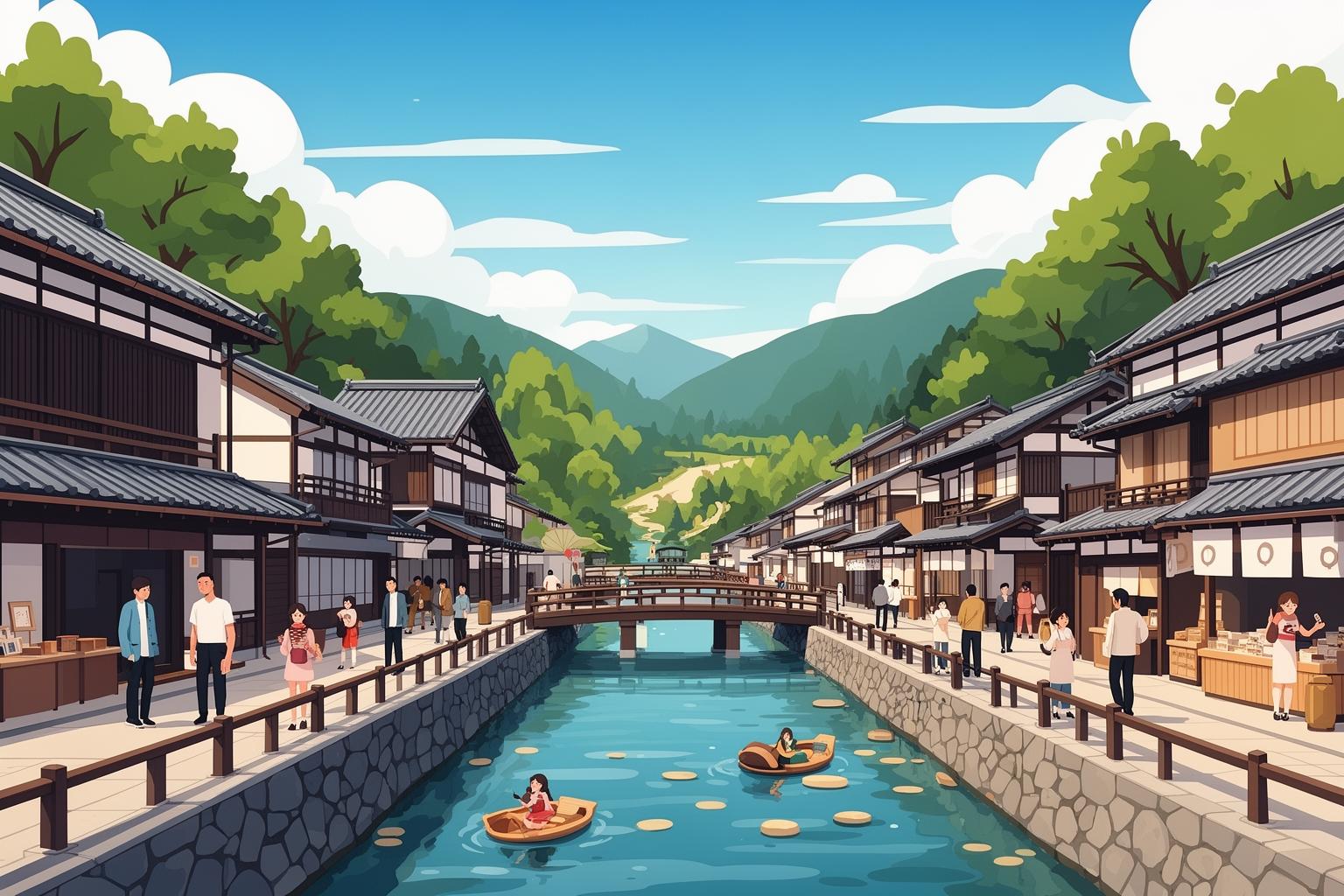
The journey into the world of “Your Name.” truly begins the moment you step off the train in Hida-Furukawa. This small, unassuming town serves as the main inspiration for the more traditional aspects of Itomori, and the sensation of stepping into the anime is immediate and overwhelming. The air here feels different—cleaner, crisper, carrying the scent of pine from surrounding mountains and the faint, sweet aroma of fermenting rice from centuries-old sake breweries. This isn’t a bustling tourist hotspot; it’s a living, breathing town where daily life moves at a gentler pace. This authenticity is what makes the pilgrimage so meaningful. You are not merely a visitor; you become a quiet observer, slipping into a scene that existed long before it was ever animated.
The Iconic Arrival: Hida-Furukawa Station
For any fan of the film, Hida-Furukawa Station is sacred ground. This is the exact place where Taki, arriving from the dizzying metropolis of Tokyo, begins his desperate search for Mitsuha. The station itself is a beautiful, modest structure of wood and glass, radiating a rustic charm that immediately sets the tone for the region. Standing on the platform, you’ll see the real world mirroring the animated one with startling accuracy. The distinctive design of the station building, the tracks stretching into the distance, and the pedestrian overpass from which you can replicate the film’s iconic shot—it’s all here. It’s a surreal moment, standing on that overpass, watching the Wide View Hida express train pull away just as it did in the film. You can almost sense Taki’s anxiety and determination. Look closely near the ticket gates, and you’ll spot the town’s mascot, a cheerful cartoon cow named Hidakkoro, honoring the region’s famed Hida beef. This small detail, easily overlooked, grounds the fantastical story in a very real, charming local culture. The station staff are familiar with visiting pilgrims and are often happy to provide maps and guidance, their warm welcome making you feel as though you too are an anticipated guest on a very important quest.
A Sanctuary of Knowledge: The Hida City Library
One of the film’s most pivotal scenes unfolds within the quiet, sunlit halls of a library, where Taki and his friends finally piece together the tragic history of Itomori. That library exists and is the Hida City Library, a short and pleasant walk from the station. From the outside, it’s a modern, architecturally impressive building, but inside it exudes profound warmth and tranquility. The interior is a symphony of local wood, with soaring ceilings and massive windows flooding the space with soft, natural light. The scent of old paper and polished timber fills the air. It feels both grand and intimate—a perfect sanctuary for study and reflection. Acknowledging its significance to fans, the library has a special arrangement: visitors may take photographs at the exact spot where Taki sat, provided they register at the front desk and are careful not to disturb local patrons. This gesture of welcome is deeply touching. As you sit in that chair, gazing out at rows of books and the quiet town beyond the glass, the weight of the film’s narrative feels very present. You’re not just reenacting a scene; you’re connecting with the very atmosphere of discovery and dawning realization that defined Taki’s journey. It’s a moment of quiet contemplation that elevates the pilgrimage from simple sightseeing to a profoundly personal experience.
The Soul of the Town: Wandering the Canals and Storehouses
Beyond specific film locations, the true magic of Hida-Furukawa lies in simply allowing yourself to wander its streets. The town’s most enchanting feature is the Seto-gawa Canal, a narrow waterway flowing through the heart of the old district. The canal is famously home to over a thousand large, brilliantly colored koi fish that swim lazily in crystal-clear water. The sound of flowing water provides a constant, soothing soundtrack to your exploration. Along the canal is the Shirakabe Dozogai, a picturesque street of traditional white-walled storehouses with dark, latticed windows. These beautifully preserved buildings, once owned by wealthy merchants, now house sake breweries, artisan shops, and private residences. In spring and summer, the contrast between the white walls, dark wood, lush greenery, and vibrant orange koi is breathtaking. As you stroll along the stone-paved paths, you’ll notice large green balls made of cedar fronds, known as “sugidama,” hanging above brewery entrances. Traditionally, a fresh green sugidama is hung when new sake is pressed, and as it gradually browns, it signals to customers that the sake has aged and is ready to drink. These details breathe life into the town, the small threads of culture and history that inspired the rich tapestry of Itomori. It’s here, in these quiet moments by the canal, that you truly grasp the deep sense of community and tradition that Mitsuha so desperately wanted to escape yet cherished as a core part of her identity.
Echoes of the City: Exploring Takayama
While Hida-Furukawa represents the quiet, rural heart of Itomori, the nearby city of Takayama offers a distinct yet equally essential part of the picture. Larger, more vibrant, and a popular tourist destination on its own, Takayama’s landscapes and ambiance also influenced the film’s visual language. Known as “Little Kyoto” for its meticulously preserved old town, Takayama is the ideal base for exploring the Hida region. It combines historical charm with a lively energy, acting as a bridge between Itomori’s peaceful countryside and Taki’s life in Tokyo. The city lies nestled in a valley, with surrounding mountains that provide a constant, majestic backdrop—a visual reminder of the dramatic scenery that plays a significant role in the film’s story.
The Sacred Steps: Hie Shrine
The spiritual heart of “Your Name.” is the Miyamizu Shrine, the ancient, sacred site where Mitsuha serves as a shrine maiden and where the story’s most mystical moments take place. The real-world inspiration for this unforgettable location is believed to be Hie Shrine, situated on a tranquil, wooded hill on Takayama’s outskirts. The approach to the shrine is just as cinematic as depicted in the film. A massive stone torii gate marks the entrance, leading to a long, steep flight of stone steps that cut through a forest of towering, ancient cedar trees. As you begin to ascend, city noises fade away, replaced by the rustling of leaves, bird songs, and the deep silence of the woods. The air grows cooler and is heavy with the earthy scent of moss and damp soil. Sunlight filters through the dense canopy above, casting dappled patterns of light and shadow on the stone steps. It is a profoundly atmospheric and spiritual place. At the top, the shrine itself appears, a collection of elegant wooden buildings with gracefully curved roofs. It feels ancient, timeless, and deeply intertwined with the surrounding nature. While the layout is not an exact replica of Miyamizu Shrine, the overall feeling is unmistakably similar: a sense of entering a space where the boundary between the human and divine worlds feels incredibly thin. Here, the Shinto beliefs deeply woven into the film’s narrative—reverence for nature, connection to ancestry, and the unseen forces linking everything—become truly tangible.
A Taste of Time: Sanmachi Suji
Takayama’s most treasured area is its old town, especially the three main streets known as Sanmachi Suji. Walking here feels like stepping back into Japan’s Edo Period. The streets are lined with beautifully preserved wooden merchant houses, their dark, latticed facades and overhanging eaves creating a cohesive and historic townscape. This district, with its lively atmosphere and traditional architecture, helped shape the look and feel of Itomori’s town center. Today, these buildings host a wide range of shops, restaurants, and most famously, sake breweries. You can spend hours exploring shops selling local crafts such as Sarubobo dolls—small, red, human-shaped amulets symbolic of the Hida region. Food lovers will be in heaven here. The air is filled with the irresistible aroma of grilling Hida beef skewers and the sweet, smoky scent of mitarashi dango (rice dumplings grilled over charcoal and brushed with a soy glaze). Be sure to try Gohei Mochi, a regional specialty of pounded rice coated in a sweet miso and walnut sauce, then skewered and toasted. It’s a rustic, comforting snack that Mitsuha and her friends would likely have enjoyed after school. Many sake breweries offer tastings, letting you sample the crisp, clean sake for which the Hida region, blessed with pure mountain water, is renowned. This district is more than just a backdrop; it is a full sensory experience connecting you to the culinary and cultural traditions that shaped the world of “Your Name.”
A Practical Hub
Beyond its own attractions, Takayama serves as an excellent strategic base for your pilgrimage. Its train and bus stations are key transportation hubs, making day trips to Hida-Furukawa (a short 15-minute train ride away) or further excursions to regional highlights like the UNESCO World Heritage Site of Shirakawa-go, famous for its iconic Gassho-zukuri farmhouses, easily accessible. Staying in Takayama offers a wider range of lodging and dining options. Be sure to rise early at least once to visit one of the morning markets—the Miyagawa Market by the river or the Jinya-mae Market—where local farmers sell fresh produce, flowers, and handmade pickles, providing another authentic glimpse of daily life in the Hida mountains.
The Journey and The Details: Planning Your Pilgrimage

A pilgrimage to the land of “Your Name.” is more than just travel; it’s an adventure that benefits from thoughtful planning to fully enjoy the experience. While the Hida region is accessible, its mountainous setting means that travel can be time-consuming. Embracing the journey is part of the charm, as the landscapes you pass are as breathtaking as the destinations themselves. Careful planning beforehand allows you to relax and immerse yourself in the atmosphere upon arrival, enabling you to seek out those cinematic moments without stress.
Navigating Your Way to Itomori
Reaching Takayama and Hida-Furukawa is a scenic delight. Most international travelers take the Tokaido Shinkansen (bullet train) from Tokyo or Osaka to Nagoya, then transfer to the JR Hida Limited Express, known as the “Wide View Hida.” This train ride is an experience on its own, with enormous panoramic windows offering spectacular, uninterrupted views as it winds north, following the Kiso and Hida rivers through dramatic gorges and deep mountain valleys. The journey from Nagoya to Takayama lasts about two and a half hours, with Hida-Furukawa just 15 minutes further along the line. The transition from urban sprawl to lush, rural scenery mirrors Taki’s journey from city to countryside, building wonderful anticipation. For holders of a Japan Rail Pass, this entire route is covered, making it both convenient and cost-effective.
Choosing Your Season
The Hida region’s beauty shines year-round, with each season offering a distinct perspective on the world of “Your Name.”
- Spring (March-May): Spring brings mild weather and the famous Takayama Spring Festival in April, one of Japan’s most stunning festivals, featuring ornate floats and a lively atmosphere. Cherry blossoms arrive a bit later than in Tokyo and add a gentle pink hue to the historic towns.
- Summer (June-August): The landscape turns vibrant deep green, with cicadas filling the air, perfectly capturing the essence of a Japanese summer seen in many anime. The koi fish in Hida-Furukawa’s canals are lively, and the forests surrounding Hie Shrine feel both mystical and alive. It can be hot and humid, but the mountain air often offers refreshing relief.
- Autumn (September-November): Many consider this the most spectacular season. The mountains burst into vivid shades of red, orange, and yellow. The crisp, cool weather is ideal for walking, and the Takayama Autumn Festival in October provides another opportunity to admire magnificent festival floats. The fiery fall foliage creates an incredibly cinematic backdrop.
- Winter (December-February): Winter brings a stark, serene beauty that resonates with the film’s more melancholic themes. Heavy snowfall often blankets traditional rooftops and ancient shrines in thick white layers. The scene is magical and tranquil, but be sure to pack warm clothing and prepare for potential travel delays.
A Pilgrim’s Etiquette
As you begin your journey, remember these are not film sets; they are real places where people live, work, and worship. The warmth and hospitality extended to pilgrims is a treasured gift, and it’s our duty to be respectful visitors. At the Hida City Library, follow all photography rules and maintain a quiet atmosphere. At Hie Shrine, keep in mind it is an active place of worship—behave respectfully, especially during ceremonies or prayers. When exploring the towns, be mindful of private homes and avoid loud or disruptive behavior. Always ask permission before photographing shop interiors or locals. A simple smile and nod of thanks go a long way. By being a courteous and considerate guest, you help ensure this wonderful pilgrimage remains a positive experience for fans and residents for many years.
More Than a Memory
Traveling through Hida-Furukawa and Takayama is more than merely following the footsteps of fictional characters. It is an opportunity to uncover the profound beauty and rich culture that inspired such a beloved global story. You arrive hoping to see familiar scenes from an anime, but you depart with so much more: the sweet, smoky flavor of Gohei Mochi, the soothing sound of water flowing through the Seto-gawa Canal, and the quiet serenity of a forest shrine. You realize the magic wasn’t just in the animation; it has always been present—in the kindness of a station attendant, the skill of a local artisan, and the majestic mountains that watch over these timeless towns. This journey serves as a powerful reminder that the most beautiful stories are those that remain connected, however subtly, to the real world. It reinforces the concept of “musubi,” the delicate, invisible thread of connection. You sense it in the moment of recognition at the train station, the quiet respect within the library, and the shared smiles with fellow pilgrims from around the globe. You came chasing a comet, and you discovered a connection—to a place, to a story, and to the beautiful, blurred boundary where imagination and reality converge.