
There are stories that stay with you, not just as narratives you’ve consumed, but as memories you feel you’ve lived. They weave themselves into the fabric of your own experience, leaving echoes in the quiet moments of your life. For millions around the globe, Makoto Shinkai’s masterpiece, Your Name., or Kimi no Na wa., is one such story. It’s a breathtaking tapestry of time, connection, and longing, told through the intertwined lives of two teenagers: Taki, a boy navigating the electric currents of Tokyo, and Mitsuha, a girl yearning for a life beyond her tranquil mountain town. The film’s emotional depth is matched only by its staggering visual beauty, a hyper-realistic yet dreamlike portrayal of Japan that feels both familiar and fantastical. This stunning accuracy has sparked a modern-day pilgrimage, a phenomenon the Japanese call seichi junrei, where fans journey to the real-world locations that inspired the art. As a photographer, I’ve always been drawn to the soul of a place, the story it tells without words. And so, with camera in hand and the film’s haunting soundtrack playing in my mind, I set out to trace the threads of Taki and Mitsuha’s world, to see if the magic of their story was etched into the landscapes of reality. This journey is a dive into two Japans: the vertical, vibrant energy of Tokyo and the horizontal, serene spirit of the Hida region, a quest to find the tangible heart of a fictional masterpiece.
The journey’s blend of urban energy and rural tranquility evokes a deeper connection to Japan’s visual storytelling, inviting curious souls to explore the enchanting sayama hills as another facet of its cinematic magic.
The Heartbeat of Tokyo: Tracing Taki’s Footsteps
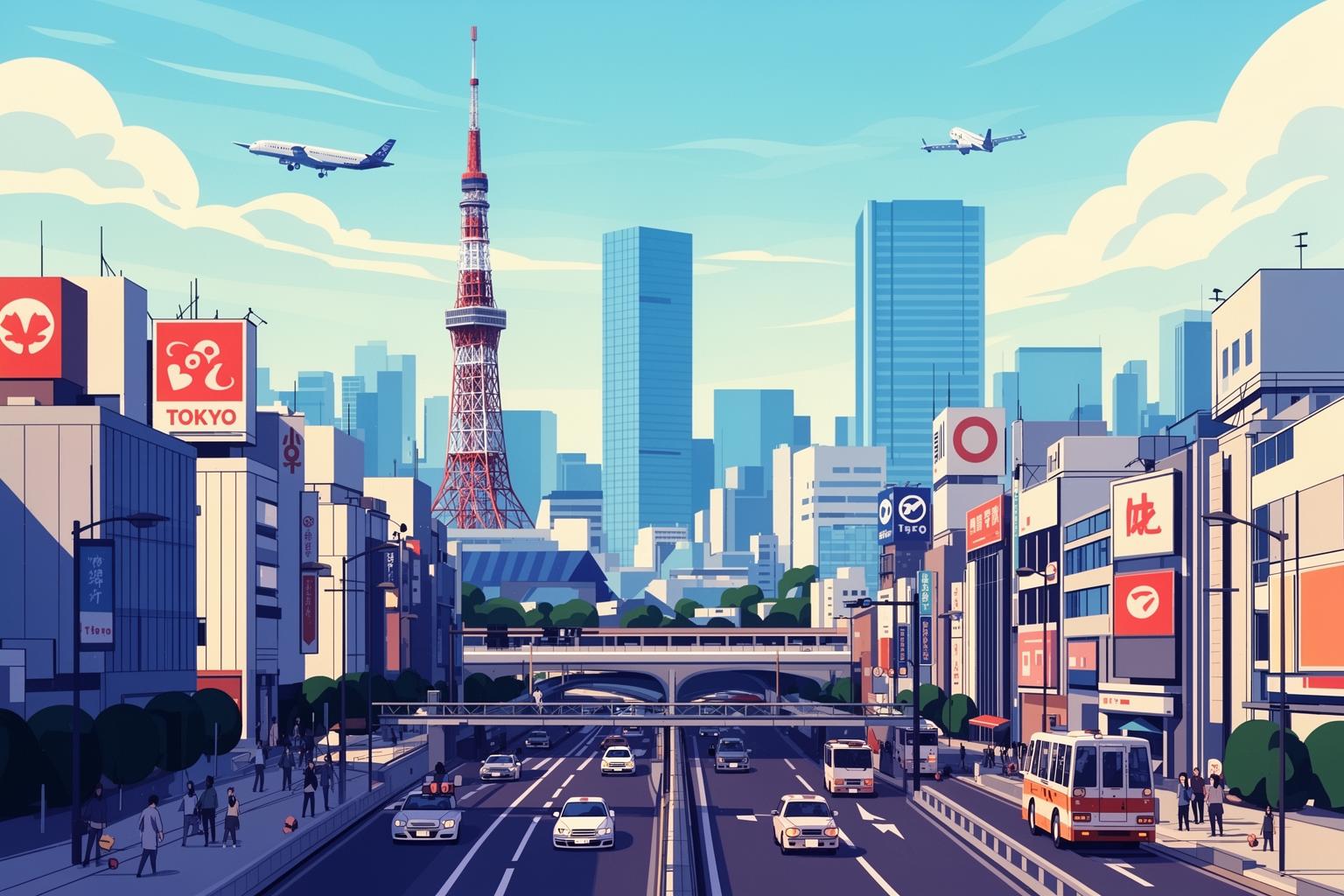
Tokyo is a city that moves in symphonies—a composition of hurried footsteps on pavement, the whisper of an arriving subway, the digital chime of a crosswalk, and the low hum of a million lives unfolding simultaneously. This is Taki’s world, and to step into Shinjuku is to enter the film’s opening frames. The sheer scale is the first thing that strikes you. Buildings don’t just fill space; they claim the sky, their glass facades reflecting a fragmented, ever-shifting cityscape. You sense the constant, rhythmic pulse of the metropolis, a stark contrast to the gentle, cyclical life of Mitsuha’s Itomori. It’s a place of ambition and anonymity, where connections are fleeting sparks in a vast constellation of lights. As a photographer, capturing Tokyo is a challenge of composition—finding the human element amidst overwhelming geometry, isolating moments of stillness in a city defined by motion. It’s here, in this concrete labyrinth, that the first half of our pilgrimage begins, seeking out the specific, almost sacred places where Taki’s life, and by extension Mitsuha’s, unfolded.
The Iconic Red Staircase: Suga Shrine
Away from the neon glow and commercial buzz of Shinjuku, nestled in the quiet residential neighborhood of Yotsuya, lies a place that has become the emotional heart for every fan of Your Name. It’s the red-railed staircase of Suga Shrine. The journey there is part of the experience. As you move away from the main thoroughfares, the city’s noise fades, replaced by the rustle of leaves and distant chatter from a nearby school. Anticipation builds with every step. Then, you see it. The stairs curve gently, flanked by apartment buildings on one side and a retaining wall on the other. At first glance, it appears utterly ordinary, but for those who have seen the film, it’s anything but. This is the setting for the film’s heart-wrenching, beautifully cathartic climax. Standing at the top looking down, or at the bottom looking up, you can almost sense the phantom presence of Taki and Mitsuha. You can hear their voices—hesitant and hopeful—asking the question suspended in the air: “Haven’t we met?” The atmosphere here feels different, thick with unspoken stories. Visitors often stand quietly, some taking photos, others simply absorbing the mood. It’s a shared, unspoken understanding. From a photographer’s standpoint, the best time to visit is late afternoon. The golden hour light filters through the trees, casting long shadows and bathing the scene in warm, nostalgic tones, perfectly echoing the film’s aesthetic. It’s important to remember this is a residential area and a place of worship—be quiet, be respectful, and let the profound sense of place envelop you.
A View from Above: The National Art Center, Tokyo
One of the most visually striking locations in the film’s Tokyo segment is the ultra-modern restaurant where Taki has his date with his coworker, Okudera-senpai. This is Salon de Thé ROND, situated on the second floor of The National Art Center, Tokyo, in the stylish district of Roppongi. The building itself is an architectural marvel designed by Kisho Kurokawa, featuring an undulating glass curtain wall that ripples like water. Walking inside feels like entering another world. The scale is vast, with natural light flooding the cavernous atrium. The cafe sits atop a massive concrete cone, giving the impression it’s floating in mid-air. Sitting here with a coffee and a pastry perfectly recreates the scene. You can watch the play of light and shadow across the interior architecture and feel the sophisticated, slightly intimidating atmosphere that Taki experienced. It’s a moment of calm elegance amid the city’s chaos. Beyond its connection to the film, the art center is a world-class venue hosting a rotating schedule of extraordinary exhibitions. One could easily spend an entire afternoon here, enjoying the art and then ending with a visit to the cafe. This spot exemplifies how this pilgrimage introduces cultural landmarks one might otherwise overlook, blending the worlds of anime and high art.
Weaving Through Shinjuku’s Concrete Canyons
While Suga Shrine and the art center anchor the journey, the true essence of Taki’s Tokyo is found in the spaces in between. The film contains fleeting but perfectly captured shots of the Shinjuku area—like the pedestrian bridge near Shinjuku Station where Taki and his friends walk, a mesh of steel and glass with trains gliding beneath. There’s the iconic Yunika Vision building, its three massive screens broadcasting advertisements and music videos into the night sky. Even Shinjuku Station itself—a sprawling labyrinth of platforms and passageways—feels like a character in the story. In these moments, simply walking and observing, you feel the energy of Taki’s existence. You see high school students in uniform, office workers moving with purpose, the ceaseless flow of humanity. The best approach is to let yourself get a little lost. Wander the station corridors, find a busy corner to watch, and tune into the city’s rhythm. This is the backdrop to Taki’s longing, the world Mitsuha so deeply wished to experience. It’s a world of infinite possibility and profound loneliness, all at once.
Into the Soul of Itomori: The Hida Region’s Timeless Charm
Leaving Tokyo behind marks a sensory shift. The Shinkansen bullet train carries you away from the Kanto Plain, and as you switch to the Limited Express Hida, the scenery starts to change dramatically. Concrete towers give way to rolling hills, then to steep, forested mountains. The train weaves through deep river valleys, diving into tunnels and emerging into picture-perfect landscapes. This journey leads to the heart of Japan, to Gifu Prefecture’s Hida region, which inspired the fictional town of Itomori in Mitsuha’s story. The air that greets you when you step off the train feels different—cooler, fresher, and infused with the scent of cedar and damp earth. The pace of life slows immediately. Here, time is measured not by the arrival of the next train but by the shifting seasons and the sun’s cycle. This is a place ruled by tradition, community, and a strong, enduring connection to nature. For photographers, the quality of light here is softer, more diffused, filtering through ancient trees and reflecting off the clear waters of the Seto River. This is where we search for the soul of Itomori, not in a single spot, but in the collective atmosphere of its real-world inspirations.
The Spirit of a Town: Hida-Furukawa
The small, unpretentious town of Hida-Furukawa is widely regarded as the primary model for Itomori’s townscape. The instant you arrive at Hida-Furukawa Station, the connection feels immediate and unmistakable. The wooden station building, the platform’s design, even the small mascot statue—it’s all faithfully represented in the film. This is where Taki and his friends arrive on their quest to find Mitsuha. Standing on that platform, you feel as if you’ve stepped into their story. The most poignant recognition comes at the Hida City Library. A short walk from the station, this beautiful modern library closely mirrors the one where Taki uncovers Itomori’s tragic past. The interior is a stunning mix of light wood and open space, with large windows overlooking the town. The staff warmly welcome fans of the film, recognizing their library’s significance, and they keep a guestbook for visitors. They politely ask that you seek permission before taking photos, reflecting the respectful relationship between the film’s fandom and the local community. It’s a deeply moving experience to stand in that exact spot, observing the shelves, tables, and the architecture’s precise angles, and to feel the gravity of Taki’s discovery. Beyond the library, the town itself is a gem. The historic part features a canal, the Seto River, where thousands of colorful koi carp swim beneath white-walled storehouses. This serene, picturesque setting captures the essence of Itomori’s beauty and tranquility—what Mitsuha took for granted and what Taki found so captivating.
Kumihimo and Mountain Shrines: Echoes of Tradition
A key symbolic element in Your Name. is kumihimo, the intricately braided cords symbolizing the flow of time, fate, and human connection—the concept of musubi. Mitsuha and her grandmother practice this traditional craft. The Hida region has a rich heritage of craftsmanship, including weaving and woodworking. While visiting, you can find shops selling these beautiful braided cords, and some even offer workshops where you can try making one yourself. Holding a kumihimo cord after visiting these sites adds a tangible dimension to the story. It transforms from a mere plot device into a real, cultural artifact. The spiritual heart of Itomori is the Miyamizu Shrine atop a mountain, where Mitsuha serves as a shrine maiden. While no single shrine matches it perfectly, the Keta Wakamiya Shrine in Hida is considered a strong inspiration. This peaceful, atmospheric shrine is nestled in a forest, radiating the same ancient, sacred energy. The walk up the shrine, surrounded by towering cedar trees and moss-covered stones, feels like a step back in time. Here, you can truly appreciate the deep roots of Shintoism that permeate the film—the belief that gods and spirits dwell in nature, within the trees, mountains, and water. This reverence for the natural world forms the spiritual foundation of Itomori and the cultural bedrock of the Hida region itself.
The Glimmering Tear of the Gods: Lake Suwa
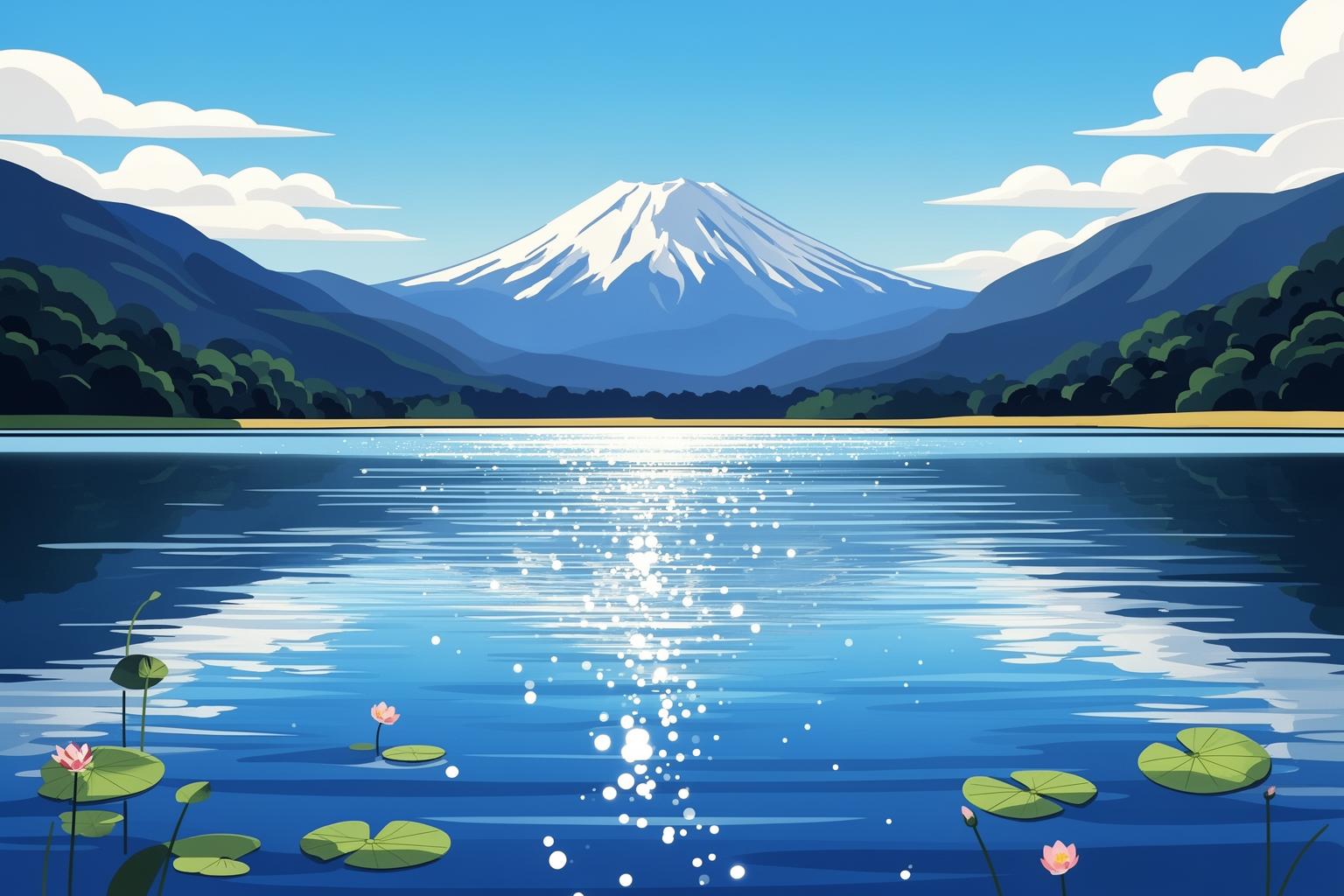
While the town of Itomori draws its spirit from Hida, its most striking feature—the magnificent crater lake that serves as both its lifeblood and its doom—is based on a real lake in neighboring Nagano Prefecture. This is Lake Suwa. The ultimate viewpoint, perfectly capturing the breathtaking panoramic scenes from the film, is from the overlook at Tateishi Park. Reaching this spot takes some effort—it’s either a steep uphill walk or a short taxi ride from the nearest station—but the reward is one of the most sublime views in all of Japan. From this vantage, the vast lake stretches before you, embraced by mountains. The town of Suwa nestles along its shores, its lights twinkling as dusk falls. The sense of scale is truly awe-inspiring. This is the view that completes the pilgrimage. You are literally looking at Itomori. The best time to visit is during “kataware-doki,” or twilight, the magical hour when the film’s most pivotal scenes unfold. As the sun sets, the sky blazes with shades of orange, purple, and deep blue. The sky and lake seem to blend, and the boundary between worlds becomes thin, just as it is for Taki and Mitsuha. It’s a deeply emotional and cinematic experience. Standing there, feeling the evening breeze and watching the city lights come alive, you appreciate the beauty Mitsuha was part of and the profound loss signified by the comet’s impact. Lake Suwa also carries its own rich mythology, including a legend of a dragon god dwelling in its depths, adding an additional layer of resonance to the film’s mystical themes.
A Taste of Place: Culinary Connections
No journey is truly complete without tasting the local flavors, which offer a deeper connection to a place and its stories. The pilgrimage for Your Name. is no exception. In the Hida region, one of the most delightful experiences is enjoying Gohei Mochi. In the film, Taki, while embodying Mitsuha, is seen eating this traditional snack. It’s a skewered rice cake that is pounded, coated with a sweet and savory sauce made from miso, soy sauce, and walnuts, then grilled over charcoal. The result is a treat that’s crispy on the outside, soft on the inside, and full of umami. Seeking out a small street vendor in Hida-Furukawa or nearby Takayama to savor freshly grilled Gohei Mochi is a simple, authentic pleasure that connects you directly to the characters’ experiences. The region is also renowned for its tender and flavorful Hida beef, a must-try for any food lover. In Tokyo, the culinary scene is markedly different. The experience centers on capturing the trendy, stylish vibe of the cafes and restaurants Taki frequents, finding a chic spot in Shinjuku or Roppongi for pancakes or an elaborate parfait, much like Taki and Okudera-senpai might have done. Food on this pilgrimage goes beyond mere sustenance; it offers a taste of the contrast between two worlds—the rustic, traditional flavors of the mountains and the polished, contemporary tastes of the city.
Planning Your Pilgrimage: A Photographer’s Guide

Embarking on this journey calls for some planning to truly savor the experience, especially if you aim to capture its beauty through a camera lens. The logistics form part of the adventure, connecting these various locations into a single, coherent story.
When to Go: Capturing the Seasons
Your Name. is set primarily in late summer and early autumn, so visiting between August and October will offer an experience that most closely reflects the film’s visual style. The lush, vibrant greens of the Hida mountains, the chorus of cicadas in the trees, and the warm, golden light of late afternoon all define this season. However, each season presents its own unique photographic charm. Spring brings cherry blossoms to Tokyo and the Hida region, casting a soft, romantic glow over the scenery. Autumn, from late October through November, ignites the mountains in fiery reds and oranges, adding a dramatic flair to the landscape. Winter covers the Hida region in deep, silent snow, turning it into a stark, serene wonderland that creates a powerful, contemplative mood. Your choice of season will depend on the atmosphere you want to capture, but late summer always feels the most true to the source.
Getting Around: The Journey is the Destination
Traveling between these sites is best done via Japan’s excellent train system. For international visitors, the Japan Rail Pass is an invaluable resource, covering the Shinkansen ride from Tokyo to Nagoya and the subsequent Limited Express Hida train to Takayama, the main gateway to Hida-Furukawa. The train ride itself, especially the segment into the Hida mountains, is a breathtaking part of the pilgrimage. Be sure to secure a window seat to enjoy views of the rushing Hida River and dense forests. Once in the Hida region, Hida-Furukawa is compact and easily explored on foot. Renting a bicycle is also a wonderful way to relax and absorb the local atmosphere at a leisurely pace. Traveling from the Hida area or Tokyo to Lake Suwa involves more train journeys, usually arriving at Kami-Suwa Station. From there, as noted, a taxi is the easiest way to reach Tateishi Park, especially if you intend to stay past sunset. It’s important to view travel time not as a hindrance, but as an integral part of the story—a tangible expression of the distance Taki traveled to find Mitsuha.
A Note on Etiquette and Respect
It’s essential to remember these are not movie sets but real places where people live, work, and worship. The communities of Hida-Furukawa and the vicinity around Suga Shrine have warmly welcomed their sudden fame, but it’s our responsibility as visitors to show respect. When visiting shrines, maintain silence and be considerate of worshippers. At the Hida City Library, follow guidelines and always request permission before taking photos. In residential neighborhoods, keep noise to a minimum and avoid blocking walkways. The most meaningful way to show your appreciation is by supporting the local economy—purchase a snack from a small shop, buy a local craft, or dine at a family-run restaurant. This pilgrimage is a beautiful exchange, and by being a courteous and engaged traveler, you help nurture the positive bond between the story and the real world that inspires it.
Beyond the Frame: Finding Your Own Connection
Traveling from the electric buzz of Shinjuku to the sacred quiet of the Hida mountains is to step into the very heart of Your Name. But such a pilgrimage is ultimately more than a list of locations to photograph. It is an act of translation. You are translating a beloved story from the language of animation into the language of personal experience. You stand where the characters stood, breathe the air they breathed, and see the world through their eyes. In doing so, the story becomes part of your own memory, your own timeline. You feel the vastness of Tokyo that Taki navigated and the deep, tranquil isolation of the mountains that shaped Mitsuha. The concept of musubi, the invisible threads that bind everything together, becomes more than an abstract idea. You sense it in the rumble of the train linking city to countryside. You witness it in the ancient traditions of kumihimo still practiced today. You experience it while standing on the steps of Suga Shrine, a place now forever uniting a fictional story with a real space, connecting fans worldwide in a shared moment of recognition. This journey is not merely about locating the world of the film. It’s about discovering that the magic, the yearning, and the deep sense of connection that made the story so powerful are not just fiction. They are woven into the very fabric of these extraordinary places, waiting for you to uncover them.