
Some stories don’t just end when the credits roll. They linger, woven into the fabric of your own memories, their emotions echoing in the quiet moments of your day. Makoto Shinkai’s Your Name., or Kimi no Na wa., is one such story. It’s a celestial romance that swept the globe, a tale of two souls, Taki and Mitsuha, bound by fate across distance and time. The film is a masterpiece of light, color, and heart-wrenching emotion, but part of its enduring magic lies in a secret whispered to its most ardent fans: its world is real. The bustling neon-drenched streets of Tokyo and the tranquil, tradition-steeped countryside of Itomori are not just figments of an animator’s imagination. They are drawn, with breathtaking fidelity, from tangible places you can walk, breathe, and experience for yourself. This journey, this act of stepping into the frame of a beloved story, is known in Japan as seichi junrei, or a sacred site pilgrimage. It’s more than just tourism; it’s a quest to find the soul of a story in the real world, to feel the same air the characters breathed, and perhaps, to understand their journey on a deeper level. We will trace the threads of connection, the musubi, that tie the urban sprawl of Taki’s life to the spiritual serenity of Mitsuha’s, embarking on a pilgrimage from the heart of Shinjuku to the mystical mountains of Hida.
For those seeking a different dimension in their journey of cinematic pilgrimage, exploring a mystical onsen retreat offers a serene escape into Japan’s enchanting heritage.
The Heartbeat of Tokyo: Taki’s Urban Landscape
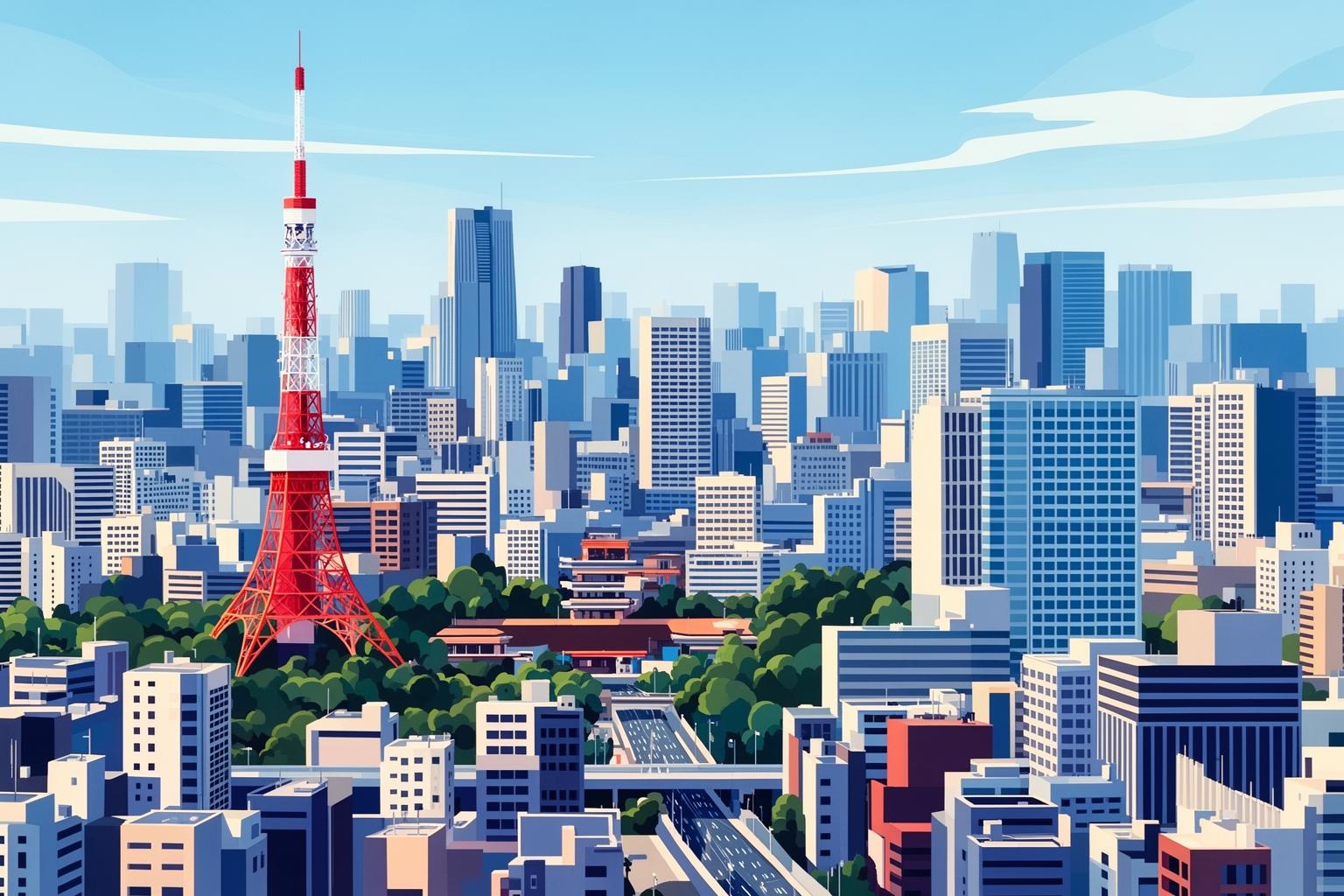
Our pilgrimage begins at the very heart of Taki’s story—in the sprawling, vibrant metropolis of Tokyo. The city in Your Name. is more than just a setting; it emerges as a character itself. It is a landscape of towering heights, where glass and steel capture the morning light, and ceaseless streams of people flow like rivers through concrete canyons. Shinkai masterfully portrays both the overwhelming scale and the intimate solitude of urban life—a place where millions of lives run side by side, occasionally, miraculously, converging. Following Taki’s footsteps through Tokyo means feeling this pulse, seeing the world through his restless, searching gaze.
Echoes in Yotsuya: The Stairway of Destiny
The film’s most iconic location, serving as its emotional anchor, is a simple staircase nestled in a quiet residential neighborhood. Discovering the Suga Shrine steps feels like a pilgrimage in miniature. Emerging from the organized chaos surrounding Yotsuya Station, you drift through narrow streets, the city noises softening into a soothing hum. The neighborhood is unpretentious, dotted with homes and small shops where everyday life quietly unfolds. Then, you round a corner—and there it stands. The unmistakable red handrail, the gentle curve of stone steps, the city skyline glimpsed beyond the buildings. The recognition is immediate and profound. The site feels both more intimate and more meaningful than it appears on screen. Standing at the bottom and looking up, you almost sense Taki’s frantic heartbeat as he climbs. From the top, gazing downward, you feel Mitsuha’s tentative hope. This staircase is infused with the energy of countless what-ifs. Visiting on a peaceful weekday morning lets you savor the atmosphere without interruption. You can linger, feel the breeze, and absorb the film’s climactic weight. It’s not merely a set of steps; it’s a threshold between memory and reality, a testament to the idea that life’s most significant moments often unfold in the most ordinary places.
A Canvas of Glass and Steel: Shinjuku’s Modern Pulse
Shinjuku embodies the Tokyo of global imagination and is where Taki calls home. The film showcases stunning time-lapses of this district, capturing the endless flow of trains, cars, and pedestrians beneath towering skyscrapers. The NTT Docomo Yoyogi Building, with its distinctive clock-tower-like spire, recurs as a steadfast landmark in Taki’s skyline. Experiencing this area doesn’t require a strict itinerary—simply wandering Shinjuku at varying times reveals glimpses of his world. The morning rush hums with determined energy; the midday sun reflects off countless windows; and by evening, the city transforms into a constellation of neon light. For a panoramic vista rivaling the anime’s, visiting the free observation decks atop the Tokyo Metropolitan Government Building is a must. From here, the city stretches endlessly, allowing one to truly grasp the scale of Taki’s domain. For a more intimate experience, one can stop by Cafe La Bohéme Shinjuku Gyoen, the elegant restaurant that inspired Taki’s part-time job setting, Il Giardino delle Parole. Stepping inside, with its lofty ceilings and classic European decor, feels like entering the scene of his date—an oasis of quiet sophistication amidst the city’s relentless pace, a perfect spot to reflect on the journey so far.
A Date with Art and Architecture
Taki’s awkward yet endearing date with his coworker, Okudera-senpai, takes them to another architectural gem of Tokyo: The National Art Center in the fashionable Roppongi district. Even before stepping inside, the building captivates with its sweeping glass facade, a massive, undulating wave that seems to ripple with gentle motion. Inside, natural light floods the cavernous atrium, illuminating two giant concrete cones that house a cafe and restaurant. This is where Taki and Okudera shared their conversation, their voices drifting through the grand, airy space. Visiting the museum offers a dual experience—you are both a tourist admiring world-class architecture and a pilgrim reliving a formative, character-defining moment from the film. The center hosts a rotating roster of major art exhibitions, ensuring that each visit brings something new to explore. It embodies a modern, sophisticated Tokyo—a city of culture and ambition that reflects Taki’s own emerging passions and his journey toward self-discovery.
Whispers of Itomori: In Search of Mitsuha’s Hometown
Leaving behind the electric energy of Tokyo, our pilgrimage takes a dramatic shift as we venture into the heart of rural Japan in pursuit of Mitsuha’s world. The fictional town of Itomori, with its rich traditions, mystical lake, and close-knit community, embodies the soul of the film. Though Itomori does not appear on any map, its spirit was lovingly inspired by the landscapes of the Hida region in Gifu Prefecture. This part of the journey is a purposeful slowing down, a change of pace from the city’s hectic tempo to the gentle, cyclical rhythm of the countryside. It is a journey into an ancient, sacred landscape deeply tied to the themes of tradition and memory that define Mitsuha’s life.
The Gateway to Memory: Hida-Furukawa
The train ride into the mountains is a transition in itself. Concrete gives way to greenery, skyscrapers to soaring peaks. Arriving at Hida-Furukawa Station brings another electrifying moment of recognition. The charming wooden station building, pedestrian overpass, and the very tracks where Taki and his friends stood are all exactly as shown in the film. Hida-Furukawa is the primary model for the inhabited areas of Itomori, and its charm is immediately evident. This is a town that values its history. Traditional white-walled storehouses and dark wooden merchant houses line its streets. Small canals teeming with colorful koi fish run alongside the walkways. Life here moves at a gentle, measured pace. The air is crisp and clean. One of the most important stops is the Hida City Library. When Taki researches Itomori’s history, this is the place he visits. Fans are welcome to enter, and the staff have embraced their role in the pilgrimage by setting up a small section dedicated to the film. Sitting at one of the wooden tables, surrounded by the quiet rustle of turning pages, you can sense Taki’s desperation and determination. It is a powerful moment of connection, a reminder that this fictional quest is rooted in a very real place. The town has fully embraced its cinematic fame, offering pilgrimage maps at the station that guide visitors to minor locations like the bus stop and local snack shops, all while promoting respectful tourism that supports the local community.
The Sacred and the Serene: Shrines of the Mountainside
Mitsuha’s life is deeply intertwined with her family’s shrine. Her duties as a miko, or shrine maiden, are a source of both frustration and profound spiritual connection. The Miyamizu Shrine in the film is a composite, mainly inspired by the Keta Wakamiya Shrine, a short walk from Hida-Furukawa Station, with additional elements drawn from the larger Hie Shrine in the nearby city of Takayama. Visiting Keta Wakamiya Shrine offers a deeply atmospheric experience. You ascend a long flight of stone steps, just as Mitsuha did, passing beneath ancient, towering cedar trees whose branches cast a dappled, ethereal light. Moss clings to the stone lanterns, and the air is thick with the scent of damp earth and wood. It is a place that feels removed from time. Here, you begin to grasp the weight of the traditions Mitsuha carries. The shrine is not just a building; it is a living link to generations past and a focal point of the community’s spiritual life. It is here that the concept of musubi—the invisible threads connecting people, time, and events—feels most tangible. It is the knot in a braided cord, the flow of a river, and the turning of the seasons, all converging in one sacred space.
The Ritual of Kuchikamizake
One of the most culturally specific and pivotal elements of Mitsuha’s story is the ritual creation of kuchikamizake. As a shrine maiden, she chews rice and spits it into a container, allowing the enzymes in her saliva to begin the fermentation process for a sacred sake offering to the local deity. From a modern Western viewpoint, this can seem unusual, but it stems from one of the oldest forms of sake production in Japan, a deeply Shinto act of offering a piece of oneself—one’s spirit and life force—to the gods. In the film, this ritual becomes the ultimate act of musubi. The sake she creates is described as “Mitsuha’s other half.” When Taki drinks it years later at the shrine’s holy site, it reconnects their minds across time and the void of death, allowing him to inhabit her body once more on the day the comet strikes. Understanding the cultural depth of this ritual elevates it from a curious plot device to a profound symbol of sacrifice, memory, and an unbreakable bond that transcends physical existence. It perfectly exemplifies how the pilgrimage deepens one’s appreciation of the story’s intricate cultural tapestry.
The Cosmic Tear: The Lake of Itomori

The visual centerpiece of Itomori, and the stage for its tragic fate, is the beautiful, crater-like lake that embraces the town. This striking landform was directly inspired by Lake Suwa, situated in the neighboring Nagano Prefecture. The journey here is a slight detour from the Hida region, but one that is absolutely essential to complete the pilgrimage. The lake itself is vast and breathtaking from its shores, but to truly appreciate it as it appears in Your Name., you must ascend. The drive up to Tateishi Park overlook offers a stunning, panoramic view that will leave you breathless. From this elevated vantage point, the expansive lake and the surrounding city of Suwa unfold before you, a near-exact reflection of the animated scenery. Standing there, especially as evening falls and the sky begins to blush with the colors of twilight—the kataware-doki—is an experience that feels almost spiritual. You witness the beauty Mitsuha cherished alongside the terrible, cosmic target the comet struck. The real location’s peaceful existence creates a poignant contrast with its fictional counterpart’s destruction, evoking a deep sense of mono no aware, the gentle sadness of fleeting moments. It’s a moment for quiet reflection, gazing over the landscape and contemplating the fragility and beauty of both the real and imagined worlds.
A Pilgrim’s Practical Guide
Embarking on the Your Name. pilgrimage requires some planning, as it covers both a bustling city and a more remote rural area. Nevertheless, Japan’s world-class transportation system makes the journey remarkably smooth and enjoyable.
Navigating Your Journey: From City to Countryside
Tokyo’s sites are best accessed via its highly efficient subway and train network. A Suica or Pasmo card is essential, allowing you to tap and go effortlessly. For the longer trip to the Hida region, the Shinkansen, or bullet train, is the ideal choice. Typically, you take the Tokaido Shinkansen from Tokyo to Nagoya, then transfer to the JR Hida Limited Express line—a scenic route that winds through mountains and alongside rivers until you reach Takayama and Hida-Furukawa. International travelers planning this and other long-distance trips may find the Japan Rail Pass offers great value. It’s advisable to set aside at least two to three days for exploring Tokyo and another two full days for the Hida and Lake Suwa areas, allowing a relaxed pace without feeling rushed.
Etiquette for the Modern Pilgrim
Though these sites have gained fame, it’s important to remember they are not movie sets. Suga Shrine is located in a quiet neighborhood, the Hida City Library serves as a functioning public space, and the shrines remain active places of worship. Respect is key to a successful pilgrimage. Keep your voice low, particularly in residential and sacred areas. Avoid trespassing on private property for a better photo. Always ask permission before taking pictures inside establishments or of local residents. One of the best ways to show appreciation to the communities that warmly welcome fans is to support the local economy. Enjoy a meal at a neighborhood restaurant, buy a souvenir from a small shop, or sample regional specialties such as Hida beef. This turns your visit from mere sightseeing into a positive cultural exchange, helping these places stay welcoming for future pilgrims.
Timing Your Pilgrimage
Japan boasts distinct and beautiful seasons, each offering a unique way to experience these locations. Spring adorns the country with soft pink cherry blossoms, while autumn—the season depicted extensively in the film—paints Gifu’s mountains in fiery reds, oranges, and yellows. The film’s vibrant color palette often feels like a love letter to Japanese autumn. Summer is lush and green but can be hot and humid. Winter covers the Hida region in a thick blanket of snow, creating a quiet, monochrome wonderland with its own stark beauty. Visiting during the shoulder seasons of spring and autumn typically offers the most pleasant weather and stunning landscapes, but visiting off-season can mean fewer crowds and a more intimate connection with these cherished sites.
More Than a Location: The Power of Musubi

Completing a journey through the world of Your Name. reveals that a seichi junrei is much more than simply matching scenes from an anime. It is an act of engagement. It involves understanding the profound reality from which this imaginative story emerged. Standing on that staircase in Yotsuya, you don’t just observe a place; you feel the ache of searching for a name just out of reach. Walking the quiet streets of Hida-Furukawa, you don’t just see a town; you sense the pull of tradition and the yearning for a different life that defined Mitsuha. The pilgrimage itself becomes a form of musubi. It physically links the film’s diverse locations, bridging the distance between Tokyo and Itomori just as Taki and Mitsuha connected their lives. It bonds the fan to the creator’s vision, the fictional story to the real world, and the present moment to the lasting power of a tale. You leave with more than a collection of photos—you carry a deeper emotional resonance, a feeling that the invisible threads uniting all things are, for an instant, beautifully and breathtakingly apparent.