
There are stories that ripple beyond the screen, stories that weave themselves into the very fabric of our world, beckoning us to step inside. Makoto Shinkai’s breathtaking masterpiece, ‘Your Name.’ (Kimi no Na wa), is one such tale. It’s a celestial symphony of crossed stars, body-swapping teenagers, and a love that transcends time and space, all painted with a hyper-realistic brush that makes its world feel tantalizingly real. This film captured the global imagination not just for its heart-wrenching narrative, but for its stunningly accurate portrayal of Japan. From the electric, neon-soaked arteries of Tokyo to the tranquil, whispering mountains of Gifu Prefecture, the world of Taki and Mitsuha exists, waiting to be discovered. This palpable reality has given birth to a modern pilgrimage, a ‘seichi junrei’ as it’s known in Japan, where fans journey to the real-life locations that served as the film’s canvas. It’s a quest to bridge the gap between animation and reality, to stand in the very spots where cinematic magic was born and feel the lingering echoes of a story about connection, memory, and the invisible threads that bind us. This is not just a tour; it is an immersion, an opportunity to walk in the footsteps of characters who feel like old friends and see the world through their eyes. We will trace the path of the comet, starting in the heart of the world’s largest metropolis and venturing deep into the serene landscapes that hold the soul of ancient Japan, searching for our own ‘musubi’—the knot of connection that ties everything together.
To begin this immersive journey, let’s explore the Tokyo locations that inspired the film.
Tokyo’s Urban Dreamscape
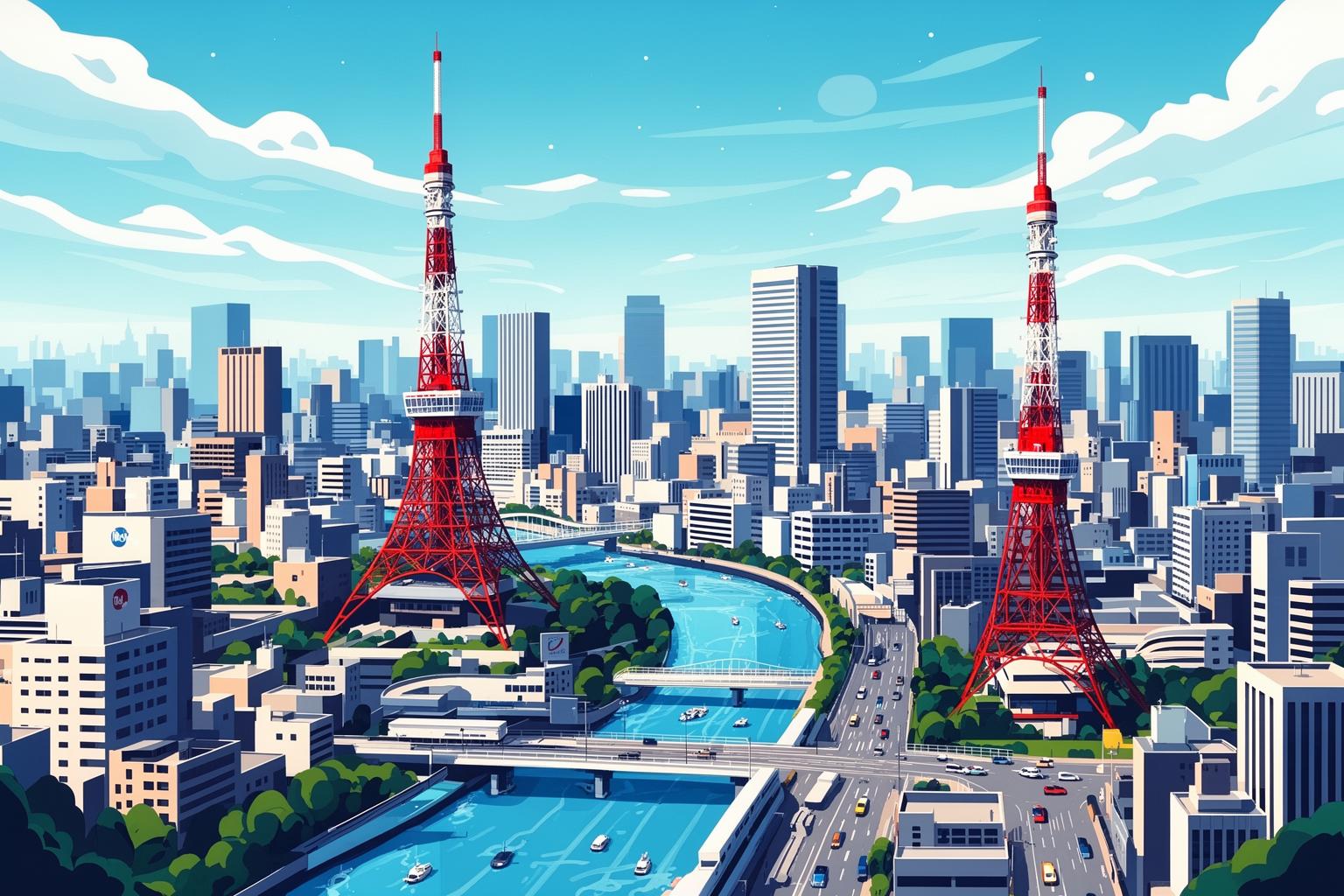
The story of ‘Your Name.’ beats with a dual rhythm, one urban and one rural. Our journey begins where Taki Tachibana lives: Tokyo. Shinkai’s portrayal of the city is far more than a backdrop; it becomes a living, breathing character. It’s a landscape of towering verticality, interwoven train lines, and millions of personal stories unfolding simultaneously. Walking through Shinjuku and Yotsuya brings the film’s scenes to life with remarkable accuracy. The urban experience is a dance between overwhelming scale and intimate, tucked-away corners, perfectly reflecting Taki’s own path of discovery within the vastness of his world. Here, the quest is for cinematic moments hidden within the daily rhythm of a metropolis that never truly sleeps. It’s about finding quiet poetry on a bustling street corner, a panoramic view that takes your breath away, and a simple staircase that holds the weight of a universe-spanning reunion.
The Iconic Staircase: Suga Shrine in Yotsuya
A palpable sense of anticipation arises as you navigate the quiet, modest residential streets of Yotsuya. This neighborhood feels worlds apart from the neon glow of nearby Shinjuku. Then, you round a corner, and there it is: the red-railed staircase leading up to Suga Shrine. For any fan of ‘Your Name.’, this spot is sacred ground. It serves as the setting for the film’s deeply emotional climax, where Taki and Mitsuha, years after the comet, finally reunite with the tear-jerking question, “Your name is?”. Standing at the bottom looking up, or at the top looking down, the scene unfolds vividly in your mind. The angle, the road’s curve, the surrounding buildings—it’s all exactly as Shinkai depicted it. The atmosphere is surprisingly peaceful. You’ll often find fellow pilgrims here, each waiting patiently for their turn to capture their own version of this iconic shot. There is a quiet, shared understanding among visitors, a collective reverence for this small corner of Tokyo that holds immense narrative power. To reach it, take the Tokyo Metro Marunouchi Line to Yotsuya-sanchome Station; from there, it’s a pleasant ten-minute walk. For the most evocative experience, visit in the late afternoon. The golden hour light bathes the scene in a warm, nostalgic glow, reminiscent of the film’s ‘kataware-doki’ or twilight moments, creating a truly magical photo opportunity and a moment of quiet reflection before ascending the steps to the charming local shrine at the top.
Shinjuku’s Concrete Canvases
If the Suga Shrine staircase is the emotional core of the Tokyo pilgrimage, Shinjuku is its expansive, dynamic body. This ward is a microcosm of Tokyo itself, a dazzling fusion of commerce, entertainment, and transit that forms the backdrop to much of Taki’s life. The film masterfully captures both its vast scale and intricate details, transforming familiar urban scenes into moments of profound beauty and significance. Walking through Shinjuku is a sensory overload in the best way, where every glance reveals a potential frame from the movie.
The Pedestrian Bridge of Fate
One of the most recognizable yet easily overlooked locations is a pedestrian bridge near Shinjuku Station. This is where Taki and his stylish coworker, Okudera-senpai, share a conversation after a date. The shot is perfectly framed with the distinctive, pencil-shaped NTT Docomo Yoyogi Building in the background. Discovering this spot feels like uncovering a secret. You’re surrounded by the relentless flow of traffic and pedestrians, yet for a moment, you can pause and inhabit this small cinematic bubble. The view from the bridge is a quintessential Tokyo scene, a web of roads and railways backing a skyline of towering glass and steel. It’s a prime example of how Shinkai elevates the mundane, finding romance in the everyday infrastructure of the city. It reminds us that grand stories often unfold in the most ordinary places.
Shinjuku Station’s Labyrinth
The film flawlessly depicts the organized chaos of Shinjuku Station, the world’s busiest transport hub. Taki navigates its seemingly endless corridors and platforms with local ease, a stark contrast to the overwhelmed amazement Mitsuha feels when she first experiences it in his body. For first-time visitors, the station can be daunting. It is a subterranean city in itself, with dozens of platforms and over two hundred exits. The key is not to fight it but to follow the signs carefully and allow yourself plenty of extra time. Look for signs pointing to the South Terrace, another area featured prominently in the film’s stunning time-lapse sequences of the city. Experiencing the station isn’t just about transit; it’s about immersing yourself in the incredible human flow that defines Tokyo—a river of people moving with precision and purpose, a sight both humbling and exhilarating.
A View from the Top
To truly appreciate the scale of the city Taki calls home, one must see it from above. The restaurant where Taki works part-time, ‘Il Giardino delle Parole’ (a clever nod to Shinkai’s earlier film, ‘The Garden of Words’), is believed to be inspired by Cafe La Bohème Shinjuku Gyoen. However, the breathtaking panoramic views often associated with his workplace better resemble those from an observation deck. The Tokyo Metropolitan Government Building in Shinjuku offers free observation decks with spectacular vistas. For an experience that more closely matches the upscale ambience of Taki’s job, a visit to the Tokyo City View observation deck in the Roppongi Hills Mori Tower is a must. From there, the city spreads beneath you like a glittering tapestry of lights stretching to the horizon. As you gaze out, it’s easy to imagine the comet streaking across the night sky—a beautiful yet terrifying spectacle—and to gain a deeper appreciation for the stunning visual scope of the film.
Gifu’s Whispering Landscapes
Leaving behind Tokyo’s electric energy, our pilgrimage takes a dramatic turn, reflecting the film’s core theme of two lives connected across vast distances. We journey to the heart of Japan, Gifu Prefecture, the region that inspired Mitsuha’s idyllic, fictional hometown of Itomori. Though Itomori itself doesn’t appear on any map, its spirit lives on in the charming, well-preserved town of Hida-Furukawa. Stepping off the train here feels like traveling back in time. The frenetic city pace fades away, replaced by the gentle murmur of canals, the scent of cedar from traditional wooden buildings, and the profound silence of the surrounding mountains. This journey leads into the ‘inaka,’ or Japanese countryside, a realm rich in tradition, nature, and strong community bonds. Here, we seek not towering skyscrapers but the quiet, sacred places that shaped Mitsuha’s identity and hold the key to the town’s mysterious history.
The Heart of Itomori: Hida-Furukawa Station
Your entry point into Mitsuha’s world is, fittingly, a train station. Hida-Furukawa Station is immediately recognizable. It is where Taki and his friends arrive after a long journey, clutching his hand-drawn sketches of Itomori’s landscapes, marking the true start of their quest. The film lovingly replicates the station in detail, from platform signs to the waiting area. Even the unique Hida Beef mascot character, Hidakuro, makes a cameo in the movie and can be seen at the real station. One of the most iconic shots is taken from the pedestrian overpass, looking down at the tracks as the Limited Express Hida train pulls in. Many fans patiently wait for the train to capture this flawless recreation. The station itself is small, welcoming, and serves as the perfect gateway to the town. The slower pace of life immediately becomes evident. It is the first deep breath after the exhilarating rush of the city and the moment you truly step into Mitsuha’s story world. Hida-Furukawa is easily reached via the JR Takayama Main Line, often requiring a transfer at Toyama or Nagoya. The train ride, especially aboard the Wide View Hida, is a scenic marvel, winding through dramatic river gorges and lush mountain valleys, preparing you for the natural beauty ahead.
Echoes in the Old Town: Streets and Structures
Walking from the station into Hida-Furukawa’s center is a captivating experience. The town is renowned for Shirakabe Dozogai, a street lined with white-walled storehouses and temples along a picturesque canal filled with vibrant koi fish. While not an exact filming location, this area perfectly evokes the traditional, preserved ambiance of Itomori. Time seems to flow differently here. The wooden latticework on buildings, the small family-run shops, and the gentle rhythm of the locals all contribute to a sense of stepping into a living history book. It is in this enchanting town that some of the most pivotal scenes of Taki’s investigation take place.
The Hida City Library
A crucial location in Taki’s search is the Hida City Library. It is here, after much fruitless searching, that he and his friends finally uncover the heartbreaking truth about Itomori and the comet. The library is a beautiful, modern building with a warm, inviting wooden interior. Upon entering, the resemblance to the film is striking. The gentle curve of the desks, the arrangement of shelves, and the quality of light streaming through large windows are all faithfully replicated in the animation. The library staff are well aware of their cinematic fame and warmly welcome visitors. They have even established a special section dedicated to ‘Your Name.’, and visitors are allowed to take photos provided they request permission at the front desk and respect other patrons. Sitting in the library, one can feel the tension and dawning horror Taki experienced while piecing together the disaster’s history. It is a quiet, contemplative space that marks one of the film’s most dramatic turning points.
The Taste of Tradition
To truly immerse yourself in a place, you must savor its flavors. The film subtly highlights local culinary traditions, and Hida-Furukawa offers the perfect opportunity to experience them. In one scene, Taki’s group enjoys ‘goheimochi,’ a regional specialty made from pounded rice skewered, coated with a sweet and savory miso-based sauce, then grilled over an open flame. These delicious, comforting snacks can be found at small stalls and shops throughout the town. Tasting one creates a tangible connection to the story. Beyond goheimochi, the Hida region is famed for world-class Hida beef, pristine mountain water producing excellent sake, and simple, hearty mountain vegetable dishes. Taking the time to enjoy a meal at a local restaurant is an essential part of the pilgrimage, adding another sensory dimension to your understanding of Mitsuha’s world.
The Spiritual Core: Miyamizu Shrine
Mitsuha’s life is deeply tied to her family’s role as keepers of the Miyamizu Shrine, a sacred site central to the film’s plot and themes of tradition and cosmic connection. While the Miyamizu Shrine is fictional, its design and atmosphere are heavily inspired by real shrines in the Hida region. The most commonly cited inspiration is Hie Shrine in nearby Takayama, though Ketawakamiya Shrine in Hida-Furukawa shares many core features. Visiting these shrines offers profound insight into the spiritual realm Shinkai so exquisitely depicted. The journey often begins with a long, imposing stone staircase cutting through a forest of ancient, towering cedar trees. As you climb, the sounds of the town fade, replaced by rustling leaves and birdsong. This ascent is a meditative experience, mirroring Mitsuha’s own walks to her family shrine. At the summit, a serene shrine atmosphere awaits, with traditional wooden architecture and sacred ‘shimenawa’ ropes. Here, visitors can reflect on the Shinto beliefs woven throughout the film—the concept of ‘musubi’ connecting all things, reverence for nature, and ancient rituals like the creation of ‘kuchikamizake,’ which plays a vital role in the story. These shrines represent the spiritual heart of the pilgrimage, places where the mystical elements of ‘Your Name.’ feel most vivid and real.
The Pilgrim’s Path: Weaving Your Own Story

Embarking on the ‘Your Name.’ pilgrimage is more than a simple sightseeing trip; it is a carefully crafted journey that reveals two distinct and captivating sides of Japan. It demands thoughtful planning to truly appreciate the contrast and connection between Taki’s Tokyo and Mitsuha’s Gifu. Designing your itinerary is the first step in weaving your personal story into the fabric of the film, creating a trip that serves both as a tribute to the narrative and a unique adventure in its own right. While logistics are important, the mindset you bring—one of openness to discovery and a readiness to look beyond the checklist of locations to the emotions they inspire—is equally crucial.
Planning Your Two-Part Journey
To fully honor this pilgrimage, dedicating several days to the experience is ideal. A balanced itinerary might include three days in Tokyo and two full days in the Hida region. In Tokyo, you could spend one entire day focused on ‘Your Name.’ spots in Shinjuku and Yotsuya, while using the other days to explore the city’s other lively neighborhoods. The key logistical element is the journey between these settings. The most efficient route is the Tokaido Shinkansen (bullet train) from Tokyo to Nagoya—a quick, comfortable trip of under two hours. From Nagoya, transfer to the JR Limited Express Wide View Hida, which brings you directly to Takayama and then on to Hida-Furukawa. This train ride is an experience in itself, featuring large panoramic windows and winding through the Kiso River valley and the towering peaks of the Japanese Alps—a breathtaking shift from urban to natural landscapes. For accommodation, the contrast matters again. In Tokyo, you can choose from numerous modern hotels, whereas in the Hida region, staying at a traditional ‘ryokan’ (Japanese inn) in Takayama or Hida-Furukawa provides a deep cultural immersion with tatami rooms, onsen (hot spring) baths, and exquisite multi-course ‘kaiseki’ meals.
Beyond the Checklist: Capturing the Feeling
It’s easy to treat a ‘seichi junrei’ as a checklist, rushing between photo spots. But to genuinely connect with the spirit of ‘Your Name.’, it’s important to slow down. This journey isn’t just about proving you were there; it’s about soaking in the atmosphere unique to each place. When you reach the Suga Shrine staircase, don’t just snap a photo and leave—sit on the steps for a while and observe the life around you. At the Hida City Library, take time to flip through a book. In the old town, pause by the canal and watch koi fish swim. The magic of Shinkai’s work lies in highlighting the extraordinary within the ordinary. By being present in these settings, you open yourself to feel that same magic. Take note of the small sensory details captured so well in the film: the distinctive sound of train crossing bells, the way sunlight filters through temple tree leaves, the taste of a local delicacy. These nuances transform a trip into a vivid and lasting memory.
Seasonal Splendor: When to Go
Japan’s four distinct and beautiful seasons offer different perspectives through which to experience the world of ‘Your Name.’. Your timing can greatly influence the mood and visual appeal of your pilgrimage, letting you align your visit with your favorite aspects of the film’s imagery.
Spring’s Cherry Blossoms
Visiting in late March or early April lets you witness Japan’s iconic cherry blossom season. Picture the Suga Shrine staircase framed by delicate pink petals or the canals of Hida-Furukawa lined with blooming sakura trees. Spring evokes themes of renewal and fleeting beauty, resonating deeply with the film’s narrative about lost and found memories. The mild weather is perfect for long walks and exploration.
Autumn’s Fiery Hues
The film is suffused with the warm, often nostalgic light of late summer and early autumn. Traveling from mid-October to late November reveals the Japanese Alps ablaze with stunning fall colors. The mountains around Hida transform into breathtaking panoramas of fiery reds, oranges, and yellows. This season aligns beautifully with the film’s wistful tone, especially in its final scenes. The crisp air is ideal for hiking and soaking in onsen, and this period coincides with the spectacular Takayama Autumn Festival.
Winter’s Serene Blanket
For a profoundly peaceful and different experience, consider a winter pilgrimage. The Hida region often receives heavy snowfall, covering the town and mountains in a thick, serene white blanket. Snow-dusted Hida-Furukawa is exceptionally beautiful and quiet, offering a contemplative atmosphere. While some mountain trails may be closed, the main sites remain accessible, and experiencing these familiar places transformed by winter’s hush is unforgettable. It’s an opportunity to see Mitsuha’s world at its most tranquil.
This pilgrimage is an experience that stays with you long after you return home. It’s a testament to storytelling’s power—how animation can create a real, tangible bond between viewers and the world it portrays. To walk in the footsteps of Taki and Mitsuha is to explore Japan’s stunning diversity, from its hyper-modern urban core to its timeless traditional heart. You arrive seeking scenes from a beloved film, but you depart having discovered so much more: the kindness of strangers in a small town library, the breathtaking beauty of a mountain view from a train window, the silent camaraderie of fellow fans on a quiet Tokyo staircase. Ultimately, this journey reaffirms the central message of ‘Your Name.’: that despite vast distances and the passage of time, we are all connected by unseen threads, searching for something—or someone. And sometimes, by following a story’s path, we find a bit more of ourselves.