
There are stories that feel like a dream you can’t quite shake, long after you’ve woken up. They linger, a faint melody of emotion, a whisper of a connection you almost had. Makoto Shinkai’s masterpiece, Your Name (Kimi no Na wa), is one such story. It’s a celestial romance that transcends time, space, and memory, weaving the lives of two teenagers—Taki in bustling Tokyo and Mitsuha in the serene countryside—together with the red string of fate. The film captured the hearts of millions not just for its breathtaking animation and heart-wrenching plot, but for its profound sense of place. The world Taki and Mitsuha inhabit feels achingly real, tangible, and alive. And that’s because, in many ways, it is. From the dizzying urban sprawl of Tokyo to the tranquil, tradition-steeped landscapes of Gifu Prefecture, the world of Your Name is deeply rooted in actual locations across Japan. This is an invitation to step through the screen, to walk the same streets, climb the same stairs, and breathe the same air as the characters we love. It’s a journey known in Japan as seichi junrei, a sacred pilgrimage to the real-world settings of our favorite anime. This is more than a simple sightseeing trip; it’s a quest to find the intersection of fiction and reality, to feel the emotional resonance of a beloved story echo in the tangible world, and to discover the quiet magic that inspired one of the greatest animated films of our time. So, lace up your most comfortable shoes, charge your camera, and let’s go find what we’re looking for.
For a different kind of pilgrimage into the soul of a Ghibli masterpiece, consider a journey to the ancient forests of Yakushima that inspired Princess Mononoke.
The Urban Heartbeat: Tokyo’s Cinematic Landscape
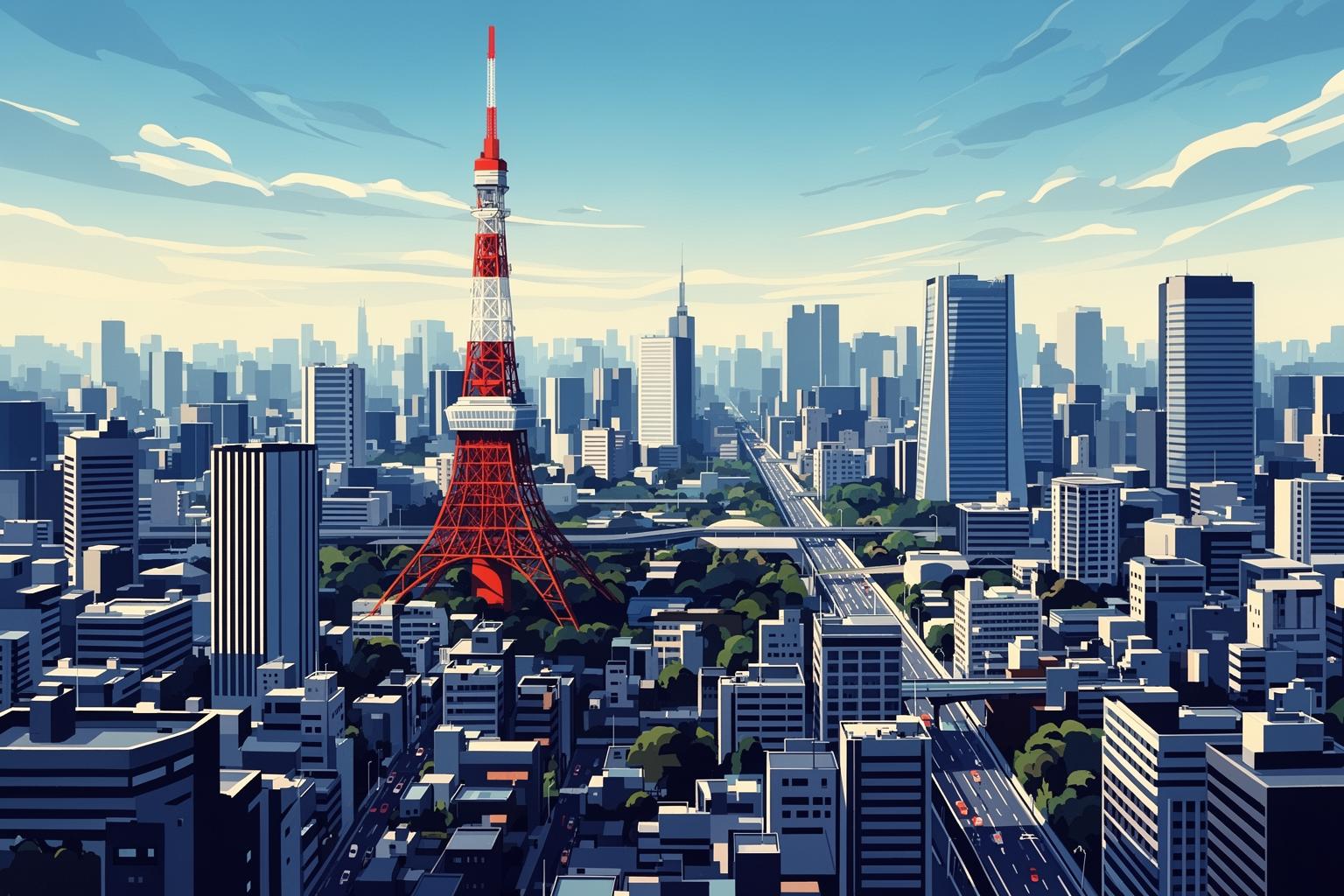
Our journey begins alongside Taki’s, in the vibrant, electric core of Japan: Tokyo. The city in Your Name is far more than just a setting; it acts as a character itself. It’s a dazzling labyrinth of shimmering skyscrapers, intersecting train lines, and faceless crowds—a place filled with endless possibilities yet marked by deep loneliness. Shinkai expertly conveys this duality, capturing the sensation of being a tiny, insignificant part of a vast, interconnected whole. Walking through Tokyo with the film in mind means seeing the city through Taki’s perspective—a canvas of daily rituals, youthful hopes, and a persistent, subtle feeling that something or someone is missing. This segment of the pilgrimage offers a high-energy urban adventure, a treasure hunt unfolding amid the ceaseless hustle of the world’s most populous metropolis. Each spot is a puzzle piece fitting together to reveal a fuller picture of Taki’s life before everything changed. It’s an opportunity to feel the pulse of his world—the unstoppable momentum that sharply contrasts with the tranquil stillness of Mitsuha’s home.
The Iconic Red Staircase: Suga Shrine, Yotsuya
No image is more emblematic of Your Name than the final, breathtaking scene on a striking, red-railed staircase. This is the emotional climax of the film, where two souls, after years of searching, finally reunite. This revered site for fans exists in reality at Suga Shrine, nestled within a quiet residential neighborhood in Yotsuya, a district of Shinjuku. Discovering it feels like uncovering a secret. You leave the main roads, wind your way through narrow streets, and suddenly, there it stands. The view from the top, looking down, perfectly mirrors the shot in the film. The surrounding buildings, the road’s incline, the very atmosphere—everything is impeccably preserved. Standing there feels electric. You can almost hear the movie’s score swelling in your mind. The air itself seems charged with anticipation and nostalgia. This isn’t a bustling tourist hotspot; it’s a tranquil neighborhood shrine. Its real magic lies in its quietness. You can sit on the steps and watch the world go by, feeling the gentle breeze and seeing sunlight filter through the leaves, just as in the anime. For the best experience, visit in the late afternoon. The “magic hour” light bathes the staircase in a warm, golden glow, perfectly capturing the ethereal essence of the film’s final moments. To reach it, take the subway to Yotsuya-Sanchome Station on the Marunouchi Line, then walk about ten minutes. Remember that this is a residential area and a place of worship—keep your voice low and respect the residents and worshippers who call it home. Standing here, you realize the power of Shinkai’s vision: he transformed an ordinary place into one laden with deep emotional significance, turning a simple staircase into a symbol of hope, connection, and the bittersweet relief of rediscovering what seemed lost forever.
A View from Above: The National Art Center, Tokyo
Tokyo’s architectural elegance is another central visual theme in the film, especially evident in the scene where Taki shares a lunch with his refined coworker, Okudera-senpai. The stunning, glass-walled café where they meet isn’t fictional. It’s Brasserie Paul Bocuse Le Musée, a real restaurant on the third floor of The National Art Center, Tokyo, located in the fashionable Roppongi district. The building itself is an architectural marvel, featuring a sweeping, undulating glass facade that floods the interior with natural light. Visiting the center immediately evokes the same sleek, urban sophistication showcased in the film. You can ride the very escalators and look out over the expansive atrium from the identical vantage point. The café perches atop a massive, inverted concrete cone, giving the sensation of dining in a futuristic treehouse. Securing a table at the exact spot where Taki and Okudera sat may take patience and luck, but it’s well worth the effort. The cuisine is superb, yet the true highlight is the atmosphere. It strikes a balance between grandeur and intimacy—a fitting reflection of the sophisticated world Taki aspires to join. The center is easily accessible via Nogizaka Station on the Chiyoda Line, which provides direct entry into the building. Note that the museum is closed on Tuesdays. Even if you don’t dine at the café, the art center itself is a worthwhile destination, featuring world-class exhibitions and an excellent museum shop. This location offers insight into Taki’s life beyond the body-swapping chaos—his part-time job, his crush, and his architectural dreams—anchoring his character in a relatable reality and making his extraordinary journey feel all the more authentic.
Weaving Through Shinjuku’s Concrete Canyons
Shinjuku is the vibrant, overwhelming, and chaotic heart of Taki’s Tokyo. It’s a district filled with towering skyscrapers, neon-lit entertainment zones, and the world’s busiest train station. Several key establishing shots in Your Name are drawn directly from this remarkable urban landscape, and exploring them feels like a whirlwind walking tour through the film’s opening montage.
The Shinjuku Pedestrian Bridge
One of the most memorable early scenes shows Taki crossing a pedestrian bridge as the camera pulls back, revealing a breathtaking cityscape crowned by the iconic, pointed NTT Docomo Yoyogi Building piercing the skyline. This bridge is real, located just a short walk from Shinjuku Station’s South Exit. Standing there, you’re immersed in the city’s symphony: the rumble of trains below, the murmur of crowds, the hum of traffic. It’s an ideal spot to pause and absorb Tokyo’s vastness. The view exemplifies Shinkai’s extraordinary attention to detail, showcasing how the city’s layers of infrastructure—roads, bridges, railways—intertwine in a beautifully intricate dance. It’s a cinematic reality that makes you feel as if you’ve stepped right into a frame from the movie.
Shinjuku Station’s Labyrinth
Though not a single destination, Shinjuku Station is a vital setting. It’s an immense, bewildering maze of platforms and tunnels serving millions daily. The film’s rapid cuts of rushing commuters and train schedules perfectly capture the station’s organized chaos. Navigating it is an experience on its own. Taki would have passed through these gates each day on his way to school and work. As a visitor, you can appreciate how this environment shapes a person, nurturing independence and the skill to handle immense complexity. Don’t worry about getting lost; it’s part of the adventure. Just follow the signs, and you’ll find your way. It’s a real-life immersion into the fast-paced world Taki calls home.
The “LOVE” Sculpture
Briefly shown in a montage, Robert Indiana’s famous “LOVE” sculpture is a well-known Shinjuku landmark situated in front of the Shinjuku i-Land Tower. For decades, it’s been a popular meeting spot for friends and couples alike. Its presence in the film subtly underscores the story’s central theme. Amidst a city of millions and towering, impersonal office buildings, this bright red sculpture stands as a simple yet powerful symbol of connection. Finding it feels like checking a meaningful item off your pilgrimage list. It reminds us that even in sprawling urban settings, pockets of warmth and humanity exist—powerful symbols that bring people together, much like the invisible red thread linking Taki and Mitsuha across distance and time.
Journey to Itomori: The Soul of Gifu Prefecture
Leaving behind Tokyo’s electric glow, our pilgrimage takes a dramatic turn as we follow Taki’s urgent search for Mitsuha into the heart of rural Japan. The fictional town of Itomori—with its mystical lake, ancient customs, and closely knit community—forms the soul of the film. Though Itomori doesn’t appear on any map, its essence was lovingly shaped from the landscapes and atmosphere of the Hida region in Gifu Prefecture. Traveling from Tokyo to Hida marks both a physical and spiritual shift. The sleek Shinkansen bullet train gives way to a charming local line meandering through misty mountains and emerald valleys. The air changes, becoming cleaner and cooler. The city’s frenetic pace fades, replaced by a calm, unhurried rhythm. This is Mitsuha’s world—rich in history, nature, and Shinto spirituality. Stepping off the train here feels like entering the other half of the story, ready to explore the traditions and landscapes that shaped the girl longing for city life.
Hida-Furukawa Station: The Arrival
Taki’s quest truly begins with his arrival at a modest, unassuming train station. Holding up his hand-drawn sketch of Itomori, he and his friends ask locals for any guidance. This is Hida-Furukawa Station, portrayed in the film with remarkable accuracy. From the wooden benches on the platform to the design of the waiting area, every detail is perfectly captured. Standing on the platform, you see the pedestrian overpass where Taki gazed out, and even the taxi stand outside matches the depiction exactly. One charming detail is the presence of Hidakuro, a small cow-like mascot that makes a cameo in the anime. The station has fully embraced its anime fame, with posters and a guestbook for visiting fans. The atmosphere is one of quiet nostalgia. The gentle clatter of the local train’s arrival and departure often breaks the silence, a world apart from the relentless roar of Shinjuku Station. Here, the fiction of Itomori and the reality of Hida truly converge. It’s easy to imagine Taki standing here, filled with hope and anxiety. Hida-Furukawa is accessible via the JR Takayama Main Line from nearby Takayama, a popular tourist destination itself. The station is small and easy to navigate, making it the ideal gateway for your Hida pilgrimage.
The Hida City Library: A Place of Discovery
Among the most beautifully recreated sites in the film is the library where Taki uncovers the heartbreaking truth about Itomori. This is the Hida City Library, a modern, welcoming public space and essential stop for fans. Its interior matches the anime perfectly: the unique geometric wooden beams on the ceiling, the shelf layout, the specific seating area where Taki sits with friends. The library staff are friendly and well aware of the building’s fame, offering a small dedicated display for Your Name. They have a clear policy for visitors — photography requires permission at the front desk and a special lanyard, ensuring fans can take their photos without disturbing locals who come to read and study. Inside, the atmosphere is calm and studious, filled with the soft rustle of pages and the warm scent of paper and wood. Sitting in one of the chairs, you feel the gravity of Taki’s discovery. The library is a place of quiet revelation, a powerful reminder of the importance of community and history—central themes of Mitsuha’s life and her town’s fate. It encourages visitors to appreciate these real-world locations and act as thoughtful guests in spaces meaningful to both the film and the local community.
Exploring Hida-Furukawa’s Old Town
Though the streets of Itomori are fictional, the town’s overall atmosphere—traditional wooden buildings, tranquil canals, and a preserved sense of history—comes directly from Hida-Furukawa’s charming old town. A short walk from the station and library, this area is a joy to explore. The town is renowned for Shirakabe Dozogai, a picturesque street lined with white-walled storehouses and a narrow canal filled with vibrant koi carp. The gentle sound of flowing water and the sight of colorful fish swimming lazily create an ambiance deeply reminiscent of Itomori.
Ajidokoro Furukawa and the Goheimochi
During their search, Taki and his friends stop at a ramen shop to eat and inquire further. While the shop depicted in the film is a blend, fans have identified Ajidokoro Furukawa as a likely inspiration. This cozy local eatery serves regional specialties, including a must-try snack—goheimochi. Seen being eaten by Taki’s friend Tsukasa, goheimochi is a local delicacy made from pounded rice skewered and coated with a sweet and savory miso-walnut paste, then grilled over an open flame. Sampling it offers a delicious sensory connection to the film. The warm, slightly charred rice cake with its rich, nutty sauce delivers an authentic taste of the Hida region—flavors that transport you directly into Mitsuha’s world.
Keta Wakamiya Shrine
Though the Miyamizu Shrine in the film is fictional, its design and spiritual ambiance draw inspiration from several local shrines, notably the Keta Wakamiya Shrine in Hida-Furukawa. Approaching the shrine, visitors climb a long flight of stone steps surrounded by towering cedar trees, evoking the path Mitsuha and her sister would take for their shrine duties. The air cools and quiets as you ascend. The shrine itself is humble and ancient, radiating a deep spiritual energy. Details likely influencing the animators are visible: moss-covered stone lanterns, a wooden prayer hall, and shimenawa sacred ropes. This is a place to slow down and reflect on the deep Shinto traditions woven throughout Your Name—from the kuchikamizake ritual to the belief in musubi, the unseen force connecting all beings. This atmospheric location embodies the spiritual core of Itomori.
The Mystical Heart: In Search of Lake Itomori

At the heart of Mitsuha’s hometown lies the breathtaking, crater-shaped Lake Itomori, around which the entire town is constructed. This beautiful and significant body of water holds the key to the story’s central mystery. While no lake in the Hida region exactly matches its distinctive circular form, the visual inspiration is widely believed to be drawn from a spot in nearby Nagano Prefecture. This final destination is for the truly devoted pilgrim, requiring an additional leg to the journey, but the reward is a view that is utterly stunning.
Lake Suwa in Nagano Prefecture
Lake Suwa is a large, picturesque lake nestled in a valley surrounded by mountains. The most definitive view, closely resembling the panoramic shots of Lake Itomori seen in the film, can be enjoyed from the observation deck at Tateishi Park. This lookout, perched high on a hillside, offers a sweeping panorama of the lake and the town of Suwa lying along its shores. Gazing down from this spot, the resemblance is striking. You can observe the curve of the shoreline, the city lights twinkling at dusk, and the surrounding mountains encircling the water. It’s an awe-inspiring sight that makes you feel as though you’ve discovered the real Itomori. Reaching Tateishi Park can be somewhat challenging. The best way is by car, though a taxi from Kami-Suwa Station is also a feasible option. Planning your visit for sunrise or, more fittingly, sunset is ideal. As the sun sets behind the mountains, the sky bursts into colors and the town’s lights begin to sparkle—a perfect reflection of the “kataware-doki” (twilight) scenes essential to the film’s story. Lake Suwa also boasts its own rich history and mythology, including a winter spectacle where the frozen lake surface cracks and forms a long ridge of ice called “Omiwatari,” or the “God’s Crossing.” This profound connection to nature and legend makes it a fitting real-world counterpart to the mystical Lake Itomori.
A Pilgrim’s Practical Guide
Setting out on a seichi junrei for Your Name is an incredibly fulfilling adventure, but a bit of planning makes a big difference. This pilgrimage stretches from the bustling heart of Tokyo to the tranquil mountains of Central Japan, so preparing for both environments is essential for a smooth and enjoyable trip. Here are some key tips to help you design your ideal journey.
Planning Your Itinerary: Tokyo and Hida
To fully appreciate the Tokyo and Hida sites without feeling rushed, it’s wise to allocate your time carefully. For Tokyo, one to two full days is usually enough. The main spots in Shinjuku and Roppongi are close to each other and can be easily reached on foot or via short subway rides. You might spend one day exploring Shinjuku-area sites like Suga Shrine and the pedestrian bridge, and another half or full day visiting Roppongi and other desired locations. Traveling to the Hida region demands more time. From Tokyo, the trip takes about 4-5 hours by train (Shinkansen to Nagoya or Toyama, then transferring to the JR Takayama Main Line). It’s highly recommended to stay at least one night, preferably two, in the area. This allows a full day to leisurely explore Hida-Furukawa and possibly visit the nearby well-known town of Takayama. If your itinerary includes Lake Suwa, plan for an extra day since it lies in a different direction from Hida. A Japan Rail Pass can offer great value by covering the long-distance travel between Tokyo and the Hida region.
What to Bring and Best Time to Visit
No matter the season, comfortable walking shoes are essential. You’ll be doing a considerable amount of walking in both Tokyo and Hida. In the city, having a reloadable IC card like a Suica or Pasmo is crucial for seamless subway and train travel. For the rural sections of your trip, navigation is vital, so renting a pocket Wi-Fi or acquiring a travel SIM card is strongly recommended due to limited public Wi-Fi availability. The ideal time for this pilgrimage is autumn (October-November). The film itself is set during fall, and the stunning autumn foliage in the Hida region beautifully complements the movie’s atmosphere. The weather is also pleasantly cool and crisp. Spring (April-May) is another great choice, featuring cherry blossoms in Tokyo and fresh greenery in the mountains. Summer in Japan can be hot and humid, especially in Tokyo, which might make long walks less comfortable. Winter, meanwhile, offers its own unique charm, with the chance to see the Hida region blanketed in magical snow.
Etiquette and Respect
It’s important to remember these locations are not movie sets but real places where people live, work, and worship. The lasting popularity of Your Name has drawn much attention to these sites, so being a respectful visitor helps ensure fans will be welcome for years to come. At Suga Shrine and Keta Wakamiya Shrine, keep quiet and unobtrusive. Follow proper shrine etiquette: bow before passing through the torii gate and avoid walking in the center of the path, which is reserved for the gods. At Hida City Library, be sure to ask permission before taking photos and keep your voice low. In the residential areas of Yotsuya and the small town of Hida-Furukawa, respect residents’ privacy by avoiding loud noises or blocking streets. The best way to show your appreciation is by supporting the local community—enjoy a meal at a neighborhood restaurant, purchase a unique souvenir, or try a regional snack. Your positive presence not only benefits the community but also honors the wonderful places that inspired this beloved story.
Beyond the Frame: The Enduring Magic of a Place

Completing a pilgrimage to the sites featured in Your Name is an experience that lingers with you. It goes beyond a mere checklist of photo spots. It’s about gaining a deeper understanding of how a sense of place can shape a story and become etched in our hearts. Standing on the steps of Suga Shrine, you don’t just see a filming location; you sense the weight of Taki and Mitsuha’s long journey and the climax of their struggle against fate. Wandering through the quiet streets of Hida-Furukawa, you don’t just observe a charming town; you feel the warm embrace of the community and traditions that defined Mitsuha’s life. Makoto Shinkai and his team didn’t simply reproduce these places; they captured their essence and soul. They recognized the magic in the ordinary and the poetry in everyday life, and shared it with the world. This journey reminds us that the stories we cherish are deeply intertwined with reality. They emerge from it, inspired by the beauty, loneliness, chaos, and tranquility of the world we all inhabit. As you head home, you carry more than just photographs—you carry feelings. You carry the rhythm of Tokyo’s trains, the taste of Hida’s goheimochi, and the breathtaking view from a mountainside park. You carry the realization that connection can be found anywhere, whether with a character on screen or a stranger on a staircase, all linked by the invisible threads of a shared and beautiful world.