
The air in Tomonoura tastes of salt and time. It’s a gentle, persistent flavor that clings to the dark, weathered wood of the old merchant houses and whispers through the labyrinthine alleys that coil away from the harbor. Arriving here is less a journey and more a transition, a slow exhale into a different rhythm. You feel it the moment you step off the bus from Fukuyama, leaving the hum of the modern city behind for the quiet lapping of waves against a stone-walled port. This is a town preserved in amber, a place where the tide, not the clock, still dictates the pace of life. For centuries, this crescent-shaped harbor on the Seto Inland Sea was a vital sanctuary, a shiomachi no minato—a port for waiting on the tides—where sailors and merchants would rest their ships, waiting for the currents to turn in their favor. That sense of patient waiting still permeates everything. But in recent decades, Tomonoura has become known for a different kind of magic, a cinematic enchantment that has drawn a new generation of pilgrims to its shores. It is a place where history’s ghosts share the cobbled streets with the whimsical spirit of animation. This is the town that famously captured the heart of Hayao Miyazaki, becoming the living, breathing inspiration for his enchanting film, Ponyo on the Cliff by the Sea. Standing on the dock, watching the small fishing boats bobbing in the water, it’s impossible not to see the world through his eyes, to feel the gentle fantasy that lives just beneath the surface of this incredibly real place. It’s a landscape so perfectly cinematic that it also found its way into Hollywood, serving as a backdrop for the gritty samurai action in The Wolverine. Tomonoura is a rare duality: a fiercely authentic remnant of Edo-period Japan and a dreamy, animated world brought to life. It invites you not just to see, but to slow down, to listen, and to wait for its stories to unfold with the turning of the tide.
If you’re inspired to explore more real-world locations from beloved anime, consider embarking on a pilgrimage to the sites featured in “Your Name”.
The Echoes of a Ghibli Seascape
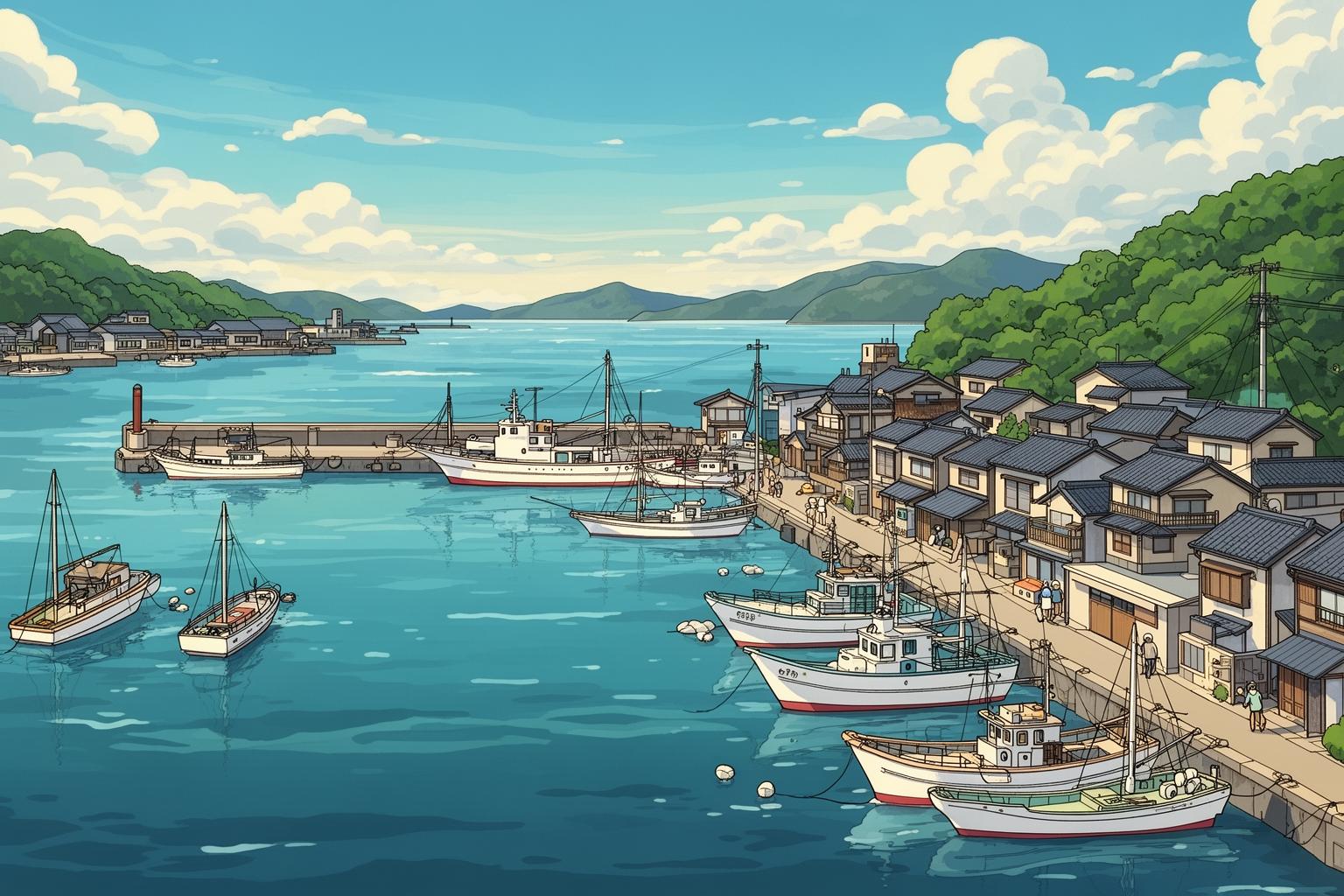
The bond between Tomonoura and Studio Ghibli is far from a mere passing interest; it is a profound, immersive love affair. Hayao Miyazaki and his animation team didn’t simply stop by for a day of research—they stayed for two months in 2005, renting a house overlooking the harbor and soaking in its atmosphere from dawn till dusk. They sketched fishing boats, tangled nets, cats napping on sun-warmed sea walls, and the distinctive curves of the rooftops. The outcome is Ponyo, a film that feels less like a reproduction of Tomonoura and more like its soul rendered in watercolor. For fans of the movie, walking through the town is a constant, delightful experience of déjà vu. The small, sheltered harbor where Sosuke first discovers Ponyo is unmistakably that of Tomonoura. The vibrant fishing vessels, each with a single glowing lamp for night fishing, are identical to those which drift in and out of the port daily. The town itself, with houses precariously stacked up the hillside and linked by a labyrinth of steep, narrow staircases, perfectly mirrors the film’s setting. One can almost picture Ponyo dashing along the stone walls, her red dress a bright splash against the muted blues and grays of the sea. There are no signs proclaiming ‘Ponyo Was Filmed Here,’ and that is part of the charm. The pilgrimage is a quiet, personal journey. It’s about spotting a familiar stone lantern or recognizing the gentle slope of a street. It’s about sensing the atmosphere that Miyazaki captured so brilliantly: the profound link between the people and the sea, the unhurried rhythm of life, and the underlying feeling of a world filled with ancient, watery spirits. Even the locals, many fishermen and artisans whose families have lived here for generations, seem to embody the same gentle, resilient spirit as the film’s characters. The real magic lies not in pinpointing a single filming location but in realizing that the entire town serves as the movie set, its enchanting spirit alive and thriving.
A Harbor Carved by History
Long before it became an inspiration for animators and filmmakers, Tomonoura was a cherished gem of the Seto Inland Sea, its fate rising and falling with the currents. Its strategic position made it an essential center for maritime trade during the Edo period (1603-1868). The unique geography of the sea here creates a tidal phenomenon where eastward and westward currents collide, compelling ships to anchor and wait for favorable tides to continue their journey. This natural pause turned Tomonoura into a thriving, prosperous town. Traces of this golden era remain everywhere, impeccably preserved. The town’s most iconic landmark is the Joyato Lighthouse, a stone and wood tower standing at the harbor’s edge since the 1850s. It is not the towering, powerful beam of a modern lighthouse but a more intimate structure—a beacon that guided countless wooden vessels safely into the harbor’s embrace. It is the tallest surviving harbor lighthouse from the Edo period in Japan and serves as the town’s unmistakable heart. From the lighthouse base, a stone-paved gangi, or staircase, descends directly into the water, allowing boats to load and unload cargo regardless of the tide level. These steps have been smoothed by centuries of footsteps and waves. Moving away from the harbor, you enter a district where time seems to have stopped. The old merchant houses, with their distinctive white and black plaster walls and tiled roofs, line narrow streets. Many of these buildings now serve as cafes, galleries, or small museums, yet their structures remain unchanged. Perhaps the most notable historical event here involved Sakamoto Ryoma, one of the era’s most celebrated samurai. In 1867, the steamship he was aboard, the Irohamaru, collided with a vessel from the Tosa domain and sank just off the coast. The tense negotiations that followed took place right here in Tomonoura. You can visit the very building where Ryoma and his counterparts debated, a space heavy with the weight of history that would soon mark the end of the samurai era. This legacy adds profound depth to the town, infusing a layer of samurai intrigue and political drama alongside its gentler, artistic character.
Navigating the Labyrinthine Lanes
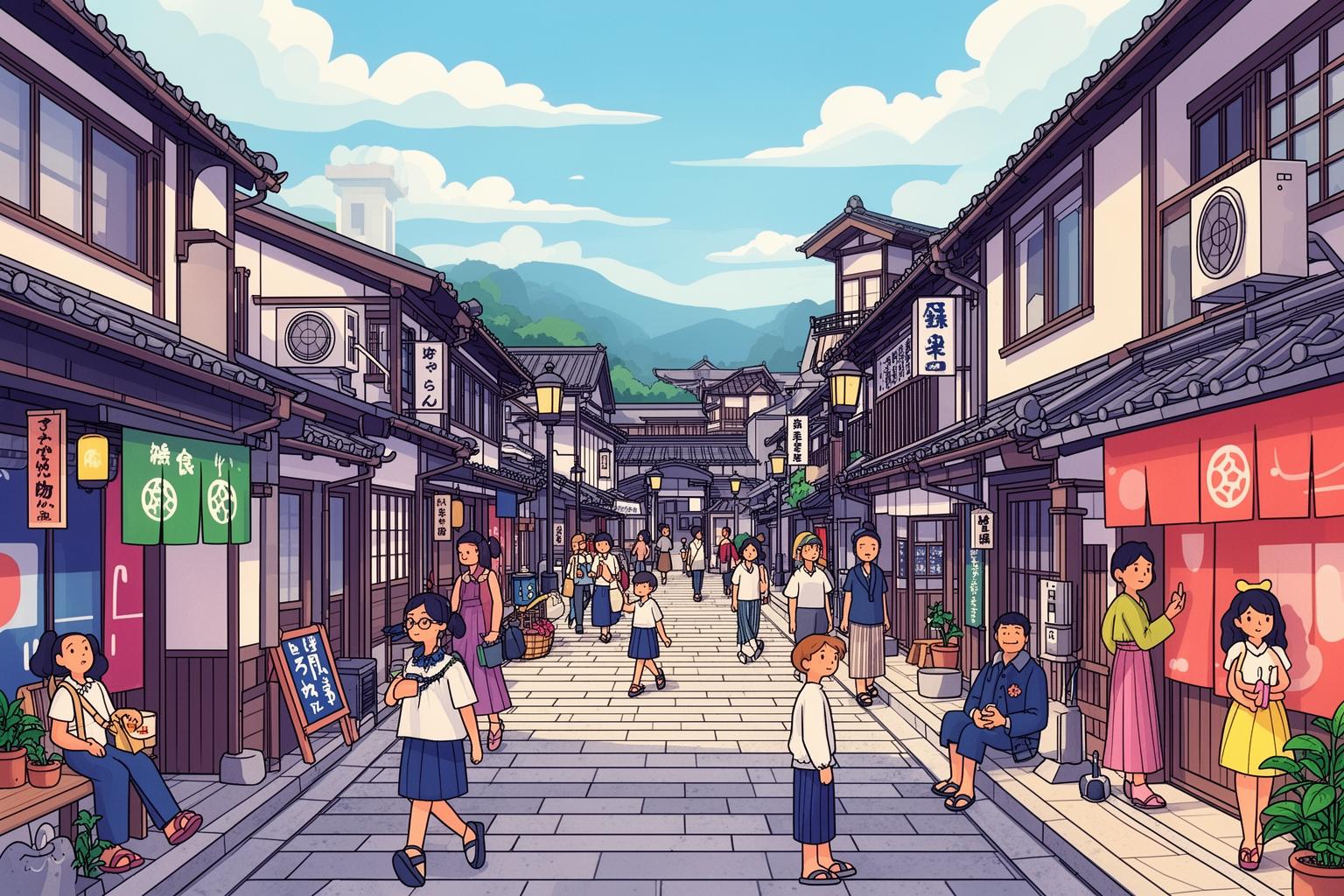
Exploring Tomonoura invites you to wander intentionally. The town is small and designed for pedestrians rather than vehicles, with its greatest charms discovered by simply losing yourself in its maze of alleys. Every corner unveils a new texture, a hidden shrine, or a glimpse of the sea framed by two old buildings. Although the main streets near the harbor buzz with activity, the true spirit of the town lies in the quiet residential paths ascending the hillsides. Here, local life unfolds at a leisurely pace: potted plants line the narrow lanes, laundry flutters in the ocean breeze, and aromas of soy sauce and grilled fish waft from open doorways. This is a photographer’s haven, a place filled with subtle details and serene compositions.
The View from Fukuzenji Temple
Situated on a hill overlooking the harbor, Fukuzenji Temple offers more than spiritual comfort. A brief but steep walk leads to its main hall, yet the real highlight is the Taichoro reception hall. For a small admission fee, you can enter this elegant wooden structure and be greeted by one of Japan’s most famed views. The spacious, open-air room perfectly frames the harbor vista, featuring the iconic Bentenjima Island with its small pagoda and the larger pine-clad Sensuijima Island beyond. So stunning is the view that an 18th-century Korean emissary praised it as the “most beautiful scenic spot in Japan,” a sentiment commemorated on a large plaque in the hall. Sitting on the tatami, feeling the cool water breeze, and gazing out at this living artwork is a meditative experience. The dark, polished wood of the hall naturally frames the vibrant colors of the sea and sky. It’s a moment to pause, breathe, and appreciate why this particular landscape has inspired artists and poets for centuries, capturing the serene beauty of the Seto Inland Sea in one perfect frame.
A Taste of Tradition: Homeishu and Local Delicacies
Tomonoura’s history is preserved not only in its architecture but also in a distinctive, potent liquor known as Homeishu. This medicinal herbal sake has been crafted here for over 350 years, using a secret blend of 16 herbs steeped in sweet mirin and shochu. Believed to promote longevity and vitality, it became a popular souvenir for travelers passing through. Several historic breweries remain active in town, their traditional facades attesting to a long heritage. The Ota Residence, a designated Important Cultural Property, served both as a brewery and an exquisite example of Edo-period merchant architecture. Visitors can tour the home and its adjoining brewery to learn about Homeishu production. Many shops offer tastings, allowing you to savor the sweet, complex, and surprisingly smooth brew. Beyond Homeishu, the town’s culinary scene centers on the riches of the Seto Inland Sea. The local specialty is tai (sea bream), prepared in numerous ways, from sashimi to tai-meshi (sea bream cooked with rice). Small, family-run eateries near the harbor serve exceptionally fresh seafood in simple, flavorful dishes. Dining while gazing at the very waters that supplied your meal is quintessentially Tomonoura. Don’t miss trying local street food such as gasuten, a fried fish cake perfect for a stroll snack.
The Silent Stones of Irohamaru
For those fascinated by Tomonoura’s samurai past, the Irohamaru Museum is a must-visit. Located in a spacious old warehouse by the waterfront, the museum is devoted to the ship Sakamoto Ryoma sailed on when it sank. The atmosphere is evocative—dim lighting and heavy wooden beams evoke a sense of stepping back in time. Inside, relics recovered from the wreck, including pottery, swords, and personal belongings of the crew, are displayed. The museum also features a compelling diorama recreating the underwater shipwreck. While most exhibits are in Japanese, the visual storytelling powerfully crosses language barriers. It provides a tangible connection to a crucial chapter in Japanese history that unfolded right here. The museum doesn’t merely recount the tale of a sunken ship; it captures the dramatic tension of a nation on the edge of great change, with Tomonoura serving as a brief stage for one of its pivotal figures. This adds a layer of historical depth to the otherwise peaceful port town.
Beyond the Shoreline: The Islands of Tomonoura
While the port town itself brims with endless charm, a short and pleasant trip across the water reveals a new facet of Tomonoura. The small, frequent ferry, Heisei Irohamaru, crafted to resemble a historic steamship, makes its way from the main pier to Sensuijima Island in just five minutes. Stepping onto the island feels like entering a natural sanctuary. The air is fresher, the noises of the town give way to the rustling of leaves and the calls of seabirds, and the pace of life slows even more. Sensuijima remains largely undeveloped, a designated national park intersected by gentle hiking trails. A stroll along the coastal path provides constantly changing views of Tomonoura, revealing the town nestled perfectly within its sheltered cove. One of the island’s most striking features is Goshikiiwa, or the “five-colored rocks.” These distinctive coastal rock formations showcase layers of black, red, blue, yellow, and white, a geological wonder adding an unexpected splash of color to the scenery. Trails lead up to lookout points with panoramic views of the Seto Inland Sea and its many islands stretching to the horizon. Spending a few hours on Sensuijima offers a perfect complement to exploring the town—a chance to connect with the raw natural beauty that defines the region, feel the sea breeze on your face, and appreciate the port from a peaceful distance. In spring, the island is sprinkled with cherry blossoms, while in autumn, the foliage provides a warm, colorful contrast to the brilliant blue sea. It’s a simple, refreshing escape that is an essential part of the Tomonoura experience.
Practical Tides: Planning Your Tomonoura Visit
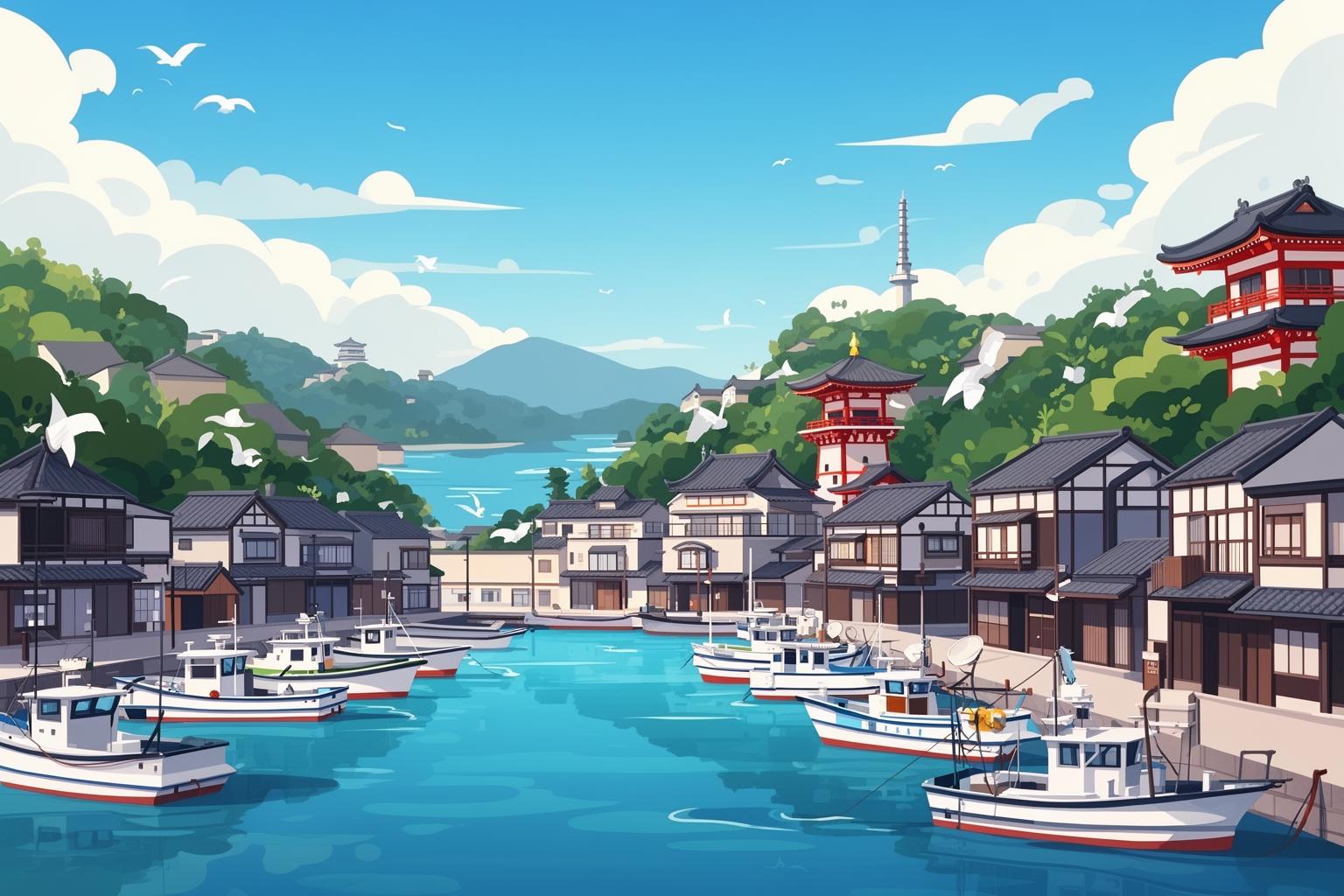
Tomonoura’s relative seclusion adds to its charm, but reaching it requires a bit of planning. The journey itself, however, is part of the experience—a gradual shift from the bustle of modern Japan to the serene past. It’s a destination that rewards those who take their time to arrive and explore at a leisurely pace. Arranging the logistics in advance allows you to fully immerse yourself in the town’s timeless atmosphere once you get there.
Access and Orientation
The gateway to Tomonoura is the city of Fukuyama, a major stop on the Sanyo Shinkansen line, making it easily reachable from major cities like Osaka, Kyoto, or Hiroshima. From JR Fukuyama Station, your trip continues by local bus. Head to bus stop number 5 at the station’s south exit and look for the bus heading to Tomo Port (鞆の浦, Tomo-no-ura). The ride takes about 30 minutes and costs just a few hundred yen. The bus meanders through suburbs before reaching the scenic coastline, giving your first view of the sea. The final stop, Tomo Port, drops you right at the edge of the historic district. From there, the entire town is best explored on foot. In fact, a car is more of a hindrance than help, as many of the most charming streets are too narrow for vehicles. The local tourist information center, located near the bus stop, can provide a helpful map to get your bearings, but the best way is simply to let curiosity lead you.
Timing Your Voyage
Tomonoura is an excellent destination year-round, but spring (March to May) and autumn (October to November) offer the most pleasant weather for walking. The cherry blossoms in spring add a fleeting beauty, while the crisp air and clear skies of autumn highlight the stunning sea views. Summers can be hot and humid, though the sea breeze offers some relief. Weekends and national holidays often bring an influx of domestic tourists, so for a quieter visit, weekdays are ideal. To truly absorb the town’s atmosphere, an overnight stay is recommended. While Tomonoura can be explored on a day trip from Fukuyama or Onomichi, staying in a local ryokan (traditional inn) lets you experience the town’s most magical moments. Early morning, when the harbor is quiet and bathed in soft light, and evening, after day-trippers leave and lanterns begin to glow, are when the town’s true spirit comes alive. An overnight stay turns a simple visit into a deeper immersion.
A Photographer’s Note
For photographers, Tomonoura is a treasure. It’s a town rich in textures, light, and quiet moments. The golden hours at sunrise and sunset are spectacular, unsurprisingly. The low sun casts long shadows down narrow lanes and lights up the harbor’s surface in vibrant color. This is the perfect time to photograph the Joyato Lighthouse and traditional boats. But don’t overlook the midday light; notice how it filters through the latticework of old buildings or creates stark, graphic shadows in the alleys. Focus on details that tell the town’s story: the cracked paint on wooden boats, intricate rooftop tiles, neatly coiled ropes on the docks, or the silhouette of a cat against the sea. Reflections are another key theme. After a rain shower, the wet stone streets form beautiful, mirror-like surfaces, and the calm harbor waters offer distorted, painterly reflections of the town. The key is to slow down. Don’t just pass through the town; stop and observe. The best shots in Tomonoura aren’t always grand vistas but intimate vignettes that reveal its enduring, patient soul.
The Soul of a Town that Waits
Tomonoura is more than just a collection of historic buildings and stunning scenery. It represents a living embodiment of a gentler, more intentional way of life. In an era defined by relentless speed and constant change, this small port town stands as a steadfast link to the past. Its identity is shaped by the act of waiting—waiting for the tide, waiting for the fish, waiting for the seasons to change. This patience has infused itself into the very stones of the town, creating an atmosphere of deep tranquility. It’s this quality that captivated Hayao Miyazaki, evoking a timeless wonder that flows as naturally as the sea’s currents. A visit here offers a chance to step away from the rush of your own life and into this slow, steady eddy. It’s a place to recalibrate your senses, to notice the subtle shift of light on the water, the sound of an oar dipping into the sea, the warmth of the sun on weathered wood. Whether you come pursuing the whimsical ghost of Ponyo, following the footsteps of a legendary samurai, or simply seeking a moment of calm, Tomonoura shares its quiet magic generously. It does not demand your attention; it whispers, inviting you to listen to the stories carried on the salty breeze. It is a town that waits, and it is well worth the journey to wait alongside it for a while.








