
There are films that entertain, films that make you think, and then there are films that weave themselves into the very fabric of your soul. Makoto Shinkai’s 2016 masterpiece, Your Name (Kimi no Na wa), is one such film. It’s a breathtaking story of connection, time, and longing, told through stunningly beautiful animation. But part of its enduring magic lies in a secret that fans across the world have joyfully discovered: its world is real. The bustling streets where Taki navigated his Tokyo life and the serene, traditional landscapes of Mitsuha’s rural home are not mere fantasy. They are meticulously rendered portraits of actual places in Japan, waiting to be explored. This journey, known as seichi junrei or anime pilgrimage, is more than just sightseeing; it’s a way to step through the screen and feel the atmosphere that inspired one of the most beloved animated films of all time. It’s about finding the intersection of fiction and reality and discovering that the heart of the story beats just as strongly in a quiet Tokyo neighborhood or on a mountainside overlooking a tranquil lake. For anyone who has ever felt the film’s emotional pull, this pilgrimage offers a chance to trace the threads of fate, not just for the characters, but for yourself.
For those eager to delve deeper into the film’s real-world allure, exploring Mitaka’s forest museum provides a unique encounter with the magic that bridges fantasy and reality.
Tokyo’s Urban Heartbeat: Tracing Taki’s Steps
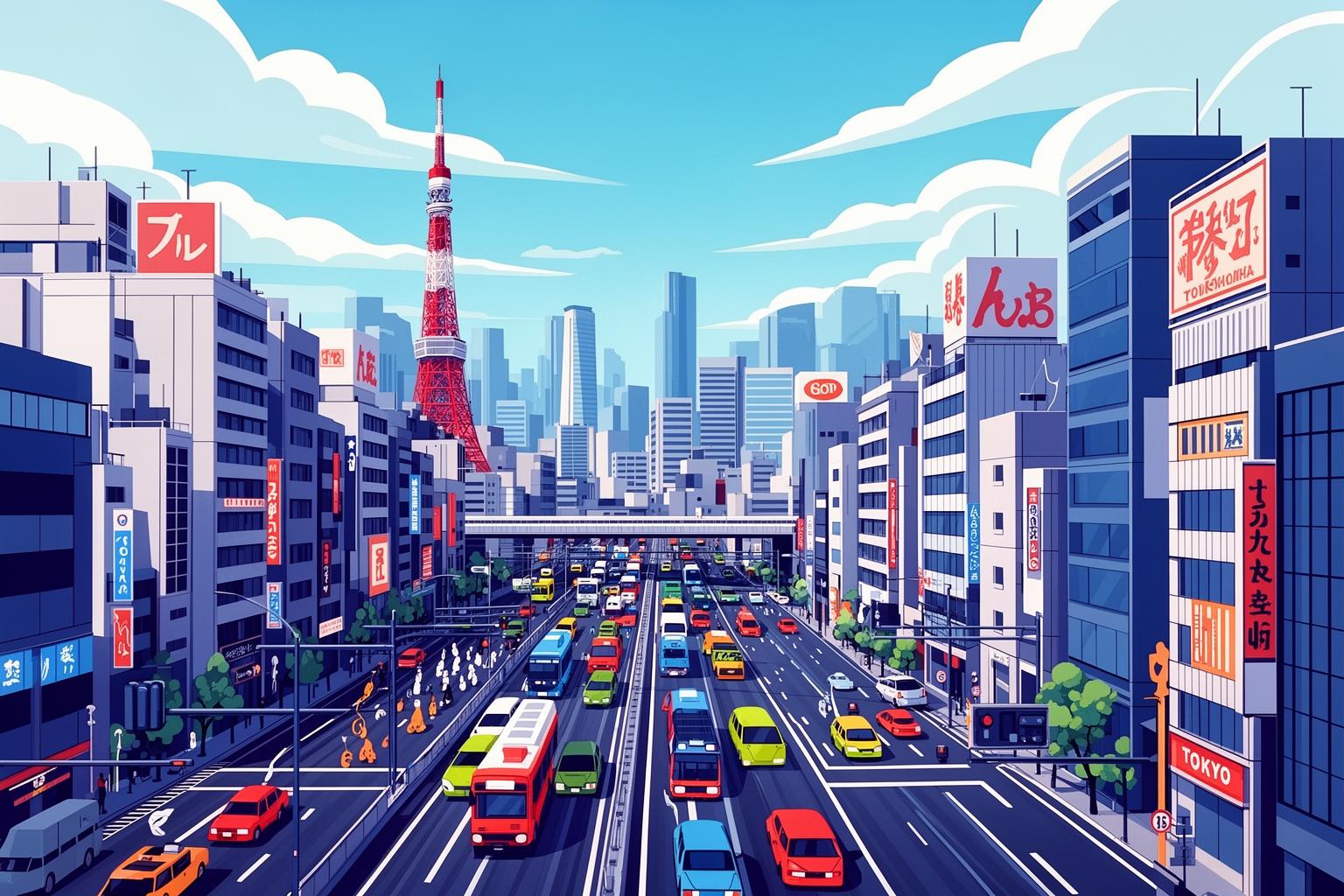
Our journey begins in the vibrant, sprawling metropolis of Tokyo, the concrete and neon world inhabited by Taki Tachibana. The city in Your Name is far more than just a setting; it’s a character in its own right—a place of constant motion, towering skyscrapers, and unexpected moments of calm. Shinkai’s brilliance lies in capturing the overwhelming scale of Tokyo while also highlighting the intimate, human details that make it feel like home to millions. As you walk through these streets, you can almost feel Taki’s life—the rush of his morning commute, the quiet reflection during his after-school job, and the dizzying quest to find a girl he’s never met. This journey calls for comfortable walking shoes and a transit card, but the payoff is an unmatched sense of immersion.
The Iconic Red Staircase: Suga Shrine
No image is more emblematic of Your Name than the final, deeply emotional, yet ultimately hopeful meeting on a flight of stairs. These are the steps of Suga Shrine, nestled in a quiet residential corner of Yotsuya, a district that feels worlds apart from the frantic energy of nearby Shinjuku. Locating them is an adventure in itself. After leaving Yotsuya Station, you’ll meander through narrow streets, passing small family homes and local shops, as the city’s noise gently fades to a soft murmur. Excitement builds with each turn, until suddenly you see it: the gentle curve of the road, green trees framing the view, and the iconic crimson handrails. Standing at either the top or bottom, gazing at the spot where Taki and Mitsuha finally meet, is a profoundly moving experience for any fan. It feels smaller and more intimate than on screen, adding to its charm. The atmosphere is peaceful, broken only by the rustle of leaves or the chime of a passing bicycle. This isn’t a major tourist spot; it’s a neighborhood landmark. For first-time visitors, the best advice is to approach with reverence. Take your photos quietly and be considerate of the residents who live here. The best light is often in the late afternoon, casting long shadows reminiscent of the film’s famous tasogare-doki, or twilight hour, when the boundaries between worlds blur. Afterward, take a moment to visit the actual Suga Shrine at the top of the stairs—a small, charming local Shinto shrine where you can say a prayer and soak up the authentic local atmosphere.
Shinjuku’s Concrete Canyons and Dazzling Lights
If Suga Shrine embodies the story’s quiet, emotional heart, Shinjuku represents its vibrant, electric pulse. This is where Taki lived, worked, and navigated the complexities of his swapped life. Shinjuku Station itself is a universe—an intricate maze of platforms and tunnels, known as the busiest train station in the world. Emerging from its depths, you immediately find yourself in the film’s landscape. Seek out the Shinjuku Shintoshin Pedestrian Bridge, a circular overpass near the West Exit, where a time-lapse shot captured the endless flow of traffic and people. From here, you can sense the relentless rhythm of the city. Another notable site is the Yunika Vision screen, a massive three-panel display overlooking Shinjuku-dori, prominently featured in several city montages. The sheer scale and sensory overload of Shinjuku is exactly as portrayed. For newcomers, the station can be intimidating. A crucial tip is to know your exit number before arrival; signage is abundant but can be overwhelming. Follow signs for the exit closest to your destination, whether it’s the Tokyo Metropolitan Government Building for its free panoramic views—a spot Taki likely knew—or the bustling streets of Kabukicho. The atmosphere here is dynamic and full of energy. While the place is in constant motion, the film captures the small intimate moments—people meeting under a clock, waiting for a train, or gazing up at towering skyscrapers. This contrast is the essence of Tokyo.
A Moment of Calm: The National Art Center, Tokyo
Not all of Taki’s Tokyo is a whirlwind of activity. One of the most elegant and serene locations is the restaurant where he shares a date with his coworker, Okudera-senpai. This is Brasserie Paul Bocuse Le Musée, situated on the third floor of The National Art Center, Tokyo, in the fashionable Roppongi district. The art center itself, with its stunning wave-like glass facade designed by architect Kisho Kurokawa, is a masterpiece. You don’t need an exhibition ticket to access the public atrium or visit the café and restaurant. The exact spot where Taki and Okudera sat is on the tip of the inverted concrete cone that forms the centerpiece of the atrium. Visiting this place offers a distinctly different pilgrimage experience. It’s sophisticated, calm, and bathed in natural light. You can enjoy coffee and pastries at the Salon de Thé Rond on the floor below or indulge in a refined lunch at the brasserie. This offers a chance to slow down and appreciate the modern, artistic side of Tokyo that also shapes Taki’s world. The location is easily accessible via Tokyo Metro, with Nogizaka Station providing direct access. It’s a perfect way to spend an afternoon, blending your anime pilgrimage with a touch of high culture and architectural beauty.
Practical Tips for Your Tokyo Pilgrimage
Getting around Tokyo is remarkably efficient, thanks to its world-class public transport system. To walk in Taki’s footsteps, you’ll mainly use the JR Yamanote Line (which circles the city, stopping at Shinjuku) and the JR Chuo-Sobu Line (which stops at Yotsuya). Purchasing a Suica or Pasmo IC card is essential; you can tap it at gates for trains and subways and even use it at convenience stores. When visiting places like Suga Shrine, keep in mind that morning and late afternoon offer the best lighting for photos and are less crowded. For Shinjuku, the evening is when the district truly comes alive, with neon signs painting the sky in a vibrant palette, perfectly reflecting the film’s dazzling cityscapes. Plan your route ahead, but also allow yourself to wander a bit. Often, the most memorable discoveries lie in the quiet side streets between the famous spots.
Journey to the Countryside: In Search of Mitsuha’s Itomori
The heart of Your Name pulses with the rhythm of two contrasting worlds, and after the sprawling urban landscape of Tokyo, the pilgrimage trail guides us to the serene, traditional scenery that inspired Mitsuha’s fictional hometown of Itomori. Although Itomori doesn’t exist on any map, its essence is deeply embedded in the Hida region of Gifu Prefecture, a mountainous and beautifully preserved area in central Japan. This part of the journey offers an immersive experience into a slower, more nostalgic Japan—a land of wooden houses, clear streams, and rich spiritual traditions integral to Mitsuha’s role as a shrine maiden. The shift from city to countryside is stark yet captivating, providing a richer understanding of the cultural and emotional divide Taki and Mitsuha needed to bridge to be together.
The Soul of Itomori: Hida-Furukawa
Many of the film’s key town scenes were directly inspired by the quaint city of Hida-Furukawa. Arriving at Hida-Furukawa Station is an experience in itself; the charming wooden station building and the pedestrian footbridge where Taki and his friends compared sketches to the real landscape are instantly recognizable. The town has wholeheartedly embraced its connection to the film, with posters and friendly nods to Your Name visible throughout, and the local community warmly welcomes pilgrims. One of the most notable spots is the Hida City Library, a beautiful modern structure with inviting wooden interiors. This is where Taki researches Itomori’s history. The library staff are well aware of their newfound recognition and have designated a photo spot. Visitors are asked to check in at the front desk for a photography permit and to remain quiet and respectful toward other guests. It’s a wonderful example of a community sharing its home with fans. Beyond the library, the true charm of Hida-Furukawa lies in strolling through its streets. The Seto River, with its stone-lined canals teeming with thousands of colorful koi, is incredibly picturesque. The old town is dotted with traditional wooden merchant houses, many functioning as sake breweries or artisan craft shops. One can almost hear Mitsuha and her friends, Tessie and Sayaka, chatting as they walk home from school.
A Welcoming Spirit and Local Flavors
What truly sets the Hida-Furukawa experience apart is its people. Local shop owners are usually eager to talk about the film’s impact on their town, offering a perfect opportunity to support them. Stop by a local restaurant to taste Hida beef, a regional delicacy as renowned as Kobe beef, or try a snack of gohei mochi, a grilled rice cake coated in sweet miso-walnut sauce that Mitsuha enjoys in the film. These sensory experiences create a deeper connection to the place. Visiting Hida-Furukawa feels less like ticking off photo spots and more like stepping into a living, breathing community that vividly resembles a beloved fictional town. For practical planning, consider staying overnight in the nearby city of Takayama, which is larger and offers more accommodations, or book a traditional ryokan (inn) in Hida itself for a fully immersive experience. The journey from Tokyo takes several hours by Shinkansen (bullet train) followed by a local train, so dedicating at least two days to this part of the pilgrimage is ideal.
The Mystical Lake and the Twilight Hour: Lake Suwa
While Hida-Furukawa served as the model for the town of Itomori, the striking, crater-shaped lake central to the film’s story was inspired by a different location: Lake Suwa in Nagano Prefecture. This large, scenic lake is best viewed from Tateishi Park, perched high on a mountainside. Upon arrival, the resemblance is striking—the way the town curves around the water and the lake’s shape feel like a page brought to life from Shinkai’s sketchbook. The view is impressive at any time, but it becomes truly magical during the tasogare-doki, the twilight hour. As the sun sets, both sky and water glow in ethereal shades of orange, purple, and deep blue, mirroring the film’s most pivotal and emotional scenes. Standing there, watching the town lights begin to sparkle below, you can’t help but feel the weight of the film’s themes of time, memory, and cosmic connection. It’s a breathtaking and deeply moving moment. The park itself is simple, featuring an observation deck and a long, winding slide adding a whimsical touch. Reaching Tateishi Park can be challenging; it’s a steep, roughly 45-minute walk from the closest station, Kami-Suwa. Most visitors find it easiest to take a short taxi ride from the station, as drivers are very familiar with the destination. Be sure to arrange a pickup time for your return or obtain the taxi company’s number, since hailing a taxi from the park, especially after dusk, can be difficult. Careful planning rewards visitors with an unforgettable view and a profoundly emotional experience.
Weaving Your Own Story: The Pilgrim’s Experience

A seichi junrei for Your Name is more than just a tour; it is a deeply personal journey that connects you to the art you cherish on a profound level. It’s about feeling the cool breeze at Lake Suwa as twilight falls, hearing the warm greetings of shopkeepers in Hida-Furukawa, and being swept along by the bustling, anonymous crowds in Shinjuku. It involves understanding the underlying Shinto beliefs woven through the film, from the shrine rituals Mitsuha performs to the concept of musubi—the mysterious force that links people and time. This journey lets you recognize the real-world inspirations and admire the exceptional artistry and meticulous attention to detail that Makoto Shinkai and his team infused into every frame.
Planning Your Two-Part Journey
To truly immerse yourself in both Taki’s and Mitsuha’s worlds, plan a trip featuring two distinct phases. The Tokyo segment can be completed in a day or two, fitting easily within a broader Japan itinerary. Traveling to the Hida region and Lake Suwa demands a greater commitment. The most practical way to move between these areas is by train. A Japan Rail Pass can be an economical choice if you intend to take this and other long-distance journeys. A recommended itinerary is to take the Hokuriku Shinkansen from Tokyo to Toyama, then transfer to the JR Takayama Line to reach Hida-Furukawa. After exploring the Hida region, continue from nearby Takayama to Matsumoto, then take a local line to Lake Suwa. This path creates a sensible loop through the Japanese Alps. Be sure to book accommodations in rural places like Hida and Suwa well in advance, especially during peak seasons such as cherry blossom time or autumn foliage. Although this requires some careful planning, the reward of experiencing these two stunningly different areas of Japan is priceless.
The Art of Respectful Pilgrimage
As you set out on this journey, it’s essential to remember that these sites are not movie sets but living communities. The stairs of Suga Shrine are used by locals every day. The Hida City Library serves as a study and reading spot for residents. The towns in the Hida region are people’s homes. The spirit of a genuine pilgrimage is grounded in gratitude and respect. Keep your voice low in residential neighborhoods, ask permission before photographing inside private venues such as libraries or shops, and always take your trash with you. The best way to show your gratitude is by supporting the local economy—buy a local craft, enjoy a meal at a family-run restaurant, or purchase an omamori (good luck charm) from a shrine. By being a considerate and thoughtful visitor, you become a welcomed part of the ongoing story that links this remarkable film with its real-world counterparts, ensuring fans for generations to come can share the same magical experience.
Final Reflections: Finding the Threads of Connection
Tracing the journey of Taki and Mitsuha across Japan is an unforgettable experience. It takes you from the bustling energy of the world’s most populous metropolis to the tranquil heart of its mountainous countryside. You’ll encounter landscapes so faithfully replicated in the animation that you may wonder what is real and what is art. Beyond that, you will sense the essence of the story in the atmosphere of each location. You’ll experience the loneliness and excitement of Tokyo, the warmth and tradition of Hida, and the mystical, timeless beauty of Lake Suwa at dusk. The pilgrimage for Your Name beautifully reminds us that the most fantastical tales are often rooted in the real, tangible beauty of our world. It connects the divide between a story on screen and a memory etched into your own heart, leaving you with a deep appreciation for the film, for Japan, and for the invisible threads that link us all.