
There are stories that feel like a dream you can’t quite shake, long after the credits roll. They linger like the scent of rain on summer asphalt, a melody you hum without realizing, a feeling of searching for someone or something you can’t name. Makoto Shinkai’s masterpiece, “Your Name.” (Kimi no Na wa.), is one such story. It’s a celestial romance that swept the globe, a tale of two souls, Taki in bustling Tokyo and Mitsuha in the tranquil countryside, bound together by fate, a comet, and the invisible threads of time. The film is a visual poem, and its magic lies not just in its breathtaking animation, but in its grounding in real, tangible places. This is where our journey begins—a pilgrimage, or “seichi junrei” as we call it in Japan, to walk the same streets, climb the same stairs, and breathe the same air as the characters we love. We’ll trace the path of their intertwined destinies, from the neon-soaked heart of Tokyo to the whispering mountains of Gifu Prefecture, discovering that the world of “Your Name.” isn’t just a fantasy. It’s a place you can visit, a feeling you can experience, a connection waiting to be found.
For those drawn to the allure of blending cinematic wonder with actual landscapes, exploring real-world inspirations behind other iconic animations can deepen the journey into these resonant sites.
Tokyo’s Urban Heartbeat: Taki’s World
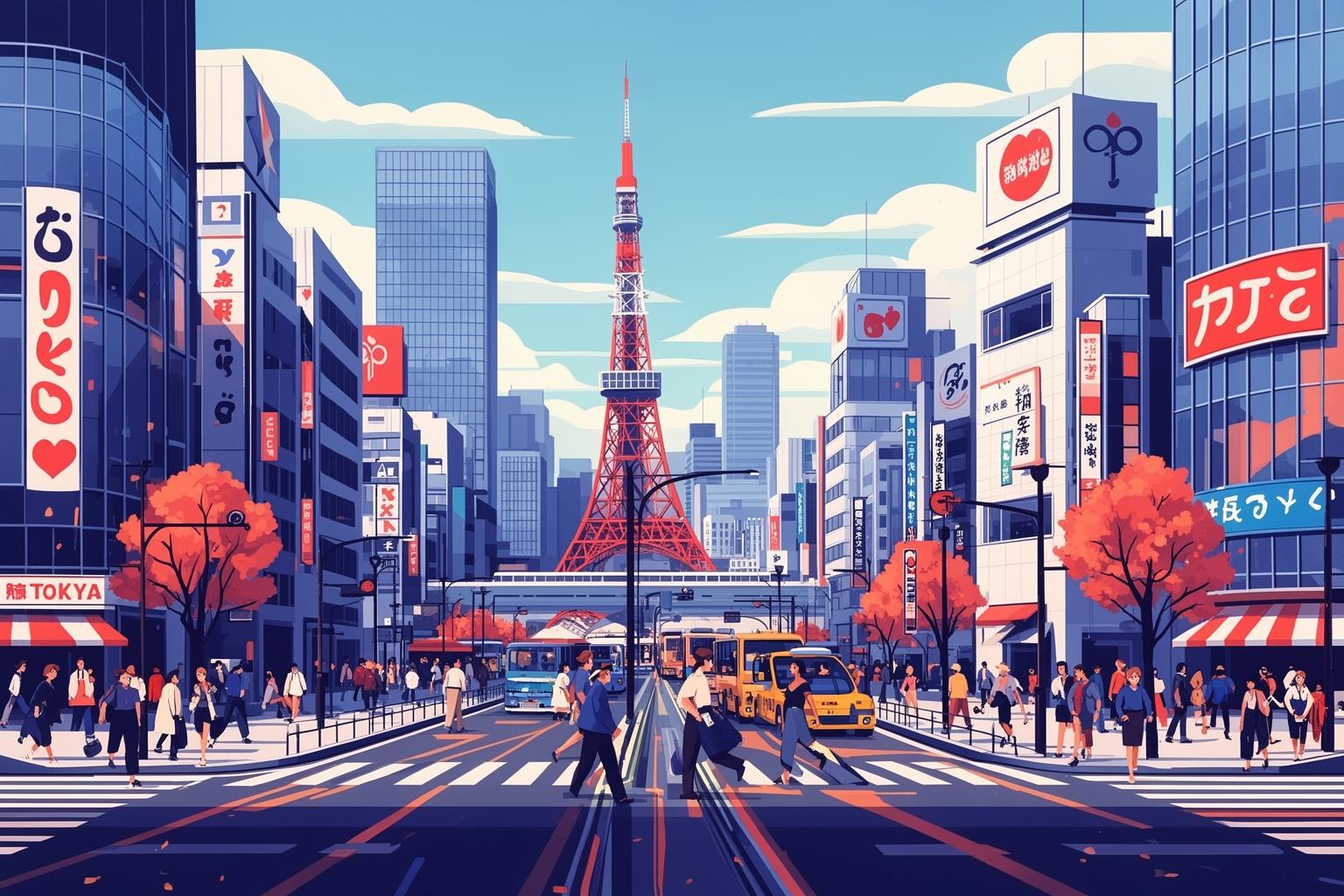
Our story begins in Tokyo, a city that pulses relentlessly like a bullet train. This is Taki Tachibana’s world—a vast metropolis of gleaming glass towers, intricate train lines, and millions of lives intersecting every second. The film captures this energy flawlessly—the dizzying pace, the beautiful anonymity, the feeling that even amidst a crowd, you can feel deeply alone. Yet Shinkai also reveals the quiet moments amid the chaos, the tranquil pockets where fate can unfold. Our journey here isn’t about rushing from one place to another; it’s about sensing that rhythm, the very one that shaped Taki’s days as he sketched skylines and navigated his future, unknowingly connected to a girl far away.
The Iconic Red Staircase: Suga Shrine in Yotsuya
Here it is—the spot every fan dreams of visiting. The climax of the film and the stage for that heart-stopping, soul-stirring question: “Haven’t we met before?” The red-railed staircase leading up to Suga Shrine stands as the emotional heart of the pilgrimage. Reaching it feels like completing a quest. To get here, you’ll travel to Yotsuya, a neighborhood that offers a surprisingly peaceful, residential vibe—a sharp contrast to the bustling centers of Shinjuku or Shibuya. The walk from Yotsuya Station is a pleasant one, winding through quiet streets where the city’s noise fades to the rustle of leaves and distant daily chatter. And then, there it is: the curve of the road, the green canopy overhead, and the iconic staircase. Ascending or descending them, you can’t help but replay the scene in your mind. The sensation is electric—a strange, wonderful blend of nostalgia for a memory that’s not your own. It feels sacred. Since this is a residential area, a gentle reminder: be respectful. Residents live here. Visit during the daytime, keep your voice low, and take photos without blocking the path. The magic of this place lies in its quiet authenticity—the fact that such a monumental movie moment exists in such a simple, beautiful corner of the world. At the top, you’ll find the modest Suga Shrine itself—a peaceful spot to offer a prayer and reflect on your journey.
Crossroads of Fate: Shinjuku and Yotsuya Stations
In Tokyo, train stations are more than just transit points; they are the city’s arteries, pumping life and people through its vast body. They witness hellos and goodbyes, daily commutes and life-altering journeys. “Your Name.” captures this perfectly. Yotsuya Station, with its distinctive crisscrossing tracks and bridges, is where Taki and his senpai, Okudera, part ways after their date. Standing on the pedestrian bridge above the tracks, you sense the constant motion—the overlapping parallel lives unfolding below. It’s a perfect place for reflection. Just a few stops away is Shinjuku Station, the world’s busiest railway station. This is the roaring heart of Taki’s Tokyo. The film shows him navigating its maze-like corridors, a vivid visual metaphor for his fast, sometimes overwhelming life. For first-time visitors, Shinjuku Station can feel intimidating. The best way to experience it is to flow with the crowd. Don’t resist; let the current guide you. Follow the signs, watch the mesmerizing tide of people, and you’ll find the platforms and exits depicted with loving detail in the film. It’s a visceral experience of the scale and energy that define urban Japan.
A Moment of Calm: The National Art Center and Shinjuku Gyoen
Even in a city as relentless as Tokyo, there are pockets of tranquility. Taki and Okudera-senpai’s date highlights two of the city’s best havens. The National Art Center in Roppongi—where Taki supposedly had his part-time job—is an architectural masterpiece. Its undulating glass facade is instantly recognizable. Inside, you’ll find the Salon de Thé ROND, a café perched atop a massive concrete cone that seemingly floats within the atrium. Although the café in the film is a fictionalized rendition, sitting here with a cup of tea, surrounded by light and art, feels deeply cinematic. It’s a place that invites quiet conversation and artistic contemplation, just as it did for the characters. A short train ride away lies Shinjuku Gyoen National Garden, the urban sanctuary where their date continues. For a modest entrance fee, you can leave the concrete jungle behind. The garden is a masterpiece of landscape design, featuring a traditional Japanese garden, a formal French garden, and an English landscape garden. You could easily spend hours here. Explore the greenhouse, wander the winding paths, and rest on a bench overlooking the pond. In these moments of stillness, surrounded by nature with the city skyline peeking through the trees, you connect with the quieter, more introspective side of Taki’s world.
Gifu’s Whispering Soul: Mitsuha’s Itomori
Leaving behind Tokyo’s electric hum, our journey takes a dramatic turn. We board a train and watch as towering skyscrapers give way to suburbs, then suburbs fade into fields, and finally, those fields rise into majestic mountains. Our destination is the Hida region in Gifu Prefecture, the heart of the fictional town of Itomori. While Itomori doesn’t exist on any map, its spirit was lovingly shaped from the real landscapes and towns of this stunning rural area of Japan. This is Mitsuha Miyamizu’s world, a place governed by tradition, ancient customs, and the slow, steady rhythm of nature. The air here feels different—cleaner, quieter, infused with the scent of cedar and the gentle sound of flowing water. This journey is a step back in time to a place where the threads of fate, or “musubi,” seem palpably near.
The Gateway to Itomori: Hida-Furukawa Station
Your entry into Mitsuha’s world begins at Hida-Furukawa Station. The moment you step off the local train onto the platform, you’ll sense it. This is the very station where Taki, Tsukasa, and Okudera-senpai arrive on their urgent quest for Mitsuha. The wooden station building, the quaint footbridge spanning the tracks, and the iconic Hida-gyu cow mascot are all exactly as depicted in the film. The station itself is small and peaceful, worlds apart from the hectic bustle of Shinjuku. It serves as a gentle introduction to the pace of life in Hida. You can almost hear Taki asking locals about Itomori, holding up his carefully drawn sketches. The town of Hida-Furukawa warmly embraces its cinematic connection, often displaying a small exhibit or poster welcoming pilgrims. It’s the ideal starting point for your adventure, a tangible gateway into the heart of the story.
Unraveling the Threads of Time: Hida City Library
A key location in the Hida area is the Hida City Library. This warm, wood-paneled library is where Taki and his friends uncover the heartbreaking truth about Itomori and the comet. The library is just as stunning in reality as it is on screen. Its architecture beautifully blends modern design with traditional Japanese carpentry, for which the Hida region is renowned. Sunlight floods through the large windows, lighting the shelves of books and creating a serene, studious ambiance. It functions as a public library, and the staff are welcoming to fans of the film. However, respect is essential. Photography is generally prohibited without permission. To take photos, you must first request approval at the front desk, where they will provide a pass and expect you to be quick and quiet so as not to disturb other patrons. A small dedicated corner with film-related information and a guestbook for visitors adds to the experience. This simple courtesy—asking permission—makes you a respectful guest rather than just a tourist. It’s a beautiful space holding a pivotal moment in the story, where visiting feels like piecing together the mystery alongside Taki.
Echoes of Ritual: Keta Wakamiya Shrine
Itomori’s spiritual core is the Miyamizu Shrine, where Mitsuha and her sister perform ancient Shinto rituals as shrine maidens. This fictional shrine is a blend inspired by several real sites. The shrine where Mitsuha performs the kuchikamizake ritual is believed to be modeled chiefly on Keta Wakamiya Shrine, a short walk from central Hida-Furukawa. The approach to the shrine is part of the experience—you pass old wooden houses before ascending a long, moss-covered stone staircase lined with towering cedar trees. As you climb, the noise of the town fades, replaced by a deep, solemn silence. The atmosphere feels ancient and sacred, heavy with history. The shrine at the summit is modest yet beautiful, offering a peaceful place for reflection. Standing there, you can easily picture Mitsuha in traditional attire, performing the dance tied to her town’s profound link to the past. For the iconic large torii gate seen in flashbacks, many pilgrims also visit Hie Shrine in nearby Takayama, which is worth a visit on its own and served as another source of inspiration for the film’s artists.
The Taste of Itomori: Local Hida Culture
To truly grasp Mitsuha’s world, immerse yourself in Hida’s culture beyond just visiting film locations. Stroll through the town of Hida-Furukawa and discover the charming Setogawa Canal, where hundreds of colorful koi swim in the clear water running alongside streets lined with traditional storehouses. Seek out a local shop selling Goheimochi—grilled rice cakes on a stick covered with a sweet miso and walnut sauce—that Taki enjoys while waiting for the bus. It’s a delicious, rustic specialty of the area. Most importantly, explore the concept of “musubi” through the local art of Kumihimo, or braided cords. This craft plays a central role in the film’s plot and symbolism. In Hida, you can find shops selling these beautiful cords and even join workshops to learn to braid your own. Crafting a Kumihimo bracelet by hand is a meaningful way to connect with the film’s theme of intertwined destinies. It becomes more than a souvenir; it’s a tangible piece of the story you carry with you.
Bridging Two Worlds: A Pilgrim’s Itinerary

Linking Taki’s Tokyo with Mitsuha’s Hida into one seamless journey forms the ultimate “Your Name.” pilgrimage. While it takes some planning, the experience of moving between their two worlds is deeply rewarding. It lets you sense the distance, contrasts, and the powerful bond that connected their lives. A thoughtfully paced trip lets you soak in the atmosphere of each site without rushing, transforming a simple location-hopping tour into a meaningful adventure.
Crafting Your Journey: How to Plan Your Trip
A natural itinerary for your pilgrimage is to begin in Tokyo and then head to the Hida region. Allocate at least two full days to explore the Tokyo sites. This allows ample time to navigate the city, enjoy a leisurely afternoon in Shinjuku Gyoen, and locate the stairs at Suga Shrine without feeling hurried. Traveling from Tokyo to Hida-Furukawa is an adventure on its own. The most efficient route is to take the Hokuriku Shinkansen to Toyama, then transfer to the JR Takayama Main Line. This scenic local train journey meanders through stunning mountain valleys and alongside rushing rivers, providing a perfect visual and mental shift from urban to rural surroundings. For this kind of multi-city travel, a Japan Rail Pass can be both economical and convenient. Once in the Hida area, plan to spend one to two days. Hida-Furukawa is compact and easily walkable. You might also opt to stay in the nearby, larger town of Takayama, which offers more lodging options and serves as a convenient base for exploring the entire region.
Beyond the Frames: What to Pack and Expect
Comfort is essential for a pilgrimage. Expect plenty of walking, both on Tokyo’s hard pavement and the quaint streets and shrine steps in Hida. A pair of comfortable shoes is your most important gear. When visiting shrines and residential neighborhoods like the area around Suga Shrine, keep in mind these are not just tourist spots but active community spaces. Modesty and respect are crucial. Maintaining a quiet demeanor and taking photos respectfully will be greatly appreciated by locals. Although major cities like Tokyo are very card-friendly, it’s smart to carry enough Japanese Yen in cash, especially when traveling to rural areas like Hida, where some smaller shops and restaurants may only accept cash. Lastly, consider the season in which you visit. Spring in Tokyo offers iconic cherry blossoms that create a magical atmosphere. Autumn cloaks the Hida mountains in vibrant reds and oranges, while winter covers the region with a pristine blanket of snow, lending a serene, tranquil beauty. Each season brings its own unique charm to the landscapes of “Your Name.”
The Enduring Magic of “Musubi”
Exploring the world of “Your Name.” is more than simply ticking off locations from a list. It means actively engaging with its central theme: “musubi.” As Mitsuha’s grandmother explains, this Japanese concept symbolizes the invisible threads that link people, time, and events. It is the intertwining of cords, the flow of the river, the twists of fate. Standing on that staircase in Yotsuya, you sense a connection to Taki and Mitsuha, to Makoto Shinkai, and to the millions of fans worldwide who have been touched by their story. Walking the quiet streets of Hida-Furukawa, you feel the pull of tradition and the echoes of a life experienced only on screen. This pilgrimage bridges fiction and reality, making the magic tangible. You leave with more than photographs—you gain a deeper understanding of the story and the culture behind it. You might even start viewing the world differently, more aware of the unseen threads that bind us, searching for a familiar face in the crowd, and wondering, just perhaps, if you’ve met before.