There are places in this world that feel unstuck in time, where the veil between the present and a more magical past seems whisper-thin. You feel it in the air, a certain weight of history and story that settles on your shoulders like a warm cloak. Dogo Onsen, nestled in the city of Matsuyama in Ehime Prefecture, is one such place. It’s a town where steam rises from ancient springs, where the click-clack of wooden geta sandals echoes on stone-paved streets, and where the silhouette of a grand, multi-tiered bathhouse against the twilight sky can transport you straight into a cinematic dream. For countless travelers and anime pilgrims, that dream is Hayao Miyazaki’s masterpiece, Spirited Away. While Studio Ghibli has never officially confirmed a single location as the sole inspiration for the otherworldly bathhouse run by the witch Yubaba, the Dogo Onsen Honkan stands as its most potent real-world echo—a living, breathing piece of architectural fantasy. But this town’s magic runs deeper than a single film. It’s a pilgrimage site for literary buffs, a sanctuary for those seeking the healing touch of Japan’s oldest hot springs, and a vibrant community that gracefully marries its storied past with a creative present. To visit Dogo is to do more than see a landmark; it’s to step into a narrative that has been unfolding for centuries, and to add your own small chapter to its tale.
For those captivated by the allure of ancient springs and cinematic journeys, exploring the mystical trails of Totoro in Sayama Hills offers another enchanting chapter in Japan’s timeless narrative.
The Grandeur of the Honkan: An Architectural Marvel
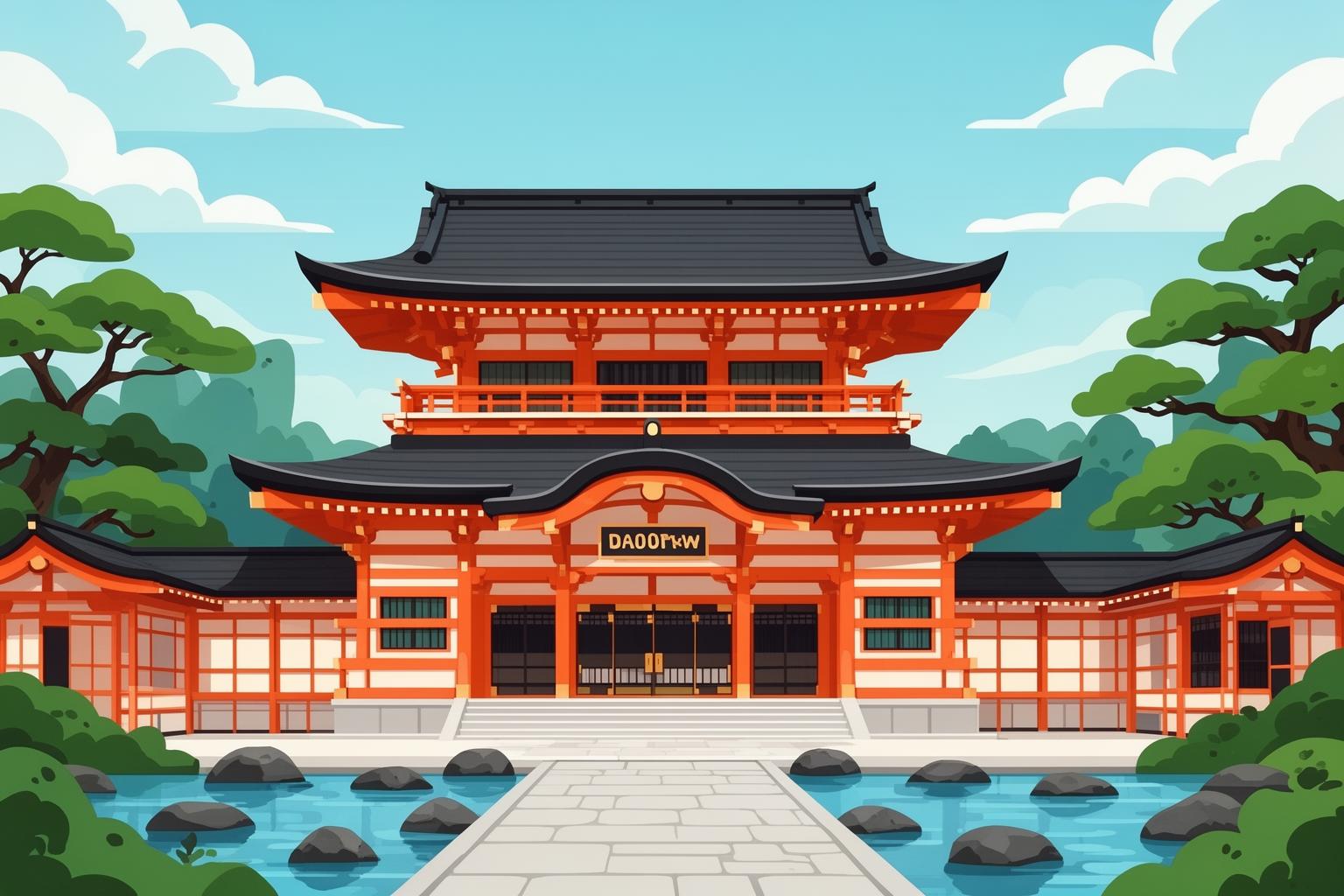
At the heart of Dogo, its unmistakable center, stands the Dogo Onsen Honkan. This splendid three-story wooden building, topped with a distinctive white heron and a taiko drum tower, is a prime example of Meiji Era architecture. Finished in 1894, it was an ambitious public works endeavor during a period of rapid modernization in Japan, yet it was constructed entirely without nails, relying on elaborate joinery techniques handed down through generations of carpenters. The result is a structure that feels both grand and organic, a maze of dark wooden corridors, steep staircases, and spacious tatami-matted lounges. Approaching it, the building appears to watch over the town, its numerous windows and layered rooftops forming a complex, almost chaotic silhouette that seems more alive than static. The air around it carries a faint mineral scent of sulfur, accompanied by the hum of activity. This is not a sterile museum artifact; it remains a working public bathhouse, a vital community center that has welcomed everyone from local farmers to the Imperial Family for over a hundred years.
Echoes of the Spirit World
For fans of Spirited Away, the visual parallels are immediate and captivating. The elaborate network of balconies, the external staircases that seemingly lead nowhere, and the warm glow of red lanterns at night all vividly evoke the chaotic, magical world of Aburaya, the spirit bathhouse. Wandering its corridors, one half expects to glimpse spirits in strange masks or diligent soot sprites scuttling into corners. The experience isn’t about discovering a direct replica but rather sensing the atmosphere that clearly inspired the creative vision. The Honkan’s main bath, the Kami-no-Yu (Bath of the Gods), is a vast granite-and-steam space where the chatter of bathers reverberates off the high ceiling. The water itself, a simple alkaline spring, is soft and soothing, reputed to heal various ailments. For a more exclusive experience, the Tama-no-Yu (Bath of the Spirits) offers a cozier setting, with walls made of exquisite Aji stone. The true historical gem, however, is the Yushinden, a private bathing area built exclusively for the Imperial Family in 1899. Although bathing there is not permitted, tours provide a glimpse of its lavish design, complete with a dedicated throne room and beautifully decorated private quarters, highlighting the height of Meiji craftsmanship.
Bathing Etiquette for the Uninitiated
For first-time visitors, entering a traditional Japanese onsen can be intimidating, but the Honkan is notably welcoming. The experience begins at the entrance, where you buy a ticket for one of several options. The basic ticket grants access to the Kami-no-Yu, while more inclusive tickets cover access to the second-floor public lounge, rental of a yukata (a light cotton robe), and even tea and crackers served after the bath. Once inside, you leave your shoes in a locker and proceed to the gender-separated changing rooms. Here, the fundamental rule of onsen etiquette applies: you must wash thoroughly before entering the bath. Small stools and washing stations are available for this purpose. After rinsing completely, you can finally immerse yourself in the restorative waters. The small towel provided is for modesty while walking around and for washing; it should never be placed in the bathwater. Many people rest it on their head or beside the bath. The experience emphasizes slow, quiet relaxation. After soaking, you can change into your yukata and head up to the tatami lounges. Relaxing there, gazing out over the lively streets below while sipping green tea, is an essential part of the Dogo ritual—a moment of peaceful reflection that completes the experience.
Beyond the Bathhouse: A Town Steeped in Story
While the Honkan remains the main attraction, the town of Dogo itself is a destination well worth exploring. Radiating from the bathhouse is Dogo Haikara Dori, a covered shopping arcade that feels like a festival that never ends. It’s a lively, bustling thoroughfare filled with the sights and scents of local life. Shops offer everything from Ehime’s renowned mikan oranges and citrus-infused products to intricate Tobe-yaki pottery and souvenirs featuring the town’s iconic heron. Food stalls entice with freshly grilled seafood, soft-serve ice cream, and the local specialty Botchan Dango—three small, sweet rice dumplings on a skewer, colored with red bean paste, egg, and green tea. The arcade is ideal for a stroll in your yukata after a bath, an experience that makes you feel less like a tourist and more like part of the town’s daily rhythm. The atmosphere is infectious, blending old-world charm with modern commerce in a cheerful harmony.
In the Footsteps of Soseki
Long before Dogo became linked with anime, it was immortalized in one of Japan’s most cherished novels, Botchan, by Natsume Soseki. Published in 1906, this semi-autobiographical work tells the story of a young, hot-headed teacher from Tokyo who moves to Matsuyama for a new position. He often visits Dogo Onsen to escape the frustrations of his job, and his descriptions of the bathhouse and the town offer a priceless glimpse into Meiji-era life. The town proudly honors this literary heritage. At the entrance to the shopping arcade stands the Botchan Karakuri Clock, a whimsical clock tower that comes alive every hour with animated scenes and characters from the novel. For a truly nostalgic experience, you can ride the Botchan Train, a diesel-powered replica of the original steam train Soseki himself would have taken. The chugging journey along the city’s tram lines from central Matsuyama to Dogo Onsen station is a charming, rattling trip back in time.
Modern Art and Ancient Springs
Demonstrating its dynamic nature, Dogo refuses to be merely a historical relic. The town has enthusiastically embraced contemporary art, most notably through the Dogo Onsenart festival, which periodically transforms the entire area into a living gallery. Artists from Japan and around the world create installations in hotels, shops, and public spaces, fostering a fascinating dialogue between the ancient and the avant-garde. A lasting outcome of this creative energy is the Dogo Onsen Annex, Asuka-no-Yu. Opened in 2017, this stunning bathhouse is a modern reinterpretation of the onsen experience, with architecture inspired by Japan’s Asuka Period (538-710). It features open-air baths, private bathing rooms decorated by traditional artisans, and a spacious tatami lounge where projection mapping displays bring Ehime’s legends to life. Visiting both the Honkan and Asuka-no-Yu provides a captivating contrast, illustrating how a timeless tradition can be both preserved and reinvented.
A Practical Guide to Your Dogo Pilgrimage
Planning a trip to Dogo is fairly simple, as Matsuyama is a well-connected and easily accessible city. The journey can be part of the experience, offering scenic views of the Seto Inland Sea and the lush landscapes of Shikoku Island. Upon arrival, the town is compact and walkable, encouraging leisurely exploration and spontaneous discoveries.
Getting to Matsuyama and Dogo Onsen
The easiest way to reach Matsuyama is by air or rail. Matsuyama Airport (MYJ) operates frequent domestic flights from major cities like Tokyo (Haneda), Osaka (Itami), and Fukuoka. From the airport, a limousine bus takes about 40 minutes for a direct and comfortable ride to the Dogo Onsen area. For travelers with a Japan Rail Pass, the trip involves taking the Shinkansen (bullet train) to Okayama, then transferring to the JR Shiokaze Limited Express train, which brings you directly to JR Matsuyama Station in roughly 2.5 hours. The train journey itself is scenic, crossing the Great Seto Bridge and offering panoramic views of the sea and its many islands. From JR Matsuyama Station or downtown, the best way to get to Dogo Onsen is by the Iyotetsu streetcar. This charming tram system is a local symbol, and the ride to the terminal stop at Dogo Onsen takes about 25 minutes. It’s a slow, picturesque trip that reveals the cityscape gradually giving way to the historic charm of the onsen town.
Timing Your Visit: Seasons and Crowds
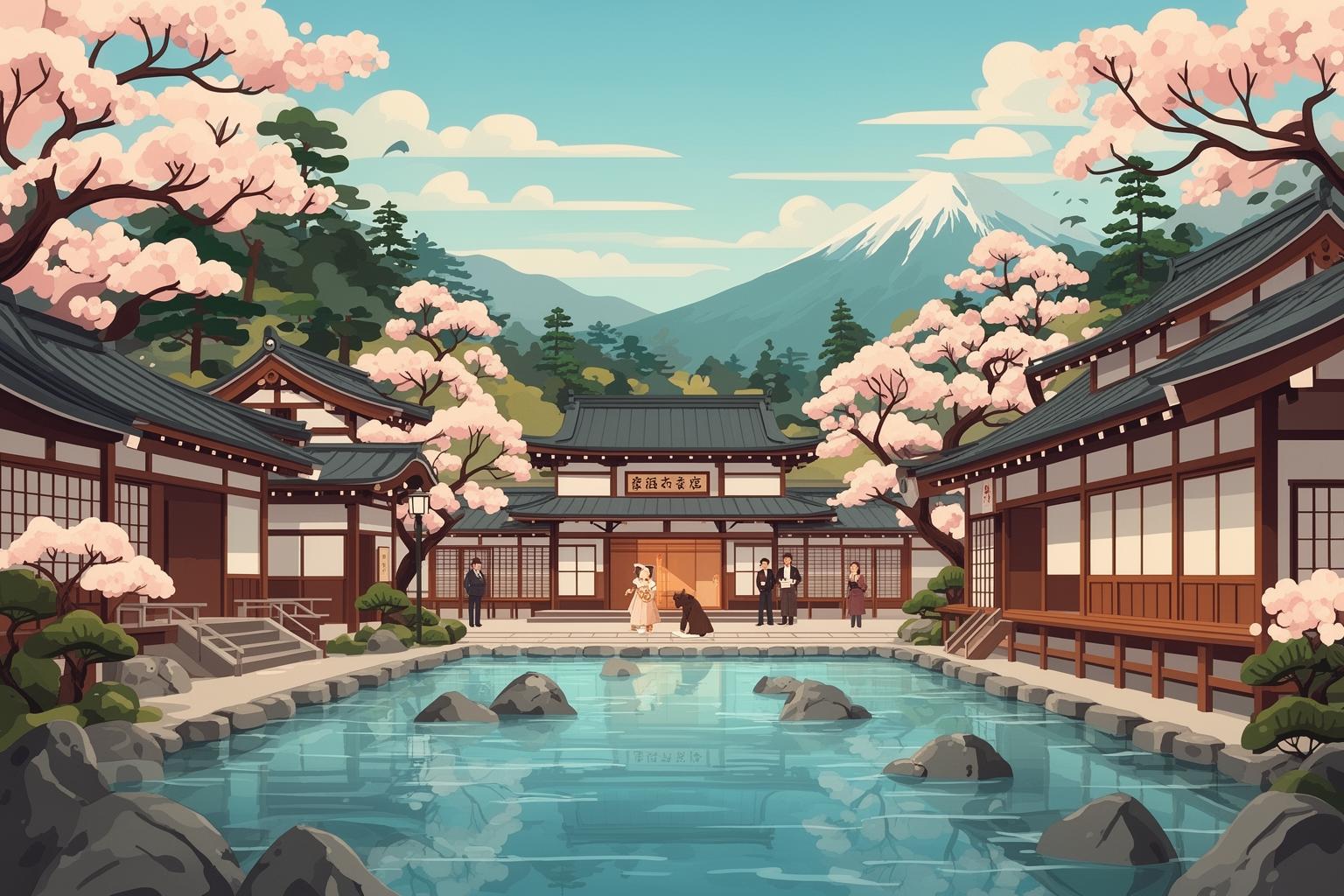
Dogo is beautiful all year round, but spring and autumn are especially remarkable. In late March and early April, cherry blossoms bloom in Dogo Park and around Matsuyama Castle, creating a stunning landscape. The weather is mild and pleasant, ideal for strolling in a yukata. Autumn, from October to November, offers comfortable temperatures and striking fall foliage, painting the hills with vibrant reds and golds. Summer can be hot and humid, but the town’s magical evening atmosphere after sunset is unforgettable. Winter tends to be cooler but generally mild, and soaking in a hot spring on a crisp day is an especially rewarding experience. Dogo is a popular spot for domestic tourists, so weekends and national holidays like Golden Week (late April to early May) and Obon (mid-August) can be crowded. For a quieter visit, aim for a weekday. Evenings are arguably the best time to enjoy Dogo, as the Honkan and surrounding shops are lit by lanterns, casting a warm, nostalgic glow over the town.
Where to Stay and What to Eat
For a full onsen experience, staying at a traditional ryokan in the Dogo area is highly recommended. Many inns offer guests yukata and geta sandals, inviting them to explore the town in traditional dress. These ryokan often have their own exquisite onsen baths and serve elaborate kaiseki dinners highlighting the finest local Ehime cuisine. The region is renowned for its seafood, especially sea bream (tai). Be sure to try tai-meshi, a flavorful rice dish cooked with whole sea bream, available in two regional styles. Ehime is also known as Japan’s citrus kingdom, where mikan oranges and their products abound—from fresh juice and jams to citrus-flavored sweets and even beer. At the Dogo Haikara Dori arcade, you can taste Jakoten, a fried fishcake considered local soul food, as well as the famous Botchan Dango. Don’t miss the chance to relax in a café and enjoy some people-watching.
The Intangible Magic of Dogo
Beyond the renowned buildings, historical ties, and practical information lies the intangible spirit of Dogo—the unique atmosphere of the place. It’s a sensory experience that lingers long after you’ve left. It’s the sound of the Toki-daiko, a large taiko drum housed in the tower of the Honkan, struck at 6 a.m., noon, and 6 p.m., its deep boom resonating through the town and marking the passage of time. It’s the sensation of the mineral-rich water on your skin, incredibly soft and revitalizing, offering a tangible connection to the earth’s ancient, deep warmth. It’s the sight of families and couples strolling in their yukata during the evening, their faces softly lit by paper lanterns, creating a scene of simple, timeless happiness. It’s a place that invites you to slow down, disconnect from the hectic pace of modern life, and reconnect with a simpler, more communal way of living.
A Moment of Contemplation
To escape the hustle around the onsen, a brief walk up a steep hill will bring you to Isaniwa Shrine. This beautiful Hachiman-style shrine, with its vibrant red-lacquered corridors, offers a sweeping view of the town and the city of Matsuyama beyond. It’s a serene spot for quiet reflection, away from the crowds. Nearby, Dogo Park, located on the former grounds of Yuzuki Castle, provides a calm green space for a stroll. The park features remnants of the old castle moat and earthen walls, as well as a museum dedicated to the samurai clans who once governed the region. These sites add another rich layer to Dogo’s historical fabric, reminding visitors that this area has long been a center of spiritual, political, and cultural significance.
An Invitation to Timeless Japan
Dogo Onsen is more than just a destination; it is an experience that reveals itself in layers. You might come here captivated by the charm of an animated film, eager to step into the world of your imagination. You might arrive as a literary pilgrim, following in the footsteps of a celebrated author. Or you may simply seek the deep relaxation that only a 3,000-year-old hot spring can offer. What you will discover is a place that honors all these stories and more. It stands as a testament to the lasting power of tradition, where history is not confined to museums but lived and felt in the streets every day. To dip your feet in the public footbaths, share a laugh with strangers in the communal waters of the Honkan, or stroll along lantern-lit streets in a simple cotton robe—these moments capture the true magic of Dogo. It is an invitation to step out of your own world and into a tale that is both distinctly Japanese and universally human, a story of healing, community, and the simple, profound joy of a long, soothing soak.