
There’s a feeling that pulses at the heart of Makoto Shinkai’s masterpiece, Your Name.—a vibrant, shimmering thread of connection that stretches across time, distance, and even dreams. It’s a feeling of musubi, the intricate knot of fate that binds two souls together. For years, viewers have been captivated by the story of Taki and Mitsuha, their lives intertwined by a celestial event, their hearts searching for a memory just out of reach. We watched them navigate bustling Tokyo and the serene, fictional countryside town of Itomori. And while Itomori may be a work of imagination, its soul, its very heartbeat, is real. You can find it breathing quietly in the mountain-cradled town of Hida-Furukawa, nestled deep within Gifu Prefecture. This isn’t just a film location; it’s a pilgrimage site, a place where the barrier between animation and reality feels beautifully, breathtakingly thin. It’s where the soft-spoken charm of rural Japan meets the powerful emotional current of a global phenomenon, inviting travelers and dreamers to step through the screen and find the magic for themselves. Here, the search for a person becomes a journey into a place, and a place becomes a memory you feel you’ve always known.
For those whose hearts beat to the rhythm of cinematic pilgrimage, exploring the quintessential allure of Hida-Furukawa can offer an even deeper connection to its magic.
The Soul of Itomori: Stepping into the Frame
The moment you step off the train at Hida-Furukawa, a deep sense of déjà vu sweeps over you. It’s an eerie sensation, the kind that raises the hairs on your arm, whispering that you’ve been here before. The air is sharp and fresh, carrying the scent of cedar from the surrounding mountains and a faint, sweet hint of woodsmoke. For fans of Your Name., this isn’t just any new town—it feels like a homecoming. The architecture, the rhythm of life, and the very light that streams through the streets all echo the lovingly crafted scenes from the film. The town itself seems to acknowledge its role quietly. It never boasts its connection to the anime with flashy signs or giant merchandise stores. Instead, it offers a subtle, respectful nod, inviting you to uncover the parallels at your own pace, turning your visit into a personal treasure hunt for moments that reflect the movie’s most touching scenes.
Hida-Furukawa Station: Where Paths Cross
The journey into Itomori’s world begins, as it did for Taki, right here at the station. The charming white building stands as a gateway, unpretentious yet iconic. You can almost sense the phantom weight of Taki’s backpack as you stand on the pedestrian overpass, gazing down at the tracks cutting through the valley. This is exactly where he and his friends arrived, clutching a hand-drawn sketch of a landscape they hoped to find. The details are remarkably precise: the train waiting on the tracks, the positioning of the signals, and the majestic mountains that frame the scene. Even the small statue of Hida-gyu, the region’s famous cattle, welcomes you—a cheerful, tangible link to the animated world. Standing there, you’re not just a visitor; you become part of the story, poised at the start of an important search, sharing the same mix of hope and uncertainty that drives the narrative forward. It’s a powerful, immersive experience that sets the tone for the entire pilgrimage.
The Keta Wakamiya Shrine Steps: A Climb to Memory
A short, contemplative walk from the station leads to a flight of stone steps, lined with moss-covered lanterns and shaded by ancient, towering trees. This is the real-life inspiration for the steps leading to Miyamizu Shrine, a place central to Mitsuha’s life and her family’s traditions. As you begin climbing, the sounds of the town fade away, replaced by the rustling leaves and soft chirping of hidden birds. Each step feels intentional, a rhythmic ascent toward something sacred. Though Keta Wakamiya Shrine at the top isn’t an exact replica of the one in the film, it carries the same profound sense of calm and timelessness. You can feel the history engraved in the stone, the spiritual energy that fills the air. It’s here that Taki desperately tried to piece together the fragments of his memory. When you reach the summit and turn to look over the town, you sense his urgency. The view feels both expansive and intimate, a place where you might easily believe the boundary between the living world and the spirit world is beautifully, wonderfully thin.
The Hida City Library: A Search for Answers
One of the most beautifully recreated locations is the Hida City Library. From outside, it’s a modern, elegant building, but once inside, you’re transported directly into one of the film’s most crucial scenes. The warm, glowing wood interior, the gentle curve of the ceiling beams, and the soft natural light filtering through large windows create an atmosphere of peaceful reflection. This is where Taki and his friends searched through records, seeking any sign of Itomori and its tragic fate. The library staff have embraced their role in the story with kindness and enthusiasm. They’ve dedicated a section for fans and even allow photography—an uncommon gesture in Japanese libraries—as long as visitors remain respectful of others. Sitting at one of the polished wooden tables, you can almost hear the rustle of turning pages and Taki’s quiet discoveries. It’s more than a beautiful piece of architecture; it’s a living sanctuary of knowledge infused with the film’s quest for truth.
Beyond the Silver Screen: The Living Culture of Hida
While the echoes of Your Name. attract many visitors to Hida-Furukawa, the town’s own story is equally captivating. Focusing solely on cinematic connections would overlook the rich, vibrant culture that inspired the filmmakers initially. Hida-Furukawa moves to its own rhythm—a place where tradition is not a thing of the past but a living, breathing part of everyday life. It’s a town of artisans and brewers, people who deeply cherish their heritage, and their quiet passion is truly contagious.
The White-Walled Storehouses and Koi of the Setogawa River
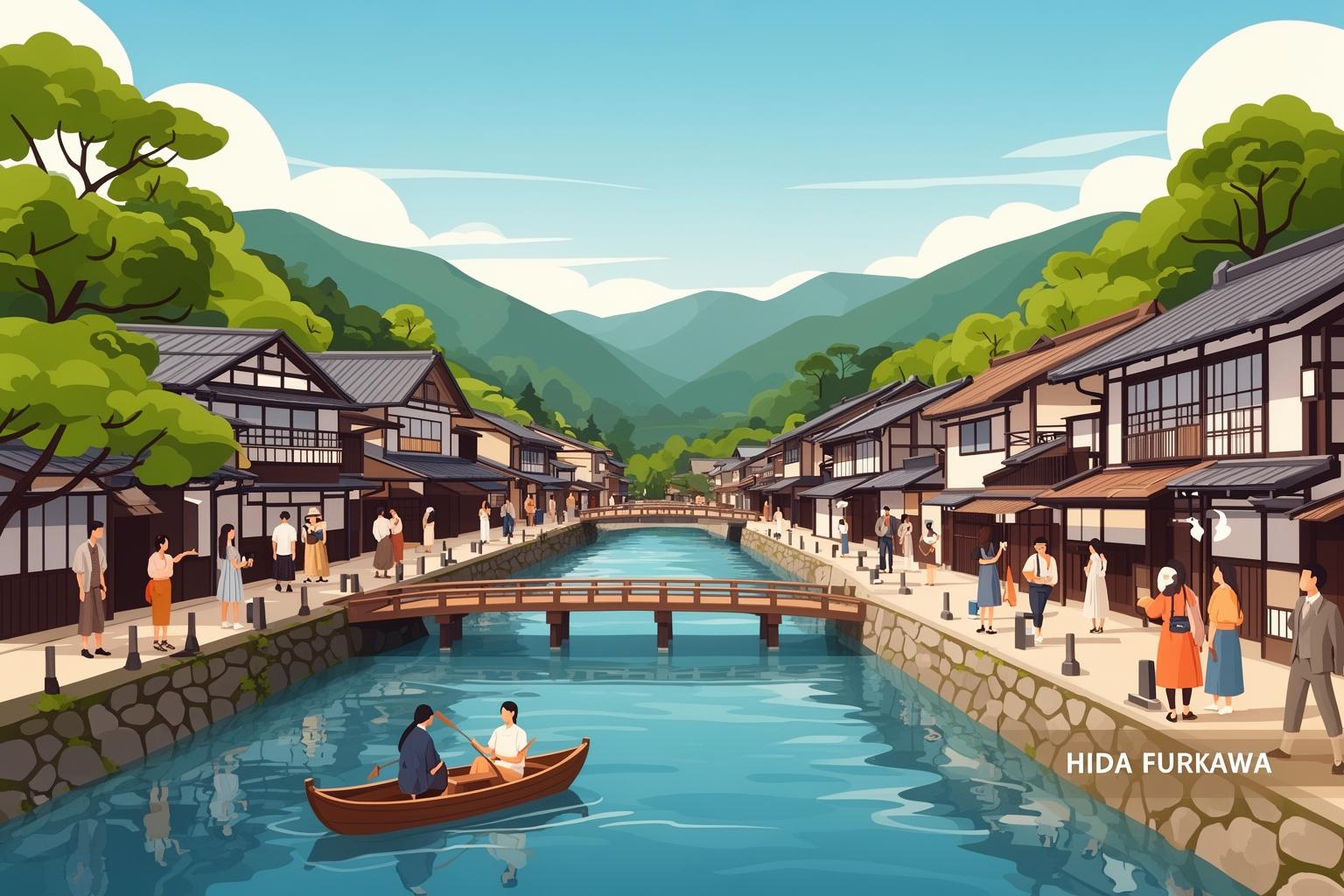
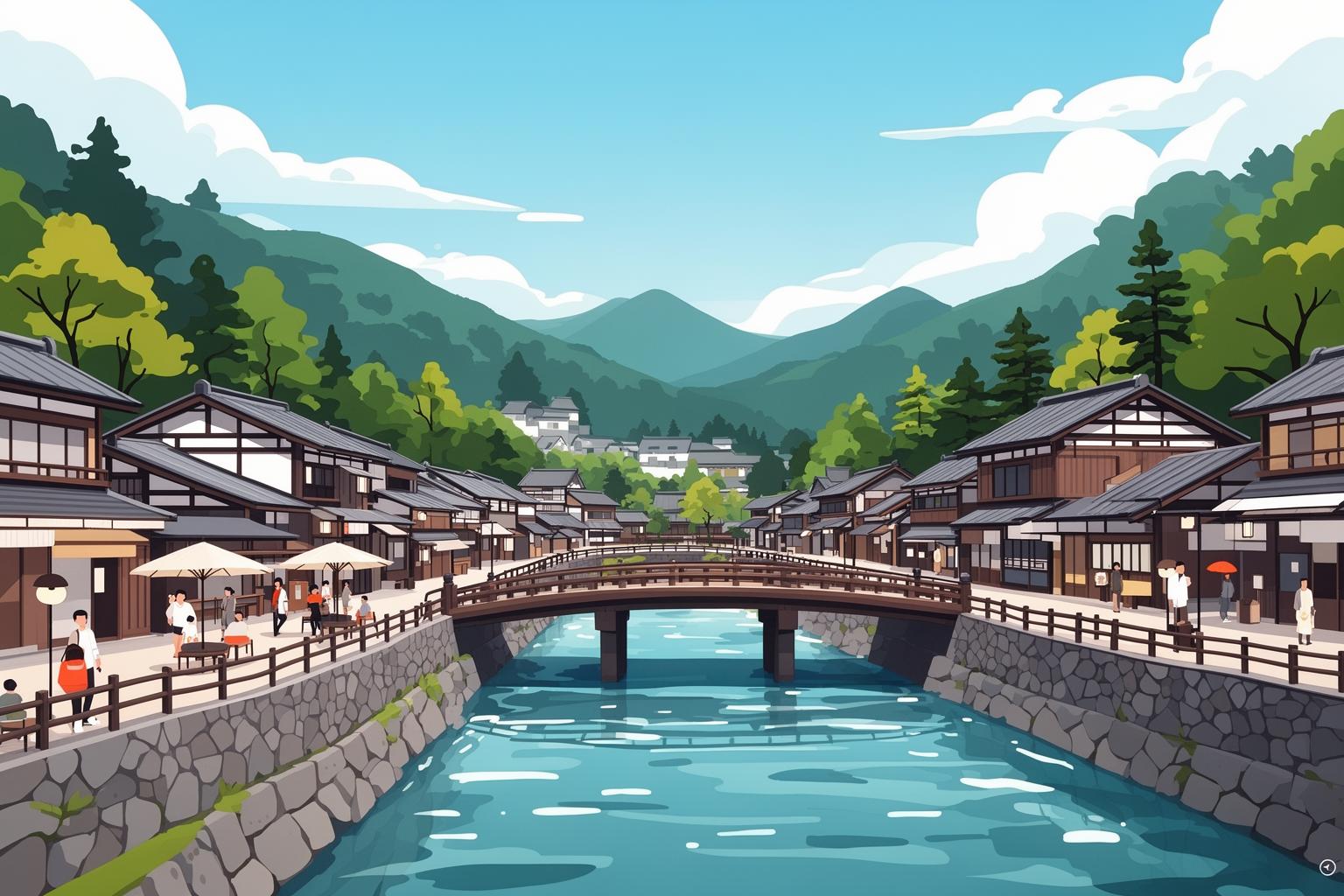
Arguably the town’s most enchanting feature is the Setogawa River, a narrow canal that meanders behind the main streets. Flanking its banks are stunning white-walled storehouses (shirakabe dozogai), with dark wooden lattices creating a striking monochrome contrast. This historic streetscape is a photographer’s paradise, offering a perfectly preserved glimpse into Japan of centuries past. But what truly animates the scene are the koi. From spring through late autumn, thousands of large, brightly colored carp inhabit the canal. They glide with a slow, majestic grace, their vivid oranges, whites, and blacks forming a living river of color against the stone-lined waterway. The sound of flowing water is a constant, soothing backdrop throughout the town. Visitors can purchase small packets of fish food from unmanned stalls along the canal—an honor system that adds to the charm—and watch as the gentle giants gather eagerly. It’s a simple, meditative delight that perfectly captures the town’s unhurried rhythm.
A Taste of Tradition: Sake Breweries and Local Crafts
Hida is long celebrated for its pristine mountain water, a vital component in producing world-class sake. Hida-Furukawa hosts two acclaimed breweries, Watanabe Brewery and Kaba Brewery, both welcoming visitors to explore their craft. Large sugidama (cedar balls) often hang above their entrances—fresh and green to signal new sake brewing, brown and dry to mark its maturation. Stepping inside feels like entering another era, with the air rich in the sweet, earthy aroma of fermenting rice. Many breweries offer tastings, allowing visitors to savor the crisp, clean flavors distinctive to the region. Beyond sake, the town is a center for traditional crafts. At Mishima Japanese Candle Shop, artisans have been handcrafting exquisite candles from plant-based wax for generations. Watching their work is captivating—a demonstration of skill and patience deeply intertwined with the town’s identity. These creations are not merely souvenirs; they embody the soul of Hida.
A Practical Guide to Your Pilgrimage
Setting out for Hida-Furukawa is an adventure in its own right—a transition from the bustling energy of Japan’s cities to the peaceful core of its mountainous region. Careful trip planning will let you fully immerse yourself in the experience without the hassle of logistics, allowing the charm of the place to reveal itself naturally.
Reaching the Heart of the Mountains: Access and Travel
Your adventure truly begins once you board the train. The most scenic and direct option is the JR Takayama Main Line. From Tokyo or Osaka, you’ll first take a Shinkansen bullet train to Nagoya or Toyama, then transfer to the Limited Express Wide View Hida. This train lives up to its name, with oversized windows providing breathtaking panoramic views as it winds through dramatic river gorges and dense forests. The journey slowly unveils the stunning beauty of the Japanese Alps—a perfect introduction to the slower pace awaiting you. Hida-Furukawa is a small town where most key attractions are easily reachable on foot. Wandering its quiet streets is the best way to soak in the atmosphere and uncover hidden gems.
Timing Your Visit: Seasons of Hida
Hida-Furukawa showcases a unique charm in every season. There’s no wrong time to visit—only different experiences to enjoy.
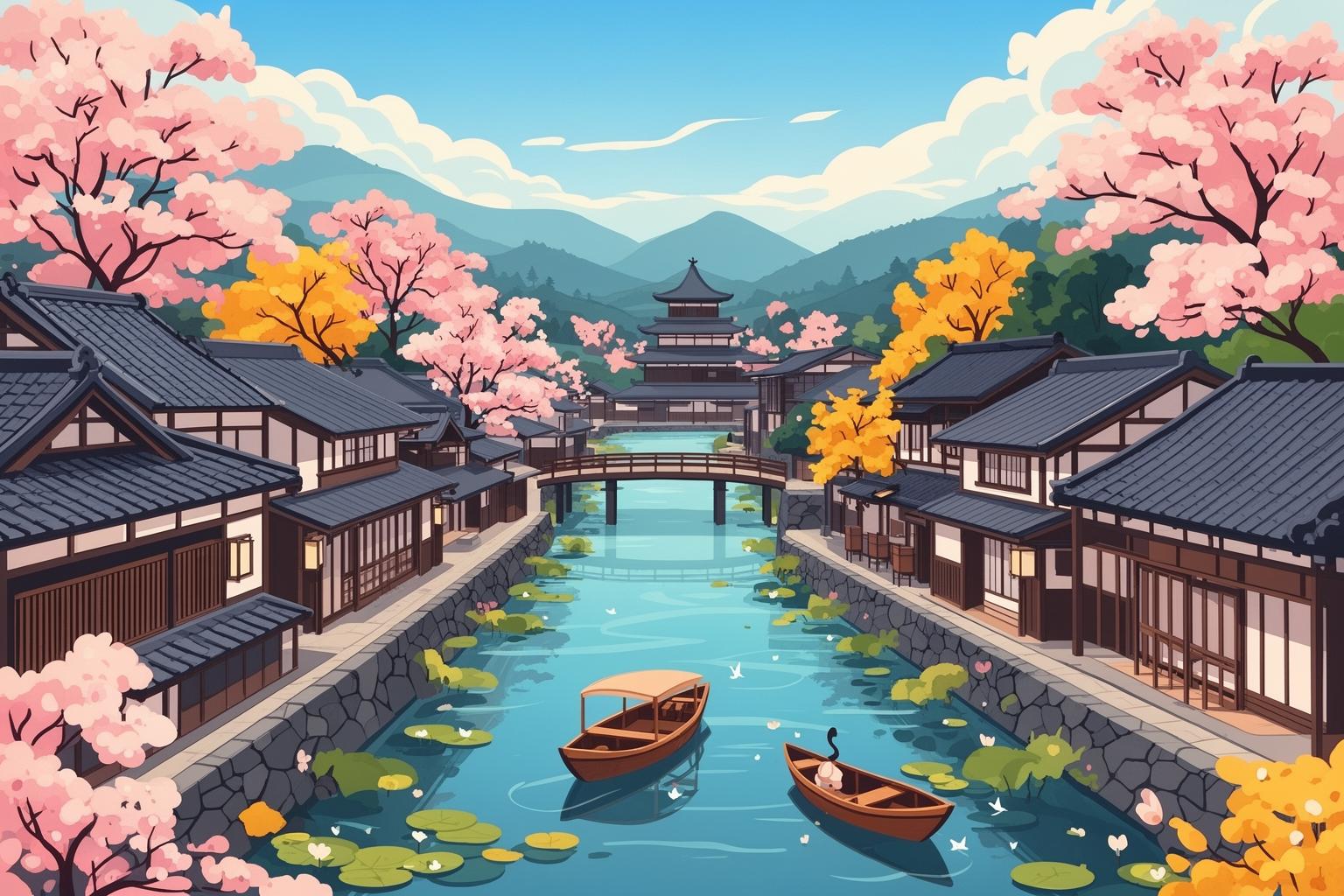
Spring (April-May): Spring arrives brilliantly, with cherry blossoms painting the canals and temple grounds in delicate pinks and whites. The highlight is the Furukawa Festival on April 19th and 20th, one of Japan’s liveliest festivals. It features elaborate floats and the thrilling Okoshi-daiko, a chaotic and exhilarating parade with hundreds of men carrying a massive drum through the streets.
Summer (June-August): The mountains turn into a lush green canvas. Warm days are filled with the sound of cicadas, making it an ideal time to enjoy the cool shade of shrine grounds and watch the koi swim in the crystal-clear canals.
Autumn (October-November): The mountains ignite with color as maple and ginkgo leaves blaze in fiery reds, bright oranges, and vibrant yellows. The crisp air is perfect for walking, and the autumn foliage reflected in the Setogawa River is a breathtaking sight.
Winter (December-February): Winter brings a deep stillness, often blanketing the town in thick snow that softens all sound and transforms the landscape into a serene monochrome scene. The traditional wooden buildings, their roofs laden with snow, resemble a scene from an old ink painting. It’s a quiet, reflective period ideal for warming up with hot sake and enjoying peaceful solitude.
Where to Stay and What to Eat: Savoring Local Life
To fully experience Hida, consider lodging in a traditional ryokan (Japanese inn) or a family-run minshuku. These places offer not just accommodation but an immersion in Japanese hospitality, often including exquisite multi-course kaiseki dinners and the chance to sleep on futons laid out on tatami mats. The local cuisine is a delight for food lovers, with Hida beef (Hida-gyu) as the star—known for its rich marbling and melt-in-your-mouth tenderness. It’s available in many forms, from luxurious steaks to casual skewers. Be sure to try the local mitarashi dango as well—unlike the sweeter versions elsewhere, Hida’s dango is a savory skewer of rice dumplings brushed with soy sauce and toasted over an open flame. It’s a simple yet perfect snack to enjoy while exploring the old town.
An Insider’s Heartbeat: Tips for a Deeper Connection
A trip to Hida-Furukawa offers more than just sightseeing; it can become a true connection with the place and its people. A few tips can help you move beyond the surface and experience the genuine heart of the town. First, rent a bicycle. Although the town center is walkable, cycling allows you to explore the surrounding countryside. Riding alongside vast, green rice paddies with the Alps as your backdrop is when the landscape of Itomori truly comes alive. This is the scenery Mitsuha yearned to leave and Taki longed to discover. Next, seek out the pilgrimage notebooks. Several spots, including the library and some local shops, keep guestbooks specially for fans of Your Name.. As you flip through the pages, you’ll find heartfelt messages, beautiful sketches, and notes from fellow pilgrims around the world. It’s a moving reminder of the global community a single story can form. Finally, remember to be a respectful guest. Hida-Furukawa is a real, working town, not a theme park. Though the people are welcoming, it’s important to show respect. Support the small, family-run shops, greet locals warmly with a konnichiwa, and be considerate when photographing private residences. By being a thoughtful visitor, you join the town’s gentle rhythm instead of merely observing it.
The Lingering Melody
Leaving Hida-Furukawa feels like awakening from a beautiful dream. You take with you the images of carp-filled canals, the taste of local sake, and the profound silence of a mountain shrine. Yet more than that, you carry a sense of connection. A fictional story about a red thread of fate leads you to a very real place, where you weave your own threads—to the history, the culture, and the warm, welcoming people who call this valley home. The magic of Hida-Furukawa lies not only in its resemblance to Itomori but in the feeling it evokes. It’s a place where the ordinary is touched by the extraordinary, where a simple train station can feel like a crossroads of destiny. You may have arrived seeking the world of an anime, but you will depart having discovered the heart of Japan.