There’s a certain kind of magic that lives inside a Studio Ghibli film. It’s a quiet, profound enchantment that smells of summer rain on dusty roads, feels like the cool shade of a giant camphor tree, and sounds like the distant rumble of a train carrying you somewhere unknown. For decades, the works of Hayao Miyazaki and his team have transported us to worlds brimming with wonder, nostalgia, and a deep, abiding respect for nature. From the soaring castles of Laputa to the whimsical shores of Ponyo’s ocean, these are stories that settle into your soul. But what if I told you that the veil between those animated worlds and our own is thinner than you think? What if you could walk the same forested paths as Satsuki and Mei, or wander through a town of glowing lanterns that feels just a breath away from the spirit world? This is the heart of “seichi junrei,” the beautiful Japanese practice of pilgrimage to locations featured in art and media. It’s a journey not just to see a place, but to feel it, to breathe the same air that sparked a masterpiece. We’re about to embark on a quest to find the real-world whispers of Studio Ghibli, from the tranquil forests that hide Totoro to the magnificent bathhouses that could only belong to the gods. This isn’t just a tour; it’s an invitation to step through the screen and find the magic waiting in the landscapes of Japan.
Enhance your journey by venturing on a Princess Mononoke pilgrimage that whisks you through the hidden magic of Japan’s timeless natural landscapes.
In Search of Totoro: The Verdant Embrace of Sayama Hills
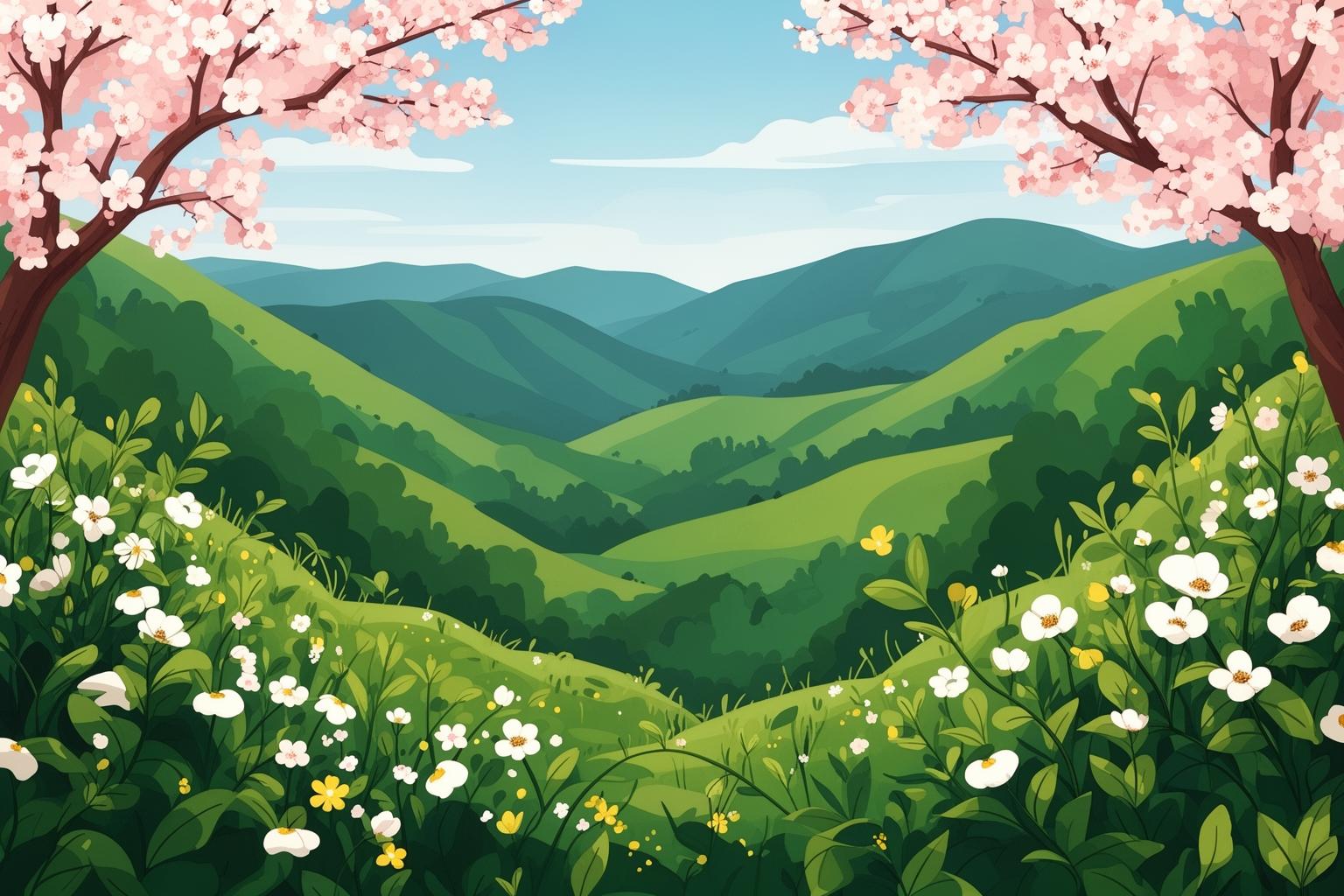
Our first pilgrimage leads us not to a grand temple or a bustling city, but to a tranquil green pocket nestled on the border of Tokyo and Saitama Prefecture. Here lies Sayama Hills, an expansive area of woodlands, wetlands, and traditional farmland that feels like a forgotten memory of simpler times. For Ghibli fans, this place is sacred, affectionately known as “Totoro’s Forest.” It’s where director Hayao Miyazaki lived for many years, drawing direct and profound inspiration for the idyllic countryside setting of My Neighbor Totoro. Walking the trails here is a multisensory experience. The air is rich with the scent of damp earth and cedar. Sunlight filters through the dense canopy, casting shifting patterns of light and shadow on the path. You can almost hear the faint, rumbling breath of a giant, furry creature sleeping just out of sight. The atmosphere exudes profound peace, a gentle quiet broken only by birdsong and the rustling of leaves in the breeze. This is not a place to rush through; it’s a place to be absorbed by.
The connection between this forest and the film goes beyond just visuals. When rapid urban development threatened these hills in the 1980s, the film’s remarkable success helped spark a strong conservation movement. The Totoro no Furusato Foundation (Totoro’s Hometown Foundation) was created, using donations from fans and citizens to buy parcels of land and preserve them for future generations. This means that when you walk through Totoro’s Forest, you are trekking through a landscape literally saved by the love of the film. It’s a beautiful, tangible legacy of the movie’s message about the importance of nature.
Finding the Heart of the Forest
To truly connect with the spirit of the place, your goal should be Kurosuke’s House, or “House of Black Soot Sprites.” This charming traditional Showa-era house, with its dark wooden beams and sliding paper doors, functions as the visitor center for the Totoro Forest project. It feels just like Satsuki and Mei’s new home, a place of discovery and slight unease. Inside, the magic becomes real. A massive, life-sized Totoro plush awaits in a cozy room, an irresistible invitation for a photo and a hug. You’ll find exhibits about the local ecosystem and the foundation’s work, and if you look carefully in the dusty attic corners, you might spot some Makkuro Kurosuke hiding. The volunteers running the house are wonderfully kind and full of stories, happy to share maps and point you toward the best walking trails. It’s a warm, welcoming hub that anchors your adventure.
For first-time visitors, the best way to experience the area is to plan a slow-paced day. Access is easiest via the Seibu Line from Tokyo, disembarking at Seibukyūjō-mae Station. From there, it’s a pleasant walk to the nature trailheads. Wear comfortable, sturdy shoes, as the paths can be uneven and occasionally muddy. The real insider tip is to embrace the film’s simple joys. Stop by a convenience store or local market beforehand and pack a bento lunch. Find a quiet clearing, maybe near serene lakes like Lake Sayama or Lake Tama, and enjoy a picnic. Eating amid the sounds of nature, just as the characters did, deeply enhances the connection. The forest is beautiful year-round, but it holds a special magic in late spring when the greenery is lush and vibrant, and in autumn when the leaves blaze with color, creating a canopy of gold and crimson.
Crossing the Bridge to the Spirit World: Echoes of Spirited Away
From the gentle, sun-dappled world of Totoro, we venture into a realm filled with gods, spirits, and breathtaking mystery. The world of Spirited Away is a magnificent tapestry of inspirations—a place that feels both distinctly Japanese and utterly otherworldly. Unlike Totoro’s Forest, no single location served as the blueprint for Chihiro’s adventure. Instead, Miyazaki crafted a collage of places, memories, and architectural styles to create the unforgettable town and its centerpiece, Yubaba’s Bathhouse. To trace its origins, we journey across Japan and beyond, following the echoes of inspiration that flicker in ancient hot springs and lantern-lit alleyways.
It’s important to approach this part of the pilgrimage with a spirit of discovery rather than expectation. You won’t find an exact replica, but you will sense the soul of the film in the steam rising from an ancient bath, the glow of a thousand red lanterns, and the intricate woodwork of a bygone era. It’s a journey into the architectural and atmospheric DNA of a masterpiece.
The Grand Bathhouse: Dogo Onsen in Matsuyama
Our first major destination is Matsuyama, on the island of Shikoku, home to Dogo Onsen Honkan—one of Japan’s oldest and most renowned hot springs, with a history spanning over a thousand years. As you approach the main building, the connection to Spirited Away is immediate and striking. The Honkan is a majestic, multi-tiered wooden labyrinth crowned with a watchtower and a series of intricate roofs. Its complex, almost chaotic architecture, with a maze of corridors, staircases, and hidden rooms, is widely regarded as a primary inspiration for the Aburaya, the bathhouse of the gods. At night, when its windows glow warmly against the dark sky and steam billows from vents, you can almost imagine the spirits arriving for their nightly soak.
Visiting is like stepping back in time. You can rent a traditional yukata (light cotton kimono) and wander the lively streets surrounding the onsen, filled with shops selling local crafts and delicacies. Inside the bathhouse, the air is thick with the mineral scent of the hot spring water and the echo of voices in tiled halls. There are two main public baths: the larger Kami no Yu (Bath of the Gods) and the more intimate Tama no Yu (Bath of the Spirits). The building itself is a treasure, and tours include access to non-bathing areas, such as a room reserved exclusively for the Imperial Family. Although the main building has been undergoing extensive preservation work for several years, parts remain open, and the spirit of the place is as strong as ever. You can get here by taking a charming old-fashioned tram from Matsuyama city center. Visitors are also encouraged to explore the nearby Asuka no Yu, a newer bathhouse built in traditional style, offering a full experience while the Honkan is partially closed.
A Labyrinth of Lanterns: Jiufen, Taiwan
For our next stop, we take a short flight of fancy—and a literal flight—beyond Japan’s borders. While Studio Ghibli has been reticent about it, the mountain town of Jiufen in Taiwan is almost universally regarded by fans and critics as a powerful visual inspiration for the mysterious town Chihiro explores. Once you arrive, it’s easy to see why. Jiufen is a former gold mining town precariously perched on a steep mountainside. Its heart consists of incredibly narrow, winding alleyways and stone staircases lined with teahouses, food stalls, and souvenir shops. As dusk falls, the magic truly awakens. Hundreds of red paper lanterns flicker on, casting a warm, ethereal glow over the scene. The atmosphere is electric and steeped in nostalgia—a chaotic yet beautiful tapestry of sights, sounds, and smells. The town’s verticality, the way the teahouses stack atop each other, and the endless stairs disappearing into darkness echo the film’s most iconic scenes. The A-Mei Tea House, with its distinctive facade, is a popular photo spot for resembling the Aburaya’s exterior. To capture the Spirited Away atmosphere, arrive in late afternoon to explore shops and sample local treats like taro ball soup and peanut ice cream rolls. Then, find a teahouse with a view to watch the sun set as lanterns ignite, transforming the town into the spirit world you’ve imagined.
The Architectural Muse: Edo-Tokyo Open Air Architectural Museum
Back in Tokyo, we find a hidden treasure that is perhaps the most direct and confirmed source of inspiration for Spirited Away. Hayao Miyazaki was a frequent visitor to the Edo-Tokyo Open Air Architectural Museum in Koganei Park, where he wandered for hours while storyboarding the film. This remarkable museum isn’t a typical display of artifacts behind glass; it’s a village of rescued and reconstructed historical buildings from various eras of Tokyo’s past. You can enter old shops, peek inside traditional homes, and step into a grand historic public bathhouse (sento). Here, the film’s world comes into sharp focus. You’ll find Takei Sanshodo, a beautiful old stationery store with walls lined with hundreds of small wooden drawers—an exact match for Kamaji’s boiler room, where he tends to his herbal remedies. The true gem, however, is the former public bathhouse, Kodakara-yu. With its ornate, temple-like entrance, grand changing rooms, and a magnificent mural of Mount Fuji above the tubs, its design is woven deeply into the Aburaya’s DNA. Walking through this museum is like stepping into Miyazaki’s sketchbook, providing the texture, feel, and specific historical details that make Spirited Away’s world feel so lived-in and authentic. It’s an essential stop for any devoted fan seeking to understand the film’s creative roots.
The Heart of the Magic: Ghibli Museum and the New Ghibli Park
While pursuing inspirations across Japan is a magical journey, no Ghibli pilgrimage is truly complete without visiting the official sanctuaries created by the studio itself. These places are more than just attractions; they offer thoughtfully crafted experiences that fully immerse you in the Ghibli philosophy of art, wonder, and playfulness. The Ghibli Museum in Mitaka, Tokyo, and the expansive new Ghibli Park in Aichi Prefecture stand as essential destinations for any devoted fan.
A Ticket to Childhood: The Ghibli Museum, Mitaka
The Ghibli Museum’s motto, “Let’s get lost, together,” perfectly captures its essence. Nestled in a corner of Inokashira Park, the museum is a whimsical, ivy-clad building with no fixed path to follow. Visitors are invited to wander freely, explore, and uncover its secrets at their own pace. Inside, a treasure trove of Ghibli magic awaits. You can climb a spiral staircase to the rooftop garden and meet the stoic Robot Soldier from Laputa: Castle in the Sky. You can board a giant, soft Catbus (for children only, unfortunately!). You can be enchanted by the “Bouncing Totoro” zoetrope, a stunning display that uses spinning figures and stroboscopic lights to illustrate the basic principles of animation in the most magical way. The museum features beautiful stained-glass windows showcasing characters from the films, with charming details in every corner. A highlight is the small, exclusive cinema showing original short animated films that can’t be seen anywhere else. Your ticket itself is a delightful strip of 35mm film from a Ghibli movie, serving as a perfect keepsake.
Now, the most crucial practical tip: securing tickets is notoriously challenging. They are not available at the museum itself. Tickets for the upcoming month go on sale online through the official Lawson ticket website at 10:00 AM Japan Standard Time on the 10th of each month. They usually sell out within minutes. This is no exaggeration—you must be prepared, logged in, and ready to purchase the instant they become available. It takes planning and a bit of luck, but the reward is an unforgettable visit to one of Tokyo’s most enchanting spots.
Worlds Brought to Life: The Expansive Ghibli Park
If the Ghibli Museum is an intimate, storybook cottage, Ghibli Park is an entire enchanted realm. Situated within the vast Aichi Earth Expo Memorial Park near Nagoya, this is not a conventional theme park with roller coasters or thrill rides. Instead, it’s a space devoted to bringing Studio Ghibli’s worlds to life with meticulous detail and immersive artistry. The park is divided into several distinct zones, each requiring a separate ticket and offering a unique experience.
Ghibli’s Grand Warehouse is the main indoor area, a lively, eclectic space that feels like a blend of multiple Ghibli worlds. Here you can interact with exhibits such as sitting on the train beside a silent No-Face from Spirited Away or exploring a miniature version of the town from Arrietty. The Hill of Youth recreates the antique shop from Whisper of the Heart and the Cat Bureau from The Cat Returns. Dondoko Forest immerses you in My Neighbor Totoro, featuring a life-sized, exact replica of Satsuki and Mei’s house—with every drawer and closet open for exploration. More recent additions include Mononoke Village, inspired by the wild landscapes of Princess Mononoke, and the Valley of Witches, showcasing structures from Howl’s Moving Castle and Kiki’s Delivery Service. Like the museum, tickets for Ghibli Park must be purchased online well in advance, with a similarly competitive system for popular days. The park is extensive and involves a lot of walking, so comfortable shoes and a full day are essential. It offers an unparalleled chance to step directly into your favorite Ghibli scenes.
A Traveler’s Guide to Ghibli Etiquette and Planning
Embarking on a Ghibli-themed adventure takes more than just showing up; it requires some planning, a bit of patience, and the right mindset to truly savor the experience. Here are key tips to ensure your pilgrimage is smooth and meaningful.
The Art of Ticketing
This cannot be emphasized enough: advance tickets are essential and highly competitive for both the Ghibli Museum and Ghibli Park. For the museum, be ready online on the 10th of the month before your visit. The park’s ticketing system is more complex, involving lottery and first-come, first-served phases—so regularly check the official website for updates. International visitors often have separate ticket sales through official partners, which can sometimes be an easier option. Plan months ahead. The effort is well worth it, as arriving without a ticket will only bring disappointment.
Embracing the “Ma” (Negative Space)
Hayao Miyazaki often highlights the importance of “ma” in his films—the quiet, reflective pauses between moments of action. These still moments allow characters (and viewers) to breathe, think, and feel. Apply this philosophy to your travels. Don’t rush from one photo spot to another. In Totoro’s Forest, find a bench and simply listen for ten minutes. At Dogo Onsen, linger in the tatami lounge after your bath with a cup of tea. At the museum, spend time admiring the intricate details of the building itself, beyond the famous exhibits. The true magic of these places lies in their atmosphere, which you can only fully appreciate by allowing yourself to be still.
Beyond the Pilgrimage
While Ghibli sites are your main destination, use them as a starting point to explore the surrounding areas. This will deepen your trip and broaden your appreciation for Japan. After visiting Totoro’s Forest, take a short train ride to Kawagoe, known as “Little Edo,” famed for its charming old storehouses. When visiting Dogo Onsen in Matsuyama, also make time for the magnificent Matsuyama Castle, one of Japan’s few remaining original castles. After a day at Ghibli Park, explore the vibrant city of Nagoya, renowned for its unique culinary scene. Incorporating your pilgrimage into a wider journey creates a richer, more fulfilling experience.
The Enduring Magic
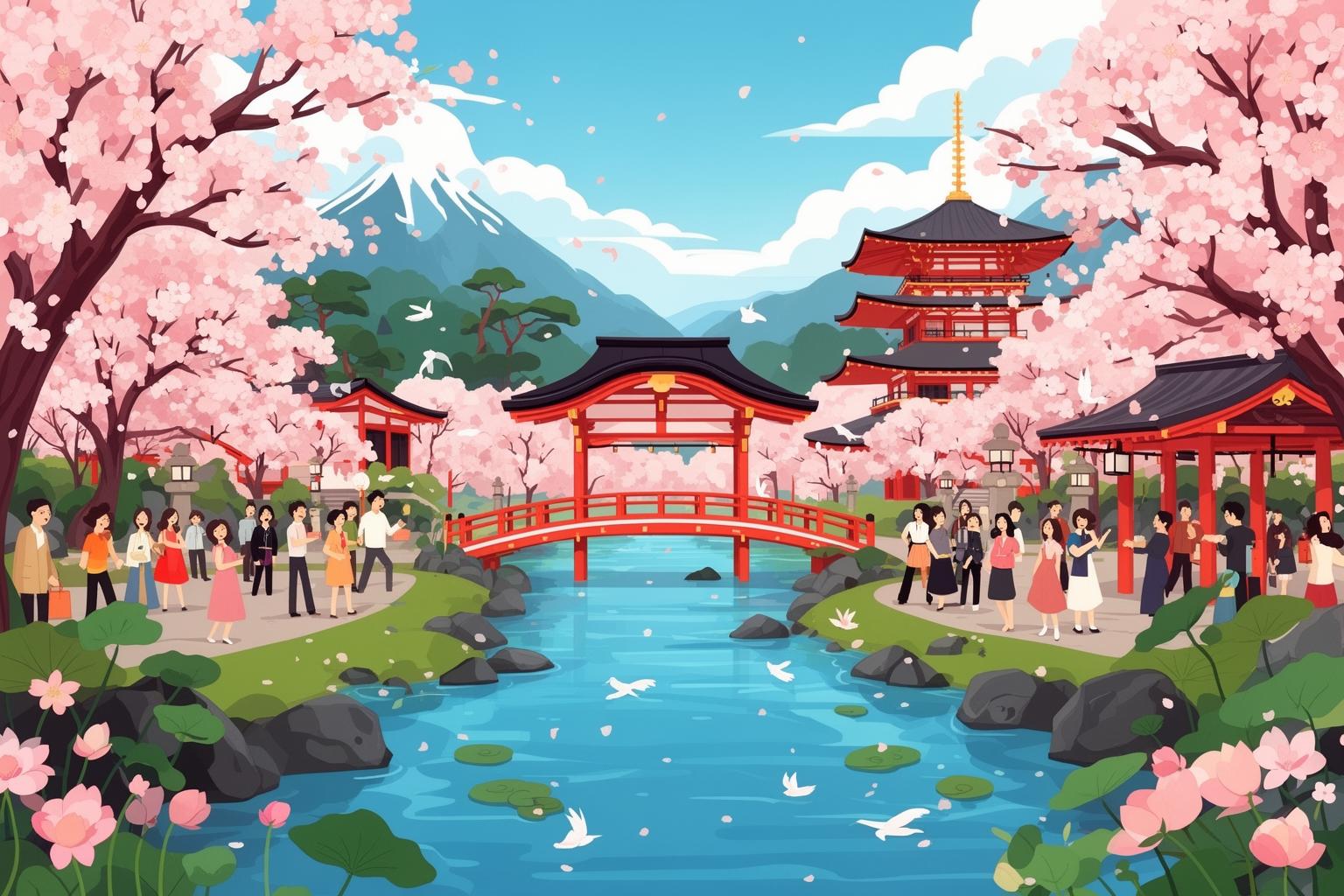
From a silent forest whispering with unseen spirits to a majestic bathhouse steaming with ancient gods, the journey through Studio Ghibli‘s Japan reminds us that magic is not limited to the screen. It lives in the reverence for nature, the careful craftsmanship of an old wooden structure, and the shared joy of fans discovering these places together. Hayao Miyazaki and his team captured the essence of these landscapes, and by visiting them, we are not merely seeing a film location; we are connecting with the very source of that inspiration. It’s a nostalgic feeling for places we’ve never visited and a sense of wonder for the world right before us. Whether you are fortunate enough to get a ticket to the museum or simply stumble upon a quiet, moss-covered shrine that feels straight out of Princess Mononoke, the Ghibli spirit awaits all across Japan. So go forth, explore with an open heart, and get wonderfully, beautifully lost.