In the quiet, leafy suburbs of western Tokyo, nestled on the edge of the sprawling Inokashira Park, lies a building that seems to have sprung not from architectural blueprints, but from the pages of a dream. This is the Ghibli Museum, a whimsical, ivy-clad structure that serves as the physical heart of the animated universe crafted by Studio Ghibli and its visionary co-founder, Hayao Miyazaki. It is not merely a gallery showcasing cels and concept art; it is a living, breathing testament to the power of imagination, a place built with the express purpose of getting wonderfully and irrevocably lost. For fans of films like My Neighbor Totoro, Spirited Away, and Castle in the Sky, this is more than a tourist destination; it is a pilgrimage site, a tangible connection to the worlds that have captivated audiences for decades. It’s a place where the ordinary rules of museums dissolve, replaced by a single, guiding principle: to become a child again, to explore with wide-eyed curiosity, and to find your own story within its colorful, labyrinthine walls. Before you step through its small, welcoming doors, let’s pinpoint this pocket of magic in the vast expanse of Tokyo.
Visitors swept up in the museum’s dreamlike allure may also appreciate a real-world pilgrimage that reveals everyday spaces transformed by imagination.
The Art of Getting In: Securing Your Golden Ticket
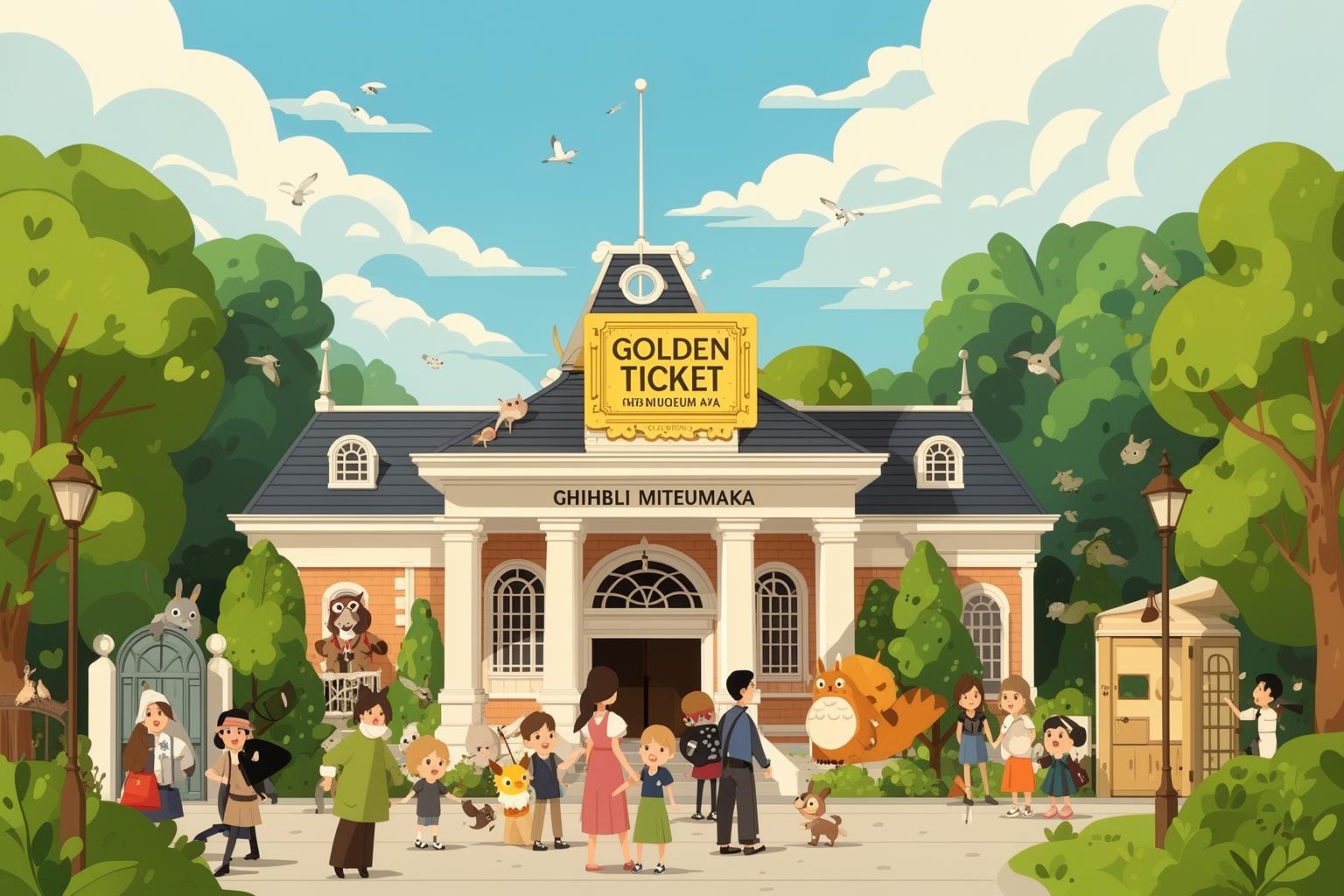
Your journey to the Ghibli Museum doesn’t begin at its entrance but weeks or even months beforehand, with the careful effort of securing a ticket. This is perhaps the most important advice for any potential visitor: tickets cannot be bought at the museum itself. Admission is strictly regulated to keep the space from feeling overcrowded, maintaining the intimate, leisurely atmosphere essential to the experience. This exclusivity adds to its charm, but requires thoughtful planning. Tickets for a full month are released online on the 10th day of the previous month at 10:00 AM Japan Standard Time. This is a hectic digital race, with tickets for popular dates and times often selling out within minutes. It demands a fast internet connection, quick fingers, and a bit of luck. When purchasing, you must enter the visitor’s name, which must match the passport or photo ID shown at entry—no exceptions. This strict verification ensures tickets aren’t resold and that every guest has gone through the official, deliberate process of organizing their visit. Though it might seem like a challenge, this preparation ritual enhances the anticipation. The moment you receive the confirmation email, it feels like finding one of Willy Wonka’s golden tickets. It marks the first step in a magical adventure, a promise of the marvels ahead. Be ready, set your alarms, and know that this initial effort is the key that opens the door to a truly special world.
“Let’s Get Lost, Together”: Embracing the Museum’s Philosophy
The official motto of the Ghibli Museum, a phrase coined by Hayao Miyazaki himself, is “Maigo ni narō yo, issho ni,” which means “Let’s get lost, together.” This phrase is far more than a catchy slogan; it embodies the core design philosophy of the entire museum. From the moment you exchange your ticket voucher for a unique souvenir film strip ticket—a small treasure featuring three frames from an authentic Ghibli film print—you are invited to set aside any expectations of a fixed route or guided tour. No maps are given at the entrance, nor are there prescribed paths to follow. Instead, you are encouraged to wander freely, to drift, letting your curiosity lead you up twisting spiral staircases, across miniature bridges, through narrow corridors, and into secret rooms. The building itself serves as an exhibit, a whimsical masterpiece of organic architecture. Sunlight filters through stained-glass windows adorned with beloved characters like Totoro and Kiki, casting colorful patterns on the wooden floors. At the heart of the main hall, a magnificent glass dome creates a bright, airy atrium buzzing softly with the energy of discovery. You’ll find yourself marveling at the details: hand-cranked elevators, intricate ironwork, ceiling frescoes depicting familiar Ghibli scenes. A key principle of the museum’s philosophy is the strict ban on photography and videography inside. While this may initially feel limiting in an era of constant documentation, its impact is profound. It gently encourages you to put away your phone and be fully present. Instead of seeing the world through a small screen, you are invited to observe it with your own eyes, absorbing the details and creating memories etched in your mind rather than stored on a memory card. This fosters a shared, communal experience where everyone engages with their surroundings rather than their devices. It’s a simple yet beautiful rule that transforms a visit from a photo opportunity into a genuinely immersive experience, honoring the art by asking you to simply be with it.
The Heart of the Magic: Permanent Exhibits
While the entire building is a treasure, its rooms contain specific wonders dedicated to the art and craft of animation. Each space is designed to ignite a sense of childlike wonder and provide a deeper appreciation for the meticulous work behind each Studio Ghibli film.
Where a Film is Born
This five-room permanent exhibition forms the soul of the museum, offering an intimate and inspiring look into the creative process of an animation studio. It’s a journey that demystifies the magic without diminishing it. The first room, called the “Room of Ideas,” feels like stepping directly inside an animator’s mind. It’s a beautiful, chaotic space, with walls covered floor-to-ceiling in concept sketches, character designs, and landscape paintings. Shelves and desks are piled high with books on every imaginable topic—from botany and aviation to mythology and engineering—showing the vast well of inspiration behind these stories. It feels less like a museum exhibit and more like a sacred, creative sanctuary temporarily left untouched. From there, you explore rooms explaining the storyboarding process, where the entire film is mapped out in thousands of drawings. You can witness the evolution of key scenes, feeling the narrative come to life. Other displays explore the technical crafts of key animation, in-betweening, and coloring, with interactive elements that show how static images are transformed into motion. It’s a deeply personal and humanizing insight into animation, celebrating it not as a technological feat, but as an art born from passion, patience, and countless pencil strokes.
The Saturn Theater
Beneath the main hall is a small, eighty-seat cinema known as the Saturn Theater. Your film strip ticket grants you a single admission to this charming venue. Here, the museum screens original animated short films produced by Studio Ghibli that are not available anywhere else. The lineup changes regularly, so each visit might feature a new story. These shorts distill pure Ghibli magic, often dialogue-free and driven by beautiful music and captivating visuals. Before the film starts, the theater’s ceiling opens to reveal a painted sky, and as the lights dim, a collective anticipation fills the cozy room. Watching a brand-new Ghibli creation, one that feels like a precious secret shared only among the few people present, is an unforgettable highlight. It’s a reminder of the studio’s ongoing creativity and commitment to the pure joy of storytelling, regardless of format. The experience is intimate, heartfelt, and perfectly encapsulates what makes the museum so special.
The Catbus Room
For visitors with children—or the inner child in every adult—the Catbus Room is a place of pure, unfiltered joy. Situated on the second floor, it features a life-sized, incredibly soft recreation of the iconic Catbus from My Neighbor Totoro. This exhibit is intended for elementary school-aged children and younger, offering them a dedicated space to play. Seeing the delight on children’s faces as they climb inside, bounce on its plush fur, and peek through its grinning windows is truly heartwarming. Even if you’re too old to enter the bus, you can sit nearby and watch the joyful chaos unfold. Beside the Catbus, plush Soot Sprites complete the immersive Totoro experience for kids. It’s a wonderful, vibrant, and lively corner of the museum that perfectly captures the playful spirit of Ghibli’s work while providing a much-needed outlet for youthful energy.
Ascending to the Rooftop: A Guardian in the Sky
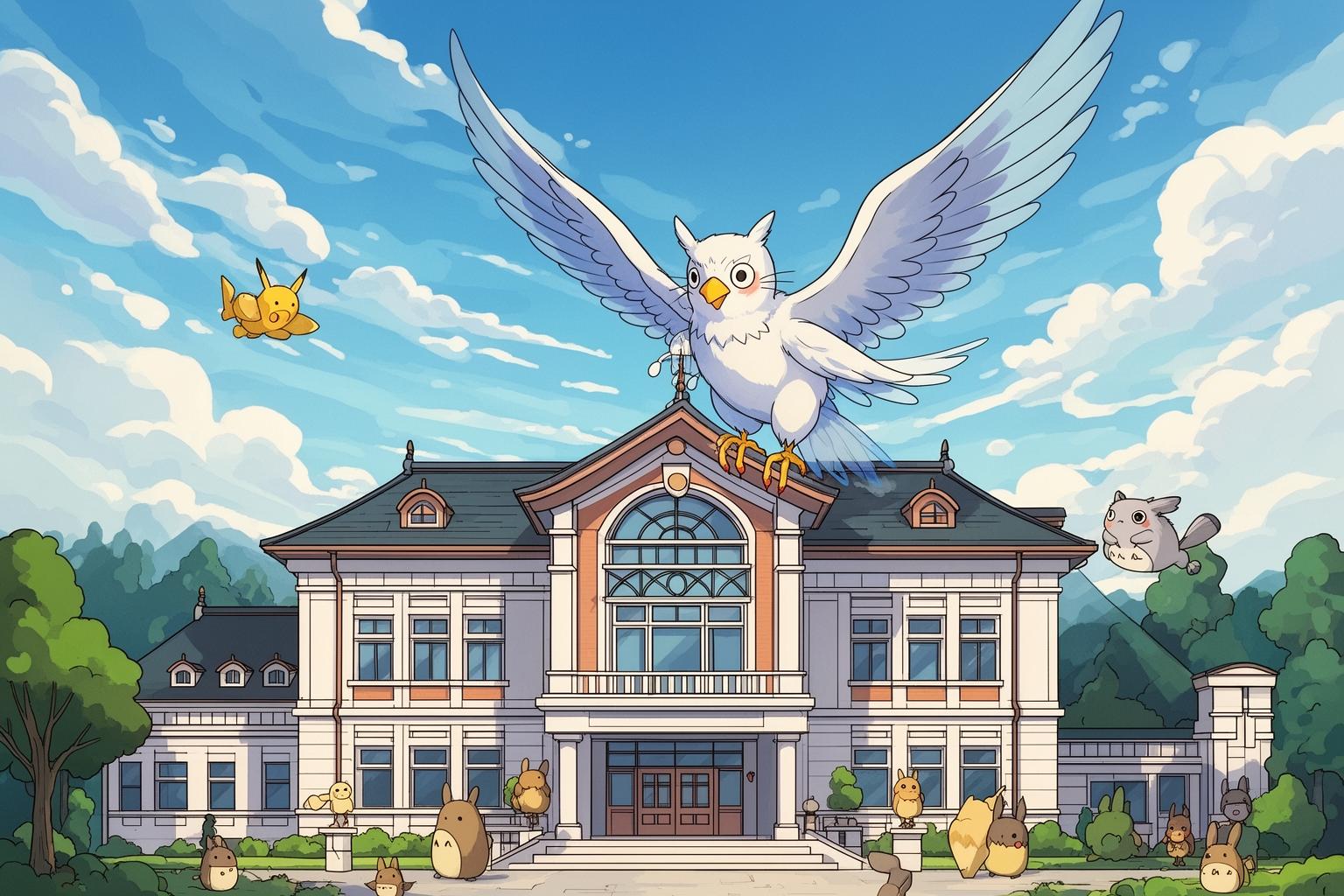
After discovering the museum’s wonders, a narrow, caged spiral staircase near the Catbus Room draws you upward to the tranquil rooftop garden. Stepping into the open air, you are welcomed by a stunning sight: a towering, five-meter-tall Robot Soldier from Castle in the Sky. This gentle giant stands as a quiet, benevolent guardian of the museum, its weathered bronze surface partially entwined with creeping vines. Unlike its destructive counterparts in the film, this robot exudes a peaceful, almost melancholic presence. It stands solitary amid the overgrown greenery, inviting calm reflection. This is one of the few spots where photography is allowed, and visitors patiently wait their turn to capture a moment with this iconic figure. The rooftop’s atmosphere is serene, a sharp contrast to the lively buzz of the museum below. It offers a beautiful vista over the treetops of Inokashira Park and a chance for quiet contemplation. Beyond the robot, a path leads to a replica of the black control cube from Laputa, covered in mysterious script—an ideal finishing touch, a tangible piece of a mythical world brought to life. This rooftop sanctuary is more than just a photo opportunity; it represents the emotional peak of the visit, where the fantastical and the natural worlds harmoniously blend.
Flavors and Finds: The Straw Hat Café and Mamma Aiuto!
A visit to the Ghibli Museum is a sensory journey, encompassing not only sight but also taste and the thrill of discovering the perfect souvenir. The museum’s café and gift shop stand as attractions themselves, crafted with the same thoughtful detail and thematic charm as the exhibits.
A Taste of Ghibli at the Straw Hat Café
Located on the ground floor with a welcoming outdoor patio, the Straw Hat Café is far from a typical museum cafeteria serving pre-packaged meals. Instead, it boasts a menu of simple, wholesome, and flavorful dishes that feel like they belong in a Ghibli film kitchen. Emphasizing fresh, organic ingredients, the food is presented with rustic elegance. You can enjoy hearty options such as a thick-cut pork cutlet sandwich, vibrant salads, and creamy soups, all served on beautifully custom-designed tableware. For dessert, the signature fluffy strawberry shortcake is a must-try. Additionally, they offer a unique “Soaked-in-the-Wind Valley Beer,” a tribute to Nausicaä of the Valley of the Wind. The café’s philosophy centers on warmth and care—what they call “good, honest food.” Be mindful that its charm and quality make it very popular, with lines often forming quickly, especially at lunchtime. A smart approach is to visit early for lunch when you enter the museum or wait until the quieter mid-afternoon period. It’s a perfect spot to rest, reflect on the wonders you’ve experienced, and savor a meal that feels like a comforting embrace.
Treasures to Take Home from Mamma Aiuto!
No visit is complete without a keepsake, and the museum’s gift shop, Mamma Aiuto!, is a treasure chest of exclusive delights. Named after the lively sky pirate gang from Porco Rosso, the shop is packed with beautifully crafted items you won’t find anywhere else in the world. This is not a place for cheap plastic souvenirs. Instead, you’ll discover exquisite art books detailing the film-making process, stunning stained-glass-style window decals, detailed model kits of Ghibli aircraft, and high-quality plush toys that perfectly embody the characters’ spirit. Among the most sought-after pieces are the Baccarat crystal figurines featuring characters such as the Robot Soldier. Perhaps the most popular souvenir is the film strip bookmarks, letting you take home a piece of cinematic history. The shop is small and can get crowded, so browsing patiently is advisable. Though it poses a risk to your wallet, it’s a delightful experience for the heart, offering a chance to bring a small piece of Ghibli magic home with you.
Beyond the Museum Walls: Exploring Mitaka and Inokashira Park
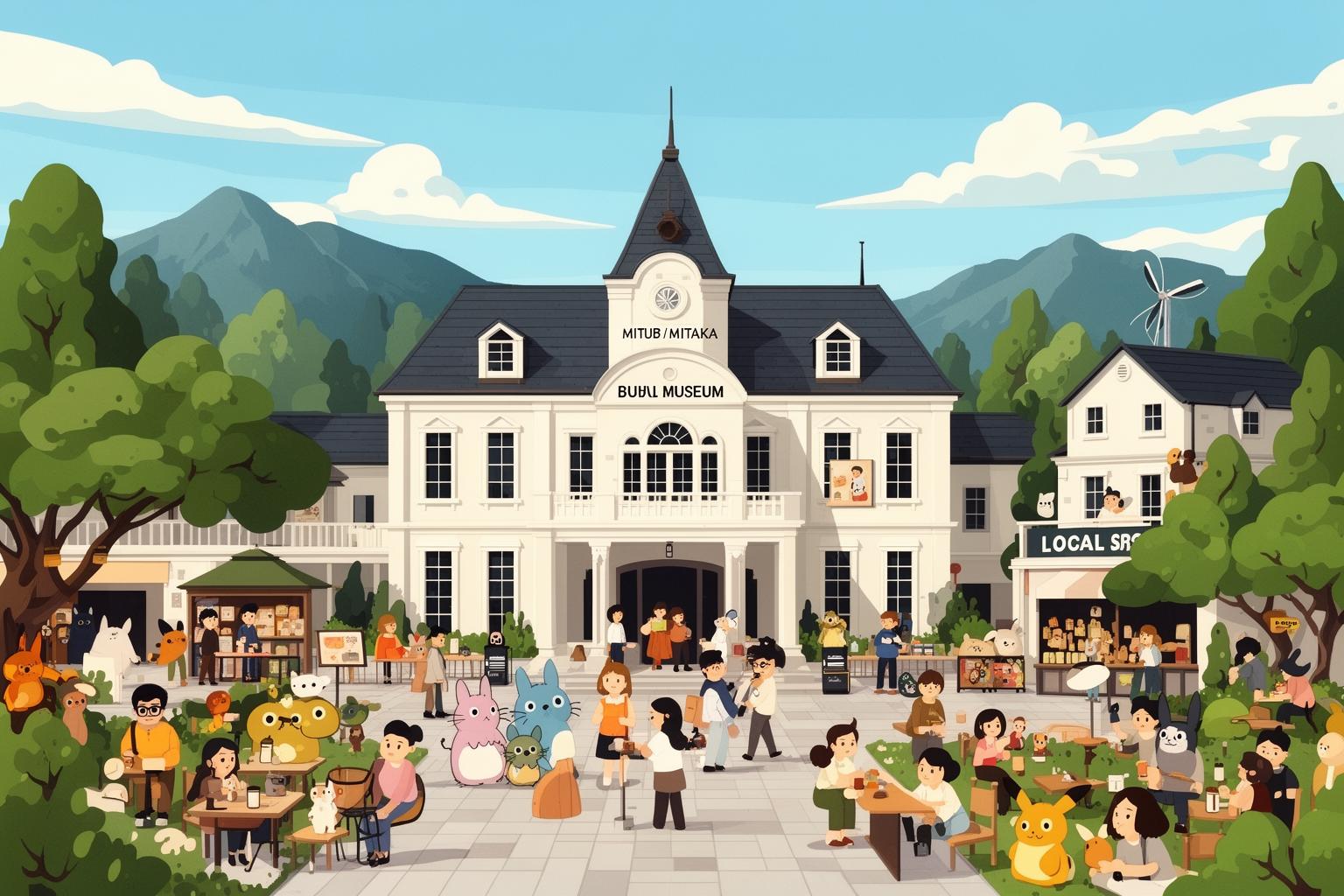
While the Ghibli Museum is the main attraction, its location provides an ideal chance to extend your adventure. The museum is located within Inokashira Park, one of Tokyo’s most cherished green spaces, and it would be a pity to leave without exploring its delights. The park is expansive and picturesque, centered around a large pond where you can rent charming swan-shaped paddle boats. Meandering paths take you through dense woods, past a small zoo, and to the Benzaiten Shrine, dedicated to the goddess of water and music, situated on a tiny island in the pond. The park is breathtaking in every season, but it truly shines in spring, when hundreds of cherry trees blossom, and in autumn, when the leaves turn vibrant shades of red and gold. Rather than rushing back to the station after your museum visit, I strongly suggest spending an hour or two leisurely strolling through the park. It’s the perfect, tranquil way to wind down after the sensory delights of the museum. For a more scenic approach, consider starting your day at Kichijoji Station instead of Mitaka. Kichijoji is a lively, trendy neighborhood known for its excellent shopping arcades, fashionable boutiques, and numerous small restaurants and cafes. From Kichijoji Station, it’s a pleasant fifteen-minute walk through the most picturesque part of Inokashira Park to reach the museum. This route lets you enjoy the natural beauty of the area first, building anticipation as you approach the whimsical building nestled among the trees.
Practical Pilgrimage: A First-Timer’s Guidebook
Navigating your first trip to the Ghibli Museum can feel a bit overwhelming, but with a few essential tips, the process becomes smooth and enjoyable. Here’s a comprehensive guide to help you plan your visit.
Access
Your journey will likely start on the JR Chuo Line from a major station like Shinjuku or Tokyo Station. You have two primary options for your destination station. The first is Mitaka Station. From the South Exit, you can catch the delightful Ghibli-themed community bus that loops directly to the museum. The bus is a bright yellow, decorated with Ghibli characters, making the short ten-minute ride part of the experience. You can purchase a round-trip ticket from the vending machine at the bus stop. The second option is Kichijoji Station, which is highly recommended because it offers a scenic, well-marked walk through Inokashira Park, taking about fifteen to twenty minutes and building wonderful anticipation.
Timing
As noted, securing tickets is the first and most crucial step. Remember: tickets go on sale on the 10th of the month at 10:00 AM JST for the following month. When you book, you select a specific entry time (e.g., 10:00, 12:00, 14:00). You must enter within thirty minutes of your chosen time, but once inside, you can stay as long as you like until closing. The 10:00 AM slot is often the best choice if you want to visit when it’s least crowded and enjoy shorter waits at the café. Plan to spend at least three hours inside the museum to fully explore without rushing. Add an extra one to two hours if you wish to stroll through Inokashira Park and dine at the café.
What to Bring
Your most important item is a passport or official photo ID matching the name on your ticket exactly, as the staff is very strict about this. Bring some Japanese Yen in cash, especially for the community bus and smaller food vendors in the park, though the museum shop and café accept credit cards. Wear comfortable shoes since you’ll do a lot of walking and standing. Lastly, bring an open heart and a curious mind—leave your expectations behind and be ready to simply explore and enjoy.
For Families
The museum is exceptionally family-friendly. While strollers are not allowed inside the main building due to narrow staircases and limited space, there is a designated stroller parking area near the entrance. The museum also offers nursing rooms and baby-changing facilities. The interactive exhibits, vibrant colors, and of course, the Catbus Room, provide an incredibly engaging experience for children of all ages. It’s a place meant to be touched, explored, and enjoyed, not just viewed from afar, making it an ideal family outing.
A Parting Whisper
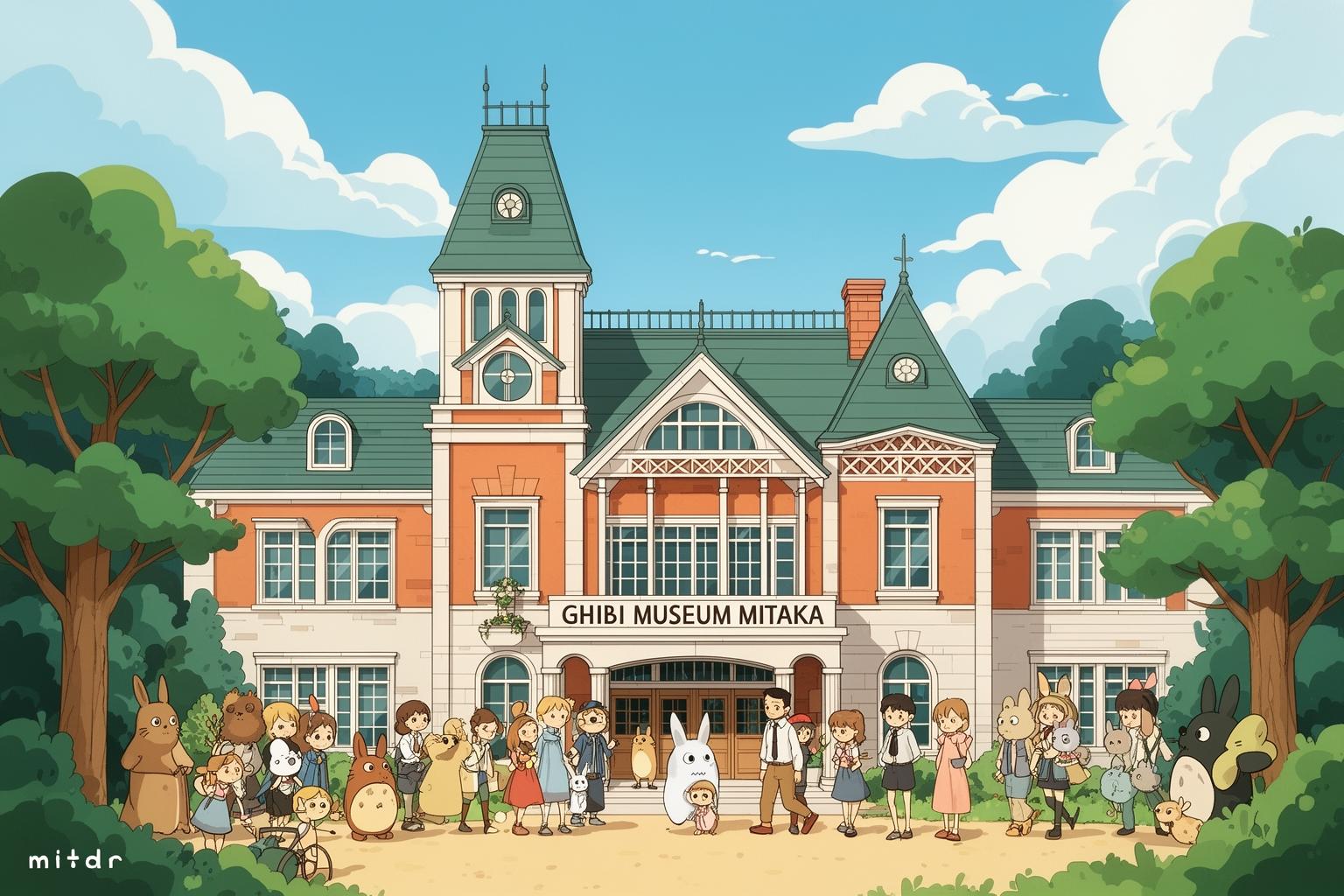
Leaving the Ghibli Museum feels like emerging from a beautiful dream. As you stroll back through Inokashira Park, the ordinary world gradually comes into view, yet something within you has changed. The museum is more than just a collection of artifacts from beloved films; it is a lively, dynamic celebration of the artistic spirit. It stands as a heartfelt invitation from Hayao Miyazaki and his team to see the world with a bit more wonder, to cherish the beauty of the handmade, and to stay connected with the child inside you who believes in friendly forest spirits and castles in the sky. You depart not only with memories of what you witnessed but with a renewed sense of the magic that exists in the world—if only you know how to look. This feeling lingers long after you’ve boarded the train back to the bustling heart of Tokyo, a quiet whisper urging you to get lost occasionally and discover the wonders you might find.