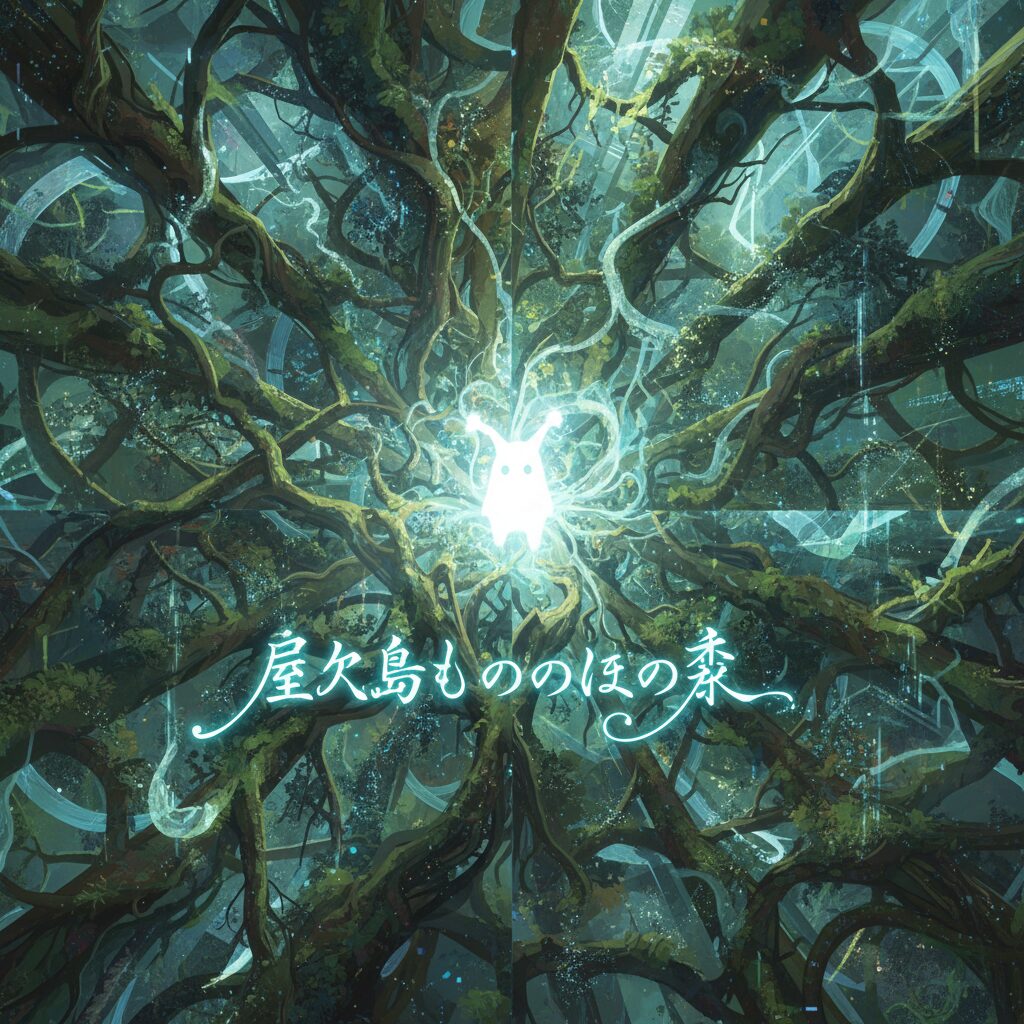
There are places on this planet that feel older than time, where the air itself hums with a quiet, ancient energy. Yakushima is one of those places. It’s an island of emerald green and misty grey, a jewel of primeval forest floating in the East China Sea, just south of Japan’s main islands. For many travelers, its name is whispered with a sense of reverence, not just for its staggering natural beauty, but for its role as the living, breathing soul of one of the greatest animated films ever made: Hayao Miyazaki’s Princess Mononoke. To journey here is to step through the screen and into the world that captivated millions. It’s a pilgrimage to the very heart of the struggle between nature and humanity, a place where you can feel the silent judgment of thousand-year-old trees and hear the footsteps of the Forest Spirit in the rustling leaves. This isn’t just a location; it’s an experience, a conversation with the wild heart of Japan. Before we wander deep into the mossy labyrinth, let’s get our bearings and see where this mythical island lies.
Embracing Yakushima’s timeless allure, travelers often find themselves venturing into a Miyazaki-inspired forest that echoes with the whispers of ancient nature.
The Whispering Labyrinth of Shiratani Unsuikyo
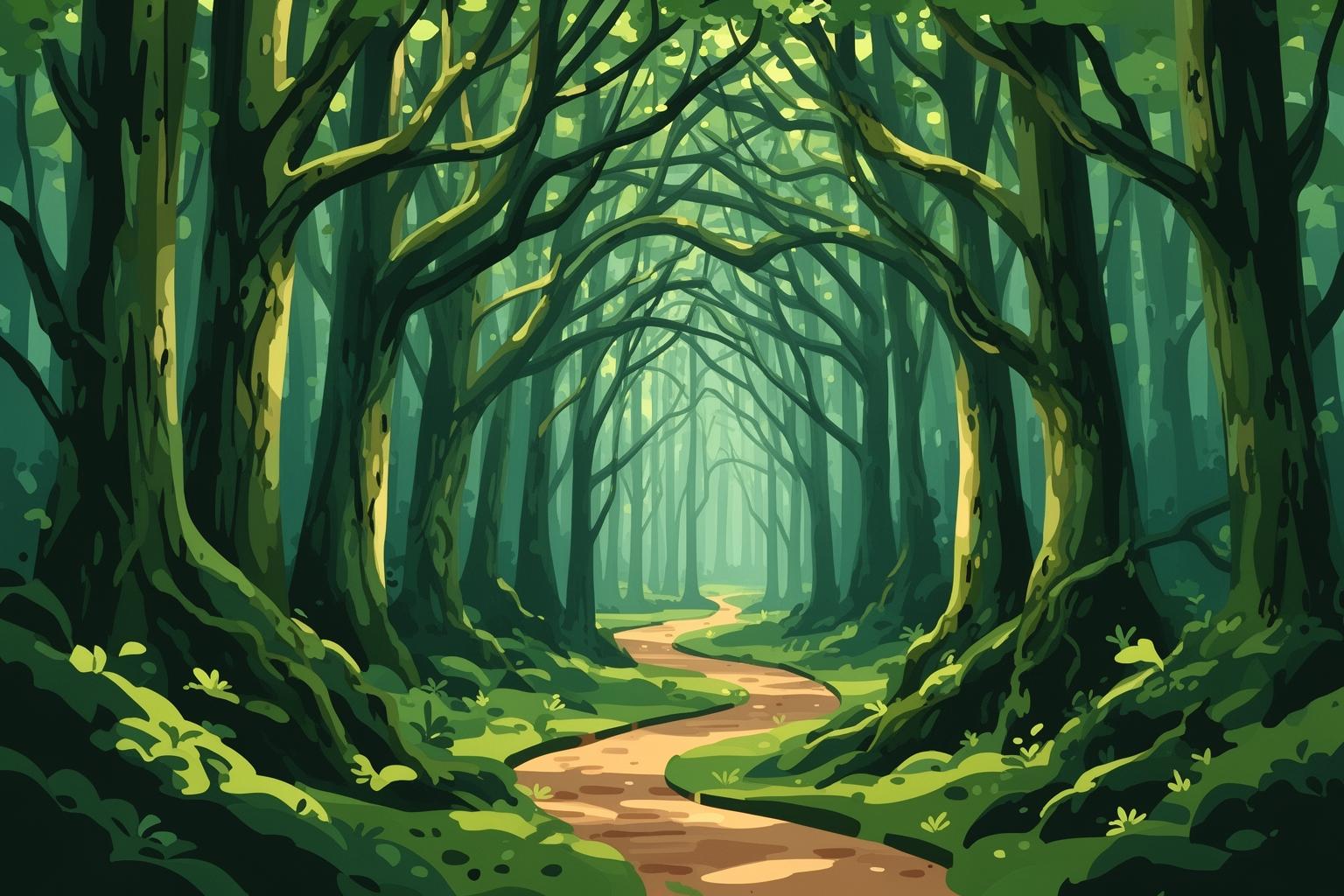
This is where the magic begins for most visitors. Shiratani Unsuikyo, the Ravine of White Tani, serves as the spiritual heart of Yakushima’s Ghibli connection. The moment you step onto the trail, the outside world fades away, replaced by a symphony of green. Every surface is alive, blanketed in a thick, velvety carpet made up of countless moss species. It’s a landscape that drinks the rain and breathes mist, creating an ethereal atmosphere that is both deeply peaceful and vibrantly alive. The air is cool, heavy with the scent of damp earth and decaying leaves—a primal fragrance that clears the mind. This is not a forest to simply observe; it’s a world to fully inhabit, a place that envelops you completely.
Walking in Mononoke’s Footsteps
Deep within the trail network lies a spot officially dubbed “Mononoke Hime no Mori,” or the Princess Mononoke Forest. It’s an almost uncanny reenactment of the film’s most iconic scenes. Gnarled roots of ancient Yakusugi cedars twist over moss-covered stones like ancient serpents, while crystalline streams meander through the landscape, their waters so pure you feel you could drink straight from them. The light here is different—it filters gently through the dense canopy in soft, dappled beams, illuminating patches of impossibly green moss and making the entire forest floor glow with an otherworldly radiance. You half-expect a kodama, one of the film’s little white tree spirits, to peek out from behind a trunk, tilting its rattling head with curiosity. This is exactly where Miyazaki and his team of artists spent hours sketching, soaking in the spirit of the place to pour it onto the animation cells. And you can feel it—the reverence, the creative energy born right here among these ancient giants.
The Scent of Rain and Earth
No trip to Yakushima is complete without appreciating its deep connection with water. There’s a local saying that it rains “35 days a month,” a charming exaggeration with a kernel of truth. Rain is the island’s lifeblood. It nourishes the moss, sustains the great trees, and carves the granite ravines. Here, you shouldn’t fear the rain; you should embrace it. A sturdy waterproof jacket and pants aren’t optional—they are essential parts of the Yakushima uniform. When the rain falls, the forest transforms. Colors grow richer and more intense. The scent of petrichor—the smell of rain on dry earth—blends with the aroma of cedar and humus. The soundscape shifts from the quiet rustle of leaves to a gentle, percussive symphony of drips and drops, each hitting a different surface, leaf, or patch of moss, creating a complex and soothing rhythm. Walking through Shiratani Unsuikyo in a light drizzle is to experience it in its most genuine, vibrant state.
A Trail for Every Traveler
What makes Shiratani Unsuikyo so accessible is its range of trails. You don’t need to be a seasoned hiker to experience its magic. There are short, well-maintained courses that take just an hour or two, following Edo-period stone-paved paths and wooden walkways that protect the delicate moss. These shorter routes still lead you through breathtaking scenery and past magnificent trees like the Nidaiosugi and Yayoisugi. For those with more time and energy, longer trails beckon, taking you deeper into the wilderness. The most popular full-day route climbs to Taikoiwa Rock, a massive granite boulder offering a stunning panoramic view of the island’s mountainous interior. The ascent is steep, but the reward is a perspective that makes you feel as though you’re on top of the world, gazing down upon the sea of green you’ve just emerged from. It’s a powerful reminder of the island’s vast scale and untamed wildness.
Beyond the Anime: The Ancient Heart of the Island
While the spirit of Princess Mononoke is a compelling attraction, Yakushima’s essence predates any film by centuries. The island’s designation as a UNESCO World Natural Heritage site is well deserved. Its forests shelter some of the oldest living trees on Earth—the Yakusugi, Japanese cedars that have thrived for well over a thousand years. To truly grasp the island’s essence, you must explore beyond the easily accessible trails and seek out these ancient sentinels.
The Majesty of Jomon Sugi
The undisputed monarch of the forest is Jomon Sugi. This enormous cedar is more than just a tree; it stands as a testament to endurance, a living connection to Japan’s distant history. Its age is debated, with estimates ranging between 2,000 and over 7,200 years. If the oldest estimates hold true, it sprouted when the great pyramids of Egypt were being constructed. Being in its presence is a profoundly humbling experience. Its trunk is a twisted, hollowed fortress of bark and wood, weathered by millennia of storms and typhoons, yet still stretching skyward. It doesn’t feel merely like a plant; it feels like a presence—a silent, vigilant deity of the forest. The trek to Jomon Sugi is a pilgrimage itself, a physical and mental ordeal that makes the final sight all the more meaningful.
The Challenge and the Reward
Visiting Jomon Sugi is not a casual walk. It’s a strenuous ten to twelve-hour round-trip hike demanding an early start, often before dawn. The journey begins with a lengthy walk along an old logging railway track—a man-made mark on the wilderness that serves as a poignant emblem of the conflicts portrayed in Princess Mononoke. Beyond the tracks, the trail turns into a demanding mountain climb, navigating roots and rocks, ascending steep slopes deep into the island’s core. It tests your stamina, but with each step, the forest feels older and more majestic around you. Along the way, you’ll encounter other magnificent Yakusugi, like Wilson’s Stump—the massive remains of a cedar so large you can walk inside its hollow trunk. Upon reaching the viewing platform for Jomon Sugi, exhaustion is met with awe. You are witnessing a living being that has stood through the rise and fall of countless civilizations, putting your own life and worries into a powerful, clarifying perspective.
The Island’s Living Ecosystem
Though the trees are the stars, the forest thrives as a bustling community. Yakushima teems with wildlife, and you’re almost certain to encounter its most famous inhabitants: the Yakushika deer and Yakuzaru monkeys. These creatures are smaller than their mainland relatives and show a remarkable lack of fear towards humans, reflecting the island’s unique harmony. It’s common to see a macaque calmly grooming a companion on a guardrail or a deer gently nibbling leaves just feet from the trail. They are the true forest dwellers, living their lives amid the ancient trees. Spotting them adds another layer of enchantment, a reminder that you are a guest in their wild, magical home.
Embracing the Yakushima Rhythm: Life on a Timeless Island
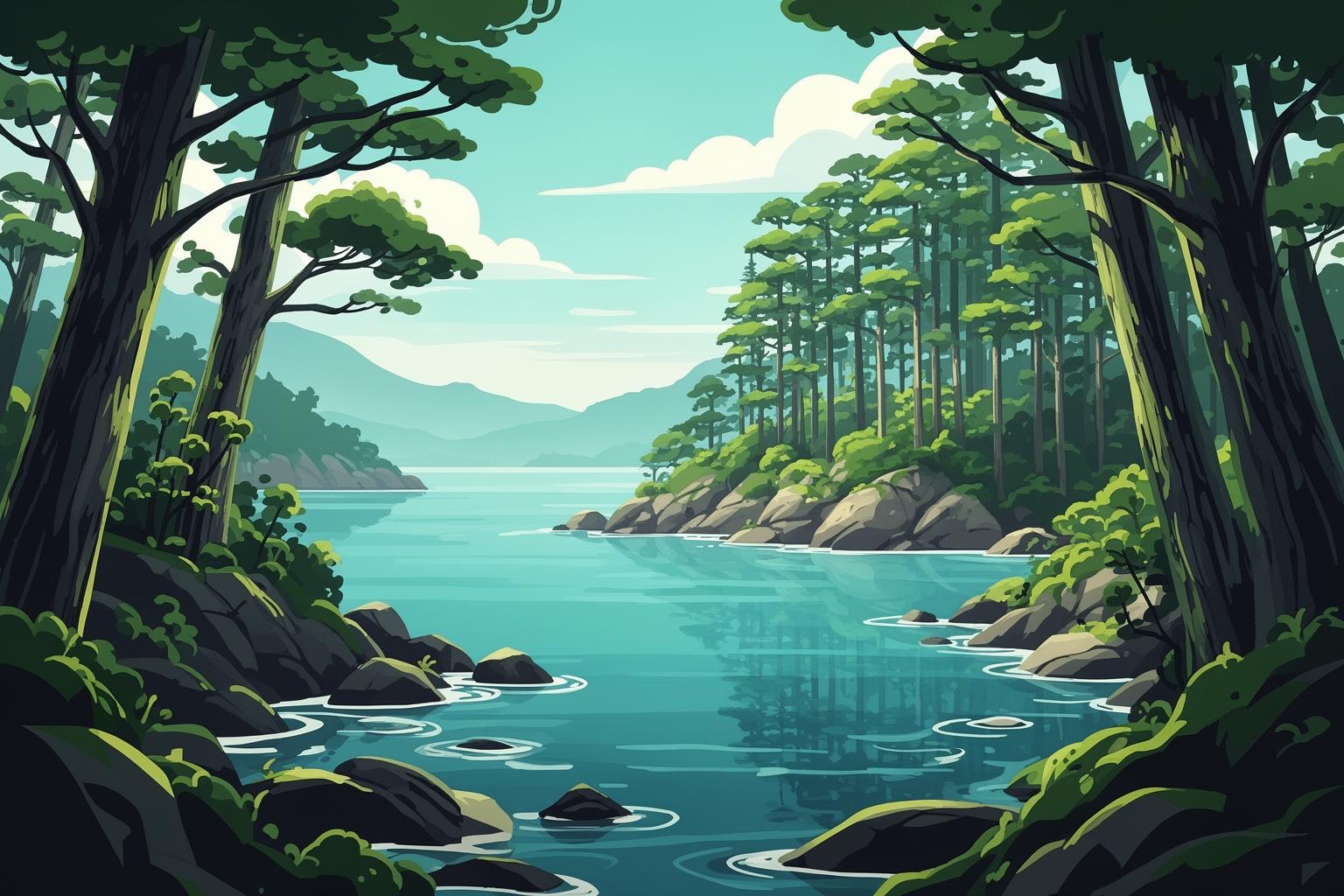
To truly appreciate Yakushima, you need to attune yourself to its rhythm, shaped by the mountains, the rain, and the sea. The island’s charm extends well beyond its lush forests, reaching its dramatic coastline and the relaxed pace of its small towns.
Circumnavigating Paradise
Although buses are available, renting a car is the best way to fully explore the island’s freedom. The road encircling Yakushima is a journey in itself, offering stunning views at every bend. On one side lie steep, verdant mountainsides; on the other, the vast Pacific Ocean stretches out. This drive takes you past roaring waterfalls, some so magnificent they have become destinations unto themselves. Senpiro-no-taki and Oko-no-taki are among the most striking, torrents of water cascading down granite cliffs. The western loop, called the Seibu Rindo Forest Path, is a narrow, winding road that cuts through a protected World Heritage area where forest meets sea. Here, monkeys and deer often appear on the road, prompting you to slow down and truly savor the surroundings.
Tides, Turtles, and Tranquility
Yakushima’s coastline is a world apart. Nagata Inakahama, a beautiful beach of golden sand, is best known as the largest nesting site for endangered loggerhead sea turtles in the North Pacific. From May to July, female turtles come ashore under the cover of night to lay their eggs. Witnessing this ancient ritual is deeply moving but must be done with great respect. Local conservation groups run guided tours to ensure the turtles are not disturbed. This powerful reminder shows the island’s magic extends beyond its forests to the very waters along its shores.
Soaking in Nature’s Gift
After a long day of hiking, nothing compares to an onsen, a Japanese hot spring. Yakushima offers a unique version of this cherished tradition with its seaside onsen. The most famous is Hirauchi Kaichu Onsen, a series of natural pools formed in the coastal rocks that are accessible only for a few hours daily at low tide. Bathing in these geothermal waters, with the Pacific waves crashing mere feet away under a star-filled sky, is an experience of pure bliss. It’s the perfect way to soothe tired muscles and feel directly connected to the geothermal energy flowing beneath the island.
Practical Magic: Planning Your Pilgrimage
A trip to such a remote and untamed place calls for some careful planning. The logistics are part of the adventure, and getting them right will help make your experience as seamless and magical as possible.
The Journey is Part of the Experience
Yakushima is an island, so your final approach will be either by air or by sea. Yakushima Airport (YSJ) offers several direct flights daily from Kagoshima, plus a few from major hubs like Fukuoka and Osaka. This is the quickest and most convenient way to arrive. Alternatively, you can choose the sea route. High-speed jetfoil ferries such as the Toppy and Rocket travel between Kagoshima and Yakushima’s Miyanoura or Anbo ports in about two to three hours. For a slower, more budget-friendly option, there’s the car ferry, which takes around four hours and gives you the chance to watch the island gradually appear on the horizon, a green mountain rising dramatically from the sea. Each mode of transport offers a unique sense of arrival, marking a different transition from the modern world to the ancient.
Where to Stay
Most accommodations are located in the two main port towns: Miyanoura in the north and Anbo in the south. These towns provide the most amenities, including restaurants, gear rental shops, and supermarkets. You’ll find a variety of options, ranging from modern hotels to cozy, family-run guesthouses called minshuku. Staying in a minshuku is a fantastic way to experience local hospitality, as meals are often home-cooked and feature regional specialties. Whatever your choice, it’s essential to book your lodging well in advance. Yakushima is a popular destination, especially during spring and summer, and the top spots fill up months ahead.
Dressing for the Weather
I can’t emphasize this enough: be prepared for rain. High-quality, dependable waterproof gear is the single most important item to pack. This includes a breathable waterproof jacket, waterproof pants, and sturdy, waterproof hiking boots with good traction. The trails can be slippery with water and mud, making proper footwear a safety necessity. Layering is also important. Temperatures can change significantly between the coast and mountain peaks, so bring a combination of base layers, fleeces, and your waterproof shell to adjust accordingly. Many shops in Miyanoura and Anbo offer full hiking gear rentals, which is a convenient option if you prefer not to carry bulky equipment.
Nourishment for Body and Soul
Hiking in Yakushima burns a lot of calories, and luckily, local cuisine is more than ready to help you refuel. The island’s signature dish is tobiuo, or flying fish. It’s available in various preparations, but the karaage style—deep-fried whole until crispy enough to eat from head to tail—is a must-try. For your hikes, be sure to bring a bento lunch, which many hotels and bento shops can prepare if you order the day before. For a post-hike treat, sample some local shochu, especially Mitake, a sweet-potato-based spirit known for its smoothness.
A Parting Word: The Spirit of the Forest
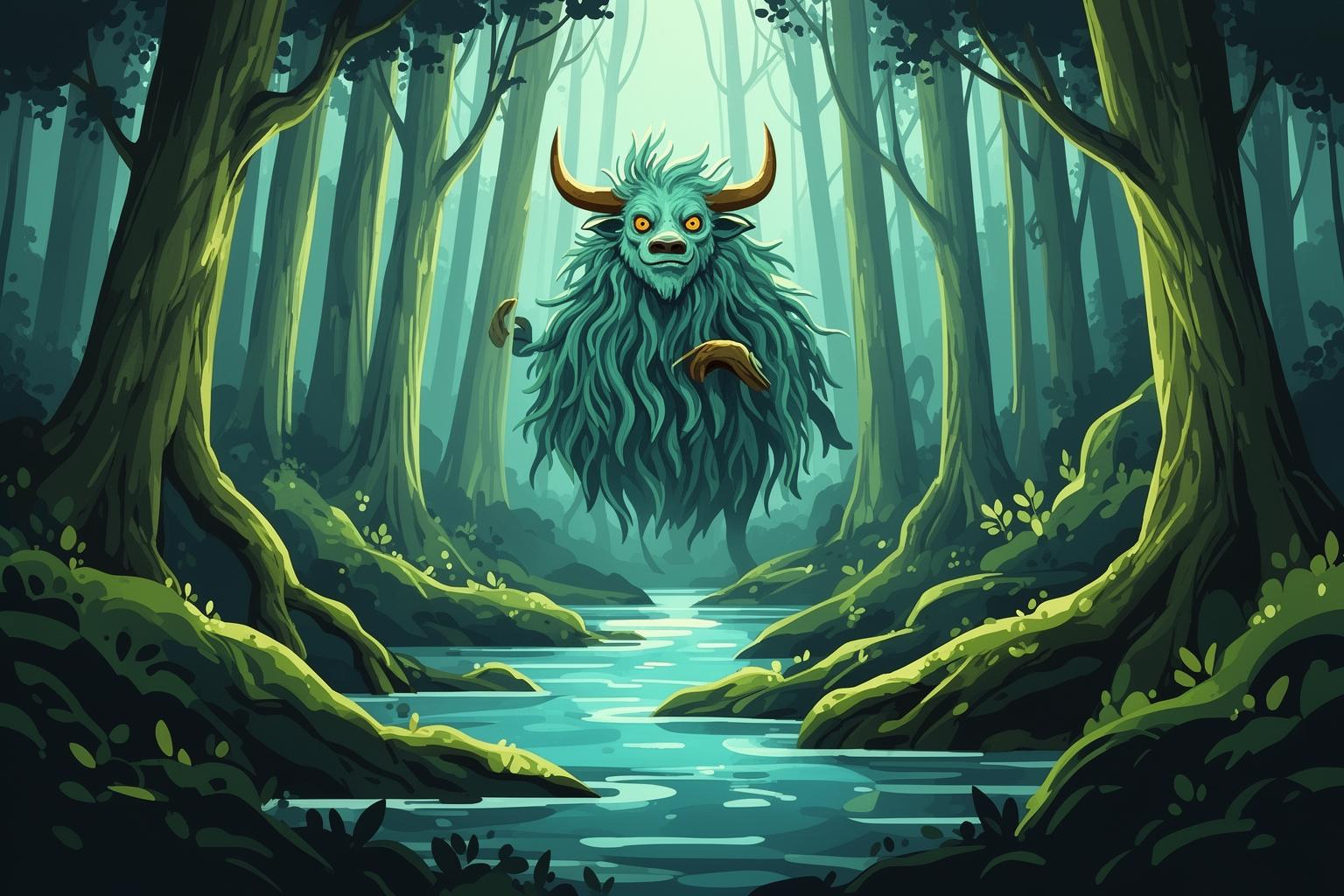
A trip to Yakushima is more than just a vacation; it’s a pilgrimage that can gently change your outlook. It’s a place that compels you to face the power and grandeur of nature and recognize your small role within it.
Leave More Than Footprints
The core message of Princess Mononoke revolves around the fragile and often turbulent balance between humanity and nature. Visiting the island that inspired this tale comes with a duty. The ecosystem here is ancient and delicate. Stick to the marked trails to protect the sensitive moss, carry out every bit of trash you bring in, and never feed the wildlife. The aim is to move through this sacred place lightly, leaving it as untouched as you found it. By doing so, you become part of the solution, acting as a guardian of the forest in your own small way.
The Echo of the Kodama
You might not encounter the Forest Spirit or the wolf goddess Moro, but their presence is felt. It’s in the ancient cedar trees, in the monkeys’ chatter, in the purifying rain, and in the deep woods’ profound silence. Yakushima seeps into your soul. The peace and awe you experience here will stay with you long after you’ve boarded the ferry or plane home. It serves as a reminder that realms of such profound beauty and timeless power still exist and deserve our protection. You visit Yakushima to witness the forest from Princess Mononoke, but you leave carrying a piece of the real forest’s spirit within you.