
Kyoto is not a city you simply visit; it’s a world you enter. It moves to a different rhythm, a cadence set by temple bells, the soft shuffle of sandals on stone, and the rustle of bamboo in a silent grove. For centuries, it has been the heart of Japan, a repository of its highest arts, its deepest philosophies, and its most refined traditions. But today, Kyoto is also something more. It is a living map for a new kind of traveler, the modern pilgrim on a journey known as seichi junrei—a sacred site pilgrimage not just to ancient shrines, but to the very locations that breathe life into our favorite anime, manga, and films. Here, the thousand-year-old setting of The Tale of Genji is also the vibrant, contemporary stage for high school concert bands in Sound! Euphonium. The mischievous tanuki of The Eccentric Family scurry along the same riverbanks where imperial courtiers once composed poetry. This city is a crossroads where history and imagination don’t just meet; they flow into one another, creating a landscape rich with layers of meaning. As someone who has spent years exploring the cultural threads that connect East Asia, I see Kyoto as a grand tapestry, where motifs from Chinese classical literature and Zen Buddhism are woven together with purely Japanese aesthetics and the boundless energy of modern pop culture. It’s a place to trace the footsteps of shoguns, geishas, and your favorite animated characters, all in a single afternoon. This guide is your invitation to that journey, to discover a Kyoto that exists both on the map and in the heart.
Kyoto’s seamless blend of ancient ritual and modern pop culture invites travelers to uncover hidden narratives, much like the Your Name pilgrimage that reveals real-world anime landmarks.
The Whispering Stones of Gion: Where Geishas and History Converge
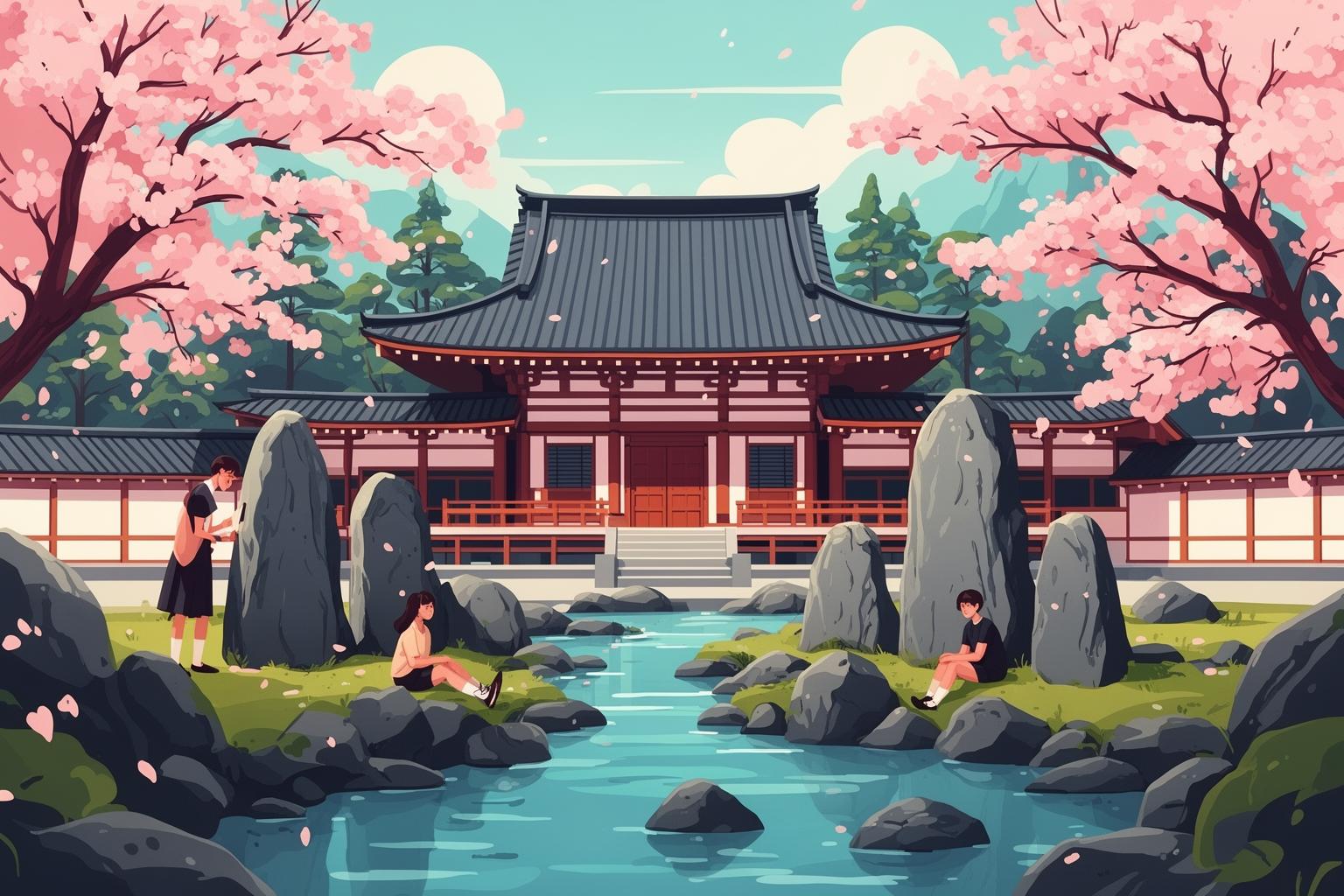
To walk through Gion is to touch the very fabric of time. As the sun sets behind the Higashiyama mountains, the district undergoes a transformation. The daytime crowds of tourists fade away, and a deeper, more enchanting atmosphere emerges. Paper lanterns ignite softly, bathing the dark, latticed wood of the machiya townhouses in a warm, honey-colored light. The air quiets, broken only by the distant toll of a bell from Yasaka Shrine and, if fortune favors you, the distinct clip-clop of geta sandals on the polished flagstones. This is the Japan of shared imagination, a world immortalized in countless films and novels—the celebrated flower and willow world of geiko and their maiko apprentices. Yet, Gion is far from a museum exhibit. It remains a living, breathing neighborhood where centuries of artistic tradition continue to be practiced and cherished behind understated wooden facades. The sensation is one of great elegance and deep privacy. You are a witness on the edge of a realm that does not easily disclose its secrets, and this aura of mystery is exactly what makes it so enchanting. The energy here is subtle, a quiet murmur of exclusivity and devotion to craft that has endured over generations.
Hanamikoji: The Flower-Viewing Lane
Hanamikoji Street lies at the heart of Gion, a perfectly preserved corridor that feels like a film set brought to life. By day, it throngs with visitors eager to glimpse its famous architecture. But its true spirit reveals itself at dusk. This is the time to wander its length, from Kennin-ji Temple at the southern end to Shijo Street in the north. The secret to fully appreciating Hanamikoji is to slow down. Observe the details: the small, custom signs of the tea houses (ochaya), a single flower artfully placed in a window, the immaculate tidiness of the cobblestones. This is the most likely place to spot a geiko or maiko on their way to an evening engagement. Should you encounter one, remember this is their workplace. Maintaining a respectful distance and quiet admiration is essential; photography is strongly discouraged to preserve the dignity of the artists and the district’s atmosphere. The best way to engage is to find a quiet spot, perhaps near one of the smaller side alleys, and simply watch the street’s gentle rhythm unfold. It’s a moment of deep cultural immersion, witnessing a living art form glide gracefully through its natural setting.
Shirakawa Lane: A Tranquil Waterway
While Hanamikoji serves as Gion’s grand stage, nearby Shirakawa Lane offers a more intimate and poetic experience. Running alongside a narrow, crystal-clear canal bordered by weeping willow trees, this area is stunningly beautiful—especially during cherry blossom season when petals drift gently onto the water’s surface. The lane is narrower, with smaller, more discreet restaurants and tea houses. It feels less like a thoroughfare and more like a secret garden. The sound of flowing water creates a constant, soothing backdrop, providing a peaceful contrast to the city’s energy. It’s a place for a quiet walk, a moment of contemplation. The iconic Tatsumi Bridge, a small arched stone crossing, is a focal point—a perfect frame for a photograph that captures the spirit of old Kyoto. This serene corner of Gion, with its elegant willows and gentle stream, reveals another aspect of Japanese aesthetics—one that finds profound beauty in the harmony between nature and craftsmanship, a concept deeply rooted in both Shinto beliefs and the Taoist philosophies that have influenced Japanese garden design for centuries.
Fushimi Inari-taisha: A Thousand Gates to Another World
There is no image more emblematic of Kyoto, and perhaps all of Japan, than the vibrant vermilion tunnels of Fushimi Inari-taisha. This expansive shrine complex, dedicated to Inari, the Shinto god of rice, sake, and prosperity, offers an unforgettable sensory experience. From the moment you pass beneath the enormous torii gate at the mountain’s base, you enter a spiritual realm. The air is filled with the scent of incense and the sound of prayers. Stone foxes, or kitsune, stand guard everywhere, some clutching keys to the rice granary in their mouths, acting as Inari’s divine messengers. The true pilgrimage, however, begins when you step into the Senbon Torii, the Thousand Torii Gates. Walking through these closely spaced corridors feels like being transported to another world. The outside world fades away, replaced by a mesmerizing interplay of light and shadow streaming through the crimson pillars. Each gate is a donation from an individual or business seeking good fortune, a tangible embodiment of a prayer. The path becomes a meditation, a journey deeper into the sacred mountain and, in a sense, into oneself.
For anime enthusiasts, this site is sacred ground. It plays a significant role in Inari, Konkon, Koi Iroha, where the shrine is more than a backdrop—it is a central character, a place where the human and divine realms converge. Seeing the familiar steps and fox statues firsthand creates a powerful bond with the story, transforming a fictional tale into a palpable reality.
The Journey Through the Senbon Torii
The path of gates meanders up the sacred Mount Inari, taking about two to three hours to complete the full circuit. Many visitors only traverse the initial, most densely packed section, but the true magic of Fushimi Inari reveals itself to those who venture farther. As you ascend, the crowds lessen, the gates spread out, and you find yourself enveloped by a tranquil cedar forest. The experience shifts from a visual spectacle to a peaceful, atmospheric hike. Comfortable walking shoes are a must, as the path includes numerous stone steps. The shrine is technically open 24 hours a day, and visiting either very early in the morning or late at night offers an entirely different, more mystical experience. At dawn, the rising sun bathes the gates in a gentle glow; at night, stone lanterns cast long, dancing shadows, evoking an eerie yet beautiful ambiance. Be sure to bring water, especially during warmer months, as the climb is genuinely strenuous.
Beyond the Gates: The Mountain’s Hidden Shrines
As you continue up Mount Inari, you’ll find that Fushimi Inari is not a single shrine but a vast network of smaller sub-shrines, or otsuka, scattered throughout the forest. These private altars, adorned with miniature torii and fox figurines, form numerous intimate spaces of worship. They are deeply personal sanctuaries, weathered by time and nature. Pausing at one of these quiet spots offers a deeper understanding of the living faith that sustains this mountain. About halfway up, you’ll reach the Yotsutsuji intersection, which provides a breathtaking panoramic view of Kyoto below. It’s the ideal spot to rest, catch your breath, and appreciate the scale of the city you are exploring. Many people turn back here, but continuing to the summit, Ukanomitama-no-Okami, completes the pilgrimage. The journey beyond the main path is a reminder that the most rewarding experiences often lie just beyond the obvious, a universal truth in travel as in life.
The Melodies of the Kamo River: Lifeblood of the Ancient Capital
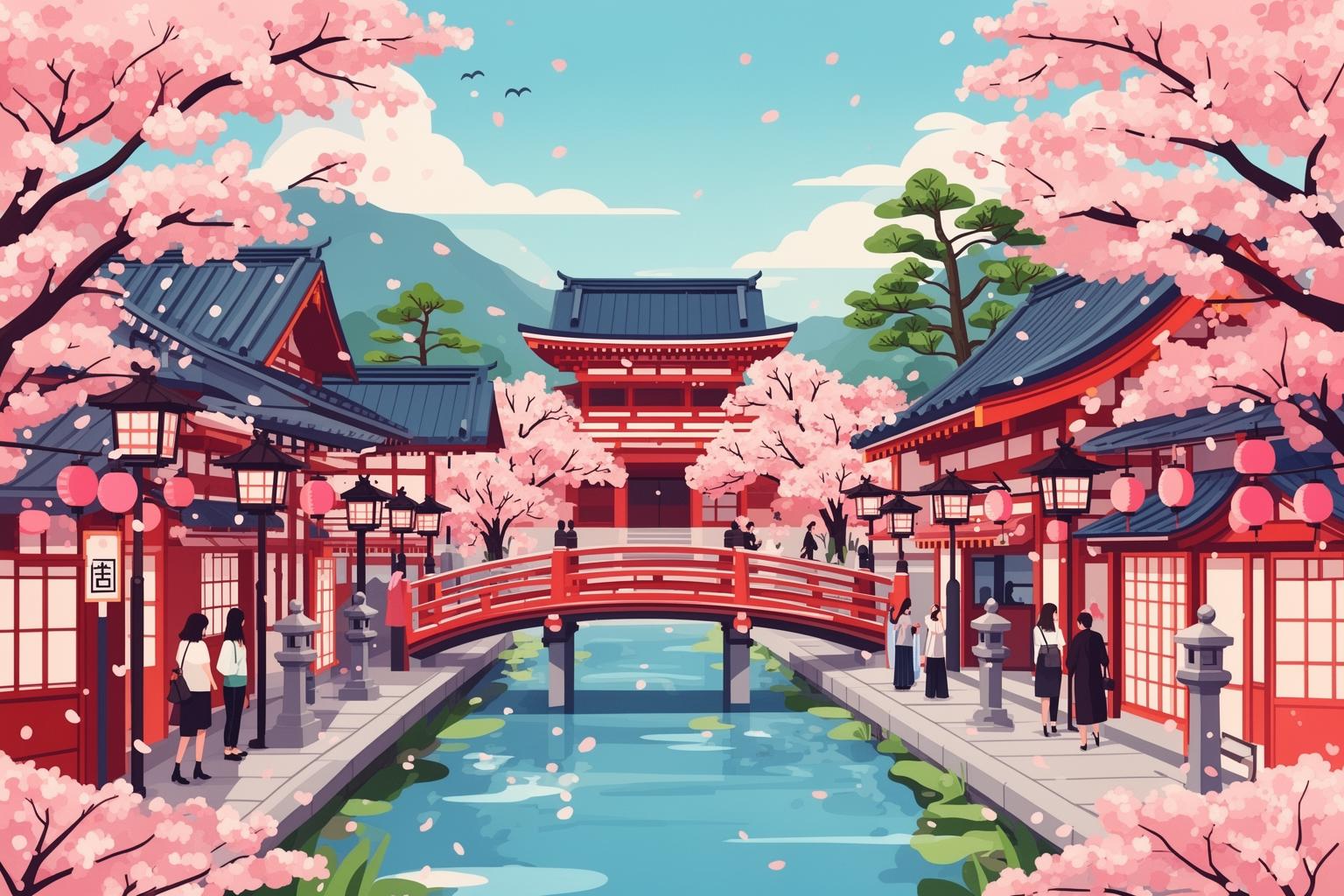
The Kamo River, or Kamogawa, is often referred to as the lifeblood of Kyoto. It isn’t a grand or monumental river, but rather a wide, gentle waterway that divides the city and functions as its main public space. For centuries, its banks have been a backdrop for the everyday life of Kyoto’s inhabitants. It’s a place where friends meet, couples stroll hand-in-hand, and musicians practice their tunes, their melodies drifting on the breeze. In summer, the river buzzes with yuka, temporary wooden platforms built by riverside restaurants where diners can enjoy meals outdoors—a tradition that goes back centuries. The atmosphere along the Kamogawa is relaxed, egalitarian, and closely tied to the rhythms of the changing seasons. It offers a chance to witness the city in its most natural and unpretentious state. From an East Asian cultural viewpoint, the deep respect for such a natural element within an urban environment reflects a long-standing belief in the harmony between humanity and nature, a principle that feels increasingly important today.
This river also serves as the main setting for the acclaimed anime The Eccentric Family (Uchouten Kazoku). The story centers on a family of tanuki (shape-shifting raccoon dogs) who live, love, and find themselves in magical-realist adventures along its banks. Walking along the Kamogawa offers a glimpse of the world through their eyes, from the Shimogamo Shrine nestled in the Tadasu no Mori forest to the lively Demachi Masugata Shopping Arcade.
From Demachi Masugata to the Delta
For fans of The Eccentric Family, the Demachi Yanagi area is an essential stop. The Demachi Masugata Shopping Arcade is a charming covered market filled with local vendors offering everything from fresh tofu and pickled vegetables to mochi. It has a warm, community atmosphere that contrasts sharply with the more polished tourist spots. Here, you can truly sense the rhythm of daily Kyoto life. A short stroll from the arcade will take you to the Kamo Delta, where the Kamo and Takano rivers meet. This triangular stretch of land is a cherished local hangout. Its standout feature is the kameishi, a series of stepping stones shaped like turtles and birds that let visitors cross the shallow river. Hopping across these stones is a simple and joyful tradition for both locals and tourists. It is at this delta where many pivotal scenes in the anime unfold, making it a meaningful destination for fans of the series.
Pontocho Alley: A Culinary Parallel
Running alongside the Kamo River is Pontocho, one of Kyoto’s most atmospheric dining districts. This long, narrow alley is lined with traditional wooden restaurants, teahouses, and bars, many of which date back centuries. At night, its lanterns glow softly, filling the alley with the enticing aromas of cooking and the gentle murmur of conversation. While Gion is known as the geiko’s domain, Pontocho boasts its own unique and historic entertainment culture. Many of its establishments are exclusive and require introductions, but an increasing number welcome first-time visitors, offering everything from exquisite kaiseki multi-course meals to casual yakitori. Strolling down Pontocho, even without dining, is an essential Kyoto experience, offering a captivating glimpse into a hidden world of culinary art, where the alley’s narrowness fosters a sense of intimacy and discovery with each step.
Arashiyama’s Bamboo Grove: A Symphony of Green and Wind
Situated on the western outskirts of Kyoto, the Arashiyama district presents a unique beauty characterized by its striking natural landscapes. Its most renowned attraction is the Sagano Bamboo Grove, a place that stimulates all the senses. Walking along the path that weaves through this towering forest is a deeply immersive experience. The tremendous height of the bamboo stalks, reaching skyward like the pillars of a natural cathedral, evokes a sense of entering another realm. The quality of the light is remarkable—dappled, ethereal green filtering through the dense canopy above. However, the most unforgettable feature is the sound. When the wind blows, the thick stalks knock together and the leaves rustle, creating a distinctive, soothing symphony—a sound so notable that Japan’s Ministry of the Environment has recognized it as one of the country’s “100 Soundscapes.” This grove has served as the backdrop for countless historical dramas and anime, its uncanny beauty providing the perfect setting for reflection or supernatural moments.
Navigating the Green Sea
The walking path through the main section of the grove is surprisingly short, only a few hundred meters long, but its impact is profound. To best experience its magic, the advice is simple and essential: arrive early. Very early. Getting there shortly after sunrise allows you to enjoy the path almost alone, before the crowds arrive. In this stillness, the forest sounds are heightened, and the atmosphere feels at its most peaceful and mystical. The path begins beside the famous Tenryu-ji Temple, a major center of Zen Buddhism with a stunning garden that is worth visiting on its own. After leaving the bamboo grove, you can continue to the Okochi-Sanso Villa, the former home of a celebrated film actor, which features beautiful gardens and breathtaking views.
Togetsukyo Bridge: A Moon-Crossing Landmark
Another iconic symbol of Arashiyama is the Togetsukyo Bridge, known as the “Moon-Crossing Bridge.” This graceful wooden bridge spans the Hozugawa River, set against the forested Arashiyama mountains. The view from and of the bridge is classic Kyoto scenery, transforming dramatically with the seasons. In spring, the mountainsides are sprinkled with pale pink cherry blossoms. In summer, they turn a deep, vibrant green. In autumn, the hillsides burst into a fiery display of red, orange, and yellow maple leaves, drawing visitors worldwide. The bridge itself has a rich history and has inspired artists and poets for centuries. You can admire the view by strolling across it or enjoy a different perspective by renting a small rowboat to gently paddle along the calm river beneath. It’s a quintessential Kyoto experience that perfectly embodies the Japanese reverence for natural beauty framed by human craftsmanship.
The Sound of Uji: Echoes of Genji and Euphonium
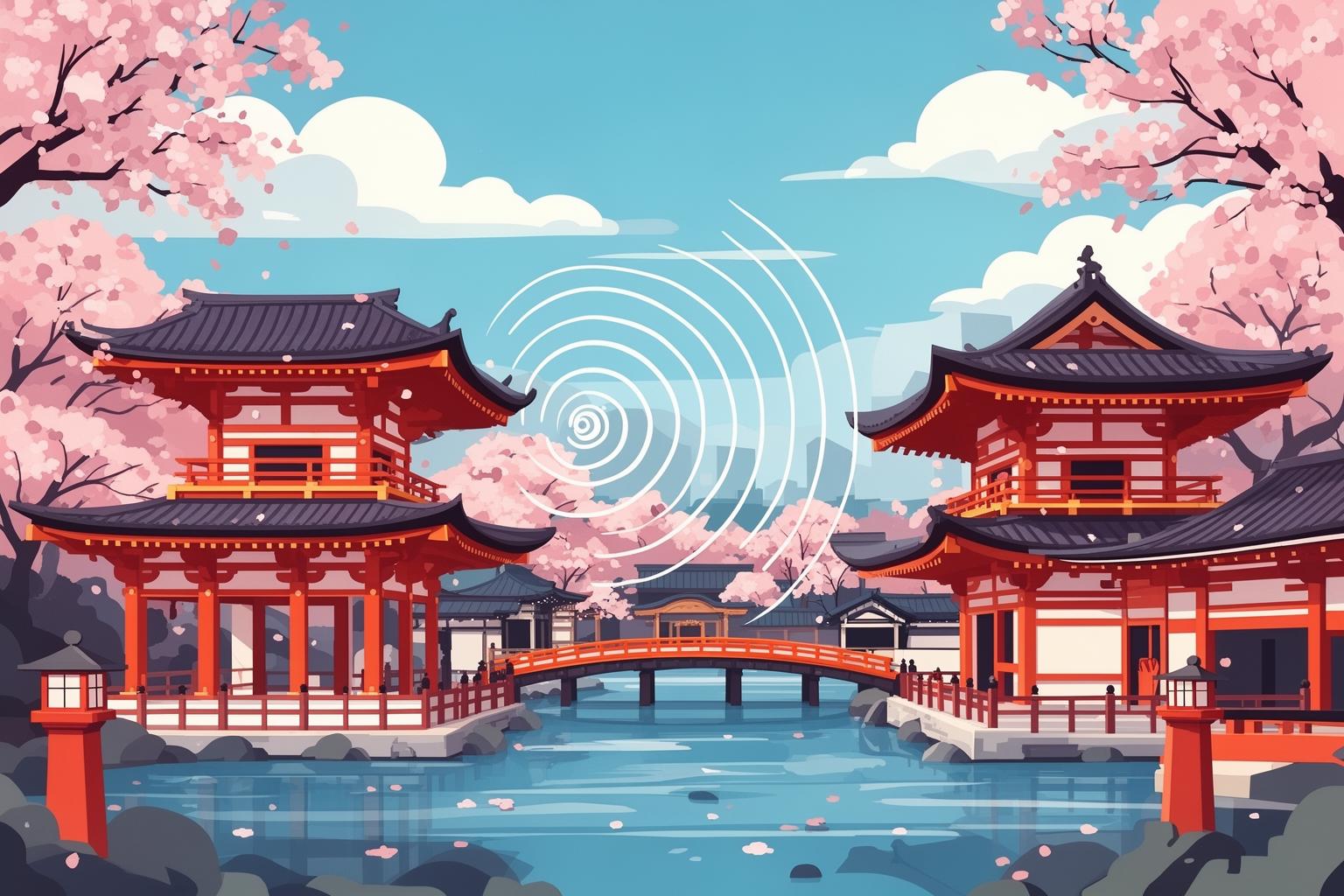
Just a short train ride south of central Kyoto is the city of Uji, a place with a dual identity that makes it a captivating destination for a cultural pilgrimage. On one side, Uji is steeped in the aristocratic elegance of the Heian period, serving as the backdrop for the final, melancholic chapters of Murasaki Shikibu’s The Tale of Genji, the world’s first novel. On the other side, Uji is the contemporary and lovingly depicted setting for the popular anime series Sound! Euphonium, which follows the journey of the Kitauji High School concert band. This blend of the classical and the modern, the literary and the animated, makes Uji a uniquely layered place. It is also renowned throughout Japan for producing the highest quality green tea, and the scent of roasting tea leaves often lingers in the air, adding another sensory dimension to any visit.
Byodo-in Temple: A Heian Masterpiece on the 10 Yen Coin
The crown jewel of Uji is Byodo-in, a magnificent Buddhist temple originally constructed as a nobleman’s villa in the 11th century. Its most famous structure, the Phoenix Hall, is a masterpiece of Heian architecture, designed to represent the Amida Buddha’s Pure Land paradise on earth. With its graceful, wing-like corridors and perfect reflection in the Aji-ike Pond before it, the hall is an image of exquisite beauty and symmetry. It is so iconic that its likeness appears on the back of the Japanese 10-yen coin. The temple’s Hoshokan museum houses an impressive collection of original artifacts, including intricately carved wooden bodhisattvas and the original temple bell, offering a profound glimpse into the artistic and religious sensibilities of Japan’s golden age. Visiting Byodo-in is like stepping directly into the world described in The Tale of Genji, a world of refined aesthetics and deep spiritual longing.
Tracing the Steps of the Kitauji Quartet
For fans of Sound! Euphonium, a trip to Uji is a pilgrimage to follow in the footsteps of Kumiko, Reina, and the rest of the band. The anime’s creators, Kyoto Animation, are celebrated for their meticulous and beautiful recreations of real-world locations, and Uji serves as their canvas. You can stand on the Uji Bridge where the characters often walked, sit on the riverside benches where they practiced their instruments, and feel the emotional weight of their conversations. The ultimate pilgrimage site is the Daikichiyama Observation Deck, a short but steep climb up a hill behind the Uji Shrine. This spot is the setting for a pivotal and beautifully animated nighttime scene between the two main characters. From the top, you get a sweeping view of the entire city of Uji, its lights twinkling below. Standing there, you can almost hear the faint notes of a trumpet echoing through the night air. It’s a powerful example of how anime can give a real location a fresh layer of emotional resonance.
Practical Pilgrimage: Navigating Kyoto’s Sacred Geography
Kyoto is a city that rewards those who come prepared. While its ambiance may feel ancient and unhurried, it is a sprawling modern metropolis, and understanding its layout and transportation systems is essential to making the most of your pilgrimage. Unlike Tokyo’s dominant train network, Kyoto relies primarily on buses. Its grid-like street layout, inspired by the ancient Chinese capital of Chang’an, makes navigation relatively straightforward, but its major attractions are spread out widely. A bit of planning can go a long way in creating a seamless and enjoyable journey through its sacred sites.
Getting Around the Ancient Grid
The city’s bus system is extensive and can take you close to nearly every major temple and shrine. If you plan to visit multiple places, purchasing a one-day bus pass is often the most economical and convenient choice. The routes may be confusing at first, so using a navigation app on your phone is highly recommended. Kyoto also has two subway lines—the Karasuma Line (running north-south) and the Tozai Line (running east-west)—which are useful for covering longer distances quickly. For exploring specific neighborhoods like Gion or Arashiyama, walking is your best option. Another excellent choice, especially for the flatter central areas, is renting a bicycle. Cycling along the Kamo River or through quiet backstreets is a wonderful way to discover hidden gems and experience the city at a more personal pace.
Timing Your Visit: The Four Seasons of Kyoto
Kyoto offers a unique experience every season. Spring, from late March to early April, is perhaps the most famous, when the city is draped in delicate pink and white cherry blossoms. It’s stunningly beautiful but also the busiest and most expensive time to visit. Summer is hot and humid, yet it’s also festival season, with the Gion Matsuri in July being a major month-long highlight. Autumn, from mid-November to early December, is a strong contender for the best season. The weather is cool and comfortable, and the city’s maple trees blaze with vibrant crimson and gold. Winter is the quietest season. The cold keeps crowds away, offering a more serene atmosphere. The stark beauty of temple gardens in winter, and the rare sight of the Golden Pavilion or Ryoan-ji’s stone gardens dusted with snow, is truly magical.
A Traveler’s Etiquette
To fully appreciate Kyoto, it’s helpful to be mindful of local customs. When visiting temples and shrines, approach with respect. Most shrines have a purification fountain at the entrance; use the ladle provided to rinse your hands and mouth before proceeding. At the prayer halls, a simple bow shows respect. Inside temples, you will often be asked to remove your shoes, so wearing footwear that is easy to slip on and off is practical. On public transportation, it is customary to remain quiet and avoid loud conversations. Japan is remarkably clean, but public trash cans are scarce, so it’s common to carry a small bag with you to hold your trash until you find a proper place to dispose of it. Lastly, while credit cards are widely accepted, many smaller shops and restaurants still operate on a cash basis, so it’s wise to carry some yen.
Kyoto is a city that reveals itself slowly. It’s not a place to rush through with a checklist, but a landscape to wander, absorb, and experience. Every stone path, temple garden, and quiet alleyway tells a story. Some are ancient, penned in courtly diaries or Zen koans; others are recent, created in manga panels or brought to life in beloved anime. The modern pilgrim’s journey is to see and feel all these layers simultaneously—to stand on a bridge and appreciate both the thousand-year-old poem it inspired and the anime scene it hosted. Whether you seek the tranquility of a Zen garden, the magic of a vermilion gate, or the thrill of witnessing a fictional world made real, Kyoto will welcome you. It offers a unique journey—not just across a city, but through the rich, interwoven realms of history, art, and imagination.