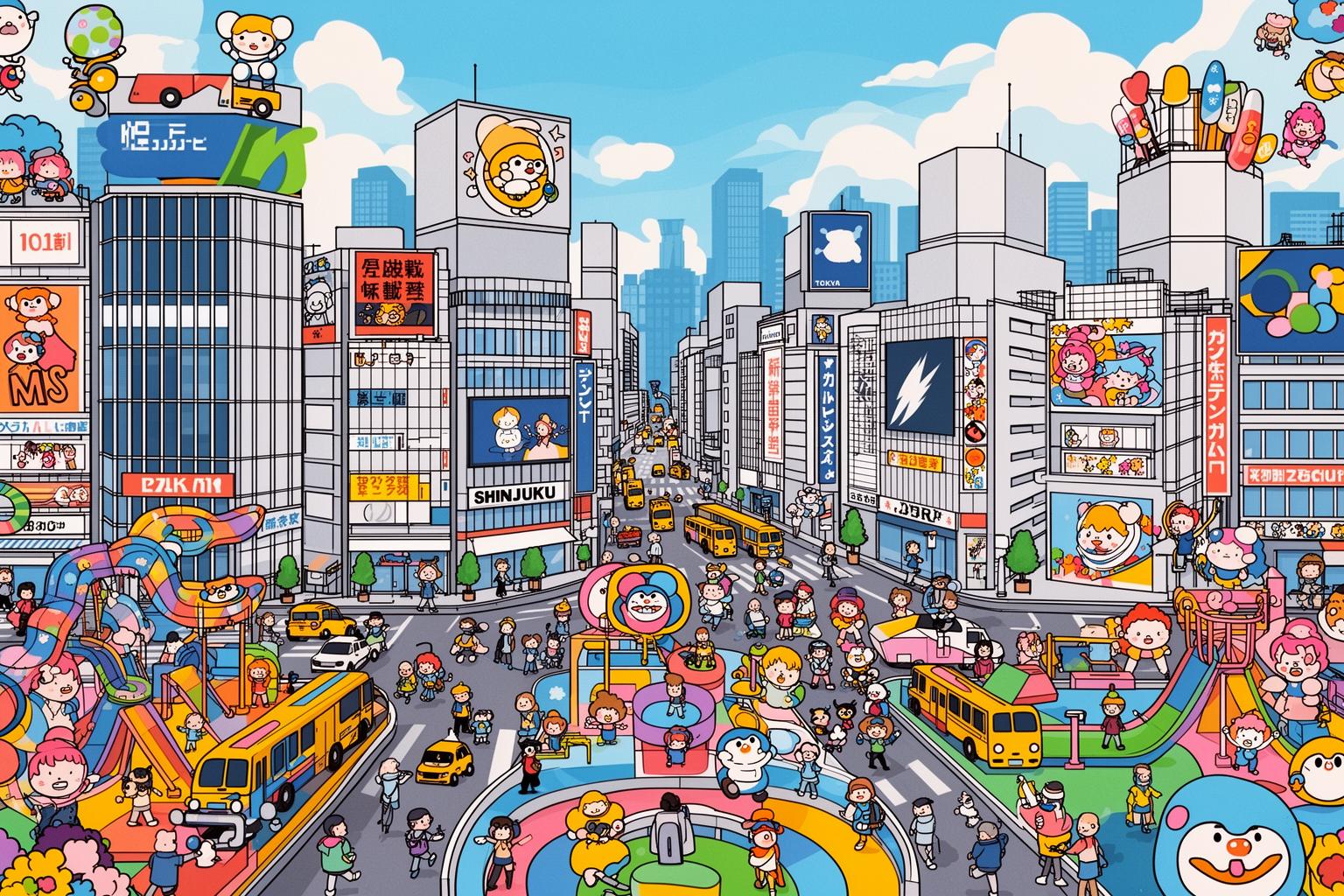
Step out of the station, any station in Shinjuku, and you’re immediately part of the story. This isn’t just a district in Tokyo; it’s a living, breathing character, a backdrop so potent it has starred in countless narratives that have captured hearts worldwide. It’s a place of dizzying contradictions, where the whisper of a thousand years of history murmurs beneath the roar of a million futures being born every second. One moment, you’re navigating a river of humanity under a canyon of neon skyscrapers that pierce the clouds; the next, you’re standing in a silent garden where the only sound is the rustle of maple leaves. This is the Shinjuku that has fueled the imaginations of storytellers for generations. It’s where Taki and Mitsuha frantically searched for a connection in Makoto Shinkai’s Your Name. It’s where a quiet, shared loneliness blossomed between two strangers in Sofia Coppola’s Lost in Translation. It’s where the gentle patter of rain on a gazebo became the soundtrack to an unlikely friendship in The Garden of Words. Shinjuku is a pilgrimage site not for one single story, but for a library of them, each one waiting for you to find its pages scattered across these vibrant, chaotic, and beautiful streets. Prepare to walk through the screen, to step into the ink, and to find the real-world magic that inspired your favorite fictional worlds.
For travelers keen on exploring the interplay of myth and modernity, uncovering the sacred filming spots behind “Your Name” reveals another layer of Shinjuku’s multifaceted allure.
The Urban Canvas of Your Name: A Symphony of Steps and Skylines
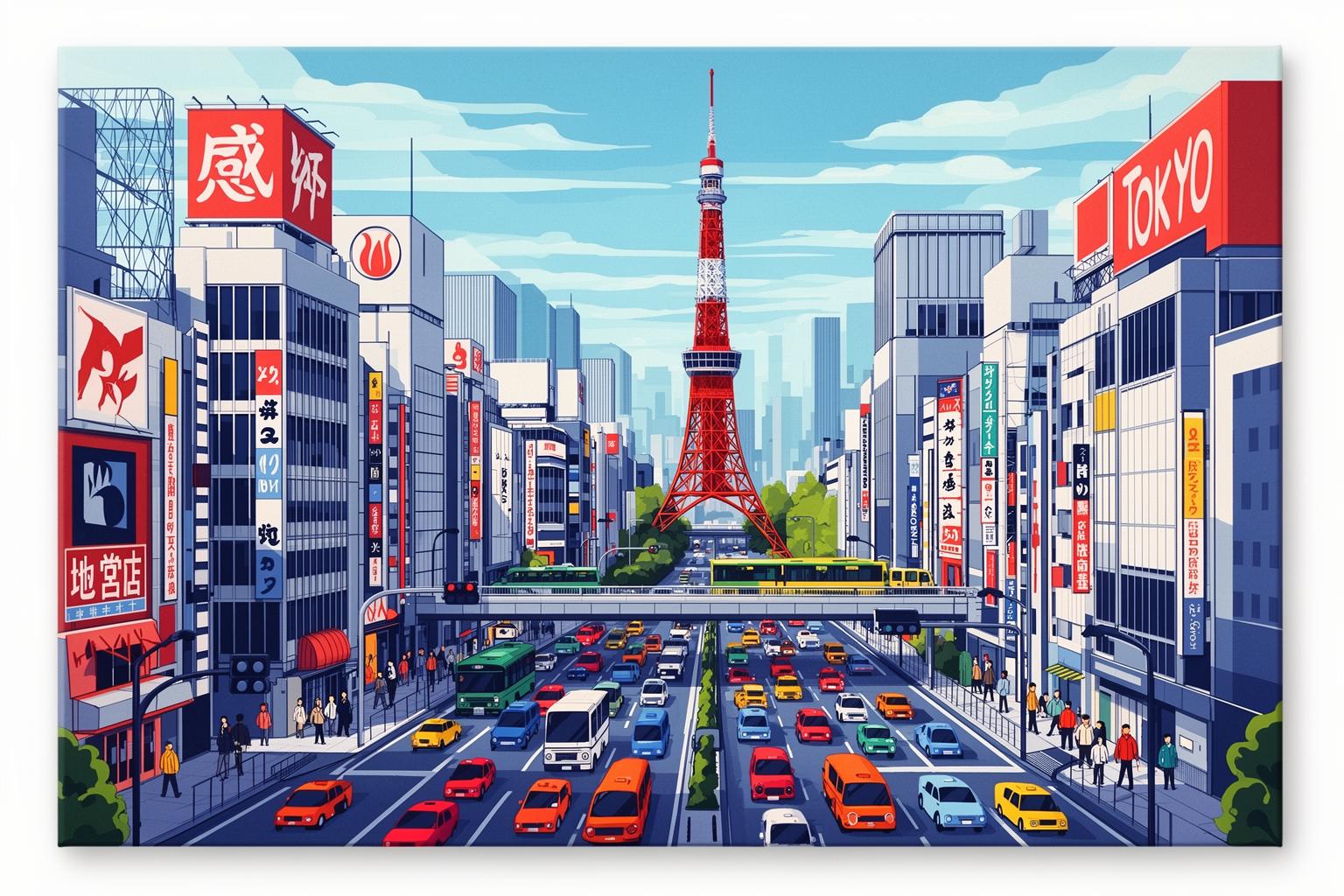
For many, the modern image of Shinjuku in anime is shaped by the stunning visuals of Makoto Shinkai. His work elevates the ordinary into the extraordinary, and this is most evident in Your Name. The film offers a portrayal of Tokyo that is both hyper-realistic and deeply romantic, capturing a city of missed connections and destined encounters. Walking through Shinjuku with the film’s scenes in mind feels like a scavenger hunt for cinematic beauty, with each spot resonating with the story’s emotional depth. You begin to perceive the city not merely as rows of buildings and streets, but as a network of intertwined destinies waiting for the perfect moment to converge.
The Iconic Staircase: A Fateful Encounter in Yotsuya
Just a short stroll from Shinjuku’s bustling center lies the quiet residential area of Yotsuya. Here stands the now-iconic red-railed staircase leading up to Suga Shrine. This is the location of the film’s gripping climax, where Taki and Mitsuha finally, desperately connect. Whether you stand at the bottom gazing upward or at the top looking down, you can almost sense the lingering ache of a forgotten memory. The atmosphere feels thick with anticipation. The spot itself is surprisingly unpretentious, a simple flight of steps woven into the everyday lives of local residents. Yet for fans, it holds a sacred significance. To truly experience it, visit in the late afternoon when the sun casts long shadows, bathing the stairs in warm, golden light reminiscent of the film’s magical hour—the mystical moment when the boundary between worlds thins. When you visit, remember to respect the neighborhood. Keep your voice low and be considerate of those going about their routines. The magic here lies in its quiet authenticity, not in loud reenactments. The nearest station is Yotsuya-Sanchome on the Tokyo Metro Marunouchi Line, only ten minutes on foot.
Weaving Through Shinjuku Station’s Labyrinth
If the Suga Shrine stairs represent the film’s heart, then Shinjuku Station is its circulatory system. As the world’s busiest train station, it is a living entity—a vast concrete-and-steel giant that channels millions of passengers each day. In Your Name, we experience the station through Taki’s perspective—a familiar yet overwhelming maze symbolizing his hectic urban life. It’s where he weaves through crowds on his way to his part-time job, a sharp contrast to Mitsuha’s serene mountain hometown. Experiencing Shinjuku Station gives insight into Tokyo’s immense scale. Don’t resist the flow; let yourself be swept along with commuters. Notice the intricate network of signs overhead, listen to the chorus of announcements and footsteps, and feel the raw kinetic energy enveloping the space. For first-timers, it can be disorienting. My best advice: plan ahead. Identify the exit you need before leaving the train, as there are over two hundred. Signs are color-coded by train line, which is a lifesaver. And a key tip from one traveler to another: never stop abruptly in the middle of a busy corridor. You risk causing a blockage. Instead, find a pillar or quiet corner to pause if you need to check your map.
A Rainy Season Romance: Finding Shelter in The Garden of Words
Before Your Name captivated audiences worldwide, another of Makoto Shinkai’s masterpieces found its heart in Shinjuku, albeit in a much more tranquil setting. The Garden of Words is a tender, melancholic ode to the Japanese rainy season, or tsuyu, with its primary backdrop being the stunning Shinjuku Gyoen National Garden. The film treats the park not merely as a setting but as a third character, its lush, rain-soaked scenery reflecting the delicate and uncertain relationship between the student Takao and the enigmatic Yukino. Visiting the park after watching the film evokes a deep sense of calm and familiarity. The city’s ceaseless noise fades the moment you pass through the gates, replaced by the gentle rustling of leaves and birdsong.
The Gazebo Where Worlds Met
The key meeting place for the film’s protagonists is a small gazebo, offering shelter from the endless summer rain. Although the exact gazebo in the anime is a blend of several park structures, its spirit is perfectly embodied in the Japanese Traditional Garden section. Find a bench beneath one of the wooden shelters near the ponds, especially on a rainy day, and the film’s world springs to life around you. You can almost hear the soft scratch of Takao’s pencil as he sketches his shoe designs and picture Yukino sipping her beer. The park is a masterpiece of landscape design, harmoniously combining three distinct styles. There is the expansive English Landscape garden with its broad, open lawns; the precise, symmetrical French Formal garden featuring tree-lined avenues; and the Japanese Traditional Garden with its carefully sculpted pines, stone lanterns, and serene ponds. It is this Japanese section that captures the essence of the film. Take your time, stroll along the winding paths, and let the atmosphere envelop you.
More Than Just a Park: A Seasonal Spectacle
Shinjuku Gyoen is a place of continual change, making it a perfect destination year-round. While The Garden of Words celebrates the lush greens of early summer, spring brings some of Tokyo’s most cherished cherry blossom viewing spots, where the lawns become a carpet of pink and white petals. In autumn, the park bursts into a fiery display of reds, oranges, and golds, especially the breathtaking maple trees in the Japanese garden. Even in winter, the stark beauty of bare branches against a clear blue sky holds a quiet, poetic allure. For a fully immersive experience, follow the characters’ example: bring a thermos of tea or a favorite book, find a peaceful spot, and simply be present. Note that a modest entrance fee applies, and alcohol is prohibited, so leave the beer and chocolate tribute to your imagination. The park is easily reachable from multiple stations, with the Shinjuku Gate providing the most convenient access to the Japanese garden area.
Lost in Translation: Neon Dreams and Midnight Melancholy
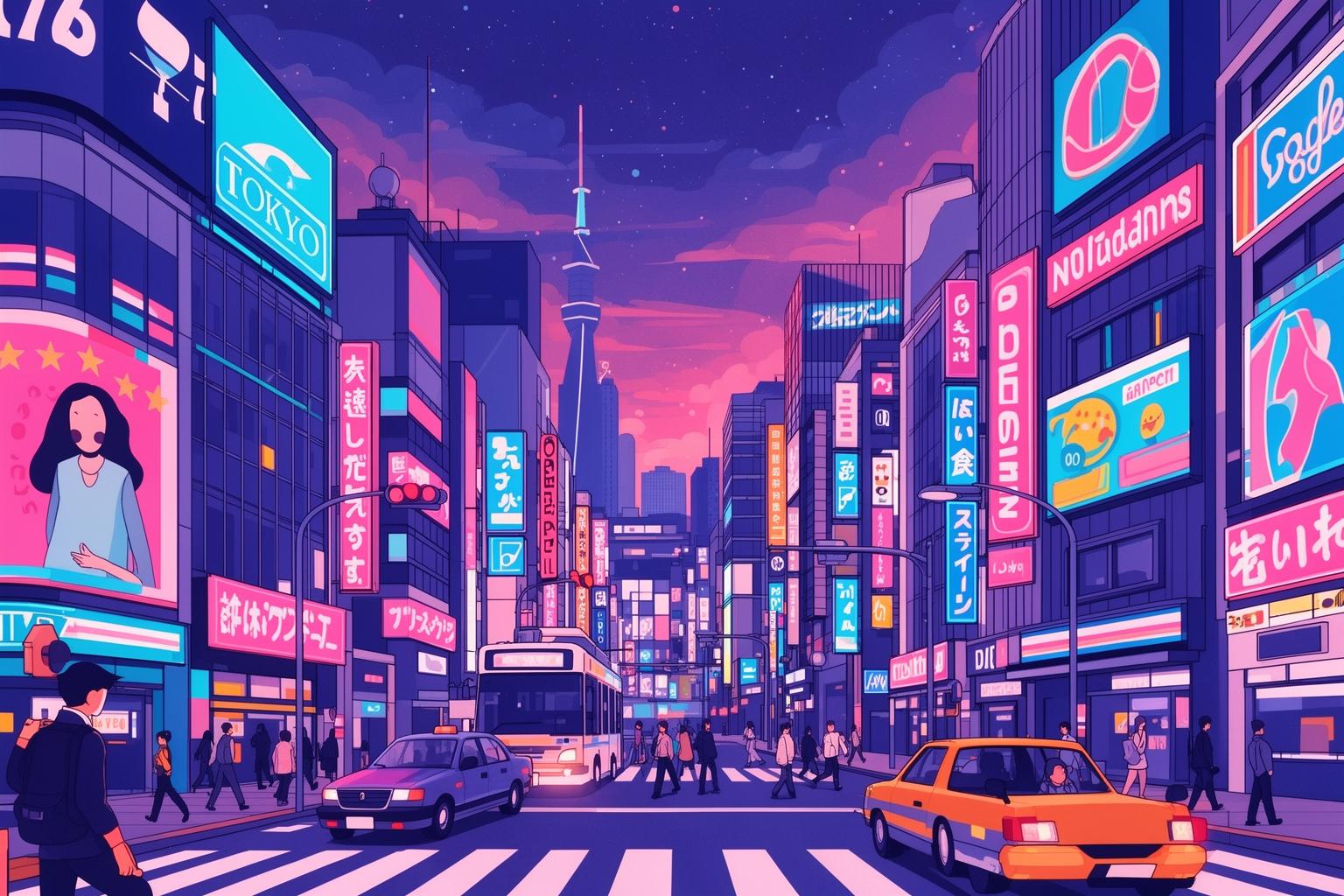
Shinjuku’s atmosphere transforms dramatically as night falls. The tranquil parks and lively shopping areas give way to a realm of glowing neon lights, deep shadows, and a distinct mood of mature melancholy. This is the Shinjuku so vividly portrayed in Sofia Coppola’s Lost in Translation. The film delves into themes of isolation and fleeting connection, set against the backdrop of a city that feels both alienating and intoxicating. It’s a vision of Tokyo seen from within a bubble—the quiet halls of a luxury hotel, the dim ambiance of a karaoke box, and the dizzying panorama from a skyscraper bar.
The View from the Top: The Park Hyatt Tokyo
At the heart of the film is the Park Hyatt Tokyo, occupying the upper floors of the Shinjuku Park Tower. Its renowned New York Bar is where Bob and Charlotte’s friendship begins, with floor-to-ceiling windows offering some of the most stunning panoramic views of Tokyo’s skyline. Visiting the bar feels like stepping right onto the film set. The live jazz, the subdued lighting, and the vast city lights spread out like a blanket of jewels together create an unforgettable, cinematic mood. It’s a place that makes you feel incredibly small and yet simultaneously at the very center of the universe. It is, without doubt, an indulgence. There’s a cover charge for the music, and the drinks match the altitude in price. A smart dress code is enforced, so leave sneakers and shorts behind. But for a special occasion or the ultimate pilgrimage, sinking into a leather chair with a cocktail and listening to smooth jazz as the city sparkles below is an experience that goes beyond mere tourism. It’s pure atmosphere.
Golden Gai and Omoide Yokocho: Echoes of a Bygone Era
To discover the city’s older, grittier soul, you must descend from the skyscrapers and enter the narrow alleyways. Shinjuku houses two remarkable enclaves of post-war nostalgia: Golden Gai and Omoide Yokocho. Golden Gai is a maze of six tiny, interconnected alleys filled with over two hundred minuscule bars, some so small they can only accommodate a few patrons. Walking through this area at night is a sensory delight in the best sense. The warm glow of lanterns lights up worn wooden façades, fragments of conversation and music drift from behind sliding doors, and the air is thick with history. It feels like a hidden world preserved against the relentless wave of modernization. Nearby, Omoide Yokocho, affectionately known as “Piss Alley” from its rustic past, provides a different kind of nostalgia. This is a haven of smoke and sizzle, a narrow lane crowded with tiny yakitori stalls where salarymen unwind after work. The aroma of grilled meats and sauces lingers heavily in the air, and the atmosphere is friendly and down-to-earth. Both areas evoke the sensation of being an outsider peering into an intimate, secret world—a central theme of Lost in Translation. For women travelers, Golden Gai is perfectly safe, but due to the intimacy of the bars, it’s best to choose one that feels welcoming. Some bars have cover charges or are members-only, so look for signs in English. Omoide Yokocho is generally very welcoming and an excellent spot for a casual, delicious dinner.
The Concrete Jungle of Curses and Gangs: Shinjuku in Modern Shonen
Shinjuku’s adaptability as a backdrop extends into the realms of high-octane action and supernatural confrontations. In contemporary shonen manga and anime, its well-known streets are frequently transformed into battlegrounds for epic showdowns, with the city’s density providing an ideal setting for destruction and drama. This darker, more intense portrayal of Shinjuku is equally worthy of pilgrimage, though it takes a bit more imagination to spot the cursed spirits and time-leaping gang members amid the throngs of shoppers and tourists.
Jujutsu Kaisen’s Domain Expansions
Within the world of Jujutsu Kaisen, Shinjuku serves as the focal point for one of the series’ most devastating events, the Shibuya Incident Arc, which extends into neighboring districts. The anime skillfully utilizes the real-life layout of the area, turning familiar landmarks into scenes of horrifying battles. Standing at the vast intersection outside Shinjuku Station, it’s exhilarating to envision Gojo Satoru unleashing his Unlimited Void Domain Expansion, halting the crowd in a moment of infinite knowledge. The juxtaposition of the vibrant, living city around you and the chaotic, cursed battlefield depicted in the anime highlights the power of storytelling. This pilgrimage is less about visiting a singular location and more about absorbing the energy of the environment and layering fiction onto reality. It’s about recognizing the supernatural chaos that might be lurking just beneath the surface of urban normalcy.
The Streets of Kamurocho: Life in the Yakuza Universe
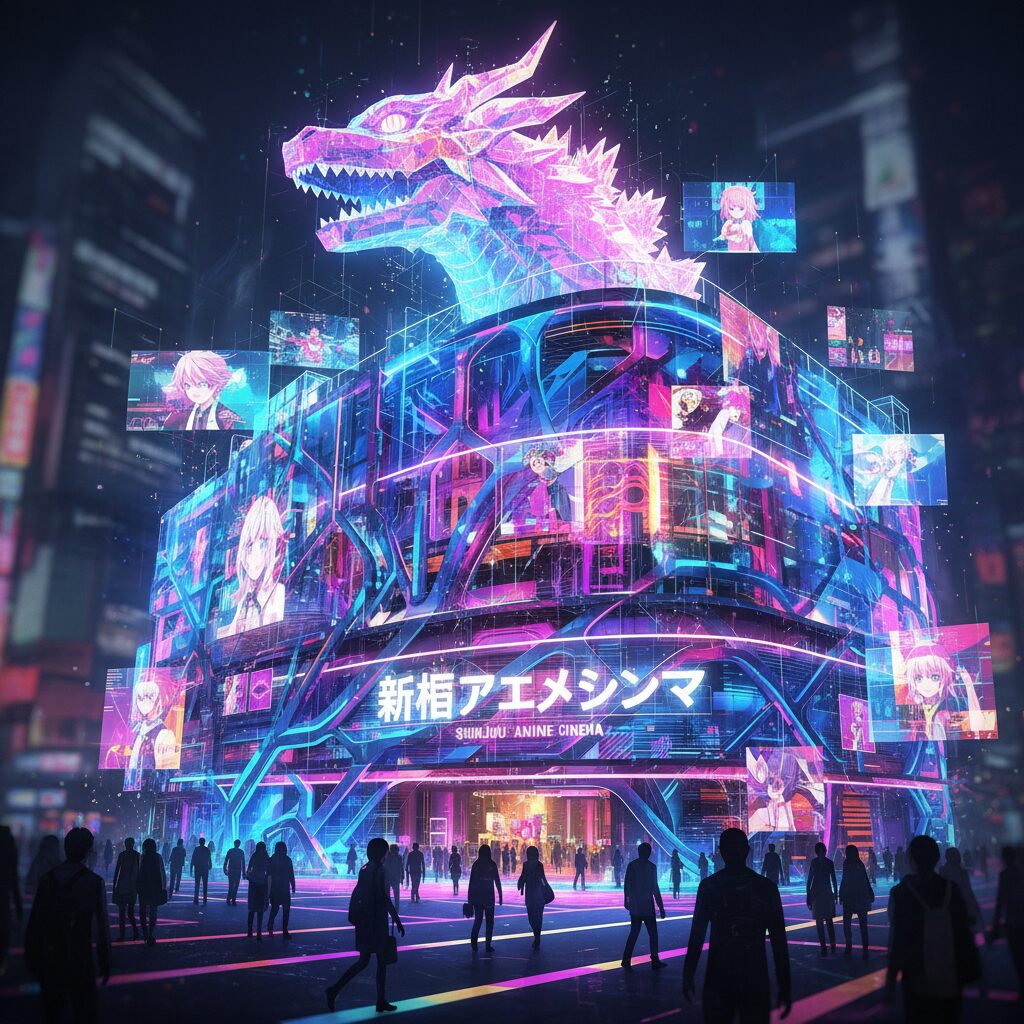
Anyone familiar with the Yakuza (now Like a Dragon) video game series will experience a strong sense of déjà vu when walking through Kabukicho, Shinjuku’s well-known red-light district. Kabukicho directly inspired Kamurocho, the main setting for most of the games. The iconic red archway, the maze of neon-lit streets, the Don Quijote store, and even the location of the batting cages are recreated with remarkable precision. At night, Kabukicho bursts with a buzzing, slightly dangerous energy. The streets are illuminated by towering signs for host clubs, bars, and restaurants. High above, the Godzilla head perched on the Toho Cinema roars every hour, adding an element of surrealism to the atmosphere. Walking these streets feels like controlling your own video game character, half-expecting random street fights or dramatic side-quests. For a safe and pleasant visit, treat it as a sightseeing attraction. While the area is crowded and generally safe, it’s wise to firmly and politely decline the persistent touts who may approach you. The true magic lies in watching the electric chaos from a slight distance.
A Murakami Protagonist’s Playground: Jazz, Cats, and Parallel Worlds
Beyond the screen, Shinjuku is revered ground for literature enthusiasts, especially fans of Haruki Murakami’s surreal and introspective works. His novels often portray Shinjuku not simply as a backdrop, but as a threshold where the familiar world can suddenly shift into something mysterious and unexplainable. His protagonists roam these streets, listen to jazz in hidden basement bars, and gradually slip into parallel realities. A trip inspired by Murakami is about capturing the mood and atmosphere rather than visiting specific landmarks.
Seeking Solitude in the City
Murakami’s characters are frequently lonely souls drifting through the urban sprawl, finding comfort in music, books, and daily rituals. Despite its chaos, Shinjuku holds many spots where one can experience this kind of solitude. Seek out a quiet, traditional kissaten (coffee shop) tucked away in a back alley, or visit one of the legendary jazz bars that have been around for decades. One notable example is Dug, a basement jazz café near Shinjuku Station that Murakami himself often visited and referenced in Norwegian Wood. Descending its stairs feels like stepping into another era. It’s a place to sip a drink, listen to vinyl records, and let your thoughts drift. The essence of the Murakami experience lies in the art of aimless wandering. Put your phone away, choose a direction, and see where the streets lead you. In these moments of unplanned exploration and quiet observation of city life, you may discover your own metaphorical doorway to another world, just as his characters do.
Practical Navigation for Your Shinjuku Pilgrimage
Navigating Shinjuku might feel overwhelming at first, but with a bit of preparation, it transforms from a stressful challenge into an exciting adventure. The secret lies in understanding its diverse characters and planning your explorations to match the city’s rhythm. Think of it not as a single place, but as a collection of unique neighborhoods, each with its own vibe and pace.
Getting Around: The Shinjuku Labyrinth Uncovered
Shinjuku Station is the district’s core, served by an impressive array of train and subway lines, including the vital JR Yamanote Line that circles central Tokyo. Before you arrive, have a rough idea of which side of the station you want to exit. The West Exit leads to the skyscraper district and the Tokyo Metropolitan Government Building, which features a free observation deck. The East Exit opens onto shopping areas, Kabukicho, and Golden Gai. The South Exit provides access to Shinjuku Gyoen and the expansive Takashimaya department store. A rechargeable IC card like Suica or Pasmo is essential; it saves you from buying a ticket for every ride. And just to stress this again: station signs are your allies. Follow the colors and clearly marked exit numbers, and you’ll find your way with ease.
Timing Your Visit: From Morning Serenity to Vibrant Nightlife
To fully experience Shinjuku’s many layers, visit at different times of the day. Begin your morning with a tranquil walk through Shinjuku Gyoen right when it opens, enjoying the calm before the crowds arrive. Afternoons are ideal for exploring the bustling commercial heart, diving into giant department stores like Isetan or the vast electronics shops. As evening approaches, head to Omoide Yokocho for a cozy yakitori and beer dinner. When night falls, the true spectacle emerges. Wander through the neon-lit streets of Kabukicho, enjoy a drink in the timeless atmosphere of Golden Gai, or head up a skyscraper for a dazzling view of the city that never sleeps.
A Note on Safety and Etiquette
As a solo female traveler, I’ve always found Tokyo to be exceptionally safe, and Shinjuku is no different. Still, like any large urban area, staying alert is wise. Keep your bag secure in busy places, and exercise caution in entertainment districts at night. Politely but firmly decline any offers from street touts in Kabukicho. Observing local etiquette will also enhance your experience: keep your voice low on trains and avoid phone calls, refrain from eating and drinking while walking, and when visiting spots like the Your Name staircase, remember it’s a real neighborhood. Be a considerate guest, take photos discreetly, and leave the area as peaceful as you found it.
Shinjuku is far more than just a destination. It’s a living anthology—a city layered with a thousand stories woven together. Here, the boundaries between fiction and reality blur, letting you walk the same paths as beloved characters, breathe the same city air, and glimpse the world through their eyes, if only briefly. Whether you’re chasing the memory of a shooting star, seeking a quiet connection, or simply soaking up the electric energy, Shinjuku offers a unique pilgrimage. It invites you not only to see the sights but to become part of its story, finding your own narrative amid the dazzling, chaotic, and endlessly inspiring heart of Tokyo.