
Deep within the remote mountains of Gifu Prefecture, cradled by the Shogawa River valley, lies a place that feels unstuck from time. It’s a village where steep, thatched roofs, shaped like hands clasped in prayer, punctuate the landscape, their dark, heavy forms a stark contrast against the vibrant greens of summer or the silent, heavy blanket of winter snow. This is Shirakawa-go, a designated UNESCO World Heritage site, a living museum of architectural ingenuity and communal spirit. But for a generation of anime fans around the globe, this serene hamlet is known by another name: Hinamizawa, the deceptively peaceful setting for the chilling psychological thriller, “Higurashi: When They Cry.” To step onto its soil is to walk a fascinating line between historical reality and fictional dread, a journey into the heart of a community that has preserved its traditions for centuries while unwittingly becoming a pilgrimage site for lovers of modern Japanese pop culture. The air here is different—cleaner, quieter, filled with the murmur of the river and the distant call of a bird. It invites you to slow down, to breathe deeply, and to feel the weight of history in the ancient wooden beams of its farmhouses. It’s a place that tells two stories at once: one of survival against the harshness of nature, and another of a dark, looping summer tragedy. And it’s here, in the space between those two tales, that the magic of Shirakawa-go truly reveals itself.
For those captivated by Japan’s blend of timeless tradition and modern storytelling, a Shinjuku cinematic journey offers another lens through which to experience the magic of the land.
The Soul of the Village: Gassho-zukuri and a Community’s Will
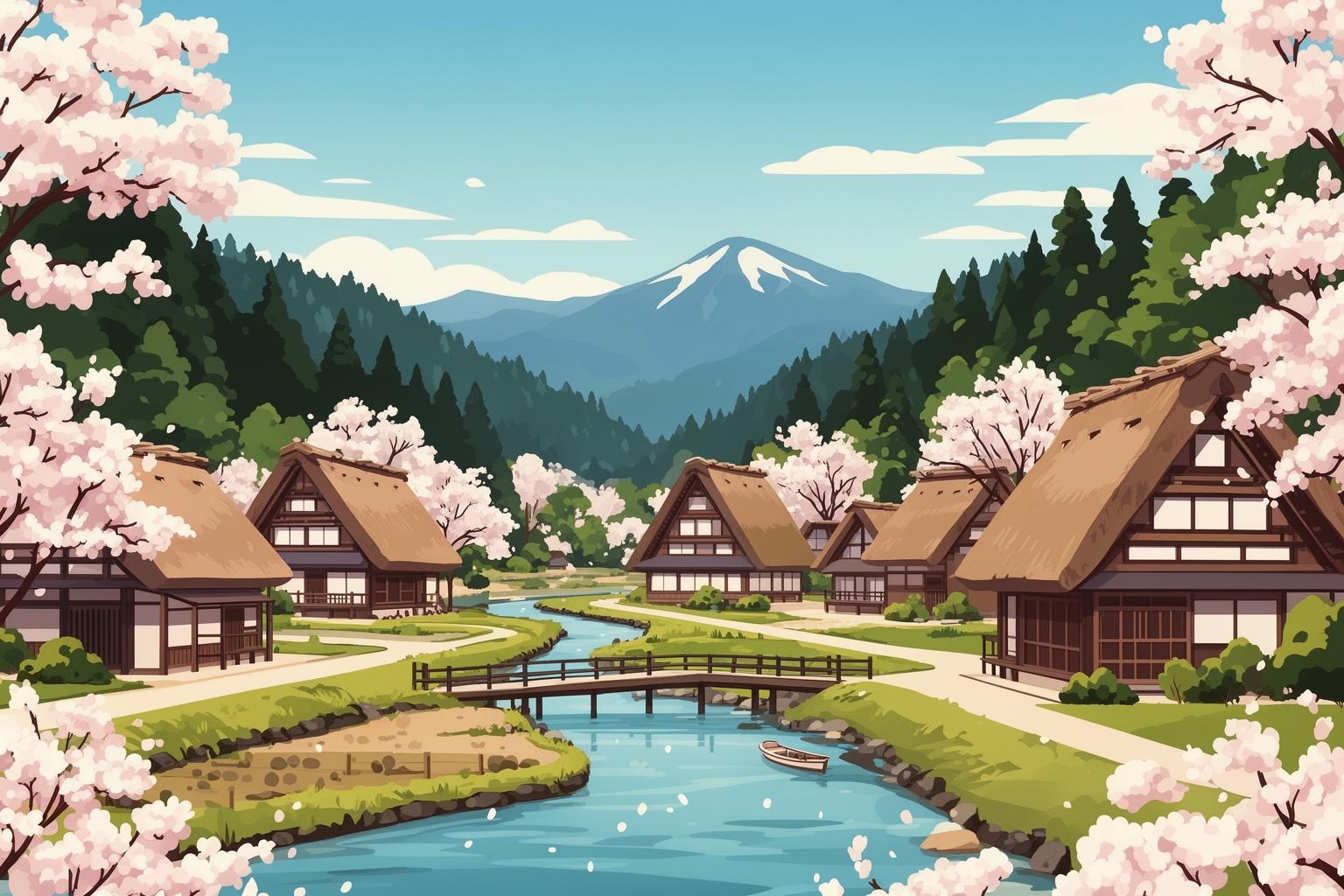
The first aspect that draws your eye in Shirakawa-go, defining its skyline, is the distinctive architecture of the Gassho-zukuri farmhouses. The term itself, meaning “constructed like hands in prayer,” aptly describes the steep pitch of the thatched roofs, designed to bear and shed the heavy weight of the region’s intense winter snowfalls. These structures are more than just homes; they are symbols of resilience, built without a single nail, using intricate joinery and rope to create buildings that are both remarkably strong and flexibly resilient. Walking among them feels like moving through a masterclass in vernacular architecture, a tribute to human ingenuity shaped by environmental demands. The roofs, thick with layers of reed and straw sometimes over two feet deep, provide natural insulation that keeps the houses cool in the humid summers and warm during freezing winters. This design served more than just shelter. The expansive, multi-level attics were devoted to sericulture, the raising of silkworms. The warm air from the living spaces below created the ideal conditions for the worms to flourish, transforming these homes into self-sustaining economic engines that supported the village for centuries.
To truly understand these houses is to grasp the spirit of yui, the traditional system of mutual aid that unites the community. Re-thatching one of these massive roofs is an enormous task requiring the labor of the entire village. Every few decades, when a roof must be replaced, families from throughout Shirakawa-go come together in a coordinated effort, a symphony of skill and cooperation handed down through generations. This communal spirit acts as the invisible mortar holding the village together, a powerful force preserving its heritage. For visitors, stepping inside one of the farmhouses open to the public, such as the Wada House or Kanda House, offers a profound sensory experience. You leave the modern world behind as you remove your shoes at the genkan. Inside, the air is cool and carries the scent of earth, aged wood, and a faint, pleasant aroma of smoke from the central hearth, the irori. This open fireplace was the home’s heart, its constant fire providing heat, light, and a place to cook, its smoke darkening the rafters above and protecting the wood from insects and decay. Gazing up into the vast, shadowy attic space, you can almost hear the whispers of the past—the soft rustle of silkworms and the murmur of family life resonating through the massive wooden beams.
A Pilgrimage to Hinamizawa: Tracing the Footsteps of “Higurashi”
While Shirakawa-go’s historical importance is unquestionable, for many visitors, the trip here feels like a pilgrimage of a different kind. It’s a mission to discover Hinamizawa, the fictional village where the chilling and intricate story of “Higurashi: When They Cry” takes place. The series’ creators drew direct and heartfelt inspiration from Shirakawa-go, and wandering through the village feels like stepping into a living, breathing episode of the anime. The contrast is striking and exhilarating. The tranquil, picturesque reality of the village brilliantly clashes with the dark, paranoid mood of the story it inspired. The most essential stop for any fan is the Shirakawa Hachiman Shrine, which served as the model for Furude Shrine in the anime. As you ascend the stone steps, surrounded by towering cedar trees filtering sunlight into dappled green patterns, an eerie sense of familiarity washes over you. This is the sacred ground where the crucial Watanagashi Festival occurred, the heart of Hinamizawa’s rituals and mysteries. Standing in the quiet clearing, you can almost envision Rika Furude performing her ceremonial dance or hear the faint, ominous chirping of cicadas that forms the story’s unsettling soundtrack. The shrine itself is a simple, elegant wooden structure, a place of genuine peace that feels worlds apart from the horrors it represents in fiction.
From the shrine, the trail of familiar sights continues. The grand Wada House, with its commanding presence and beautifully maintained gardens, is immediately recognizable as the inspiration for the Sonozaki family estate, home to the village’s most powerful family. Walking past its walls, it’s easy to imagine the twin sisters Mion and Shion looking out from its windows. Even the modest local clinic has its counterpart in the Irie Clinic. But perhaps the most breathtaking moment for a fan comes from a short hike up to the Shiroyama Viewpoint. From this vantage, the entire village spreads below you, a perfect panorama of thatched roofs nestled in the valley. This is the iconic sweeping view of Hinamizawa shown repeatedly in the anime to set the scene. Seeing it firsthand, with the Shogawa River glinting in the sun and the houses laid out like a storybook illustration, is a powerful moment that bridges the gap between fiction and reality. The experience isn’t about finding exact replicas; it’s about feeling the spirit of the place that sparked such a profound story. It’s about understanding how a location so steeped in tranquility could inspire a tale of such deep darkness, and appreciating the creative alchemy that transformed this peaceful mountain village into a legendary name in the world of anime.
A Taste of the Mountains: Culinary Traditions of Shirakawa-go
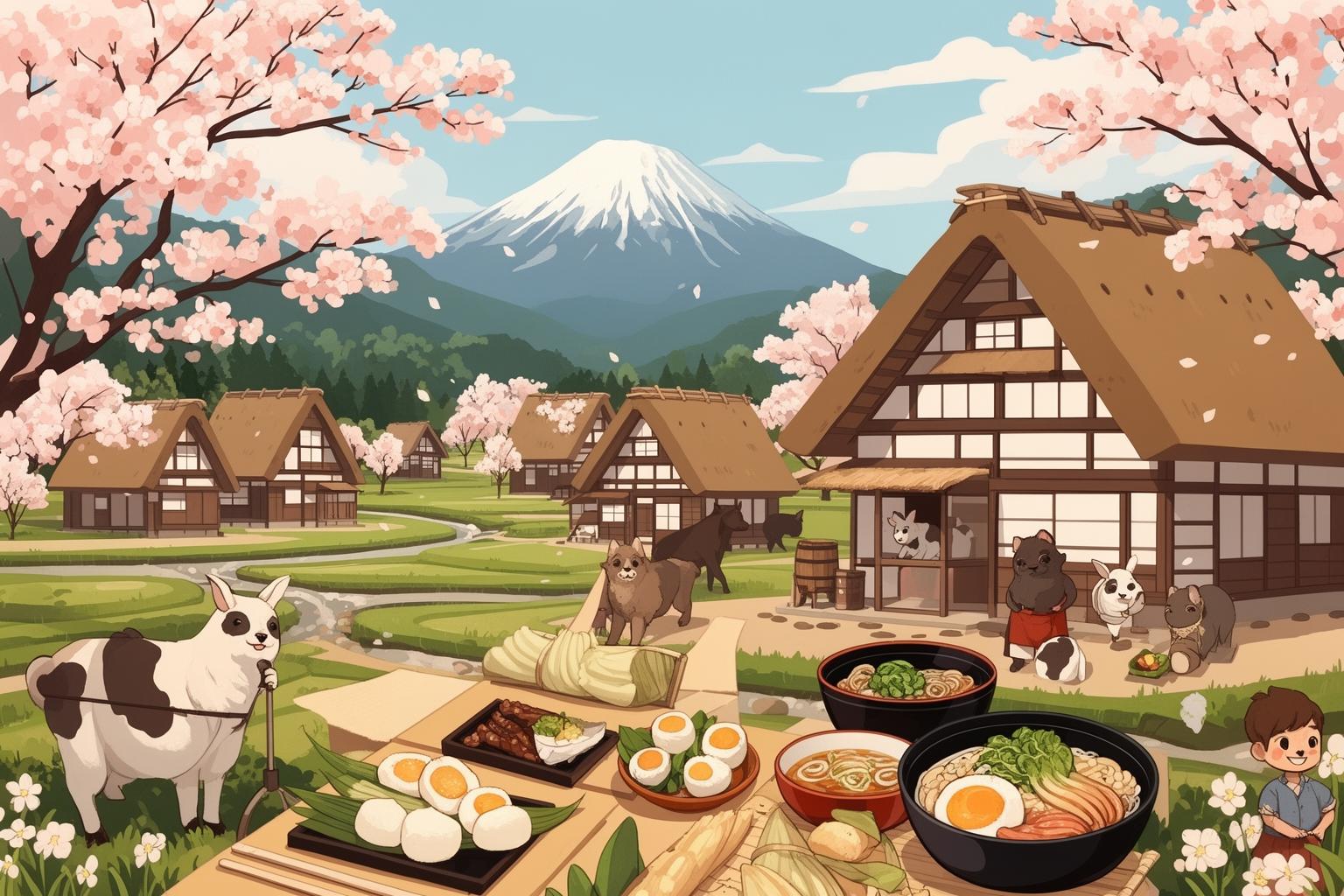
A journey to Shirakawa-go delights both the palate and the eyes alike. The culinary traditions here are rustic and hearty, deeply tied to the mountains and rivers surrounding the village. This is not a place for delicate sushi or elaborate kaiseki; rather, the food is born of necessity and tradition, meant to sustain farming families through long, harsh winters. The absolute must-try dish is Hoba Miso. Imagine this: a wide, dried magnolia leaf (hoba) is placed over a small charcoal grill right at your table. On top sits a generous dollop of savory miso paste blended with green onions, shiitake mushrooms, and sometimes wild mountain vegetables. As it heats, the miso bubbles and caramelizes, releasing an earthy, smoky aroma that fills the air. You then scoop the hot, savory mixture with your chopsticks and enjoy it alongside a bowl of steaming white rice. The concept is simple, but the flavor is incredibly complex and deeply comforting—a true taste of rural Japan. This dish can be found in nearly every restaurant and minshuku in the village and is an experience not to be missed.
Another cherished local snack is Gohei Mochi. These are flattened, oval-shaped cakes of pounded rice, skewered, slathered with a sweet and savory sauce made from miso, soy sauce, and walnuts or sesame, then grilled over an open flame. The result is a delightfully textured treat—crispy and slightly charred outside, soft and chewy inside. The sauce offers a perfect balance of sweet and salty, making it an ideal snack to enjoy while wandering the village paths. It is often sold from small storefronts, with the inviting aroma of grilling mochi drawing you in. Beyond these two staples, be sure to try dishes featuring sansai (wild mountain vegetables), foraged from the surrounding hills in spring, which provide a unique, slightly bitter flavor that pairs beautifully with local preparations. River fish such as iwana (char) are frequently salted and grilled to perfection, their clean, delicate taste reflecting the purity of the region’s mountain streams. For the adventurous, there is Doburoku, a rustic, unfiltered sake that is cloudy, slightly sweet, and famously potent. It is a local specialty celebrated during the Doburoku Festival in autumn but is often available year-round. Dining in Shirakawa-go is about connecting with the land and savoring simple, honest flavors cherished through generations.
Exploring Beyond the Main Street: Finding Your Own Shirakawa-go
Ogimachi’s main street, Shirakawa-go’s largest village, can become quite crowded, especially around midday when tour buses arrive. While the famous sights are mostly found here, the village’s true spirit often emerges for those who explore a bit further. To fully appreciate its tranquil ambiance, be sure to wander down the smaller side paths and discover the quieter corners. A great place to begin is by crossing the Deai-bashi, the long pedestrian suspension bridge over the Shogawa River. The gentle sway beneath your feet and the panoramic view of the Gassho-style houses set against the mountains is a magical experience in itself. The bridge acts as a gateway, and crossing it brings a subtle change as the crowds start to thin.
Beyond the bridge lies a more residential and peaceful part of the village. Stroll through the rice paddies, vibrant and almost electric green in early summer, and rich golden before the autumn harvest. Here, you can appreciate the village as a living, working agricultural community rather than just a tourist spot. Look for Myozenji Temple, a distinctive building featuring a Gassho-style roof on its main hall and monk’s residence—a beautiful and rare blend of religious and rural architecture. The temple grounds are calm and provide a peaceful spot for reflection. Continue along the riverbank, listening to the soothing rush of water. This is where you can find quiet moments, watching dragonflies dance over the water or simply admiring how sunlight shifts on the thatched roofs throughout the day. Don’t hesitate to get a little lost. Each small lane offers a fresh perspective, a charming garden, or a glimpse into daily life. It’s in these quiet moments—away from souvenir shops and the main street—that you truly connect with the timeless rhythm of Shirakawa-go and create memories uniquely your own. Here, the village stops feeling like a museum and begins to feel like home.
The Village Through the Seasons: When to Visit
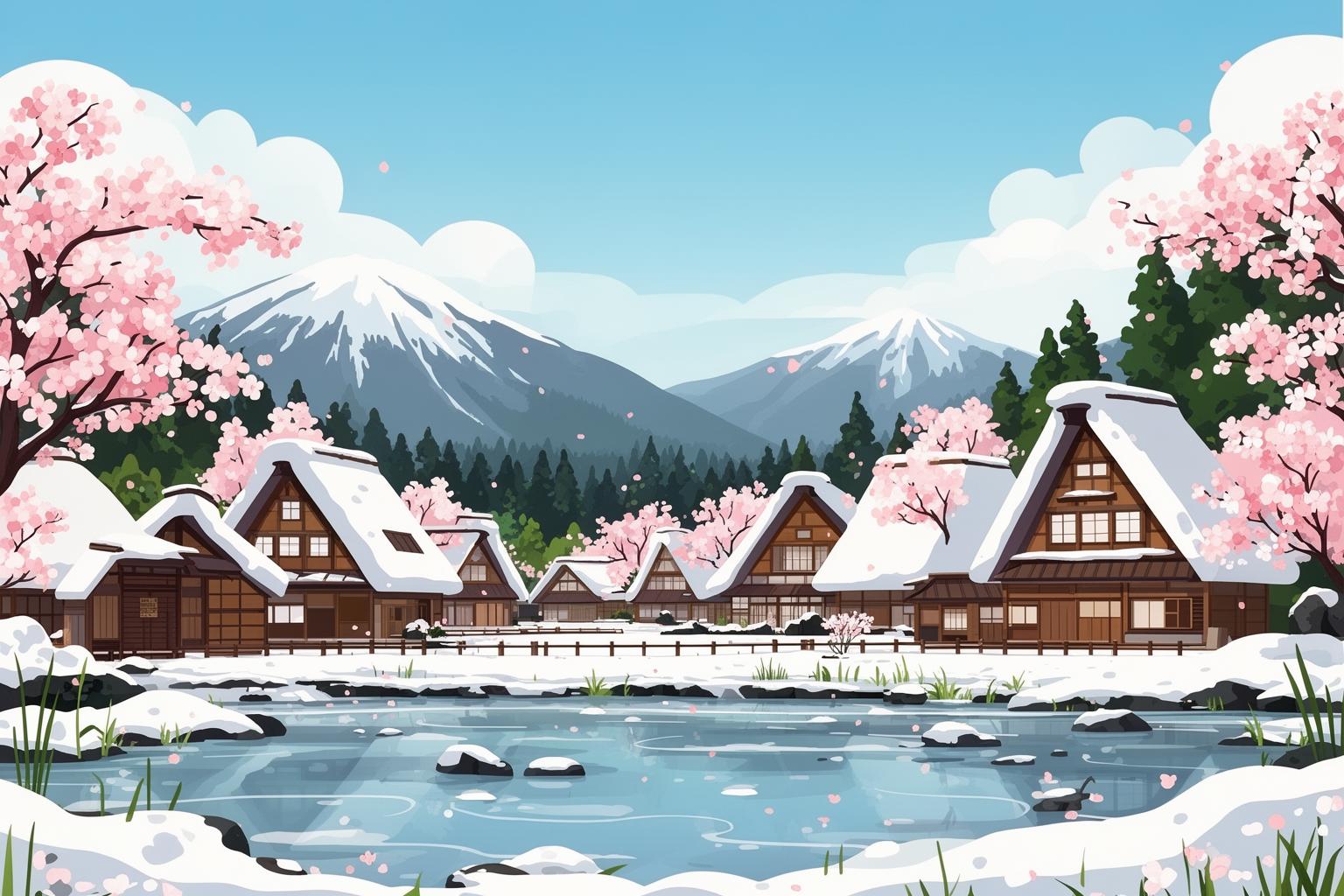
Shirakawa-go is a place of striking seasonal beauty, with each quarter of the year casting the village in a completely distinct light. There is truly no wrong time to visit, as every season brings its own unique charm and a compelling reason to make the trip. In spring, from late April to May, the village stirs from its winter rest. The heavy snow melts away, revealing the tender green of fresh growth. The rice paddies fill with water, reflecting the sky and the ancient farmhouses. This is when cherry blossoms make their late appearance in the mountains, dusting the scenery with soft shades of pink and white, creating a stunning contrast with the dark, heavy thatched roofs. The air is crisp and fresh, ideal for long walks.
Summer ushers in a wave of lush, vibrant greenery. The landscape turns into a tapestry of deep greens, from the rice fields to the forested mountainsides. The days are warm and often filled with the quintessential sound of a Japanese summer: the continuous, rhythmic hum of cicadas, a sound that “Higurashi” fans will find both nostalgic and slightly eerie. This is a time of vibrant life, when the entire valley feels alive and breathing. It’s a perfect season to see the village in its most verdant form. As summer fades, autumn arrives with a spectacular burst of color. From October to November, the mountains surrounding the village blaze with fiery hues of red, orange, and gold. The clear, cool air and brilliant foliage create a picture-perfect scene. This is also when the Doburoku Festival takes place, a lively event where you can sample local unfiltered sake and witness traditional Shinto rituals and lion dances—a wonderful cultural experience offering insight into the community’s festive spirit.
For many, however, the quintessential image of Shirakawa-go comes in winter. From late December through February, the area experiences some of the heaviest snowfall in Japan. The village is transformed into a magical, monochrome wonderland. The Gassho-zukuri houses are wrapped in thick blankets of pure white snow, sometimes several feet deep, resembling pictures from a fairy tale. The silence is profound, broken only by the crunch of boots on snow. On select weekends in January and February, the village hosts special illumination events. As dusk descends, lights inside and around the farmhouses are turned on, making them glow warmly against the deep blue winter sky. The view from Shiroyama Viewpoint during these light-ups is unforgettable, almost otherworldly. A winter visit demands preparation—warm, waterproof clothing and boots are essential—but the reward is an experience of sublime, serene beauty that is simply unmatched.
Practical Guidance for Your Journey
Reaching a remote and unique destination like Shirakawa-go requires some planning, but the journey itself adds to the adventure. Since the village isn’t accessible by train, the main way to get there is via highway bus. The usual departure points for buses are Takayama, Kanazawa, and Nagoya. Regular services are operated by the Nohi Bus and Hokutetsu Bus lines, but it is essential to reserve your tickets ahead of time, especially during peak periods such as the winter light-up, Golden Week in spring, or the autumn foliage season. Seats fill up quickly, and you don’t want to risk being stranded. The bus ride is scenic, winding through mountains and along rivers, heightening your anticipation for arrival. Once in the village of Ogimachi, everything is easily explored on foot. In fact, walking is the best way to truly experience it. Be sure to wear comfortable shoes, as you’ll cover a fair amount of ground, including some gentle uphill walks like the trail to the viewpoint.
One of the most authentic ways to experience Shirakawa-go is by staying overnight in a minshuku, a family-run guesthouse, many of which are housed within the traditional Gassho-zukuri farmhouses. This offers a much more personal experience than staying in a modern hotel. You’ll sleep on a futon in a tatami-matted room, share bathroom facilities, and enjoy a wonderful home-cooked dinner and breakfast featuring local dishes. It’s an unmatched opportunity to experience traditional Japanese hospitality and see what life is like inside these remarkable buildings after the day visitors have left. The village at night is quiet, dark, and deeply peaceful. However, because these minshuku have limited rooms and are very popular, booking months in advance is vital. If you can’t secure a room or prefer modern amenities, the nearby city of Takayama offers a variety of accommodations and is just a 50-minute bus ride away, making it a convenient base.
For first-time visitors, a few small tips can greatly enhance your trip. Try to arrive before 10 a.m. or stay past 3 p.m. to avoid the peak crowds from tour buses. This allows you to enjoy the village in a calmer atmosphere. Keep in mind that Shirakawa-go is not just a tourist spot but also a living community. Please respect their privacy by staying on designated paths and avoiding entry onto private property or looking into windows. While credit cards are becoming more widely accepted, many smaller restaurants, souvenir shops, and guesthouses still operate on a cash-only basis, so it’s advisable to bring enough yen. Finally, take a moment to pause, stand quietly, and absorb the environment. Listen to the sounds of nature, watch smoke curling from a chimney, and appreciate the remarkable preservation of a lifestyle that has almost disappeared from the modern world.
A Final Reflection: The Echoes of Time and Story
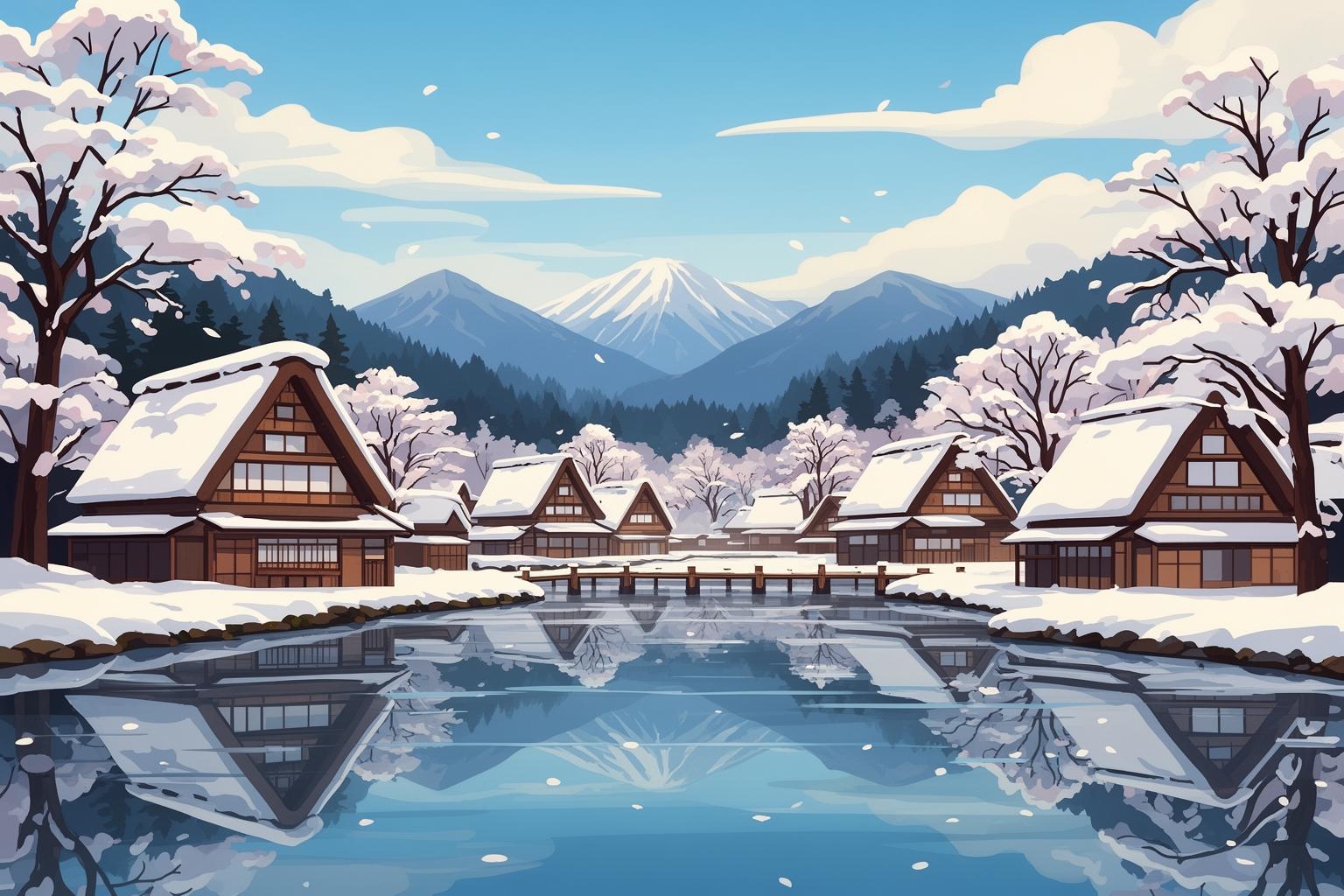
Shirakawa-go is more than simply a beautiful destination; it is a place of many layers. At its heart, it tells a powerful story of human resilience—a community living in harmony with nature to preserve its unique culture against all odds. The silent, imposing Gassho-zukuri houses are not mere relics; they are vibrant homes, warmed by the irori and sustained through generations. This embodies the tangible, historical soul of the village. Built upon this ancient foundation is a newer, contemporary narrative—a tale of mystery, friendship, and psychological horror that has captured the imagination of a global audience. The village’s dual identity as a UNESCO World Heritage site and the real-world Hinamizawa creates a captivating resonance. It invites visitors to experience the space on multiple levels, whether seeking insight into Japan’s agrarian past or tracing the footsteps of beloved fictional characters. Shirakawa-go is a place where history and pop culture converge, where the serene beauty of the landscape both complements and contrasts with the stories told about it. When you leave Shirakawa-go, you take with you more than just photographs of charming, snow-dusted rooftops—you carry a deeper appreciation for the enduring strength of community and the profound ability of a place to inspire stories that resonate far beyond its quiet valley.