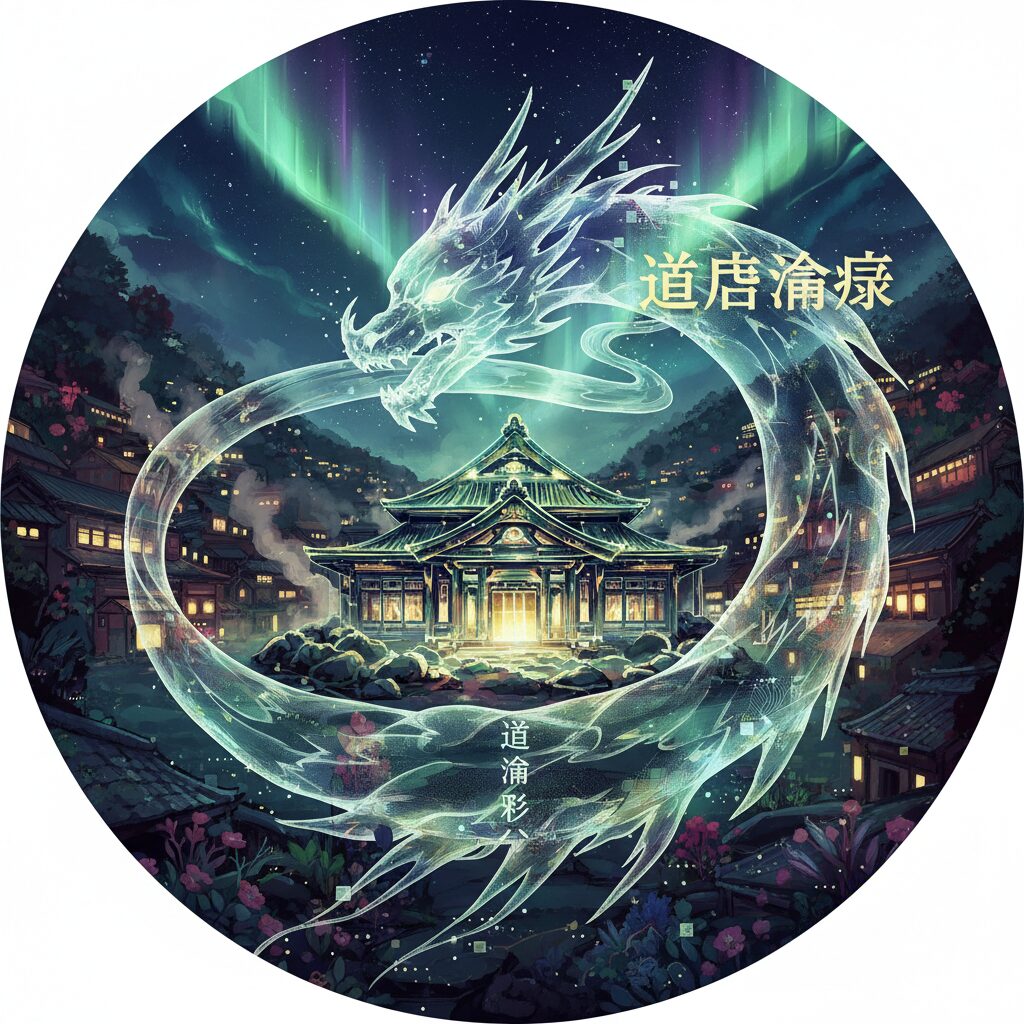
There are places in this world that feel unstuck in time, where the air hums with the energy of centuries and every shadow seems to hold a story. Dogo Onsen, nestled in the city of Matsuyama in Ehime Prefecture, is one such place. It’s a town built around the restorative powers of its hot spring water, a lifeblood that has flowed for what is believed to be over 3,000 years, making it one of Japan’s oldest and most venerated spa destinations. But for a global generation of dreamers and cinephiles, Dogo Onsen resonates with a different kind of magic. It’s widely celebrated as a key architectural and atmospheric inspiration for the magnificent, chaotic, and unforgettable Aburaya bathhouse in Hayao Miyazaki’s animated masterpiece, “Spirited Away.” To arrive here is to feel as though you’ve crossed a threshold, leaving the mundane world behind for one where gods and spirits might just be bathing in the room next to yours. The moment you step off the quaint local tram, the faint, clean scent of sulfur hangs in the air, and the sight of the majestic, multi-tiered Dogo Onsen Honkan rises before you like a vision from a dream. It’s a living, breathing piece of history, a cultural touchstone, and for many, a pilgrimage site to the heart of Studio Ghibli’s imagination. It’s a journey into a story that you can not only see, but feel, hear, and touch.
For those captivated by this connection, a deeper exploration of the real-world inspirations for Spirited Away awaits.
The Echoes of Aburaya: A Living Blueprint
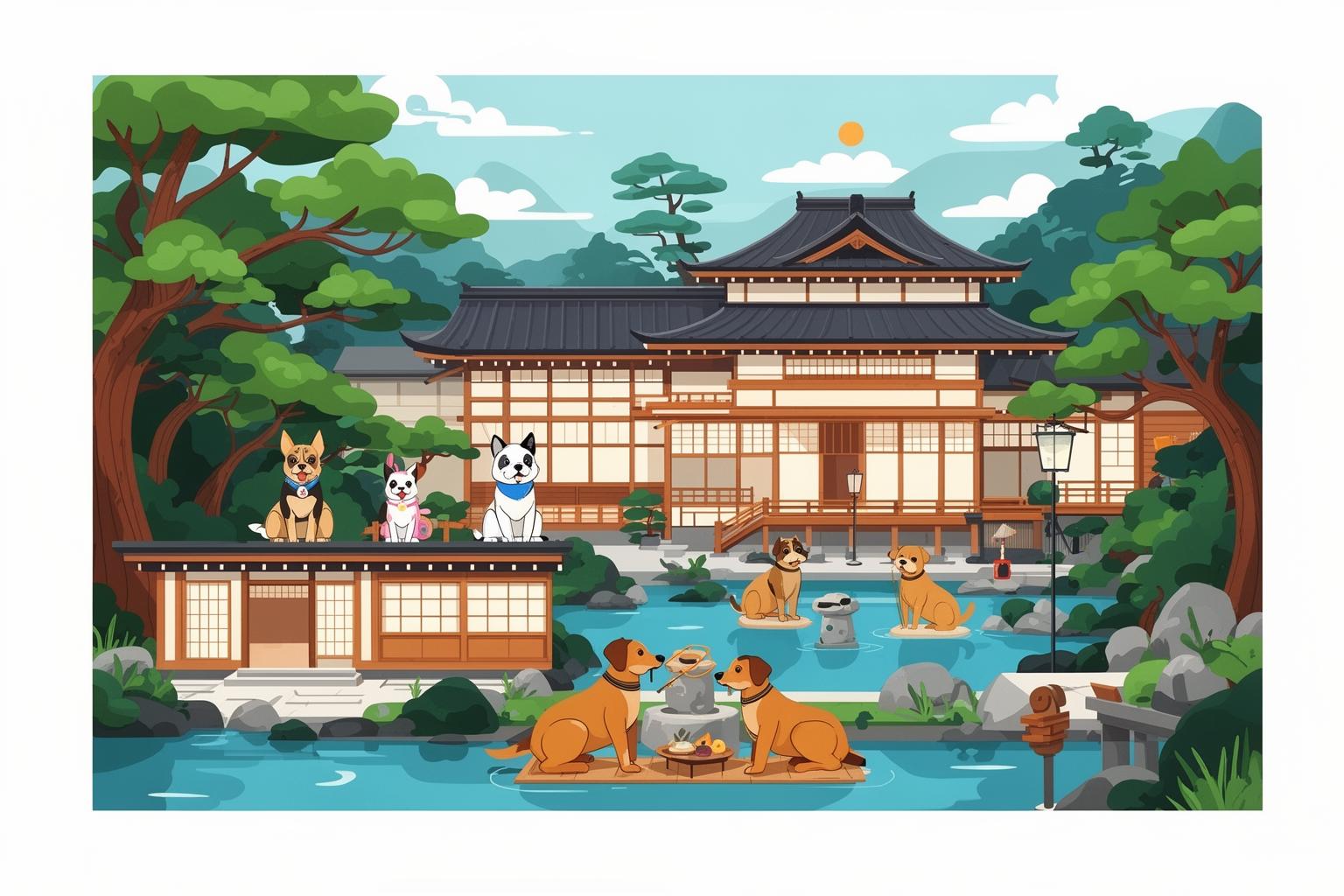
The connection between Dogo Onsen and “Spirited Away” goes beyond mere resemblance; it is ingrained in the very structure of the main bathhouse, the Dogo Onsen Honkan. Standing before its imposing wooden facade, the sense of familiarity is immediate and deep. The intricate rooflines, delicate shoji screens, and the labyrinth of exterior corridors and staircases all recall the enchanting architecture of Yubaba’s bathhouse. It feels less like a building and more like a living entity that has grown and evolved over its long history, adding new wings and hidden passages along the way.
Architecture of the Gods and Spirits
Once inside, the illusion intensifies. The interior is a maze of polished dark wood, steep staircases, and tatami-matted rest areas. One can almost hear the bustling frog-like attendants and radish spirits moving through these same halls. Built in 1894, the Honkan is a masterpiece of Meiji Era architecture, blending Japanese and Western styles with playful, almost chaotic elegance. Its centerpiece is the Shinrokaku, the central drum tower, distinguished by its red-lacquered railings and white herons. This is the building’s heart, echoed in the grand design of the Aburaya. One of the most captivating parts is the Yushinden, a private bathing area constructed in 1899 exclusively for the Imperial Family. Decorated with exquisite carvings and gilded details, it exemplifies the opulence and respect reserved for high-status guests—an idea central to “Spirited Away,” where the hierarchy of gods and spirits governs every interaction. The air is thick with the scent of cypress wood and mineral-rich steam, creating a sensory experience that instantly transports you. The creaking floorboards beneath your feet and the muffled sounds of water splashing below all add to a profound sense of place, making you feel part of its long, storied tradition rather than a mere onlooker.
A Symphony of Sights and Sounds
Dogo Onsen’s magic truly comes alive as dusk falls. As the sun sets, the building’s numerous windows glow warmly, and paper lanterns cast a soft, ethereal light across the area. This is when the likeness to Miyazaki’s animated realm is most striking. The building seems to awaken, humming with a nocturnal energy that is both mysterious and inviting. It’s an ideal moment to wear a yukata, the lightweight cotton kimono provided by local inns, and stroll through the nearby streets. Another defining feature of Dogo’s soundscape is the Toki-daiko, or Time Drum, located in the Shinrokaku tower. Struck three times daily—at 6 AM, noon, and 6 PM—its deep, resonant booms echo throughout the town. This rhythmic heartbeat marks time in Dogo, anchoring the fantastical atmosphere with a daily tradition. It is a powerful, evocative sound that adds another layer of authenticity to the experience, reminiscent of the organized, clockwork world of the Aburaya, where bells and drums signal the start of a new day for Chihiro and her fellow spirits.
Beyond the Bathhouse: Soaking in Matsuyama’s Culture
While the spirit of Miyazaki’s film is a major attraction, Dogo Onsen’s cultural importance runs much deeper. Long before it became a pilgrimage site for anime fans, it was immortalized in one of Japan’s most cherished literary works. This rich history brings remarkable depth to every visit, intertwining modern pop culture with enduring artistic heritage.
The Botchan Legacy
The town is a central setting in Natsume Soseki’s classic 1906 novel, “Botchan.” The story, a satirical and humorous tale of a young Tokyo teacher adjusting to his new post in rural Matsuyama, is a cornerstone of modern Japanese literature. Soseki himself spent time teaching in Matsuyama and often visited Dogo Onsen, making his descriptions in the novel deeply personal. Today, the town proudly celebrates this literary connection. The most charming representation is the “Botchan Train,” a diesel-powered replica of the original steam locomotives that ran on the city’s tracks during Soseki’s era. Riding this quaint, puffing train from Matsuyama’s city center to the Dogo Onsen station is an experience in itself—a delightful journey back in time. Near the station, you’ll find the Botchan Karakuri Clock, a whimsical clock tower that comes alive every hour, with miniature figures from the novel emerging to reenact scenes from the story. No visit is complete without trying Botchan Dango, a sweet rice dumpling skewer in three colors—red bean, egg, and green tea—that the novel’s protagonist famously enjoyed.
A Stroll Through Time: The Dogo Onsen Shopping Arcade
Leading up to the Dogo Onsen Honkan is the Dogo Haikara Dori, a lively covered shopping arcade that captures the town’s nostalgic charm. The term “haikara,” Meiji Era slang derived from “high collar,” described the stylish, Westernized fashions of the period. True to its name, the arcade offers a delightful mix of old and new. Here, you can find traditional souvenir shops selling local crafts and Ehime’s renowned Imabari towels alongside modern cafes and boutiques. The street is a feast for the senses. You can sample freshly squeezed juice from Ehime’s famous mikan citrus, enjoy crispy fried fish cakes known as “jakoten,” or browse exquisite Tobe ware pottery. Walking through this bustling arcade, especially in the evening while wearing a yukata, is an essential part of the Dogo experience. It mirrors the lively market streets of the spirit world, where Chihiro first encountered a dazzling array of strange and wonderful foods and goods. It’s a place where you can feel the town’s vibrant pulse—a blend of commerce, community, and tourism that has sustained Dogo for generations.
A Practical Guide to Your Spiritual Sojourn
Immersing yourself in the world of Dogo Onsen is wonderfully simple, but a few practical tips can help ensure your visit is as smooth and rewarding as possible. From understanding the various bathing options to finding your way here, a bit of preparation goes a long way in this timeless town.
Navigating the Waters: Bathing Etiquette and Options
For many newcomers to Japan, the onsen experience can feel a bit intimidating. However, the rules are straightforward and grounded in respect and cleanliness. The most important rule is to wash your body thoroughly at the washing stations before entering the communal bath. Small towels may be used for modesty while walking around but should never be brought into the bathwater itself; instead, place them on your head or on the side of the bath. Visitors should also be aware that the main Dogo Onsen Honkan building is currently undergoing extensive preservation and repair, a multi-year effort to preserve it for future generations. Although the entire building may not be fully accessible, bathing remains available in the Kami no Yu bath on the first floor. This is an excellent chance to explore Dogo’s other fantastic bathhouses. The Dogo Onsen Annex, Asuka-no-Yu, is a stunning, newer facility completed in 2017. Its design is inspired by the Asuka Period (592-710), featuring elaborate details and an open-air bath that lets you gaze at the sky while you soak. It also offers private bathing rooms for families or those seeking more privacy. Just across from the Honkan is Tsubaki-no-Yu, or Camellia Bath, a larger, more modern bathhouse favored by locals. It provides a casual, everyday onsen experience and is a great place to observe the daily bathing customs of Matsuyama residents. Visiting these alternatives gives you a richer perspective on Dogo’s onsen culture.
Getting There and Getting Around
Matsuyama, the capital of Ehime Prefecture on the island of Shikoku, is easily accessible. You can fly directly into Matsuyama Airport (MYJ) from major Japanese cities like Tokyo, Osaka, and Fukuoka. From the airport, a convenient limousine bus takes you directly to the Dogo Onsen area in about 40 minutes. Alternatively, you can take the JR Shinkansen (bullet train) to Okayama, then transfer to the JR Shiokaze Limited Express train, which takes around 2.5 hours to reach JR Matsuyama Station. From the city center, the easiest way to get to Dogo Onsen is via the city’s streetcar system, the Iyo Railway. Trams run frequently from both JR Matsuyama Station and Matsuyama City Station, with a journey time of about 20-25 minutes. For a touch of historical charm, plan your trip to ride the Botchan Train. Once in Dogo, the area is compact and best explored on foot. The main attractions—including the bathhouses, shopping arcade, and nearby shrines—are all within a short, pleasant walking distance.
When to Visit: A Town for All Seasons
Dogo Onsen is a destination that captivates throughout the year, with each season offering its own unique appeal. Spring is enchanting as the grounds surrounding Matsuyama Castle burst into soft pink cherry blossoms, creating a stunning contrast with the ancient fortress. Summer brings lively festivals and is an ideal time to enjoy a cool evening stroll in a yukata following a hot bath. Autumn is arguably the most comfortable season for travel, with mild temperatures and the surrounding hills painted in vibrant shades of red and gold. Winter delivers the quintessential onsen experience: soaking in steaming, therapeutic waters while the cold air outside sharpens the senses. It is a deeply soothing and rejuvenating feeling. Occasionally, the town hosts the Dogo Onsenart festival, where contemporary art installations appear throughout the area, transforming the traditional setting into a dynamic gallery and offering a fresh, modern take on this historic town.
Finding Your Own Spirited Moments
While the iconic bathhouse is the main attraction, the real charm of Dogo lies in the moments you uncover between the well-known sights. It’s found in the quiet nooks, the hidden pathways, and the local flavors where the essence of the place genuinely shines through.
Hidden Gems and Local Flavors
For a peaceful escape and breathtaking views, take the short climb up the steep stone steps to Isaniwa Shrine. This stunning vermilion-lacquered shrine, constructed in the rare Hachiman-zukuri architectural style, is a designated Important Cultural Property. From its hilltop location, you can gaze out over the tiled roofs of Dogo Onsen, gaining a fresh perspective on the town’s layout. A slightly longer but rewarding walk will lead you to Ishite-ji Temple, the 51st stop on the renowned Shikoku 88 Temple Pilgrimage. This expansive temple complex exudes a mystical atmosphere, featuring a network of caves filled with Buddhist statues and a magnificent three-storied pagoda. It offers a deep insight into the spiritual core of the region. Be sure to savor the local cuisine as well. Ehime is known as Japan’s citrus kingdom, and you’ll find mikan oranges prepared in countless ways—from freshly squeezed juice and rich gelato to savory sauces. Another specialty not to miss is Taimeshi, a regional dish of sea bream served over rice. There are two variations: one where the whole fish is steamed with the rice, and another, more common in the Matsuyama area, where fresh sea bream sashimi slices are arranged atop rice and drizzled with a savory egg and dashi sauce. It’s a delicious, authentic taste of the Seto Inland Sea.
The Art of the Ryokan Stay
To truly experience onsen culture, there’s no better way than staying at a traditional Japanese inn, or ryokan. Dogo offers many options, ranging from historic, family-run establishments to luxurious modern resorts. A ryokan stay is a unique experience in itself. You’ll rest on comfortable futons laid out over fragrant tatami mats and be provided with a yukata to wear both inside the inn and while exploring the town. For many, the highlight is the kaiseki dinner—an elaborate multi-course meal that highlights the finest local, seasonal ingredients, presented with remarkable artistry. Each dish is a miniature masterpiece, celebrating flavor, texture, and color. Most ryokans also feature private onsen baths for guests, allowing you to soak in solitude without the crowds. It’s the perfect way to embrace Dogo’s slow pace, relax completely, and let the healing waters and warm hospitality work their magic.
An Invitation to Timeless Japan
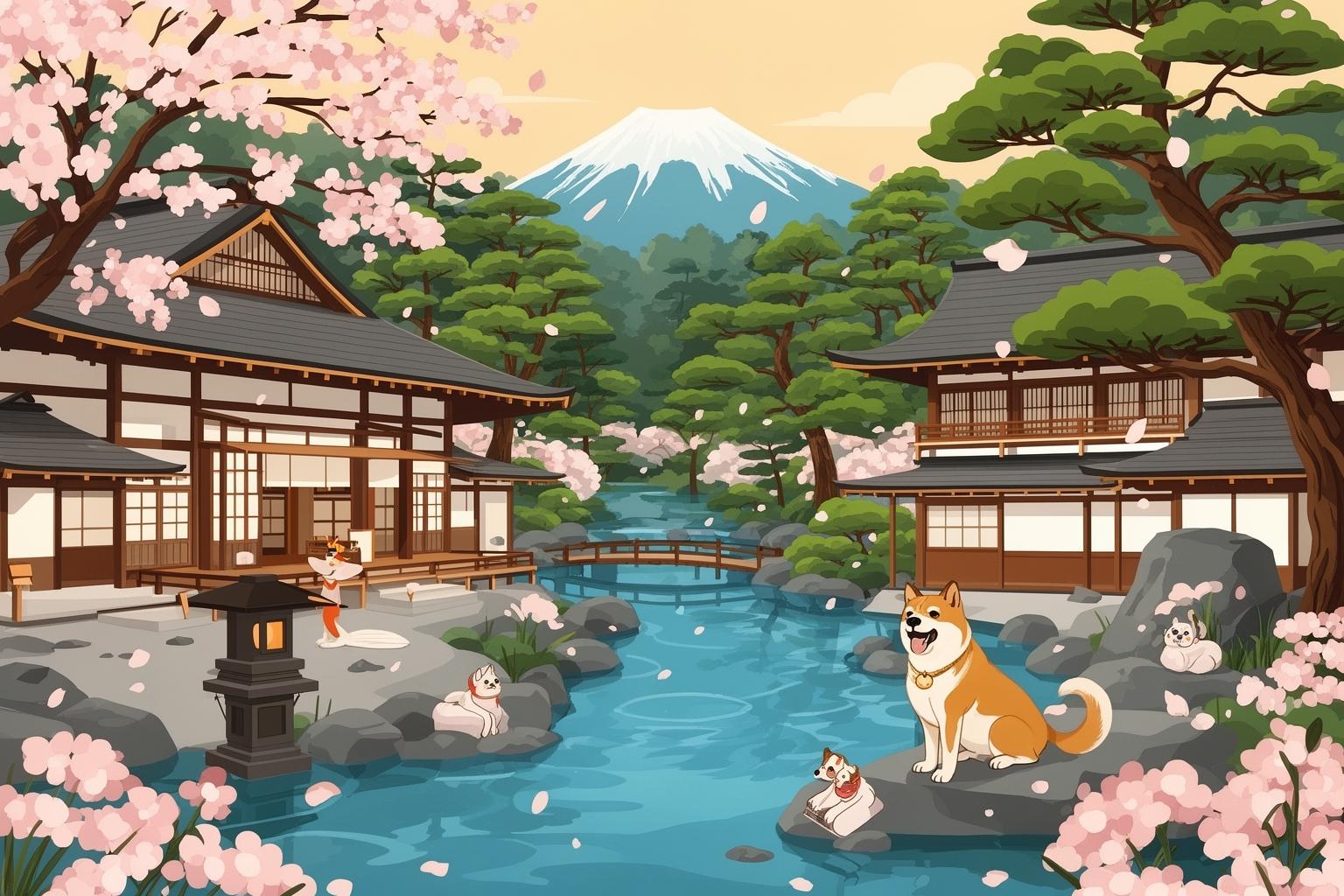
Dogo Onsen is more than just a destination; it’s an experience that connects worlds. It’s where the enchanting universe of one of the world’s most beloved animated films meets the rich literary heritage of Meiji Era Japan and the ancient wellness traditions that have persisted for millennia. It is a place where you can bathe in the same waters as emperors and writers, walk in the footsteps of a cherished fictional character, and see the very building that inspired a cinematic genius’s imagination. To visit Dogo is to enter a story still unfolding, a narrative woven from steam, wood, water, and memory. It’s an invitation to slow down, immerse yourself in history, and find those quiet, soulful moments that linger long after you’ve left. It’s a reminder that sometimes, the most magical places are the ones that have quietly awaited your discovery all along.