In the heart of Shikoku, Japan’s smallest main island, lies a place where myth and reality blur, where the steam rising from ancient waters seems to carry whispers of gods and spirits. This is Dogo Onsen in Matsuyama, a hot spring town with a legacy stretching back thousands of years. But for a generation of travelers, its fame is intertwined with a different kind of magic—the magic of cinema. It is widely revered as a principal inspiration for the magnificent, chaotic, and unforgettable Aburaya bathhouse in Studio Ghibli’s masterpiece, Spirited Away. To visit Dogo is to walk a path tread by emperors, samurai, poets, and perhaps, just perhaps, the spirits themselves. It’s more than a destination; it’s an immersion, a step through the screen into a world that feels both fantastically animated and deeply, historically real. Here, the rhythmic clang of a streetcar and the soft shuffle of wooden geta on stone paths create a soundtrack to a living fairytale, inviting you to become part of its story.
For those enchanted by a fusion of ancient lore and cinematic wonder, the pilgrim journey through real-life inspirations offers a complementary adventure.
The Echoes of a Ghibli Masterpiece
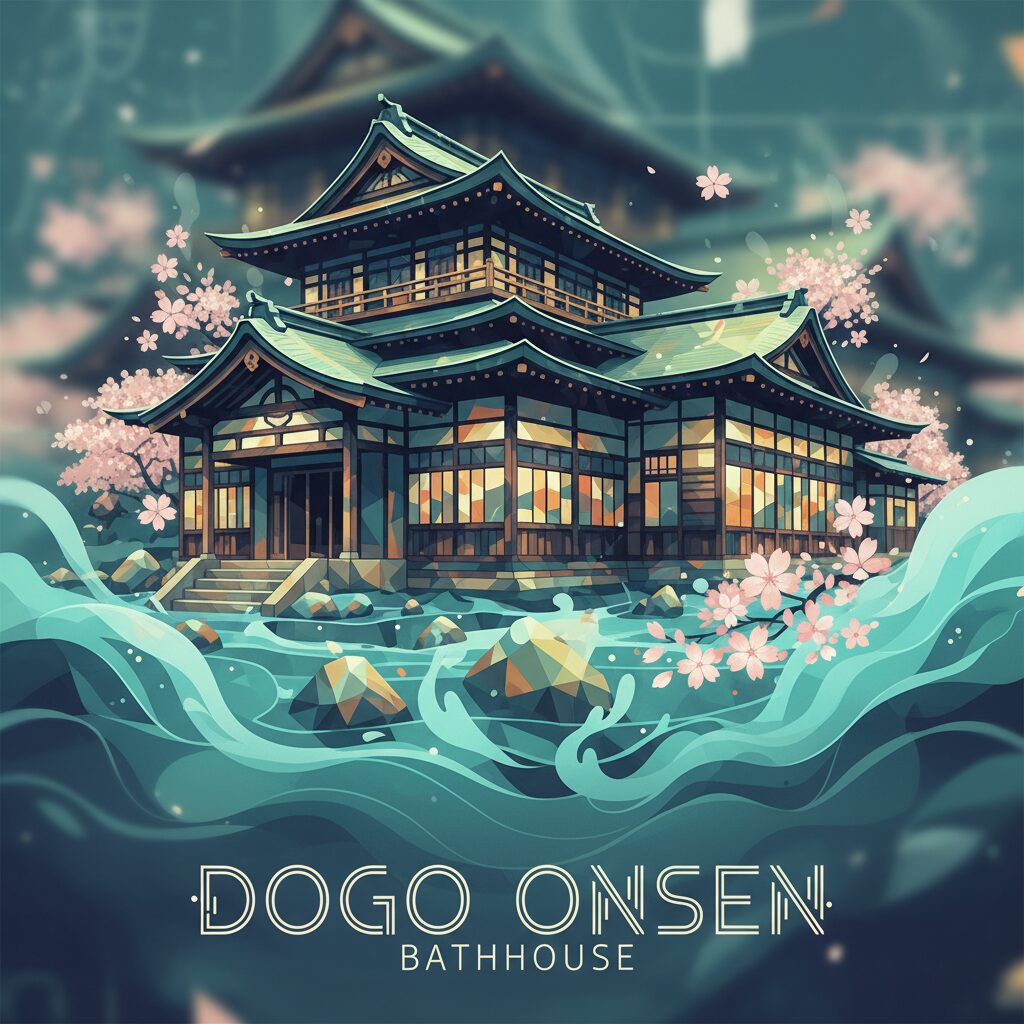
The moment you lay eyes on it, the connection is unmistakable. The Dogo Onsen Honkan, the main bathhouse and the town’s proud centerpiece, rises from the earth like a wooden fortress of relaxation. Its intricate, multi-layered rooflines, decorated with detailed carvings and topped by a soaring white egret, instantly bring to mind Yubaba’s spirit bathhouse. As dusk falls over Matsuyama, the building undergoes a transformation. Warm light pours from its countless shoji-screened windows, while red paper lanterns cast a magical, inviting glow, coloring the surrounding steam in hues of crimson. It is in this evening light that the similarity to the world of Spirited Away becomes most vivid. You can almost hear the bustle of the spirit world, glimpsing shadowy figures crossing the iconic red bridge, and sense the powerful presence of a place that exists on a different, more ancient plane. The maze-like corridors, steep wooden staircases, and hidden rooms within the Honkan deepen the fantasy. As you wander its passages, you feel like Chihiro exploring the mysterious depths of the Aburaya, uncovering new wonders around every turn. The architectural style, a splendid blend of Meiji-era Japanese and Western elements, creates a unique look that feels both nostalgic and fantastical—a perfect blueprint for Hayao Miyazaki’s vision. The Shinrokaku, the drumming tower perched atop the main roof, is a particularly striking feature. Three times daily—at 6 a.m., noon, and 6 p.m.—the sound of the taiko drum resonates across the town, a powerful, deep call that signals the time. This auditory cue adds another sensory dimension to the experience, rooting the magical building in a daily rhythm, much like the ringing bells and busy schedules that shaped the lives of the workers in the Aburaya.
A Legacy Carved in Steam and Wood
While its connection to anime attracts many visitors, Dogo Onsen’s own history is as legendary as any film. Its origins are said to date back over 3,000 years, making it one of Japan’s oldest, if not the very oldest, hot springs. Legend has it that a white heron healed its injured leg by dipping it into the steaming waters bubbling up from the rocks. This discovery, the story goes, revealed the water’s miraculous healing properties to the people. Another account tells of ancient emperors who traveled here to bathe, their visits recorded in some of Japan’s earliest written records. The building that stands today, the Honkan, is not that ancient, but it is a national treasure in its own right. Built in 1894, it is a stunning example of Meiji Period architecture and was the first public bathhouse in Japan to be designated as an Important Cultural Property. The entire structure was constructed without using a single nail, showcasing the exceptional skill of traditional Japanese carpenters. Walking through its halls feels like stepping into a living museum. The dark, polished wood of the floors and beams glows with the patina of age, smoothed by over a century of visitors. The air carries the scent of cypress wood mingled with the faint, clean aroma of sulfur from the spring water. It feels solid, enduring—a place that has absorbed the stories and sighs of countless guests, from local farmers to literary greats and even royalty.
The Imperial Touch – Yushinden
Hidden within the Honkan is its most exclusive and historically important section: the Yushinden. This is Japan’s only bath area built solely for the Imperial Family. Created in 1899, it is a masterpiece of lavish craftsmanship. While bathing here is not permitted, tours allow visitors to admire its breathtaking beauty. The rooms are adorned with rich materials, including walls decorated with gold leaf and intricate metalwork featuring phoenixes and paulownia crests, symbols of the imperial house. The bath itself, the Gyokuza-no-ma, is carved from the finest Aji stone from Kagawa Prefecture, and even the toilet is a work of art, covered in lacquer and Maki-e gold painting. Visiting the Yushinden offers a deep sense of connection to Japan’s history. It is a quiet, reverent space that recalls a time when this onsen was worthy of the Emperor himself, elevating it beyond a simple public bath into a site of national significance. It provides a striking contrast to the lively, communal atmosphere of the public bathing areas, showcasing the building’s unique ability to serve everyone—from commoners to the sovereign.
The Ritual of the Onsen – A Visitor’s Guide
For first-time visitors, bathing at Dogo Onsen Honkan is a cultural experience in its own right. The journey starts at the entrance, where a wooden board displays the various bathing options. These usually range from a straightforward bath in the main Kami no Yu (Bath of the Gods) to more elaborate packages that include access to the smaller, more refined Tama no Yu (Bath of the Spirits), the rental of a traditional yukata (cotton robe), and an opportunity to relax afterward in a communal tatami mat room accompanied by tea and rice crackers. After purchasing your ticket, you’ll be guided through the maze-like interior to the changing rooms. Here, you undress, place your belongings in a wicker basket, and proceed to the bathing area with only a small modesty towel. The etiquette is simple but essential: before entering the hot spring water, you must wash your body thoroughly at the washing stations along the walls. The water itself is smooth and alkaline, with a gentle warmth that soothes tired muscles and calms the mind. The Kami no Yu is a large, grand space made of granite, bustling with locals and tourists alike, its high ceiling trapping steam and echoing with the sounds of splashing water. In contrast, the Tama no Yu is a more intimate setting, with walls and a bathtub crafted from exquisite marble, offering a serene and contemplative soak. After bathing, the real highlight begins. If your ticket includes it, you’ll be given a clean yukata to wear. You then ascend to one of the public lounges on the second or third floor. Settling on the tatami, you can gaze over the town through open windows as an attendant brings you a cup of hot tea and a sweet Botchan dango. This post-bath relaxation is a vital part of the Dogo Onsen experience—a moment of perfect peace where you can sense the history of the building around you and observe the modern world passing by below.
Beyond the Main Bathhouse – Asuka no Yu and Tsubaki no Yu
Although the Honkan is the centerpiece, the Dogo Onsen experience also includes two other public bathhouses, each with its unique character. The newest addition, Dogo Onsen Asuka no Yu, is a striking architectural marvel that opened in 2017. Its design draws inspiration from the Asuka Period (592–710), blending traditional craftsmanship with modern artistry. The bathhouse features beautiful decorations rooted in local Ehime legends and art, including intricate metalwork and vibrant textiles. It even includes a replica of the Yushinden from the main Honkan, allowing visitors to experience that imperial luxury. The baths themselves are spacious and elegant, offering a more contemporary yet equally relaxing soak. Just a short walk away is Dogo Onsen Tsubaki no Yu, or Camellia Bath. This is the locals’ bathhouse. Its design is simpler, housed in a large, modern building with a spacious granite bath. The atmosphere here is less tourist-oriented and more focused on community. Residents of Matsuyama come here for their daily soak, chatting with neighbors and enjoying the straightforward pleasure of the hot spring without the grandeur of the Honkan. Visiting Tsubaki no Yu provides an authentic glimpse into the role the onsen plays in everyday city life, offering a different, more grounded perspective on this ancient tradition.
The Town That Time Cherishes
The magic of Dogo extends far beyond its bathhouses. The entire district is a beautifully preserved area inviting exploration, where traces of the Meiji era can be discovered around every corner.
The Botchan Legacy
Long before Studio Ghibli, Dogo’s fame was established by one of Japan’s most cherished novels, Botchan, written by Natsume Soseki. The author lived in Matsuyama as a teacher in the late 19th century and frequently visited Dogo Onsen, which plays a prominent role in his book. The town proudly honors this literary heritage. A whimsical Karakuri Clock filled with automatons near the Honkan springs to life on the hour, with characters from the novel emerging to perform a delightful musical show. You can also ride the “Botchan Train,” a lovingly restored, diesel-powered replica of the old steam locomotives Soseki would have traveled on. As it chugs from the city center to Dogo Onsen station, with conductors dressed in period uniforms, it feels like stepping back into the Meiji era.
A Stroll Through the Dogo Shotengai
Leading away from the Honkan is the Dogo Haikara Dori, a lively covered shopping arcade that serves as the town’s bustling artery. It’s a charming blend of the old and the new. Shops sell traditional crafts such as Tobe-yaki pottery and exquisite towels from nearby Imabari, one of Japan’s top towel-producing regions. Others offer a diverse range of souvenirs, from Ghibli-themed merchandise to snacks flavored with Ehime’s famous mikan (mandarin oranges). The arcade is a haven for food lovers. You can savor Botchan dango, a tri-colored sweet skewer featured in the novel, or try freshly fried jakoten, a local specialty made of fish paste patties. At night, the arcade glows with its own lights, bustling with visitors strolling in their yukata and geta, their wooden sandals creating a distinctive clapping sound on the pavement. The atmosphere is festive and timeless, an ideal place to wander after a relaxing bath.
Culinary Delights of Ehime
No visit to Dogo is complete without tasting the local cuisine, especially Ehime’s signature dish: tai-meshi, or sea bream with rice. There are two main styles. In the southern style, delicate slices of fresh sea bream sashimi are arranged over hot rice, with a savory sauce made of raw egg, soy sauce, and dashi poured over the top. In the northern style, a whole sea bream is cooked together with the rice in an earthenware pot, infusing every grain with its rich flavor. Both are exquisite. The region is also known as Japan’s citrus kingdom, boasting an endless variety of mikan. Mikan juice stands are everywhere, some offering tasting flights of different juices, each with a unique balance of sweetness and acidity. From mikan-flavored beer to mikan soft-serve ice cream, the fruit is a joyful and delicious part of the local culture.
Planning Your Pilgrimage
A visit to this captivating part of Japan is easier than you might expect, making it a worthwhile trip for anyone interested in culture, history, or the magic of animation.
Access and Getting Around
Matsuyama, the capital of Ehime Prefecture, serves as the gateway to Dogo Onsen. It is reachable via Matsuyama Airport, offering frequent flights from Tokyo, Osaka, and other major Japanese cities. Alternatively, you can take the JR Shinkansen (bullet train) to Okayama and transfer to the JR Shiokaze Limited Express train, a scenic route crossing the Great Seto Bridge into Shikoku. Upon arriving in Matsuyama, the most picturesque way to get to Dogo is by the city’s streetcar system. The historic trams, including the Botchan Train, run directly from JR Matsuyama Station and the city center to the Dogo Onsen terminal, just steps from the main bathhouse and shopping arcade. The compact Dogo area is easily explored on foot, enhancing the experience.
The Rhythm of the Seasons
Dogo Onsen is a destination for every season, each bringing its own special allure. Spring is enchanting as cherry blossoms in Dogo Park, situated on the grounds of a former castle, burst into a beautiful pink and white canopy. Summer features lively festivals, although the weather can be hot and humid. Autumn is perhaps the most pleasant time to visit, with crisp, clear air and vibrant fall foliage framing the historic wooden buildings. Winter has its own particular charm. The cold air makes the hot spring water feel even more indulgent, and the sight of steam rising from the Honkan’s roof beneath a clear winter sky is deeply picturesque. On snowy days, the scene resembles a classic woodblock print brought to life. No matter when you come, Dogo’s timeless waters continue to enchant.
Leaving Dogo Onsen feels like waking from a wonderful dream. It is simultaneously a world-class tourist destination, a sacred pilgrimage spot for anime enthusiasts, a cherished historical landmark, and a beloved community hub. The healing comes not only from the water but also from the ambiance, the local flavors, the rhythm of the taiko drums, and the sensation of wearing a yukata while strolling streets rich in history and folklore. It is a place where the boundary between the everyday world and the spirit world feels remarkably thin. Whether you come seeking the ghost of a Ghibli film or the essence of old Japan, you will find it here, gently steaming in the heart of Shikoku, ready to welcome you.