
There are places that feel less like a destination and more like a memory you haven’t made yet. They exist in a soft-focused glow, where the air seems thick with nostalgia and every cobblestone whispers a story. Tucked away in Hiroshima Prefecture, nestled against the calm, shimmering waters of the Seto Inland Sea, lies one such place: Takehara. To many, it’s known as the “Little Kyoto of Aki,” a beautifully preserved townscape that offers a tranquil escape from the neon pulse of modern Japan. But for a devoted community of fans around the world, Takehara is something more profound. It is the living, breathing soul of the beloved anime series Tamayura, a pilgrimage site where the gentle world of Fu Sawatari and her friends isn’t just a story on a screen, but a tangible reality waiting to be explored, one quiet, sun-drenched moment at a time. This isn’t just about visiting a film set; it’s about stepping into a feeling, a philosophy of finding the brilliant, fleeting sparks of happiness in the everyday. It’s a journey into a town that teaches you to see, not just with your eyes, but with your heart, through the lens of a camera you may or may not be holding.
The gentle allure of Takehara invites travelers to delve into other storied locales, where exploring Higurashi backdrops reveals an equally haunting blend of history and fantasy.
The Echo of Footsteps: The Townscape Preservation District
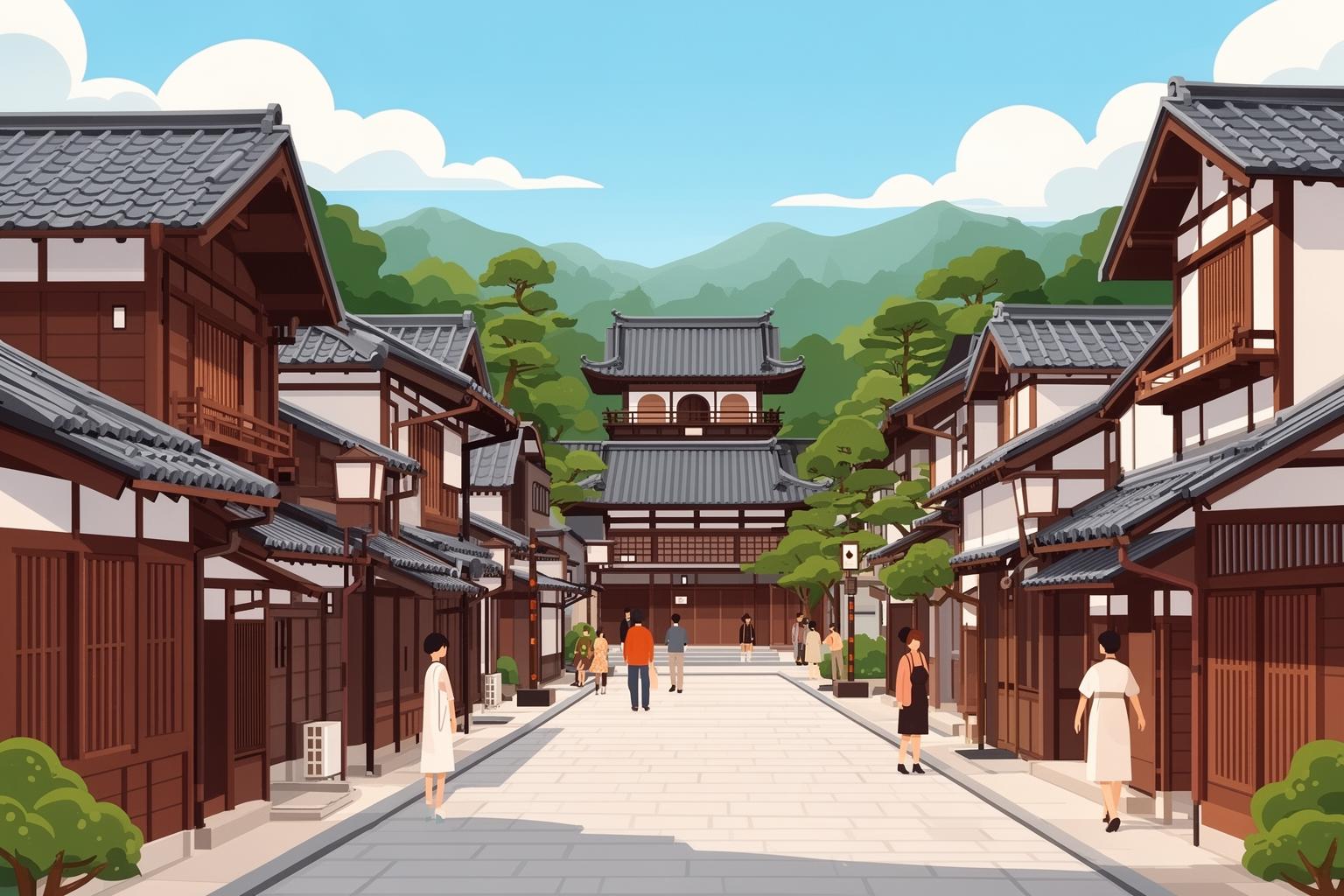
The moment you enter the Takehara Townscape Preservation District, the atmosphere changes. The noise of traffic diminishes, replaced by the soft scrape of a shopkeeper’s broom, the distant toll of a temple bell, and the gentle murmur of the wind weaving through dark wooden lattices. This is the heart of Takehara, a maze of narrow streets lined with magnificent houses from the Edo and Meiji periods. Their imposing plaster and charred wood walls stand as silent testaments to a time of remarkable prosperity. Takehara wasn’t always the quiet, peaceful town it is today. During the Edo Period, it thrived as a bustling hub of salt production and sake brewing, where merchant families amassed wealth from the rich resources of the Seto Inland Sea. That history is ingrained in the very architecture surrounding you. The elegant facades, the intricate roof tile work, and the hidden inner gardens all reveal a proud and prosperous past. Walking here feels like stepping back in time. The streets are blissfully free of power lines and modern signage that clutter most cityscapes, a deliberate effort to maintain the immersive historical ambiance. You find yourself slowing down, your gaze drawn to subtle details: the texture of aged wood, sunlight filtering through a paper screen, stone lanterns covered in moss. It’s in these quiet moments of reflection that you begin to grasp the town’s soul and the essence of what Tamayura aimed to capture. Every corner reveals another picture-perfect scene, a flawless interplay of light and shadow that seems intentionally crafted, yet it’s simply the organic, lived-in charm of a town that cherishes its history.
A Legacy in Wood and Tile: The Merchant Residences
Scattered throughout the Preservation District are several historic homes open to the public, offering a rare window into the lives of the wealthy merchants who built this town. The Matsuzaka Residence is among the most notable—a sprawling complex that displays the opulence of its era. Stepping inside, removing your shoes to feel the cool, polished wooden floors, you are transported back in time. The house is a masterpiece of Japanese architecture, with spacious tatami rooms, elaborately painted screens, and a serene inner garden providing a private touch of nature. You can almost hear the rustle of silk kimono and the murmur of business negotiations. Another must-see is the Former Morikawa Residence, which presents a slightly different yet equally intriguing perspective. These spaces don’t feel like sterile museums; they feel like homes, waiting for their owners’ return. Roaming their hallways, peeking into the kitchens, and sitting on the veranda overlooking the garden connects you to the generations who lived, worked, and dreamed within these walls. For fans of Tamayura, these sites resonate even deeper, as their distinctive architectural features and evocative interiors directly inspired the anime’s settings, making the experience feel like walking through a real-life storyboard.
In Pursuit of Light: A Photographer’s Holy Land
At its heart, Tamayura is a story centered around photography. It follows the main character, Fu Sawatari—or “Potte,” as she’s affectionately known—using her late father’s film camera to capture the warmth and beauty of her new home while healing her own heart in the process. This theme isn’t a fictional creation; it embodies the very spirit of Takehara itself. The town is a photographer’s paradise, where the light possesses a distinctive quality. It filters through bamboo groves, spills over tiled roofs during golden hour, and glistens off the serene sea, producing countless “Tamayura” moments—those magical, fleeting instances when light orbs appear in a photo, symbolizing a small, perfect moment of happiness. Visiting Takehara is like embarking on your own photographic pilgrimage, whether armed with a professional DSLR or just a smartphone. The town invites—and challenges—you to slow down and truly observe the world around you, discovering the extraordinary in the everyday, just as Fu did.
The Heart of the Story: Hinomaru Photo Studio
Among all the places in Takehara, none is more iconic for Tamayura fans than the Hinomaru Photo Studio. This charming, weathered building with large glass windows and a vintage sign inspired the studio where Fu’s grandfather worked, a central meeting spot in the anime. Though it no longer functions as a photo studio, it has been lovingly preserved as a landmark and a gathering place for fans. Peering through the windows, you’ll find displays of memorabilia and messages left by fellow visitors from around the world. Standing before it is a surreal experience—an enduring reminder of the connection between fiction and reality, a tangible anchor for a story that has touched so many hearts. It’s more than just a building; it symbolizes nostalgia, family, and the lasting power of a single photograph to hold a universe of emotion. You’ll often see other visitors quietly taking pictures—not just of the building itself, but of the feeling it inspires—each person trying to capture their own piece of the story.
Stairways to the Sky: Saiho-ji Temple
For one of Takehara’s most breathtaking views—and another key anime location—you must climb to Saiho-ji Temple. The trek is part of the experience. You ascend a steep stone stairway, passing rows of old gravestones and walking beneath the shade of ancient trees. With each step, the sounds of the town fade away, replaced by a deep sense of tranquility. At the top, you are greeted by the Fugen-do Hall, a beautiful wooden structure perched on a stage jutting from the mountainside, reminiscent of Kyoto’s famous Kiyomizu-dera but on a more intimate scale. From this vantage point, the entire town of Takehara stretches out before you. You see the unified earthy tones of the tiled roofs in the Preservation District, the modern town extending beyond, and the brilliant blue of the Seto Inland Sea sparkling in the distance. This is the very view Fu and her friends often admired—a place of reflection and shared dreams. It’s the perfect spot to rest, feel the breeze, and watch the light shift across the landscape. The view is especially stunning in the late afternoon, as the setting sun bathes the town in a warm, golden glow, offering the ultimate photo opportunity and a memory etched into your mind.
Flavors of the Town, Whispers of the Spirit
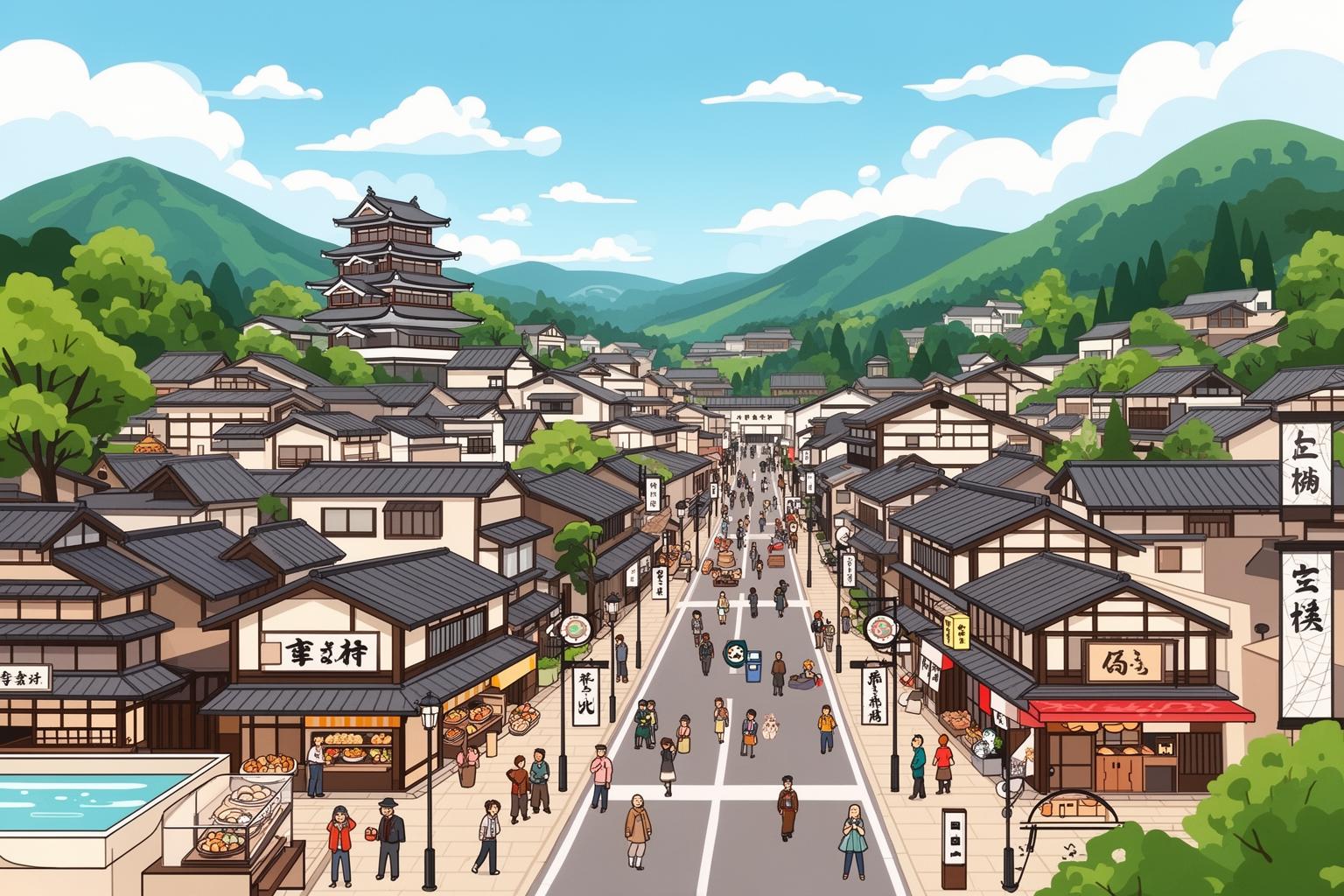
A journey through Takehara engages all the senses, and taste is certainly no exception. The town’s culinary offerings beautifully reflect its rich history and coastal setting. While there are many dining options available, exploring the local specialties is the best way to truly connect with the area’s culture. It’s about more than just food; it’s about the warm hospitality found in the small, family-run establishments that have served the community for generations. These are the places where Takehara’s story continues to unfold, one delicious meal at a time.
Savoring the Local Palette
One of the most cherished spots, and a must-visit for any Tamayura pilgrim, is the real-life okonomiyaki restaurant that inspired “Hoboro” in the anime. Finding it and settling in at the long griddle feels like stepping right into a scene. Here, you can watch the experts skillfully layering batter, cabbage, noodles, and your choice of meat or seafood to craft the ultimate Japanese savory pancake. The sizzle of the grill, the enticing aroma in the air, and the friendly banter of the staff create a warm, comforting atmosphere. Beyond okonomiyaki, Takehara’s heritage as a sake brewing town remains vibrant. A visit to the Fujii Shuzo Sake Brewery lets you delve into this tradition. The brewery features a museum and tasting room where you can sample various award-winning sakes, discovering the careful process that transforms local rice and water into liquid poetry. For something sweet, be sure to try bamboo-based treats, a nod to the town’s name, which literally means “bamboo field.”
Finding Serenity in Sacred Spaces
Beyond the renowned Saiho-ji, Takehara is dotted with many other temples and shrines, each offering its own serene haven. Chosei-ji Temple, located within the Preservation District, is a stunning example. Its well-kept gardens and historic halls provide a peaceful retreat from your explorations. As you wander these sacred grounds, you’ll notice small details: stone water basins for purification, shelves of wooden prayer plaques (ema) inscribed with visitors’ wishes, and the delicate scent of incense lingering in the air. These sites are more than just tourist destinations; they are active centers of community faith. Being a respectful visitor is essential. Take a moment to sit quietly and absorb the tranquil atmosphere. Listen to the cooing doves or the rustling leaves. In these moments of stillness, you can sense the spiritual current that has sustained Takehara for centuries—a peaceful essence that permeates the entire town and adds profound depth to your visit.
Expanding the Frame: The Allure of the Setouchi Region
While the historic townscape undeniably steals the spotlight, Takehara also functions as an ideal gateway to the broader wonders of the Seto Inland Sea, or Setouchi. The area is renowned for its mild climate, breathtaking coastal views, and numerous islands, each boasting its own distinct charm. Exploring beyond the cobblestone streets reveals the geography that shaped Takehara’s history and continues to define its essence. The sea is more than just a scenic backdrop; it is the lifeblood of the town.
A Short Journey to Rabbit Island
One of the most famous and memorable day trips from Takehara is a visit to Okunoshima, affectionately known as “Rabbit Island.” A brief train ride along the picturesque Kure Line brings you to Tadanoumi Port, where you can board a quick ferry to this small island paradise. The moment you disembark, hundreds of friendly, wild rabbits greet you. They will eagerly approach, hoping for a treat (rabbit food can be purchased at the port before departure). Spending a few hours on Okunoshima, surrounded by these charming creatures against a backdrop of stunning beaches and sea views, offers a truly joyful and surreal experience. However, the island also harbors a somber history. During World War II, it served as a secret poison gas manufacturing site, a story preserved in a small but significant museum on the island. This striking contrast between its dark past and its fluffy present makes Okunoshima a compelling and thought-provoking destination, adding depth to your regional exploration.
The Rhythm of the Tides and Islands
Simply taking a local ferry on the Seto Inland Sea is an experience in itself. From ports near Takehara, you can undertake short trips to neighboring islands, immersing yourself in a pace of life governed by tides and ferry schedules. The views from the water are breathtaking, with the sea scattered with fishing boats and oyster rafts, while the soft, hazy outlines of distant islands evoke the essence of a traditional Japanese ink painting. This maritime scenery is crucial to understanding Takehara. Its sea access once brought prosperity as a bustling port town, and today, the sea continues to provide fresh seafood and a lasting sense of tranquility. Even without a specific island destination, a brief round-trip ferry ride offers a meditative experience, granting a fresh perspective on the coastline and the beautiful region you are exploring.
Your Guide to a Picture-Perfect Pilgrimage
Planning a trip to a more rural area of Japan, such as Takehara, might seem intimidating, but its serene charm makes the journey truly worthwhile. With a little preparation, your visit can be as seamless and captivating as the town itself. Takehara rewards those travelers who take their time, are willing to wander without a strict itinerary, and simply allow the atmosphere to guide them.
Arriving in the Land of Light
Takehara is most conveniently reached by train. If you’re traveling from major cities like Tokyo, Kyoto, or Osaka, the best route is to take the Tokaido-Sanyo Shinkansen (bullet train) to Mihara Station. From there, you’ll transfer to the local JR Kure Line, a scenic railway that follows the coastline. The journey from Mihara to Takehara Station lasts about 25 minutes and offers your first glimpse of the breathtaking Setouchi landscape. Alternatively, if you’re coming from Hiroshima City, you can take the Kure Line directly, or for a faster option, take the Shinkansen to Mihara and transfer there. Highway buses from the Hiroshima Bus Center also provide a convenient and direct route. Once you arrive at Takehara Station, the Townscape Preservation District is a pleasant 12-15 minute walk away. The route is clearly marked, and the stroll itself perfectly transitions you from the modern world into the historical one.
When the Light is Best: Choosing a Season
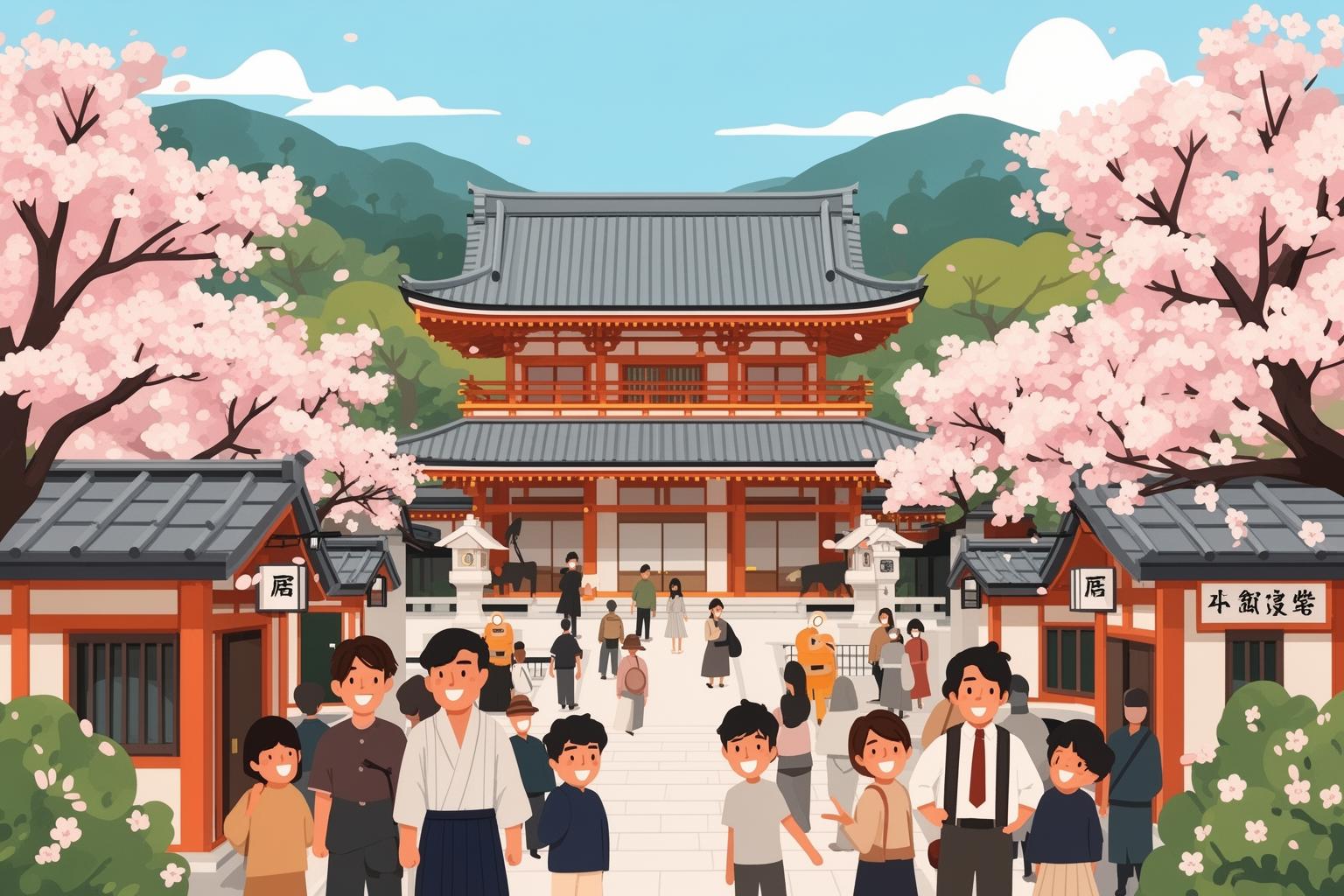
Takehara is lovely throughout the year, but certain seasons offer distinct experiences. Spring (late March to April) dresses the town in cherry blossoms, adding delicate pink hues to the historic landscape. The mild weather is ideal for strolling. Autumn (October to November) is perhaps the most enchanting time to visit. The crisp air, vibrant fall foliage, and the town’s most celebrated event—the Shokei no Michi, or Path of Longing festival—make it unforgettable. During this weekend event, thousands of bamboo lanterns light up the entire Preservation District after sunset, creating an incredibly romantic and magical ambiance. It’s a stunning sight that makes the town feel as if it’s come straight out of a Ghibli film. Summer can be hot and humid, but it bursts with lush greenery and lively energy. Winter offers a quiet, peaceful atmosphere with sharp, beautiful light for a more solitary experience.
A Few Words of Advice for the Journey
To fully enjoy your visit, keep a few tips in mind. First, wear comfortable shoes, as you’ll be walking extensively on cobblestones, uneven paths, and steep temple staircases. Second, although credit cards are becoming more widely accepted, many small, family-run shops, cafes, and restaurants in Takehara still prefer cash. It’s wise to carry enough Japanese yen with you. Most importantly, remember that the Preservation District is not just a tourist attraction; it is a residential neighborhood where people live and work. Be a respectful visitor. Speak quietly, especially early in the morning and evening, avoid trespassing on private property for photos, and always ask permission before taking close-up pictures of people or inside shops. A polite nod, a smile, and a simple “Konnichiwa” (hello) go a long way in showing your appreciation for the community that lovingly preserves this beautiful town.
The Afterimage of a Gentle Town
Leaving Takehara feels like emerging from a pleasant dream. The warmth of the sun on the old wooden buildings, the taste of a simple yet delicious meal, the panoramic view from a temple perched high on a hill—these moments stay with you, becoming what the anime so beautifully calls “afterimages” in your memory. A trip here is more than just a sightseeing tour or an anime pilgrimage. It’s a practice in mindfulness, a lesson in the art of truly noticing. You come to Takehara to experience the world of Tamayura, but you leave having discovered a new perspective on your own world. You learn to seek the light, to appreciate the quiet spaces between the noise, and to realize that the deepest beauty often lies not in grand monuments, but in the simple, fleeting moments of everyday life. Takehara doesn’t shout for your attention; it whispers, inviting you into its gentle embrace, and if you listen carefully, you’ll carry its peaceful melody with you long after you’ve gone.