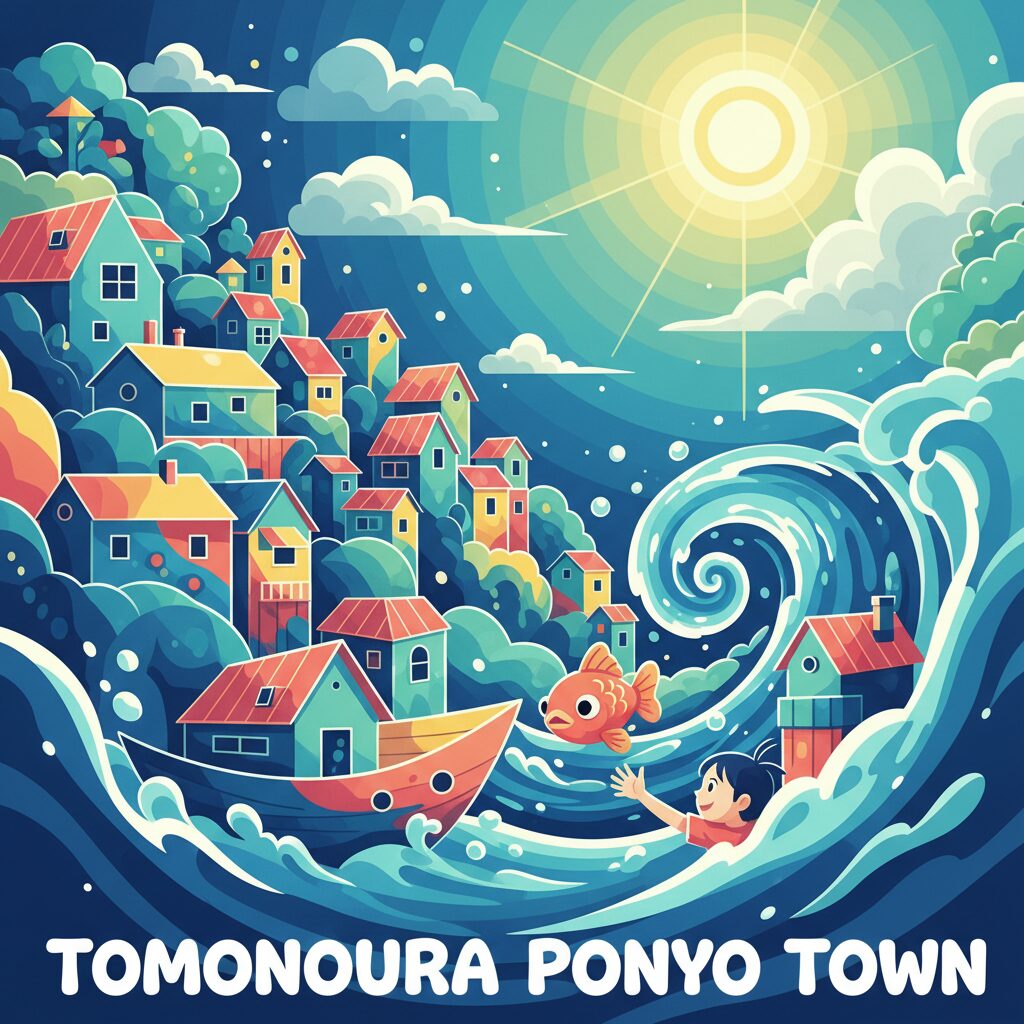
There’s a certain kind of magic that Hayao Miyazaki weaves into the fabric of his films, a tangible sense of place that feels both dreamlike and profoundly real. It’s a feeling that makes you wonder if, just around some forgotten corner of the world, a real-life Catbus might be waiting or a castle might be floating in the sky. For fans of the vibrant, heartwarming tale of Ponyo, that corner of the world has a name: Tomonoura. Tucked away on the coast of the Seto Inland Sea in Hiroshima Prefecture, this historic port town is not just a backdrop; it’s the very soul of the film. Long before it captured Miyazaki’s imagination, Tomonoura was a jewel of maritime Japan, a place where fortunes were made and history was written on the rhythm of the tides. Today, stepping into its narrow, winding alleys feels like stepping back in time, or perhaps, stepping directly into a Ghibli cel. The air, thick with the scent of salt and sea, carries whispers of Edo-period sailors and the faint, joyful echoes of a little fish-girl who dreamed of becoming human. This is more than a filming location; it’s an invitation to experience the atmosphere that sparked one of the most beloved animated features of our time. Come, wander the stone-paved streets, gaze at the gentle curve of the harbor, and discover the enchanting reality of the town that Ponyo calls home.
If you’re captivated by the idea of visiting real-world anime locations, you might also enjoy exploring the Tokyo settings from Your Name.
The Enduring Charm of a Timeless Port Town
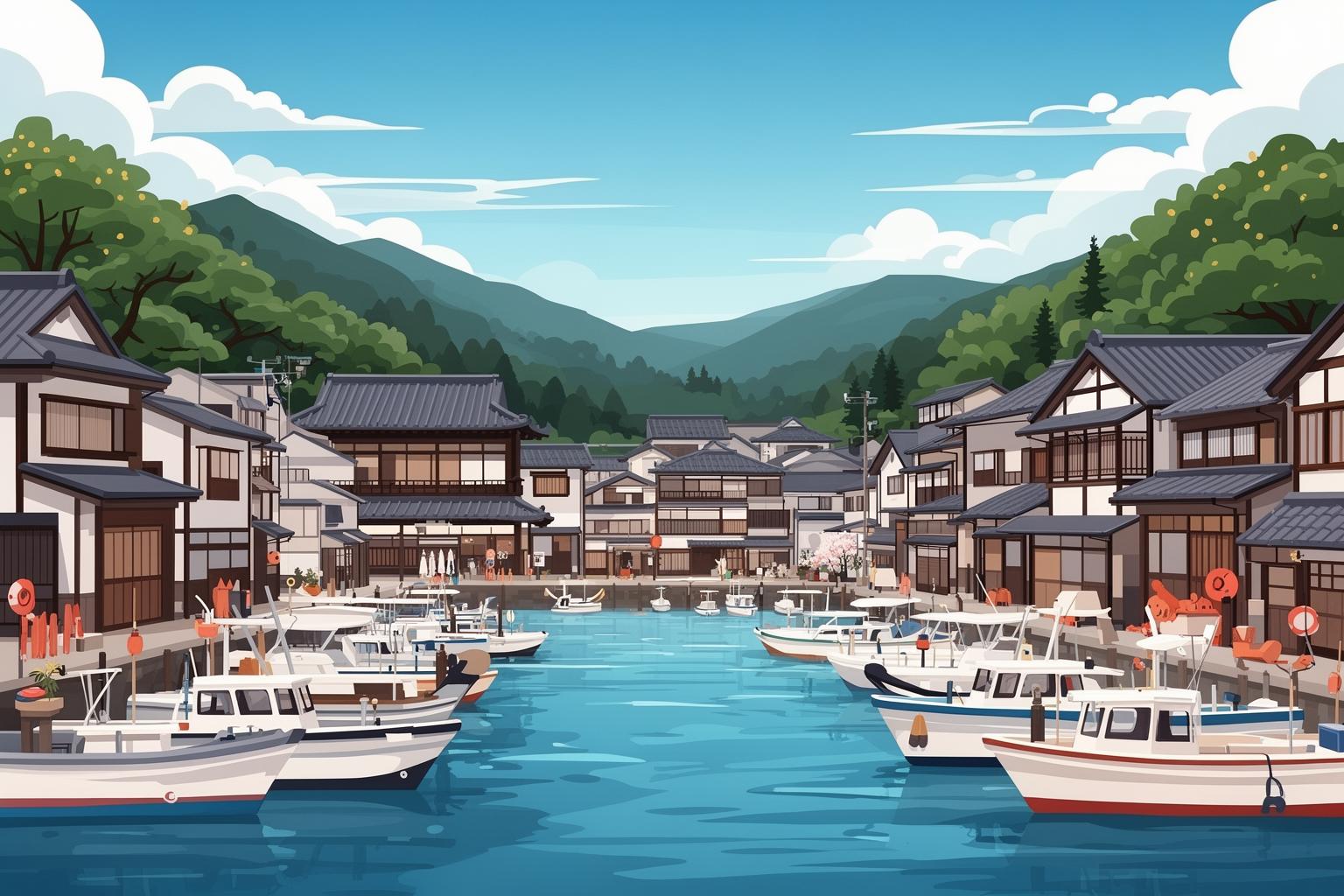
The magic of Tomonoura isn’t a recent discovery for anime fans; it is a deeply rooted characteristic that has shaped the town for centuries. The town owes its existence to the sea, particularly its distinctive tidal patterns. It earned the title shiomachi no minato, meaning the “port that waits for the tide.” During the age of sail, ships navigating the challenging Seto Inland Sea would seek refuge in Tomonoura’s sheltered harbor to wait for favorable currents. This simple pause transformed the town into a thriving and prosperous center. Picture the scene: hundreds of wooden vessels, sails furled, gently swaying in the harbor. Merchants, samurai, and sailors from across Japan filled the inns and teahouses, their stories and dialects blending in the narrow streets. That lively, vibrant history has left an enduring imprint on the town’s architecture and atmosphere. The buildings, with their dark, weathered wood and graceful tiled roofs, cluster closely as if sharing secrets. The streets form a deliberate maze, designed to confuse pirates and slow strong sea winds; today, however, they charm wandering visitors. Around every corner lies a new discovery: a hidden shrine, a family-run sweet shop passed down through generations, or a sudden, breathtaking view of the sea framed by two old houses. The town pulses with this history, a living museum where the past is not only remembered but felt in the very texture of its stone and wood.
The Beacon of the Harbor: Joyato Lighthouse
Standing as the unmistakable symbol of Tomonoura is the Joyato Lighthouse. This is not a towering, modern structure, but a simple and elegant stone lantern of modest height, dating from the Edo period. Its role was not to emit a powerful beam for miles, but to guide ships entering the immediate harbor. Positioned almost as if floating at the water’s edge, it is one of the most photographed and iconic landmarks in town. To stand before it is to connect deeply with the town’s maritime spirit. One can almost hear the sighs of relief from sailors spotting its gentle flame after a long voyage. The area around the lighthouse buzzes with quiet, steady activity. Local fishermen mend their nets, children play along the stone gangi steps, and the small ferries linking Tomonoura to the nearby islands of Sensui-jima and Benten-jima come and go. The Joyato Lighthouse is more than a historical relic; it is the calm, enduring heart of the harbor, symbolizing the town’s long-standing bond with the sea that has sustained it for centuries.
Walking in Miyazaki’s Footsteps: The Ponyo Connection
For two months in 2005, Hayao Miyazaki lived in a small house overlooking this very harbor. He wasn’t merely a tourist; he fully immersed himself in the daily rhythm of the town. He sketched, walked, and observed intently. He absorbed the colors of the sea, the shapes of the rooftops, the sounds of the ferryboats, and the character of the local people. This deep, personal connection enabled him to capture the essence of Tomonoura and transform it into the vibrant, magical world of Ponyo. For fans of the film, wandering through the town is an almost surreal experience. It becomes a continuous series of delightful moments where the animated world and reality blend into one beautiful image. You’re not simply seeing the locations that inspired the film; you are feeling the atmosphere that brought it to life. The gentle, unhurried pace of the town, the warmth of the locals, and the ever-present embrace of the sea—all of it is here, just as you imagined.
The House on the Cliff and the Winding Alleys
Sosuke’s house, perched precariously on a cliff overlooking the sea, is a central image in the film. While there is no exact replica of this house in Tomonoura, its inspiration is evident everywhere. As you climb the slopes and hills surrounding the harbor, you’ll encounter dozens of homes boasting stunning ocean views, with gardens tumbling down toward the water. From these vantage points, gazing down on the crescent-shaped harbor filled with colorful boats, the resemblance to Ponyo’s world is unmistakable. You can easily picture Sosuke signaling with his lamp to his father’s ship out at sea. The town itself serves as Ponyo’s playground. The film is full of scenes of her and Sosuke running through a maze of narrow streets, ascending and descending steep stone staircases, and moving along the curved harbor wall. Exploring Tomonoura is like stepping into those scenes. Losing yourself in the labyrinthine alleys isn’t a hazard—it’s the whole point. Each wrong turn uncovers a charming new detail: a beautifully carved wooden lattice on a window, a cluster of potted plants forming a miniature garden, or a cat napping in a patch of sunlight. This sense of playful discovery is what Miyazaki captured so perfectly.
The Harbor’s Embrace: Gangi Steps and Bobbing Boats
The harbor itself is a masterpiece of Edo-period engineering and a key visual in Ponyo. Its most distinctive feature is the gangi—massive, tiered stone steps lining the entire inner harbor that serve as a quay. These steps were ingeniously designed to be usable at any tide. At high tide, the water laps against the upper steps, while at low tide, a broad stretch of stone emerges. In the film, these steps are where the town’s life meets the sea, and the same holds true in reality. Fishermen moor their small boats here, while locals sit on the warm stone, enjoying the view. The boats themselves are a direct connection to the film. The small, sturdy fishing vessels, often painted bright blues and reds, closely resemble the boats featured in the movie. You’ll also notice the small passenger ferries, the ponpon-sen, chugging back and forth, their distinctive engine sound—a gentle “pon-pon”—adding to the town’s unique soundscape. Watching the boats bob and sway with the tide, it’s easy to sense the deep, breathing rhythm of the ocean, so central to Ponyo’s story.
Beyond the Silver Screen: Treasures of Tomonoura
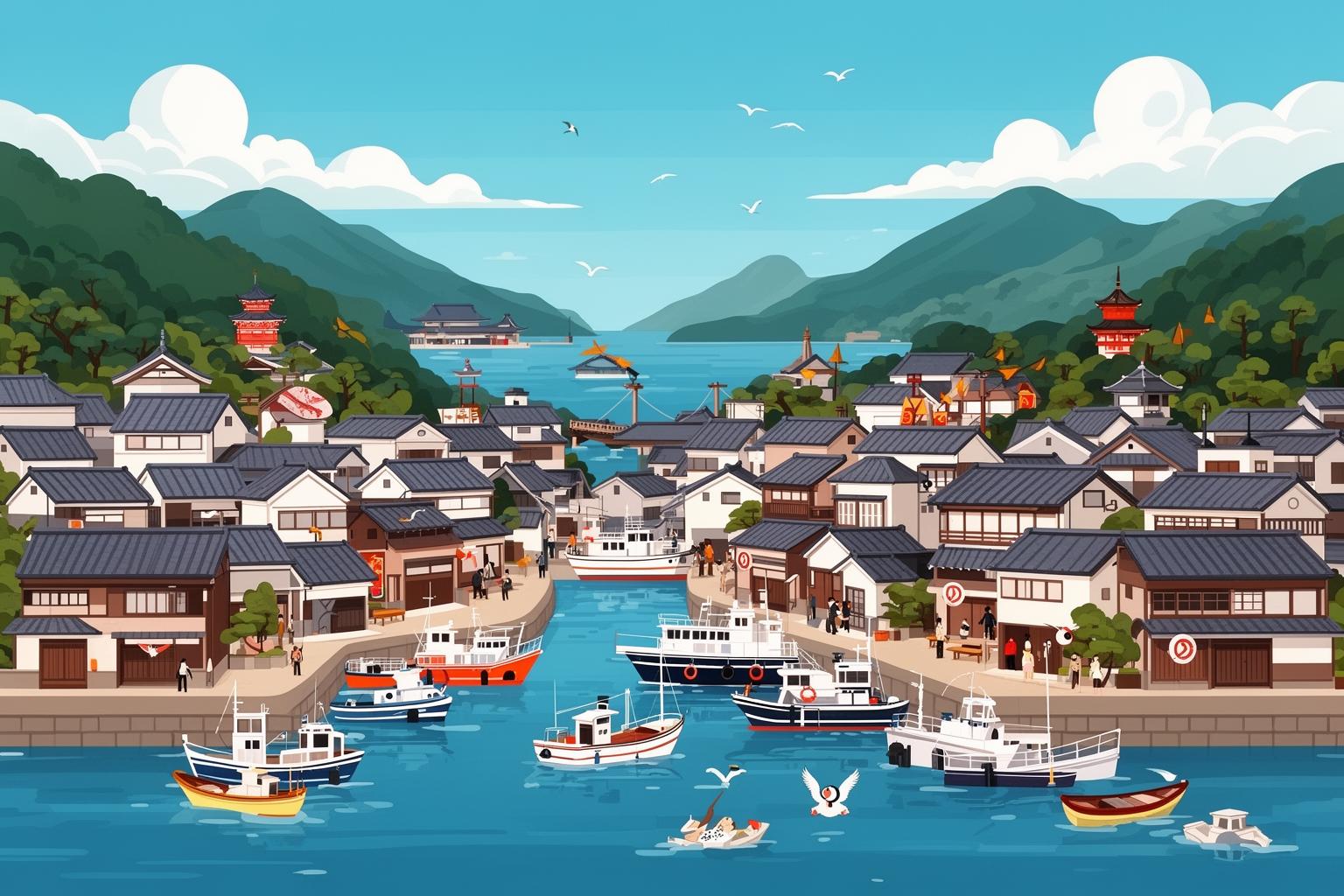
While the Ghibli connection is undeniably appealing, Tomonoura’s own history and culture provide a rich array of deeply rewarding experiences in their own right. Focusing solely on Ponyo would mean overlooking the deeper layers that make this town truly special. Tomonoura has witnessed important historical events and remains a hub for unique local traditions that still thrive today. Exploring these landmarks adds meaningful context to your visit, anchoring the cinematic fantasy in a compelling and tangible reality. The town is like a treasure chest, where every corner reveals another drawer filled with tales of art, history, and craftsmanship.
Fukuzen-ji Temple and the Taichoro Pavilion
A short but steep climb from the harbor brings you to Fukuzen-ji Temple, a tranquil Buddhist temple with a history spanning over a thousand years. While the temple itself is striking, its greatest gem is the Taichoro guest pavilion. Sliding open the wooden shoji screens in the pavilion’s main hall reveals a view so flawless it seems painted by a master artist. The room’s wooden pillars frame the harbor below perfectly, including the iconic Benten-jima Island with its red pagoda and the larger Sensui-jima Island beyond. This exemplifies the Japanese aesthetic concept of shakkei, or “borrowed scenery,” where the surrounding landscape is incorporated into the design of a garden or building. The view is so stunning that in 1711, a Korean emissary visiting the site proclaimed it “the most beautiful view in all of Japan.” Sitting on the tatami mats, feeling the cool breeze, and gazing out at this living artwork creates a profoundly peaceful and meditative experience. It’s a moment to appreciate the timeless beauty that has captivated visitors for centuries, long before any animator set up an easel here.
A Taste of History: Homeishu Liqueur and the Ota Residence
Tomonoura is also renowned for a distinctive medicinal liqueur known as Homeishu. This potent, sweet, and aromatic spirit is crafted by steeping sixteen different herbs in rice wine, using a recipe closely guarded for over 350 years. Traditionally prized for its health benefits—said to combat fatigue and promote longevity—Homeishu is still produced by several historic distilleries in the town, with their shops offering insight into this fascinating tradition. The most notable is the Ota Residence, a beautifully preserved merchant house that has remained in the same family for generations. This expansive complex, designated an Important Cultural Property, lets you explore traditional living spaces, storehouses, and the distillery where Homeishu was made. Stepping inside feels like traveling back in time. Visitors can sample various types of the liqueur, from classic to modern sweeter versions. Bringing home a bottle of Homeishu is like carrying a piece of Tomonoura’s history with you—a unique flavor that reflects the town’s enduring tradition of craftsmanship and well-being.
A Practical Guide to Your Tomonoura Adventure
Planning a trip to a destination that seems to exist outside of time requires some practical knowledge to ensure your experience is as seamless and enchanting as the place itself. Tomonoura is wonderfully easy to access, yet it maintains an air of being a well-kept secret. A bit of preparation will help you fully enjoy your visit, allowing you to embrace the town’s unhurried pace without fretting over the details. From finding your way there to knowing the best time to visit and sampling local specialties, these tips will help you create the perfect pilgrimage.
Getting to This Seaside Gem
Your trip to this storybook town usually begins at Fukuyama Station, a major stop on the Sanyo Shinkansen (bullet train) line. This makes it a convenient day trip from cities like Hiroshima, Osaka, or even Tokyo. Upon arrival at Fukuyama Station, the shift from modern life to a historic atmosphere begins. Make your way to the bus terminal located just outside the station’s south exit and find the bus heading to Tomo Port (鞆の浦, Tomo-no-ura). The bus journey is part of the charm, taking about 30 minutes as the scenery gradually changes from urban to coastal landscapes and tranquil residential neighborhoods. The final stretch, as the bus follows a narrow road along the coastline and the harbor comes into view, is a truly delightful reveal. The bus stops at the main terminal, just a short stroll from the historic town center. The entire trip is a gentle unwinding, setting the tone for the slow, captivating rhythm of Tomonoura.
The Rhythm of the Tides: When to Visit
Tomonoura is beautiful throughout the year, with each season presenting its own unique appeal. Spring is arguably one of the most scenic times, as cherry blossoms frame ancient temples and the mild weather is perfect for walking. Autumn also offers a wonderful experience, with crisp air, comfortable temperatures, and vibrant fall foliage on nearby islands. Summer brings a festive vibe, though it can be hot and humid, so prepare accordingly. Winter offers a quiet and reflective atmosphere, though some shops may operate on reduced hours. To truly savor the town, try to visit on a weekday if possible, as weekends and holidays often draw many domestic tourists. An overnight stay is highly recommended. Watching the harbor at sunset, when the Joyato Lighthouse begins to glow and the town is bathed in soft golden light, followed by the early morning scene of fishermen readying their boats, is an unforgettable experience that a day trip simply can’t match.
Savoring the Local Flavors
The offerings of the Seto Inland Sea shine at the heart of Tomonoura’s culinary delights. The local specialty is sea bream (tai). It can be enjoyed in many ways, but the best-known dish is tai-meshi, a comforting rice dish cooked in a savory broth with a whole sea bream. Many local eateries and traditional inns (ryokan) serve their own unique versions of this dish. For a particularly special experience, plan your visit during the spring sea bream fishing season (typically May), when you can watch the dramatic and traditional fishing methods from sightseeing boats. Beyond sea bream, be sure to seek out other fresh seafood, from sashimi to grilled fish. For a lighter snack, explore the streets to find small shops selling gasuten, a type of fried fish cake popular locally. There are also numerous charming and stylish cafes located in renovated historic buildings, perfect for resting with a coffee while taking in the view.
Navigating the Town and Hidden Spots
Tomonoura is made for exploring on foot. Its greatest charms are discovered by wandering without a rigid itinerary. Wear comfortable shoes, as you’ll be walking on stone pavements and gentle inclines. The main historic district is compact and easy to navigate by foot. Grab a map from the Tourist Information Center near the bus stop to orient yourself. For a different viewpoint, you might consider renting a bicycle, which allows you to cover more ground and explore areas just beyond the main harbor. A helpful tip for first-time visitors is to seek out the smaller, lesser-known temples and shrines scattered throughout the hills. These quiet and peaceful spots offer moments of reflection and often provide stunning, crowd-free views of the harbor below. Also, don’t hesitate to take the brief five-minute ferry ride to Sensui-jima Island. Its walking trails offer a lovely natural retreat and a fantastic panoramic view back to the town, revealing the entire crescent-shaped harbor that Miyazaki so beautifully immortalized.
The Soul of Tomonoura: A Gentle Farewell
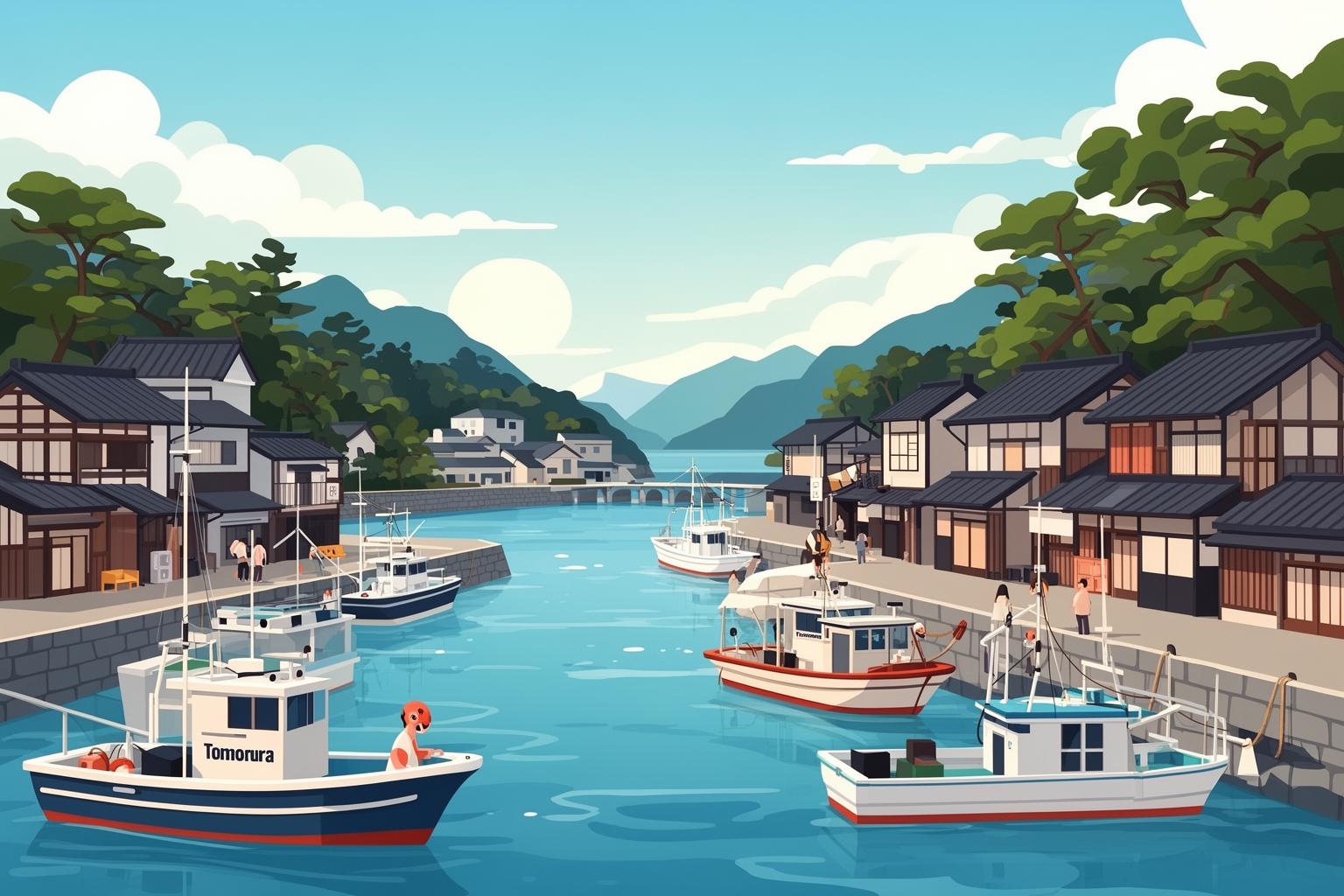
Leaving Tomonoura feels like awakening from a pleasant dream. As you board the bus back to the modern world of Fukuyama, the town’s gentle rhythm continues to resonate within you. More than just a collection of charming old buildings and picturesque views, Tomonoura possesses a soul. This soul is shaped by the sea, by centuries of sailors seeking refuge in its harbor, and by generations of families who have lived in its narrow alleys. Hayao Miyazaki didn’t simply find a location here; he discovered a character. He perceived the town’s resilience, its quiet dignity, and its playful, almost childlike spirit, and he transformed that feeling into the story of Ponyo. Visiting Tomonoura is like reading the original manuscript. It’s a chance to stand on the stone steps, feel the sea breeze on your face, and deeply understand why this place inspired such a powerful act of creation. You arrive as a fan of the film, but you leave as a friend of the town, carrying with you a piece of its timeless, gentle magic.