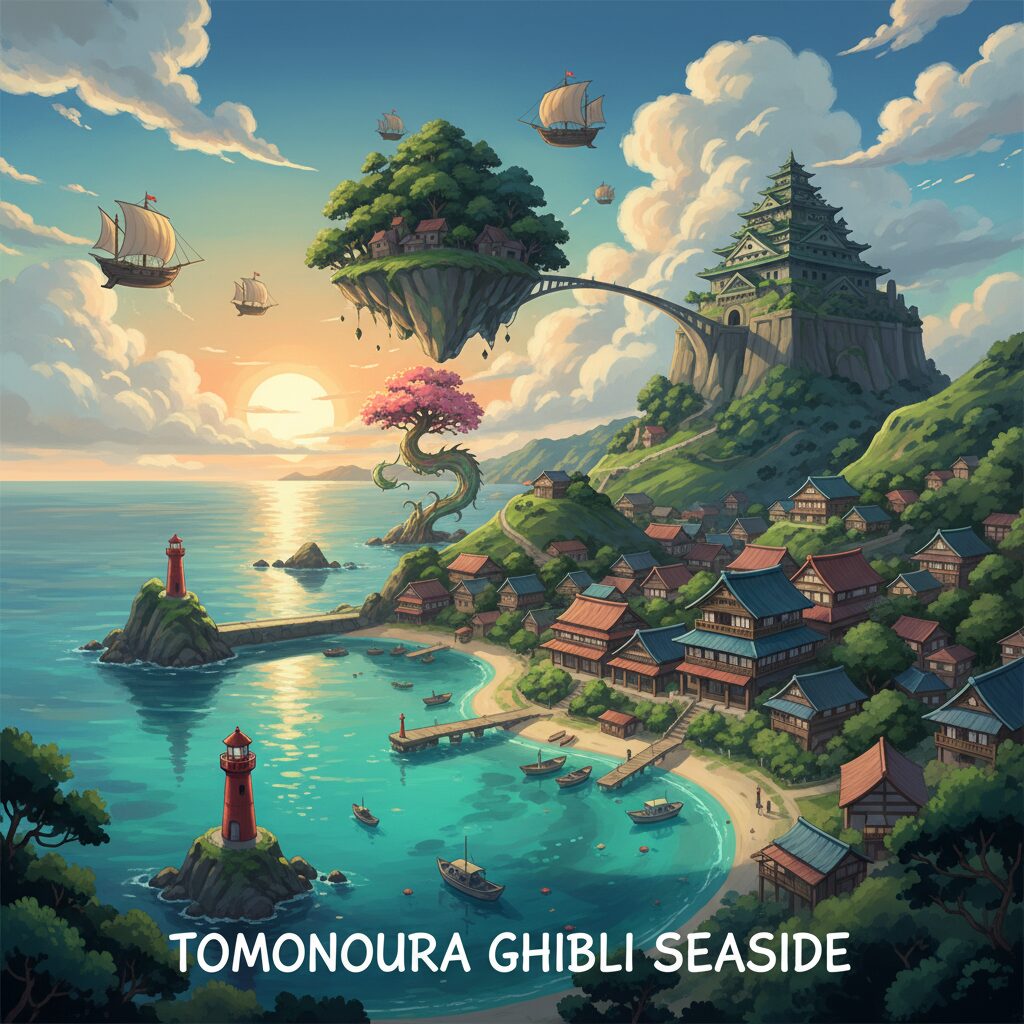
The soul of Japan often resides not in its sprawling, neon-drenched cities, but in the quiet corners where time seems to flow with the gentle rhythm of the tides. On the coast of the Seto Inland Sea, nestled within the greater expanse of Hiroshima Prefecture, lies a town that feels like a forgotten dream. This is Tomonoura, a port town so perfectly preserved in its Edo-period splendor that it seems to have drifted out of a history scroll and into the present day. Its narrow, labyrinthine alleys, weathered wooden storefronts, and stone-lined harbor have witnessed centuries of maritime history, serving as a vital haven for sailors waiting for the perfect tide. Yet, for a new generation of travelers and dreamers from around the globe, Tomonoura holds a different kind of magic. It is the living, breathing landscape that captivated legendary animator Hayao Miyazaki and became the heart and soul of his whimsical masterpiece, Ponyo on the Cliff by the Sea. To walk these streets is to step into a world both historically profound and cel-animated, a place where the echoes of samurai trade negotiations mingle with the imagined giggles of a little fish girl who longed to be human. It’s a photographer’s paradise, a historian’s treasure, and a pilgrim’s destination for those seeking the tangible roots of animated fantasy.
For travelers enchanted by Tomonoura’s blend of historical charm and animated fantasy, a spirited pilgrimage through Japan’s hidden marvels offers an enticing glimpse into the nation’s mystical coastal traditions.
The Living Soul of a Feudal Port
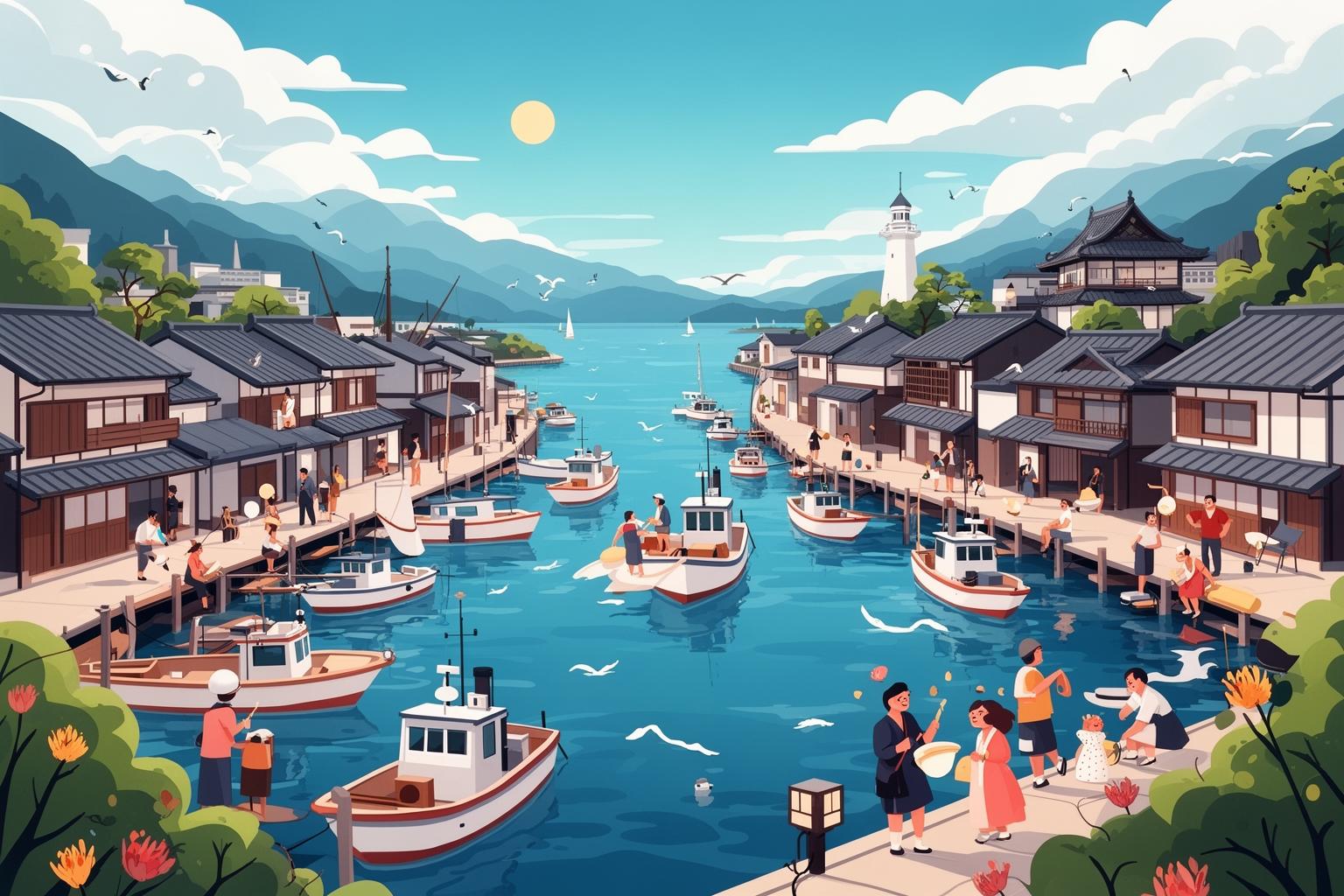
Before you even begin searching for a single animated frame, the town itself demands your full attention. Tomonoura is known as a shiomachi no minato, a port where ships wait for the tide. For centuries, before the era of engine-powered vessels, ships navigating the fickle currents of the Seto Inland Sea would seek refuge in this perfectly sheltered, bowl-shaped harbor to wait for the waters to turn in their favor. This simple natural fact shaped the town’s very character, transforming it into a lively hub of commerce, culture, and intrigue. Stepping off the bus from Fukuyama and heading toward the waterfront, the modern world gradually fades away with every step. The air thickens with the scent of salt and the subtle, sweet fragrance of brewing medicinal herbs. The streets are not designed for cars; they serve as pathways for pedestrians, carts, and the unhurried rhythm of a bygone time. You find yourself naturally slowing down, your senses attuned to the textures around you. Your fingers might brush against the dark, oiled wood of a merchant house, its lattice facade a reminder of an era when privacy and artistry were intertwined. You’ll notice the gentle curve of the ceramic roof tiles, each one placed with a precision that has withstood generations of typhoons. The true spirit of Tomonoura isn’t captured in a single view but in the cumulative effect of thousands of tiny, impeccably preserved details. It feels less like a tourist spot and more like a living museum, with residents as the humble custodians of their own history. At the heart of this historic scene is the harbor itself, anchored by the iconic Joyato Lighthouse. This stone lantern, a symbol of the town, has guided sailors home since the Edo period. It doesn’t dominate the landscape like a modern lighthouse; instead, it rests with quiet dignity at the water’s edge—a steadfast guardian that has witnessed the town through shogunates, restorations, and the subtle arrival of a world-famous animation director.
Tracing Miyazaki’s Footsteps
Tomonoura’s historical significance is undeniable, yet its contemporary fame is closely tied to Studio Ghibli. In 2005, Hayao Miyazaki and his team of animators stayed here for two months, fully immersing themselves in the town’s unique rhythm and scenery. They didn’t merely visit; they lived in the town. Miyazaki himself stayed in a private home overlooking the sea, sketching the world outside his window, absorbing the way light danced across the water, and observing the daily routines of the local fishermen. The outcome was Ponyo, a film that feels less like a story set in a location and more like a place that inspired a story. This connection is vivid and deeply felt as you explore. Standing at the harbor, you can instantly see the film’s world unfold before you—the gentle, protective curve of the bay, the small fishing boats bobbing on the waves, the tightly clustered houses cascading down the green hillsides to meet the water—all are present. You’ll find yourself recognizing the shape of a rooftop, the design of a sea wall, or the narrow stone stairways winding between homes, leading from the upper town down to the shore. Sosuke’s house, perched precariously on a cliff, feels like a blend of the many homes clinging to the town’s steep terrain. The busy harbor where Ponyo first meets Sosuke directly reflects the town’s waterfront, alive with the same quiet energy. Yet the enchantment of the Ghibli connection in Tomonoura lies in its lack of commercialization. There are no giant character statues or themed souvenir shops; instead, the town offers a more subtle, respectful tribute. A small shop may display Ponyo memorabilia in its window, or a local gallery might showcase sketches inspired by the film. The real pilgrimage is one of observation—discovering the film’s spirit in the real world. It’s in watching the local fishing boats chug out of the harbor at dawn, their silhouettes cutting through the morning mist, just like an animated scene. It’s found in the vivid colors of the town—the deep blues of the sea, the rich ochre of the earth, and the lush greens of the hillsides—that form the very palette of Miyazaki’s film. It’s a sensory treasure hunt where the reward is the profound awareness that the magical worlds of Ghibli are born from a deep, affectionate observation of our own reality.
An Artist’s Canvas by the Sea
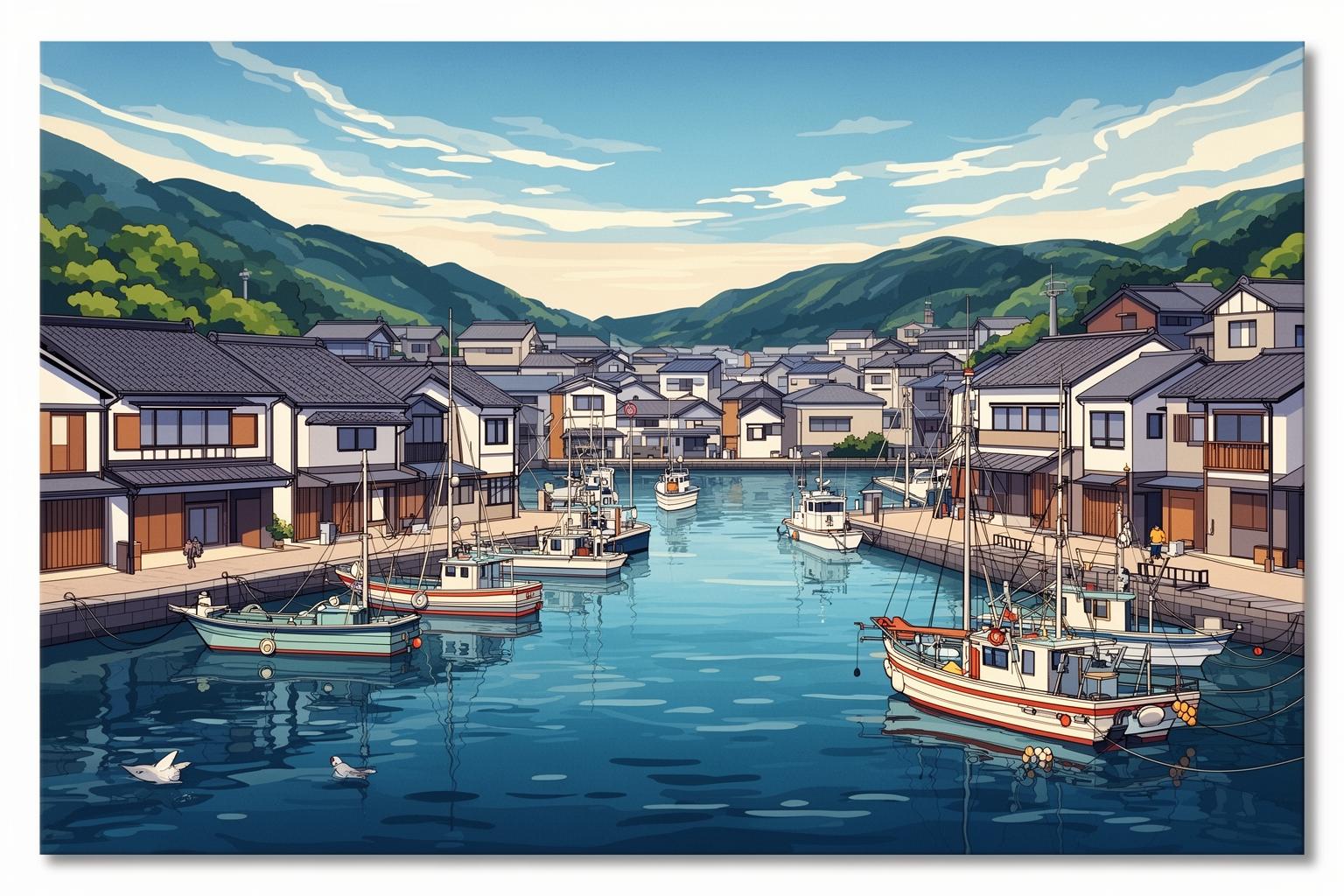
Long before Hayao Miyazaki set up his easel here, Tomonoura had already been a muse. Its timeless beauty has inspired artists, poets, and calligraphers for centuries. The town has featured in traditional Japanese woodblock prints and served as the backdrop for countless poems praising the sublime beauty of the Seto Inland Sea. This artistic legacy continues into the present day. Beyond its Ghibli fame, Tomonoura has been a filming location for numerous Japanese dramas and films, its authentic townscape offering a ready-made historical set. It even appeared notably in the major Hollywood film The Wolverine, where its rustic charm provided a striking, beautiful contrast to the movie’s high-octane action. For photographers, whether amateur or professional, the town offers a field of endless inspiration. The quality of the light here is extraordinary. In the early morning, soft, diffused light filters through the sea mist, bathing the world in gentle pastels. The harbor is silent, the water like glass, reflecting the sky with perfect stillness. As the day advances, the sun sharpens the edges of the old buildings, creating a dramatic play of light and shadow in the narrow alleys. But it is during the golden hour, just before sunset, that Tomonoura truly shines. The western sun envelops the entire town in a warm, honeyed glow. The stone of the Joyato Lighthouse seems to radiate heat, and the sea turns to liquid gold. This is the moment to find a perch at Fukuzenji Temple, just a short walk from the harbor. From its Taichoro guest hall, one is treated to what a Joseon Dynasty envoy called the most beautiful view in Japan. The frame of the room’s open walls perfectly captures the panoramic vista of the harbor, lighthouse, and the lush islands of Sensuijima and Bentenjima floating in the bay. It’s a composition so perfect it feels deliberately arranged—a living painting that shifts with each passing cloud and ripple on the water. Capturing Tomonoura isn’t just about wide-angle landscapes; it’s about zooming in on the details that give the town its soul. It’s the texture of a fraying fishing net, the brilliant flash of a red torii gate against the blue sea, a lone cat basking on a stone wall, or the intricate pattern of a family crest on an old merchant house. Every corner holds a story, a perfectly composed vignette waiting to be framed.
Navigating Tomonoura’s Charms
Reaching Tomonoura is part of the journey itself—a gentle shift from Japan’s modern rhythm to its historic core. The trip usually starts at Fukuyama Station, a key stop on the Sanyo Shinkansen line, followed by a scenic 30-minute bus ride. As the bus meanders along the coastline, the urban scenery slowly fades into coastal plains, and eventually, the tiled roofs of Tomonoura appear. It’s a moment to decompress, release travel’s urgency, and embrace the town’s leisurely pace. Upon arrival, the best way to explore is by simply getting lost. The town is compact, so you won’t stay truly lost for long, as every path eventually leads back to the harbor. It’s a place that rewards aimless wandering.
The Rhythm of the Tides
To truly appreciate Tomonoura, you must recognize that life here still revolves around the sea. The ideal time to visit is during the mild and pleasant spring and autumn months, from March to May and October to November. These seasons bring their own unique beauty: cherry blossoms add soft pink hues to the hillsides in spring, while autumn offers crisp air and clear skies, perfect for spectacular sea views. Summer is lively but can be hot and humid, and winter is quiet and serene, providing a more reflective experience. A particularly special occasion is the Tai Ami (Sea Bream Net Fishing) Festival in May. This traditional fishing technique, practiced for over 380 years, is an exciting and dynamic spectacle. Visitors can board sightseeing boats to watch fishermen in multiple vessels working together to herd large schools of sea bream into their nets. It creates a visceral connection to the town’s maritime heritage—a tradition that has sustained its people for centuries and remains a source of local pride. For first-time visitors, a full day is enough to see the main attractions, but to truly absorb the atmosphere, staying overnight is highly recommended. Waking up in a traditional ryokan to the sounds of the harbor coming alive connects you deeply to the timeless rhythm of the town.
A Taste of the Seto Inland Sea
Tomonoura’s close bond with the sea is evident in its cuisine. The town is a paradise for seafood lovers, with tai, or sea bream, reigning supreme among the local catch. The currents of the Seto Inland Sea are said to yield sea bream with exceptional flavor and firm texture, and local restaurants offer it prepared in numerous ways. Be sure to try taimeshi, a simple yet deeply satisfying dish of rice steamed in a savory broth with a whole sea bream. The fish imparts its delicate flavor to the rice, making it a quintessential example of Japanese comfort food. Tai also shines as sashimi, grilled with salt, or simmered in soy sauce. Beyond sea bream, the town features other culinary treats. Stroll through the old streets, and you’ll find small eateries serving fresh noodles and local vegetables. For a unique historical taste, seek out Homeishu—a medicinal herbal liqueur produced in Tomonoura for over 350 years. Made by steeping sixteen different herbs in a base of sweet mirin and shochu, it offers a complex bittersweet flavor and is traditionally believed to have various health benefits. Several old breweries still craft it, and visitors can sample the liqueur and learn about its fascinating history as a tonic cherished by everyone from local fishermen to high-ranking samurai. These flavors embody Tomonoura itself—a harmony of the sea’s bounty and the land’s traditions.
Beyond the Harbor’s Embrace
While the harbor remains the town’s undeniable focal point, treasures await just a little further afield. A brief five-minute ferry ride from the main pier brings you to Sensuijima Island. Mostly uninhabited, this island is part of the Seto Inland Sea National Park and offers a completely different landscape. It’s a place of untouched natural beauty, with walking trails winding through pristine forests and along rugged coastlines. From the island’s observation points, you enjoy a breathtaking reverse view of Tomonoura, nestled in its cove with mountains as a backdrop. It’s the perfect spot for a few hours of quiet reflection and gentle hiking. Back in town, history enthusiasts should not miss the Irohamaru Museum. Housed in a large historic warehouse, the museum tells the story of a dramatic shipwreck near Tomonoura in 1867. The ship— the Iroha Maru—was leased by the famed samurai revolutionary Sakamoto Ryoma, a key figure in the downfall of the Tokugawa shogunate. Its collision and sinking sparked a landmark maritime lawsuit that Ryoma adeptly handled, further enhancing his legend. The museum displays artifacts recovered from the wreck and narrates this pivotal chapter in Japanese history, adding a fascinating layer to the town and reminding visitors that this quiet port was once at the heart of a nation in upheaval.
A Photographer’s Notes from the Edge of the Water
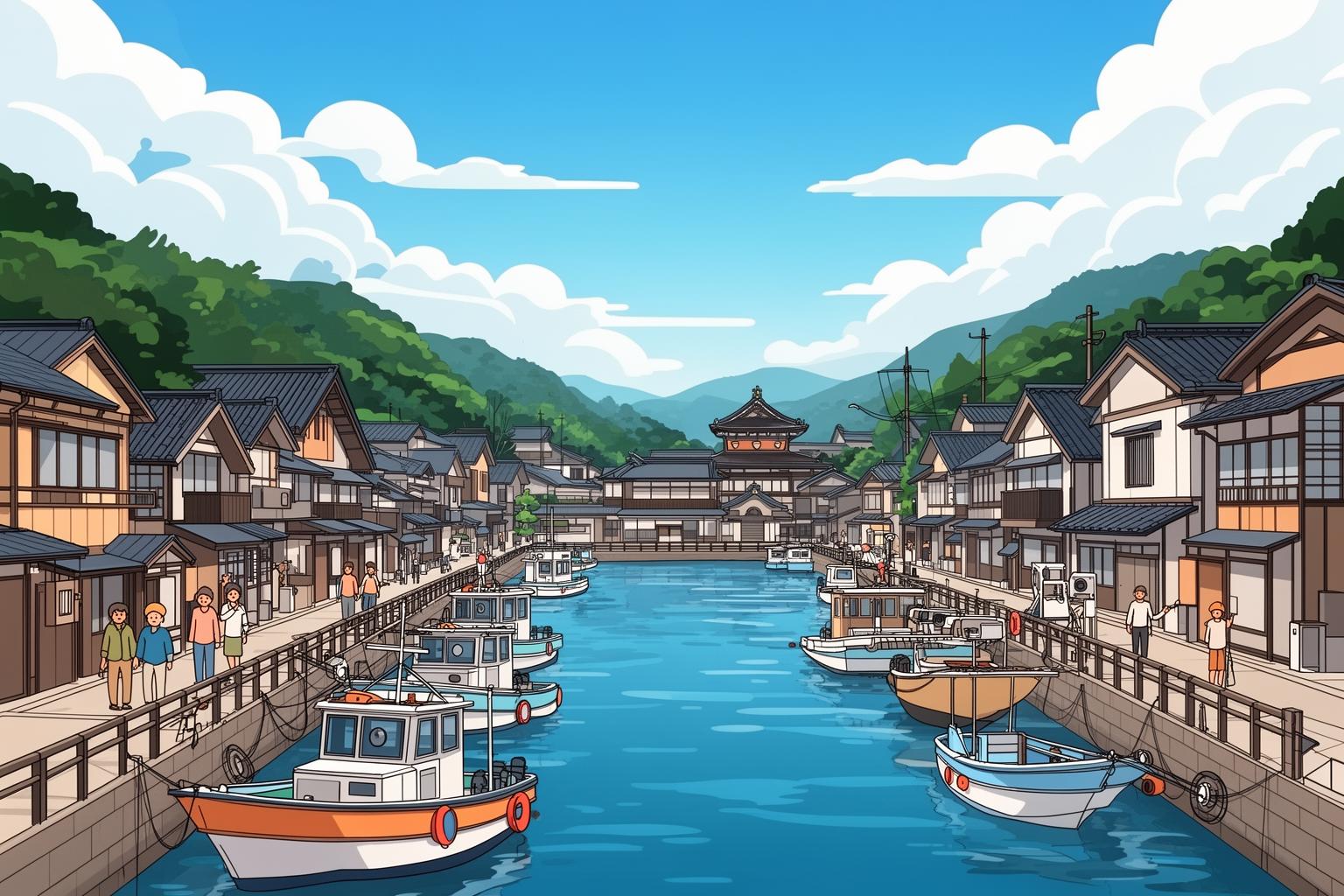
As a photographer, some places simply resonate with you. Tomonoura doesn’t shout; it whispers. It’s a town defined by subtlety, quiet compositions, and soft light. My advice to anyone visiting with a camera is to leave the tripod in the hotel room for the first few hours. Just walk. Allow your eyes to adjust to the town’s pace and its details. The most striking images here aren’t the grand, sweeping vistas from viewpoints, but the intimate moments discovered in back alleys. Notice how the morning light catches steam rising from a doorway, or how the reflection of a red paper lantern shimmers in a puddle after a brief rain. Observe the patterns: the geometric lines of wooden lattices, the organic chaos of nets piled on the docks, the uniform curve of roof tiles stretching into the distance. The challenge and joy of shooting in Tomonoura lie in capturing its wabi-sabi essence—the beauty found in imperfection and transience. Frame a shot around peeling paint on a wooden boat or moss growing on a stone staircase. These details tell the town’s story of a long and beautiful life. A practical tip: wear your most comfortable walking shoes. The streets are uneven, and the best discoveries come on foot. Don’t hesitate to explore an alley that seems like a dead end; it might open onto a tiny, hidden shrine or a courtyard with a perfectly sculpted pine tree. Engage with the locals. A simple nod and smile can go a long way. The people of Tomonoura are quietly proud of their town. They have seen artists and filmmakers come and go and continue their lives with gentle grace. Capturing a portrait of a shop owner standing proudly in their doorway or a fisherman mending nets tells a deeper story than any empty landscape. Rise early. The town belongs to you in the hour after sunrise. The air is still, tour buses have yet to arrive, and you can watch the town wake in serene silence, accompanied only by the cries of gulls and the gentle lapping of waves against the stone quay.
An Echo on the Water
A profound sense of peace settles over you in Tomonoura, lingering long after you’ve boarded the bus back to the frenetic pace of modern Japan. It’s more than just a beautifully preserved town or a real-world anime set; it stands as a testament to the enduring power of a life lived in harmony with nature, history, and community. Here, the past is not a distant land but a gentle, ever-present companion in the present moment. You see it in the gnarled hands of a fisherman, the polished floorboards of a centuries-old temple, and the unwavering gaze of the old stone lighthouse. The magic Hayao Miyazaki found here wasn’t invented; it was uncovered—that everyday magic of a place that has kept its soul intact despite the relentless tide of progress. Visiting Tomonoura feels like hearing a story told by the sea itself—a tale of patient sailors, revolutionary samurai, inspired artists, and a little girl from the ocean who found a home. It’s a story that invites you to find your own verse, to add your own quiet moment of discovery to its timeless narrative, leaving a beautiful, lasting echo on the water.