There’s a certain kind of magic that lives in the quiet spaces of the world, a gentle hum of energy that resonates with the child inside all of us. It’s the feeling of dappled sunlight filtering through a canopy of ancient trees, the thrill of discovering a hidden path, the whisper of the wind carrying secrets only the forest knows. For millions around the globe, this feeling has a name: Totoro. Hayao Miyazaki’s 1988 masterpiece, My Neighbor Totoro, didn’t just tell a story; it bottled the very essence of childhood wonder and our profound connection to the natural world. It painted a world so vivid, so comforting, that we all wished we could step through the screen and wander its camphor-scented trails. What if I told you that you can? Just a short train ride from the neon-drenched hustle of central Tokyo lies a sprawling green sanctuary, a place of rolling hills, sleepy farmhouses, and whispering groves that breathed life into Miyazaki’s vision. This is Sayama Hills, a verdant landscape straddling Saitama and Tokyo prefectures, and the lovingly preserved heart of this region is known to all who seek it as Totoro no Mori—Totoro’s Forest. This isn’t a theme park with mascots and merchandise. It is something far more precious: the real, tangible earth that fueled a master filmmaker’s imagination, a place where the rustle of leaves might just be the sound of a Catbus passing by. It’s an invitation to slow down, to listen, and to find the magic that awaits when you simply take the time to look. Our journey today will take us deep into this cherished landscape, following the footsteps of Satsuki and Mei as we explore the very soul of their world.
If you’re inspired to explore more real-world anime locations, consider embarking on a pilgrimage to the iconic sites from “Your Name”.
The Heartbeat of the Forest: What is Totoro’s Forest?
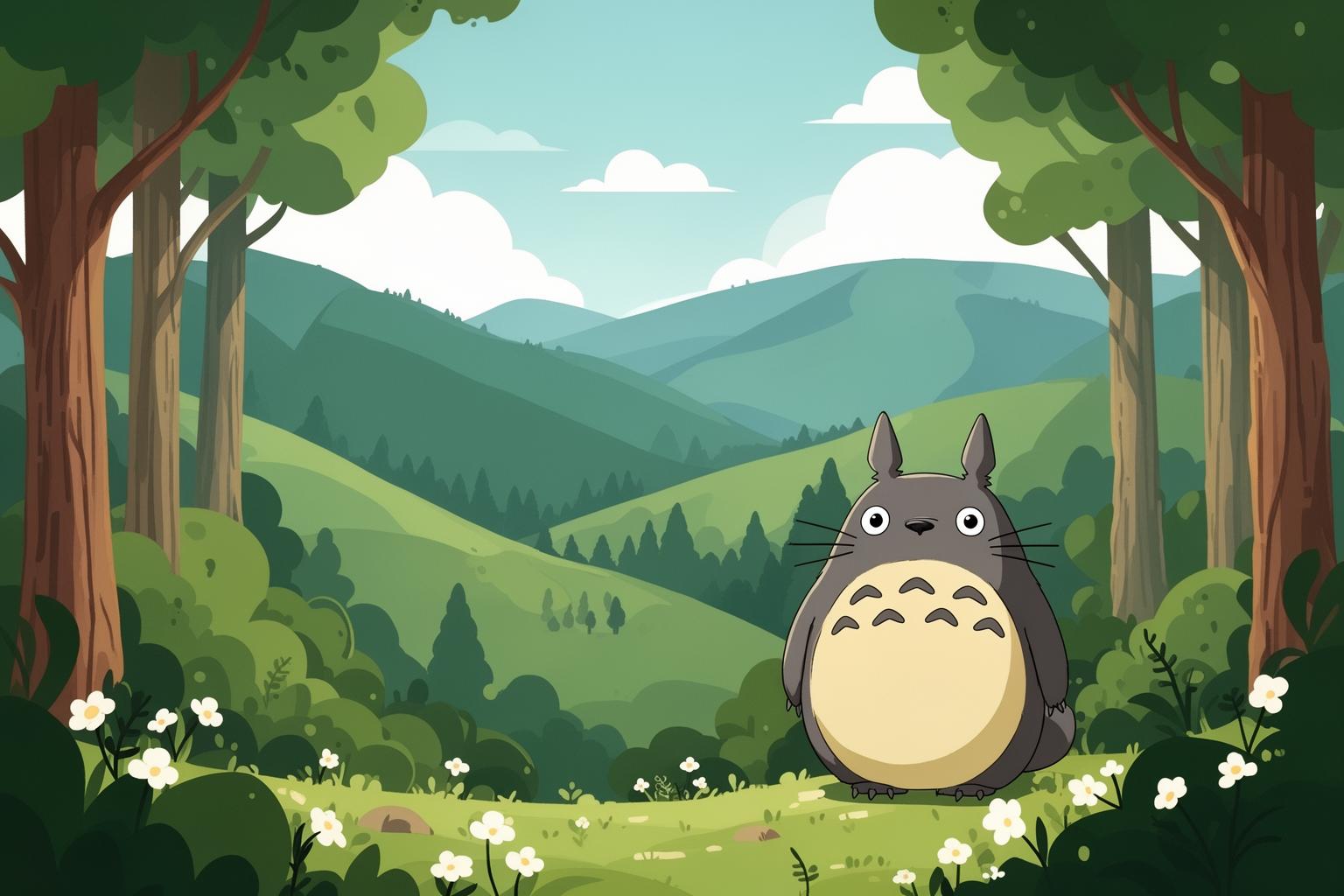
To truly appreciate the magic of Sayama Hills, one must first recognize that its preservation is a story fueled by passion and stands as a testament to art’s power to inspire tangible action. When urban development began infringing upon the beautiful satoyama landscape that Hayao Miyazaki cherished, a movement arose. Concerned by the threat to this irreplaceable scenery—the very backdrop of Totoro’s world—Miyazaki and local residents established the Totoro no Furusato Foundation in 1990. The foundation’s mission was both simple and profound: to purchase parcels of forest, piece by piece, to safeguard them for future generations. As you walk these trails, you tread on land preserved through the love of a story. Each acquisition, supported by donations from Ghibli fans and nature enthusiasts across Japan and beyond, marks a small victory for conservation. These protected spaces, known as “Totoro’s Forests,” now number over fifty throughout the Sayama Hills. Rather than a single enclosed park, it is a patchwork quilt of protected nature seamlessly integrated into the landscape. It serves as a living museum and a thriving ecosystem sustained by people inspired by the gentle spirit of a forest king. The landscape itself exemplifies classic satoyama, a term describing the transitional zone between mountain foothills and arable plains. For centuries, this region was the heart of rural Japan—a mosaic of coppice woodlands, rice paddies, tea fields, and reservoirs, where humans lived in harmony with nature, managing forests sustainably for firewood and charcoal while cultivating the land. Walking here transports you back in time. The air is filled with birdsong, the rustle of hidden wildlife in the undergrowth, and the gentle lapping of water from nearby Sayama and Tama Lakes. It is a place that feels both wild and carefully tended, timeless yet vibrant—an ideal reflection of the world Satsuki and Mei discovered.
Your Adventure Begins: Exploring the Trails and Finding Kurosuke’s House
The excitement of a Totoro pilgrimage comes from the joy of discovery. It’s about following your curiosity along a winding path, peeking into the shadows beneath a great tree, and savoring that delightful feeling of anticipation. Although the Sayama Hills stretch widely, your journey has a spiritual heart, a must-see spot that anchors your adventure in the tangible world of the film: Kurosuke’s House.
Beginning Your Journey: Access and Key Locations
Your trek starts with a classic Tokyo train ride that gradually reveals a quieter, greener side to the city. The easiest route is via the Seibu Railway lines. From stations like Ikebukuro or Shinjuku, head toward Tokorozawa, the main city in this area. The key stop for reaching the hills’ core is Seibukyūjō-mae Station, which, as its name indicates, sits adjacent to the huge MetLife Dome, home of the Seibu Lions baseball team. The futuristic dome standing beside the peaceful forest is a distinctly Japanese contrast. From the station, you’re right at the edge of Sayama and Tama Lakes, two large reservoirs that make beautiful starting points for various walking trails. Maps are available near the station and online, outlining multiple routes through the hills. Don’t be too fixed on your schedule. The true pleasure lies in wandering. The main trails are well-kept and easy to follow, but it’s the smaller, less-traveled paths that often carry the most enchantment. They lead deeper into the forest, where the noise of nearby roads fades, replaced by the symphony of nature. Sunlight filters through the canopy, casting shifting patterns on the forest floor, and every twisted root and mossy stone seems like it could conceal a forest spirit.
The Highlight: Visiting Kurosuke’s House
After wandering through the woods, a special destination awaits. Kurosuke no Ie, or Kurosuke’s House, serves as the physical and emotional centerpiece of any Totoro pilgrimage. “Kurosuke” is the Japanese name for the “soot sprites” or “susuwatari” that darted around the attic of the Kusakabe family’s new home. This isn’t a movie set but an authentic and lovingly preserved Showa-era house, built over a hundred years ago. It exemplifies traditional Japanese rural architecture, with dark wooden beams, sliding paper screens, and a welcoming engawa veranda. The house was donated to the Totoro no Furusato Foundation and now functions as its administrative office and visitor center. Stepping through the gate feels like stepping into the film itself. The house is surrounded by a lush garden and towering trees, creating an atmosphere of peaceful nostalgia. But the real enchantment is inside. As you remove your shoes and step onto the cool wooden floors, you’ll be greeted by a giant plush Totoro sitting in the main room, patiently awaiting visitors. It’s an irresistible photo spot, offering a chance to share a moment with this beloved character. The details of the house are captivating. You can look up at the dark rafters, imagining the soot sprites gathering in the corners. You can explore the various rooms filled with information about the foundation’s work, local wildlife, and naturally, Totoro memorabilia. The volunteers running the house are wonderfully kind and welcoming, eager to share their passion for the forest and the film. Planning your visit carefully is essential, as Kurosuke’s House has limited hours. It generally opens only on Tuesdays, Wednesdays, and Saturdays from 10:00 AM to 3:00 PM. Always check the official Totoro no Furusato Foundation website before you go, as times may change. This isn’t a place to rush. It’s a spot to sit on the veranda, feel the breeze, and absorb the timeless ambiance of a bygone era Miyazaki so beautifully brought to life on screen.
Breathing in the Scenery: The Sights and Sounds of Satoyama
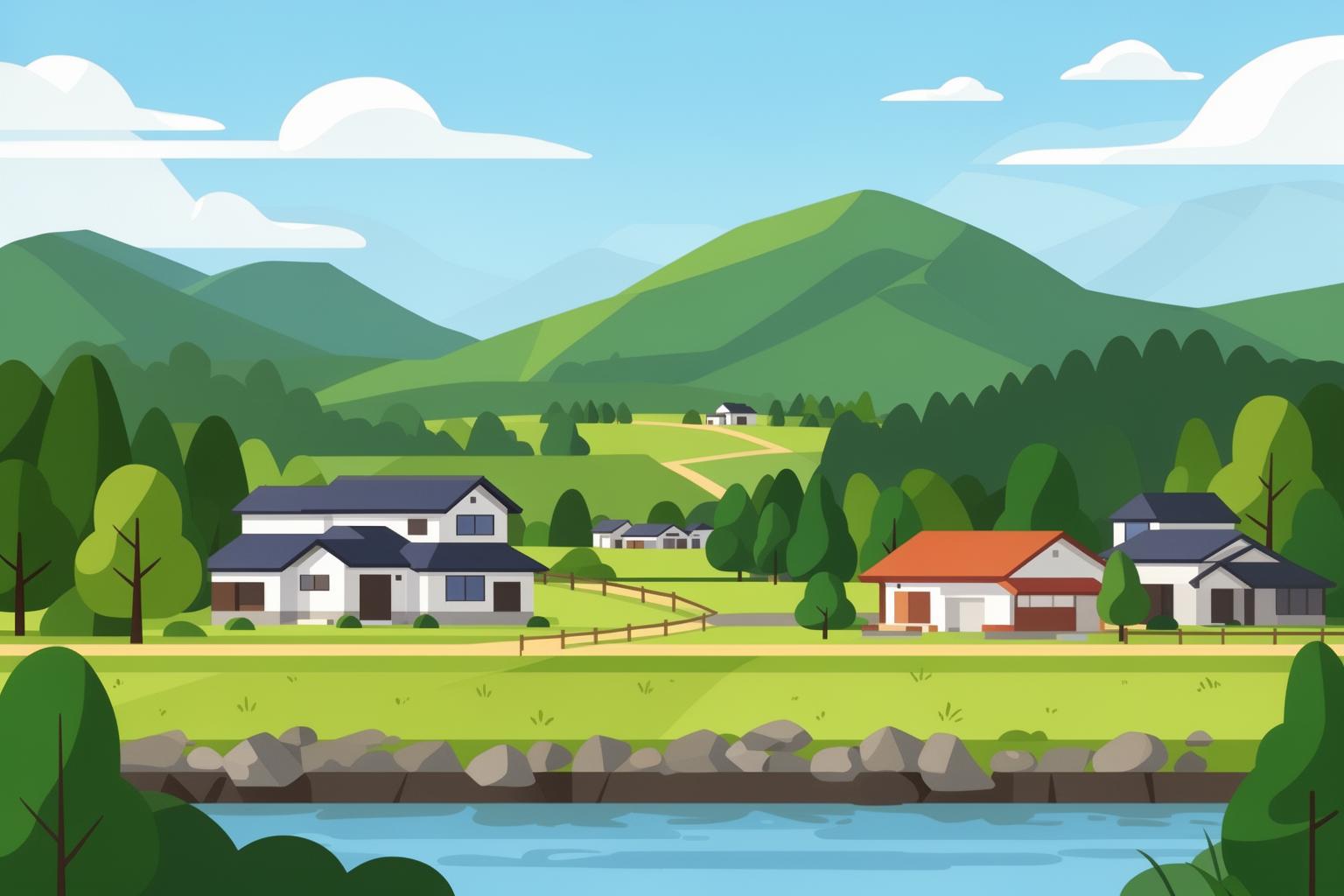
A trip to Totoro’s Forest is a sensory journey. It involves more than just viewing the scenery; it’s about sensing the heartbeat of the land, hearing its tales, and observing the subtle details that make this place uniquely special. The true essence of Totoro isn’t confined to a single spot but is embodied in the overall atmosphere of the satoyama, which shifts profoundly with the changing seasons.
A Symphony of Nature: The Four Seasons in Sayama
Each season colors the Sayama Hills with a distinct palette, offering visitors a fresh experience. Spring heralds awakening and pure, unfiltered joy. Cherry blossoms explode in clouds of soft pink, especially near the lakes, creating a breathtaking display. The air is alive with the lively chirps of returning birds, and the forest floor is blanketed with fresh green shoots and delicate wildflowers. It’s a season of hope, ideal for a gentle stroll and a picnic beneath the sakura. Summer brings an intense, almost overwhelming vibrancy. The forest greens deepen to an almost impenetrable lushness, and the canopy thickens into cool, shaded tunnels along the trails. The cicadas’ continuous hum forms the quintessential soundtrack of a Japanese summer. This season feels like Totoro’s world is at its most animated—a humid, buzzing landscape bursting with life, where you can almost sense the energy of the great camphor tree. Prepare for the humidity and bring insect repellent, but the reward is experiencing the forest in its fullest vigor. Autumn may be the most stunning season to visit. The air turns crisp and clear, and the hills blaze with fiery reds, oranges, and yellows. Maples and ginkgo trees stage a spectacular performance, and the fallen leaves crunch satisfyingly beneath your feet. The light takes on a golden, nostalgic hue, casting long shadows through the trees. It’s a season for reflective walks, feeling the gentle melancholy of change, and appreciating the clear, expansive views that unfold as leaves fall. Winter reveals a different kind of beauty—quiet stillness and subtle grace. The crowds vanish, and you may have the trails entirely to yourself. Bare tree branches form intricate, lace-like patterns against the pale winter sky. The air is cold and pure, and silence reigns, broken only by a winter bird’s call or a squirrel’s rustle. It’s a time for peaceful reflection and admiring the forest’s stark, elegant structure in its slumber.
Hidden Corners and Sacred Spots
While Kurosuke’s House stands as a central point, the true adventure is discovering the hidden magic scattered throughout the hills. One of the most notable areas is Hachikokuyama Ryokuchi, a long, narrow greenbelt that inspired several scenes in the film, including the path where the family first moves into their new home. Walking this trail, where tall trees create a natural tunnel, feels deeply familiar. It’s easy to picture the family’s rickety truck bumping along, laden with their belongings. Across the hills, small, often unattended shrines called hokora are tucked away among the trees. These tiny sanctuaries, dedicated to local deities, remind us of the deep spiritual bond the Japanese people share with nature. Discovering one feels like uncovering a secret. You may also come across small family-run vegetable plots or expansive tea fields, their orderly rows of green bushes standing in beautiful contrast to the forest’s wildness. The Sayama Hills are renowned for Sayama tea, and these fields remind you this is a working landscape, not merely a park. Keep your eyes open for remarkable biodiversity. Depending on the season, you might see colorful butterflies, hear frogs croaking in the wetlands, or spot majestic birds of prey circling above. It is this wealth of life, this sense of a complete, thriving ecosystem, that truly embodies the soul of Totoro’s world.
Practical Magic: Planning Your Pilgrimage
A bit of preparation can make a significant difference in ensuring your visit to this enchanted world is smooth and magical. Although Sayama Hills is a natural, somewhat untamed area, it is very accessible for a day trip, even for those visiting Japan for the first time. Planning ahead for a few important details will help you relax and fully enjoy the experience.
What to Wear and Bring
First and foremost, comfortable walking shoes are essential. You’ll be on your feet for several hours, traversing different surfaces, from paved paths to uneven dirt trails. Hiking boots aren’t absolutely necessary unless you plan to explore far off the main trails, but sturdy sneakers or walking shoes are highly recommended. Dress in layers. Even on a warm day, the shaded forest can be cool, and weather conditions may change. In summer, lightweight, breathable clothes are ideal; in autumn and winter, a warm jacket, hat, and gloves will be appreciated. No matter the season, bringing a bottle of water is crucial, as drink options are limited once you venture deep into the trails. Packing some snacks or even a full bento lunch is a great idea. There are many beautiful spots to pause for a break, whether on a bench overlooking a lake or a fallen log in a quiet part of the forest. A camera is a must, but also consider bringing a small sketchbook and pencils. This place inspires creativity, and taking a few moments to sketch a gnarled tree or peaceful pond can be both meditative and memorable. During the warmer months, from late spring to early autumn, insect repellent is invaluable—the forest is teeming with life, including mosquitoes. Lastly, bring a small bag to carry out any trash you create. The beauty of this place relies on every visitor’s commitment to leaving it as pristine as they found it.
Navigating the Woods: Maps and Signage
Exploring Sayama Hills is part of the adventure. The main trails are generally well-marked with signs, often in both Japanese and English, pointing toward landmarks such as the lakes or Kurosuke’s House. However, the smaller network of paths can feel like a maze. Before you set out, it’s wise to download an offline map to your phone. Alternatively, you can pick up a physical trail map from the information center near Seibukyūjō-mae Station or at Kurosuke’s House. That said, don’t fear getting a little lost. Some of the best discoveries come from taking an unexpected turn. The area is bordered by residential neighborhoods and main roads, so you’re never truly far from civilization. Allow yourself to wander freely, following a path simply because it catches your interest. This spirit of aimless exploration is essential to capturing the film’s sense of childlike wonder.
Local Etiquette and Respecting the Forest
As a visitor to this beloved environment, it’s important to be a respectful guest. The fundamental rule is to leave no trace. Carry out everything you bring in, including all food wrappers and bottles. Volunteers and thoughtful visitors keep the trails clean, and it’s vital you do your part. Keep in mind that much of the land surrounding the protected forest areas is private property. You will see active farms, tea plantations, and private homes. Stay on the marked trails and avoid trespassing. The local residents are familiar with Totoro fans, but their privacy and property must always be respected. Finally, embrace the quiet. This is not a place for loud music or noisy conversations. The magic of the forest lies in its peaceful atmosphere. Speak softly, listen to the sounds of nature, and let yourself be immersed in the tranquility around you. By being a considerate and mindful visitor, you help protect the very spirit that makes this place so special for all.
Beyond the Forest: Exploring the Tokorozawa Area
While Totoro’s Forest is undoubtedly the main attraction, the nearby city of Tokorozawa offers several interesting spots to complete your day trip. After a long walk, you’ll likely have built up an appetite. The area around Tokorozawa Station features a diverse range of restaurants where you can enjoy a satisfying meal, from traditional ramen and udon shops to cozy cafes. This makes for a smooth transition from the natural surroundings back to the urban environment. For those particularly interested in Hayao Miyazaki and Studio Ghibli, a short detour may be worthwhile. Tokorozawa has been Miyazaki’s longtime residence, which is why this landscape is so deeply reflected in his work. Although his home is private and not open to tourists, simply visiting the city he calls home adds an extra layer of meaning to your journey. A more recent and impressive addition to the area is the Kadokawa Culture Museum at Tokorozawa Sakura Town, a striking piece of contemporary architecture designed by Kengo Kuma. While it isn’t directly related to Ghibli, its main feature—the Bookshelf Theater—is a stunning, multi-story library sure to delight anyone who loves literature and art. It provides an intriguing cultural contrast to the natural beauty of the hills and serves as an excellent final stop before returning to Tokyo.
The Enduring Legacy of a Gentle Giant
As your day in Sayama Hills draws to an end and you board the train back to the city, the sights and sounds of the forest will remain vivid in your mind. The sensation of soft earth beneath your feet, the rustling of the wind through the canopy, the vision of a giant Totoro patiently waiting inside an old wooden house. This place is more than just a film location; it serves as a powerful reminder of the importance of preserving our natural spaces and the quiet magic they hold. My Neighbor Totoro resonates deeply because it touches on a universal human need: a connection to nature, a sense of wonder, and the belief that even in uncertain times, gentle, protective spirits watch over us. Walking through the very landscape that inspired this tale is a uniquely moving experience. It reinforces that the world of Totoro is not purely fantasy. It lives on in the real-life dedication of conservationists who safeguard this land, in the quiet beauty of the satoyama, and, most importantly, within us—in that part of our hearts that still imagines a giant, furry creature napping in the hollow of a nearby tree, waiting for the rain to cease. So go ahead, wander the trails, listen closely to the whispers of the forest, and perhaps, if you’re fortunate, you’ll discover your own Totoro waiting for you in the heart of Sayama Hills.