There are places on this earth that feel older than time, where the air hums with an energy that quiets the soul and awakens the imagination. Yakushima is one such place. This small, almost perfectly round island, floating in the East China Sea south of Kyushu, is a world apart. It is a realm of dripping moss, gnarled cedar giants that have witnessed millennia, and a profound silence broken only by the rush of pure water and the chatter of unseen wildlife. For many travelers, particularly those whose hearts have been captured by the masterworks of Studio Ghibli, Yakushima is more than just a destination; it is a pilgrimage. This is the island that breathed life into Hayao Miyazaki’s epic, Princess Mononoke. It is not a film set, but rather the spiritual and visual wellspring from which the film’s magnificent, untamed forests were born. To walk here is to step inside a living, breathing work of art, to feel the raw power of nature that Miyazaki so brilliantly translated to the screen, and to understand the deep, ancient heartbeat of Japan itself.
For those captivated by this profound connection between landscape and legend, exploring other real-world inspirations for Studio Ghibli films offers a deeper journey into the studio’s creative soul.
The Island Where Time Stands Still
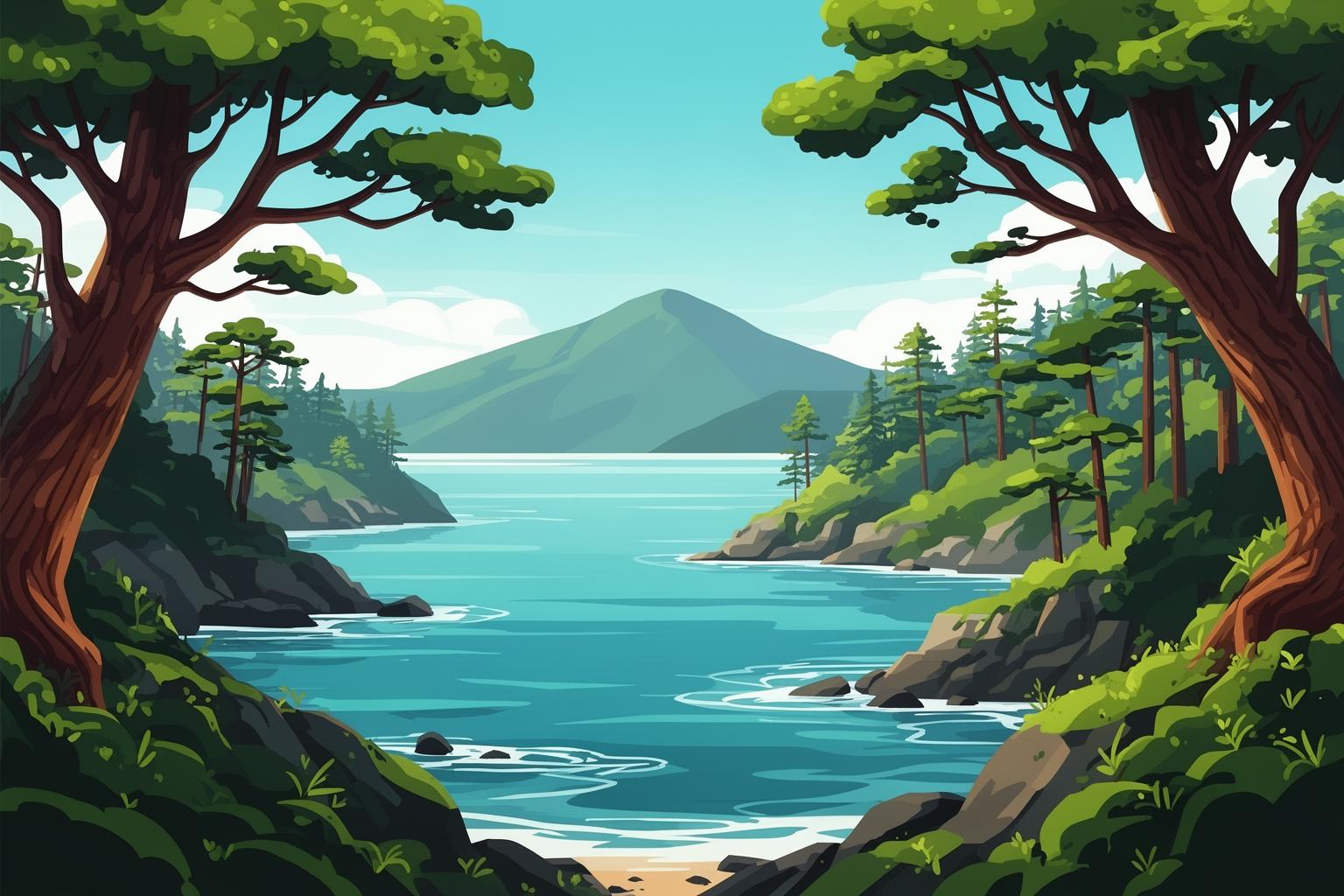
Setting foot on Yakushima feels like passing through a veil into another time. The island’s very geology reveals its ancient origins. Often dubbed the “Alps of the Ocean,” it is a granite monolith rising sharply from the seafloor, with its tallest peak, Miyanoura-dake, reaching nearly two kilometers. This striking terrain fosters a distinctive and intense climate system, inspiring the local saying that it “rains 35 days a month.” While an exaggeration, the sentiment holds truth. Yakushima receives some of the highest rainfall on Earth, and this abundant moisture is the secret behind its surreal lushness. Every surface, from ancient tree bark to weathered stone, is blanketed in a dense, vivid tapestry of countless moss species. This continuous moisture sustains thousands of streams and rivers cascading down the mountainsides, carving deep ravines and forming spectacular waterfalls that crash into the sea. This is the life force of Yakushima, the power that has shaped its landscapes and supported its ancient residents for millennia.
A World Heritage Site of Extraordinary Power
In 1993, a large part of Yakushima was named Japan’s first UNESCO World Heritage Site, acknowledging its exceptional ecological significance. This status safeguards a primeval temperate rainforest, a rare environment largely untouched by human influence. What distinguishes Yakushima’s forest is its vertical layering of plant life. As you climb from the coast to the mountain summits, you pass through a range of climates—from subtropical zones near the shore, home to banyan trees and hibiscus, to subalpine areas at the peaks, where bamboo grass and rhododendrons cling to wind-beaten granite. The forest’s true gems, however, lie in the temperate zone between. Here grow the Yakusugi, the island’s legendary giant cedar trees. To be called a Yakusugi, a cedar must be at least a thousand years old. These are not just trees but living monuments, their vast, gnarled trunks shaped into fantastical forms by centuries of typhoons and adversity. Standing as silent guardians, their roots grasp the thin soil atop granite boulders, emanating an aura of deep wisdom and resilience.
Reflections of Mononoke Hime in Every Shadow
The link between Yakushima and Princess Mononoke is one of deep inspiration rather than direct imitation. When Hayao Miyazaki and his team sought the spirit of the film’s Shishigami Forest—the realm of the Deer God—they found it here. The animators spent days trekking through ravines, sketching moss-covered stones, twisted roots resembling grasping hands, and the mist weaving through the canopy, casting ethereal beams of light. The result is a film that perfectly captures the island’s sacred and mysterious atmosphere. As you wander these woods, a constant sense of déjà vu arises. You might spot a mossy rock that seems an ideal perch for a Kodama, the film’s enigmatic tree spirits. Crossing a rushing stream on a wooden bridge, you may half-expect San, the Wolf Princess, to be watching from the opposite shore. The forest floor—a tangled chaos of roots, ferns, and fallen logs being reclaimed by nature—mirrors the untamed wilderness Ashitaka travels through. It is a powerful realization: the magic seen on screen was drawn directly from the tangible magic of this very real place.
The Pilgrimage to the Heart of the Forest
For most visitors, the primary reason for their trip is to explore Yakushima’s interior. The island is threaded with hiking trails that vary from easy walks suitable for nearly everyone to epic, multi-day journeys requiring serious preparation. The two most iconic sites demand different levels of commitment, yet both bring you into the very essence of the island’s ancient spirit. These are more than just hikes; they are fully immersive experiences that stimulate every sense. The air is cool and infused with the scent of damp earth and cedar. The only sounds are nature’s symphony: the gentle drip of water from moss-covered branches, the melodic songs of birds, and the soft whisper of wind high in the canopy. It is a profoundly meditative setting that invites you to slow your pace, observe more intently, and simply be present.
Shiratani Unsuikyo Ravine: Walking with the Kodama
If there’s one spot on Yakushima universally regarded as the “Mononoke Forest,” it’s Shiratani Unsuikyo. This breathtaking ravine is a maze of moss-covered granite, crystal-clear streams, and ancient cedar trees. It is surprisingly easy to access, with well-kept wooden paths and stone steps that allow visitors to explore its most stunning areas with relative ease. As you step inside, the outside world fades, replaced by a rich tapestry of green. It is said that over 600 species of moss cover everything in a soft, velvety blanket. Light struggles to penetrate the thick canopy, casting the forest in shadow and an emerald glow. This is the place that most directly inspired the animators. Following the trails, you’ll enter the official “Mononoke Hime no Mori” (Princess Mononoke’s Forest), a particularly dense and magical section of the ravine. You’ll cross charming bridges, pass under the sprawling branches of millennia-old trees like the Nidaiosugi and Bugyosugi, and feel an undeniable sense of treading sacred ground. For those with additional time and energy, the trail ascends further to Taikoiwa Rock, a massive granite boulder offering a stunning panoramic view of the island’s mountainous interior—a reward that makes the challenging final climb worthwhile, provided the ever-present clouds clear.
Jomon Sugi: A Quest for the 7,000-Year-Old King
The trek to see Jomon Sugi is considered the ultimate pilgrimage on the island. This singular tree is among the oldest living things on Earth, with age estimates ranging from 2,200 to an astonishing 7,200 years. It serves as a living link to Japan’s prehistoric Jomon period, when hunter-gatherers lived in harmony with nature as both provider and deity. The journey to stand before it is not for the faint-hearted. It is a demanding 22-kilometer round trip that takes most hikers between eight and ten hours to complete. The day often begins before dawn, typically with a bus ride to the Arakawa trailhead. The first and longest segment follows the tracks of the old Anbo Forest Railway. Walking on these wooden sleepers through dark tunnels and over high trestle bridges is an adventure in itself—a passage through the island’s more recent industrial past. After several hours, the railway ends, and the true climb begins. The trail grows steep and rugged as it ascends through the heart of primeval forest. Along the way, you encounter other magnificent Yakusugi cedars, including the famous Wilson’s Stump—a hollowed-out remnant of a giant cedar felled centuries ago. You can step into its vast interior and, standing in a certain spot, see the sky framed perfectly in the shape of a heart. Finally, after hours of effort, you reach the viewing platform for Jomon Sugi. The tree is fenced off to protect its fragile root system, but even from afar its presence is overpowering. Its trunk is an enormous, twisted mass of bark and wood, impossibly vast and radiating an aura of immense age. For many, standing before it is a humbling and deeply emotional experience—a chance to be present with something that has endured since long before the pyramids were built.
Beyond the Ancient Cedars: The Island’s Other Faces
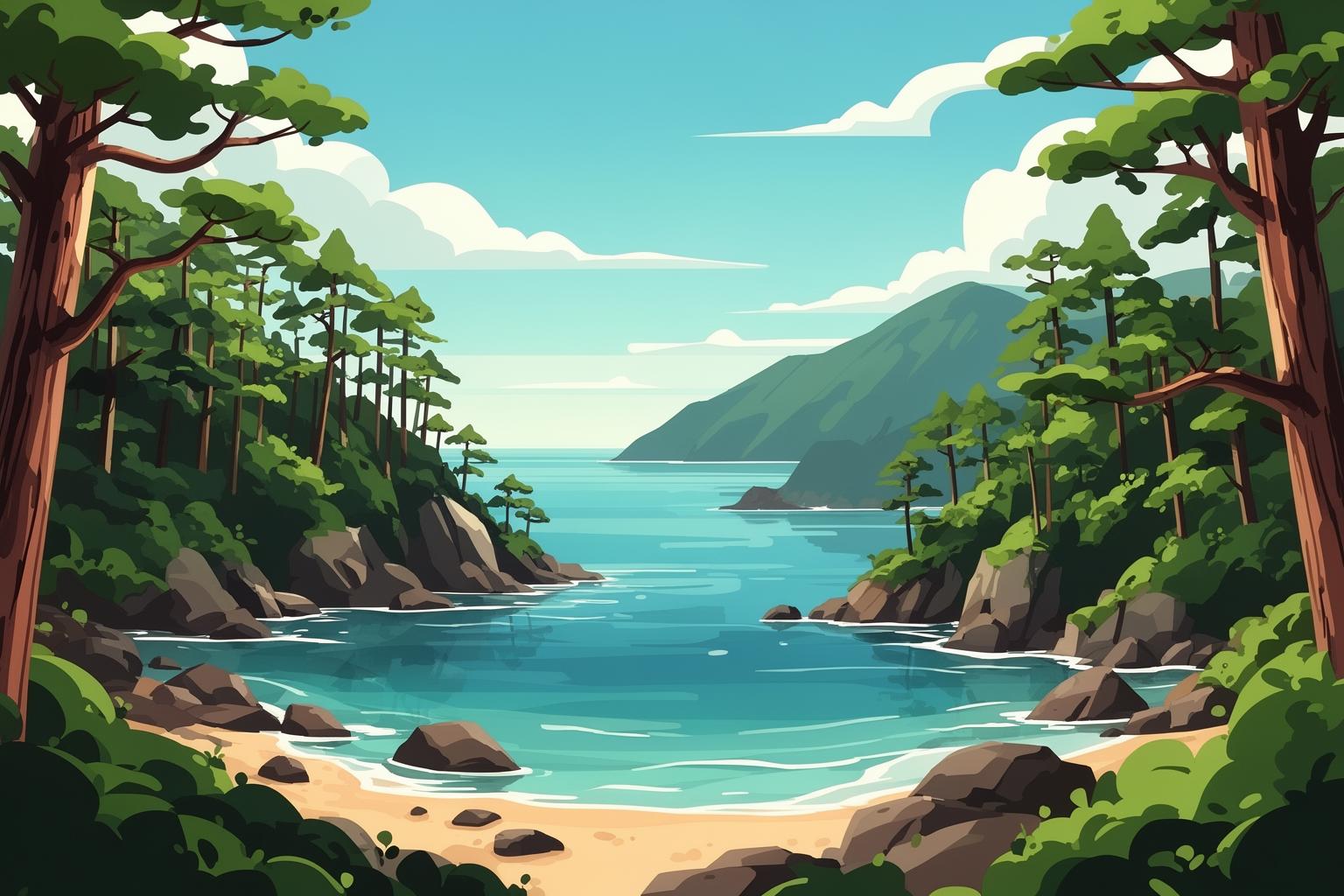
While Yakushima’s ancient forests are its primary attraction, the island’s enchantment extends beyond its mountainous interior. The interplay between mountains and sea is essential to its character, and exploring the coastline along with its distinctive inhabitants reveals another captivating facet of Yakushima. The roads that circle the island provide breathtaking views, meandering through small, tranquil villages and dramatic coastal landscapes. Here, the island’s steep verticality is most striking, as the forested slopes often drop directly into the turquoise waters. The air is warmer, carrying the scents of salt and tropical blooms, a vivid contrast to the cool, earthy fragrance of the higher elevation forests. Spending a day driving around Yakushima offers a fuller understanding of its ecosystem and the communities that inhabit this extraordinary place.
Where the Mountains Meet the Sea
Yakushima’s coastline is a rugged and stunning blend of sandy beaches and rocky shores. On the northwest coast lies Nagata Inakahama, a breathtaking stretch of golden sand that serves as one of the North Pacific’s most critical nesting grounds for loggerhead sea turtles. From May to August, under the cover of night, female turtles emerge to lay their eggs, a timeless ritual that has continued for millions of years. Visiting in this season demands great respect, and local conservation groups provide guided night tours to witness this remarkable event without disturbing the turtles. Elsewhere, the island’s abundant rain fuels impressive waterfalls that draw visitors in their own right. Senpiro-no-taki and Oko-no-taki are among the most magnificent. Senpiro-no-taki (Thousand Fathom Fall) is not a single drop but a vast cascade flowing down a colossal granite face. Oko-no-taki, conversely, is a single, thunderous 88-meter plunge and one of the few waterfalls on the island where you can approach the base and feel the powerful spray on your face. This refreshing and exhilarating experience is a direct encounter with the elemental forces shaping the island.
The Wildlife of a Sacred Island
Visiting Yakushima means entering a realm ruled by nature, where its non-human inhabitants are ever-present. The island is home to two distinctive endemic subspecies: the Yakushika (Yaku deer) and the Yakuzaru (Yaku macaque). Both are significantly smaller than their mainland counterparts, a phenomenon called island dwarfism. They are also unusually calm and seemingly fearless around humans, reflecting the island’s protected status. You will encounter them everywhere: deer grazing quietly along the roadside, macaques grooming each other in the trees, or strolling across roads with a commanding presence. It’s not unusual to see a macaque riding on a deer’s back, a whimsical scene that perfectly embodies the island’s fairytale charm. While approaching them is tempting, it is vital to remember they are wild animals. Maintaining a respectful distance and, above all, never feeding them ensures this unique and peaceful coexistence endures. Watching them live their lives is a fundamental part of the Yakushima experience, deepening the sense that you have entered a kingdom where humans are not the dominant species.
Practical Magic: Planning Your Yakushima Expedition
A trip to Yakushima should not be taken lightly. Its remote location and demanding environment necessitate thorough planning to ensure a safe and fulfilling experience. Managing logistics—from transportation to lodging and equipment—is essential to fully experience the island’s charm. Weather plays a crucial role and can shift abruptly, especially in the mountains. A sunny day along the coast might turn into a cold, rainy one at 1,300 meters elevation. Being prepared for all conditions is not just advisable; it is essential. Yet, with proper preparation, navigating the island becomes part of the adventure, a rewarding challenge that deepens your connection with its wild essence.
Reaching the Enchanted Isle
Yakushima is mainly accessed through Kagoshima, located at the southern tip of Kyushu. From there, you have two primary options. The quickest and most popular is the high-speed hydrofoil ferry, known as the Toppy or Rocket, which glides over the waves and takes between two and three hours to reach one of Yakushima’s two main ports, Miyanoura or Anbo. For a slower, more scenic, and budget-friendly alternative, there is a larger car ferry that takes about four hours. Another option is to fly. Yakushima has a small airport (YAK) with multiple daily flights from Kagoshima, as well as direct flights from Fukuoka and Osaka. Flying is the fastest way to arrive but is also more expensive and offers less of a dramatic approach compared to arriving by sea, where the island appears as a green, cloud-covered monolith.
Navigating the Verdant Labyrinth
Once on the island, transportation becomes your primary concern. Though Yakushima has a local bus system, services are infrequent and may not suit the early starts required for major hikes such as Jomon Sugi. Renting a car offers the greatest freedom and flexibility, allowing you to explore the entire island at your own pace—from mountain trailheads to coastal waterfalls and beaches. Driving is enjoyable, with winding roads that reveal spectacular views at every turn, but be sure to stay alert for deer and monkeys. If you prefer not to drive or want local expertise, hiring a certified guide is an excellent choice, particularly for the Jomon Sugi trek. A guide manages all transportation logistics and greatly enhances the experience by highlighting unique flora and fauna, sharing island stories, and ensuring trail safety.
When to Heed the Mountain’s Call
Yakushima can be visited year-round, with each season offering a unique experience. Spring (March to May) is beautiful, with mild temperatures and rhododendrons blooming spectacularly. Autumn (October to November) is arguably the best season for hiking, featuring cooler weather, stable conditions, and vibrant fall foliage. Summer (June to August) is hot, humid, and the peak of the rainy season, increasing the risk of typhoons disrupting plans; however, it is also peak turtle nesting season and ideal for swimming in the rivers and ocean. Winter (December to February) brings mild coastal temperatures, but the high mountains are blanketed in deep snow, making trails like Jomon Sugi accessible only to experienced mountaineers equipped for winter conditions. For those prepared for the cold, winter offers a peaceful solitude, with forests softened under a snowy cover.
What to Pack for the Primeval Forest
Packing wisely is vital. The foremost rule for Yakushima is to be ready for rain, regardless of the forecast. High-quality waterproof gear is essential, including a reliable rain jacket, waterproof pants, and a rain cover for your backpack. Sturdy, comfortable, well-broken-in hiking boots with excellent grip are crucial, as trails are often wet, rocky, and slippery. Dress in layers: a moisture-wicking base layer, a fleece mid-layer, and a waterproof outer shell help you adjust to temperature changes as you ascend and descend. For long hikes, bring ample water and high-energy snacks. A headlamp is indispensable for early morning starts on the Jomon Sugi trek. To help preserve the pristine environment, hikers on longer routes are strongly encouraged to carry a portable toilet kit. These simple but important measures protect the fragile ecosystem that makes Yakushima so extraordinary.
The Soul of the Island: A Final Reflection
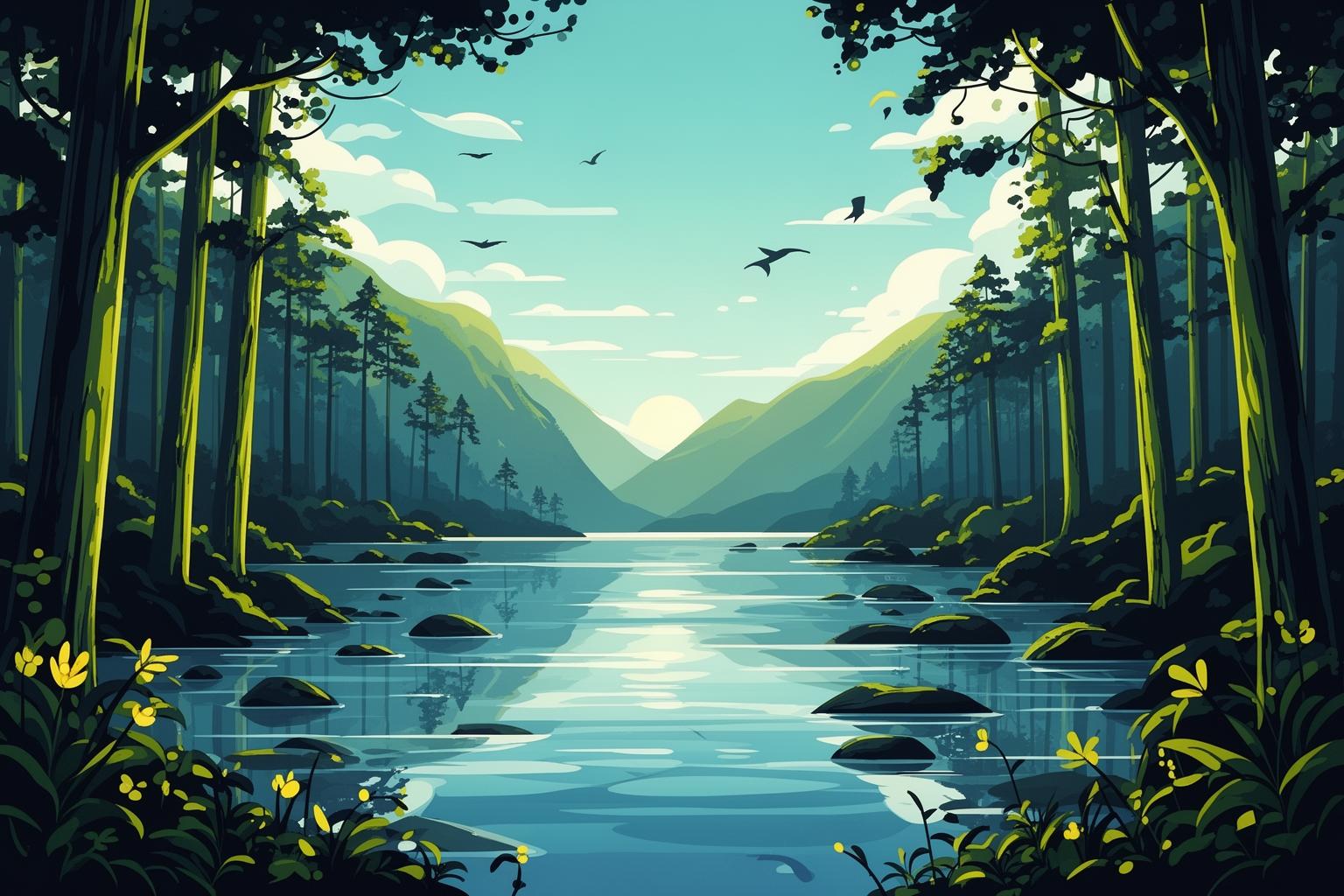
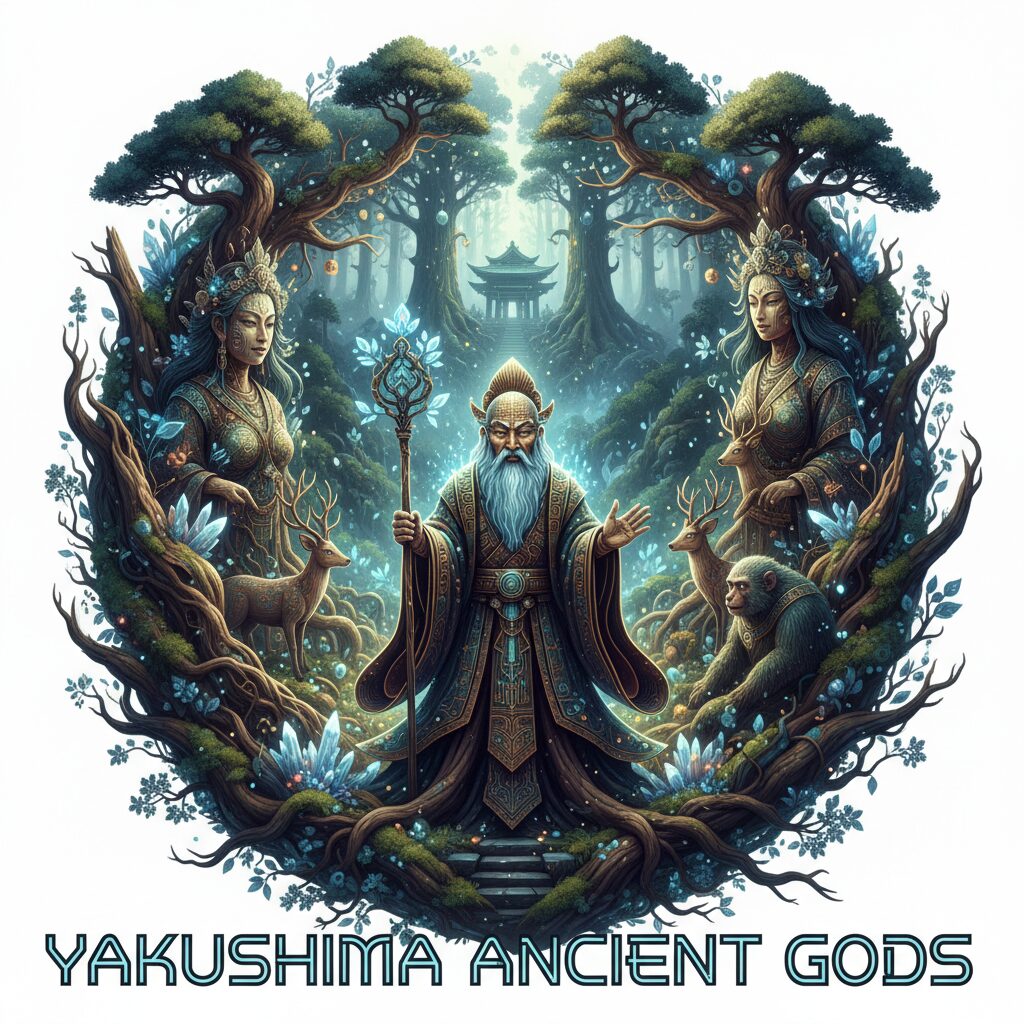
To view Yakushima solely as the inspiration behind a brilliant film is to grasp only a small part of its true essence. The island’s profound spiritual energy has existed for millennia, long before Miyazaki introduced its image to the world. Its enchantment is deeply rooted in Japan’s ancient history and indigenous Shinto beliefs, a perspective in which divinity is not distant in the heavens but present within the natural world itself. The mountains, rivers, rocks, and especially the ancient trees are considered kami, or gods. The oldest Yakusugi trees are adorned with shimenawa, sacred ropes that designate them as yorishiro, physical objects capable of housing divine spirits. To stand before Jomon Sugi is not merely to see an ancient tree; it is to be in the presence of a deity.
A Parting Whisper
A journey to Yakushima is also a journey inward. Within the profound silence of the ancient forest, surrounded by beings that have endured for thousands of years, one’s personal worries and the relentless pace of modern life begin to fade away. What remains is a deep sense of humility and a powerful feeling of connection to the Earth. You may arrive seeking the forest from a film, but you depart having discovered something far more real and lasting. Yakushima doesn’t just reveal the power of nature; it makes you feel it at your very core. It serves as a reminder of what the world once was and offers a strong, living plea for the protection of such sacred places—a whisper from the ancient gods that, if we listen closely, we can still hear today.