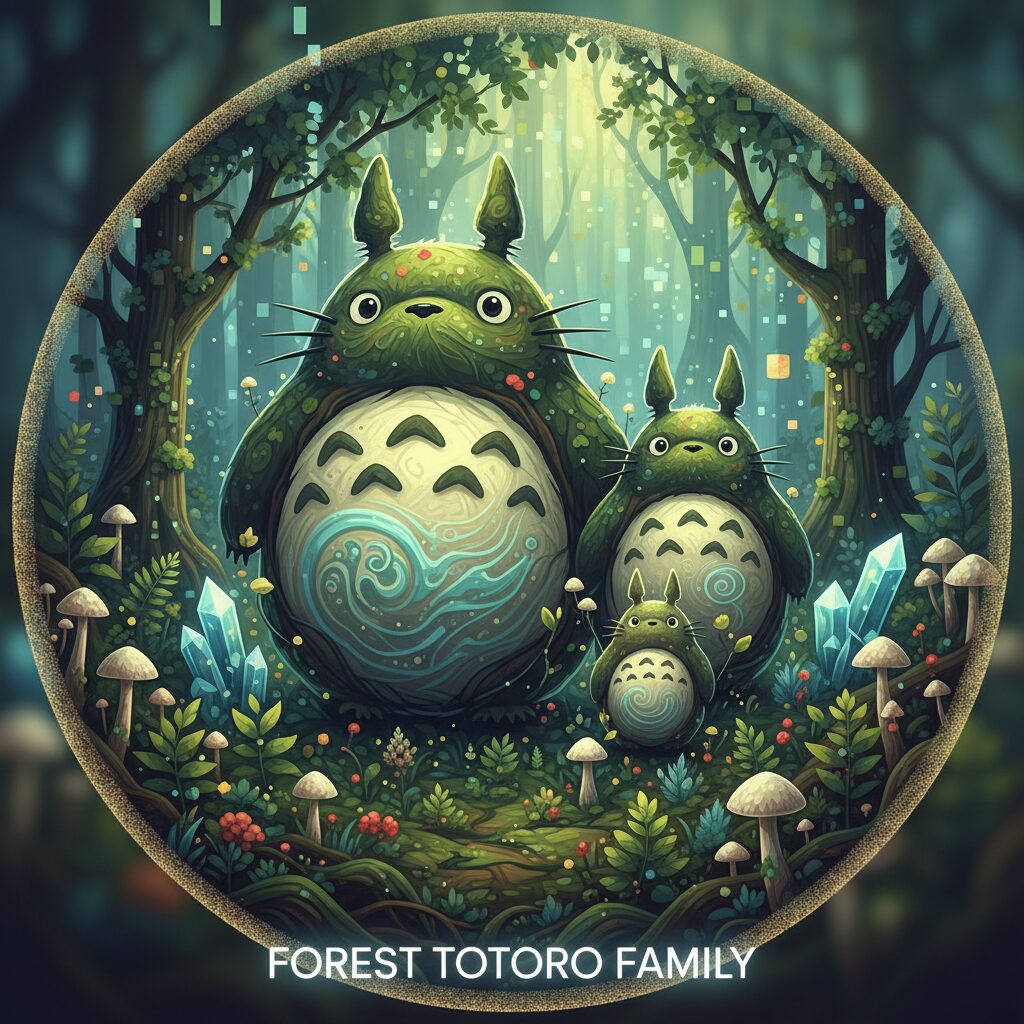
There’s a certain kind of magic that lives in childhood memory, a hazy, sun-drenched feeling woven from simple moments of wonder. For millions around the globe, that feeling has a name: Totoro. Hayao Miyazaki’s masterpiece, My Neighbor Totoro, isn’t just a film; it’s a portal back to a time when the world felt immense, mysterious, and full of benevolent spirits hiding just out of sight. It captures the breathless awe of discovering a secret path, the comforting weight of a parent’s hand, and the rustle of leaves that might just be a Catbus passing by. But what if I told you that this enchanting world, this idyllic rural landscape, isn’t entirely a fantasy? What if you could walk the same paths, breathe the same air, and stand under the shade of the same kind of ancient trees that inspired one of the most beloved animated films of all time? Just on the fringe of Tokyo’s sprawling metropolis lies the Sayama Hills, a rolling expanse of forests and fields that served as the cradle for Miyazaki’s vision. This isn’t a theme park or a movie set; it’s a living, breathing landscape, a precious remnant of the satoyama countryside that once blanketed Japan. To visit Sayama is to embark on a pilgrimage, not just for fans of Studio Ghibli, but for anyone seeking to reconnect with a gentler, greener, and more magical way of seeing the world. It’s a chance to let the city’s hum fade away, replaced by the symphony of the forest, and maybe, just maybe, catch a whisper of something wonderful on the wind.
Step off the familiar path and discover the real-life Totoro landscapes that echo the gentle magic and wonder of Miyazaki’s timeless creation.
The Call of the Camphor Tree: Finding the Spirit of Totoro

The moment you leave the path and step into the embrace of the trees, you feel it. The air shifts, becoming cooler and rich with the scent of damp earth and decaying leaves—a fragrance both primal and deeply soothing. This is the essence of the experience: seeking the feeling of Totoro rather than an exact replica of a film set. The Sayama Hills form a patchwork of nature reserves, farmlands, and walking trails, within which the spirit of the movie subtly dwells. It’s a place where reality seems just a little thinner, a bit more open to magic.
More Than Just a Forest: A Living Landscape
What makes this region so special is its identity as a satoyama, a term for the boundary zone between mountain foothills and arable flatlands where people have lived and worked harmoniously with nature for centuries. This isn’t a wild, untouched wilderness. Instead, it’s a managed landscape where generations have coppiced trees for charcoal, farmed rice in terraced paddies, and gathered edible plants from the forest floor. This human influence, this long history of coexistence, gives the forest a distinctively gentle and welcoming character. The paths are well-used but not overly manicured. Sunlight filters through the canopy of Japanese cedars, sawtooth oaks, and of course, the majestic camphor trees, their massive trunks evoking the very place where Satsuki and Mei first encountered the king of the forest. Walking here is a meditative experience. You begin to notice small details: the scuttling of a lizard in the underbrush, the vivid flash of a dragonfly’s wings, and the endless, hypnotic chorus of cicadas in summer that forms the authentic soundtrack of rural Japan. It’s an invitation to slow down, listen, and simply be present in a world that feels timeless and vividly alive.
Kurosuke’s House: A Tangible Piece of the Dream
For many visitors, the highlight of their pilgrimage is a charming, rustic building known as Kurosuke’s House, or The House of the Soot Sprites. Nestled in a quiet corner of the hills, this carefully preserved Showa-era house seems as if it were drawn straight from Miyazaki’s imagination. While it’s not the Kusakabe family home, it perfectly captures its spirit. Operated by the Totoro no Furusato Foundation, the conservation group dedicated to protecting the Sayama Hills, the house itself is a destination. As you approach, the classic wooden architecture and tiled roof transport you back in time. Removing your shoes at the entrance, you step onto cool wooden floors and are greeted by the sight of a giant, plush Totoro reclining in the main room, patiently awaiting visitors. Children’s faces light up with pure, unfiltered joy. It’s a wonderful photo opportunity, but more than that—it’s a tangible embodiment of the film’s warmth. You can explore the rooms, admire the traditional design, and feel the history seeping through the walls. The house is open only on Tuesdays, Wednesdays, and Saturdays for a few hours each day, so planning ahead is essential. This limited access preserves its charm and prevents it from becoming a crowded tourist spot. It remains a quiet, special place where the line between fiction and reality feels delightfully blurred.
Charting Your Path Through the Woods: A Practical Guide for Explorers
Exploring Totoro’s world is surprisingly easy, but a bit of preparation ensures your journey is as smooth and enchanting as the destination itself. The Sayama Hills lie along the border of Tokyo and Saitama prefectures, making them an ideal day trip from the city. The key is to enjoy the journey as part of the experience—a gradual shift from the urban jungle to a realm of peaceful greenery.
Getting There: The Journey from Tokyo’s Heart
Your trip will most likely start on the Seibu-Ikebukuro Line, a train that serves as a vital link between the city’s vibrant energy and its quieter suburbs. From Ikebukuro Station, a major hub in northwestern Tokyo, you’ll board a train heading to Tokorozawa. The landscape begins to change almost immediately: dense buildings give way to smaller houses with gardens, and urban gray softens into patches of green. Typically, you’ll get off at Seibukyūjō-mae Station, conveniently located next to the MetLife Dome, home of the Seibu Lions baseball team. The contrast is striking—one moment you’re near a massive stadium, and the next, you’re at the edge of a peaceful forest. From there, the main entrance to the hills and trails is just a short walk away. If Kurosuke’s House is your first destination, you might want to disembark at the slightly earlier Kotesashi Station, from where it’s a pleasant 20-minute walk or a brief bus ride. Having a map app on your phone is useful, but part of the fun is wandering through the quiet residential streets lining the forest, where charming signs—often featuring hand-drawn Totoros—point the way.
When to Wander: The Forest Through the Seasons
The Sayama Hills offer unique beauty in every season, so any time of year is worth visiting, each with its own special charm. Spring is a season of renewal. From late March to early April, cherry and plum blossoms grace the forest edges with soft pinks and whites. The air feels fresh, and the newly unfurled leaves seem to glow with an almost magical vibrancy. Summer, from June to August, is when the forest is lush and alive. The greens are deep and vibrant, accompanied by the sounds of buzzing insects and the loud chorus of cicadas—the quintessential soundtrack of a Ghibli summer. It’s also hot and humid, so starting early and bringing insect repellent is wise. Autumn perhaps offers the most stunning scenery. From late October through November, the trees burst into fiery reds of Japanese maple and golden yellows of ginkgo and oak, crafting a breathtaking mosaic. The crisp, cool air is perfect for a reflective, lengthy walk. Winter reveals a more stark and subtle beauty. The crowds thin, leaves fall, and the forest’s structure becomes visible. The low winter sun casts long shadows, and the quietude holds a deep, peaceful presence.
A Gentle Reminder for Travelers
Remember, this is a natural park, not a manicured garden. The most important advice is to wear comfortable, sturdy walking shoes. Though the trails are generally well kept, they can be uneven with exposed roots and loose stones—think more ‘hiking’ than ‘strolling.’ It’s also essential to carry your own water and snacks. While there are vending machines near the train stations and the baseball dome, amenities within the forest itself are nearly nonexistent. This adds to the park’s charm, encouraging visitors to be prepared and self-reliant. Lastly, embody the respect that is central to Japanese culture. Carry out everything you bring in, stay on marked paths to protect the delicate ecosystem, and keep your voice low to avoid disturbing wildlife and fellow visitors seeking tranquility.
Beyond the Treetops: Uncovering the Layers of Sayama

To fully appreciate a visit to Totoro’s Forest, it’s helpful to recognize that you are walking through a landscape preserved by the very film it inspired. The story of the Sayama Hills stands as a powerful example of art’s influence and the dedication of a community. This added context transforms what might be a simple nature walk into a far more meaningful experience.
The Totoro no Furusato Foundation: Guardians of the Green
In the 1980s, the rapid growth of Tokyo put the Sayama Hills at risk of development. This beautiful satoyama landscape faced the threat of disappearance. In response, a local conservation movement emerged. After My Neighbor Totoro was released in 1988, the movement gained a strong supporter in Hayao Miyazaki himself. He offered his backing and the beloved Totoro image to the cause, helping to establish the Totoro no Furusato (Totoro’s Hometown) Foundation. The foundation launched a fundraising effort, and with donations from across Japan and worldwide, they began purchasing small parcels of forest land to protect them from development permanently. As you walk the trails today, you will notice simple wooden signs reading 「トトロの森1号地」 (Totoro Forest No. 1), 「トトロの森2号地」 (Totoro Forest No. 2), and so forth. These markers identify the plots secured by the foundation. Finding them becomes a sort of treasure hunt, a tangible way to connect with this remarkable conservation success story. You are not merely strolling through a charming forest; you are walking through a woodland preserved by thousands of people who believed in Totoro’s magic.
A Tapestry of Trails and Temples
Although the “Totoro Forest” sites are special, they represent just one part of the larger Sayama Hills park area. The region is laced with a network of trails offering everything from short, easy loops ideal for families to more demanding paths for enthusiastic hikers. You can explore for hours without retracing your steps. One of the area’s delights is the chance for unexpected discovery. You might turn a corner to find a breathtaking viewpoint overlooking the multicolored canopy or come across a small, unattended shrine tucked among the trees, providing a quiet place for local reflection. For those wishing to extend their visit, the hills are bordered by two large reservoirs, Lake Tama and Lake Sayama. Trails around these lakes offer broader, open views and are popular for cycling and birdwatching. Nearby, you can also visit the Sayama Fudōson, a large and impressive Buddhist temple complex featuring vibrant, ornate buildings that stand in striking contrast to the forest’s natural simplicity. It serves as a reminder of the rich cultural and spiritual heritage woven into the Japanese landscape.
A Day in the Life of a Forest Pilgrim: Crafting Your Adventure
There is no single ‘correct’ way to experience the Sayama Hills. The charm of the place lies in its flexibility. You can design an itinerary that fits your energy levels, interests, and companions perfectly. Whether you’re a family with young children eager to collect acorns or a solo traveler seeking quiet reflection, the forest offers a path for everyone.
For the Family with Little Legs
An ideal family day might begin with a mid-morning arrival at Kotesashi Station. The walk to Kurosuke’s House is a wonderful chance to build excitement. After meeting the giant Totoro and exploring the house, you can venture directly into the neighboring forest. Stick to one of the main, wider trails, such as the one leading to the Hachikokuyama Reserve, another location that heavily inspired the film. The focus isn’t on distance but on engagement. Encourage the kids to search for acorns, just like Mei did. See who can find the most interesting mushroom or the prettiest leaf. Choose a clearing, spread out a picnic blanket, and enjoy some onigiri (rice balls) purchased near the station. The forest transforms into a natural playground, sparking imagination to roam free. The key is to take your time, let the children lead, and not worry about seeing everything. The magic for them lies in the small discoveries.
For the Dedicated Ghibli Fan and Hiker
For those seeking a more immersive pilgrimage, plan for a longer day. Start early from Seibukyūjō-mae Station and set out to find several of the numbered ‘Totoro Forest’ plots. This will lead you deeper into the trail network, away from the busier spots. Bring a thermos of tea and a bento box for lunch. Find a quiet bench with a view and simply absorb the atmosphere. Bring a sketchbook to capture the light filtering through the trees or a camera to frame those perfectly Ghibli-like scenes of winding paths and mossy stones. This kind of journey is less about ticking off sights and more about connecting with the creative spirit of the film. It’s about understanding why Miyazaki was so inspired by this landscape that he fought to preserve it. You might finish your hike by walking all the way to Kurosuke’s House in the afternoon, making it a well-earned final stop on your personal pilgrimage.
Finding Nourishment for the Journey
It’s worth repeating that the forest is a place to bring your own supplies. This is an essential part of the experience, requiring a bit of planning that pays off greatly. The convenience stores and small bakeries near the train stations are ideal for picking up drinks, snacks, and picnic lunches. After a long day of walking, rewarding yourself with a meal back in the town of Tokorozawa can be a perfect way to relax. Here, you’ll find a variety of restaurants, from cozy ramen shops to family-friendly diners, helping you transition smoothly from your forest adventure back into the rhythm of everyday Japanese life.
The Lingering Magic: Taking Totoro Home with You

As you board the train back to Tokyo, your shoes slightly dusty and your legs pleasantly tired, you carry with you more than just photographs. You carry the quiet of the forest. You don’t leave the Sayama Hills having simply ‘seen’ Totoro—you leave having felt him. The experience is both subtle and profound. It lives in the memory of the light, the scent of the earth, the sound of wind rustling through the great camphor trees. You come to realize that Totoro is not a character to be discovered, but a spirit to be felt—the spirit of nature itself, of community, and of the enduring power of a simple, beautiful story.
A journey to Totoro’s Forest serves as a reminder that magic isn’t limited to the movie screen. It exists in the real world, in these treasured green spaces that offer us room to breathe, to wonder, and to reconnect with our own sense of childlike awe. It stands as a testament to the fact that sometimes, the most profound adventures are not found in fantastical, distant lands, but along a quiet, sun-dappled path just a short train ride from home. The whispers of the forest will linger with you, a gentle hum beneath the noise of daily life, long after you return to the city.