
There are places in the world where the veil between story and reality feels wonderfully thin. Tomonoura is one of them. Nestled in a gentle curve of Japan’s Seto Inland Sea, this historic port town in Hiroshima Prefecture is a living postcard from a bygone era. Its narrow stone-paved lanes, weathered wooden buildings, and harbor filled with softly bobbing fishing boats create a rhythm that feels utterly disconnected from the frantic pace of modern life. For many, however, this town holds a more specific kind of magic. It’s the place that captured the heart of legendary animator Hayao Miyazaki, serving as the direct inspiration for the vibrant, whimsical seaside world in Studio Ghibli’s beloved film, Ponyo on the Cliff by the Sea. Walking its streets is like stepping into one of Miyazaki’s hand-painted cels, a dreamscape of red-roofed houses clinging to a green hillside that tumbles down to meet a sparkling blue sea. It was here that the master storyteller lived for two months, absorbing the town’s unique character, its sounds, its light, and the gentle spirit of its people, weaving it all into a timeless tale of friendship and the boundless wonder of the ocean. For families, dreamers, and anyone seeking to find a touch of animated magic in the real world, a pilgrimage to Tomonoura is a journey to the very source of that inspiration.
If you’re captivated by the idea of visiting real-world locations that inspired Studio Ghibli classics, you might also enjoy planning a family adventure to the forests that inspired My Neighbor Totoro.
The Living Seascape of Miyazaki’s Muse
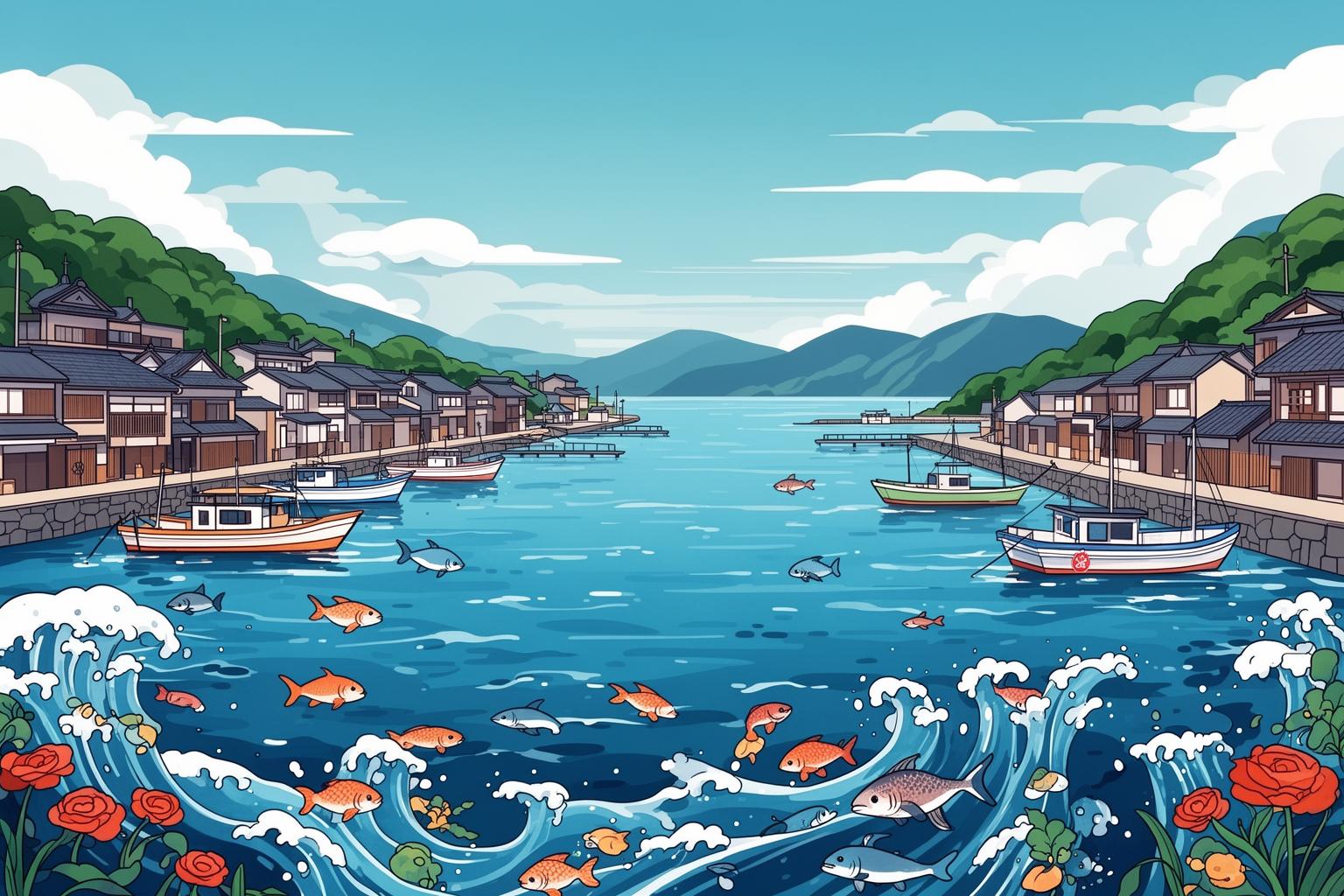
The moment you step into Tomonoura, the connection to Ponyo is unmistakable. It’s not a town plastered with movie posters or merchandise, but something far more genuine and profound. The inspiration is woven into the very architecture and ambiance. You see it in the cluster of curved tile roofs cascading down the hillside, just like the town where Sosuke lives. You feel it in the maze-like alleyways, so narrow you can almost touch both sides simultaneously, inviting you to get wonderfully lost. The true essence of this connection, however, lies in the harbor. It’s a vibrant, living entity, constantly shifting with the tides. The small fishing boats, adorned with colorful flags and weathered hulls, look as if they’ve sailed right off the screen. It’s easy to picture Ponyo, with her bright red hair, darting between them on the waves’ crests. This sense of familiarity is what makes exploring Tomonoura so delightful. Every corner turned reveals another scene, another detail that sparks a memory of the film. It’s a gentle, immersive experience that resonates deeply, reminding you that the most enchanting stories are often grounded in the beauty of real, tangible places.
Echoes of Ponyo in Every Corner
The most iconic landmark, the Joyato Lighthouse, stands as a steadfast guardian at the harbor’s edge. This stone lantern, a symbol of the town, has guided ships safely to shore since the Edo period. While it isn’t an exact match to the lighthouse in the film, its presence and role echo the themes of guidance and safety central to the story. The stone-stepped embankments, known as gangii, which lead directly into the water, are another distinctive feature. These steps, rising and falling with the tide, serve as a playground for local children and a perfect spot to sit and watch the world pass by. It’s here, with your feet mere inches from the calm sea, that you can truly appreciate the town’s intimate bond with the water. The film’s brilliant portrayal of the ocean as a character in its own right feels completely natural in this setting. Even small details, like friendly cats basking on stone walls or the quiet hum of activity from the small boatyards, add to the feeling of having stepped into a living, breathing Ghibli world. It’s a place where the ordinary feels extraordinary, infused with the quiet magic of Miyazaki’s vision.
A Town Shaped by Tides and Time
Tomonoura’s enchanting atmosphere isn’t a recent development. Its history is as deep and compelling as the sea itself. For centuries, it thrived as a shiomachi no minato, a port where sailing vessels would wait for the perfect tides to continue their journey through the often-treacherous Seto Inland Sea. This unique geography made it a bustling hub of trade and culture, a temporary home for sailors, merchants, and even notable figures like the legendary samurai Sakamoto Ryoma. The need to wait for the tides established a certain pace in the town—a rhythm of patience and observation. That rhythm endures today. The town wasn’t designed for cars or hurrying. It was made for walking, for wandering, for stopping to chat with a shopkeeper or admire a view. This preserved state owes much to a planned bridge project in the 1980s that was ultimately canceled after locals argued it would ruin the historic landscape. Their victory ensured Tomonoura would remain a portal to the past. This deep sense of history adds another layer to its charm. You’re not just walking through a film set; you’re walking through centuries of stories, each one etched into the wooden lattices of merchant houses and the worn stones of the harbor steps.
Navigating the Labyrinth of Tomonoura’s Charms
To genuinely experience Tomonoura is to embrace its leisurely pace. The best way to explore is to simply wander. The main harbor area serves as the town’s lively heart, where you’ll discover some of its most picturesque and historically important sites. The compact size of the historic center means everything is easily accessible on foot, making it perfect for a day of relaxed exploration. Let your curiosity lead you through the narrow streets, and you’ll uncover countless small treasures—a hidden shrine, a cozy café, a breathtaking view of the sea framed by ancient rooftops. The town reveals itself gradually, sharing its secrets not through a map, but through the simple act of being present and attentive to your surroundings. This is the essence of slow travel, and Tomonoura is an ideal place to learn it.
The Heart of the Harbor: Joyato Lighthouse and Gangii Steps
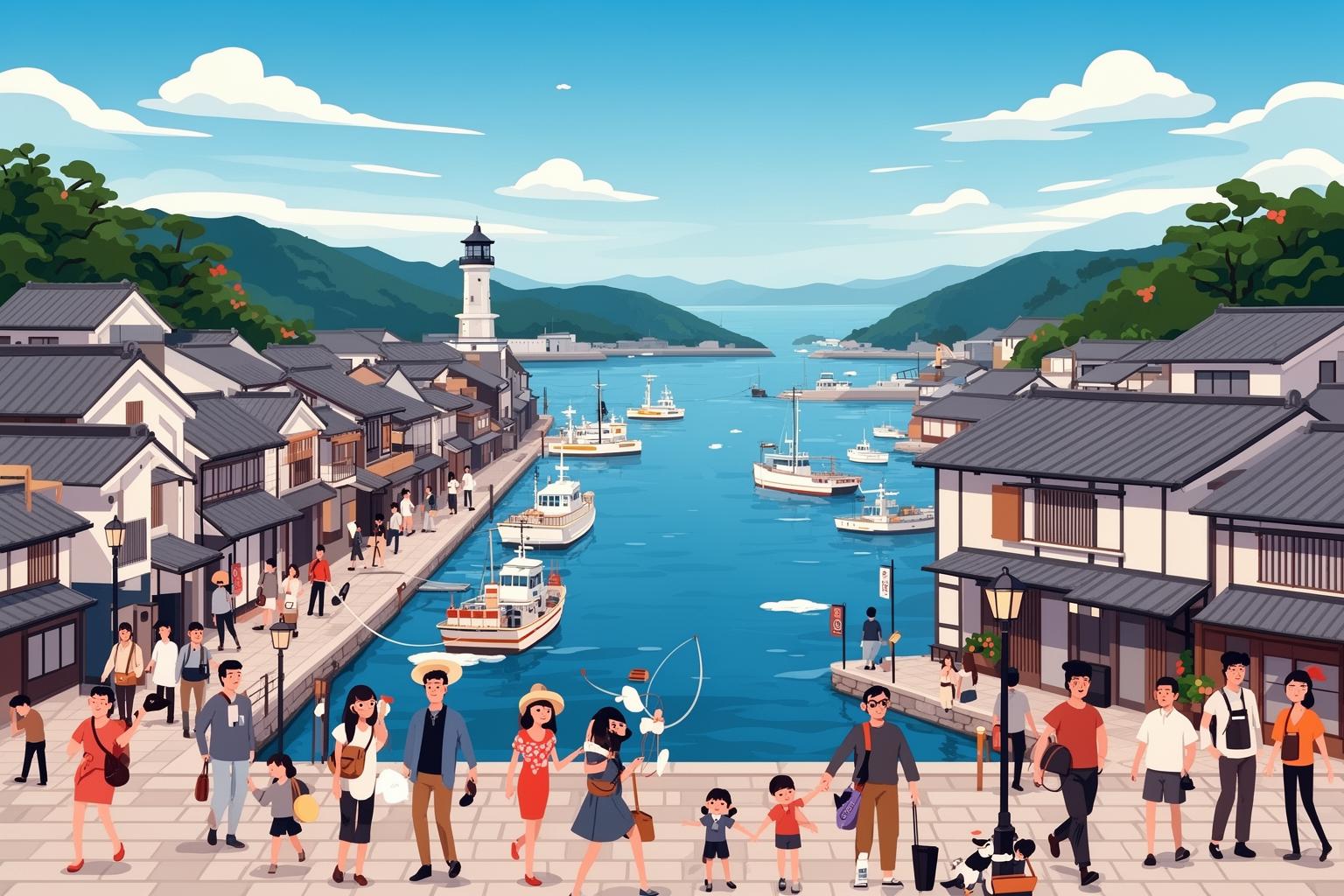
Your visit will naturally start and finish at the harbor. The Joyato Lighthouse stands as the town’s anchor. Although just over ten meters tall, it is the largest surviving Edo-period harbor lighthouse in Japan. Its simple, elegant shape against the sea and sky forms the quintessential image of Tomonoura. Spend time strolling along the wharf, watching fishermen mend their nets and observing the gentle rhythm of their daily routine. The gangii steps showcase old-world engineering—both practical and beautiful—to accommodate the tides. They provide a unique vantage point, allowing you to reach the water’s edge. It’s a wonderful spot for children to safely watch small fish and crabs in the shallows and for adults to sit quietly and soak in the peaceful, timeless atmosphere. The air is filled with the salty scent of the sea mixed with the faint, pleasant aroma of boat fuel, punctuated by gulls’ calls and the low murmur of distant engines. This sensory experience firmly grounds you in the life of the port.
A Stroll Through Teramachi: Temples and Tranquility
A short walk from the harbor’s lively energy is Teramachi, or Temple Town. This area reflects Tomonoura’s historic prosperity and is home to a collection of beautiful temples and shrines that offer serene retreats. A must-see is Fukuzen-ji Temple, perched on a small rise overlooking the port. The temple houses the Taichoro, a magnificent reception hall built in the late 17th century, originally used to host dignitaries—including a Korean envoy who in 1711 praised its view of the harbor and the islands of Sensui and Benten as the “finest view in Japan.” Stepping into the Taichoro’s main hall feels like entering a perfectly composed painting. The large, open tatami room frames the seascape outside like a living artwork that shifts with light and weather. It’s an incredibly peaceful space for reflection, to feel the gentle sea breeze, and to appreciate a view that has enchanted visitors for over three centuries. The quiet reverence here beautifully contrasts with the bustling atmosphere below.
Finding Your Zen Moment
For parents navigating the beautiful chaos of family travel, a moment of pure calm is a precious gift. Tomonoura’s temple district offers abundant opportunities for such moments. While Taichoro provides the grand panorama, smaller temples like Anpuku-ji, with its striking red-lacquered pagoda, feature secluded courtyards inviting brief escapes. Find a stone bench in a quiet corner, close your eyes, and simply listen. You may hear the distant clang of a ship’s bell, the rustling leaves of an ancient camphor tree, and the soft murmur of the town. These moments truly define the experience of being here—not the sights checked from a list, but the sense of peace you carry within. It’s a chance to reset, breathe deeply, and connect with the profound tranquility that fills this special town.
A Taste of Setouchi Life
Exploring Tomonoura offers more than just a visual and historical experience; it is also a culinary adventure. The town’s essence is deeply tied to the abundance of the Seto Inland Sea, with its local cuisine showcasing a profound appreciation for fresh, seasonal ingredients. This isn’t a destination for flashy, tourist-oriented restaurants. Instead, you’ll find small, often family-run establishments that have served the community for generations. Dining here provides a chance to savor the genuine flavors of the region, from tender sea bream to a distinctive medicinal liqueur crafted in the town for centuries. The food is simple, sincere, and delicious, offering yet another way to connect with the local culture and the rhythm of life by the sea.
Homeishu and Harbor-Side Delicacies
One of Tomonoura’s most distinctive products is Homeishu, a sweet, spiced medicinal liqueur made here for over 350 years. It is a complex blend of sixteen herbs soaked in sweet rice wine and is believed to promote health and longevity. To discover its history, visit the Ota Residence, a beautifully preserved merchant house designated as an Important Cultural Property. The family has been producing Homeishu since the 17th century, and touring the historic brewery provides a captivating insight into traditional methods. You can taste various types and buy a bottle as a special souvenir. When it comes to dining, seafood reigns supreme. Seek out restaurants serving tai-meshi (sea bream rice) or fresh sashimi. Many of the best venues are humble little eateries right on the harbor, where you can enjoy your meal overlooking the very boats that brought in your catch. There’s a simple, profound joy in eating food so deeply rooted in its place of origin—a true taste of Setouchi that lingers in memory.
The Art of Slow Travel
Tomonoura gently encourages you to slow your pace. Its layout and ambiance are not suited to a rushed itinerary. The town’s real charm lies in the quiet moments between visits. Take time to explore the small, independent shops along the main streets, where you’ll find local crafts, handmade goods, and tiny galleries showcasing the work of local artists. Pause at one of the stylishly converted old warehouse cafés for a coffee and a slice of cake. From a parent’s perspective, the town is a treasure. The near-complete absence of cars in the historic center creates a safe and stress-free environment for children to explore freely. They can wander a little ahead down narrow lanes or gaze into shop windows without constant concern over traffic. Tomonoura fosters a more relaxed and mindful style of travel, where the stroll through its streets holds as much importance as any single destination.
Practical Guidance for Your Ghibli Pilgrimage
A bit of planning can significantly enhance your trip to Tomonoura, making it as smooth and enjoyable as possible. Although it may seem far away, the town is quite accessible. Knowing the best way to get there, the ideal season to visit, and a few local tips will help you maximize your experience in this charming port. The town is small enough to be explored on a day trip from nearby cities like Hiroshima or Onomichi, but staying overnight lets you enjoy its magical ambiance during the quiet evening hours and early morning light, when tour groups have left and the town truly feels like your own.
Getting There: The Journey to the Coast
The most common way to reach Tomonoura is through the city of Fukuyama. Fukuyama is a major stop on the Sanyo Shinkansen (bullet train) line, making it easily accessible from cities like Osaka, Kyoto, and Hiroshima. From Fukuyama Station, the final stretch is a local bus ride. The bus stop is located just outside the station’s south exit, with frequent buses heading to Tomonoura Port (鞆の浦, Tomonoura-kō). The journey takes about thirty minutes and offers a pleasant transition from Fukuyama’s urban environment to the scenic coastline. For families with luggage or strollers, try to travel during off-peak times, as buses can become crowded, especially on weekends and holidays. This part of the trip builds anticipation as the sea gradually comes into view.
When to Visit: The Rhythms of the Seasons
Tomonoura is enchanting throughout the year, but spring and autumn are especially beautiful. In spring, from late March to early April, the cherry blossoms bloom, framing the stunning sea views with delicate pink hues. The weather during this time is mild and pleasant, ideal for long walks. Autumn, from October to November, offers similarly comfortable temperatures, crisp air, and brilliantly clear blue skies. Summer brings a lively, festive vibe but can be hot and humid, which might be uncomfortable for some visitors, particularly young children. Winter is the quietest season, marked by stark beauty, dramatic skies, and a serene, reflective atmosphere. For those seeking solitude and a chance to see the town at its most peaceful, a winter visit can be particularly rewarding. Regardless of when you visit, the town’s essential character endures, shaped more by its eternal tides than by the changing seasons.
A Note on Footwear and Exploration
This cannot be stressed enough: comfortable shoes are essential for exploring Tomonoura. You’ll do a lot of walking, often over uneven stone pavement and gentle yet steady inclines, especially if you explore the temple district or hike up to the viewpoints overlooking the town. The historic center is a pedestrian’s delight, and comfortable footwear will let you fully enjoy the discoveries without being hindered by discomfort. The town is compact enough that even children can manage the main areas, but be sure to take frequent breaks. The numerous benches along the harbor and cozy cafés provide ideal spots to rest and recharge before your next adventure.
Beyond Ponyo: Hidden Gems and Further Adventures
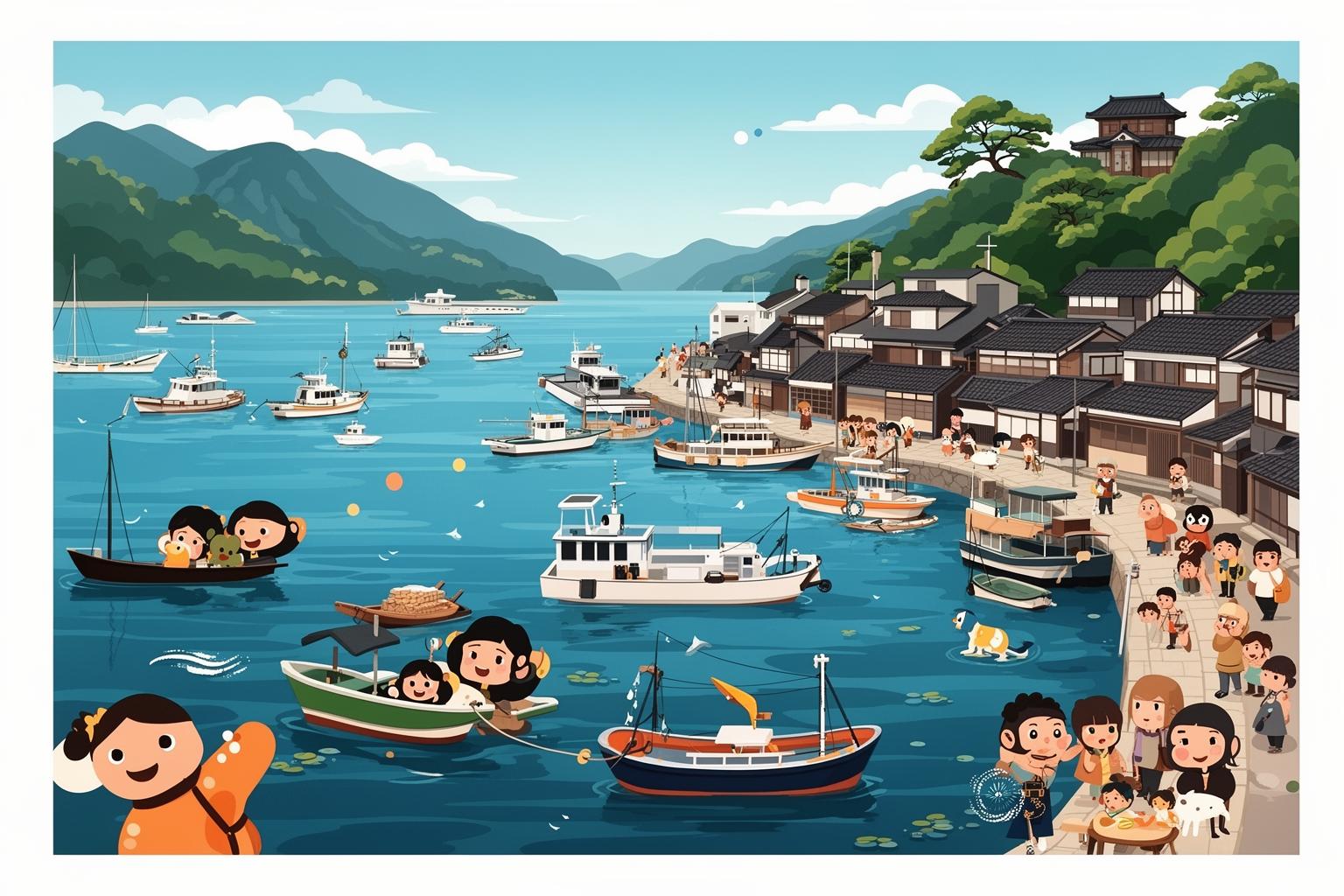
While the spirit of Ponyo offers a wonderful perspective through which to appreciate Tomonoura, the town has much more to reveal. After immersing yourself in the atmosphere of the main harbor, several nearby spots provide different viewpoints and fresh experiences. These brief excursions can deepen your visit, presenting everything from stunning nature and light hiking to awe-inspiring panoramic scenes. They enable you to see the town within its broader setting, as part of the breathtaking landscape of Seto Inland Sea National Park, and to admire the natural wonders that have inspired artists and poets for centuries.
Sensui Island: A Ferry Ride to Nature’s Embrace
Just a five-minute ferry ride from Tomonoura Port lies Sensui-jima, a largely untouched island within the national park. Its name means “drunken immortal island,” reflecting its legendary beauty. The ferry, a quaint vintage vessel called the Heisei Iroha Maru designed with contributions from Studio Ghibli, offers a charming journey itself. Once on the island, several walking trails meander along the coast and through the forested hills. These paths provide spectacular views back toward Tomonoura, showing the town nestled in its cove from a fresh perspective. It’s an ideal little getaway for families wanting to expend some energy, enjoy a picnic, and soak in the pristine nature of the Setouchi region. The contrast between the historic town and the island’s untamed wilderness highlights the unique harmony of this special area.
Iou-ji Temple and the Panoramic Vistas
To experience the best view of Tomonoura, head uphill. Perched on a mountainside behind the town is Iou-ji Temple. While the temple is worth visiting on its own, the true reward lies in the views from its grounds, especially from the Taishi-do Hall reached further up the path. The climb involves many stone steps, but the effort is more than justified. From this vantage, the entire harbor spreads out beneath you like a detailed miniature. You can see the graceful curve of the bay, the iconic lighthouse, the patchwork of rooftops, and the islands scattered across the glistening sea. It’s a stunning panorama that feels like a director’s vantage point. You can easily picture Hayao Miyazaki here, sketching the landscape that would become the setting for his enchanting story. It’s a powerful moment that links the real town with its animated version in a spectacular way.
A Gentle Farewell from the Town That Time Remembers
Leaving Tomonoura feels like emerging from a lovely, gentle dream. As the bus pulls away from the coast, you take with you more than just photographs. You carry the sensation of the sea breeze, the sound of water gently lapping against ancient stone, and the image of a town living in harmony with the tides. It is a place that reminds you of the power of stories—not only the animated ones we cherish but also the quiet, everyday tales of a community deeply connected to its history and environment. Tomonoura’s magic doesn’t come from flashy attractions but from its genuine authenticity. It’s a rare and precious place that hasn’t compromised its soul for the sake of tourism. It invites you not just to see, but to feel. Whether you arrive as a fan of Ghibli, a lover of history, or simply a traveler seeking beauty, you will leave with a renewed sense of wonder, inspired by a small port town where the line between the real and the magical is beautifully and wonderfully blurred.








