Step into the city of Matsuyama, and you step into a story. Nestled on the coast of Shikoku island, facing the tranquil Seto Inland Sea, this is more than just a prefectural capital; it’s a living, breathing chapter of Japanese literary history. The air here feels different, tinged with the steam of ancient hot springs and the faint, nostalgic echo of a tram’s rattle. This is the city that Natsume Soseki, a giant of modern Japanese literature, immortalized in his beloved 1906 novel, Botchan. For over a century, readers have been captivated by the tale of a brash, principled young teacher from Tokyo who navigates the quirky, often frustrating, social landscape of a rural town. That town was Matsuyama, and to walk its streets today is to trace the very footsteps of Soseki’s own experiences and the fictional world he so brilliantly crafted from them. It’s a journey that collapses time, blending the forward momentum of a vibrant modern city with the preserved elegance and charm of the Meiji Era, a period of profound transformation when Japan was opening its doors to the world. A visit here isn’t just sightseeing; it’s a pilgrimage to the heart of a narrative that has shaped Japan’s cultural identity, offering a chance to see, feel, and taste the world through the eyes of one of its greatest storytellers.
For travelers enchanted by Matsuyama’s unique fusion of history and modernity, a pilgrimage to Yakushima offers another captivating journey into Japan’s mystical charm.
The Heart of the Story: Dogo Onsen Honkan
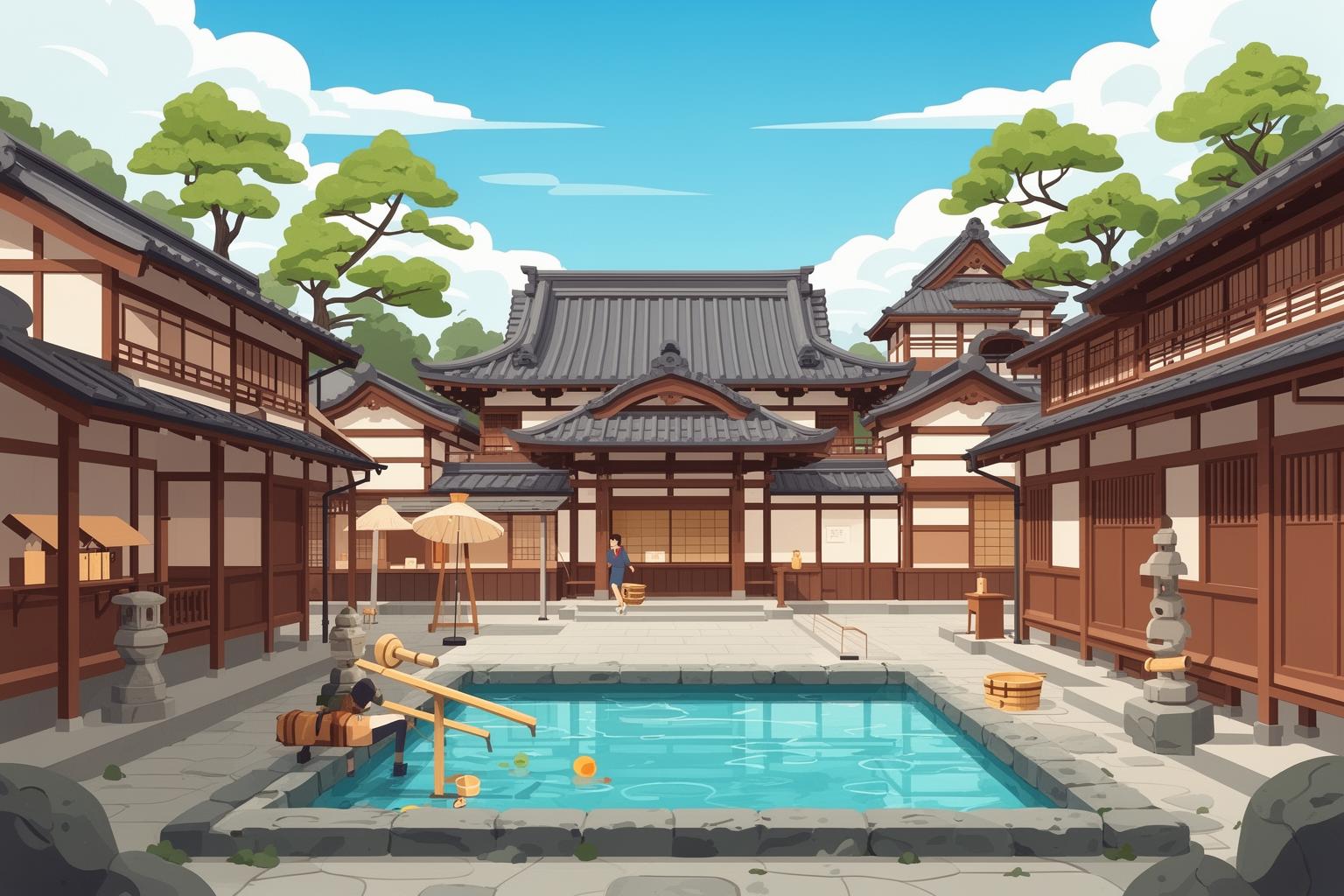
At the spiritual and literal heart of Soseki’s Matsuyama stands the Dogo Onsen Honkan, an architectural masterpiece and one of Japan’s oldest and most venerated hot springs. It is far more than a simple bathhouse; it resembles a wooden labyrinth of steam and tranquility, a place seemingly lifted from a dream. Its elaborate, multi-tiered roofs, sliding paper screens, and the steady drumming from the Shinrokaku tower at dawn, noon, and dusk combine to create a thoroughly immersive atmosphere. In Botchan, the onsen serves as the protagonist’s sole refuge, a sanctuary where he washes away the frustrations of his teaching job and the intrigues of his colleagues. He famously swims in the thermal waters, an act symbolizing defiant freedom. Even today, standing before the Honkan—though parts are undergoing a careful, years-long restoration—its grandeur remains undiminished. Visitors can still step into its revered halls, remove their shoes, and feel the smooth, worn wood underfoot. Inside, the air is heavy with the faint, sulfurous scent of healing waters that have bubbled up from the earth for over 3,000 years. The sounds form a gentle symphony: the soft shuffle of guests clad in yukata, the splash of water against stone, and the murmured conversations of those at ease. To truly engage with Soseki’s experience, one must participate in the ritual. There are various tiers of access, ranging from a simple soak in the main bath, Kami-no-Yu (Bath of the Gods), to a more exclusive experience that includes entry to the Tama-no-Yu (Bath of the Spirits) and a private tatami room for relaxation afterward, complete with tea and a small rice cracker. It is in this quiet post-bath moment, gazing out through an open window at the lively streets below, that one most closely connects to the world Soseki depicted—a world of humble joys and deep reflection.
The Ritual of the Waters
Visiting Dogo Onsen is a cultural immersion. Upon arrival, you are guided through the process. The waters, famously smooth and alkaline, are believed to soothe the skin and relieve ailments. The main bath, Kami-no-Yu, is a spacious, high-ceilinged chamber crafted from granite, where locals and travelers bathe side by side. The mood is communal and respectful. For a richer historical experience, the Yushinden, a special bathing area constructed exclusively for the Imperial Family in 1899, presents a glimpse of Meiji-era craftsmanship at its finest, though it is for viewing only. Observing the ornate details and private chambers highlights the onsen’s national significance. Even the simple act of strolling through the surrounding Dogo district wearing a rented yukata and geta (wooden sandals), with your footsteps echoing on the pavement, is part of the experience. This practice is embraced by all, fostering a beautiful, unified sense of stepping back into a more elegant era.
Riding the Botchan Train: A Journey Back in Time
Emerging from the timeless realm of Dogo Onsen, you can continue your journey through time aboard the Botchan Ressha, or Botchan Train. This is more than just public transportation; it’s a piece of moving theater. A faithful replica of the original German-made steam locomotives that operated on the Iyo Railway line during Soseki’s era, the train is a vibrant burst of emerald green and polished brass against the backdrop of the modern city. It travels along the city’s tram lines, its cheerful whistle a familiar sound to locals. The journey is brief, linking Dogo Onsen with the main Matsuyama City Station, but its impact is profound. When you board the narrow, wood-paneled carriage, you’re welcomed by conductors in period uniforms who operate the train with a touch of flair. The engine is a marvel; since there isn’t space to turn around at the end of the line, the crew manually pushes the locomotive on a small turntable—a captivating sight for onlookers. The rhythmic clatter of wheels on the track, the gentle sway of the car, and the view of Matsuyama Castle rising in the distance through the rattling windows all combine to immerse you more deeply into the Meiji-era atmosphere of the novel. It’s a charmingly analog experience in a digital world. A practical tip: the Botchan Train operates on a limited schedule and is more of a special attraction than a commuter service. It’s best to check the timetable in advance and enjoy it as a scenic, leisurely part of your day rather than a quick means of travel. The ride offers a perfect narrative bridge, both physically and spiritually connecting the key places in Soseki’s world.
Echoes of Soseki: Matsuyama Castle and the Cityscape
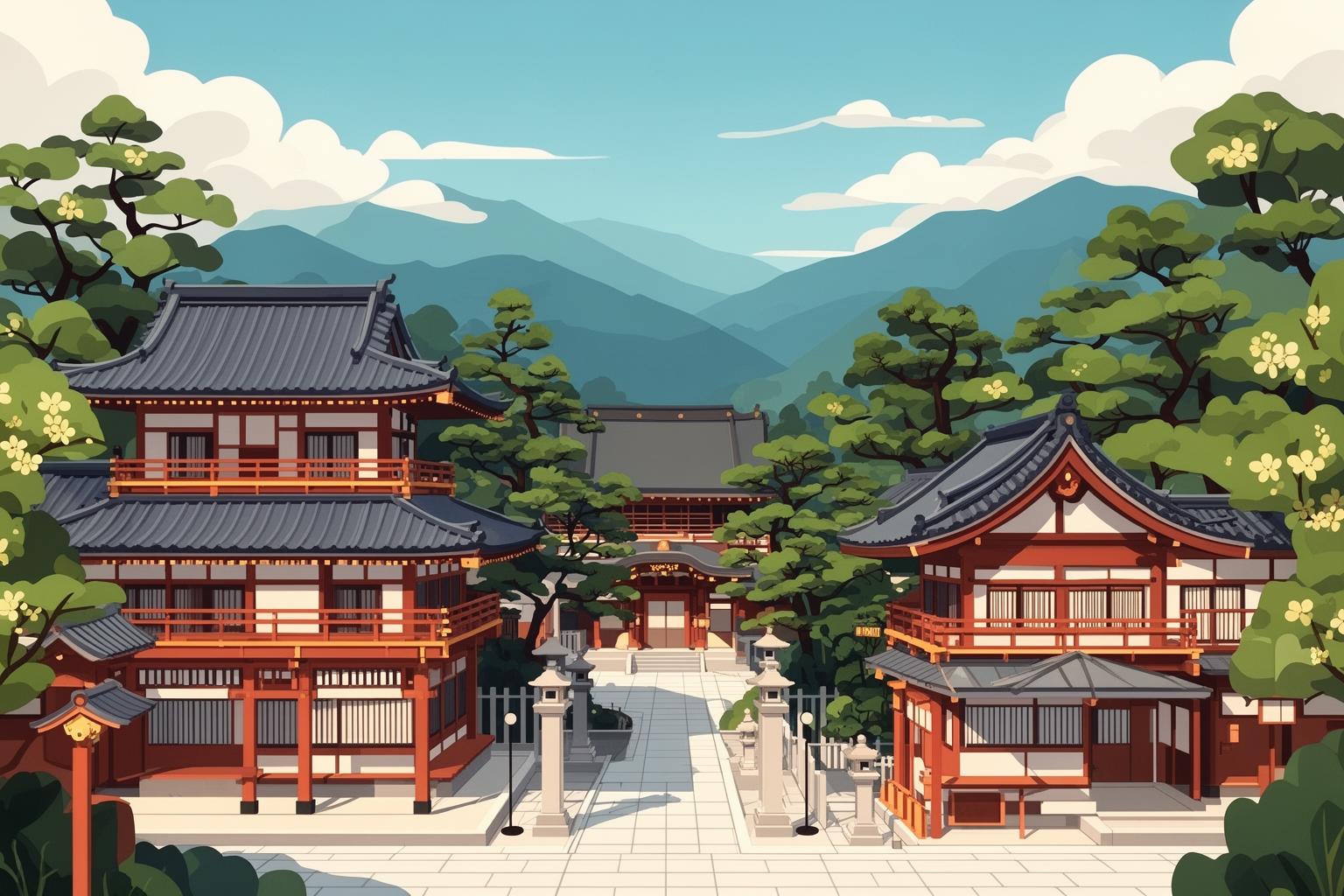
Rising above the city from the summit of Mount Katsuyama stands the magnificent Matsuyama Castle, an imposing yet graceful structure that functions as the city’s steadfast guardian. Unlike many Japanese castles, which are concrete reconstructions, Matsuyama’s keep is one of only twelve original tenshu that have survived the post-feudal era, fires, and wartime bombings. Its presence constantly reminds visitors of a deep history that predates even Soseki. For Botchan, the castle was a landmark visible from his classroom window, symbolizing the town’s longstanding traditions that he struggled to comprehend. Visiting it offers a fresh perspective, both literally and figuratively. You can reach the mountain via a scenic ropeway or an open-air chairlift, providing an exhilarating, breezy ascent up the forested slope. Once on the castle grounds, the atmosphere exudes serene grandeur. The intricate network of defensive walls, turrets, and gates showcases feudal Japanese architectural mastery. Inside the main keep, the air is cool and carries the scent of ancient cypress wood. The steep, narrow staircases present a challenge, but each floor reveals compelling exhibits of armor, swords, and historical documents related to the Matsudaira clan, who once governed these lands. The ultimate reward awaits at the summit: a stunning 360-degree view of Matsuyama, the shimmering Seto Inland Sea, and the surrounding mountains. From this vantage point, you can trace the route of the Botchan Train, spot the cluster of inns near Dogo Onsen, and imagine Soseki himself looking out over this very landscape, drawing inspiration that fueled his literary genius.
Tracing Soseki’s Footsteps
Beyond the well-known landmarks, Soseki’s spirit lingers in the quieter corners of the city. His stay in Matsuyama was brief—only a year as an English teacher at what is now Matsuyama Higashi High School—but it was deeply influential, largely because of his friendship with the brilliant haiku poet Masaoka Shiki, a native of Matsuyama. To truly understand Soseki’s experience, one must also appreciate Shiki. The Shiki Memorial Museum, situated near Dogo Park, is a must-visit, documenting the life of this literary revolutionary who modernized haiku and tanka before his tragically early death. The museum beautifully highlights his close bond with Soseki through letters and photographs. Not far from the museum, within the grounds of Matsuyama Castle, there is a small, carefully preserved house called Gudabutsuan. This temple lodging was where Soseki lived for a time with Shiki, a period marked by intense intellectual and artistic exchange. Standing in the quiet tatami rooms, it is easy to envision the two young men engaged in passionate conversations about literature, art, and Japan’s future. These smaller sites offer a more intimate, personal connection to the writer, anchoring the grand narrative of Botchan in the real-life experiences of its author. Exploring these places reveals that Matsuyama was more than just the backdrop for Soseki’s story; it was a crucible that shaped his identity as a novelist.
The Flavors of Botchan’s Matsuyama
A literary pilgrimage isn’t complete without savoring the flavors of the story. Soseki integrated local culture, including its cuisine, into his novel, and Matsuyama proudly preserves these traditions. The most famous treat is undoubtedly Botchan Dango. In the novel, the protagonist enjoys the colorful rice dumplings he finds at a local teahouse after a visit to the onsen. Today, these tri-colored dango—flavored with red bean, egg, and green tea—serve as the city’s iconic souvenir. They can be found everywhere, especially in the lively Dogo Shotengai, a covered shopping arcade leading to the onsen. They offer a simple, sweet delight that delivers a direct taste of the novel. Beyond dango, be sure to try the local “Tart” (pronounced taruto), which isn’t a pie but a Swiss-style roll cake filled with a distinctive citrusy yuzu-infused bean paste, a specialty brought to the region centuries ago by Portuguese traders.
A Taste of the Seto Inland Sea
For a heartier meal, Matsuyama’s culinary identity is shaped by its closeness to the abundant Seto Inland Sea. The must-try dish is tai-meshi, or sea bream rice. You’ll find two distinct varieties. The local Matsuyama (or Hojo) style cooks a whole sea bream atop the rice in an earthenware pot, allowing its delicate, savory flavor to permeate every grain. The rice is then fluffed and combined with the tender fish. The other style, from the southern Uwajima area, features fresh sea bream sashimi marinated in a sweet-savory sauce of soy, egg, and dashi, poured over hot rice. Sampling both offers a delicious insight into the region’s culinary variety. These meals, often enjoyed in traditional restaurants overlooking tranquil gardens, perfectly complement a day spent exploring the city’s historic sites. They anchor the literary experience in the sensory, offering a taste of the place as memorable as its sights and sounds.
Practical Guidance for the Literary Traveler

Matsuyama is an exceptionally accessible and visitor-friendly city, making it a perfect destination for those new to Japan or looking for a more leisurely travel experience. Its well-considered infrastructure appears designed to help you explore its rich history with ease.
Getting to and Around Matsuyama
Getting to the city is simple. Matsuyama Airport offers frequent domestic flights from major cities like Tokyo, Osaka, and Fukuoka. Alternatively, the JR Yosan Line links Matsuyama to Okayama on Honshu’s main island via the scenic Great Seto Bridge, making it a fantastic stop on a broader Japan itinerary. Once in the city, the transportation network is a joy. The extensive Iyo Railway tram system is the highlight. Its charming, vintage streetcars traverse the city, connecting all the key attractions including JR Matsuyama Station, Matsuyama Castle (Okaido stop), and Dogo Onsen. For first-time visitors, an all-day pass is excellent value, allowing unlimited rides and easy hopping on and off. The system is user-friendly, with clear English signage, making independent exploration simple.
When to Visit
Matsuyama experiences a mild climate, making it enjoyable to visit throughout the year. However, the best times to visit are spring (late March to April) and autumn (October to November). Spring enlivens the city with cherry blossoms, especially stunning around Matsuyama Castle and Dogo Park. The weather is warm and ideal for strolling. Autumn brings crisp, pleasant air and vibrant fall colors, painting the castle hill in shades of red and gold. Summer can be hot and humid, although the sea breeze provides some relief. Winter is mild, with little to no snow, offering a quiet and peaceful atmosphere for enjoying the onsen.
Insider Tips
To fully enjoy your journey into Soseki’s world, a bit of planning pays off. Consider staying in a traditional ryokan in the Dogo Onsen district. Waking up in a tatami room, savoring a classic Japanese breakfast, and being just steps from the historic bathhouse greatly enhances the experience. Wear comfortable walking shoes, as you’ll want to explore the expansive castle grounds and wander the charming streets on foot. Don’t hesitate to try the footbaths (ashiyu) scattered around Dogo; they are free and a perfect way to relax your tired feet while soaking in the atmosphere. Lastly, while you can see the main sights in a busy day, plan for two if possible. Matsuyama’s true charm is found not in rushing between attractions but in slowing down, discovering a quiet teahouse, and letting the city’s living history unfold around you.
A Living Storybook
Leaving Matsuyama feels like closing the cover of a wonderful book, yet its story lingers with you. This city is a place where past and present coexist in a graceful, ongoing dialogue rather than conflict. The whistle of the Botchan Train, the taste of dango, the warmth of the onsen waters, and the stoic silhouette of the castle against the sky—these are more than mere tourist attractions. They are the tangible threads of a narrative woven over a century ago that continues to resonate with every visitor. Natsume Soseki may have spent only a year here, but he captured the city’s soul with such clarity and affection that he granted it a form of immortality. A trip to Matsuyama is not just a historical tour or a literary pilgrimage; it is an invitation to step into that story, to walk its pages, and to discover that the world of Botchan is not a relic of the past but a vibrant, welcoming reality ready to be explored.