A Cinematic Love Letter to the Highlands
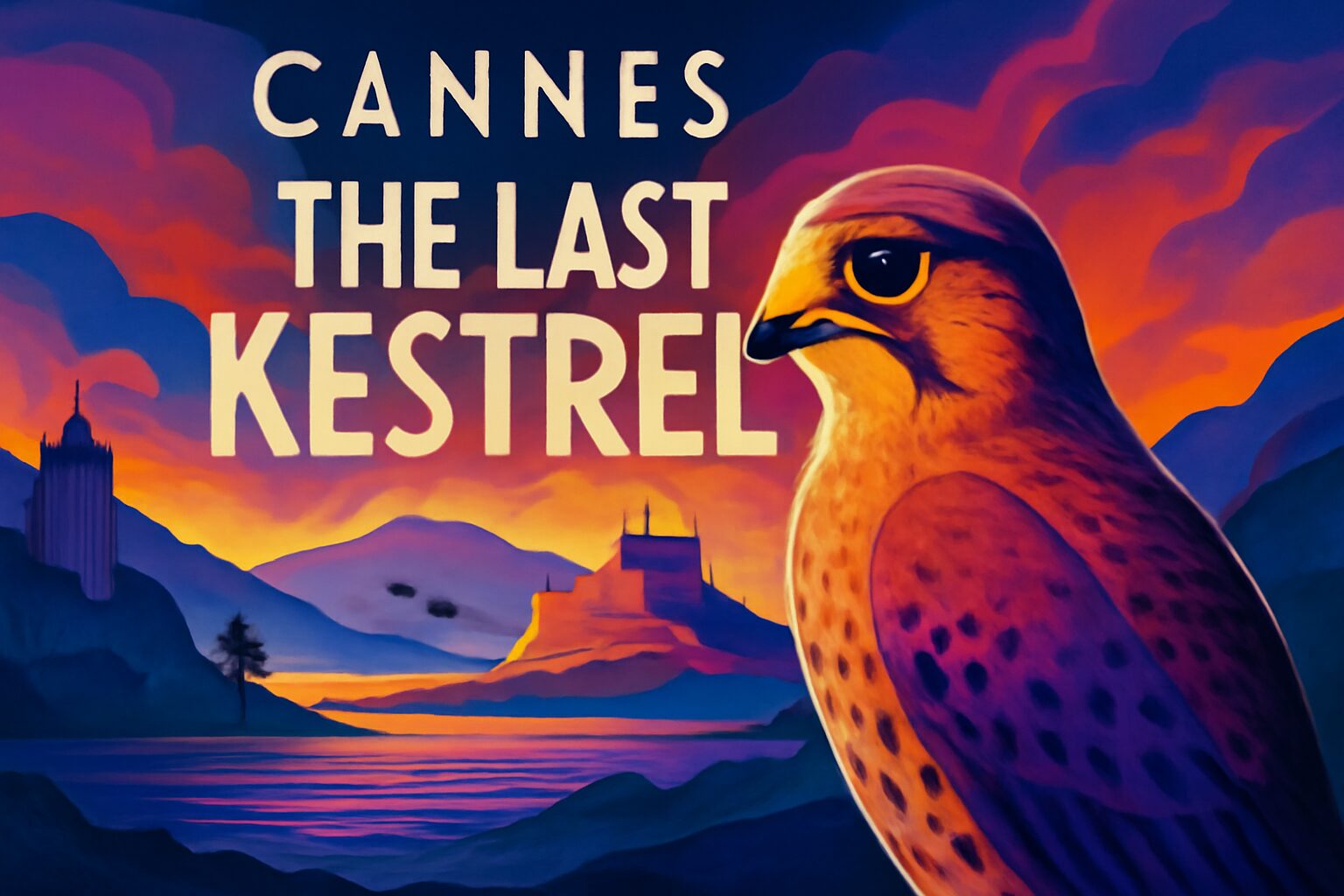
The 79th Cannes Film Festival has opened, and its spotlight is shining brightly on the rugged landscapes of Scotland. The premiere of the historical drama ‘The Last Kestrel’ is not just a major cinematic event; it’s a powerful invitation to the world to discover the wild beauty of the Isle of Skye and the Scottish Highlands. Early reviews and the director’s own words confirm that the landscape is more than a mere backdrop—it’s a central character, poised to captivate a global audience.
The Power of the Silver Screen: Scotland’s History of Film-Induced Tourism
This is not the first time a major production has cast Scotland in a leading role. The phenomenon, known as “film-induced tourism” or “set-jetting,” has a proven and powerful track record in the country.
The ‘Braveheart’ Effect
Mel Gibson’s 1995 epic, Braveheart, is a prime example. Following its release, visitor numbers to the Wallace Monument in Stirling reportedly surged by an astonishing 300%. The film cemented Scotland’s image as a land of heroic history and breathtaking scenery for a generation of travelers.
The ‘Outlander’ Phenomenon
More recently, the TV series Outlander has created a massive tourism boom. According to a report by VisitScotland, attractions featured in the show saw a 67% average increase in visitors between 2014 and 2018. Historic sites like Doune Castle (the real-life Castle Leoch) experienced unprecedented levels of interest, demonstrating the sustained impact a popular series can have.
From Hogwarts to 007
Other iconic films have also left their mark. The Glenfinnan Viaduct became a must-see pilgrimage site for Harry Potter fans wanting a glimpse of the Hogwarts Express, while the dramatic drive through Glen Coe in Skyfall showcased the Highlands’ moody and majestic atmosphere to millions of James Bond enthusiasts.
What to Expect from ‘The Last Kestrel’ Effect
With its high-profile launch at Cannes, ‘The Last Kestrel’ is perfectly positioned to create the next major tourism wave. The film’s focus on the Isle of Skye and the wider Highlands suggests these specific areas will see a significant influx of interest.
Economic Impact and Regional Focus
International travelers inspired by the film will likely seek to experience the filming locations firsthand. This translates directly into economic benefits for local communities through increased bookings for accommodation, restaurants, and tour operators specializing in exploring the rugged terrain. The global platform of Cannes ensures that the film’s marketing reach is immense, potentially attracting visitors from new international markets.
A Challenge of Sustainability
However, this projected success also brings challenges. The Isle of Skye, in particular, has already faced issues with overtourism in recent years, with its infrastructure straining under peak season demand. The “Last Kestrel effect” could exacerbate these pressures. This highlights a growing need for sustainable tourism strategies that manage visitor flow, protect the fragile natural environment, and ensure the benefits are felt throughout the local community without compromising the very beauty that attracts visitors in the first place.
The Journey Ahead for Scottish Tourism
‘The Last Kestrel’ is more than just a film; it’s a global advertisement for the timeless allure of Scotland. It reaffirms the country’s status as a world-class filming destination and a dream for adventurous travelers. As the world watches, the Scottish Highlands are preparing for their next close-up. For those inspired by the silver screen, the dramatic landscapes of Skye and beyond are waiting to be explored.