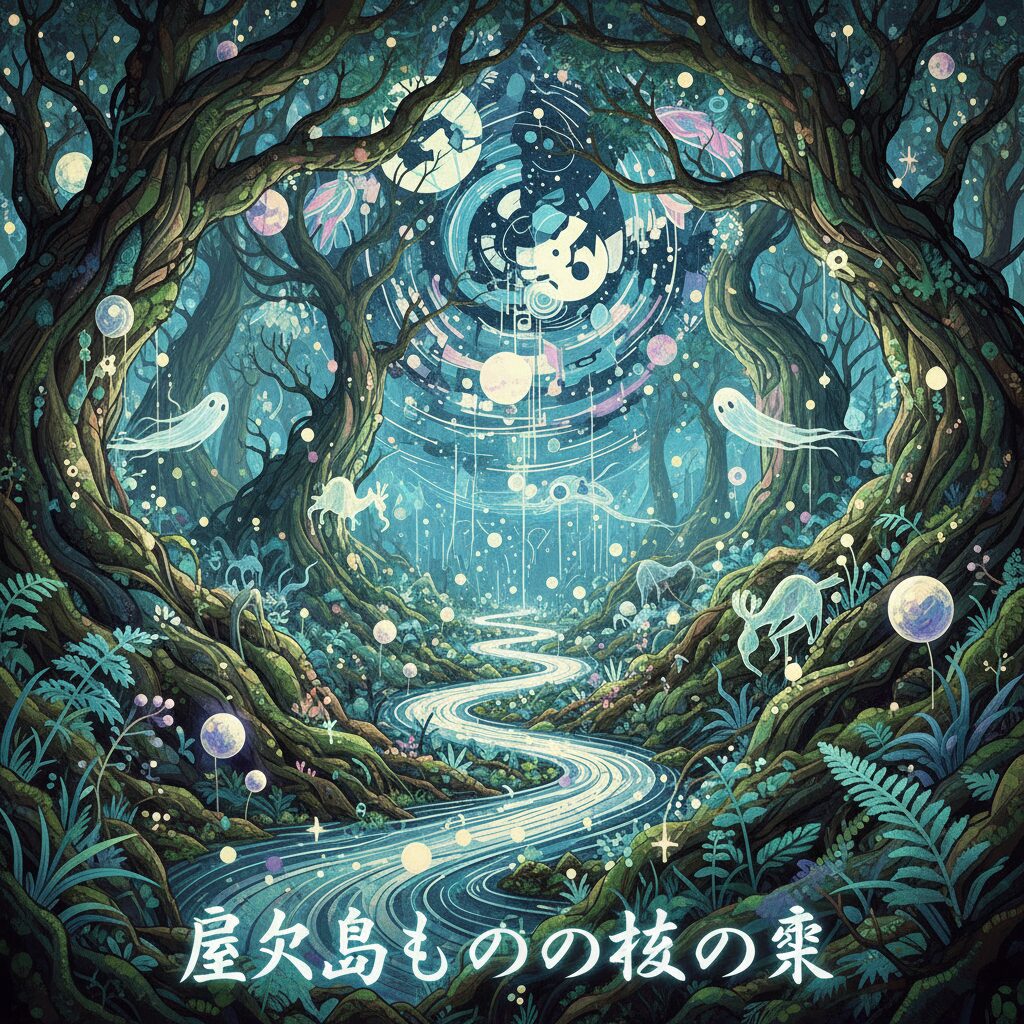
There’s a moment when you step off the ferry or the small prop plane onto Yakushima Island when the air changes. It’s not just the humidity, a thick, green blanket that wraps around you. It’s the scent. It smells ancient, a primal perfume of damp earth, thousand-year-old wood, and the clean, sharp tang of constant rain. This isn’t just another island off the coast of southern Japan; it’s a portal. For millions around the world, this is the living, breathing soul of one of the greatest animated films ever created: Hayao Miyazaki’s Princess Mononoke. You come here seeking the home of the Forest Spirit, of San and her wolf gods, and you find something even more profound—a world where the myth feels undeniably, powerfully real.
To visit Yakushima is to walk through the very concept art of Studio Ghibli, a pilgrimage to a landscape so fantastical it had to be true. It’s a place where gnarled roots carpet the ground in intricate patterns, where moss glows with an almost supernatural light, and where the silence is broken only by the drip of water from leaf to stone and the distant call of a Yakushika deer. This island, a UNESCO World Heritage site, is a testament to nature’s enduring power and the wellspring of inspiration for a cinematic masterpiece that explored the delicate, often violent, balance between humanity and the wild. It’s a journey for the film lover, the nature enthusiast, the hiker, and the seeker of quiet magic. Prepare to have your breath taken away, not just by the climbs, but by the sheer, overwhelming beauty of it all.
For those who find Yakushima’s timeless mystique irresistible, a modern anime pilgrimage into real-world cinematic landscapes offers another transformative journey.
The Living Heart of Mononoke Hime
The link between Yakushima and Princess Mononoke is far from coincidental; it forms the very foundation of the film. Hayao Miyazaki and his team of artists made numerous trips to the island, sketching, photographing, and soaking in the atmosphere of its ancient forests. The outcome is an animated world that feels remarkably authentic. The best place to experience this most vividly is the Shiratani Unsuikyo Ravine. As you step onto the trail, you are stepping directly into the film.
The forest floor is a tangled tapestry of exposed roots, twisting over and under each other like slumbering serpents. Everything—and I mean everything—is blanketed in a thick, velvety carpet of moss. Dozens of shades of green, from deep emerald to bright chartreuse, shimmer in the filtered sunlight that filters through the dense canopy. The air is cool and moist, filled with the sound of babbling streams carving their way through the granite terrain. You’ll naturally find yourself lowering your voice, walking softly, as if not to disturb the kodama, the tiny tree spirits you half-expect to glimpse peeking from behind branches. The famous “Moss-covered Forest,” or Kokemusu-no-mori, is a particular part of the ravine that inspired the Forest Spirit’s domain. It is an overwhelming, humbling sight. The rocks, the trees, the very air seem alive, breathing with an ancient rhythm. It’s easy to see how Miyazaki imagined a world of gods and demons inhabiting such a place of raw, untamed power.
Walking Among Giants: The Yakusugi Cedars
While the moss-covered ravines contribute to the film’s ethereal ambiance, it’s the ancient cedar trees, the Yakusugi, that truly embody the island’s spirit. These trees have stood for millennia, silently witnessing the rise and fall of civilizations. To be classified as a Yakusugi, a cedar must be at least 1,000 years old; many are significantly older. Their bark is gnarled and weathered, their trunks remarkably thick, and their branches stretch skyward like the arms of weary old gods. They inspire a reverence that borders on worship.
The most renowned of these giants is the Jomon Sugi. Estimated to be between 2,000 and 7,200 years old, it stands as one of the oldest living trees on Earth. Reaching it is no easy task. It requires a grueling 10-to-12-hour round-trip hike starting before dawn. You traverse old logging railway tracks, cross suspension bridges over deep gorges, and finally climb a steep mountain path. The journey is demanding, a true test of endurance. But the reward is profound. Standing on the viewing platform before this colossal being is an incredibly moving experience. Its immense scale is hard to grasp. It feels less like a tree and more like a monument to time itself. It has endured countless typhoons, earthquakes, and the ever-changing world around it. In its presence, your own worries seem incredibly small. This is the ultimate pilgrimage on an island of natural wonders—a direct encounter with the ancient life force that inspired the story of the Forest Spirit.
Choosing Your Path: Trails for Every Traveler
Yakushima’s magic is not limited to elite mountaineers. The island offers a variety of trails that cater to visitors of all fitness levels, allowing everyone to enjoy its unique beauty. The key is selecting the right path based on your time, energy, and companions.
Shiratani Unsuikyo Ravine: The Ghibli Dreamscape
This is undoubtedly the most popular and accessible way to step into the world of Princess Mononoke. The park provides several well-marked routes, ranging from a gentle one-hour loop to a more challenging four-hour trek that leads to Taikoiwa Rock, where you can enjoy a breathtaking panoramic view of the island’s mountainous interior. Even the shortest trails take you through the iconic mossy landscapes. Paths consist of earth trails, wooden staircases, and stone steps, making them manageable for most visitors, including families with older children. It’s the perfect spot to soak in the island’s mystical atmosphere without committing to a full-day excursion.
Yakusugi Land: A Gentle Introduction
Don’t let the name mislead you; this is not a theme park. Yakusugi Land is another protected forest area that offers an even more accessible experience. It features a network of trails, some with wooden boardwalks and paved sections, making it ideal for a leisurely walk. It’s an excellent option for those with mobility challenges or very young children. Here, you can still stroll among magnificent Yakusugi, including the Buddhasugi and a pair known as the ‘Mother and Child’, without the demanding hiking required elsewhere. It offers awe-inspiring trees with minimal effort, proving Yakushima’s giants are accessible to all.
The Jomon Sugi Trail: The Ultimate Quest
This is the big one—the pilgrimage. As mentioned, it demands a full-day commitment with an early start (around 4 AM) to catch the bus to the trailhead. Proper hiking gear is essential: sturdy waterproof boots, rainwear, a headlamp for the pre-dawn hike, and plenty of food and water. The first few hours follow the flat Anbo Forest Railway track, but the final ascent is steep and challenging. While not technical, it’s a long and exhausting day. This trail is for the dedicated hiker seeking an audience with the king of the forest. The sense of accomplishment, combined with the profound experience of witnessing the Jomon Sugi, becomes a memory that lasts a lifetime.
Beyond the Forest: Yakushima’s Other Charms
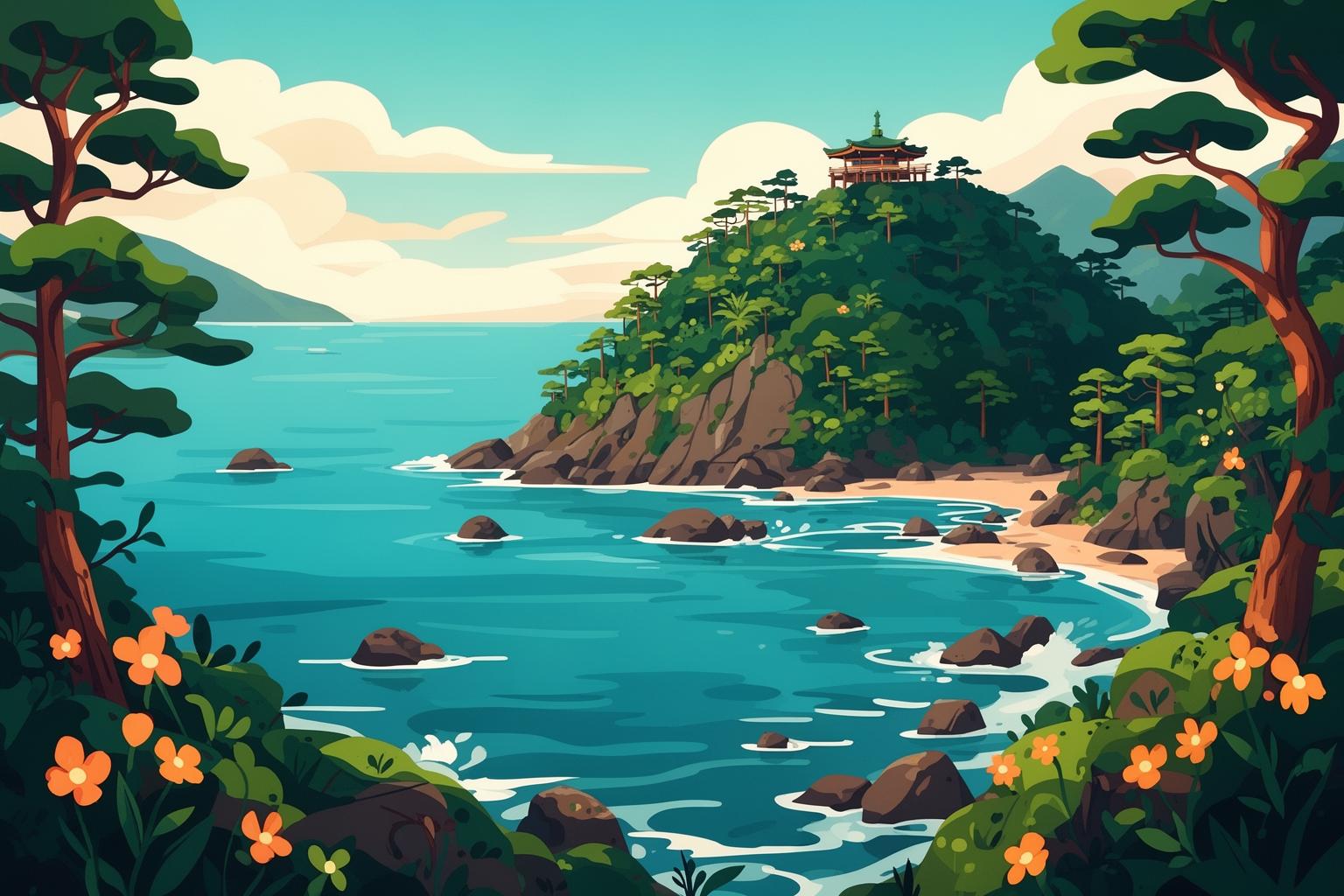
While the ancient forests are Yakushima’s primary attraction, the island is a world unto itself, boasting a breathtaking coastline, powerful waterfalls, and distinctive cultural experiences that enrich any visit. Focusing solely on the trees means missing half the story.
Coastal Wonders and Sea Turtles
Yakushima’s coastline features a dramatic blend of rugged granite cliffs and pristine sandy beaches. Nagata Inakahama Beach stands out as a beautiful stretch of golden sand and the most important nesting ground for loggerhead sea turtles in the North Pacific. From May through August, guided nighttime tours offer the chance to respectfully witness female turtles hauling themselves ashore to lay their eggs. It’s a humbling and unforgettable experience that connects you deeply to the island’s vibrant marine ecosystem.
Waterfalls and Rivers
They say it rains “35 days a month” on Yakushima, and all that rainwater shapes the landscape with powerful rivers and spectacular waterfalls. Senpiro-no-taki and Oko-no-taki are two of the most impressive and easily accessible. Oko-no-taki, especially, is a giant, cascading 88 meters down a sheer cliff face. You can approach its base and feel the thunderous force of the water and the cool mist on your face. It’s a refreshing and awe-inspiring contrast to the quiet stillness of the deep forest.
Onsen by the Sea
For a truly unique Japanese experience, seek out one of Yakushima’s seaside hot springs, or onsen. Hirauchi Kaichu Onsen is perhaps the best known. These aren’t luxury spa resorts but natural pools formed among the seaside rocks, accessible only for a few hours around low tide. You share the pools with a few locals, soaking in the naturally hot, sulfurous water while listening to the waves crash just a few feet away. It’s rustic, communal, and an incredibly soothing way to relax your weary muscles after a long day of hiking.
Practical Pilgrimage: Planning Your Trip to the Enchanted Isle
A trip to a remote and wild destination like Yakushima requires some planning, but the logistics are simple once you understand the basics.
Getting There
The island lies south of Japan’s main island, Kyushu. The primary gateway is the city of Kagoshima. From there, you have two main options: take a short flight (around 40 minutes) from Kagoshima Airport directly to Yakushima Airport (KUM), which is the quickest and most convenient choice, or take a ferry from Kagoshima Port. The high-speed jetfoil ferry (the “Toppy” or “Rocket”) takes about two to three hours, while the slower and much cheaper car ferry takes roughly four hours and is the only option if you plan to bring a vehicle.
Getting Around
The most crucial practical advice is to rent a car. Although there is a public bus system, buses run infrequently and don’t cover all the major trailheads and points of interest conveniently. Having a car gives you the freedom and flexibility to explore the island at your own pace—from watching the sunrise on the east coast to reaching a remote waterfall on the west side. Make sure to book your rental car well in advance, especially during peak seasons, as availability can be limited.
When to Go
Yakushima can be visited year-round, with each season offering a unique experience. Spring (March-May) and autumn (October-November) are generally regarded as the best times to visit due to pleasant temperatures and more stable weather. Summer (June-September) tends to be hot and humid, coinciding with the rainy and typhoon seasons, though it’s also when sea turtles nest. Winter (December-February) keeps coastal areas mild but brings heavy snowfall to the high mountains, often closing the higher-altitude trails except to the most experienced and well-equipped mountaineers.
What to Pack
No matter when you visit, pack for rain. High-quality waterproof gear is essential. This includes a reliable rain jacket, waterproof pants, and, most importantly, waterproof hiking boots with good traction. Trails can be wet, muddy, and slippery. A waterproof cover for your backpack is also a smart choice. Dress in layers so you can easily add or remove clothing as you warm up during hikes or cool down at higher elevations.
A Taste of the Island: Local Flavors and Where to Find Them
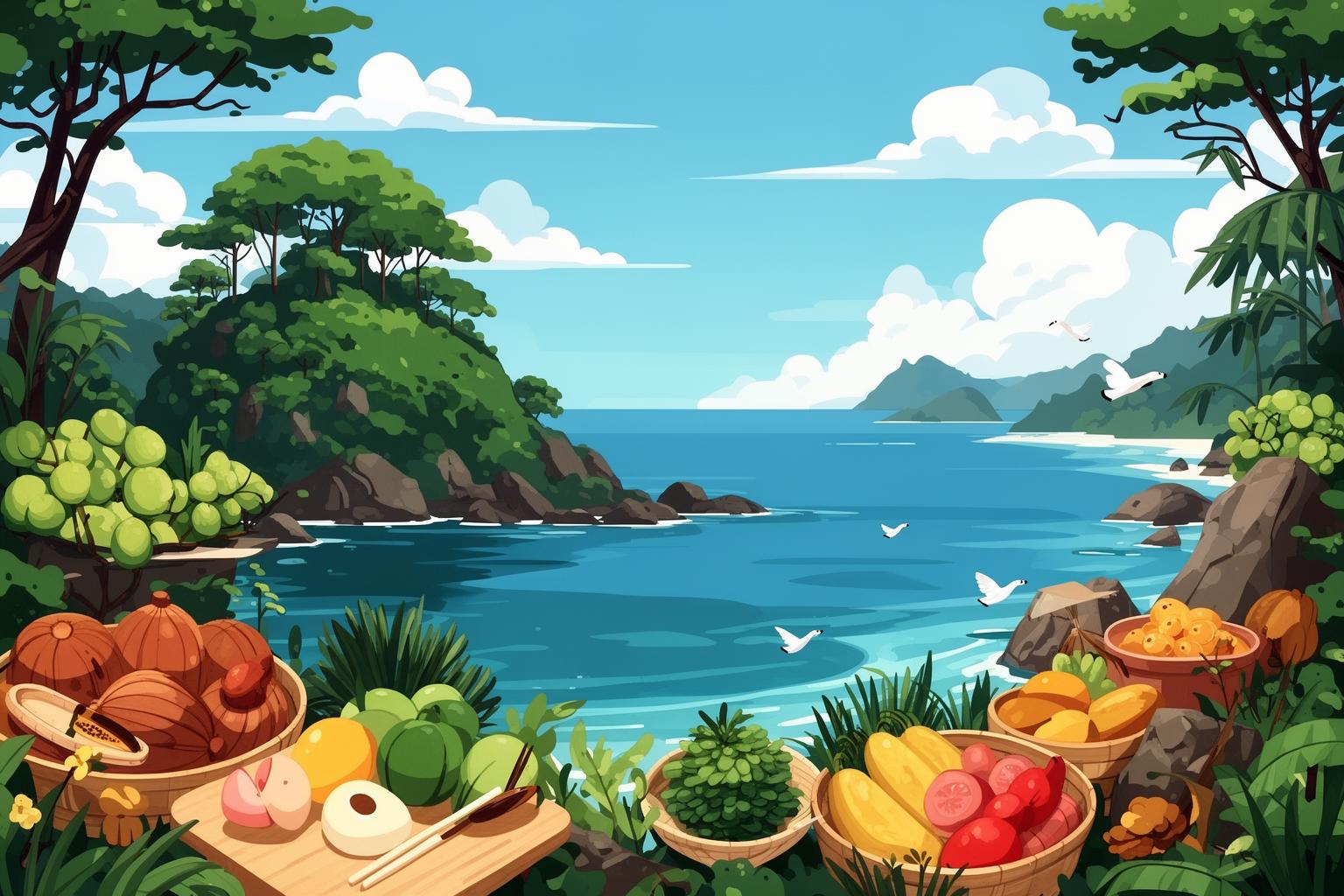
Exploring the nature of Yakushima builds up an appetite, and the island’s cuisine directly mirrors its environment. The most renowned local specialty is flying fish, or tobiuo, often served deep-fried with fins intact, creating a crispy and tasty dish. The island is also famous for its citrus fruits, especially the sweet ponkan and tankan tangerines, which feature in everything from juices to desserts. To complement your meal, try the local shochu, a distilled spirit. Mitake is a well-known brand, appreciated for its smooth, clean flavor that is attributed to the island’s famously pure water.
The main towns of Miyanoura (home to the main ferry port) and Anbo offer a variety of small, family-owned restaurants and izakayas where you can taste these local specialties. Dining here is a relaxed and welcoming experience, an ideal way to recharge and reflect on the day’s adventures.
An Echo in the Soul
You may visit Yakushima in search of a film set, but you will depart having discovered a sanctuary. It’s a place that readjusts your perception of time and scale. Standing beneath a tree that was a sapling during the height of the Roman Empire, or watching a turtle follow an instinct millions of years old, transforms you. The island does more than simply inspire art; it reminds us of the world from which all our myths and stories arise. It’s a living, breathing testament to the magic Hayao Miyazaki aimed to capture on screen—the deep, powerful, and sometimes intimidating beauty of the natural world. Long after you have left, when you close your eyes, you will still hear it: the whisper of the wind through the ancient cedars, an echo of the forest gods that remains in your soul forever.