
There’s a unique magic that settles over a city when it becomes the backdrop for a story that captures the world’s heart. Streets you might have walked past a hundred times are suddenly imbued with a new layer of meaning, a phantom echo of characters who felt so real they might as well have lived there. This is the essence of seichi junrei, or sacred site pilgrimage, a modern-day journey where fans walk in the footsteps of their beloved fictional heroes. For millions, Makoto Shinkai’s masterpiece, Your Name. (Kimi no Na wa), wasn’t just a film; it was an emotional odyssey that painted Tokyo in breathtaking strokes of light, longing, and serendipity. The film’s dazzling animation brought the city to life, but its true power lies in its grounding in reality. The train platforms, the quiet shrines, the bustling cafes—they exist. They are waiting for you. This journey is more than a simple sightseeing tour; it’s a chance to step through the screen and feel the pulse of Taki’s Tokyo, to search for the ghost of Mitsuha’s wonder, and to perhaps find a connection you never expected in the sprawling, beautiful metropolis. It’s an exploration of how a fictional narrative can forever change our perception of a real place, transforming ordinary corners into repositories of extraordinary feeling. Here, we’ll trace the threads of fate woven throughout the city, from the iconic red-railed staircase to the soaring architectural marvels that framed a fateful date. This is your map to the heart of the story, a guide to experiencing the world of Your Name. with your own eyes and your own feet on the ground.
Embrace a broader tapestry of Japan’s cinematic allure as you consider a Chichibu pilgrimage that reveals another layer of heartfelt narrative bridging fiction and reality.
The Heart of the Connection: Suga Shrine’s Iconic Steps
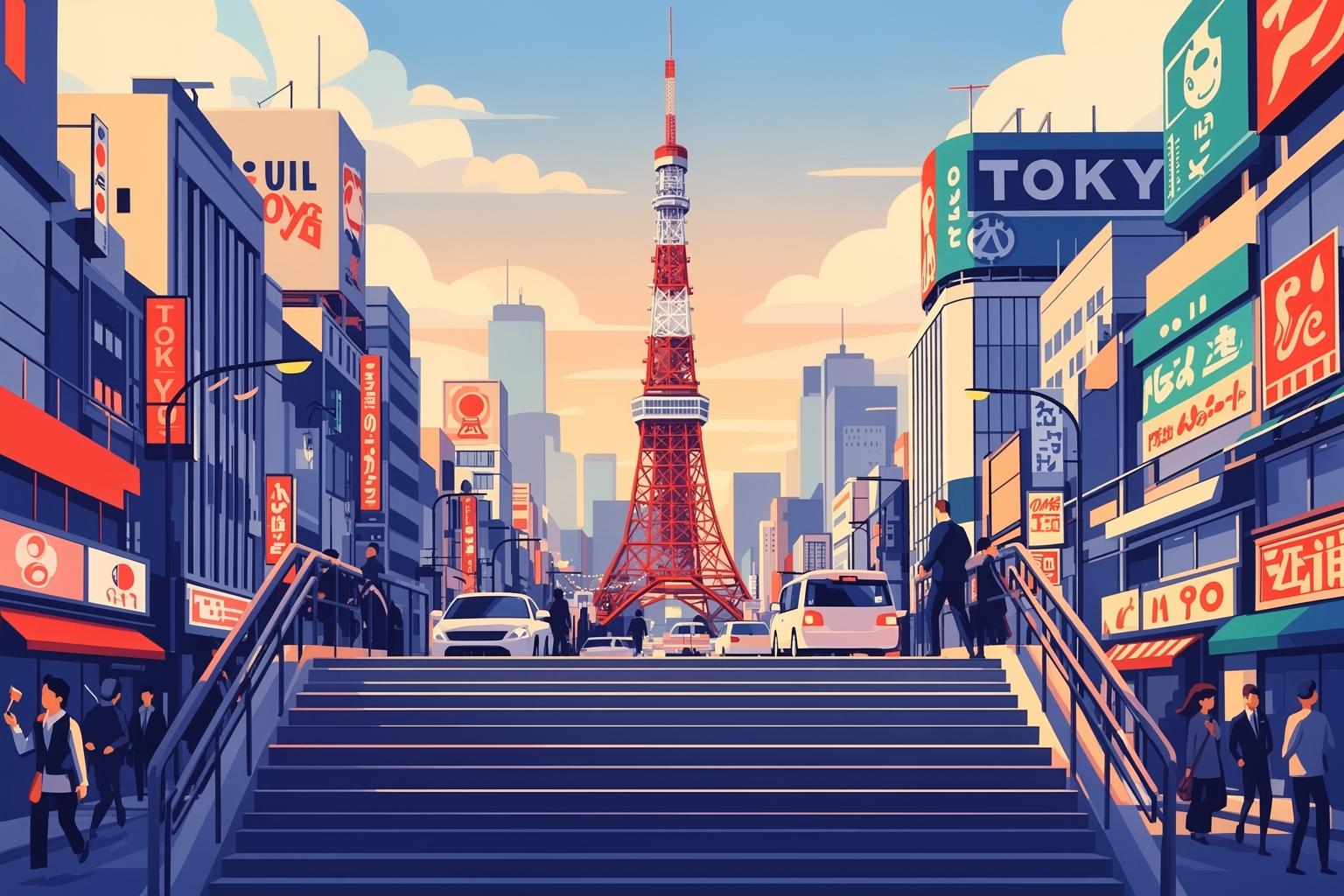
Every story has its emotional core, a single place where all its thematic elements come together. In Your Name., that place is undeniably the striking staircase leading to Suga Shrine. It serves as the backdrop for the film’s poignant, beautifully crafted climax, where Taki and Mitsuha, years after their celestial bond has faded into a dream, finally reunite. The image is etched into the memory of every fan: two people, separated by time and memory, ascending from opposite directions, a tangible tension in the air before the shy, hopeful question, “Kimi no namae wa?” or “What’s your name?”
Standing on these steps in reality is an experience that goes beyond typical sightseeing. Nestled in a quiet, modest residential area of Yotsuya in Shinjuku Ward, the staircase exudes a stillness that feels almost sacred. Discovering it feels like uncovering a secret. You emerge from the urban buzz of Yotsuya Station and meander through narrow streets, past quaint homes and local shops, as the city’s noise gradually softens to a gentle murmur. Then, you turn a corner, and it appears. The steep slope, the distinctive red handrail, the canopy of green trees framing the view from above—it’s instantly and breathtakingly familiar.
The ambiance here carries a quiet reverence. You’ll often spot other visitors, cameras ready, aiming to perfectly capture the film’s iconic shot. There’s an unspoken solidarity among them, a shared appreciation for why this seemingly ordinary staircase feels so deeply special. The air is thick with the ghostly presence of the film’s concluding moments. Looking down from the top, you can almost envision Taki climbing. Looking up from below, Mitsuha’s hesitant pause feels profoundly real. It stands as a powerful tribute to the art of filmmaking, where a simple piece of urban architecture is transformed into a symbol of hope, fate, and the enduring quest for connection.
Visiting the Shrine and Steps
Access is simple. The nearest station is Yotsuya Station, served by the JR Chuo-Sobu Line and the Tokyo Metro Marunouchi and Namboku Lines. From there, it’s a pleasant ten to fifteen-minute walk. Using a map app is highly advised, as the last turns can be somewhat confusing within the residential maze. The best time to visit is on a weekday morning. The light is gentle, ideal for photography, and you’ll find fewer people, allowing for a more reflective experience. Weekends, especially sunny ones, tend to attract larger crowds of fans and locals alike.
Keep in mind, this is a residential neighborhood and a religious site. Suga Shrine itself rests peacefully at the top of the stairs. It is an active Shinto shrine with a history that long precedes its cinematic fame. Visitors should be respectful and mindful. Keep voices low, avoid blocking pathways used by residents, and if you visit the shrine grounds, observe proper etiquette. A small bow before passing through the torii gate is a simple sign of respect. While the staircase is the primary attraction for film enthusiasts, taking a moment to appreciate the quiet dignity of the shrine adds another layer of meaning to the pilgrimage. It links the fictional moment to a place of real, tangible history and spirituality, anchoring the fleeting magic of the film in the enduring culture of its setting.
Echoes of Missed Connections: Shinanomachi and the Pedestrian Bridge
Before the final, destined reunion at Suga Shrine, the story of Your Name. is marked by a series of near-misses—moments when Taki and Mitsuha are separated by just a few feet, their timelines heartbreakingly out of sync. One of the most poignant locations for these near-encounters is the pedestrian bridge near Shinanomachi Station. The film returns to this spot multiple times, showing Taki walking one way while Mitsuha, on another day and a different train, passes unknowingly beneath. It serves as a visual metaphor for their entire relationship: so close, yet worlds apart.
Visiting the actual bridge is an exercise in urban reflection. Situated just outside Shinanomachi Station on the JR Chuo-Sobu Line, the bridge is a practical, unremarkable piece of city infrastructure. Yet for fans of the film, it is anything but. Standing on the metal walkway, the rhythmic clatter of trains passing below becomes the soundtrack to your own cinematic moment. The view corresponds exactly to how Shinkai depicted it: a web of tracks curving into the distance, bordered by city buildings. You can sense the constant, forward momentum of Tokyo all around you—the trains, the cars on the road beneath, the people hurrying past. It’s within this unceasing flow of urban life that the film’s quiet moments of longing feel especially profound.
The atmosphere here contrasts with the peaceful reverence of Suga Shrine. It’s more melancholic, more contemplative. You find yourself observing the faces of people on the trains as they speed by, wondering about their stories—their own connections made and missed. The bridge is a place to pause and watch the intricate, impersonal dance of the city, appreciating how Shinkai uncovered such deep, personal emotion within it. It’s a reminder that even in a vast metropolis, individual tales of hope and separation unfold on every corner, every bridge, and in every passing train car.
Capturing the Moment
Getting here is remarkably simple. Just exit Shinanomachi Station, and the bridge is immediately visible. No lengthy walk or complicated directions are needed. Due to its convenient location, you can visit at nearly any time of day. However, to truly capture the film’s aesthetic, consider coming in the late afternoon when the ‘golden hour’ light softens the city’s edges and casts long shadows, reminiscent of Shinkai’s famously beautiful skies. Evening is also an excellent time, as the train lights and city glow combine to create a completely different yet equally cinematic atmosphere.
A useful tip for photographers is to be patient. The secret to replicating the film’s scenes is waiting for a yellow Chuo-Sobu Line train to pass beneath. They arrive every few minutes, so your wait won’t be long. Using a slightly longer lens can help compress the background, bringing the tracks and distant buildings closer and more dramatic—similar to the anime’s framing. As always, be mindful of your surroundings. This is a public walkway, so avoid blocking the path for commuters and locals going about their day. This bridge perfectly embodies the philosophy of seichi junrei: discovering the extraordinary within the ordinary.
A Taste of Taki’s World: The National Art Center and Cafe Culture
The pilgrimage isn’t solely about the emotional peak or the poignant near-misses; it also involves immersing oneself in the everyday lives of the characters. A notable part of Taki’s story takes place during his date with his colleague, the graceful Miki Okudera. This scene offers insight into a more refined, artistic side of Tokyo, centered around two iconic and well-loved spots: The National Art Center in Roppongi and the restaurant where he works part-time.
The National Art Center, Roppongi
First, their date destination: The National Art Center, Tokyo. In the film, this location is depicted with remarkable accuracy. The camera smoothly moves along its wave-like glass facade, capturing sunlight streaming into the expansive atrium and shimmering across the sleek concrete cones that dominate the interior. This scene highlights Taki’s (or rather, Mitsuha-in-Taki’s) appreciation for art and design, with their lunch conversation at the center’s café serving as an important moment for character development.
Stepping into the actual National Art Center is breathtaking. Designed by renowned architect Kisho Kurokawa, the building is a modern design masterpiece. Rather than housing a permanent collection, it hosts a rotating lineup of world-class special exhibitions. Inside, the atmosphere is one of light, openness, and understated elegance. The large atrium feels expansive and serene, even when busy. You can easily recognize the café where Taki and Okudera-senpai sat: the Salon de Thé Rond, perched atop one of the giant concrete cones. It’s a truly unique dining spot, offering sweeping views of the interior architecture. Visiting this place is a twofold pleasure—you get to relive a charming film moment while also experiencing one of Tokyo’s premier cultural institutions. It perfectly illustrates how a pilgrimage can deepen your travel experience, bringing you to places you might have wished to visit anyway.
Cafe La Bohème Shinjuku Gyoen
Next is the restaurant where Taki works, a setting for many of his interactions with Okudera-senpai and his friends. The real-world counterpart is Cafe La Bohème Shinjuku Gyoen, a charming Italian eatery with a distinctly European, almost regal atmosphere. Its high ceilings, dramatic chandeliers, and classic decor create a space far removed from the neon-lit buzz of Shinjuku proper. The film’s restaurant is an exact recreation, including the layout and staff uniforms. Dining here feels like stepping into the movie as an extra. The ambiance is warm and inviting, filled with lively conversation. It’s well-known for offering good value and delicious pasta and pizzas. This location offers a wonderful chance to shift from being a passive observer of the story to an active participant. You can order a meal, relax, and immerse yourself in the setting, imagining Taki moving busily between tables. It adds a rich, sensory layer to the pilgrimage, linking you to the story through taste and smell, not just sight.
Planning Your Visit
It’s best to visit these two places on the same day, as they represent one cohesive narrative arc in the film. The National Art Center can be reached easily from Nogizaka Station on the Tokyo Metro Chiyoda Line or Roppongi Station on the Oedo and Hibiya Lines. Be sure to check their website for current exhibitions and hours, and note that the center is closed on Tuesdays. For Cafe La Bohème, the nearest stop is Shinjuku-Gyoenmae Station on the Marunouchi Line. Due to its popularity, booking a reservation ahead of time is highly recommended, especially for dinner or weekend visits. Visiting these locations lets you experience the more polished, stylish Tokyo that Taki inhabits, providing a striking contrast to the quiet, residential atmosphere of the Yotsuya settings.
Navigating the Urban Maze: Shinjuku’s Cinematic Landscapes
While specific sites like Suga Shrine act as emotional anchors for the Your Name. pilgrimage, the wider cityscape of Shinjuku serves as the vibrant, pulsating backdrop where Taki’s life unfolds. Makoto Shinkai excels at portraying the hyper-realistic beauty of urban Japan, and his depiction of Shinjuku is a heartfelt tribute to its organized chaos, towering scale, and unexpected moments of beauty.
Throughout the film, we are treated to sweeping panoramic views of Shinjuku’s skyline, a dense jungle of glass and steel. The iconic NTT Docomo Yoyogi Building, with its distinctive clock tower, pierces the sky. We see the cluster of skyscrapers in West Shinjuku, representing modern Tokyo’s corporate might. The film also captures street-level scenes—the famous crisscrossing train lines, crowded pedestrian crossings, and massive electronic billboards like the Yunika Vision screen, which plays a small but recognizable part in the film’s montage sequences.
Exploring Shinjuku through the lens of Your Name. is less about ticking off specific landmarks and more about soaking in the atmosphere. It’s about experiencing the energy Taki would have felt on his daily journeys to school or work. The best way to do this is to immerse yourself fully. Begin at Shinjuku Station, the world’s busiest train station, and let the flow of people guide you. Feel the sensory overload of the flashing lights and advertisements around the East Exit, then contrast this with the more structured, corporate canyons of the West Exit.
For a truly cinematic perspective—one matching the view shown in the film—head to the Tokyo Metropolitan Government Building. Its twin towers offer free observation decks on the 45th floor, providing a stunning panorama of the city. From here, the entire movie landscape spreads out before you. You can trace the train lines, spot the Docomo tower, and on a clear day, even glimpse Mount Fuji in the distance—a silent, powerful presence just as it appears in Shinkai’s work. This moment helps you grasp the vast scale of the city Taki calls home and makes the intimate, personal story of Your Name. feel all the more extraordinary against such an immense backdrop.
A Pilgrim’s Practical Guide
Embarking on a seichi junrei is a profoundly rewarding experience, and a bit of preparation can make the journey smoother and more enjoyable. Tokyo is a vast city, but with some planning, following Taki and Mitsuha’s footsteps becomes a perfectly manageable and delightful adventure.
Planning Your Route
A practical way to approach the pilgrimage is to group the locations by proximity. The key emotional sites, Suga Shrine and the Shinanomachi pedestrian bridge, are within walking distance of each other. You can begin your day at Yotsuya Station, visit the shrine, and then take a leisurely walk to Shinanomachi. This route offers a lovely glimpse of a quieter, more residential part of central Tokyo. From Shinanomachi, it’s easy to take the train to your next destinations. Shinjuku is just a few stops away, making it a natural next stop. There, you can explore the station area and visit the Tokyo Metropolitan Government Building for stunning skyline views. Later in the afternoon or evening, you can focus on the Roppongi and Shinjuku Gyoen area, stop by the National Art Center, and finish with dinner at Cafe La Bohème. This itinerary creates a satisfying flow to your day, moving from serene reflection to urban exploration and ending with a delightful meal.
What to Bring
In addition to the usual essentials like your phone and wallet, a few key items will improve your pilgrimage experience. Most importantly, wear comfortable walking shoes. You’ll be covering quite some distance, and the journey between locations is part of the adventure. A portable phone charger is essential. With navigating maps, taking photos, and possibly listening to the film’s soundtrack by Radwimps to set the mood, your battery will drain quickly. It’s also a great idea to have screenshots of the film scenes saved on your phone. This lets you create side-by-side comparison photos, a classic and deeply satisfying ritual of the seichi junrei. Lastly, an IC card such as a Suica or Pasmo is invaluable for effortlessly hopping on and off trains.
Etiquette and Respect
This is arguably the most important part of any pilgrimage. It’s crucial to remember these are not film sets; they are real locations where people live, work, and worship. The ongoing success of seichi junrei culture relies on the respectful conduct of its participants. In residential areas like Yotsuya, keep your voices low and be mindful of private property. Avoid blocking sidewalks or driveways when taking photos. At Suga Shrine, behave as you would at any religious site—be quiet and considerate of worshippers. When visiting businesses such as Cafe La Bohème, remember you are a paying customer, not just a photographer. Order something, enjoy the service, and show respect to the staff and other patrons. The general rule is simple: leave each place exactly as you found it and engage with the local community with kindness and consideration. By being a respectful pilgrim, you honor both the story you cherish and the real world that brought it to life.
Beyond the Frame: The Magic of Seichi Junrei
What exactly motivates someone to travel across a city, or even across the globe, to stand on a particular staircase or gaze from a certain bridge? The enchantment of seichi junrei goes beyond merely replicating a photo. It involves bridging the gap between fiction and reality. When you stand in a spot from Your Name., the film’s world merges with your own. The city’s ambient sounds, the quality of the light, the sensation of the breeze—sensory elements that can never be fully captured on screen—become part of your personal connection to the story.
These locations serve as tangible anchors for the deep emotions the film inspires. Standing on the Shinanomachi bridge, you’re not just observing a scene; you’re experiencing the weight of all the missed connections in your own life. When you finally climb the steps to Suga Shrine, there is a genuine sense of release, a feeling of arrival reflecting the characters’ emotional path. You stop being merely a spectator; you become a participant, engaging physically with the narrative.
Moreover, it cultivates a special sense of community. You may share a knowing smile with another fan at the top of the stairs, a silent recognition of your shared enthusiasm. You belong to a global tribe, united by your love for a story that transcended language and culture. This pilgrimage confirms that the stories that move us are not just escapism; they are lenses through which we perceive our own world anew, discovering beauty, meaning, and a hint of magic in the most ordinary places.
Your own journey through the world of Your Name. will be one of discovery. It’s an opportunity to see Tokyo not just as a tourist, but as a treasure hunter, searching for hidden crossroads of imagination and reality. Let the film guide you, but stay open to the unexpected moments between—the charm of a quiet side street, the taste of coffee in a local café, the city skyline as dusk falls. These details will make the story yours. As you follow in Taki and Mitsuha’s footsteps, you’re not just revisiting their tale; you’re creating a new memory of a day when the world of a beloved film became, if only for a moment, your own beautiful reality. The search for a name becomes a search for a feeling, and in the heart of Tokyo, you are sure to find it.