
There’s a unique kind of magic that happens when the world of animation bleeds into our own. It’s the surreal, heart-thumping moment you stand in a real place and realize you’ve been there before, guided not by memory, but by beautifully drawn animation cells. For millions around the globe, Makoto Shinkai’s masterpiece, “Your Name.” (Kimi no Na wa), wasn’t just a film; it was an emotional journey that tied heartstrings across time, space, and dimensions. The film’s incredible power lies not only in its breathtaking story of Taki and Mitsuha but also in its stunningly accurate portrayal of its real-world settings. While Mitsuha’s fictional town of Itomori is a composite of several beautiful locations, Taki’s world is unequivocally, vibrantly, and breathtakingly Tokyo. And for those of us with a passion for stories and a love for exploring on foot, this opens up an incredible opportunity: to walk the same streets, see the same sights, and feel the same urban pulse that defined half of this incredible narrative. This is the heart of “seichi junrei,” or anime pilgrimage, a journey to find the tangible soul of an intangible story. Our pilgrimage isn’t about just snapping photos to match a scene; it’s an urban hike into the emotional landscape of the film, a chance to find our own sense of musubi, or connection, in the sprawling metropolis. We’ll trace Taki’s footsteps through the bustling wards of Shinjuku and Yotsuya, not as tourists, but as fellow searchers, looking for that unnamed something that the film made us all feel. Before we take our first step, here is a map to guide your own journey through the intertwined fates of Taki and Mitsuha.
Urban wanderers can further explore Tokyo’s cinematic heartbeat by consulting a real-life pilgrimage guide that unveils the city’s unique connection to the film.
The First Step: Finding Your Musubi in Yotsuya
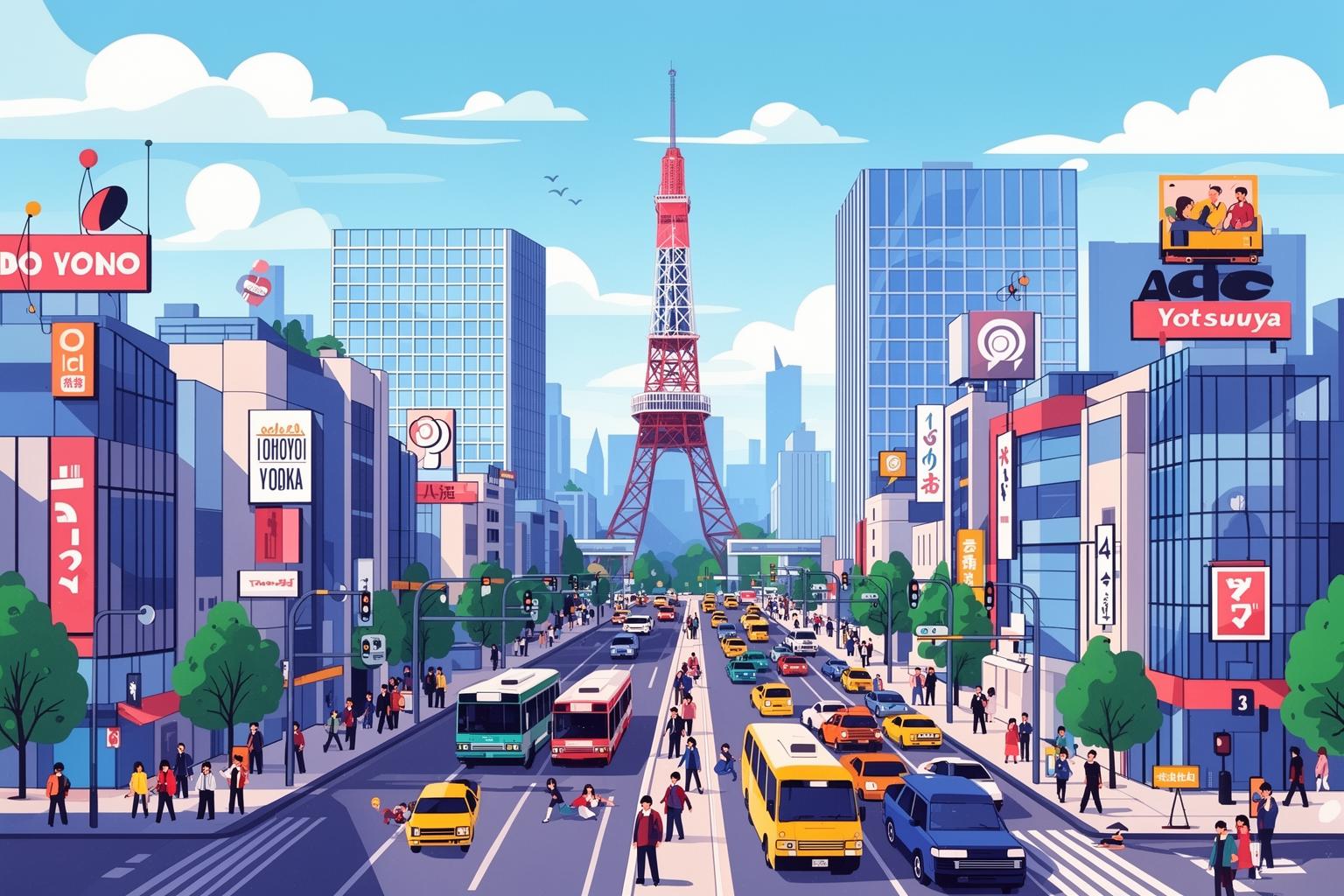
Our journey doesn’t begin amid the neon-lit chaos of central Shinjuku, but rather in the comparatively tranquil neighborhood of Yotsuya. This quiet residential area holds the film’s emotional climax and its most poignant location. Upon exiting Yotsuya Station, you immediately sense a shift in the city’s rhythm: towering skyscrapers give way to mid-rise apartments, peaceful streets, and a palpable sense of local life. This is the Tokyo people call home—a world apart from the postcard images—and an ideal starting point for an immersive urban trek. As an outdoor enthusiast accustomed to mountain trails, I find a distinct thrill in navigating these city pathways, where each street corner presents new discoveries and the landscape is defined by subtle slopes and hidden alleys. The air here carries the everyday sounds of community life rather than the roar of commercial hubs. It offers a gentle introduction, allowing you to attune your senses to the city before reaching the film’s most moving scene.
The Silent Anticipation of the Suga Shrine Stairs
From the station, you wind your way through a maze of clean, narrow streets. The fifteen-minute walk builds anticipation with every step. You pass small shops, local schools, and residents going about their daily routines—a quiet beauty that contrasts sharply with the extraordinary moment ahead. Then, you spot it. Nestled at the junction of several sloping roads and framed by buildings and a canopy of trees, the iconic red-railed stairs of Suga Shrine emerge. There are no signs or grand markers—just a simple stone stairway bearing immense narrative weight. The impact is immediate and profound—a jolt of recognition, like a memory you never had. Standing either at the bottom looking up or at the top looking down, you are instantly transported into the film’s final, heart-rending yet hopeful scene. You can almost hear RADWIMPS’ score swelling in your mind. The real-world site is strikingly faithful to its animated counterpart: the gentle curve of the road, the exact placement of the apartment buildings, the worn stone texture, and the vibrant greenery create a perfect replica. Visiting these stairs is an experience that shifts with the light and time of day. In the early morning, soft golden light filters through the leaves, casting long shadows and creating a serene, almost sacred atmosphere—an ideal moment for photography, with gentle light and no crowds. You can stand in near silence, absorbing the place’s weight. In the afternoon, the area becomes livelier with locals passing by, yet the quiet charm remains. To stand here is to occupy the space of a lingering question: “Haven’t we met before?” It is a place charged with yearning and the promise of connection. Please be respectful—this is a residential area and a sacred shrine. Take your photos quietly, and pause to visit Suga Shrine at the top of the stairs, offering a small prayer of gratitude for the journey.
Walking the Path of Near-Misses
From Suga Shrine’s emotional climax, our pilgrimage trail leads toward Shinanomachi Station, tracing the near-misses experienced by Taki and Mitsuha in their separate timelines. This segment of the walk is an essential part of the emotional map of Your Name. It’s not defined by a single iconic spot, but by the spaces in between. As you walk, observe the urban details that Shinkai so skillfully portrays: the intricate mesh of overhead power lines, the distinct glow of vending machines in the afternoon shade, the texture of the pavement. These elements root the fantasy in a vividly felt reality. Our endpoint is a simple pedestrian bridge near Shinanomachi Station. In the film, this is where the grown Taki and Mitsuha pass each other on separate trains—a fleeting, subconscious moment of recognition before they slip apart again. Standing on the bridge, the view is a symphony of urban motion. Below, the yellow JR Chuo-Sobu Line trains glide in and out of the station with rhythmic precision. The city’s sounds—the rumble of trains, distant traffic, crossing signals—create an atmosphere both anonymous and deeply intimate. It’s a place of transit, of ephemeral moments. Gazing at the tracks, you can vividly envision that tender, bittersweet scene. It encapsulates the loneliness that can occur even amid millions, and the invisible threads that might connect us to someone else on a different train, heading a different way. This meditative spot invites reflection on the film’s themes of fate and longing. It’s less about capturing photos and more about feeling—allowing the city’s ambiance and the story’s emotions to wash over you.
Shinjuku’s Concrete Canvas: Taki’s World
Leaving behind the relative calm of Yotsuya, we board one of those very trains and dive into the heart of Taki’s Tokyo: Shinjuku. The shift is electrifying. Shinjuku Station is more than just a train station; it’s a living, breathing entity, the busiest transportation hub on the planet. As you emerge from the train platform into the main concourses, the energy is palpable. The immense scale of the space, the sea of people moving deliberately, the cacophony of announcements and footsteps, the brilliant glow from countless screens—it perfectly captures the organized chaos shown in the film’s dynamic montages of Taki’s daily life. This is the environment that shaped him: fast-moving, modern, and brimming with countless stories unfolding simultaneously. For a first-time visitor, it may feel overwhelming, but it’s also the ideal place to grasp the density and vibrancy of Tokyo. Taki’s effortless navigation of this world highlights his true identity as a Tokyoite.
The Grand Stage: Shinjuku Station and Its Surroundings
To fully appreciate the scenery in “Your Name.”, you must step outside the station and look upward. The film immortalizes several key viewpoints that define Shinjuku’s cityscape. Near the South Exit, you’ll find views perfectly framing the NTT Docomo Yoyogi Building. Its distinctive, clock-tower-like spire stands as a constant landmark in the film’s skyline shots, silently witnessing Taki and Mitsuha’s journey. It acts as a visual anchor, a slice of real Tokyo that grounds the entire story. Roaming around the West Exit near the massive Yodobashi Camera complex, you’ll encounter the street-level perspectives from the film—the bustling sidewalks, towering buildings covered in advertisements, the essence of urban life. One of the most famous spots is the Shinjuku police box and the uniquely circular Shinjuku Meiji Yasuda Life Insurance building, prominently featured in scenes establishing the city. Standing here, you’re not just observing a building; you’re engaging with a piece of the animated world brought to life. It stands as a powerful testament to the film’s meticulous attention to detail. This stage of the pilgrimage invites you to absorb the grandeur and scale of it all. It’s about feeling small in the best way—as one part of a massive, interconnected whole, a central theme of the movie.
A Taste of Taki’s Life: Cafe La Bohème
After soaking up the high-energy vibe of the station area, it’s time for a change of pace. A short, pleasant walk leads us to the tranquil oasis of Shinjuku Gyoen National Garden. Nestled at its edge is Cafe La Bohème Shinjuku Gyoen, the real-life inspiration for the upscale Italian restaurant “Il Giardino delle Parole,” where Taki worked part-time. Stepping inside feels like entering the film set itself. The restaurant’s interior is instantly recognizable, with its soaring ceilings, dramatic chandeliers, ornate decor, and an open-view kitchen. The atmosphere strikes a perfect balance between elegance and warmth, a world apart from the frantic pace of the station. This is where Taki learned about teamwork, navigated his crush on the graceful Okudera-senpai, and amusingly experienced Mitsuha’s charming, feminine influence taking over his body, much to his coworkers’ delight. Reserving a table and ordering a meal here is an essential part of the pilgrimage. The food is excellent, featuring classic Italian dishes. As you eat, scenes from the film easily come to mind. It’s a richly immersive experience that engages more than just sight. The aroma of garlic and basil, the hum of conversation, the clinking of glasses—all contribute to the vivid tapestry of Taki’s world. For a truly cinematic experience, try to secure a seat with a view of the main dining room. After your meal, a stroll through the adjacent Shinjuku Gyoen offers the perfect opportunity for reflection. The beautiful garden, which seems like it belongs in a Shinkai film, provides a peaceful respite and a moment to process the journey thus far.
An Afternoon of Art and Architecture
Our final key destination is a brief subway ride away to the fashionable district of Roppongi. Here, we visit The National Art Center, Tokyo, the setting for Taki’s date with Ms. Okudera. Even without its connection to “Your Name.”, this building is a must-see. Designed by the legendary architect Kisho Kurokawa, its sweeping glass facade is a breathtaking piece of art in itself. The interior matches its grandeur, a vast, light-infused atrium where organic curves and soaring concrete cones evoke a sense of futuristic elegance. Upon entering, you immediately sense the sophisticated, slightly intimidating ambiance that marked Taki’s date. The key spot within the center is the Salon de Thé ROND, a charming café perched atop one of the giant inverted concrete cones on the second floor. This is exactly where Taki and Ms. Okudera sat, their conversation laden with the awkwardness and unspoken truths of their relationship at the time. Sitting in that same café, sipping coffee and enjoying cake while overlooking the magnificent atrium, creates one of those surreal moments when fiction and reality blend. The experience lets you tap into the emotional nuance of that scene—Taki’s distraction, his concealed worry for Mitsuha, and Ms. Okudera’s gentle awareness that his heart was elsewhere. It’s a quiet, contemplative stop on the pilgrimage, symbolizing a pivotal moment of growth for Taki. The art center regularly hosts world-class exhibitions, so it’s worth checking the schedule and perhaps enjoying some art after your cinematic visit.
A Pilgrim’s Practical Guide to the “Your Name.” Universe
Embarking on this pilgrimage is an incredibly fulfilling experience, and a bit of preparation can greatly help make it a smooth and enjoyable urban hike. Tokyo’s public transportation system is impressively efficient, but the city’s vast size demands some planning to navigate it well. By approaching your day with a clear itinerary, you can focus less on logistics and more on immersing yourself in the atmosphere of these remarkable locations.
Crafting Your Itinerary
For the most coherent and emotionally engaging journey, I suggest following the narrative flow outlined in our guide. Begin your day in Yotsuya. The quiet morning hours are ideal for the reflective ambiance of Suga Shrine. Allow yourself plenty of time here; don’t rush through the experience. From Yotsuya, enjoy a leisurely walk to the Shinanomachi pedestrian bridge. Then, board the JR Chuo-Sobu Line at Shinanomachi and ride just two stops to Shinjuku. This will place you right in the center of Taki’s vibrant world. Plan to spend several hours exploring the area around the station and having lunch at Cafe La Bohème. Finally, from Shinjuku, take the Toei Oedo Line directly to Roppongi for the last stop at The National Art Center. This entire route can comfortably be completed in a single day, though it will be a full one. Treat it like a proper day hike: start early, take breaks, and stay hydrated. This pace gives each location the space to be appreciated fully and highlights the striking contrast between tranquil residential neighborhoods and the ultra-modern city centers—a contrast that is central to the film’s visual and thematic identity.
The Essentials for an Urban Hike
While hiking boots aren’t necessary, thinking of this pilgrimage as an “urban hike” is the right approach. First and foremost, wear your most comfortable walking shoes. You’ll cover a significant distance on foot, and nothing spoils a day of exploration faster than sore feet. Second, make sure your Suica or Pasmo IC card is reloaded—it’s your best companion for travel. This prepaid card lets you tap in and out of all train and subway lines seamlessly, saving you the inconvenience of purchasing individual tickets for each leg. Third, a portable battery charger for your phone is essential. You’ll be relying on it for navigation with Google Maps, taking countless photos, and possibly for referencing screenshots from the film to compare scenes. On that note, it’s a good idea to save a few key images from the movie to your phone’s gallery. Having them handy turns finding the exact camera angles into a fun, treasure-hunt-like challenge. Finally, carry some cash with you. Although Japan is increasingly card-friendly, many smaller shops and even the offering boxes at shrines accept only cash.
Beyond the Locations: Embracing the Vibe
This journey is about more than ticking off locations—it’s about capturing a feeling. To genuinely connect with the world of “Your Name.”, pay attention to the details Makoto Shinkai is known for. Notice how the afternoon sun reflects off skyscraper glass. Listen to the distinct jingles signaling train arrivals at each station. Observe the quiet etiquette of the crowds—the way millions move through space without chaos. The film’s beauty lies in finding the sublime within the mundane, and you can experience that too. The atmosphere changes dramatically with the seasons. A spring visit may allow you to capture the Suga Shrine stairs framed by cherry blossoms. An autumn trip offers crisp air and a golden glow to the city. Even a rainy day, frequently featured in Shinkai’s films, can be magical, producing beautiful reflections on pavement and a moody, introspective feel that perfectly matches the story’s more melancholic moments.
The Unseen Threads of Tokyo
As your day of exploring the world of “Your Name.” draws to an end, you’re left with more than just a camera full of photos. You’re left with a feeling—a sensation of having stepped through the screen and into a story that has touched countless hearts. This pilgrimage offers a unique way to experience Tokyo, transforming the vast, sometimes overwhelming city into a place of personal meaning and emotional depth. You come to realize that the film’s power lies not only in its fantasy but in its deep affection for the real world it portrays. Each location, from the tranquil steps of a neighborhood shrine to the vibrant core of a commercial giant, forms a thread in the intricate tapestry of the film’s narrative. By walking these paths yourself, you gain a richer appreciation for both the film’s artistry and the beauty of the city itself. You’ve walked in Taki’s footsteps, felt the pulse of his home, and stood precisely where his and Mitsuha’s journeys finally, beautifully, converged. It serves as a reminder that extraordinary stories can be found in ordinary places, and that the quest for connection—whether with a person or a place—is a journey worth undertaking. As you make your way home, the city lights of Tokyo may seem a little more magical, as if a comet could streak across the sky at any moment.